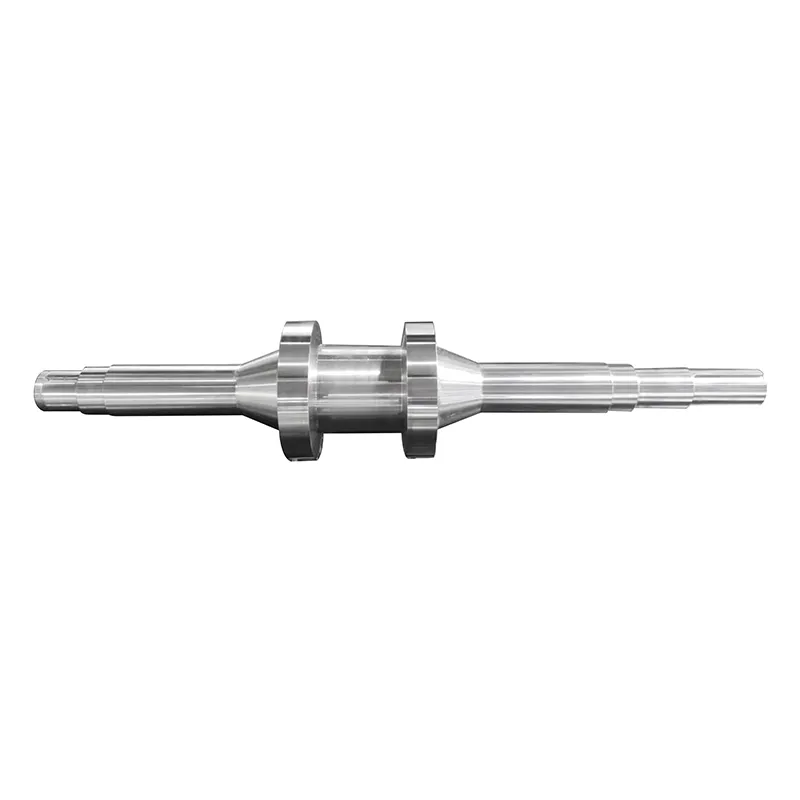
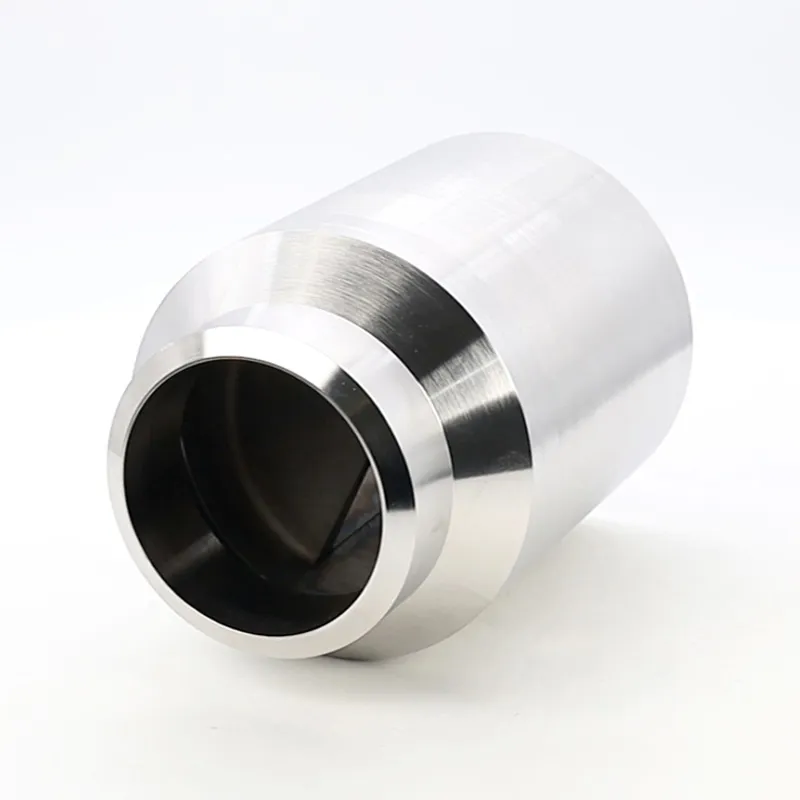
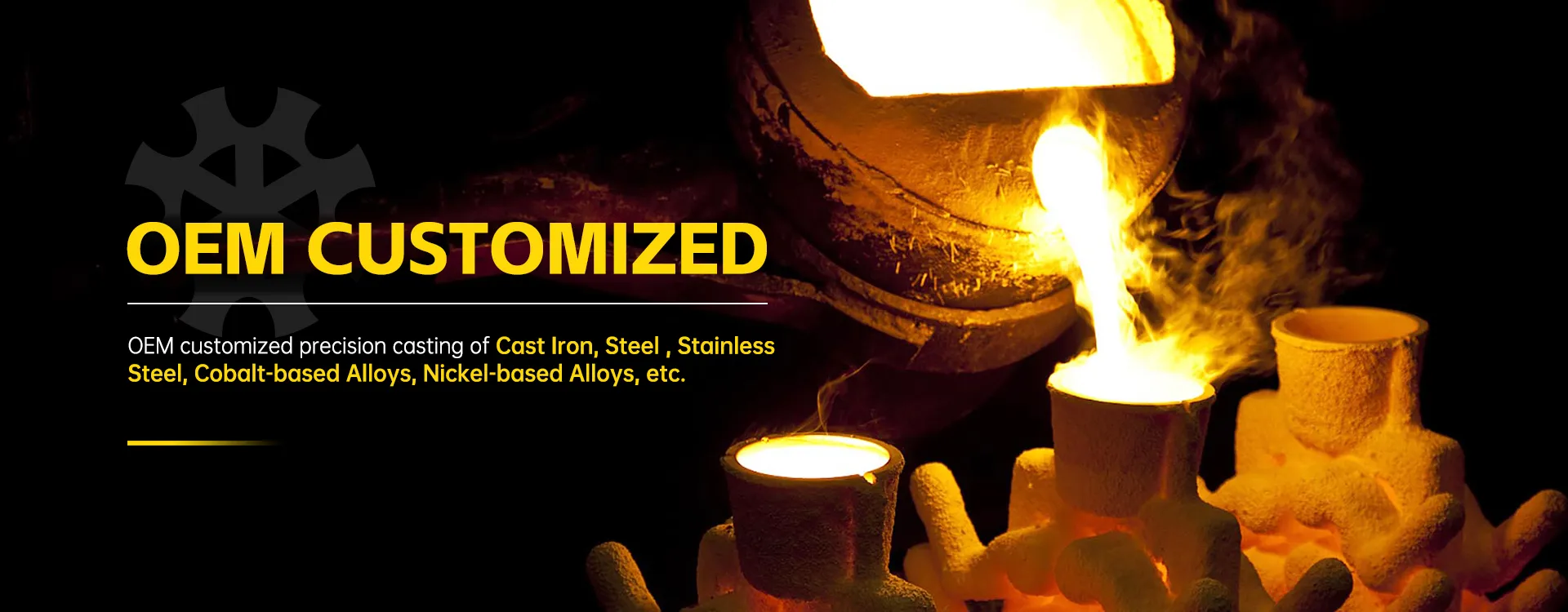
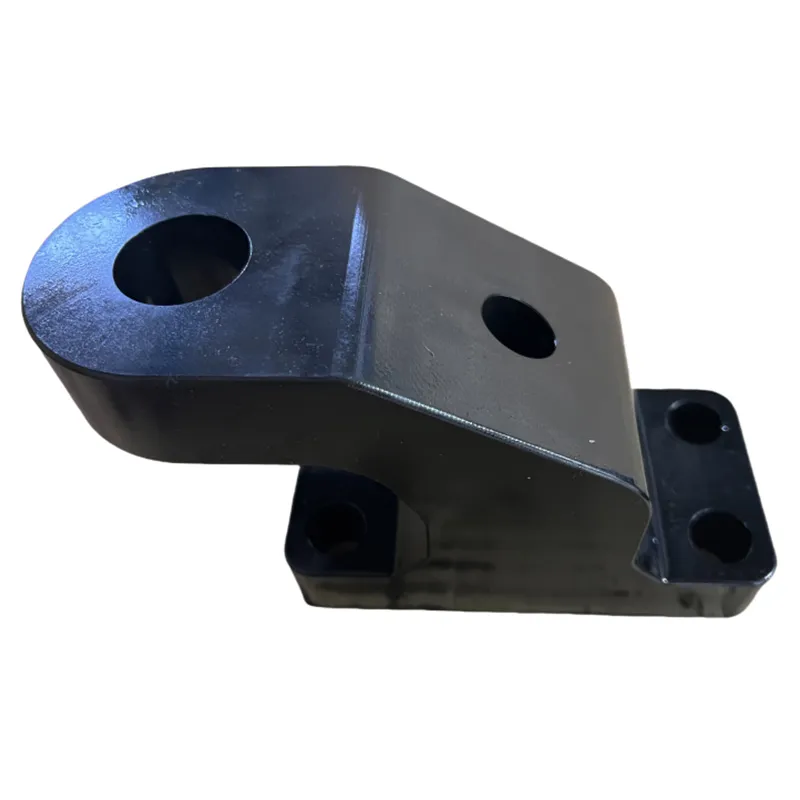
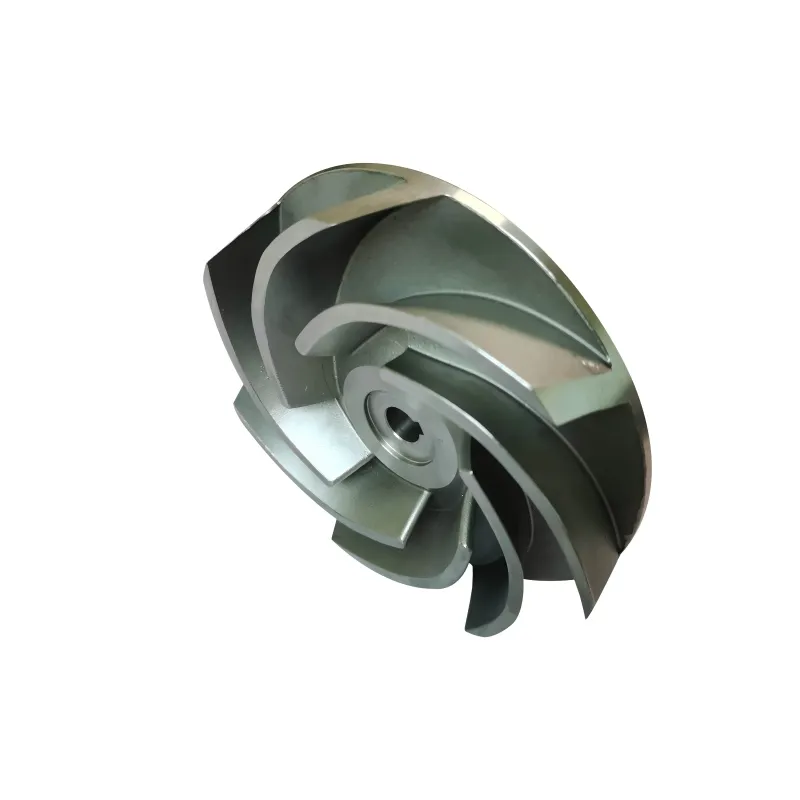
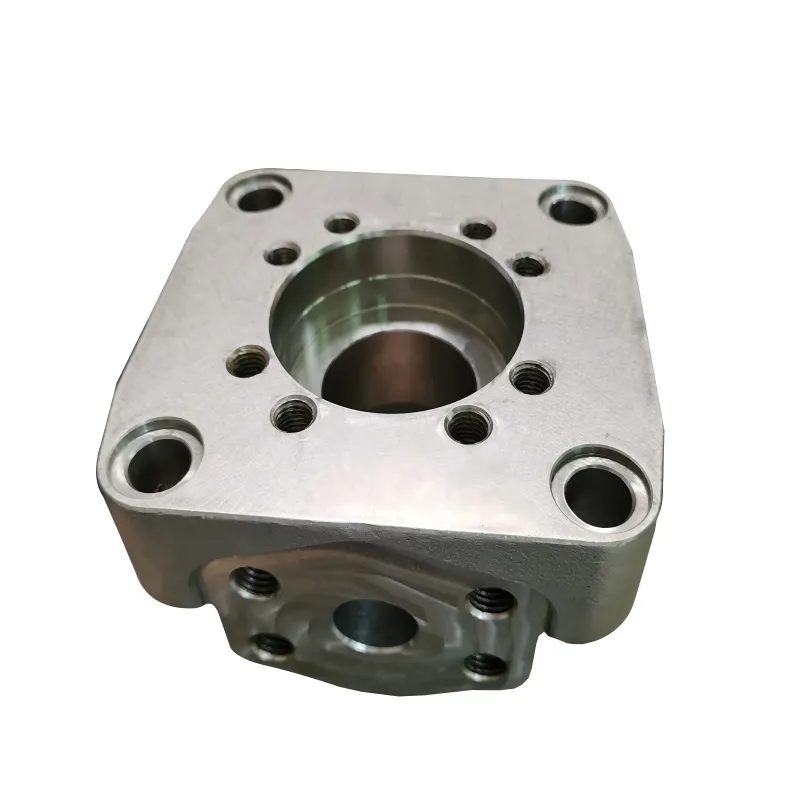
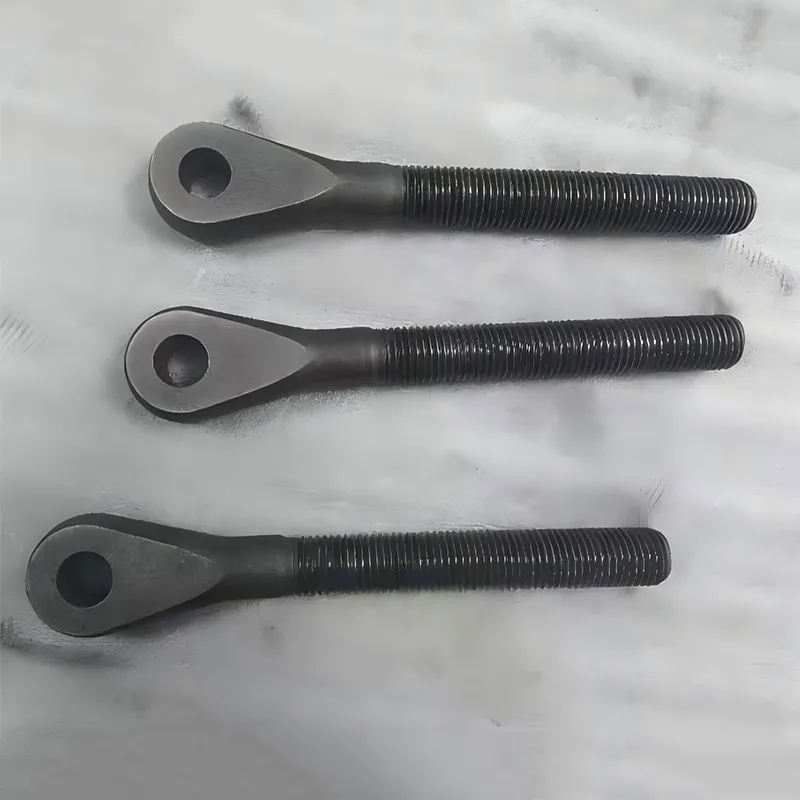
When most people hear 'gravity cast iron,' they picture a simple pour into a sand mold. That's the common starting point, but in practice, especially for parts that need real structural integrity, it's where the complexity begins. The term itself can be misleading—it's not just about iron and gravity; it's about controlled solidification, mold design, and managing the inherent characteristics of iron in a way that other processes like high-pressure die-casting can't touch for certain applications. I've seen too many drawings come in with a material spec of 'cast iron' and a process callout for 'gravity casting' without a clear understanding of the trade-offs. The assumption is often that it's a cheap, low-skill process. It can be cost-effective, yes, but getting it wrong is expensive, and getting it right requires a depth of process knowledge that isn't immediately obvious.
The Core of the Process: It's in the Mold and the Metal
The real differentiator in quality starts long before the iron hits the ladle. It's in the mold. For shell molding, which a company like Qingdao Qiangsenyuan Technology Co., Ltd. (QSY) has deep experience in, the mold itself is a cured resin-sand composite. The surface finish is superior to green sand, and dimensional accuracy is tighter. But for gravity casting, the gating system—those channels that guide the molten metal—is everything. You're not forcing metal in under pressure; you're relying on gravity and atmospheric pressure to fill the cavity. If the gates are wrong, you get mistruns or turbulent flow that pulls oxides into the part, creating weak points. I recall a batch of hydraulic valve bodies where we had persistent shrinkage porosity in a thick section. The fix wasn't a higher pouring temperature; it was redesigning the gate to promote directional solidification towards a riser we could later cut off. It took three iterations.
Then there's the iron itself. 'Cast iron' isn't one material. For gravity casting, grey iron (flake graphite) and ductile iron (spheroidal graphite) are the most common, but their behaviors are worlds apart. Grey iron has great damping and machinability but is brittle. Ductile iron has much higher tensile strength and some elongation. Choosing between them isn't just a mechanical property check; it's about how they solidify. Ductile iron requires careful inoculation treatment just before the pour to ensure the graphite forms into spheres. If that treatment fades (it has a limited 'window'), or if there's too much sulfur in the base iron, you get degenerate graphite, and the part's performance plummets. It's a live process control issue on the foundry floor, not something you can specify on a drawing and forget.
This is where long-term foundry partnerships matter. A supplier that handles both the casting and subsequent CNC machining, like QSY does, has a vested interest in getting the casting soundness right from the start. They know that a hard spot from chilled iron or a subsurface blowhole will destroy a cutting tool during machining, turning a seemingly good casting into scrap. Their process control for their gravity cast iron parts directly impacts their machining department's efficiency. It forces an integrated view of manufacturing that you don't always get from a foundry that only pours metal.
Where Gravity Casting Makes Sense (And Where It Doesn't)
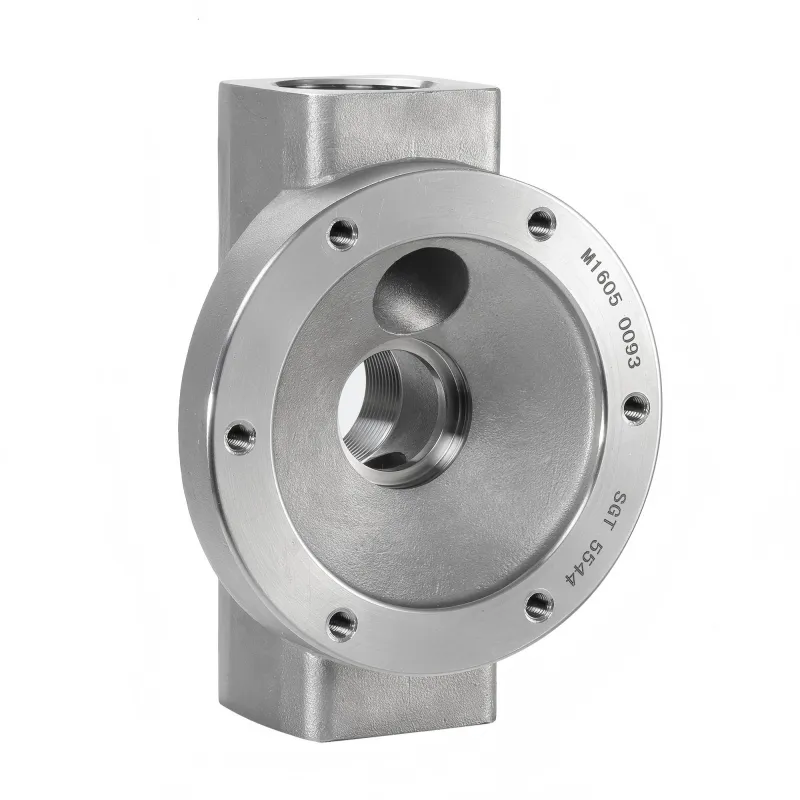
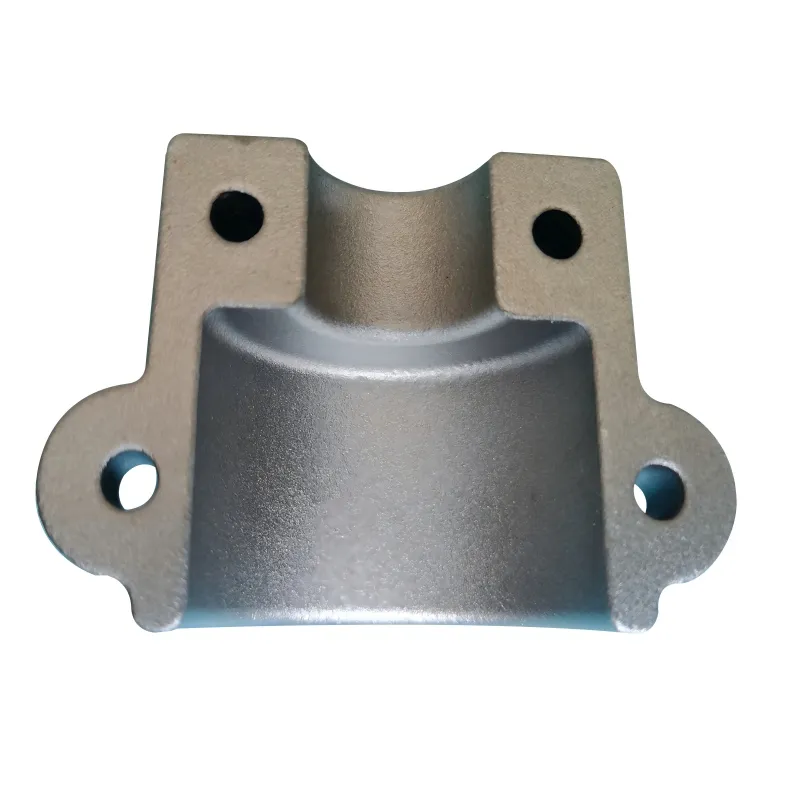
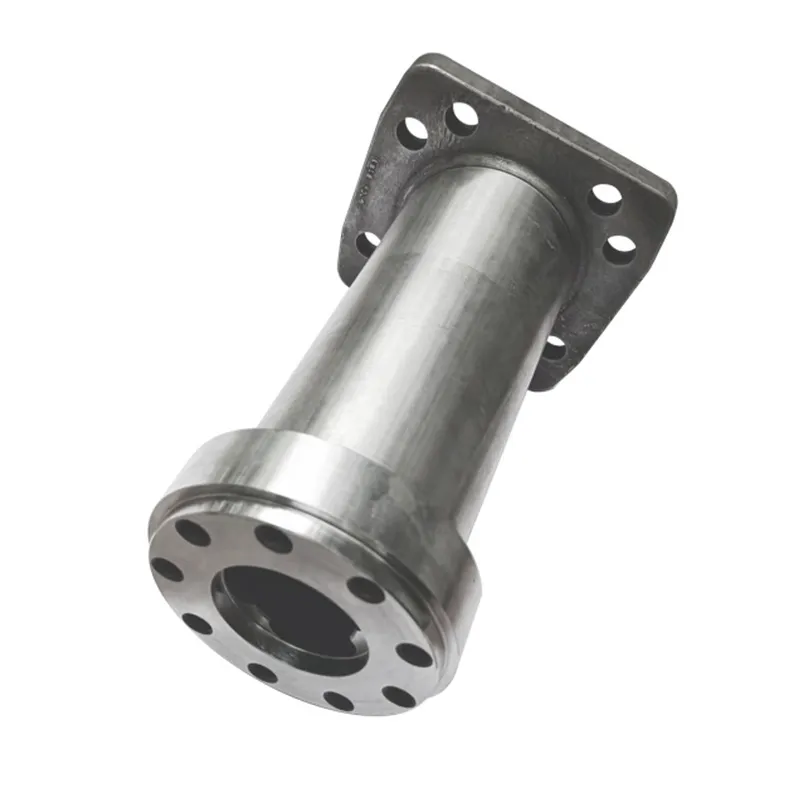
You don't use gravity casting for thin-wall, high-volume consumer parts. That's die-casting territory. Gravity casting's niche is medium to lower volumes of parts that are relatively complex, have varying wall thicknesses, and require good mechanical properties. Think machinery bases, pump housings, heavy-duty gearbox cases, or large brackets in industrial equipment. The process allows for the use of sand cores to create internal passages—something very difficult in die-casting. For instance, the internal water jacket of a compressor cylinder head is a classic candidate.
But there's a failure mode I've encountered: over-designing for the process. Engineers used to steel fabrications will sometimes design a part with numerous thin ribs and webs to minimize weight. In gravity cast iron, this can be a disaster. Thin sections cool too fast, preventing proper feeding from the risers, leading to a network of micro-shrinkage. The part might pass a visual inspection but fail under pressure testing or in service. The lesson is that designing for gravity cast iron requires an understanding of foundry limits—minimum recommended wall thicknesses, how to transition between thick and thin sections, and where to place reinforcement. It's a collaborative design effort, not just a print toss over the wall.
Another practical point is post-casting operations. Almost all gravity cast iron parts will need some machining on mating faces, bolt holes, and sealing surfaces. The as-cast skin is tough. A foundry with integrated CNC machining capabilities, as indicated in QSY's service profile, adds significant value. They can fixture the part using cast datum features, understanding the inherent casting variation, and machine to final dimensions in one setup. This reduces lead time and eliminates alignment issues that arise when casting and machining are split between two vendors with no communication.
Material Nuances and the Alloy Question
While standard grey and ductile irons cover 80% of needs, sometimes you need something more. This is where the material expertise of a foundry gets tested. QSY's mention of working with special alloys like nickel-based ones is interesting in this context. While not typical for standard gravity cast iron parts, it highlights a capability spectrum. For example, a part might have a main body of ductile iron but require a seat or wear surface with exceptional corrosion or heat resistance. Sometimes, a foundry might advise on using a alloyed iron—like Ni-Resist for corrosion resistance or SiMo ductile iron for high-temperature performance—instead of jumping to a completely different, more expensive base material.
The challenge with these specialized materials in gravity casting is fluidity and shrinkage. Nickel-based alloys, for instance, have different pouring temperatures and solidification patterns than iron. Pouring them into sand molds designed for iron can lead to misruns or hot tearing if the mold composition and cooling rates aren't adjusted. It's not a process you switch to on a whim; it requires dedicated procedure development. This is the kind of background capability that separates a job-shop foundry from a technical partner. It suggests they're equipped to handle non-standard inquiries, which often stem from real-world field failures of standard materials.
For most projects, though, sticking to the well-characterized grades of iron is the wise path. The material databases are extensive, the machining parameters are well-known, and the costs are predictable. The key is specifying the grade correctly on the drawing: not just ASTM A48 Class 35, but also the required microstructure, possible heat treatment (like stress relieving after casting, which is crucial for stability in machining), and any special testing like radiographic inspection for critical areas. This clarity prevents ambiguity and ensures the foundry—whether it's QSY or another—knows exactly the bar they need to meet.
The Integration Advantage: From Mold to Finished Part
Reflecting on the full chain, the real efficiency in producing reliable gravity cast iron parts comes from vertical integration. When the same entity controls the pattern/mold making, the melting and pouring, the heat treatment, and the precision machining, the feedback loops are short. The machinist who encounters a hard spot can walk back to the foundry manager and show them. They can jointly figure out if it was a local chilling issue from the mold or a metallurgical irregularity. This collaborative troubleshooting is impossible with a fragmented supply chain where each party blames the other.
A company's stated 30-year history in casting and machining, like QSY's, implicitly speaks to this integration. Over that timeframe, they've undoubtedly seen every possible defect and failure mode. That institutional knowledge translates into better upfront process planning. They know, for instance, how to orient a complex part in the mold to minimize shrinkage in critical zones, or how to design a fixture that references as-cast surfaces to maximize machining stock removal in the right places. This isn't textbook knowledge; it's tribal knowledge gained from decades of making parts, scrapping some, and learning why.
For an engineer sourcing these parts, this is the intangible you're looking for. It's not just about getting a quote per kilogram. It's about engaging with a supplier who asks questions about the part's function, its load conditions, and its interface with other components. They might suggest adding a slight draft you missed, or recommend a radius larger than your specified sharp corner to avoid stress concentration and improve mold fill. This dialogue, rooted in practical manufacturing experience, is what turns a design into a robust, manufacturable, and reliable gravity cast iron component. It moves the relationship from transactional to collaborative, which, in the end, is how you mitigate risk and ensure project success.
Concluding Thoughts: A Process of Managed Compromise
Gravity casting of iron will never have the flashy, high-tech aura of additive manufacturing or the blistering speed of die-casting. It's a mature process. But its value lies in its flexibility, material properties, and, when executed with expertise, remarkable consistency. The goal isn't perfection in the abstract; it's achieving the right balance of cost, performance, and lead time for a specific industrial application. The pitfalls—poor mold design, incorrect material treatment, inadequate feeding—are all well-known and manageable with rigorous process control.
The takeaway for anyone specifying these parts is to look beyond the basic capability listing. Look for evidence of integrated process control, from metallurgy to machining. Look for a history that suggests problem-solving depth. And most importantly, engage early. Treat the foundry as a co-developer, not just a vendor. Share the functional requirements and be open to their suggestions on design modifications for manufacturability. That collaboration is the true gravity that pulls a good design down into a successful, durable part.
In a world rushing towards digital and automated solutions, there's still a fundamental place for this analog, heat-and-metal process. It's about understanding and harnessing the natural behavior of material as it changes state. Getting it right feels less like a high-tech victory and more like a practiced craft—which, in many ways, it still is.