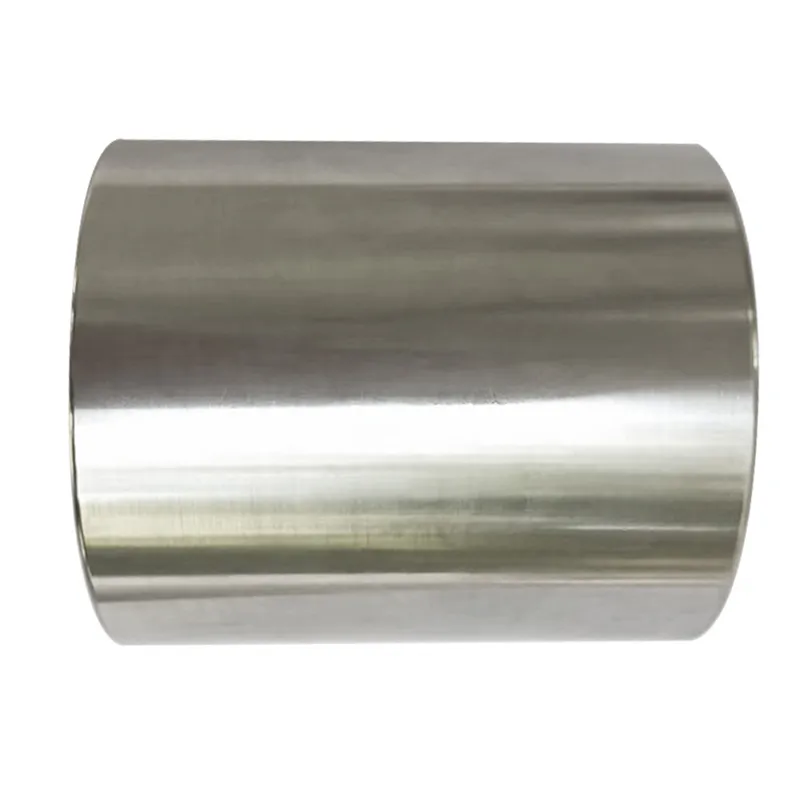
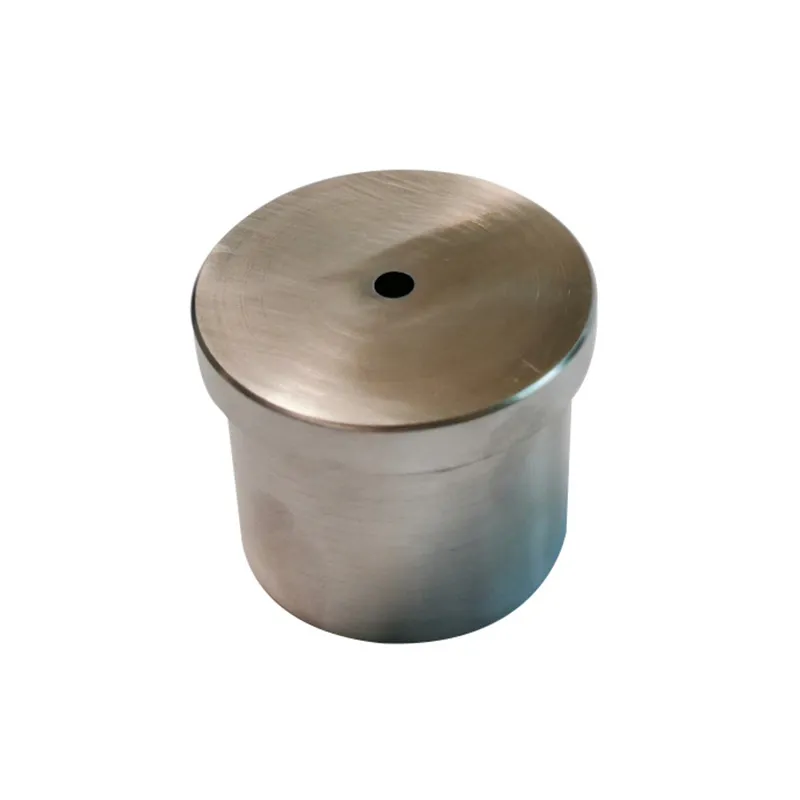
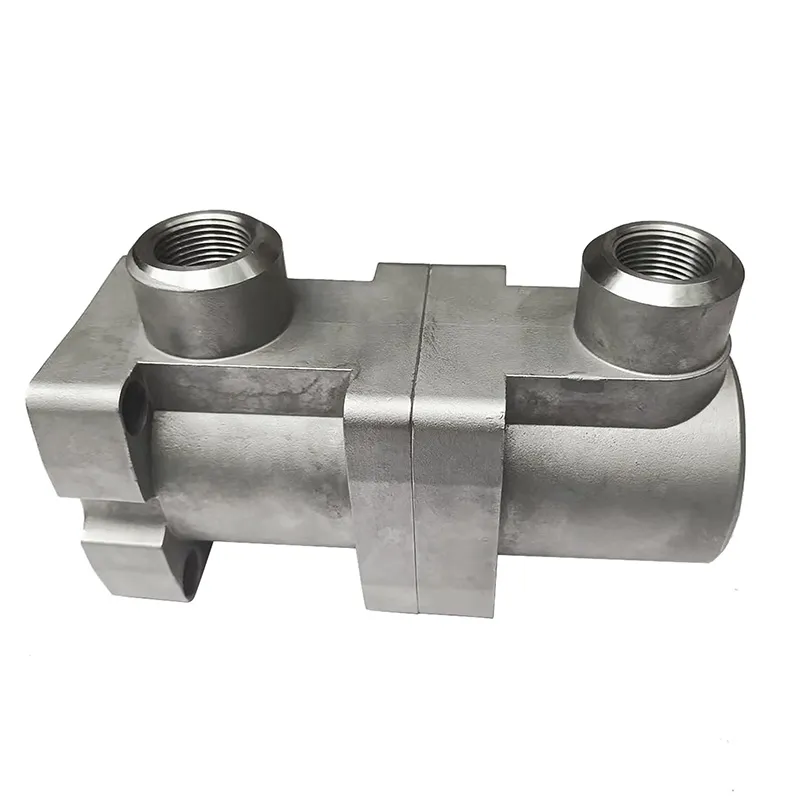
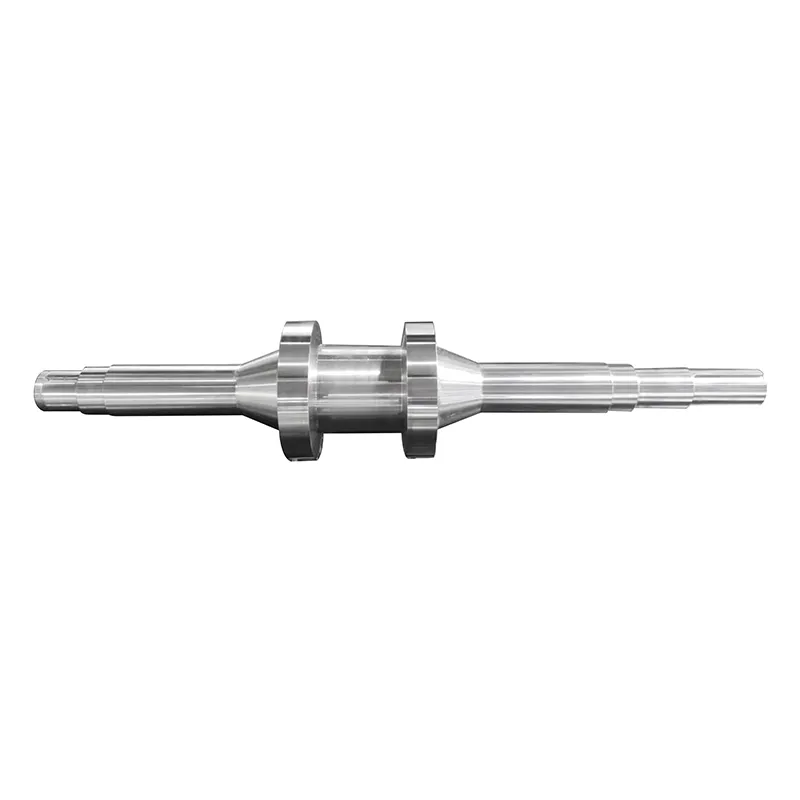
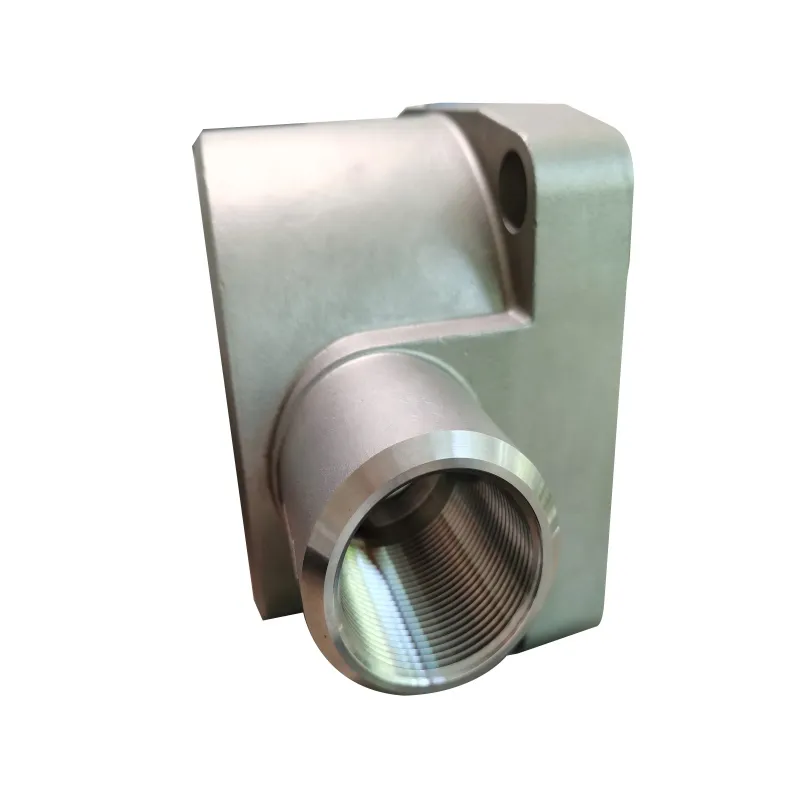
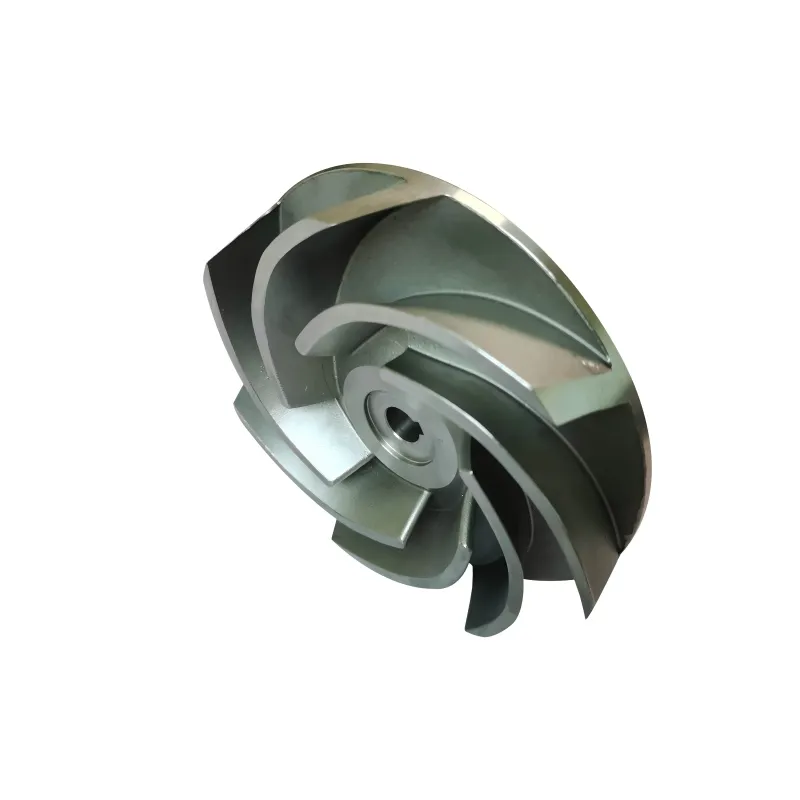
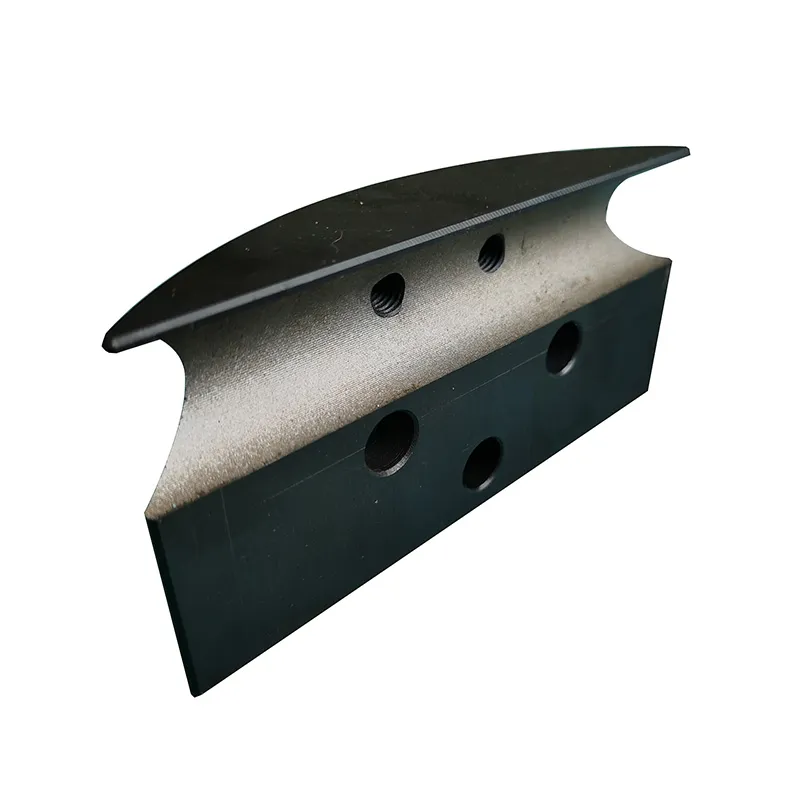
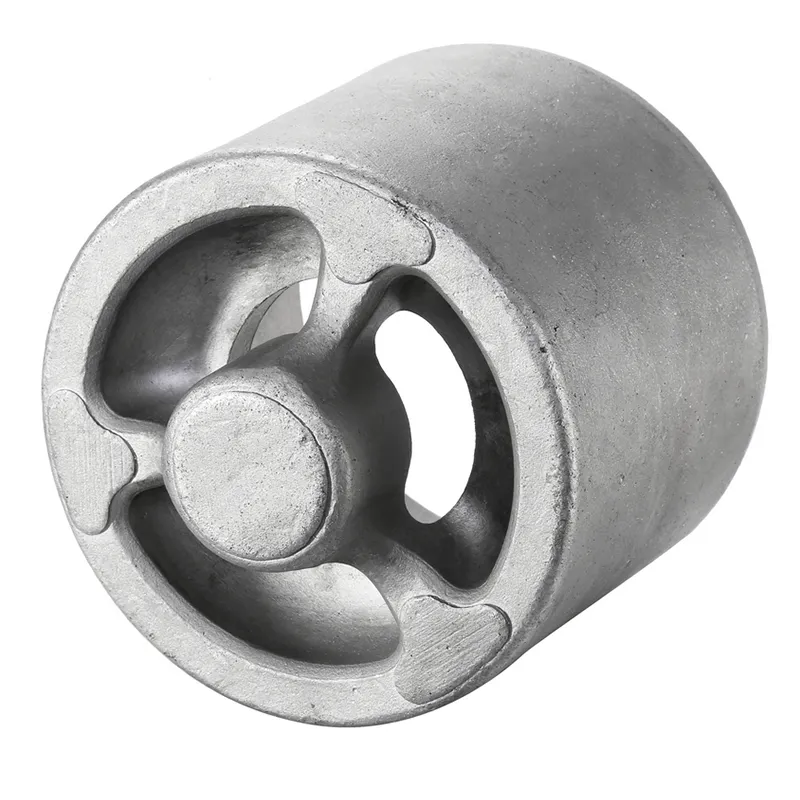
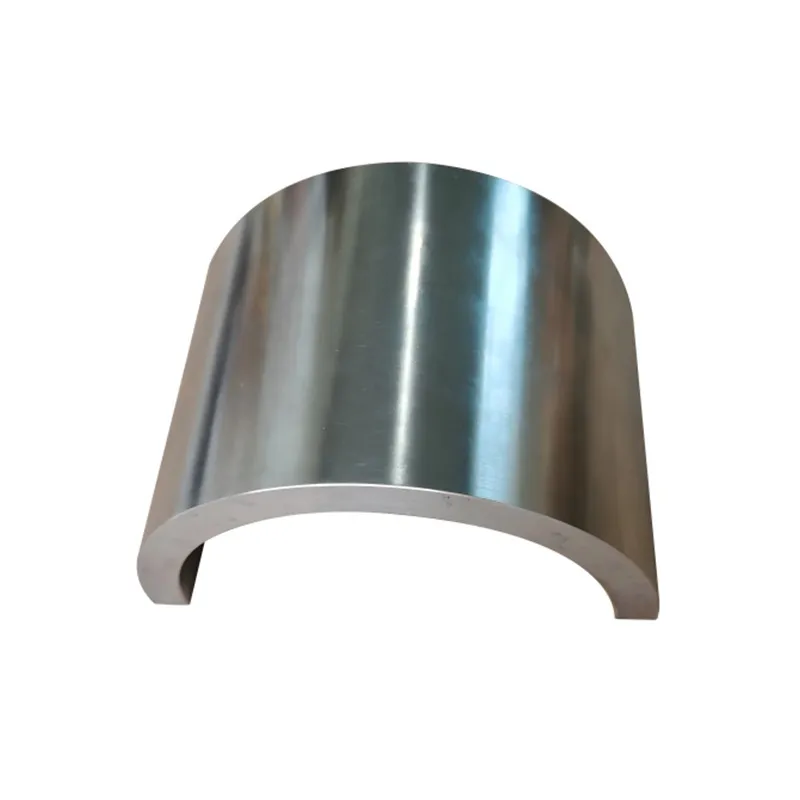
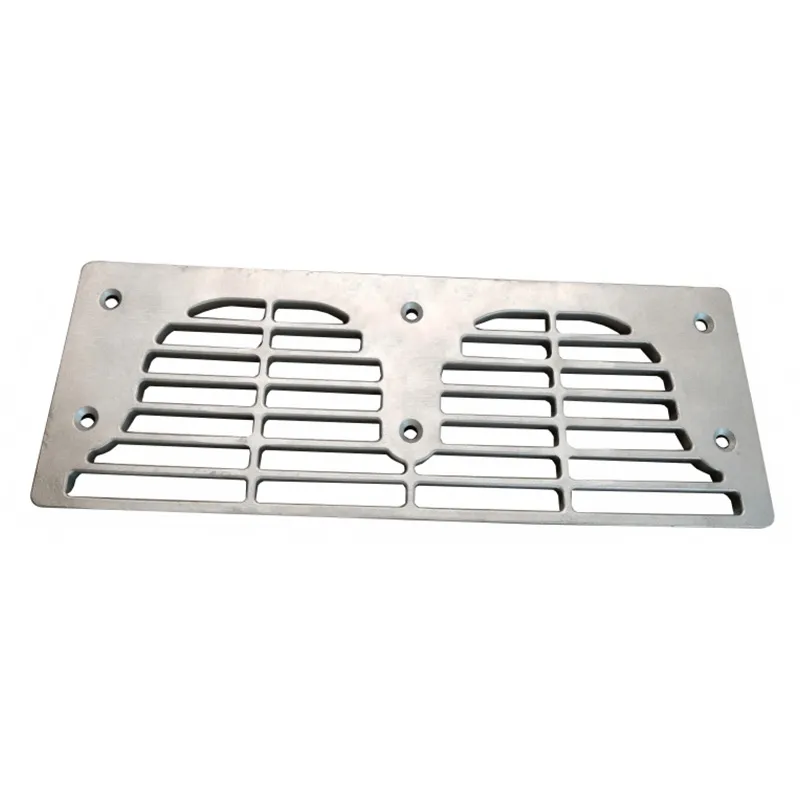
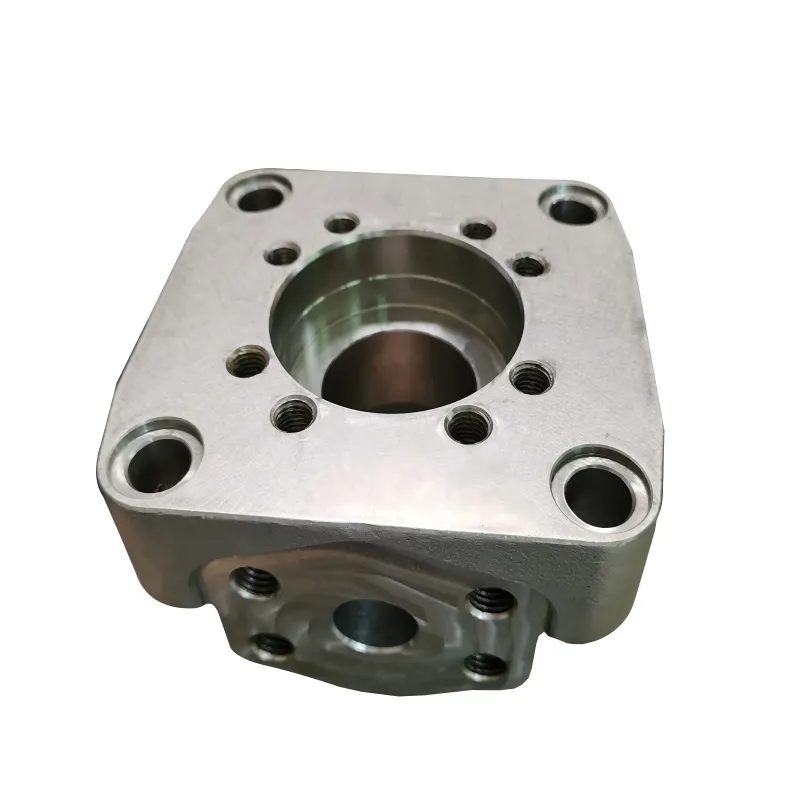
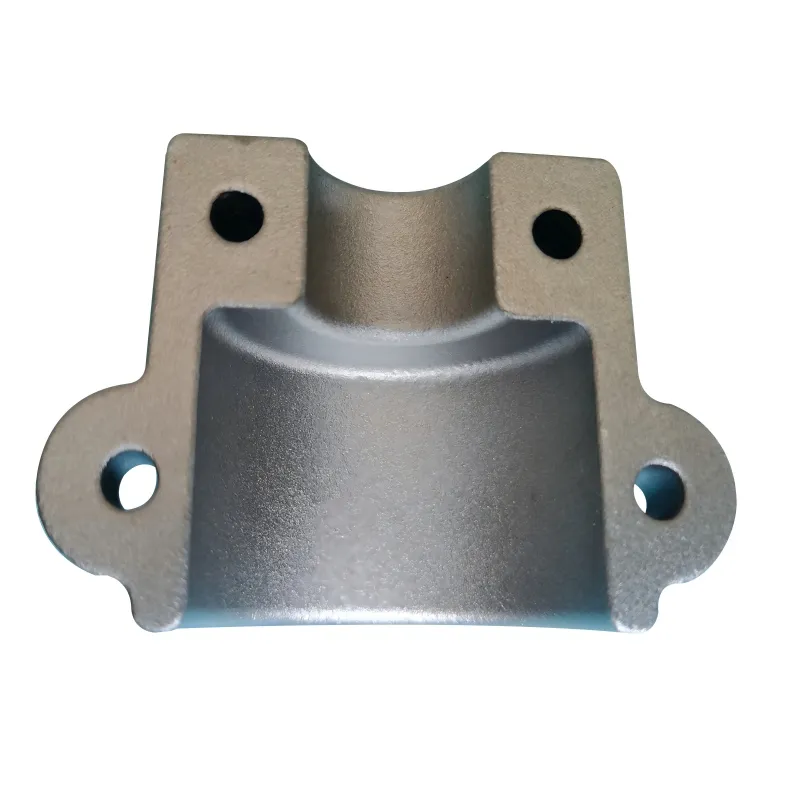
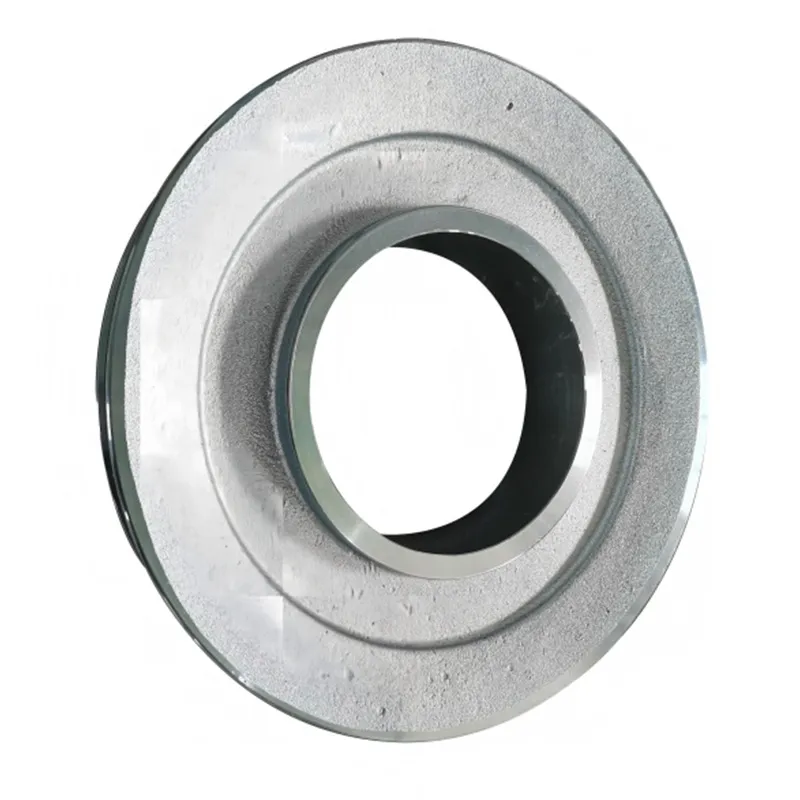
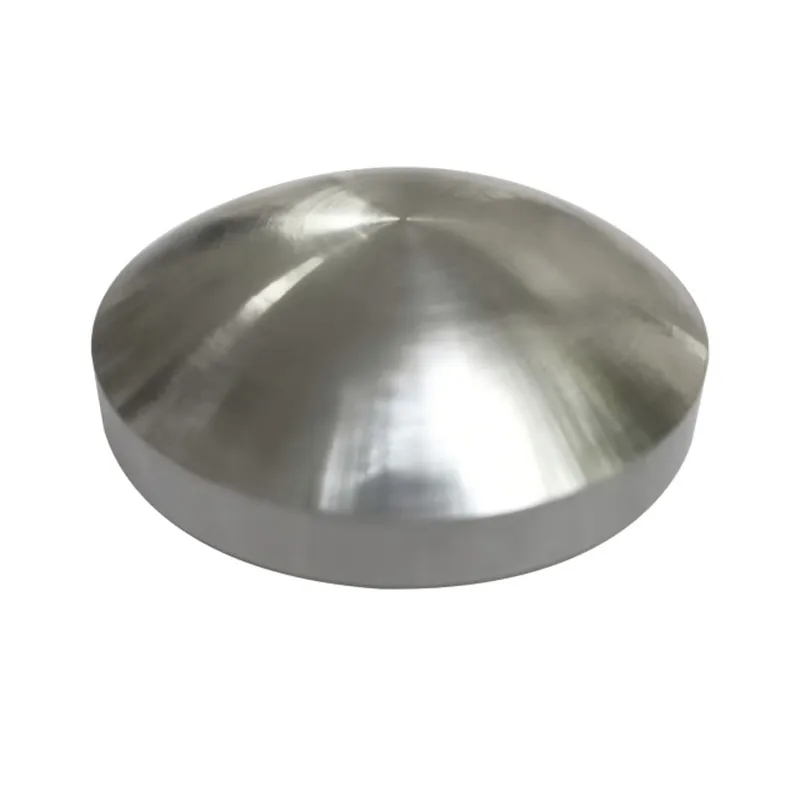
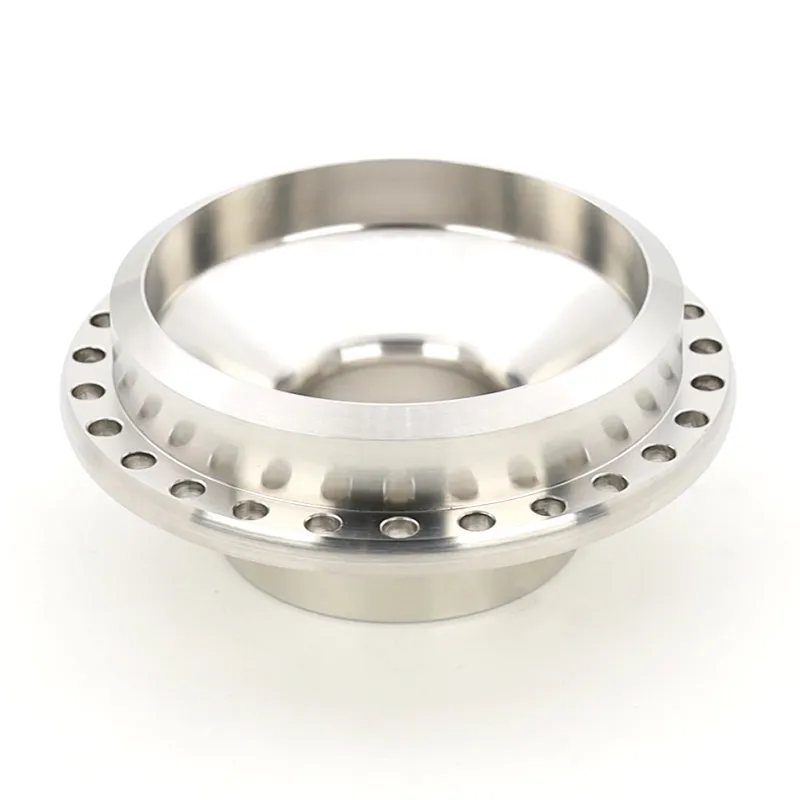
When you hear 'gravity die casting components', the first image that often pops up is of these flawless, shiny aluminum parts, almost like they popped out of the mold ready for a showroom. That's the glossy brochure version. The reality, the day-to-day grind of it, is a constant negotiation between the ideal design and the stubborn physics of molten metal. It's not just pouring metal into a steel mold and waiting; it's about managing heat, anticipating shrinkage in specific sections, and knowing that the gating system you spent a week designing might still need a tweak on the fifth production run. Many think it's the simpler cousin of high-pressure die casting, but that underestimation is where most quality issues begin. The gravity of the process is literal, but the control required is anything but passive.
The Core Misconception: It's All About the Mold
Too much focus gets put on the die itself—the H13 steel, the cooling channels, the polish. Don't get me wrong, a precision-machined die is the starting block. But I've seen perfect dies produce scrap because the pre-heat temperature was off by 30°C, or because the ladle transfer time introduced too much turbulence. The die is a constant; the process variables are the real players. At our shop, we log everything: die temp at different zones, metal pour temp, cycle time, even ambient humidity on some critical gravity die casting components for marine applications. That data log is more valuable than the die drawing sometimes.
For instance, we worked on a series of structural brackets for an off-road vehicle. The design had these thick mounting lugs transitioning to a thin, wide web. The die was beautiful. First shots? Porosity right at the junction, every time. The issue wasn't the mold; it was the solidification sequence. The thick sections stayed hot, feeding from the thin section which solidified first, leaving shrinkage voids. We solved it not by remaking the die, but by adding localized copper chill inserts in the die at the thick sections and adjusting the pour angle to change the metal flow path. It added cost and cycle time, but it saved the part. That's the reality—solving problems that aren't in the textbook.
This is where a foundry's experience with different materials really tells. We run a lot of aluminum A356, but for higher-strength demands, we shift to alloys like A357 or even go into zinc alloys for that application. Each one behaves differently under gravity. A356 is forgiving; A357 is more sensitive to cooling rates. You learn that by ruining a few batches, honestly. A partner like Qingdao Qiangsenyuan Technology (QSY), with their 30-year background in shell and investment casting, gets this instinctively. They understand that metal has a memory and a mood, whether it's poured under gravity, vacuum, or pressure. That cross-process knowledge is gold.
Where Machining Intersects the Casting
This is the critical handoff that gets glossed over. You can't talk about gravity die casting components without talking about the machining allowance and the fixturing. The as-cast surface might look good, but you're almost always facing a machining op to hit true positions or get a sealing surface. If the casting has residual stress or inconsistent hardness from uneven cooling, you'll see it in the CNC mill—tool chatter, dimensional drift, ruined finishes. We've had to implement a stress relief heat treatment batch for certain parts before they even go to the machining cell, which we never initially quoted for.
QSY's integrated model, where they handle both the casting and the CNC machining under one roof, eliminates a huge layer of finger-pointing. When the machinist is down the hall from the foundry foreman, problems get solved fast. Is the tool tearing because of the material's microstructure or is it a feed-rate issue? They can figure it out in hours, not weeks of emails between separate vendors. For a complex part like a compressor housing, where the internal volute needs to be cast near-net-shape but finished with precision milling, this integration is the only way to guarantee final tolerances.
I recall a pump body we did, a nickel-based alloy for corrosion resistance. Gravity casting gave us the integrity we needed without the turbulence of high pressure. But the flange face had to be absolutely flat. The initial runs warped slightly after machining. Because the casting and machining teams were integrated, they traced it back to the way the part was being extracted from the die—the ejector pins were causing a minor distortion that only showed up after the skin was machined off. A slight change in the ejection sequence and support in the machining fixture solved it. Two separate companies would have been stuck in a loop of blame.
The Material Choice: It's Not Just Aluminum
Gravity die casting gets pigeonholed as an aluminum process. It's the most common, sure, but the technique works for a broader range. We've done successful runs with certain copper alloys and magnesium. The key is the metal's fluidity and melting point relative to the die life. Pouring a bronze alloy under gravity is a different beast—higher temps, faster die wear, different oxide management. You venture into these materials when the part needs the properties—like high thermal conductivity or specific wear resistance—and volume justifies the die cost over sand casting.
This aligns with what you see at a diversified operation like QSY. Their work with stainless steel and special cobalt-based alloys in investment casting informs their approach to dies for other metals. They understand grain structure demands. For a gravity-cast part that might later see a brazing operation or high-temperature service, that material science knowledge dictates everything from the alloy modification to the post-casting heat treatment cycle. It's not just making a shape; it's engineering a microstructure.
I learned this the hard way early on. We had an order for some heat sink plates from a copper-chromium alloy. We treated it like aluminum—similar die design, similar cycle time. The results were terrible: cold shuts and massive porosity. The thermal dynamics were completely different. We had to almost double the die pre-heat temperature and redesign the sprue to be much larger and hotter to maintain thermal mass. It was a costly lesson that you can't have a one-size-fits-all approach, even within the same casting method.
The Good Enough Trap and Quality Gates
In production, especially with a seemingly straightforward process like gravity casting, there's constant pressure to speed up cycles. Can we reduce the die cooling time by 10 seconds? Every second saved is money. But this is where internal quality standards make or break you. Establishing non-negotiable checkpoints—first article inspection, periodic dimensional checks, dye penetrant testing on a sampling basis—catches drift before it becomes a batch rejection.
For us, every new gravity die casting components program has a quality plan built in. It might specify that every 50th part gets a full CMM check, or that the first pour of every shift gets sectioned for internal soundness analysis. It sounds tedious, but it's cheaper than a customer field failure. A company with a long-term view, like the 30-year history QSY references, typically has these protocols baked into their culture. They've seen what happens without them.
A failure that sticks with me was a batch of lever arms for an agricultural machine. They passed visual and dimensional checks. But in the field, they started cracking under load. Forensic analysis found a slight oxide film folded into a high-stress area—a flaw invisible from the outside. The root cause? A slightly worn launder in our pouring system was causing a tiny but consistent turbulence. Since then, we inspect and replace those consumable pouring system parts on a strict schedule, not when they look bad. It's the unsexy, preventative maintenance that defines reliability.
Looking Ahead: The Role in a Broader Manufacturing Chain
So where does gravity die casting sit today? It's not the flashy, high-volume solution for thousands of parts a day. Nor is it the ultra-flexible one-off solution. It occupies that crucial middle ground: producing strong, dense, and reliable components in medium volumes, with excellent mechanical properties and good surface finish. Its future is tied to lightweighting and integration. We're seeing more designs where multiple parts are combined into one complex gravity die casting components, eliminating assemblies and fasteners. That requires even closer collaboration between the designer and the foundry from day one.
This is why partnering with a full-service provider isn't just a convenience; it's a strategic advantage. When you engage with a team that can look at a drawing and think through the entire journey—from alloy selection based on corrosion or temperature needs (leveraging experience with special alloys), to the gravity casting process itself, through to the final machined features and quality validation—you get a part that works, not just a part that matches a print. The website for Qingdao Qiangsenyuan Technology Co., Ltd. (QSY) mentions their work in shell mold casting and investment casting alongside machining. That tells me they understand the full spectrum. A designer might come to them with a concept, and they can advise: This feature is better suited for investment, but this main body should be gravity die cast for strength and cost, and here's how we'll machine it. That holistic judgment is what you're really buying.
In the end, successful gravity die casting isn't about a single brilliant insight. It's about respecting the entire chain of events—from the moment the alloy is melted to the moment the machined part is packed. It's a process of controlled solidification, managed expectations, and relentless attention to the tiny details that most people never see. The components that come out the other side are quiet testaments to that grind.