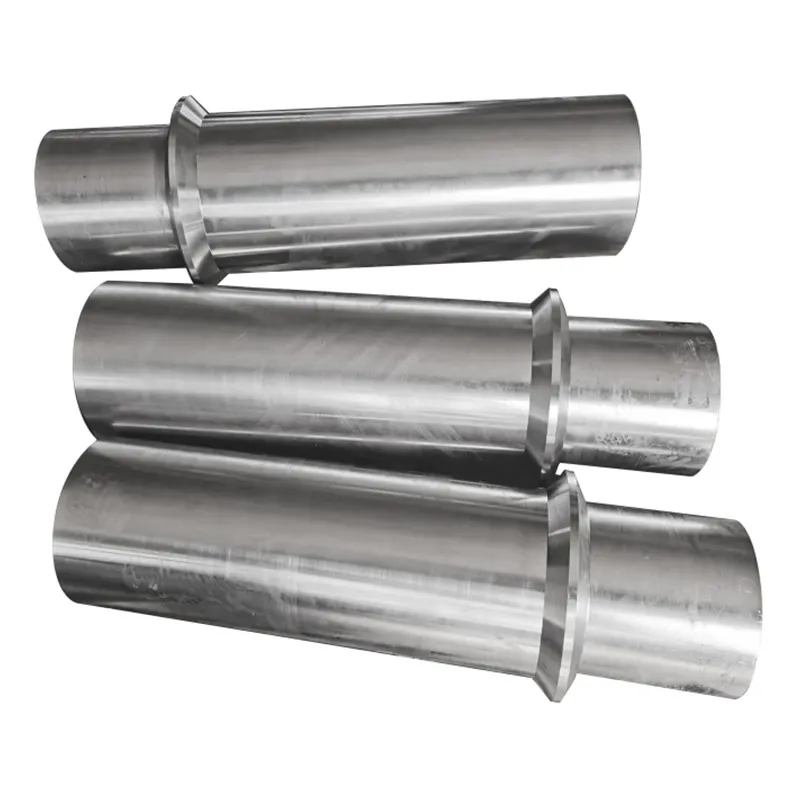
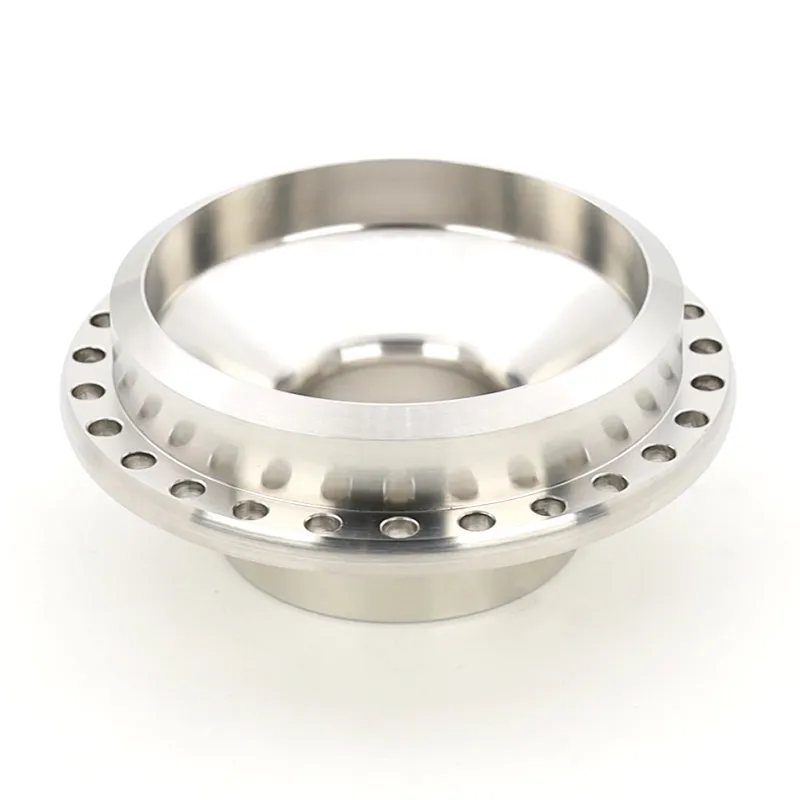
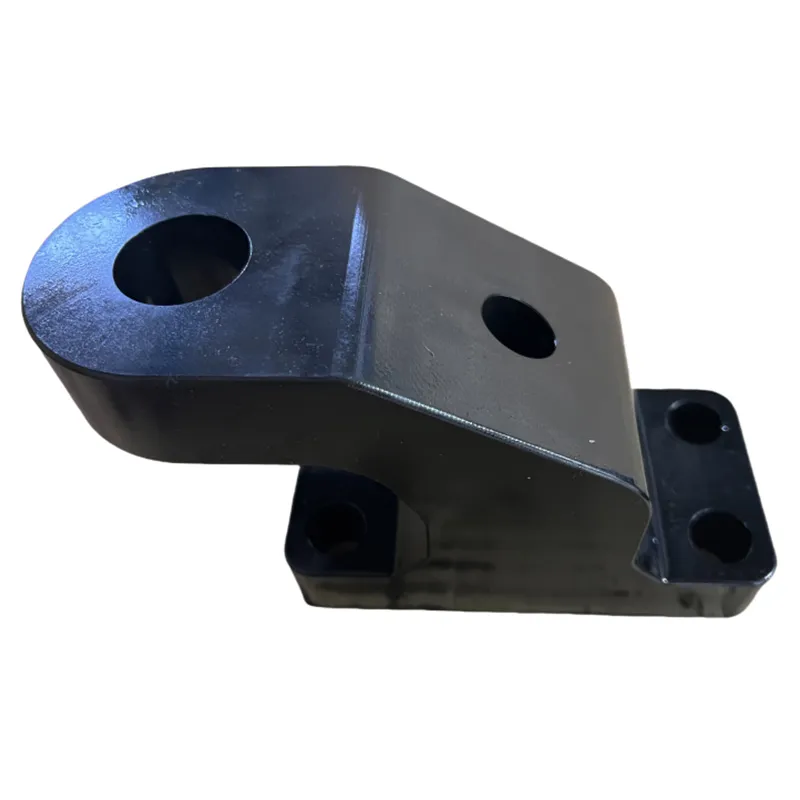
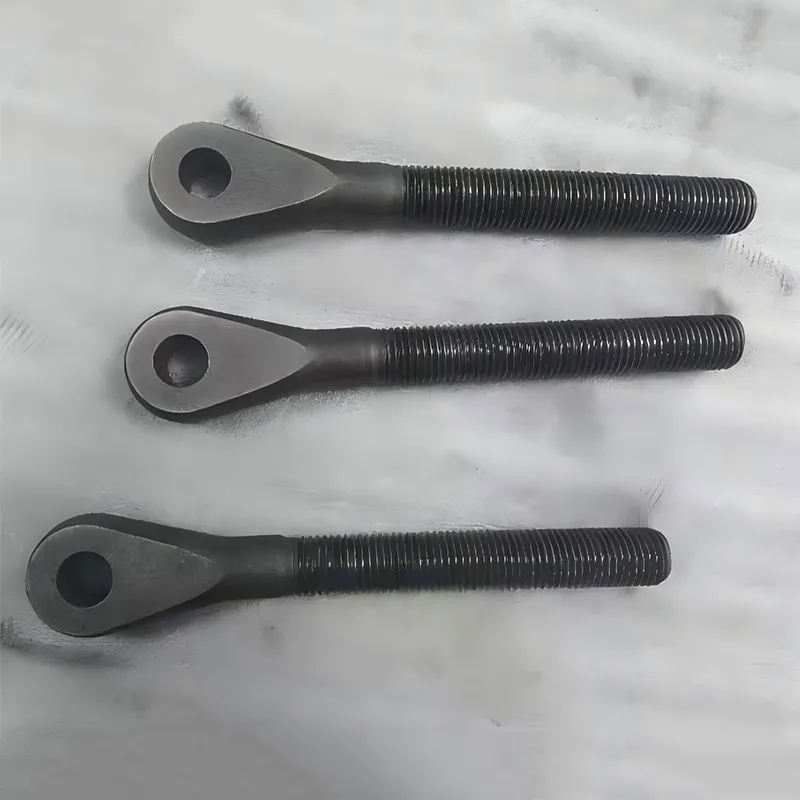
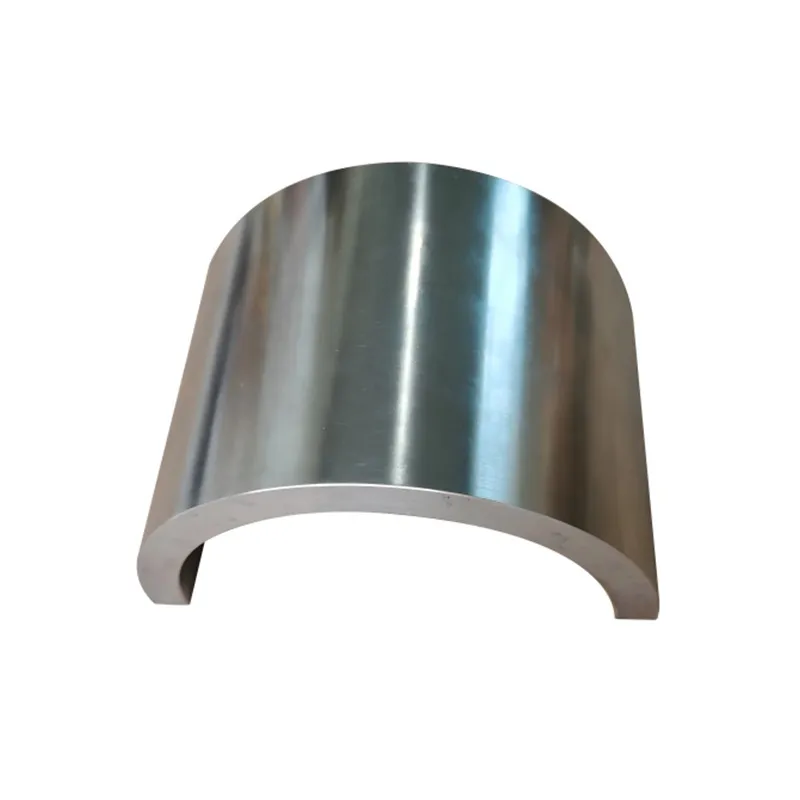
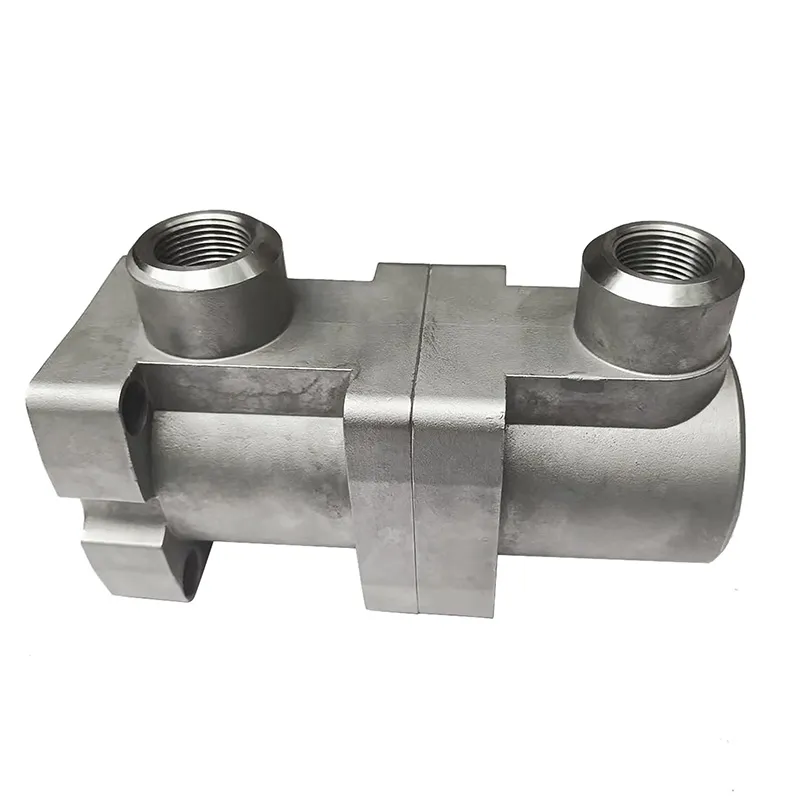
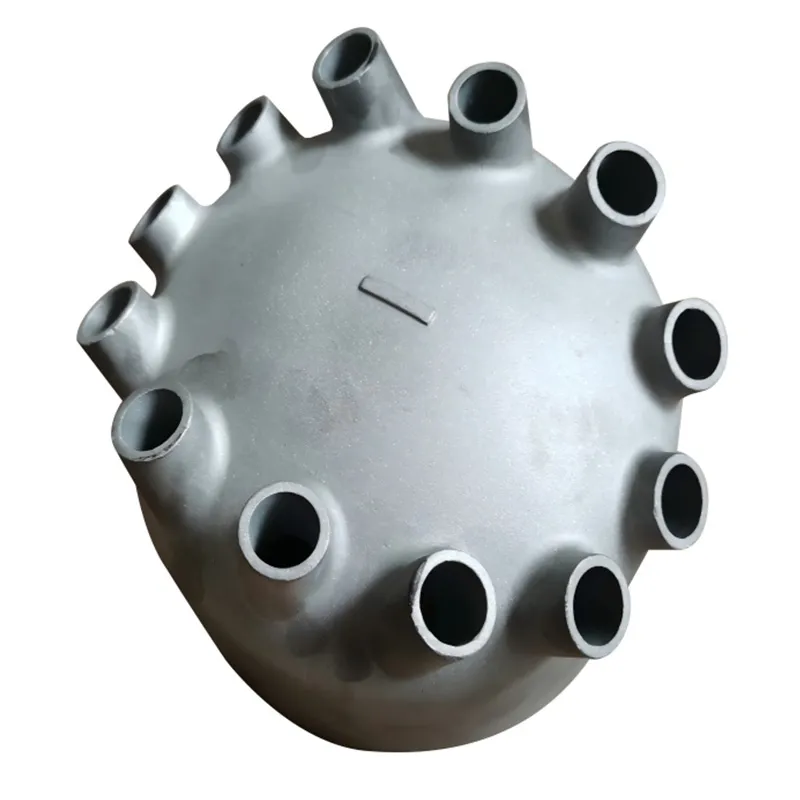
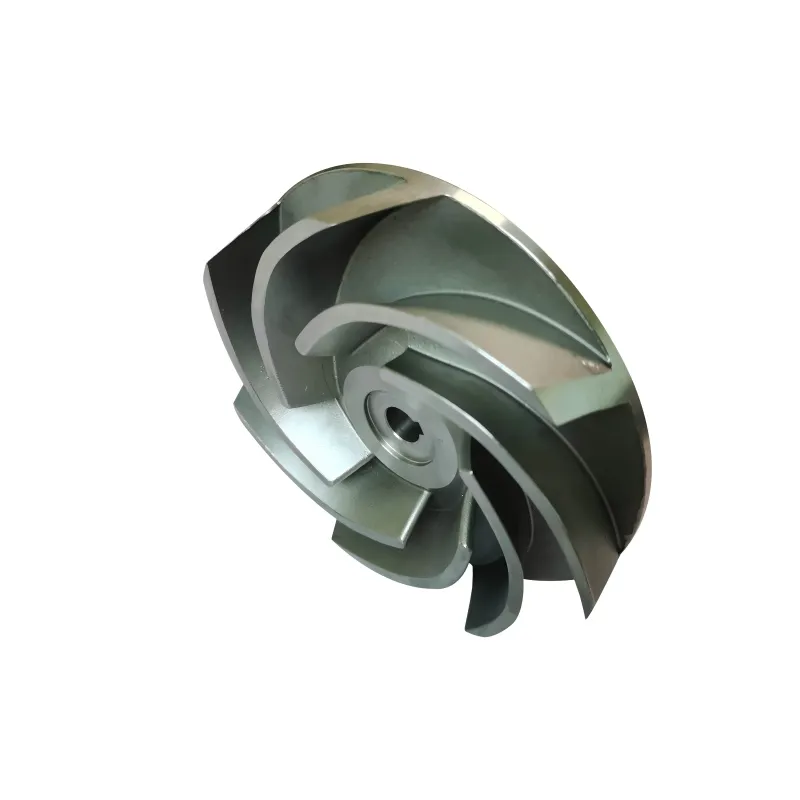
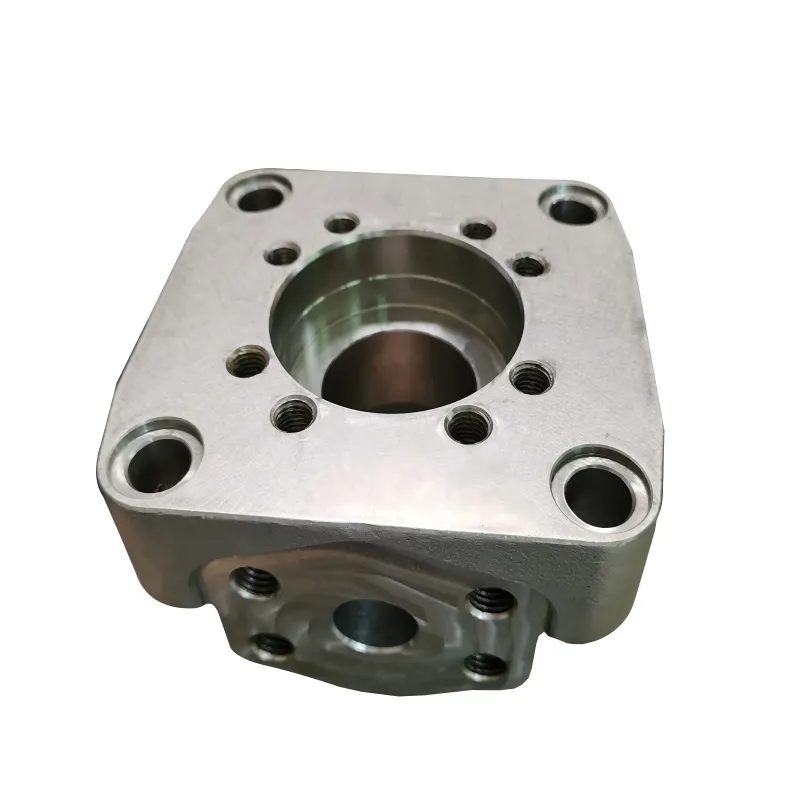
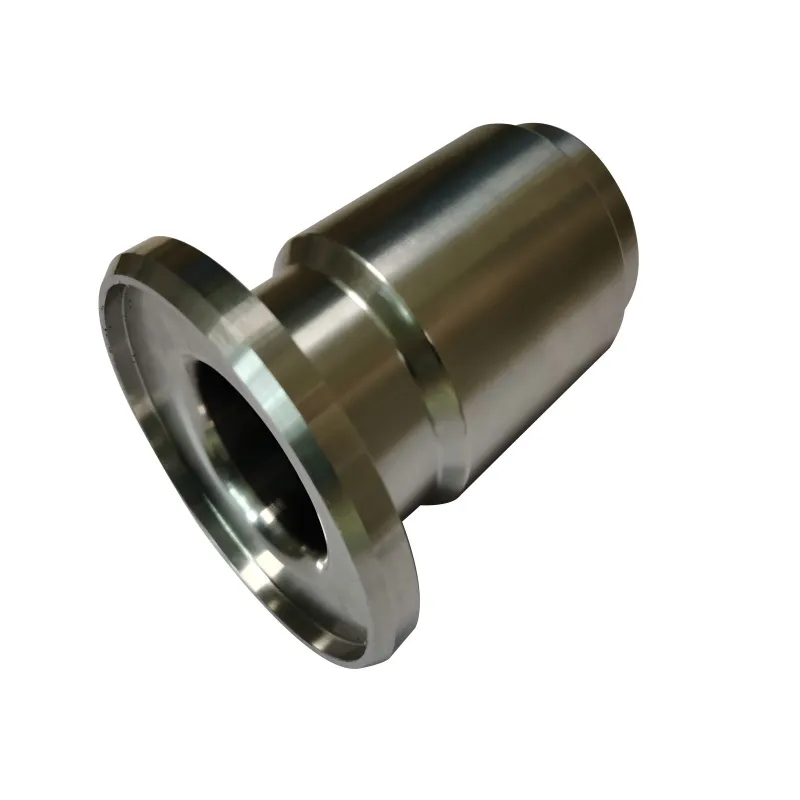
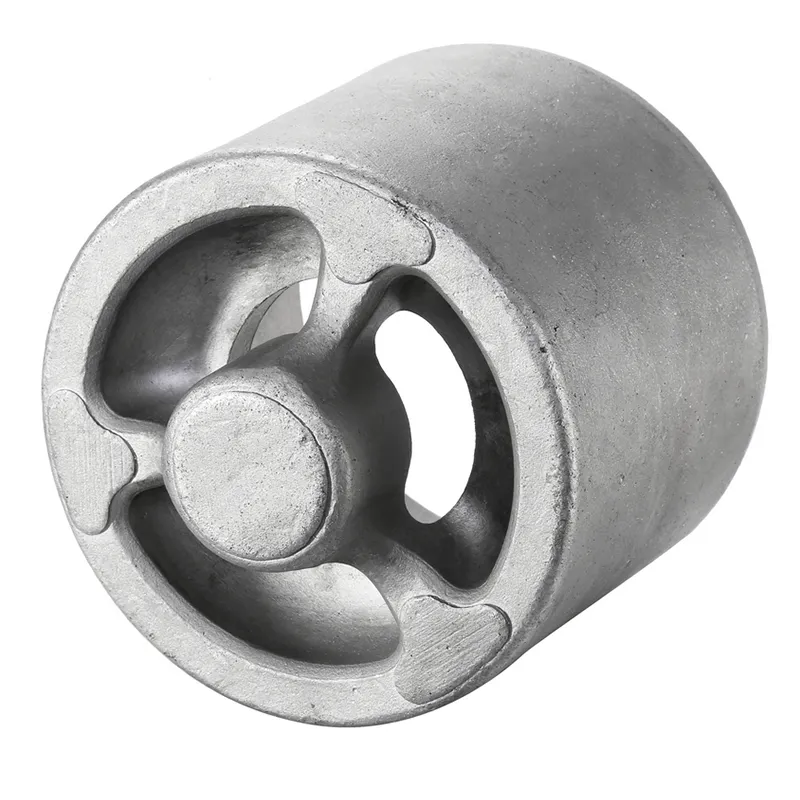
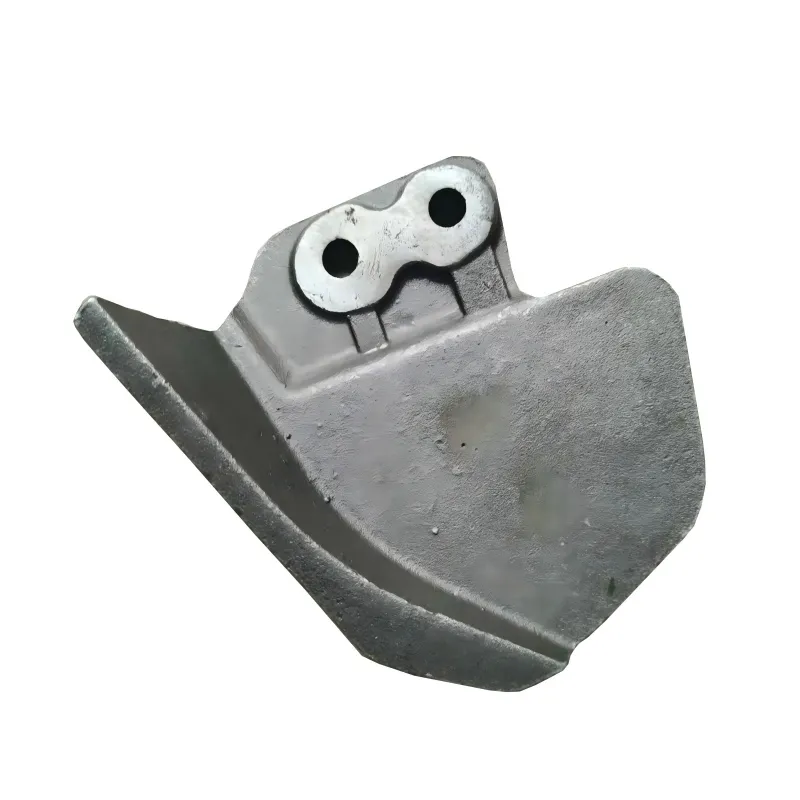
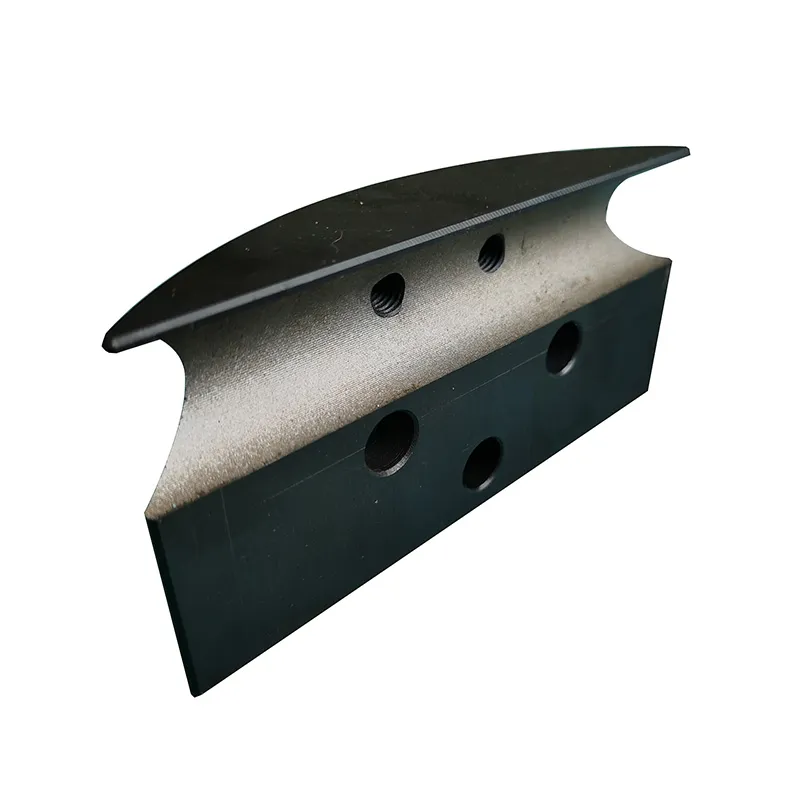
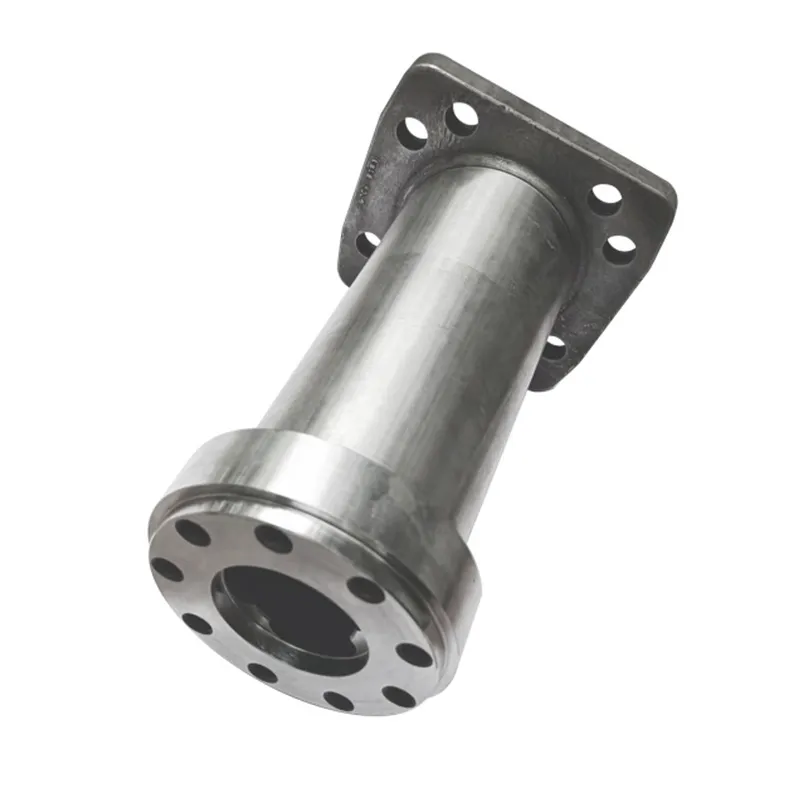
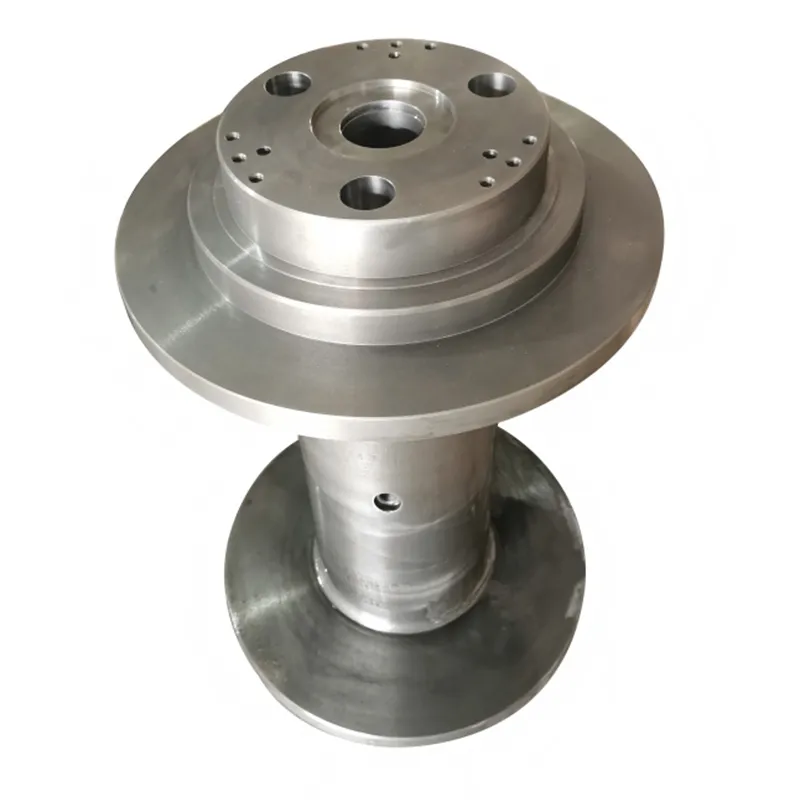
Let's cut through the noise. When most people hear 'gravity die casting parts', they picture flawless, high-volume aluminum widgets rolling off a line. That's the brochure version. The reality on the floor is a constant negotiation between design intent, metal behavior, and the stubborn physics of a permanent mold. It's not just pouring metal into a steel cavity; it's managing heat, anticipating shrinkage in the wrong places, and knowing when a design is asking for a defect.
The Misunderstood Middle Ground
Gravity die casting sits in this interesting, often misapplied space between sand casting and high-pressure die casting. I see specs come in all the time where someone wants the dimensional stability and fine finish of a permanent mold, but with the internal complexity of a sand casting. It doesn't work like that. The metal needs a path to flow and feed. You can't have isolated heavy sections behind thin walls—that's a shrinkage cavity waiting to happen. The mold, being unyielding steel, doesn't forgive.
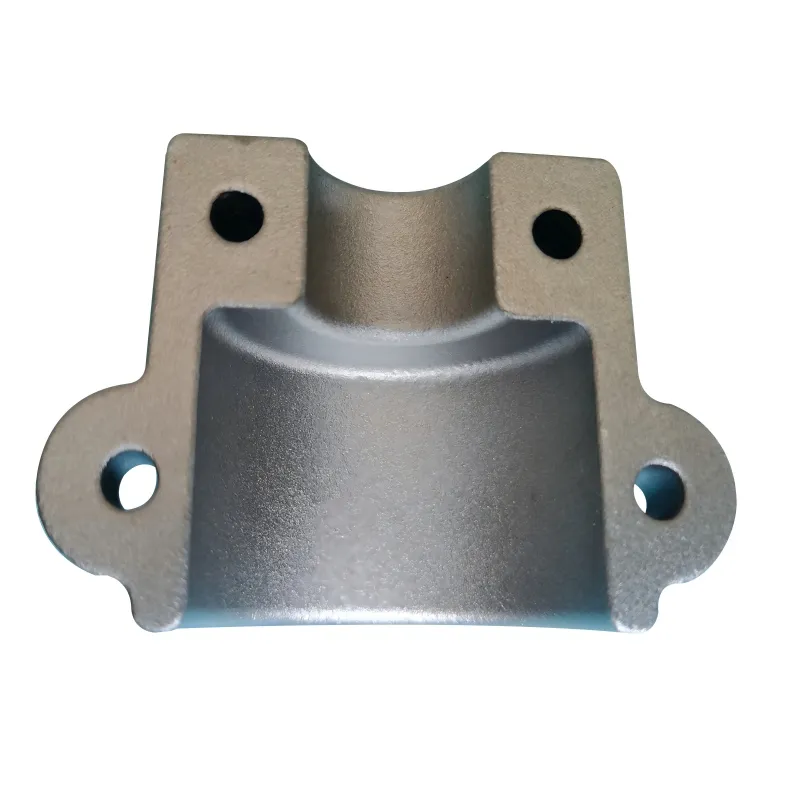
We learned this the hard way years back on a bracket for a hydraulic manifold. The client's drawing had a beautiful, compact design with a thick mounting lug adjacent to a thin flange. Looked great on CAD. In reality, the lug solidified last, sucking metal from the already-solid thin section, leaving a porous, weak junction. The fix wasn't just adjusting the pour; it meant going back to the designer and adding a subtle rib to act as a feed path. That's the day-to-day: part engineering.
This is where a foundry's experience with different processes pays off. A company like Qingdao Qiangsenyuan Technology Co., Ltd. (QSY), with their background in shell and investment casting, actually has a leg up here. They understand solidification patterns from intricate castings. Applying that knowledge to gravity die casting means they're not just mold-fillers; they're thinking about how the metal moves and cools from the get-go. You can see their approach on their portal at tsingtaocnc.com—it's about the right process for the part, not just selling a single capability.
Material is Not an Afterthought
Aluminum gets all the glory, but the game changes completely with other alloys. We're talking gravity die casting parts in brass, or even certain magnesium alloys. Each has its own drama. Aluminum A356? You're managing strontium modification for eutectic silicon and dealing with hydrogen pickup. Pour too turbulently, and you bake in porosity before the metal even starts to cool.
But say you need a part in a nickel-based alloy for high-temp service. Suddenly, the thermal fatigue on the H13 steel mold becomes a critical path. The thermal shock from pouring at 1500°C+ versus aluminum at 700°C is brutal. Mold life plummets. Your cost model goes out the window. This is where QSY's mention of working with special alloys like nickel-based ones isn't just a bullet point. It implies they've had to solve these thermal management issues, likely through specialized mold coatings or controlled cooling channel strategies. It's a different league from churning out aluminum housings.
I recall a project for a sensor housing in duplex stainless steel. The corrosion specs were tight. The gravity die process gave us the surface finish and consistency needed, but controlling the ferrite-austenite balance through the controlled cooling of a permanent mold was a nightmare. We went through a dozen thermal cycle profiles on the mold before we got a consistent microstructure. It was a reminder that the 'die' in gravity die casting is as much a thermal management tool as a shaping tool.
The Machining Handshake
This is the make-or-break that many pure-play foundries fumble. A gravity die cast part is rarely an end-product. It's a near-net-shape blank heading straight for a CNC vise. If the foundry doesn't understand machining, you get two kinds of headaches: inconsistent datum surfaces that wreck fixturing, or hidden hard spots from uneven cooling that shatter tools.
The synergy is crucial. When the casting house also runs CNC lines, like QSY does, there's a feedback loop. The machinist tells the foundry that every third casting has a hard spot on a specific flange. The foundry looks at the mold cooling and realizes one water line is partially clogged, creating a local hot spot and altered microstructure. Problem solved at the source. Without that integration, it's a blame game between supplier and machine shop.
We insist on first-article inspections that include a machining trial. Cast a batch, pull a sample, and put it on the mill. Does it fixture cleanly? Does it machine predictably? The dimensional report from a CMM is one thing, but the sound of the cutter and the color of the chip tell the real story. A good gravity die casting doesn't just meet print tolerances; it machines like a predictable piece of material.
When It Goes Wrong (And It Will)
Failure analysis is where you really learn. I've seen parts pass X-ray and dye penetrant, then fail in fatigue testing. The crack always starts at a point that looked clean. Often, it's not a gross defect, but a subtle oxide fold or a micro-shrinkage cluster created during the fill. With gravity pouring, if the gating isn't right to create laminar flow, you fold in the oxide skin from the surface of the molten stream. It becomes a perfect crack initiator buried inside the wall.
Another classic is distortion. You pull a part from the mold, it checks out on the CMM. After heat treatment (T6 for aluminum, say), it warps. The residual stresses from uneven cooling in the rigid mold get released. Now you're stuck with trying to straighten a heat-treated part, which is a great way to introduce new stresses. The solution is usually in the mold design—symmetrical cooling, sometimes even strategic areas of insulation to balance the solidification front.
These aren't theoretical problems. They're the hours spent at the shakeout, scratching your head, swapping thermocouples, and tweaking pouring basins. The goal is a robust process, not just a good sample. A supplier's real value is in how they handle these inevitable glitches. Do they have the metallurgical and process depth to diagnose and fix, or do they just cast another batch and hope?
The Realistic Application Sweet Spot
So where does gravity die casting truly shine? It's for parts that need better mechanical consistency and surface finish than sand casting, in volumes that don't justify the massive tooling cost of high-pressure die casting. Think cylinder heads, structural brackets for aerospace or auto, pump housings where internal surface quality matters. Parts where you might machine 80% of the surfaces, so you need a predictable, dense substrate.
It's also for larger, heavier castings. High-pressure has shot size limits. I've seen superb gravity die casting parts for industrial machinery that weigh over 50 kg. You're not doing that in a cold chamber machine. The process is relatively flexible and tooling, while not cheap, is orders of magnitude less than a high-pressure die set.
Looking at a portfolio like QSY's, which spans from intricate investment castings to machining, it makes sense. Gravity die casting fits right in that middle zone for components that are structurally critical and require subsequent precision machining. It's a technical, not a commodity, process. The end result, when done with that level of integrated oversight, isn't just a part. It's a validated pre-machined blank that lets the designer sleep at night. That's the real output, more than just the physical casting itself.