When you start looking for a gravity die casting supplier, the first wave of information is often a wall of sameness. Every website touts high quality, precision, and decades of experience. It's easy to get the impression that the process—pouring molten metal into a reusable steel mold under gravity—is straightforward and that any foundry with the equipment can deliver. That's the first trap. The real differentiator isn't the machine; it's the accumulated, often unspoken, knowledge of thermal management, alloy behavior, and tooling design that separates a part that functions from a part that excels. I've seen too many projects stall because the buyer focused solely on unit price and lead time, treating the process as a commodity. It's not.
The Core Misconception: It's Just a Mold
People think gravity die casting is simple because the concept is. You have a metal mold, you pour, you cool, you eject. But the devil is in the thermal dynamics. How do you manage the heat in the die to avoid premature solidification in thin sections or porosity in thick bosses? This isn't solved by a manual; it's solved by a pattern maker and foundry engineer who've seen a hundred variations. I recall a project for a marine hardware component in aluminum-silicon alloy. The initial samples from a new supplier had consistent cold shuts on a critical sealing face. Their solution was to increase pouring temperature, which only created shrinkage problems elsewhere. The real fix, which we landed on after two failed batches, was a combination of adjusting the gate geometry and adding specific cooling channels to the die. The supplier's brochure said they had advanced thermal simulation, but the practical application was lagging.
This is where a supplier's true pedigree shows. A company like Qingdao Qiangsenyuan Technology Co., Ltd. (QSY) mentioning 30 years in casting and machining is a signal, but you have to dig. Thirty years means they've likely cycled through economic downturns, material shortages, and evolving client demands. That institutional memory is a risk mitigation tool. They've probably seen what happens when you run a certain grade of ductile iron in a gravity die mold designed for grey iron. That practical database is invaluable.
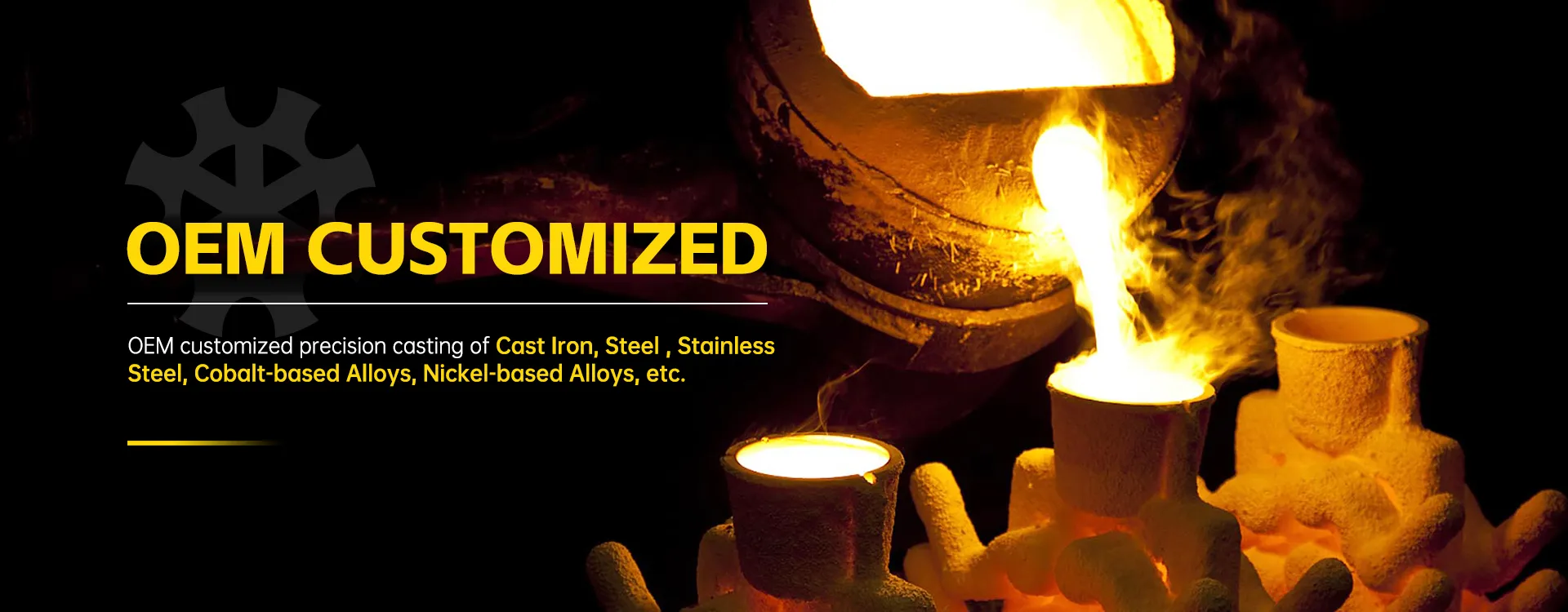
Material selection is another layer. Gravity die casting isn't just for aluminum. While aluminum and its alloys are common, the process is also used for magnesium, copper-based alloys, and even some cast irons. A supplier with a narrow material focus might try to force-fit an alloy into a process it's not optimal for. QSY's listed expertise in stainless steel and special alloys like nickel-based ones suggests a familiarity with high-melting-point, challenging materials. This implies their approach to die design and thermal control is built for a wider, more demanding range of conditions than a shop that only does A356 aluminum. It's a different level of furnace technology, die material science, and process control.
Where Machining Integration Isn't Optional
Here's a hard-earned lesson: never separate the casting supplier from the machining supplier for critical-tolerance parts. The handoff between casting and CNC machining is a fertile ground for finger-pointing. If the as-cast part has a slight distortion or a critical datum face is not optimally located, the machinist is left to compensate, often eating into material spec or creating uneven wall thickness. I've been in meetings where the caster blames the machinist's fixturing, and the machinist blames the caster's consistency. It's a waste of time and money.
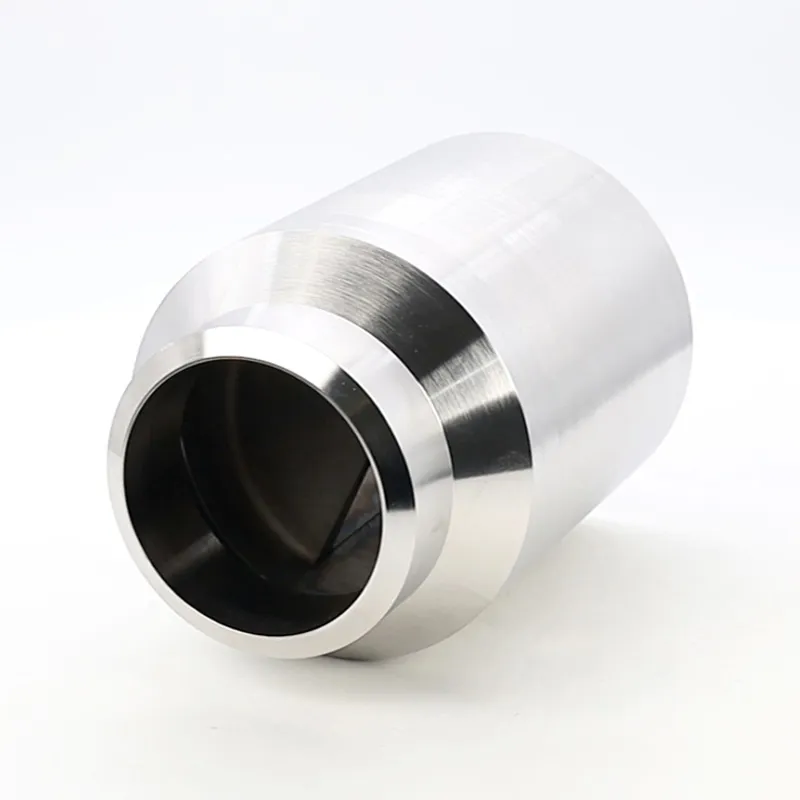
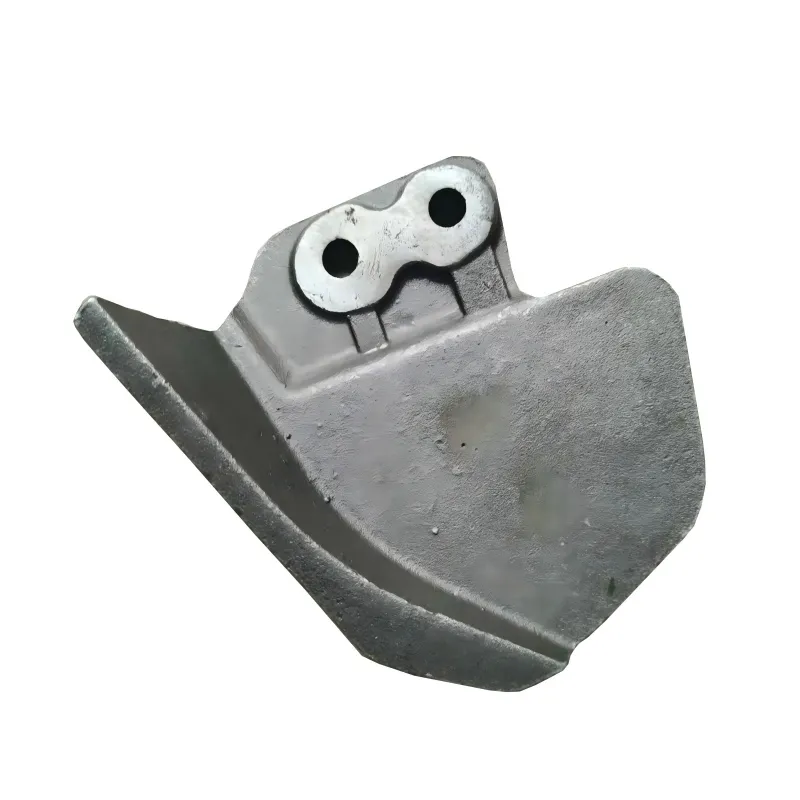
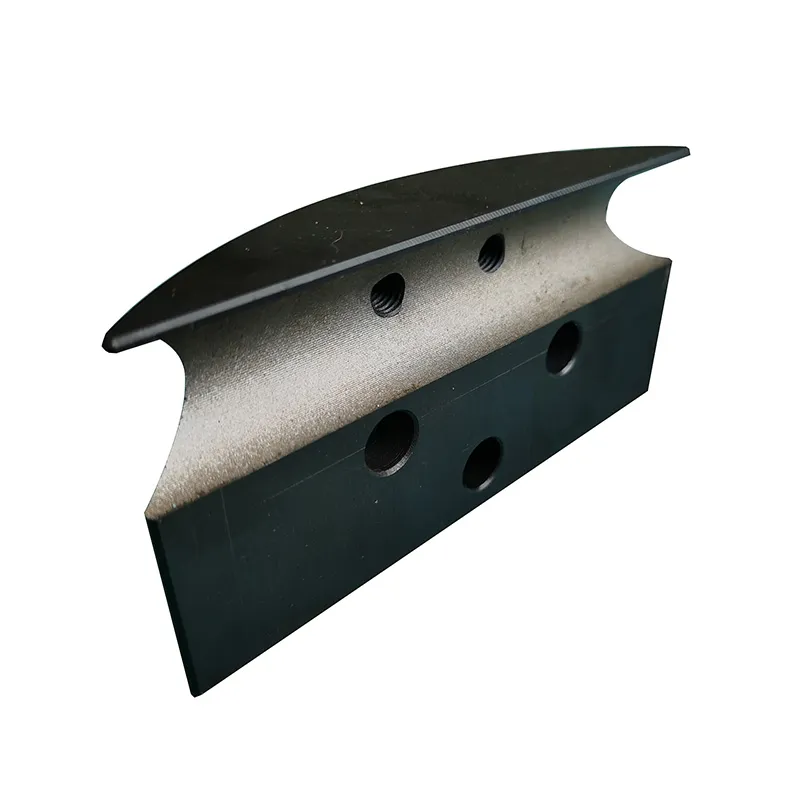
A vertically integrated supplier, one that handles both the gravity die casting and the subsequent CNC machining under one roof, eliminates this. Their machining team provides direct feedback to their foundry team. They can design the casting with machining fixtures in mind from day one. Looking at QSY's model—where they explicitly list both casting (shell, investment) and CNC machining as core services—this alignment is inherent. For a gravity die cast part, this means they can strategically place draft, adjust wall thickness, and locate parting lines not just for casting efficiency, but to ensure the part sits rock-solid in a CNC vise five steps later. The cost savings and quality assurance from this are often underestimated in RFQ comparisons.
We had a gearbox housing project where the initial supplier delivered beautiful castings that passed all dimensional checks. But during machining, the thin-walled flange would chatter because the internal ribbing, designed for casting stability, created an uneven harmonic during cutting. An integrated supplier would have caught that in the prototyping phase. We switched to a partner with both capabilities, and they redesigned the rib pattern with input from their machining lead. The second-round prototype machined like butter. The lesson was clear: the process is a continuum, not a series of siloed services.
The Tooling Dialogue: A Partnership Test
The first major financial and technical commitment with a gravity die casting supplier is the tooling—the die itself. This is where you see if a supplier is a order-taker or a partner. A good supplier will challenge your design. They'll ask about intended load paths, suggest adding radii you didn't think were necessary, or propose moving the parting line to improve surface finish on an aesthetic face. A less experienced one will just quote exactly what you send, often at a lower tooling price, setting you up for higher per-part costs and reliability issues down the line.
The dialogue should be technical and detailed. What grade of H13 steel are they using for the die? What is their surface treatment process (nitriding, etc.) for erosion resistance? What is their expected die life for your specific alloy? Their answers reveal their long-term thinking. A supplier planning for a 100,000-shot production run will build and maintain the tool differently than one expecting 10,000 shots. I've made the mistake of going with the cheaper tooling quote. The die showed wear after 15,000 cycles, causing increasing flash and dimensional drift, and the cost of refurbishment and downtime wiped out any initial savings.
This is another area where a company's broader experience, like QSY's work with investment and shell molding, can be an indirect benefit. Those processes demand extreme precision in pattern and mold making. That culture of precision and attention to tooling detail likely permeates their gravity die casting operation as well. When you visit their site at tsingtaocnc.com, the emphasis isn't just on casting machines, but on the full ecosystem—from material analysis to finished machined part. It suggests the tooling is seen as a capital asset in a larger production system, not a disposable item.
When Special Alloys Change the Game
Most gravity die casting talk revolves around aluminum. But when your spec calls for a nickel-based or cobalt-based superalloy for high-temperature or corrosive environments, everything scales up in difficulty. The melting temperature is higher, the metal is less fluid, and it's more reactive with the die material. The margin for error shrinks dramatically. A supplier claiming capability here needs to prove it with more than a furnace that can reach the temperature.
It's about controlled atmosphere melting to prevent oxidation, precise pre-heating of the die to a specific window (too cold and you get mistruns, too hot and you get soldering/sticking), and often specialized coatings for the die cavity. The failure modes are expensive. We once trialed a high-nickel alloy component. The first-run supplier, inexperienced with the material, didn't adequately control die temperature. The parts welded to the die, requiring destructive removal and a full die rework. The project was delayed by months.
Seeing special alloys listed by a supplier like QSY is a meaningful data point. It indicates they've likely invested in the ancillary equipment and, more importantly, developed the procedural knowledge to handle these demanding materials. For a buyer, it means if your current project is in standard aluminum, this supplier's processes are probably over-engineered for your needs—which is a good thing. It implies a higher baseline of control and a lower risk of catastrophic process failure. Their 30-year history suggests they've had the time to learn these lessons, possibly the hard way, and build robust systems.
The Realistic Sourcing Conclusion
So, how do you choose? You look past the marketing headlines. You probe the technical dialogue during the quoting phase. You ask for a tour of their failure analysis process. You request to speak to their tooling designer and their quality manager, not just the sales engineer. You ask for case studies on parts that failed initially and how they solved it.
The ideal gravity die casting supplier acts as an extension of your engineering team. They bring manufacturability insights to the table before the design is frozen. They are transparent about their limitations. Their value isn't just in making a shape, but in consistently making a functional, reliable, and machinable component from the right material, with a total cost of ownership that makes sense. It's a partnership built on shared technical language and a mutual understanding that the easy-looking process is deceptively complex.
In the end, the supplier's longevity and integrated service offering, as seen with entities like QSY, often correlate with this depth. It's not a guarantee, but it's a strong filter. It suggests they've navigated the pitfalls, integrated feedback loops between casting and machining, and evolved beyond being just a foundry to become a manufacturing solution provider. That's the kind of partner that turns a drawing on a screen into a box of perfect parts, shipment after shipment, with no drama. And in manufacturing, no drama is the highest compliment.