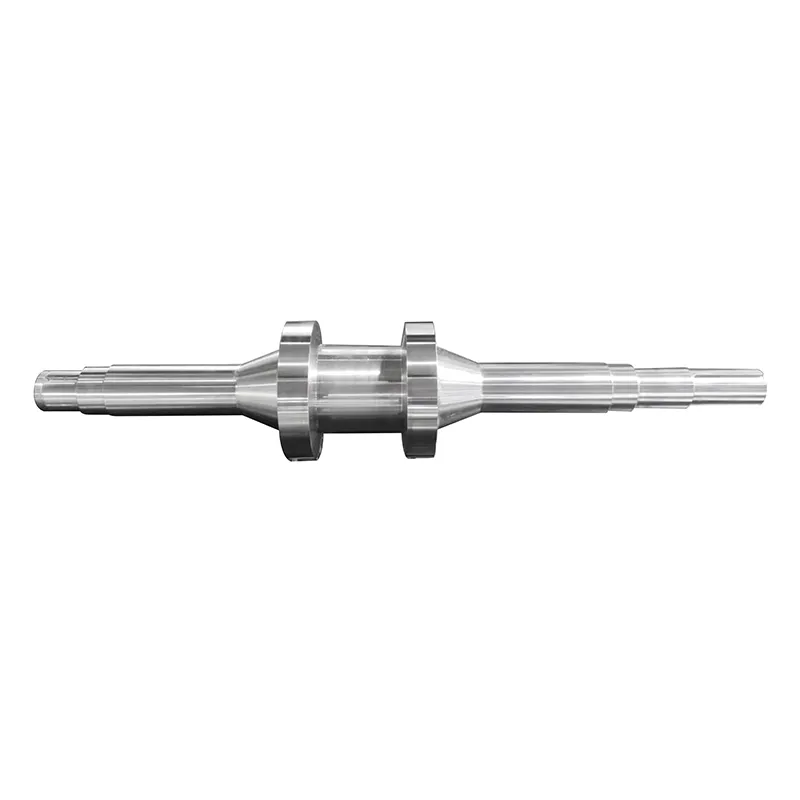
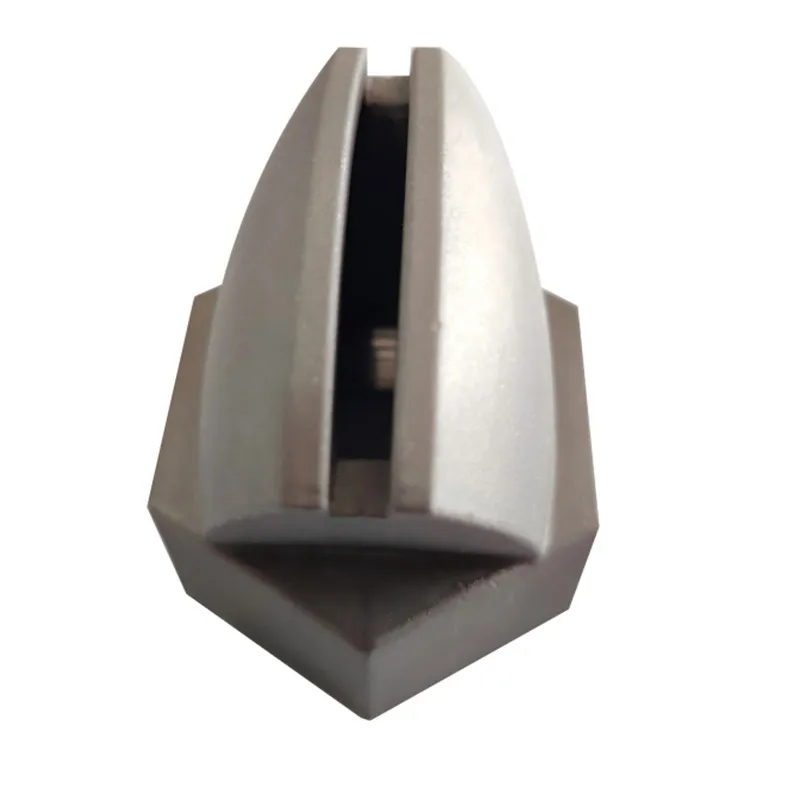
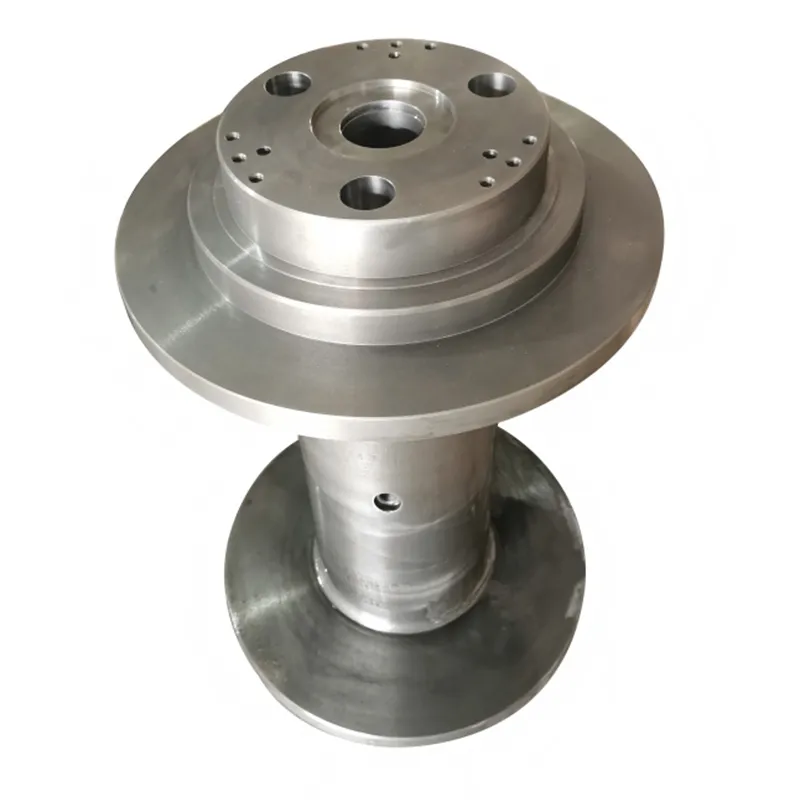
If you think gravity mold casting is just about letting gravity do the work, you're missing the craft. It's the subtle control, the almost imperceptible tilt of the ladle, the temperature gradient you feel on your cheek near the mold—that's where the real process lives. Many specs sheets and quick quotes treat it as a simple, low-tech option, but that's a costly misconception. The difference between a sound casting and a scrap pile often hinges on details no CAD file shows.
The Misunderstood Physics of a Simple Pour
Let's get specific. The term gravity mold casting implies a passive force, but in practice, you're actively managing a controlled fall. The metal isn't just dropping; it's flowing. Too turbulent, and you get air entrapment and oxide films—defects that might not show up until machining, which is a brutal way to find out you wasted a week. I learned this early on with a batch of pump housings. The geometry had a thin section feeding into a thick hub. We poured straight in, textbook style. The result? Shrinkage porosity right at the junction. The gravity feed wasn't enough; we needed the mold itself to help direct the solidification.
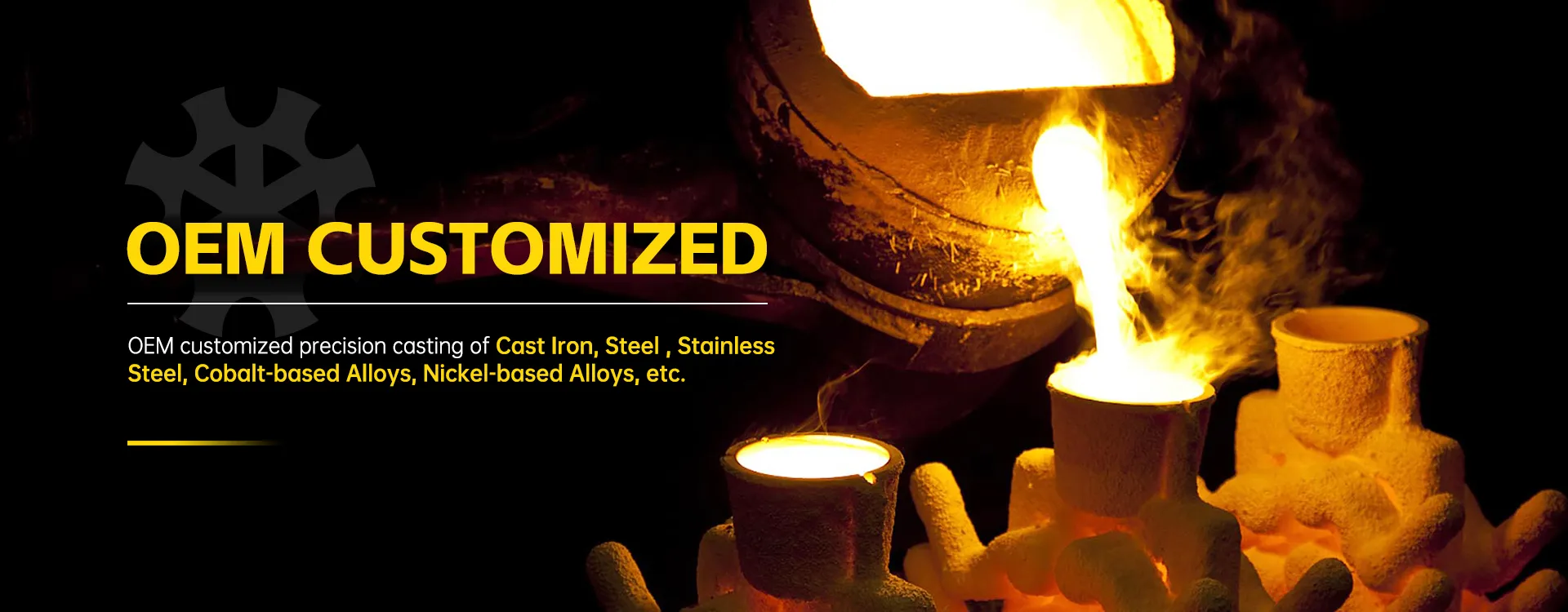
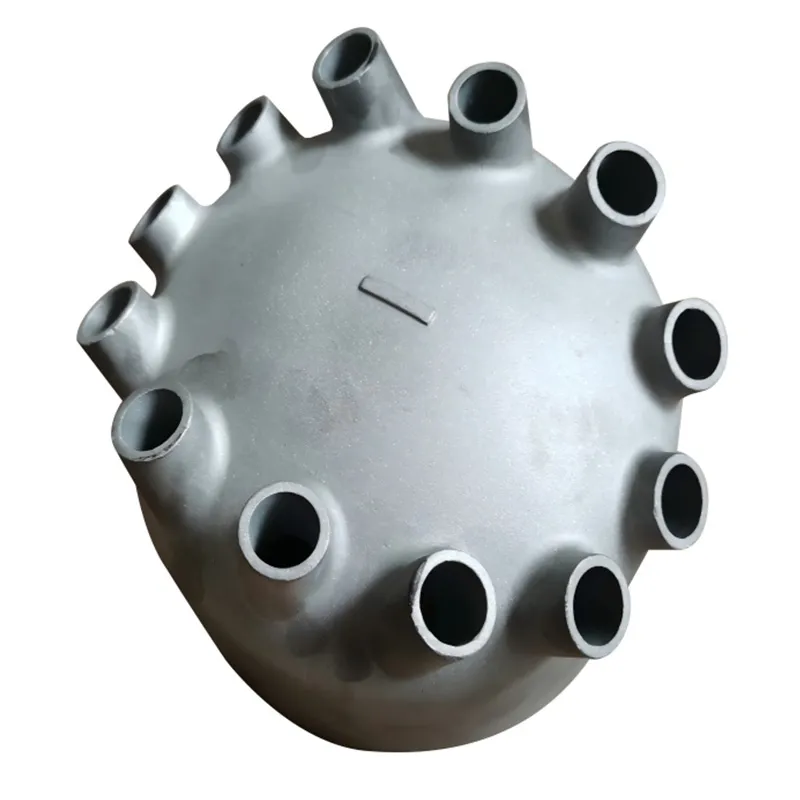
That's where the mold design—the gating and risering—becomes an art informed by solidification simulation and, frankly, some trial and error. You're not just making a negative of the part; you're designing a temporary thermal system. The folks at Qingdao Qiangsenyuan Technology Co., Ltd. (QSY) get this. With their 30-year background, they've seen how a well-designed gravity-poured system in a sand or resin-bonded mold can yield densities and mechanical properties that rival more expensive processes for certain part families. It's about harnessing the natural flow, not fighting it.
The material choice is another layer. We're talking cast irons, some steels, and notably, those high-performance alloys. Pouring a nickel-based alloy under gravity is a different beast than gray iron. The heat is more intense, the fluidity changes, and the mold material reaction is a real concern. You can't use the same biscuit recipe for every meal.
Where It Shines (And Where It Doesn't)
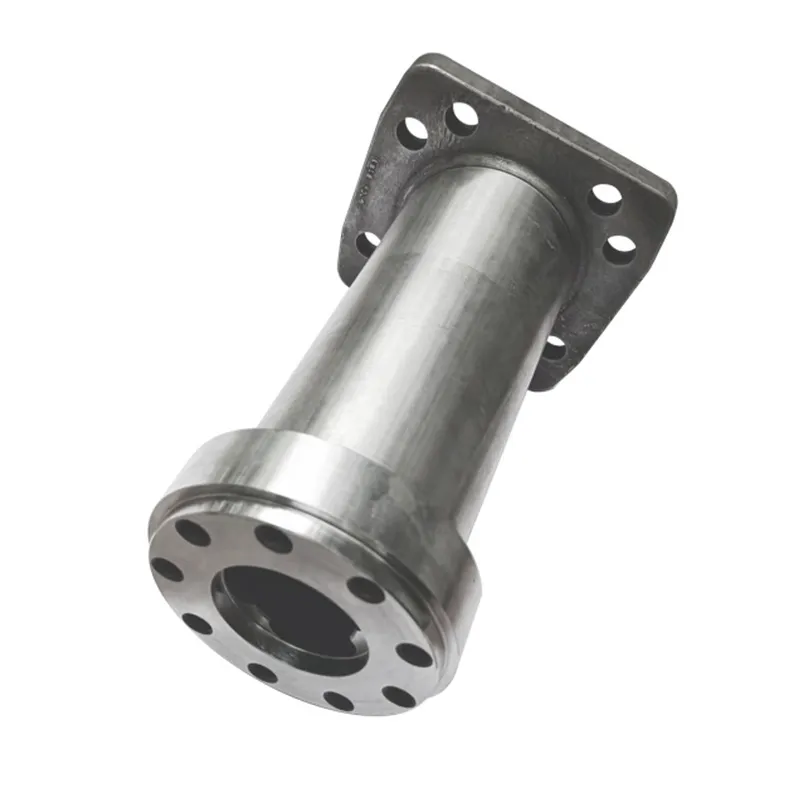
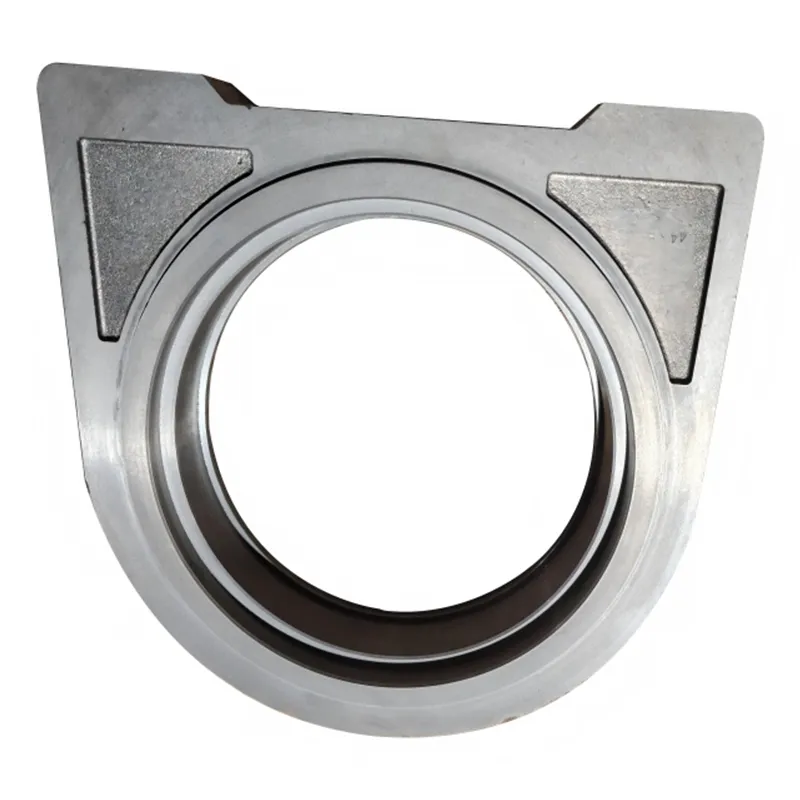
So when do you choose it? For medium to large parts with relatively uniform wall thickness, it's often the most cost-effective metal-forming method out there. Think machine bases, large gear blanks, or structural components for heavy equipment. The tooling cost for the molds is lower than for high-pressure die-casting, and you can achieve fairly complex internal geometries with sand cores.
But here's a practical pitfall: draft angles. Because you're not injecting metal under high pressure, you need more generous draft for pattern removal. I've had designers send over parts with near-vertical walls, optimized for machining, and then balk at the suggested 3-degree draft. You have to explain that the choice of gravity mold casting dictates certain design freedoms and constraints. It's a negotiation between the ideal shape and the practical reality of pulling a pattern from compacted sand.
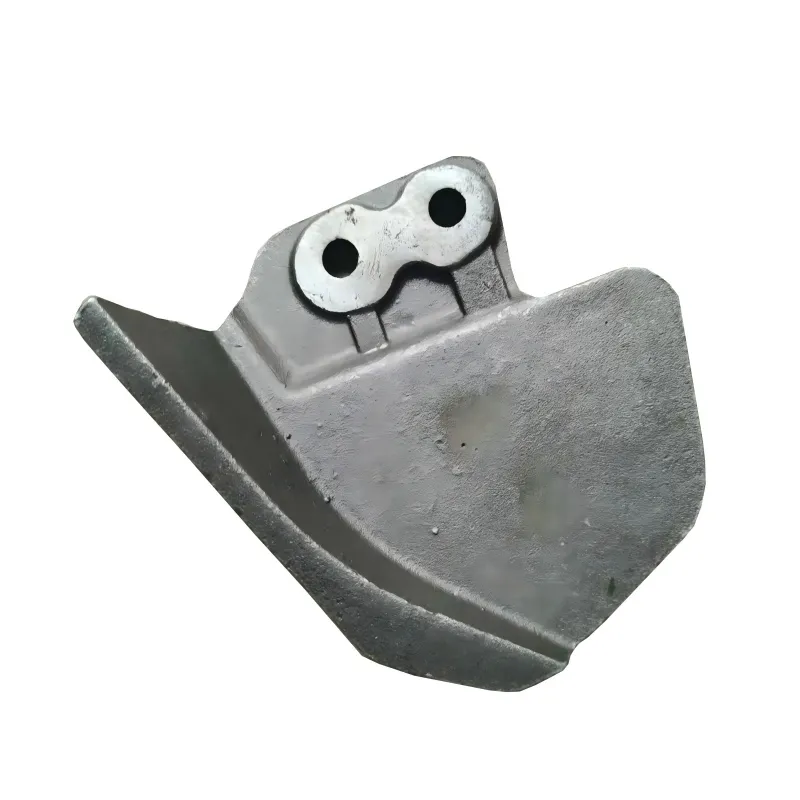
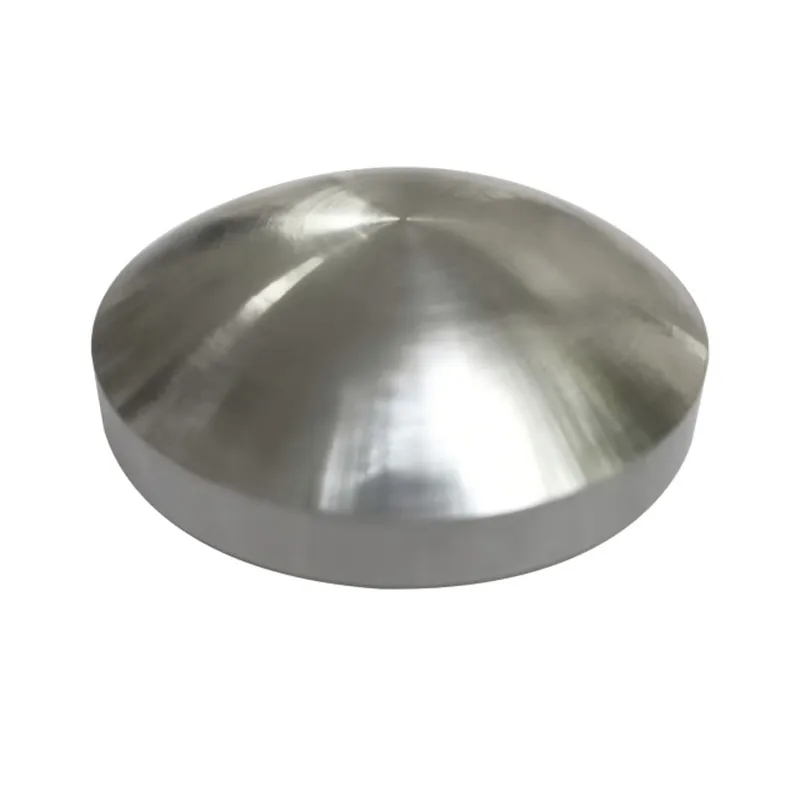
The surface finish is another tell. A good gravity sand casting will have that characteristic gritty texture, a direct imprint of the sand grain. It's not a flaw; it's a signature. If you need a mirror-like as-cast surface, you're looking at processes like investment casting or shell molding—which, not coincidentally, are other specialties of a shop like QSY. They'd be the first to tell you that selecting a process is a tree of decisions, starting with the part function and ending with the total cost.
The Machining Handshake
This is critical: no gravity-cast part is an island. It almost always goes to machining. That's why the relationship between the foundry and the machine shop is so intimate. A mis-located core shift by a few millimeters might be invisible on the raw casting but will cause a machining center to scream, breaking tools as it tries to hit nominal dimensions on a wall that's now too thin.
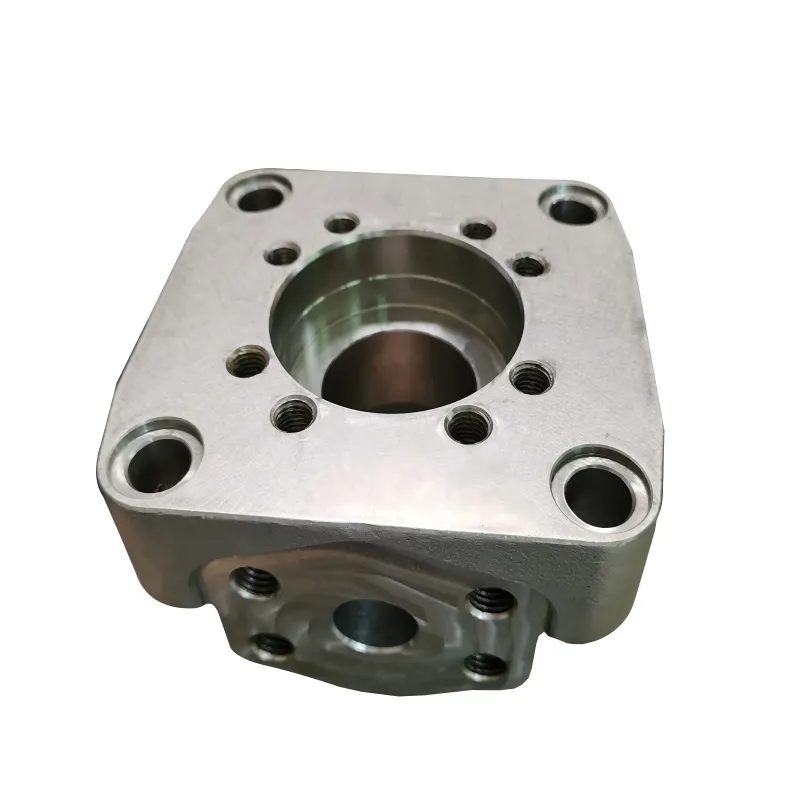
We instituted a simple but effective rule: for critical features, we'd leave extra stock on the casting drawing, but we'd also send the first-article casting to the CMM along with the machining fixture design. This allowed the CNC programmers at the machining stage—whether in-house or at a partner like QSY who does both casting and CNC machining—to see the actual as-cast datum surfaces and adjust their zero points accordingly. It turned potential scrap into usable parts. The integration of casting and machining under one roof, as they have, eliminates a huge communication gap. The machinists can talk directly to the foundry guys about a hard spot or an unexpected void.
The materials QSY lists, like cobalt-based alloys, are a perfect example. Casting them is one challenge; machining them is another order of difficulty. Having the entire process chain managed by one team with accumulated knowledge means the foundry might adjust the heat treatment slightly based on feedback from the machining floor about tool wear, creating a virtuous feedback loop you just don't get with disjointed suppliers.
A Real-World Compromise: The Bracket Story
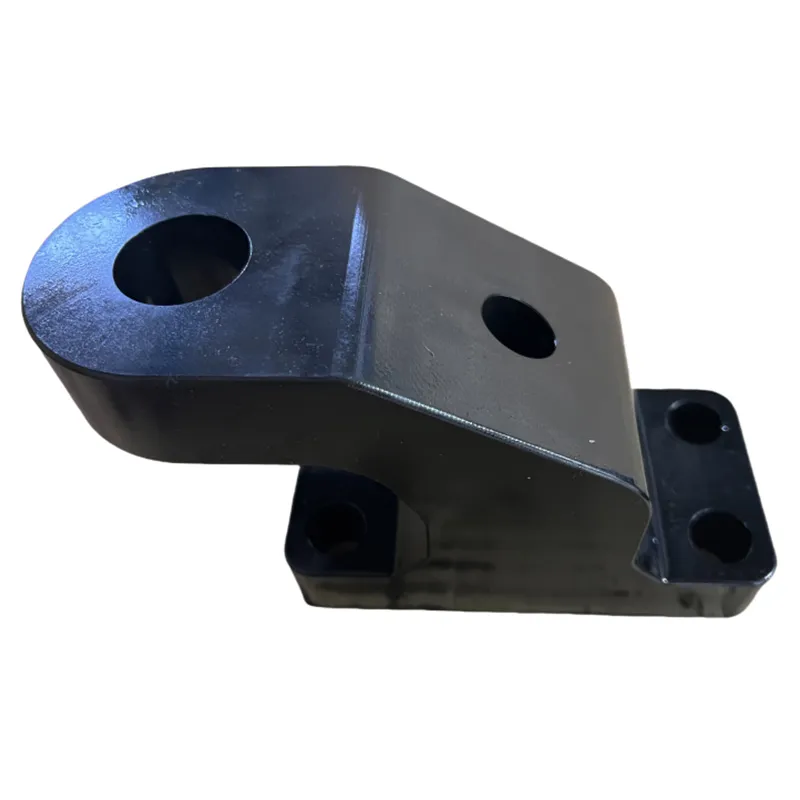
I recall a bracket for an offshore rig. The print called for a stainless steel alloy, decent structural loads, and several bored holes with tight positional tolerances. The initial thought was investment casting for precision. But the part was the size of a suitcase—investment for that volume of metal would have been prohibitively expensive.
We proposed a hybrid: gravity mold casting for the main body shape, using a chemically-bonded sand mold for better dimensional stability than green sand, and then casting in precision-located steel inserts for the critical hole locations. These inserts would become part of the casting. During machining, you'd drill into the steel insert, not the cast stainless, guaranteeing the tolerance. It was a bit unorthodox, but it worked. The gravity process gave us the mass and shape economically, and the embedded inserts solved the precision problem. It's this kind of pragmatic, cross-process thinking that defines real-world manufacturing.
The failure mode? The first pour. We didn't preheat the steel inserts enough. The molten metal hitting the cold steel created a localized chill zone that was brittle. It passed visual inspection but failed ultrasonic testing. Lesson: every element you put in the mold, even if it's not part of the pattern, becomes part of the thermal system. We solved it by putting the inserts in an oven before mold assembly. Simple fix, but you only learn it by doing, or by failing once.
Beyond the Pour: The Unseen Variables
Finally, let's talk about something rarely in the spec: the human factor. The skill of the pourer is the last line of defense. He's watching the metal skin form at the gate, judging the fill rate by the back-pressure he feels through the ladle. Is the mold drinking the metal smoothly, or is it gulping and likely to trap air? This isn't automation; it's experience. In a quality-focused operation, this person is as valuable as the engineer who designed the gating system.
Then there's the post-casting wait. How long do you leave it in the mold? Break it out too early, and you risk distortion or cracking from uneven cooling. Wait too long, and you're killing your production cycle time. For a complex steel casting, we might let it cool in the mold overnight. For a simpler iron piece, a few hours. There's a rule of thumb, but you often confirm it by checking the temperature at the thermal center with a probe.
In the end, gravity mold casting is a testament to working with physics, not against it. It feels fundamental because it is. It demands respect for the entire chain: material science, mold engineering, thermal management, and skilled execution. It's not the answer to every casting problem, but when the part geometry, volume, and material align with its strengths, it remains an unbeatable combination of reliability, quality, and cost—a true workhorse of the industry. Shops that have lasted decades, like QSY, understand this balance in their bones, not just their brochures.