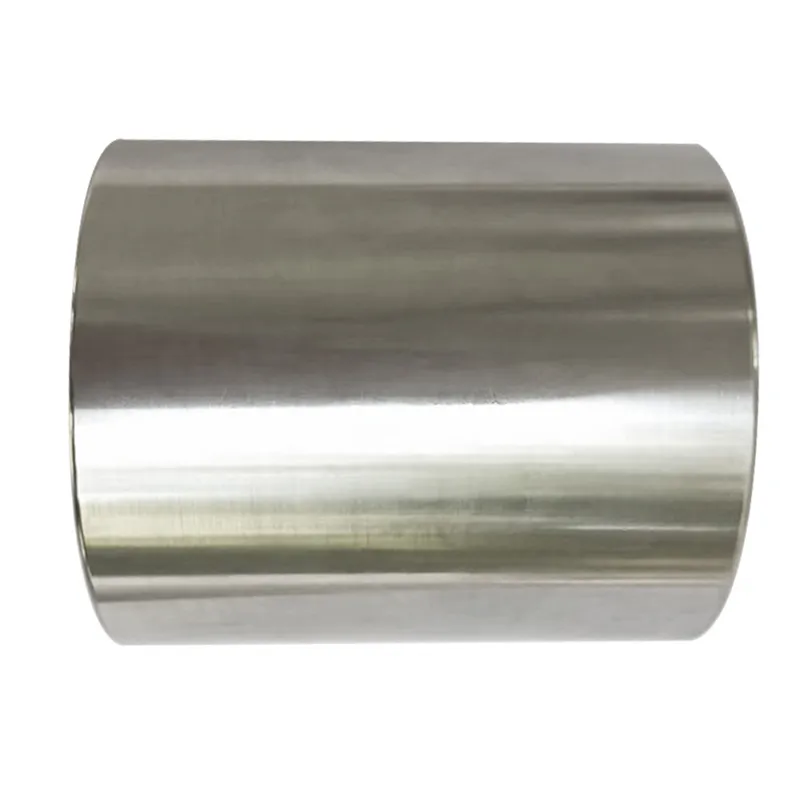
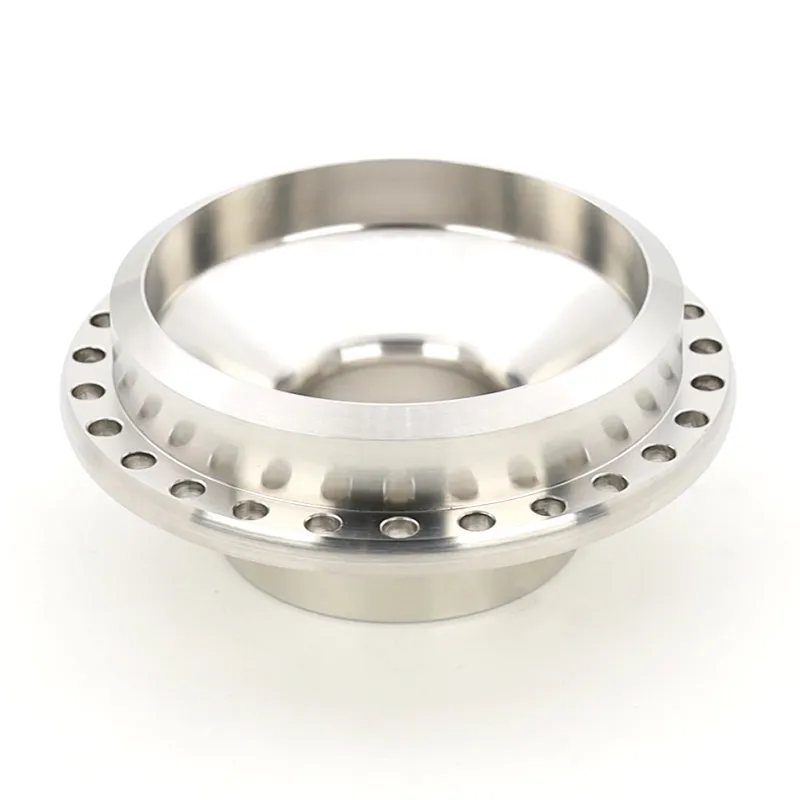
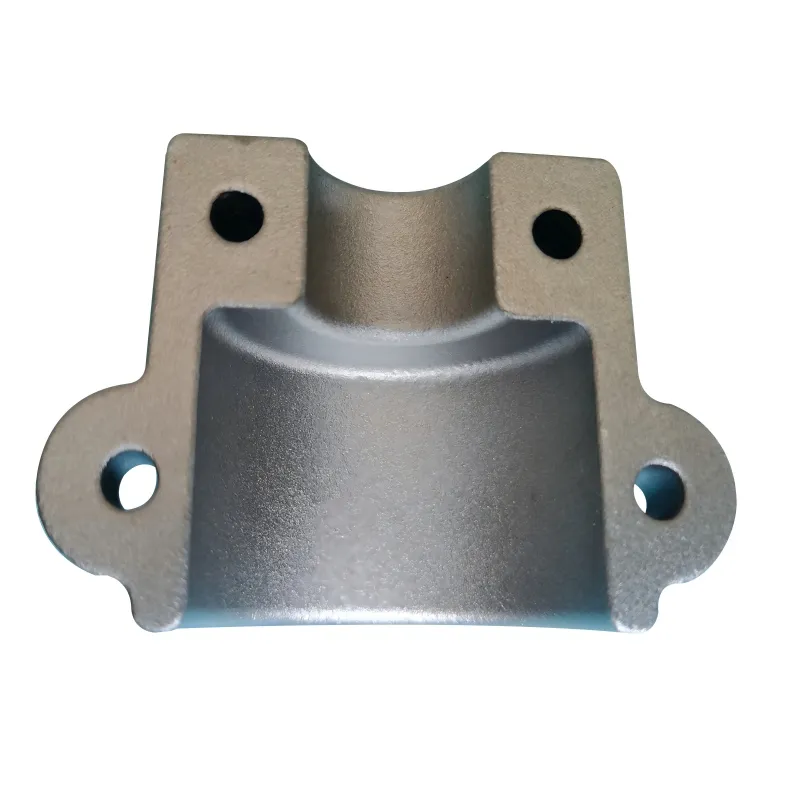
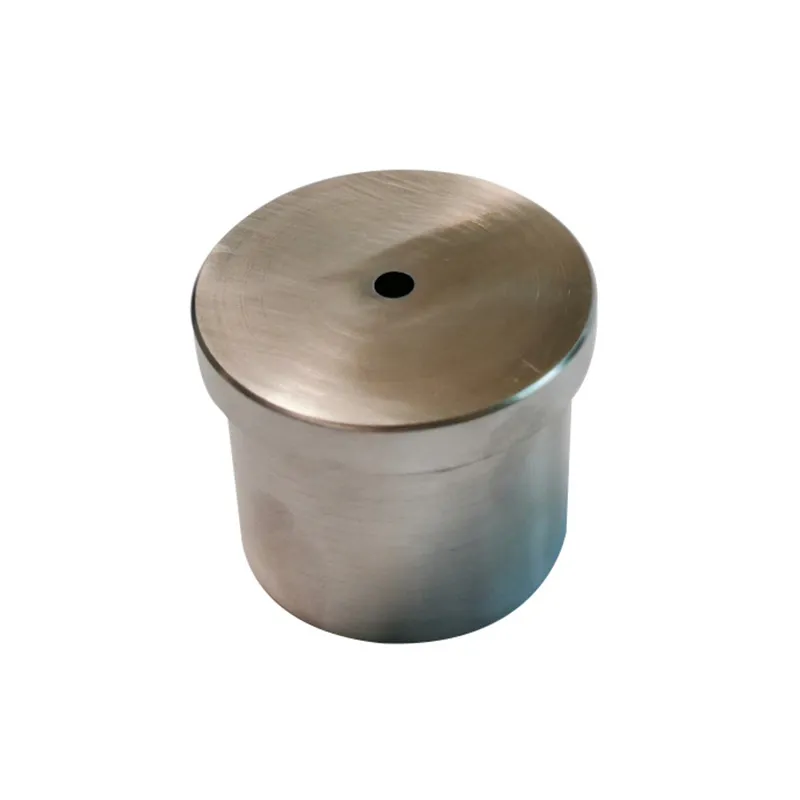
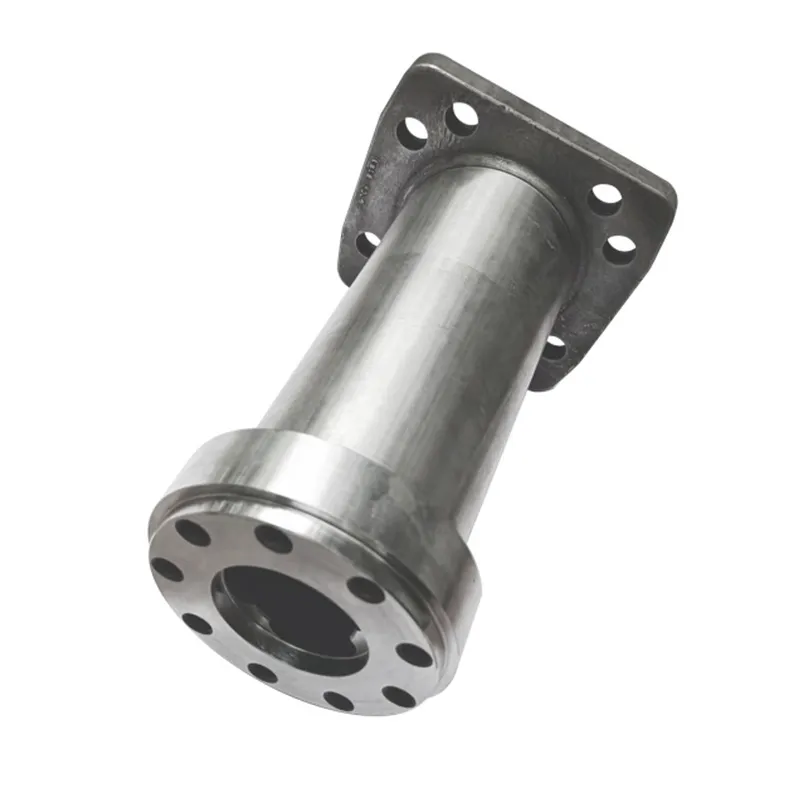
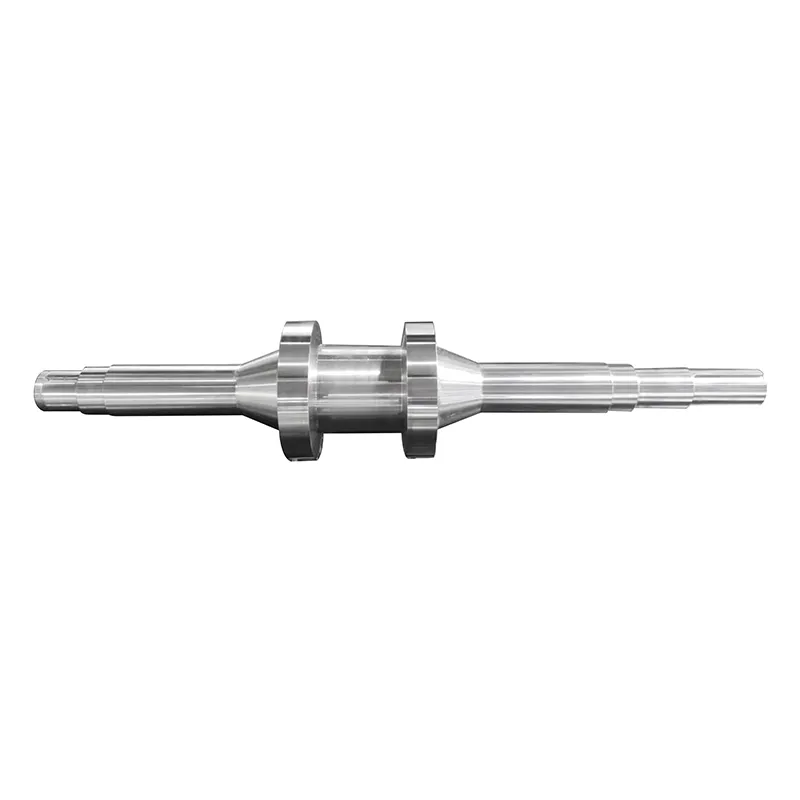
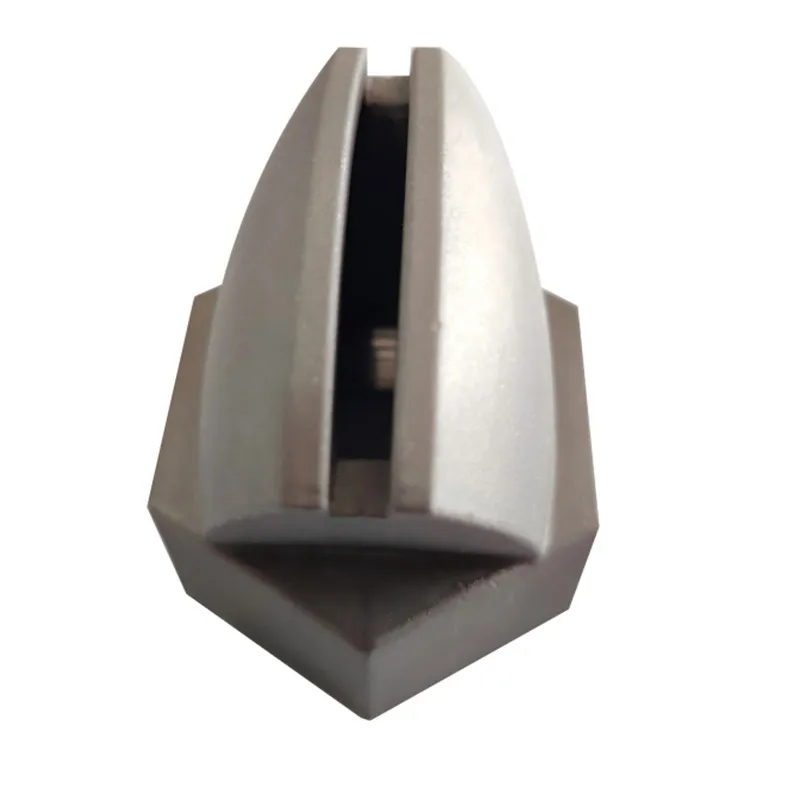
When most people hear 'gray cast iron mechanical parts,' they picture something heavy, cheap, and simple. That's the first mistake. The reality is far more nuanced, and getting it wrong on the shop floor costs real money and time.
The Misunderstood Workhorse
Let's be clear: gray iron isn't chosen for its tensile strength. You use it for its damping capacity and wear resistance. I've seen too many designs where someone specifies a ductile iron or even a steel for a housing or a base, chasing a higher strength number on the spec sheet, only to have the whole assembly vibrate like a tuning fork or wear prematurely at sliding contact points. The graphite flakes in gray iron are its secret weapon. They act like built-in vibration dampers and provide a lubricating effect. It's a material that excels under compression, not tension. If your part is primarily seeing compressive loads and needs to stay quiet and stable, gray iron is often the smarter, more economical choice.
This is where experience with a foundry's process becomes critical. The cooling rate during solidification directly controls the graphite flake size and distribution, which in turn dictates the final properties. A part with a thick section and a thin section cooled the same way will have different microstructures. I recall a batch of machine tool bases we sourced years ago that developed inconsistent hardness on the guideway mounting surfaces. The problem wasn't the material grade; it was the placement of the risers and the pouring temperature, which led to chilling in some areas and softer graphite in others. The drawing just said Class 30 Gray Iron, but that wasn't enough. We had to work with the foundry on the pattern design and gating system.
Companies that have been in the casting game for decades, like Qingdao Qiangsenyuan Technology Co., Ltd. (QSY), understand this intrinsically. With over 30 years in casting and machining, they've seen these pitfalls. When you browse their portfolio at tsingtaocnc.com, you're not just looking at finished parts; you're looking at a deep process understanding. For gray cast iron mechanical parts, this means knowing how to design the mold and control the process to get the right structure in the right places, especially for complex shapes.
Machining: Where the Real Challenge Often Lies
Casting is only half the story. The machining of gray iron parts is its own specialized craft. The infamous dust – the fine graphite and iron particles – is abrasive and gets everywhere. It wreaks havoc on machine guides and ball screws if not managed aggressively with proper filtration and sealing. You can't use the same coolant strategies as with steel; the fines can clog systems. We learned this the hard way on a high-volume job machining pump housings. Our standard water-soluble coolant turned into a slurry that ruined pump seals in a week. We switched to a more viscous, filtering-specific coolant and ramped up maintenance cycles.
Then there's the tooling. Carbide inserts with sharp, positive geometries work well, but tool life can be unpredictable if you hit a sand inclusion or a hard spot from rapid cooling. PCD (polycrystalline diamond) tools are fantastic for finishing operations on clean, consistent iron, offering incredible life, but the upfront cost is high. It's a calculation: part volume, required surface finish, and tolerance. For the high-precision boring of valve body seats, we moved to PCD and never looked back—the consistency paid for itself.
This is why a supplier that integrates casting and CNC machining under one roof, as QSY does, has a distinct advantage. They can plan the casting process with the machining in mind. They might add a little extra stock in an area prone to shrinkage, or position a parting line to minimize machining on a critical datum surface. This Design for Manufacturability thinking eliminates a lot of the headaches that occur when casting and machining are done by separate, disconnected vendors.
The Alloying Question and Surface Treatments
Plain gray iron (like ASTM Class 20, 30, 35) covers 80% of applications. But sometimes you need a bit more. Adding chromium increases hardness and wear resistance for parts like brake drums or cylinder liners, but it also makes the iron more brittle and harder to machine. Nickel additions help refine the graphite and improve uniformity and strength, often used in thicker sections to prevent softening. It's a balancing act.
And you almost never use a raw, as-machined gray iron surface in a dynamic application. It needs protection or enhancement. Phosphating is common for corrosion resistance and as a paint base. For sliding surfaces like piston rings or compressor plates, tin plating or induction hardening might be specified. I remember a project for hydraulic manifold blocks where we skipped surface treatment to save cost. Big mistake. Minor surface rust formed during overseas shipping, which then contaminated the entire hydraulic system upon startup. The cost of the failure dwarfed the cost of a simple phosphating step.
When It Fails (And Why)
Gray iron tells you when it's unhappy. Its failures are usually brittle and obvious. The classic gray iron sound – a dull thud instead of a ring when struck – is a quick field check. Most field failures I've investigated come down to three things: applying a tensile or shock load it was never meant to handle (like using a gray iron bracket as a lever), thermal shock (rapid, uneven heating and cooling causing cracks), or corrosion from an unsuitable environment.
One specific case involved a large, custom gearbox housing. It passed all pressure tests but failed in service after six months with a catastrophic crack. Metallurgical analysis showed the crack originated from a subsurface shrinkage cavity near a sharp internal corner—a stress riser. The casting itself met the grade spec, but the design (a sharp corner) combined with a minor, allowable casting imperfection created the failure point. The fix was a simple but crucial design change: adding a fillet radius to that corner in the pattern, which the foundry, QSY, could easily accommodate. It highlighted that specifying the material is not enough; you must design for the casting process.
The Niche for Shell and Investment Casting in Iron
Most gray iron parts are sand cast. But for parts requiring better surface finish, tighter as-cast tolerances, or more complex, thinner geometries, other processes come into play. Shell mold casting, which QSY lists as a specialty, uses a resin-coated sand to create a hard, thin-walled mold. It gives a smoother finish and more dimensional accuracy than conventional green sand. Think of smaller, intricate engine components or hydraulic valve bodies.
Investment casting for iron is less common due to cost, but it's used for incredibly complex, near-net-shape parts where machining would be prohibitively difficult or wasteful. The detail resolution is unmatched. It's a specialty within a specialty, and seeing it listed by a supplier signals a high level of capability. For a highly complex sensor housing with internal passages, switching from a fabricated steel design to an investment-cast gray iron part consolidated multiple components, improved damping, and reduced assembly time, despite the higher unit casting cost.
Final Thoughts: Specifying with Intelligence
So, when you're specifying gray cast iron mechanical parts, move beyond just the ASTM class. Think about the function: damping, compression, wear. Consider the manufacturing chain: how will it be cast and machined? Communicate with your supplier about critical surfaces and load paths. A good partner won't just quote a print; they'll ask questions about the application and might suggest a subtle design tweak or a different process like shell mold casting to improve reliability or reduce total cost. The goal is to leverage the material's inherent strengths, not fight its weaknesses. That's the difference between a part that just works and one that works brilliantly for decades.