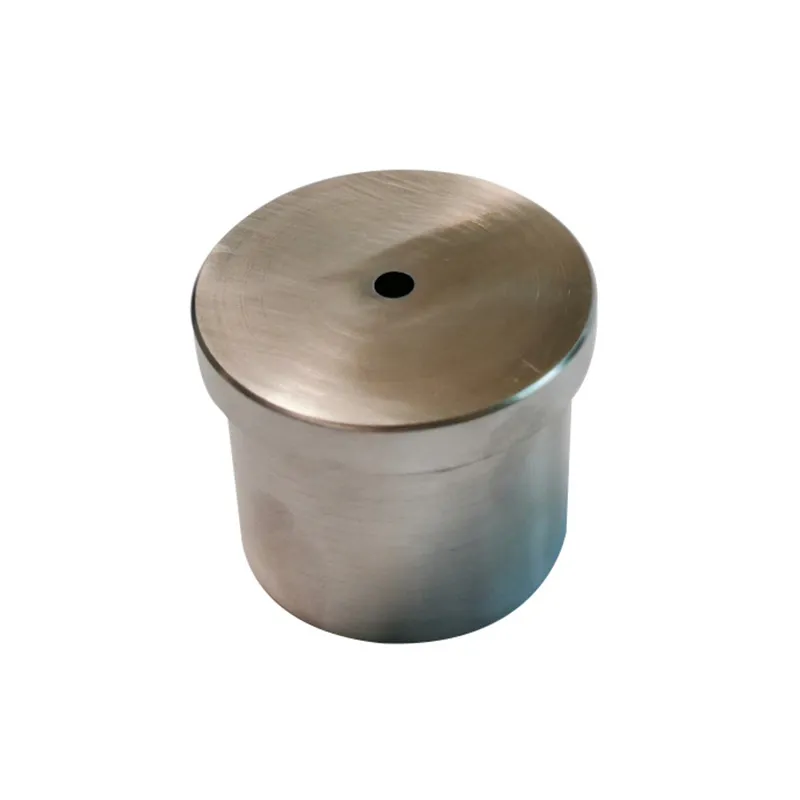
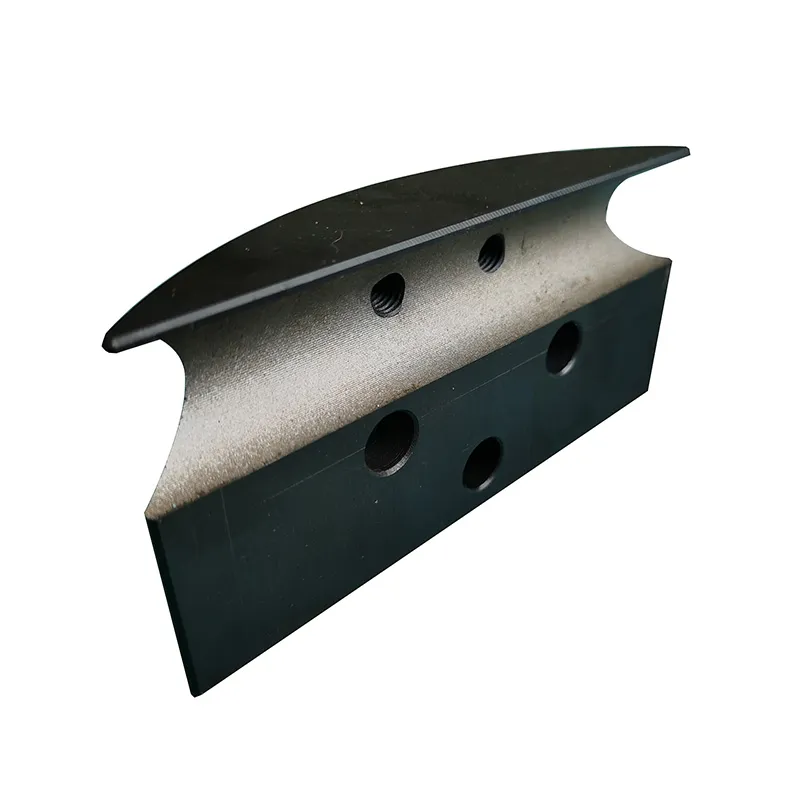
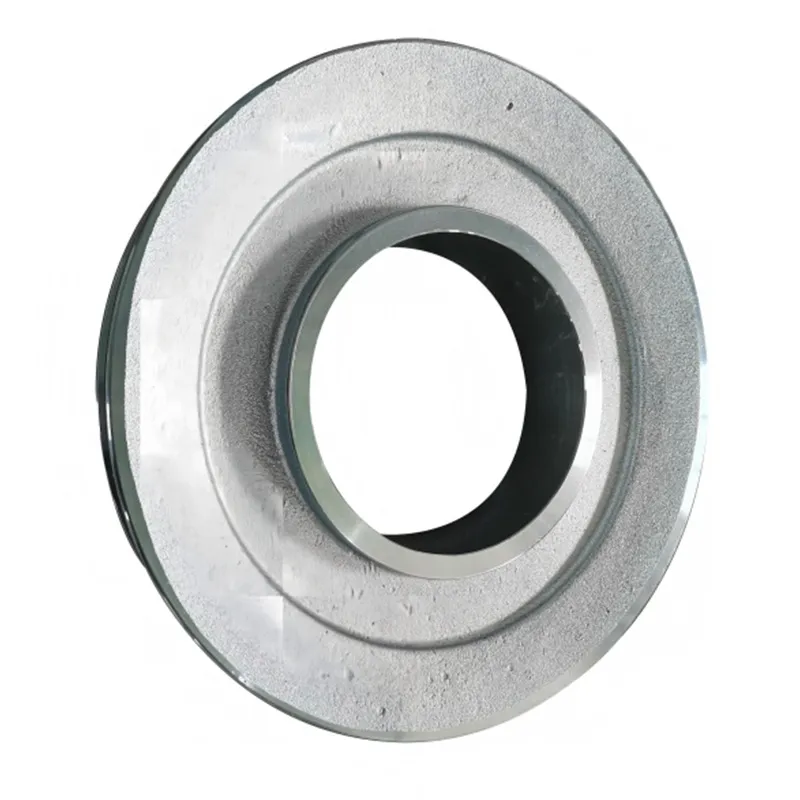
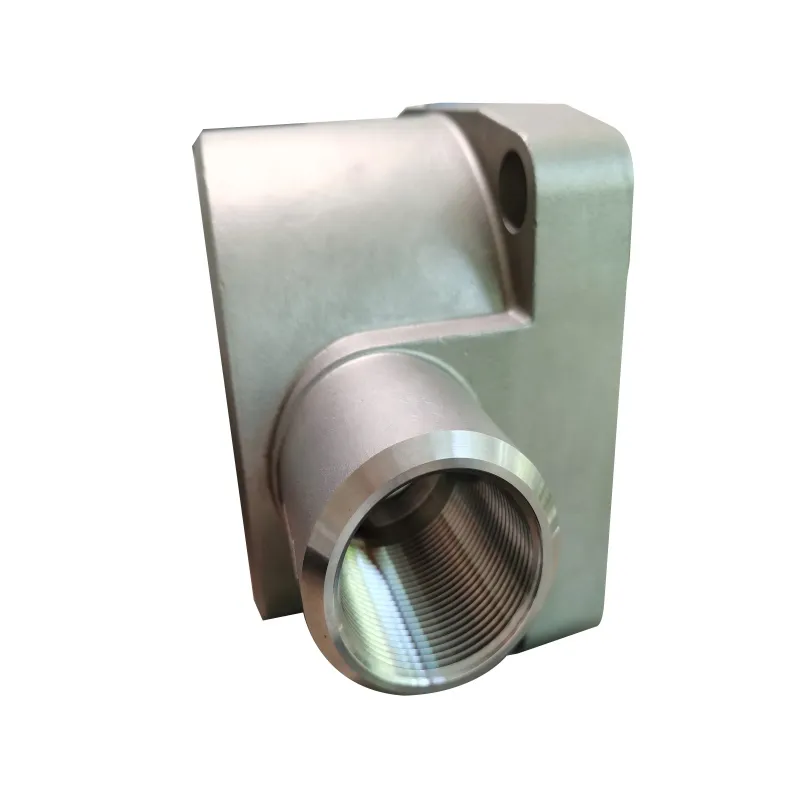
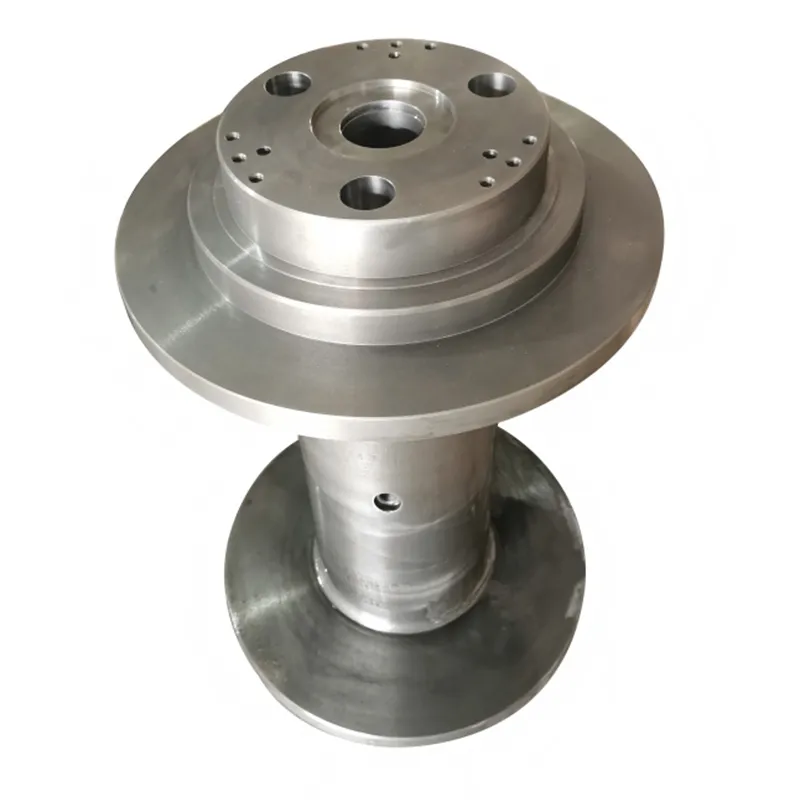
You hear 'gray iron' and a lot of folks, even some in adjacent manufacturing fields, immediately think 'cheap,' 'basic,' or 'old-school.' That's the first misconception. It's not just about being inexpensive; it's about being the right tool for a massive range of jobs where damping capacity, thermal conductivity, and machinability are king. The graphite flakes – the 'gray' in its name – aren't a flaw; they're the engineered feature. They're what give it that characteristic dampening, soaking up vibration like a sponge. I've seen projects over-spec ductile iron or steel for a base or a housing, chasing tensile strength, only to have the whole assembly hum and resonate because they ignored the damping. That's where gray iron casting quietly wins.
Beyond the Textbook: The Reality of Process and Sound
Textbooks will give you the carbon equivalent formulas, the cooling curves. The real world gives you the sound. A good, dense gray iron casting has a clear, high-pitched ring when struck lightly. A dull thud? That often means issues – shrinkage, porosity, maybe poor inoculation. It's a first-line, shop-floor test that's been around longer than any ultrasonic tester. I remember at a foundry visit, maybe a place like Qingdao Qiangsenyuan Technology Co., Ltd.(QSY), you'd hear the foreman going down a line of fresh castings, tapping each with a small hammer, listening. That sound is immediate feedback on the melt quality and the pour.
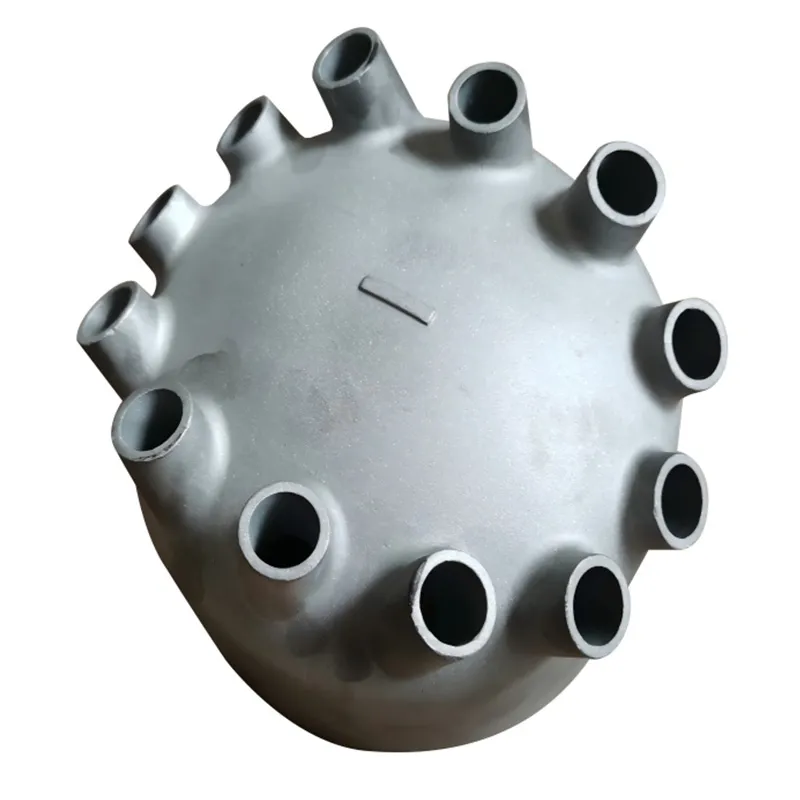
Getting that consistent sound, though, isn't just about the iron chemistry. It's about the mold. Green sand is the classic, but for complexity and surface finish, shell molding is where you see the real finesse. The resin-coated sand forms that rigid shell, allowing for thinner walls and sharper details than traditional green sand often can. This is where a foundry's experience really tells. They have to manage the thermal dynamics differently – the shell mold cools the metal faster, which influences the graphite formation. If the process isn't dialed in, you can end up with chilled edges or inconsistent microstructure, killing the machinability later.
And machinability is the next big payoff. Those graphite flakes act as built-in chip breakers. You can take aggressive cuts, the chips fracture nicely, and tool life is generally excellent compared to steels. But – and this is a big but – it presupposes a consistent, pearlitic matrix. If the iron is too ferritic, it gets gummy. Too much free carbides from rapid cooling, and you'll burn through tips. You're not just buying a casting; you're buying the metallurgical control behind it.
The QSY Example: Where Casting Meets Machining
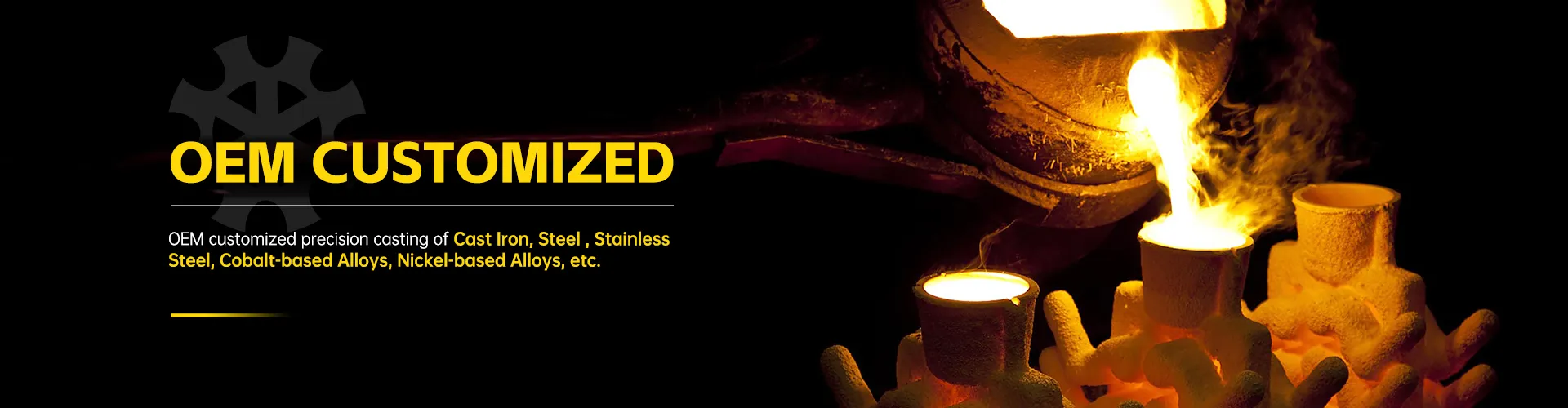
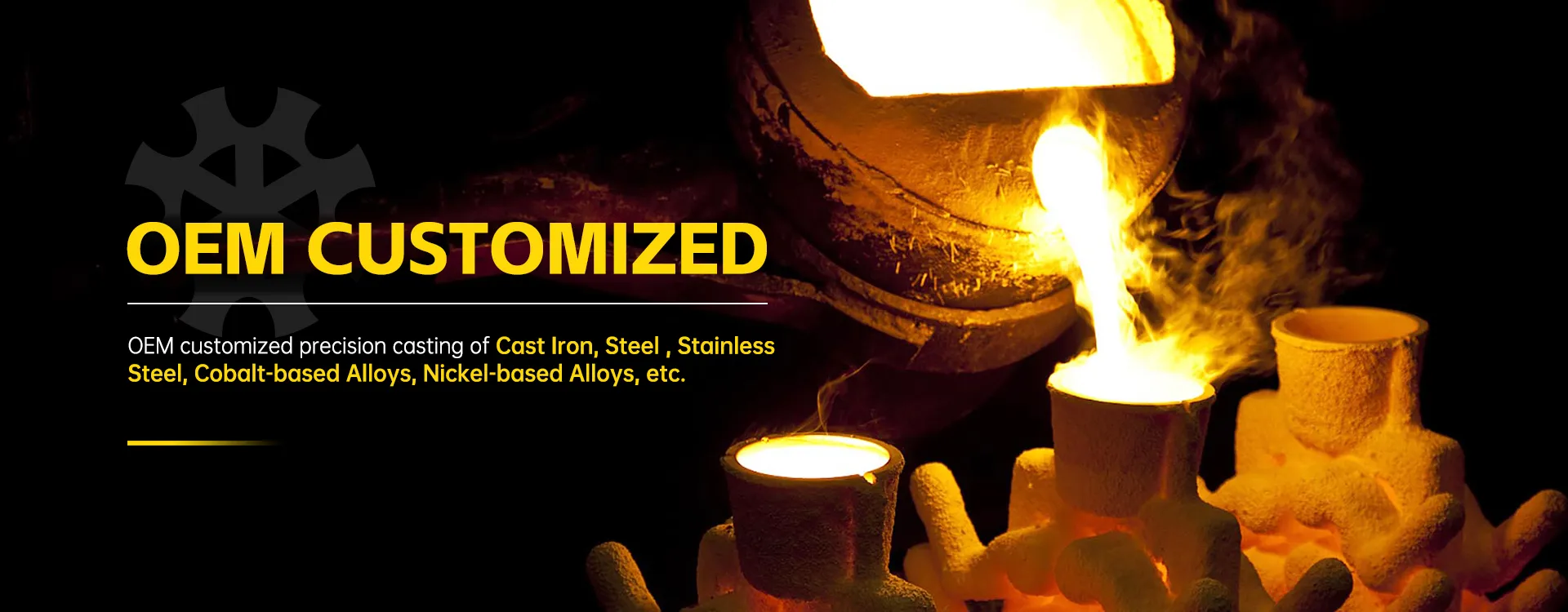
Looking at a company's scope tells you a lot about their understanding of the material. Take QSY's operations, for instance. They list shell mold and investment casting alongside CNC machining, working with cast iron and special alloys. That integration is key. A foundry that also machines understands the downstream consequences of their casting process. They know that a slight shift in the parting line or an under-designed draft angle doesn't just affect the mold—it can mean an extra, awkward setup on the CNC mill, adding cost and cycle time. When your caster thinks like a machinist, you get parts that are truly production-ready.
Their material range is also telling. Offering gray iron casting alongside stainless and nickel alloys isn't just a menu. It shows they likely handle the furnace and process segregation needed. You don't want trace elements from a high-alloy melt contaminating your iron line, as something like chromium can promote carbide formation in the iron, making it unmachinable. A foundry that lists these separately usually has that discipline in place.
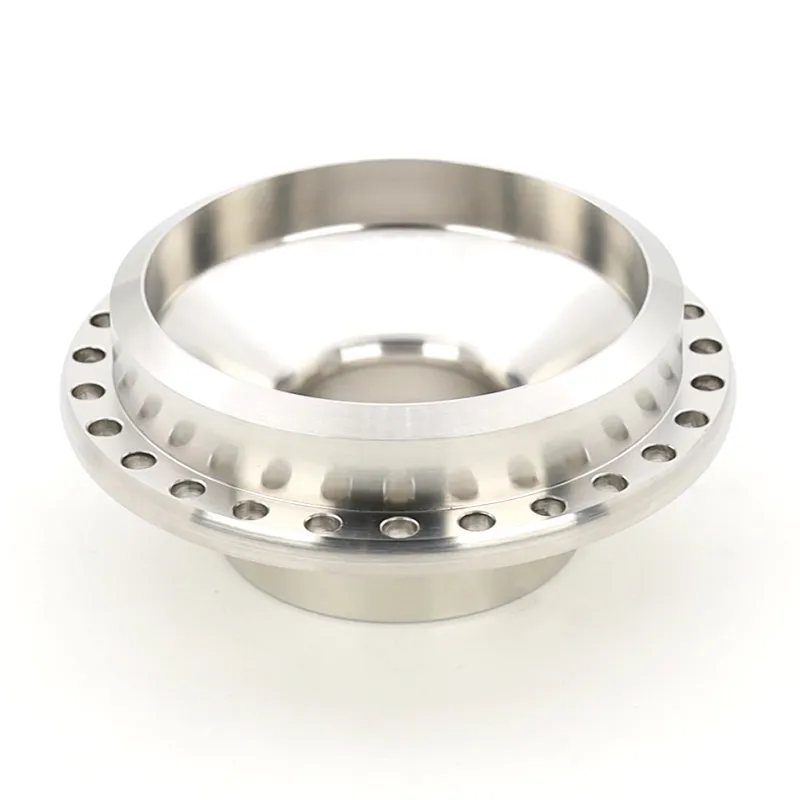
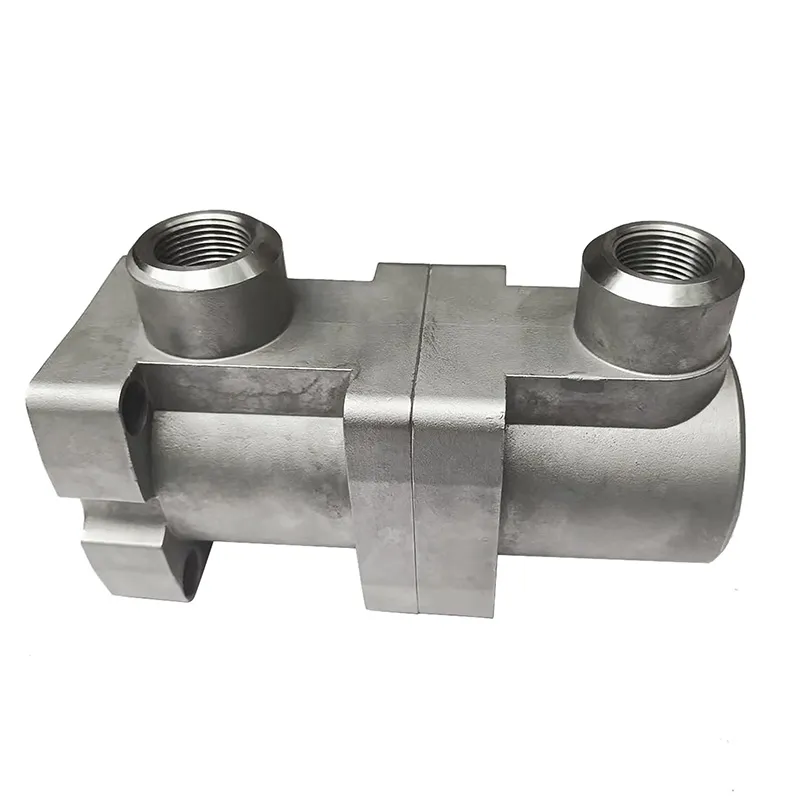
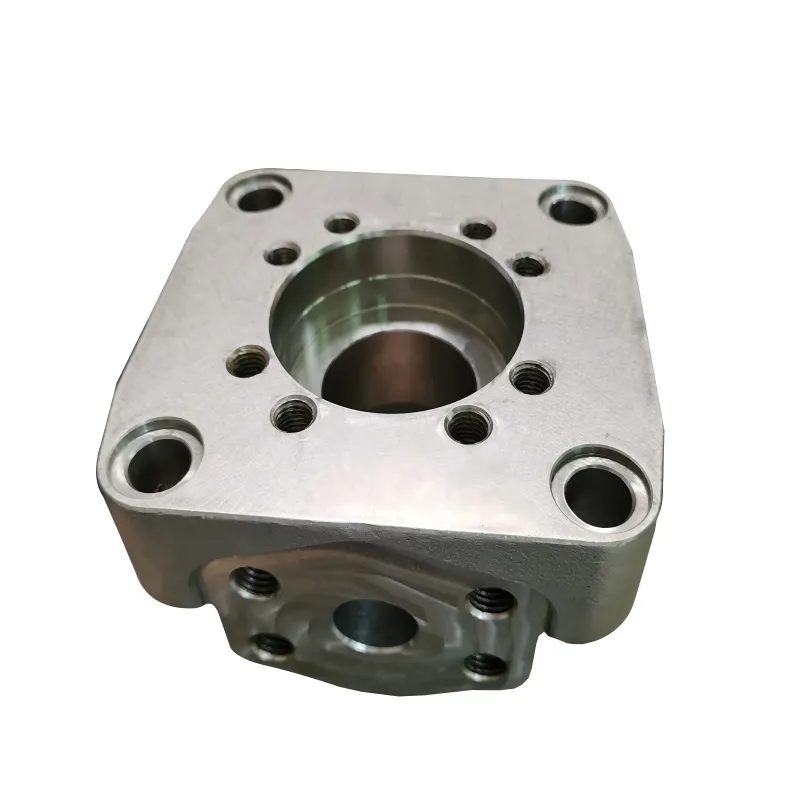
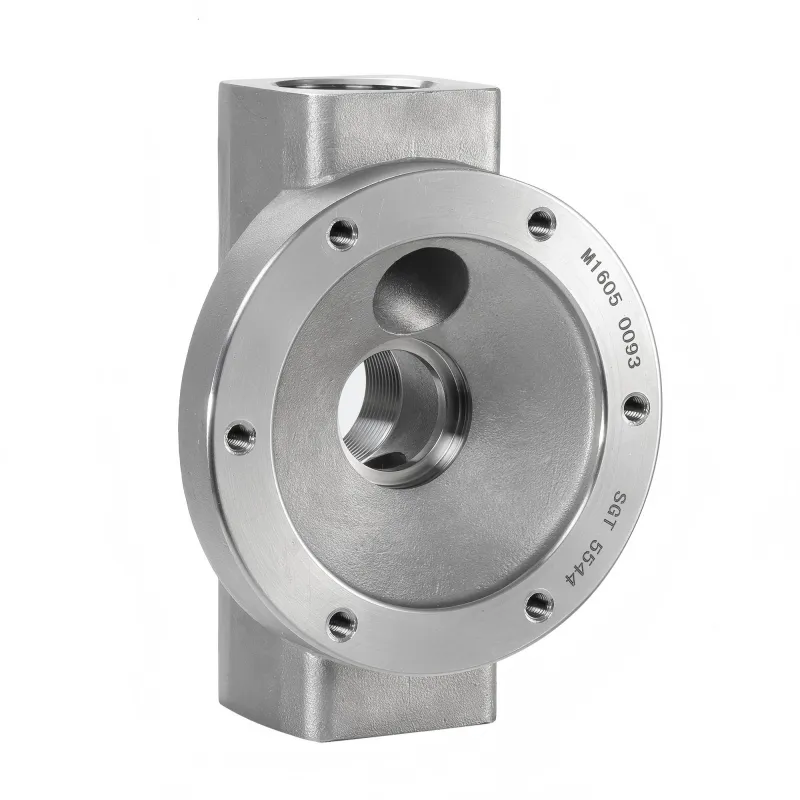
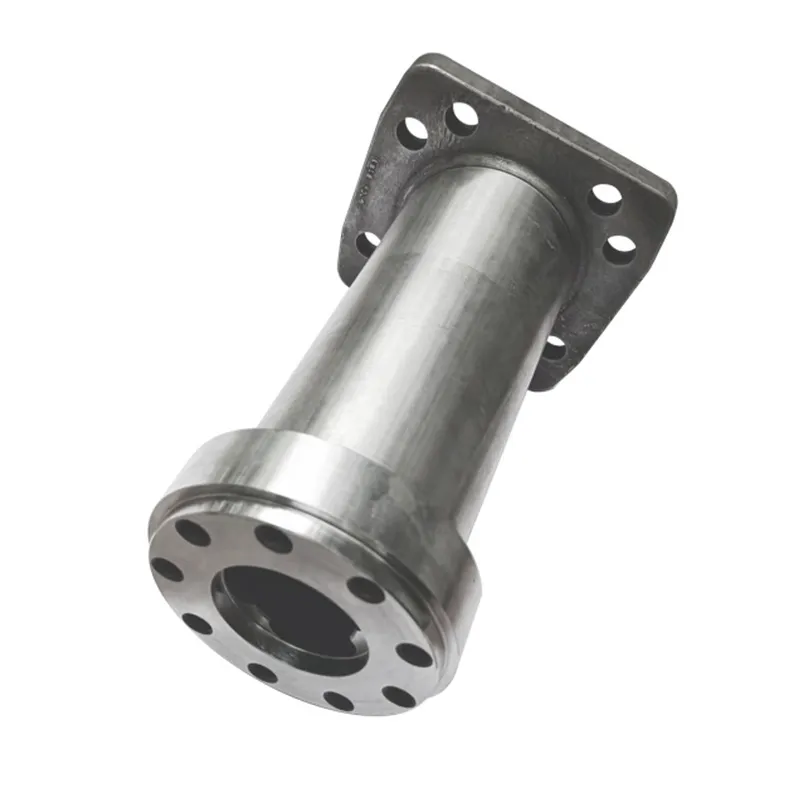
This matters for something like a hydraulic valve body or a compressor housing. You might need internal passages cast to near-net shape (where shell molding excels), precise flange faces, and threaded ports. If the foundry just hands you a raw casting and says 'good luck,' you've got a lot of fixturing and probing ahead. But if they've already machined the primary datums and critical interfaces, like what an integrated shop does, you're miles ahead. The stability of gray iron makes it a dream for holding tight tolerances across those machined faces.
Failures and Lessons: When Gray Iron Says No
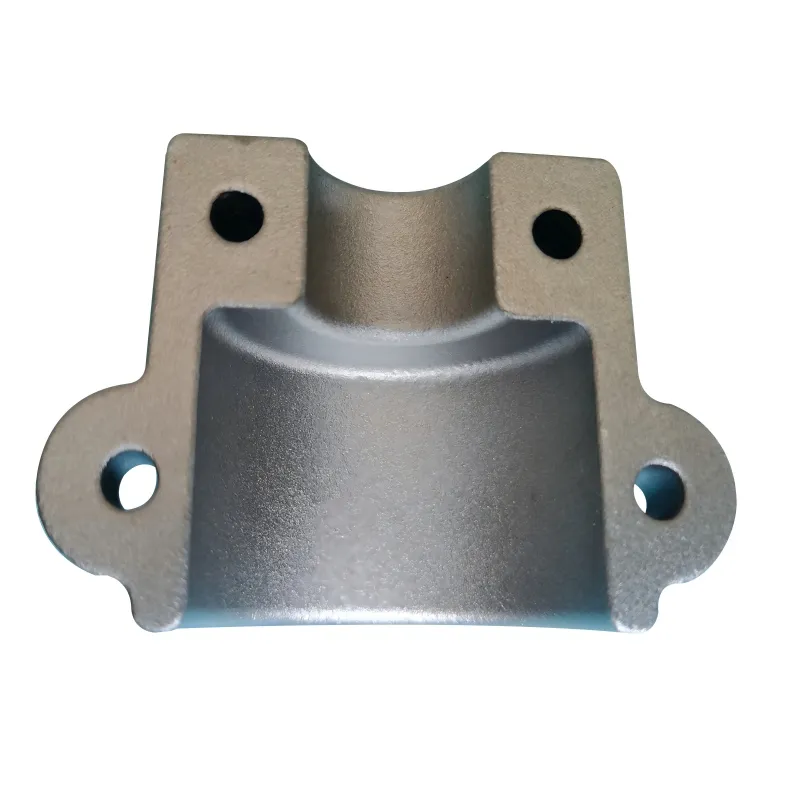
It's not the answer to everything. I learned this the hard way early on with a part for a heavy-duty pump bracket. The design had some sharp re-entrant corners and uneven section thicknesses. We pushed for gray iron because of the budget and the damping need. The result? Hot tears. Classic. The thin sections solidified and shrunk first, pulling on the still-molten metal in the thicker sections, and it just ripped itself apart. Gray iron's relatively high shrinkage needs careful feeding and riser design. That's where the patternmaker's art comes in. We had to go back, add fillets everywhere, work on the section transitions, and use chills in the mold to even out solidification. It worked, but it added time.
Another lesson: impact resistance. Don't ask it to be a hammer. The graphite flakes are stress concentrators. A sharp blow can cause a fracture that propagates right along those flakes. I've seen a seemingly robust gray iron gear housing crack from a forklift tine nudging it the wrong way. For parts with any risk of shock loading, you spec ductile iron. It's a fundamental design choice that has to be made right at the drawing board.
Corrosion is another limit. It'll rust. For many industrial applications indoors, a coat of paint is fine. But for food processing or certain chemical environments, you're looking at nickel-chrome ductile irons or switching to stainless. Gray iron's simplicity is also its limitation here. You can't rely on it for passive corrosion resistance.
Specifying It Right: The Conversation with the Foundry
You don't just send a drawing with Material: Gray Iron and call it a day. The spec is the conversation. Are we talking ASTM A48 Class 35? Class 40? The class number is the tensile strength in ksi. But more important than the number on the cert is the microstructure spec. You might call out a minimum pearlite content (say, 90%) to ensure machinability and wear resistance. You might specify a graphite flake size (Type A, size 4-5 is common for general engineering). This is where partnering with a competent foundry pays off.
A good technical rep from a foundry won't just quote your print. They'll ask about the function, the loading, the machining plans. They might suggest adjusting a wall thickness by a millimeter or two to improve feedability. They might recommend shifting a core slightly to avoid sand-related surface defects on a critical sealing face. This back-and-forth is what turns a drawing into a manufacturable component. It's the difference between a part that works and a part that works reliably for years.
For high-volume parts, this conversation extends to tooling. A permanent metal pattern for shell molding is a significant upfront cost, but over 10,000 pieces, the per-part cost drops dramatically. For prototypes or short runs, you might use 3D-printed sand molds. The surface finish and dimensional accuracy won't be quite as good as a precision shell mold from a metal pattern, but it gets you functional parts in weeks, not months. It's a trade-off a good supplier will lay out for you.
The Enduring Niche in a High-Tech World
In an age of composites and additive manufacturing, gray iron casting feels almost analog. But that's its strength. It's a bulk, reliable, cost-effective solution for foundational components. Think machine tool beds, engine blocks, cylinder heads, flywheels, brake discs for trains. Its ability to dampen vibration is still virtually unmatched by other materials at its price point. It's the quiet, stable foundation that lets the high-speed spindles and precision linear guides on a machining center do their job.
Places like QSY, with decades in the game, have seen materials and processes come and go. The fact they still list cast iron prominently means the demand is steady. It's not glamorous, but it's essential. The knowledge isn't just in the manuals; it's in the pattern shop, in the melt deck, in the sound of that hammer tap.
So next time you're looking at a heavy, boxy, complex-shaped component that needs to be stiff, machinable, and deaden vibration, don't overlook gray iron. Just make sure you understand its rules. Design for even solidification, specify for microstructure, and work with a foundry that thinks beyond the pour. Get that right, and you've got a component that will outlast the machine it's built into.