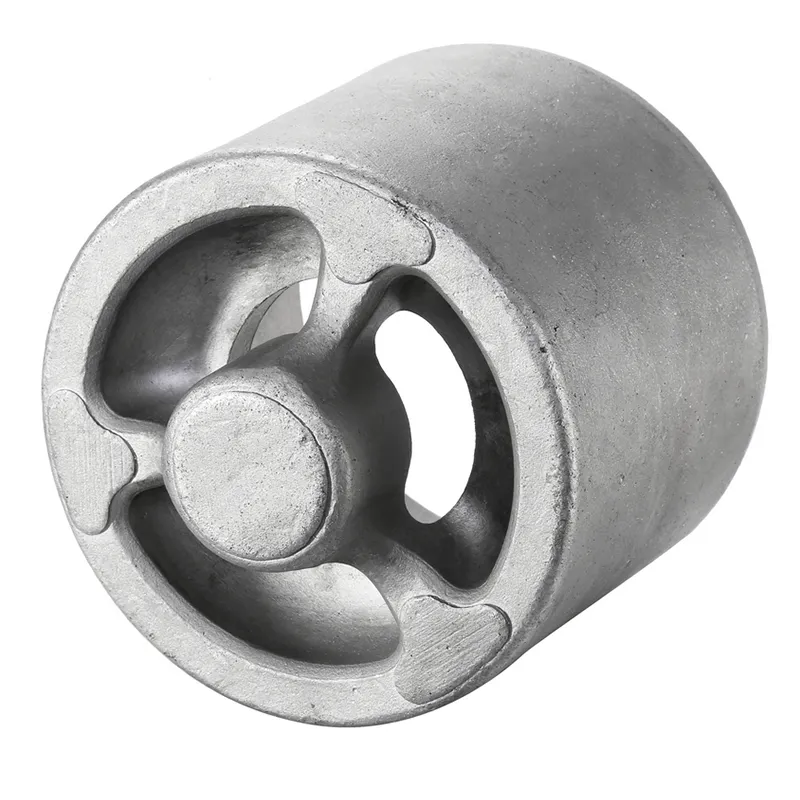
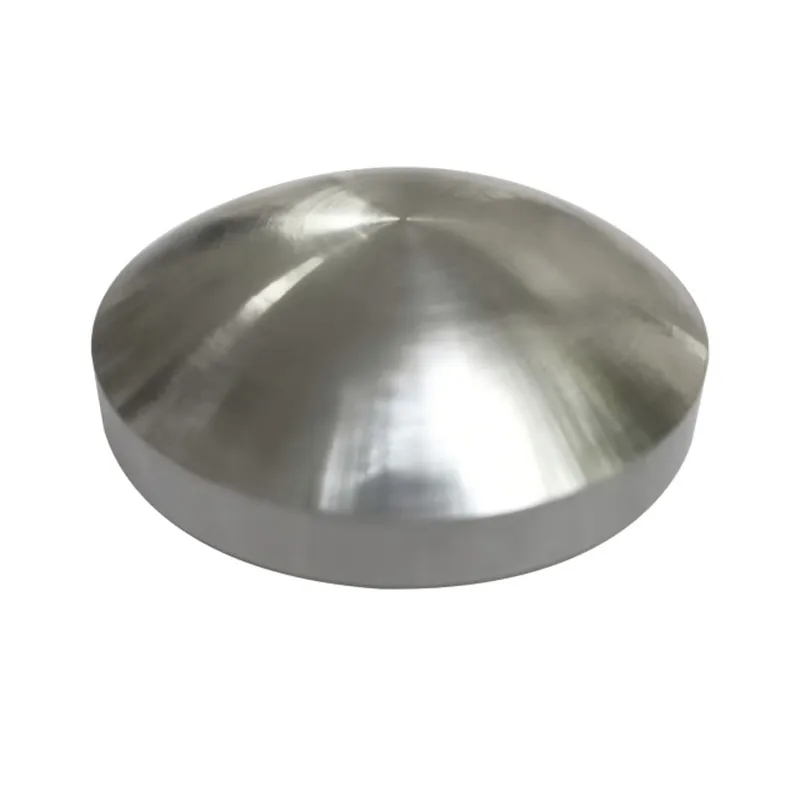
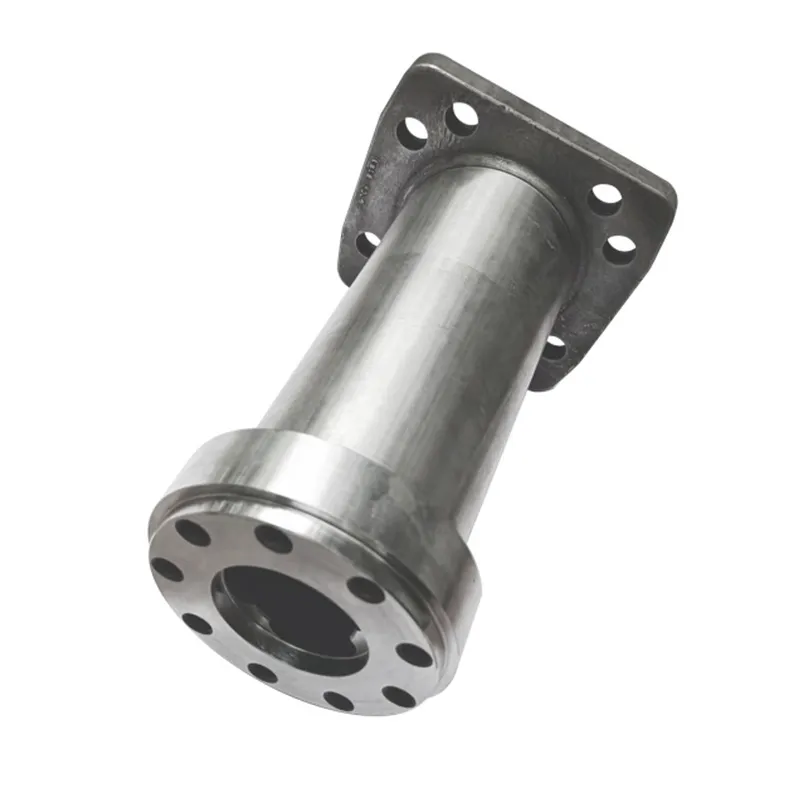
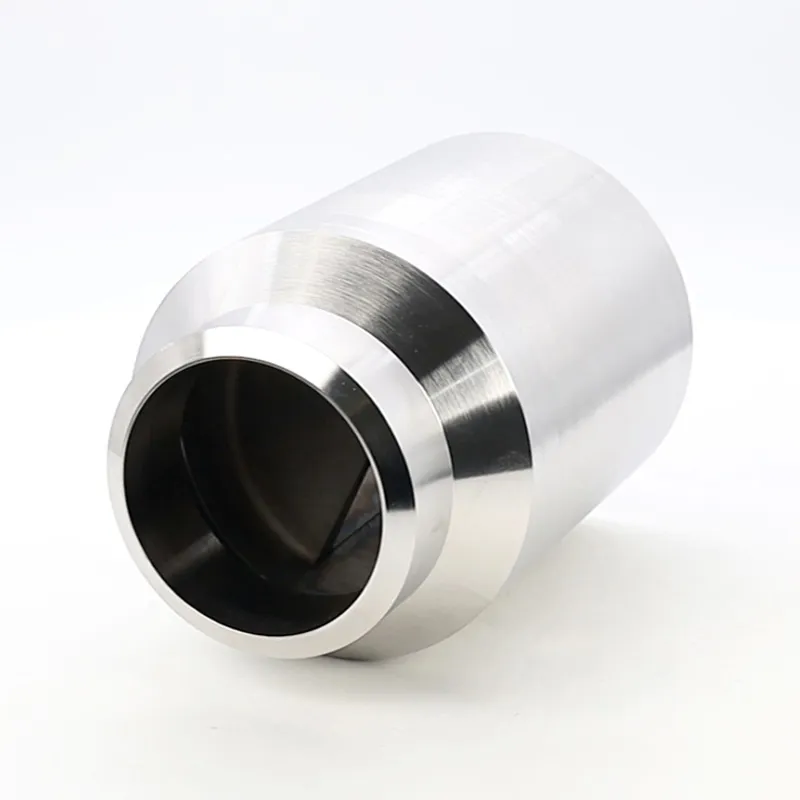
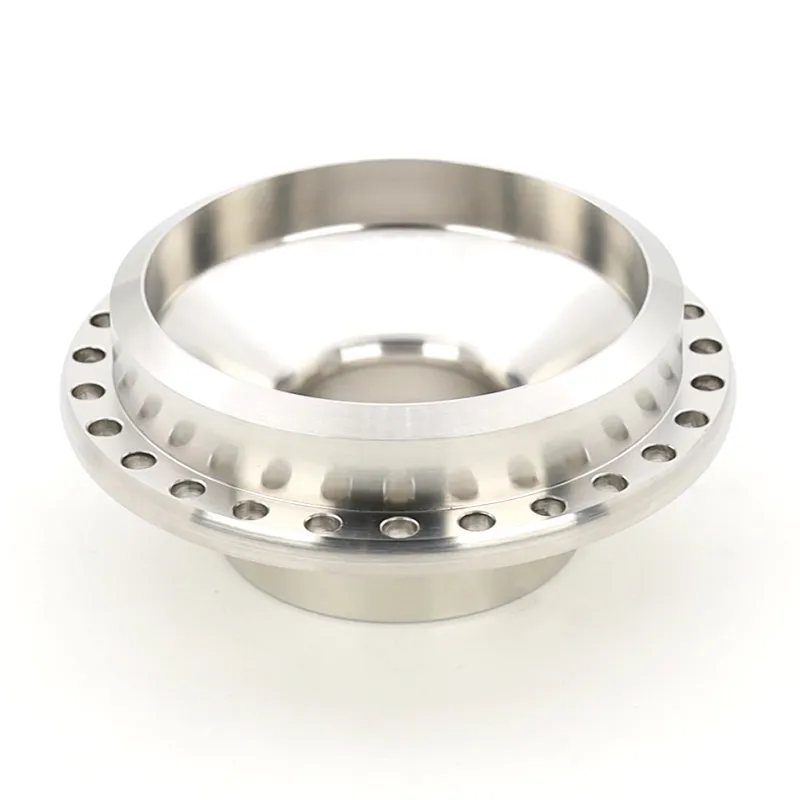
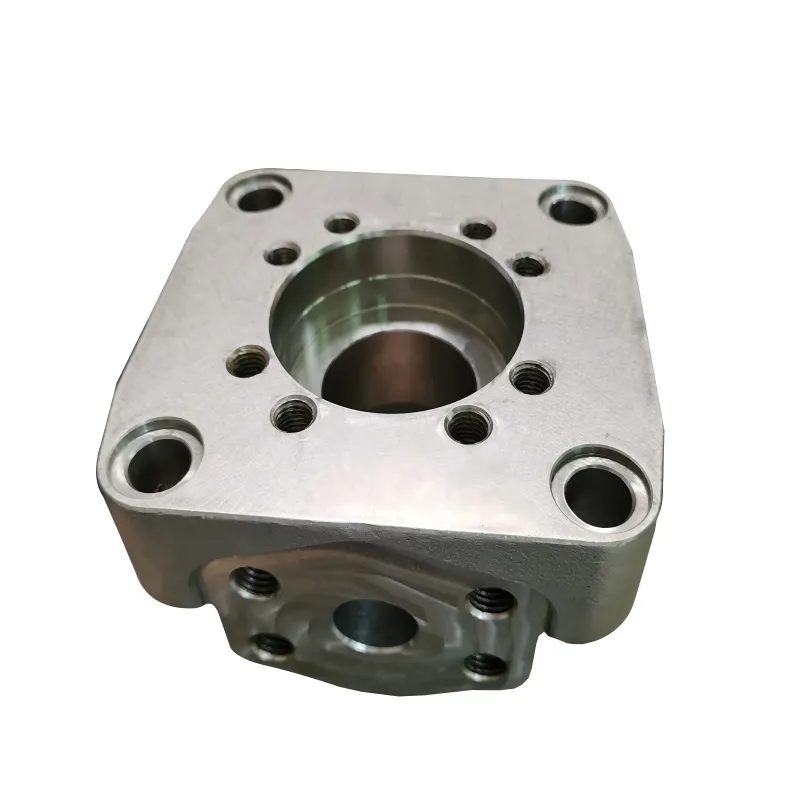
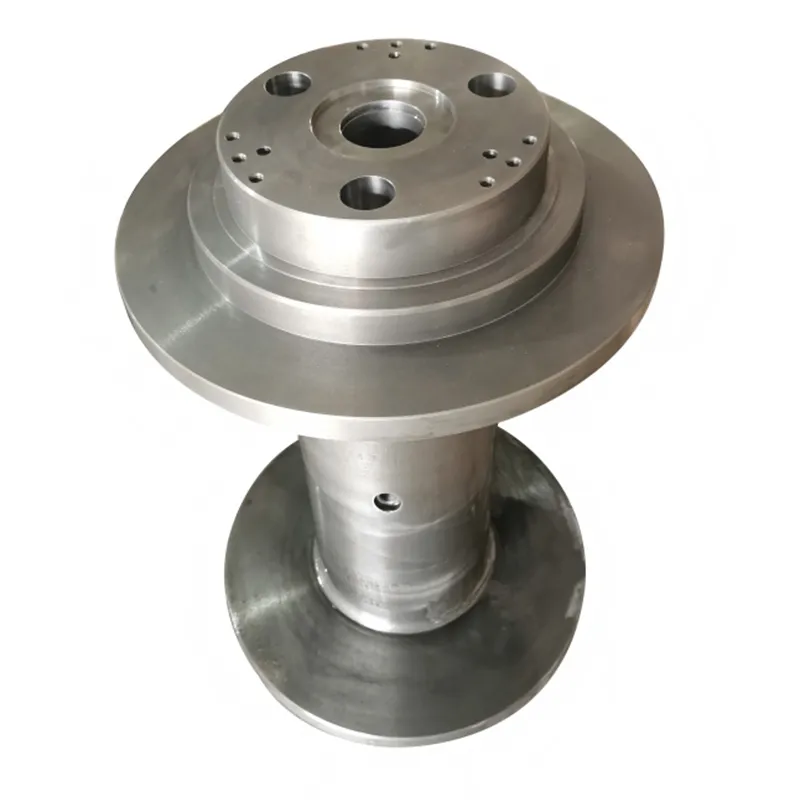
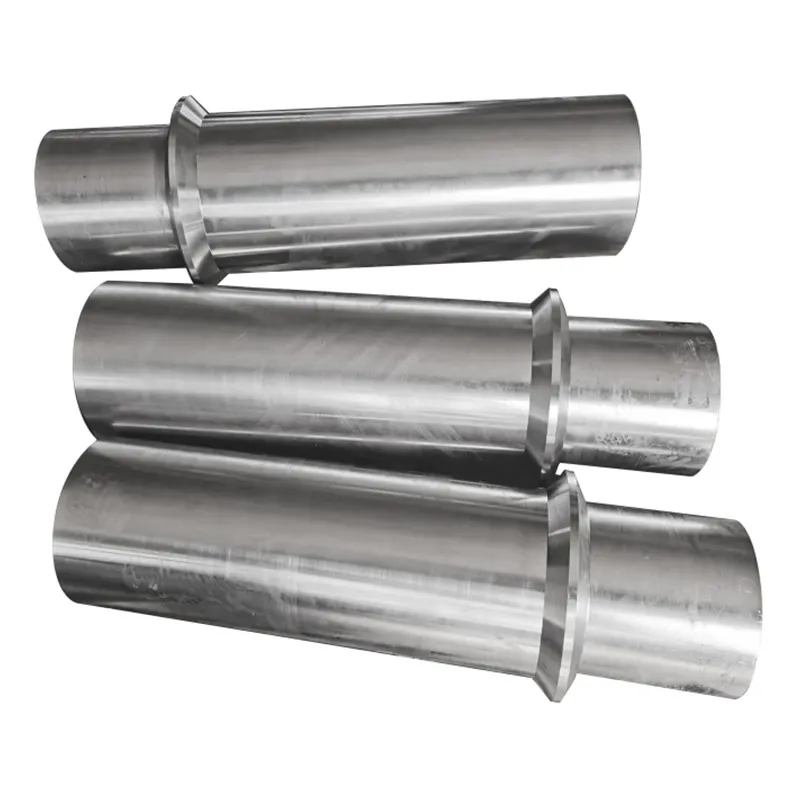
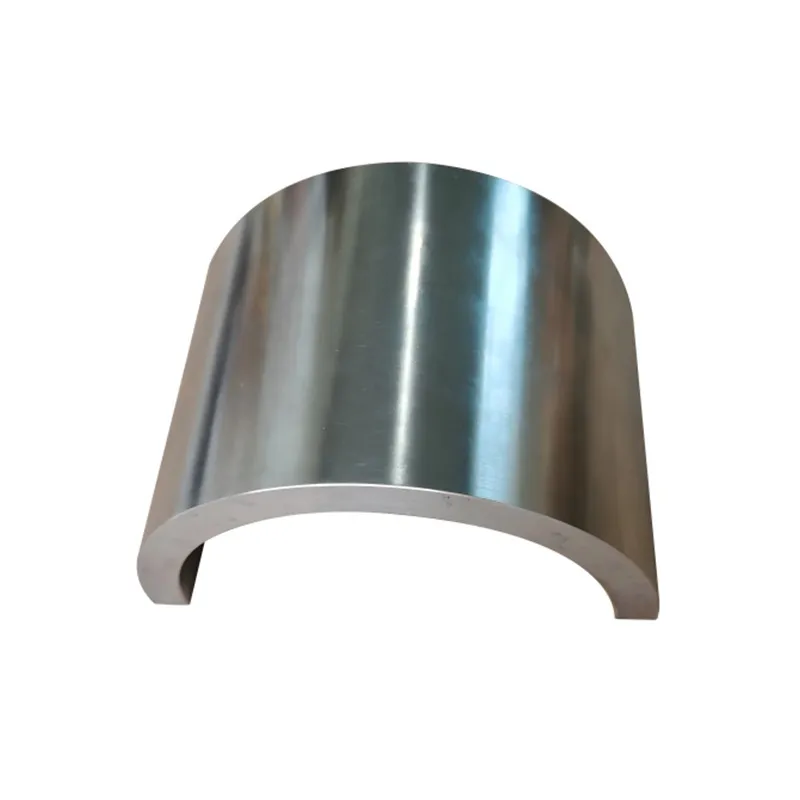
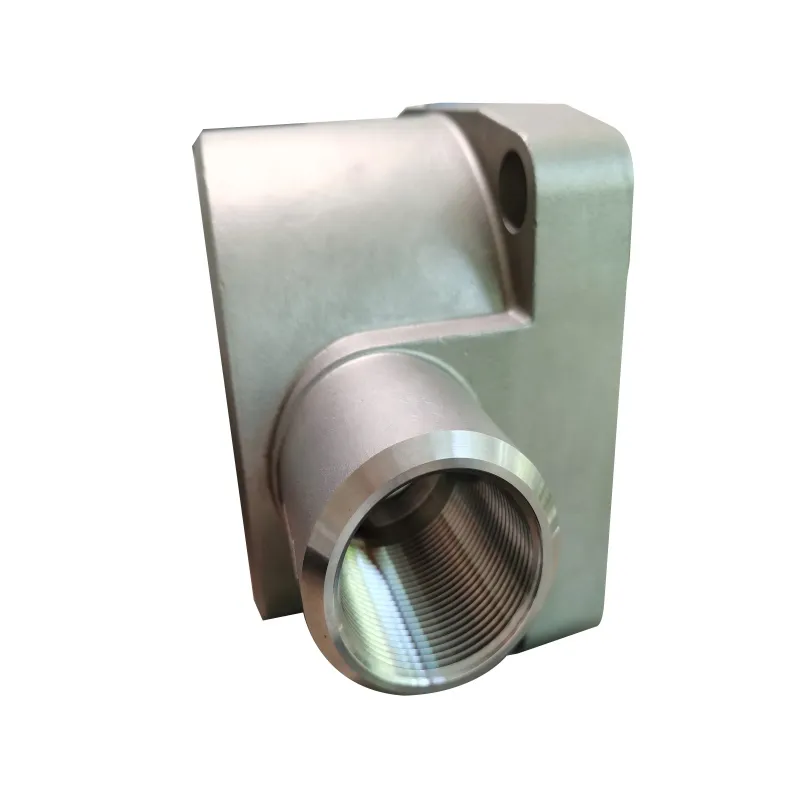
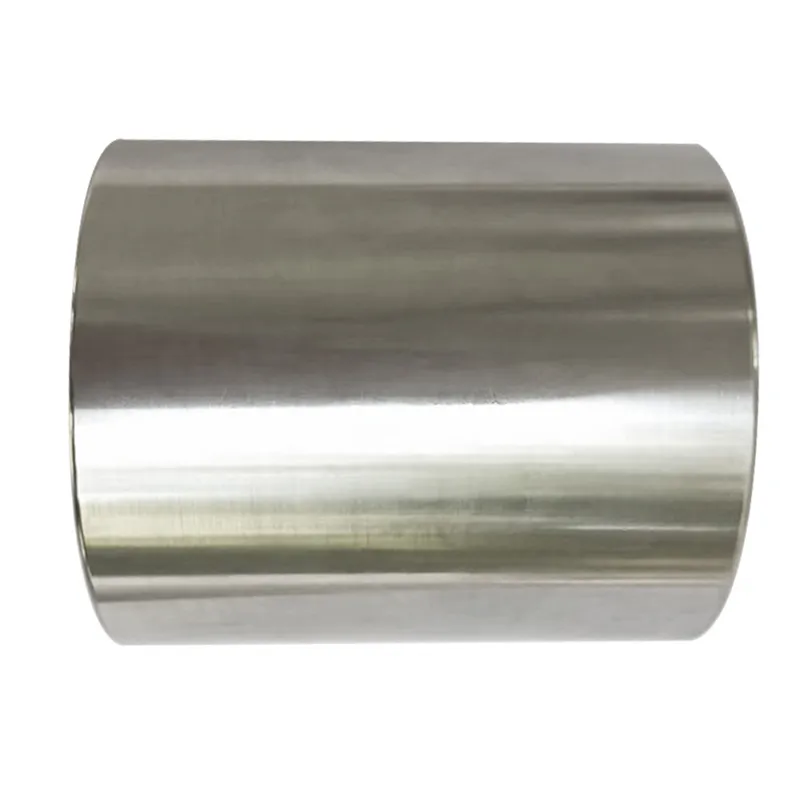
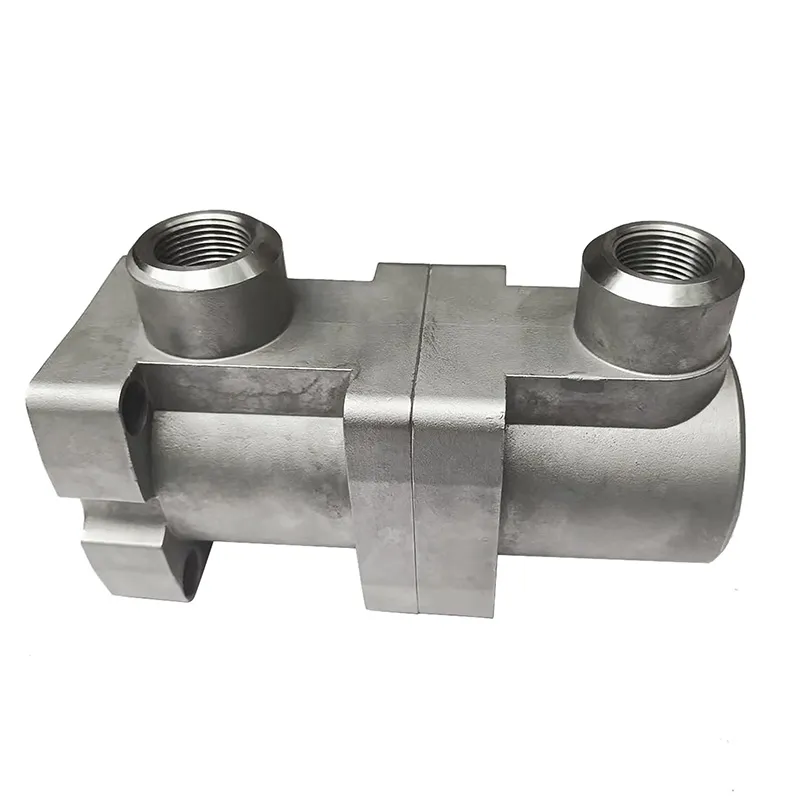
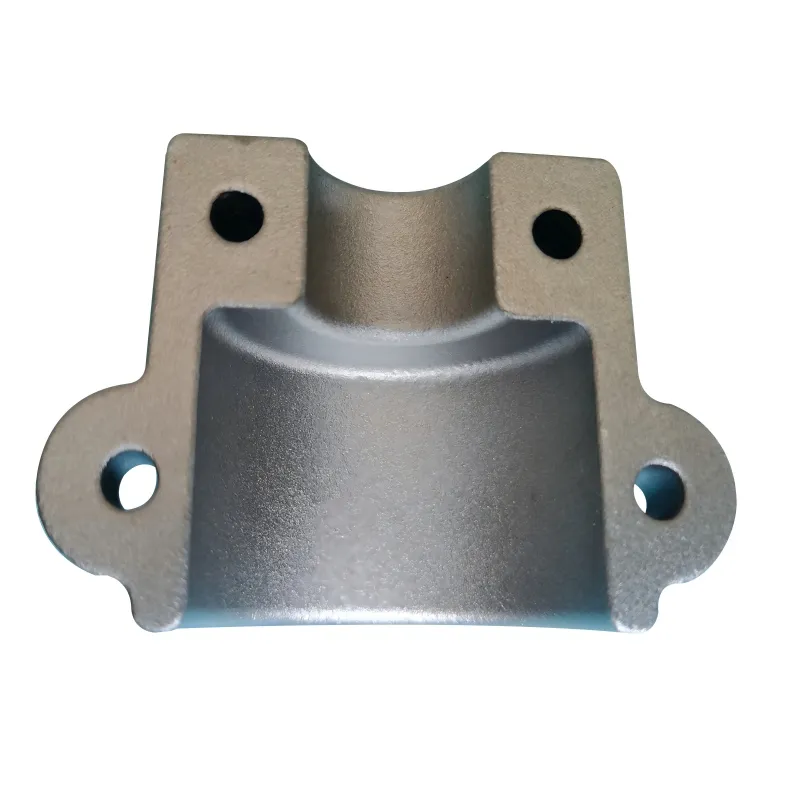
When someone says Hastelloy parts, most think of a magic bullet for corrosion. The datasheet numbers are impressive, sure, but that's where the real conversation starts, not ends. I've seen too many designs fail because they treated Hastelloy C-276 or C-22 like a commodity stainless. It's not. The gap between the alloy's potential and a functional, reliable component is where the actual work happens—in the foundry and on the machine shop floor.
The Casting Conundrum: It's All in the Feed
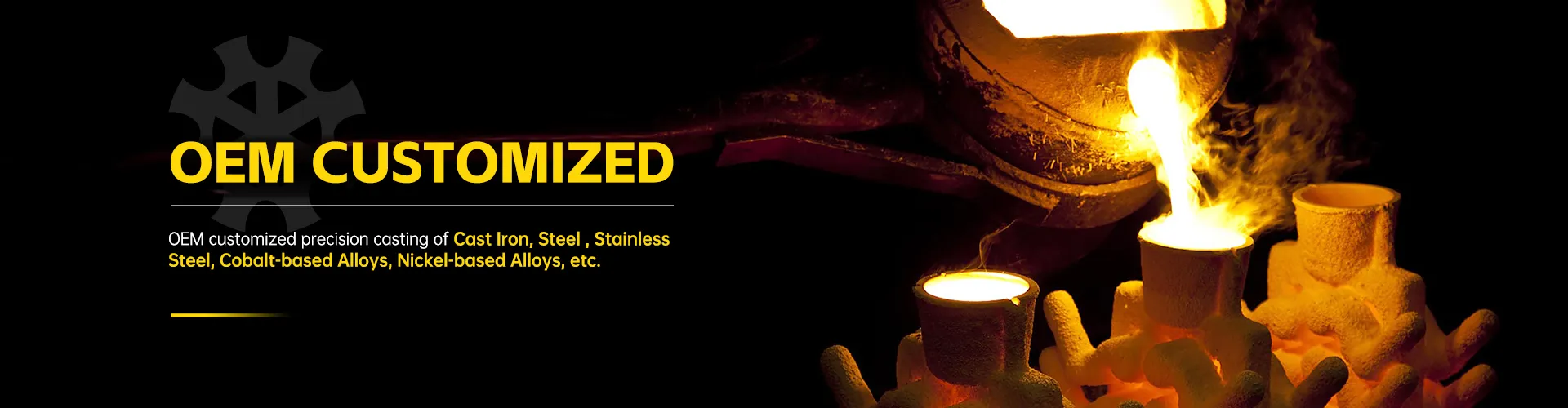
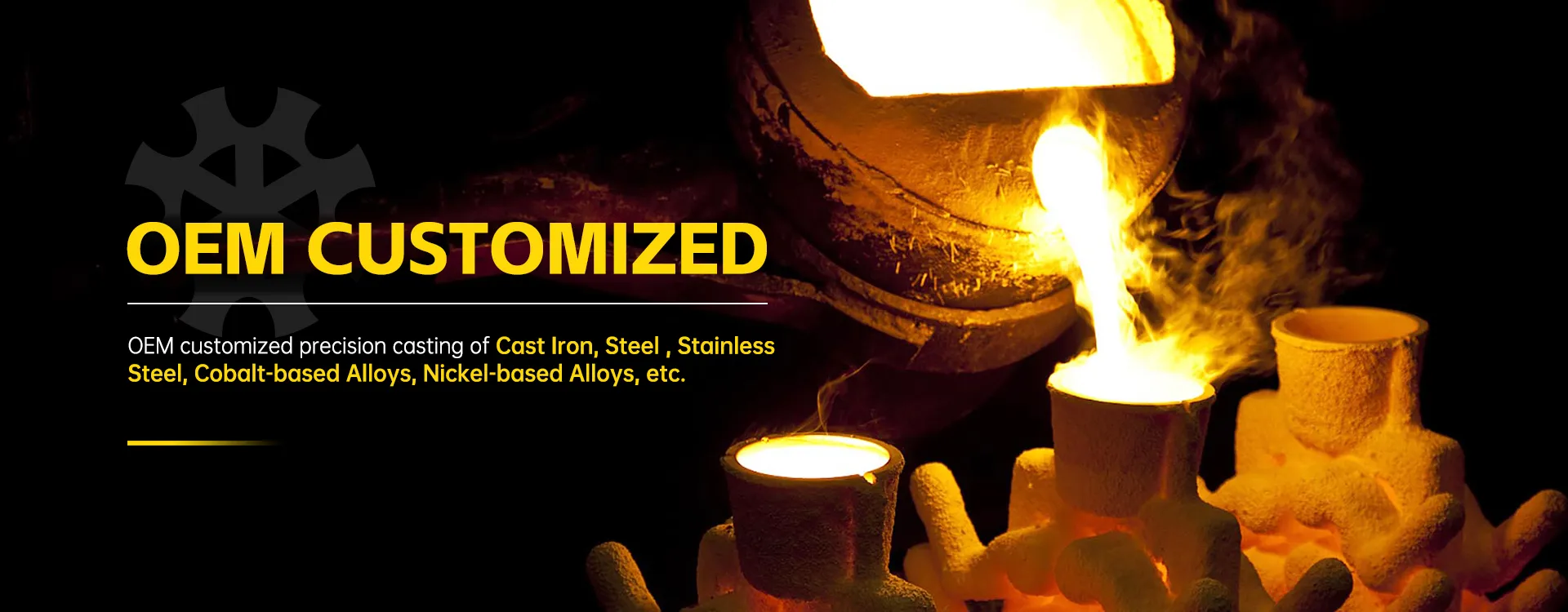
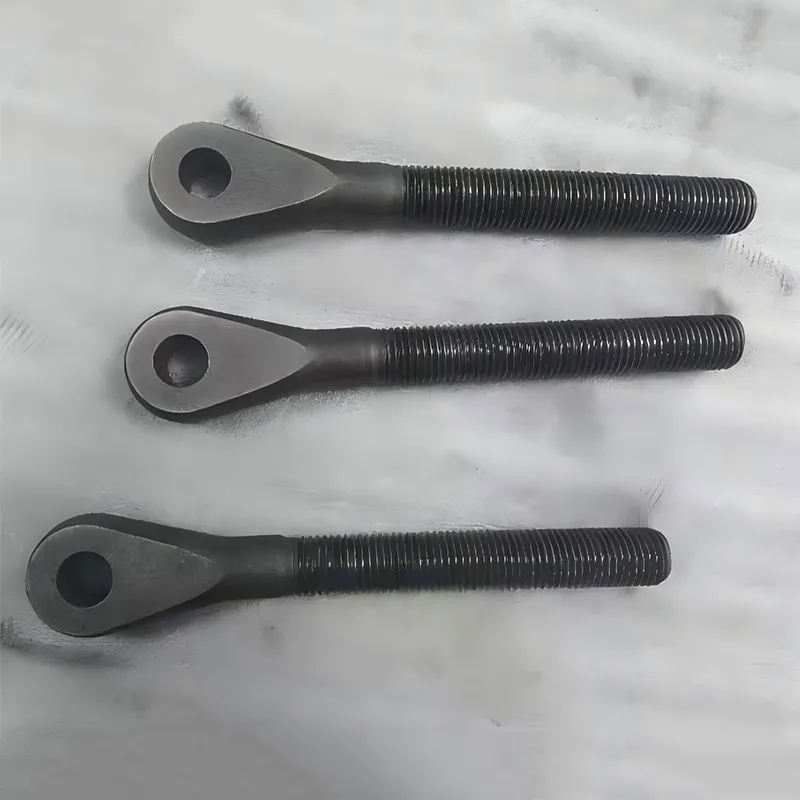
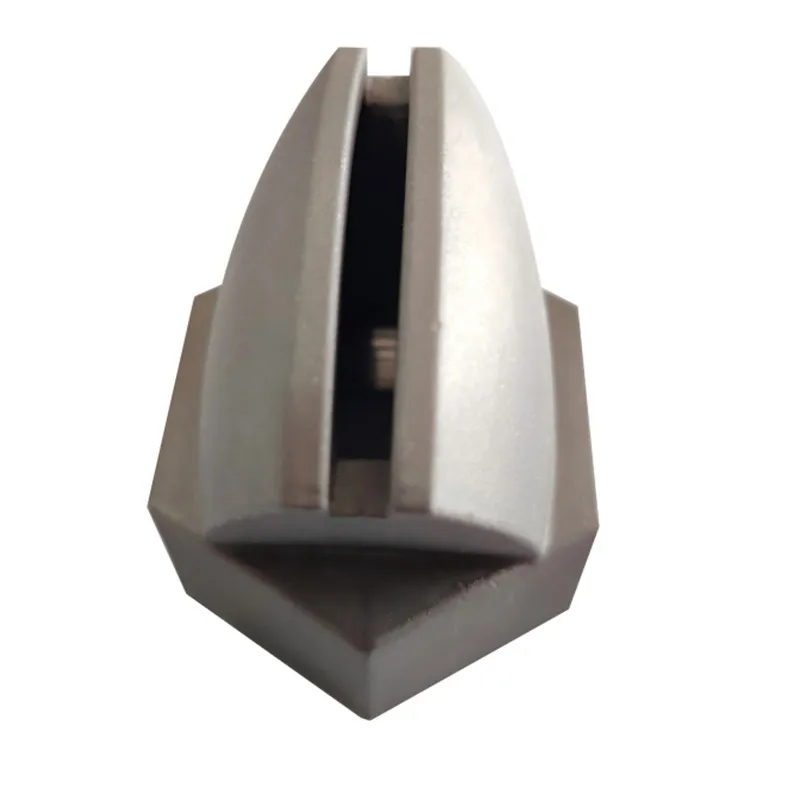
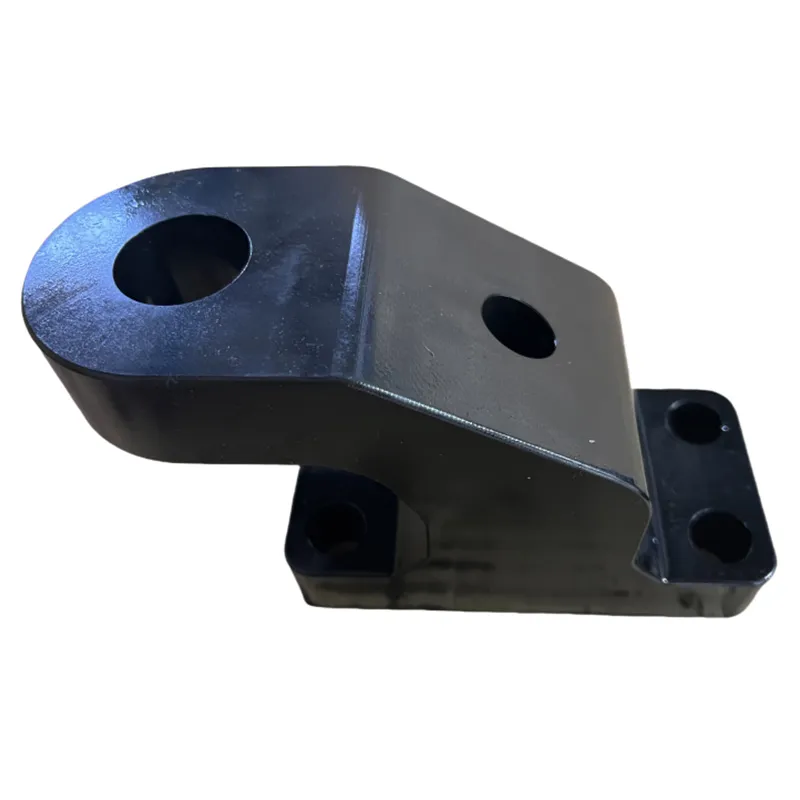
Investment casting is the go-to for complex Hastelloy alloy parts, especially the thin-walled, intricate shapes we often see in aerospace or chemical nozzle applications. The alloy's high nickel and molybdenum content gives it that legendary resistance, but it also makes it a beast to cast cleanly. The solidification range is tricky. You get hot tears if your gating and risering system isn't spot-on. It's not something you guess at; it's years of pattern.
We learned this the hard way early on. A batch of valve bodies for a client, meant for a severe chloride service. The prototypes passed PT, looked perfect. But under hydro-test, a few developed hairline leaks at a junction. The problem? Micro-shrinkage. Inconspicuous, not on the surface, but a fatal flaw. The solution wasn't just use better metal. It was redesigning the feeding heads, adjusting the pour temperature curve, and even the orientation of the part in the mold cluster. That's the unglamorous side of special alloys.
A shop that knows this, like Qingdao Qiangsenyuan Technology (QSY), has the edge. With three decades in shell and investment casting, they've likely poured every common and obscure nickel-based alloy out there. That institutional memory on how, say, Hastelloy X behaves versus Hastelloy B-3 during cooling is priceless. You can't download that from a materials database.
Machining: Where Tooling Budgets Go to Die
If casting is about coaxing the metal into shape, machining is a controlled fight. Hastelloy work-hardens. Aggressively. A slightly dull insert or an optimistic feed rate, and you've just created a localized zone harder than your cutter. You're not just cutting anymore; you're grinding and generating insane heat, which further degrades the tool and can affect the part's metallurgy.
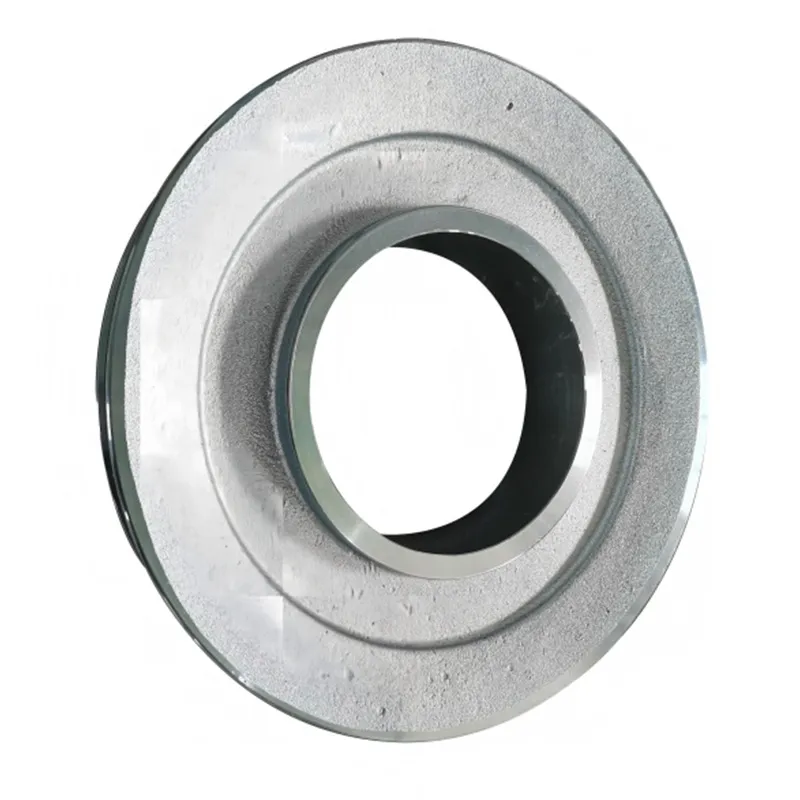
The strategy is low and slow. High pressure coolant, rigid setups, and premium, specialized tool geometries are non-negotiable. Carbide is standard, but sometimes you dip into ceramic or CBN for finishing passes. The cost per part isn't in the material block; it's in the tooling consumption and machine time. I recall a project for a large-diameter seal ring from Hastelloy C-2000. The turning operation was straightforward until we hit the internal groove. Standard grooving inserts chipped within minutes. We ended up using a custom-ground, positive-rake tool and reduced the feed by 40%. It felt painfully slow, but it was the only way to get a clean finish without recast layers.
This is where integrated facilities show their value. A company handling both casting and CNC machining in-house, like the mentioned QSY, can optimize the entire process. They can leave strategic machining stock on the casting, knowing exactly how much material their own CNC department needs to clean up the skin and meet tolerance. It eliminates the blame game between separate casting and machining vendors.
The Special in Special Alloys
Clients often come with a request for Hastelloy without specifying the grade. That's like asking for steel. The choice between B-2 for reducing acids, C-276 for mixed oxidizers, or G-30 for phosphoric acid environments is critical. It's a chemical compatibility puzzle. But there's another layer: fabricability. C-276 is the workhorse for a reason—it's relatively more weldable and stable across a wide range. B-2 is notoriously sensitive during welding if not handled perfectly.
Then there's the sourcing of the raw material itself. Mill certificates are a must, but traceability is king. For critical service parts, you need to know the heat number, the chemical analysis, and ideally, have test coupons from the same heat for procedure qualifications. This is non-negotiable for industries like offshore oil & gas or pharmaceutical.
The ability to source and verify these special alloys is a core competency. A supplier's network and credibility with major mills matter. When a company lists nickel-based alloys as a specialty, it implies they have that supply chain and verification process dialed in. It's not just about having a stock list; it's about having trusted channels.
When Good Enough Isn't: The Inspection Gauntlet
Finishing a part is one thing. Proving it's fit for service is another. For Hastelloy alloy parts, visual and dimensional checks are just the opening act. Dye penetrant testing (PT) is standard for surface defects. But for critical applications, you're looking at full radiography (RT) to hunt for internal porosity or shrinkage, and ultrasonic testing (UT) for bonding integrity on welded assemblies.
The real test, literally, is often corrosion testing. ASTM G28 Method A for intergranular attack susceptibility is common for many Hastelloy grades to check for sensitization from welding or improper heat treatment. This isn't quick. It involves boiling the sample in a ferric sulfate-sulfuric acid solution for 24 hours, then measuring the weight loss. It's a destructive test, so you need witness coupons from the same batch. This step separates part manufacturers from part suppliers.
Managing this entire quality gauntlet requires a system. It's paperwork, calibration records, certified inspectors, and a culture that doesn't cut corners. A 30-year-old company in this space has survived because they've built that system. Their website might just say machining, but the real product is the certification package that comes with the part.
The Pragmatic Takeaway
So, what does this all mean for someone sourcing these components? First, move beyond the material grade. Specify the application environment—temperatures, media, concentrations, pressures. Second, prioritize process capability over price. The cheapest casting or machining quote is often the most expensive mistake. Ask about their specific experience with your chosen grade, request to see similar case studies or even visit the facility.
Look for vertical integration. A supplier that controls the journey from molten metal to finished, inspected part, like those with combined investment casting and CNC capabilities, inherently has fewer failure points. They own the entire quality chain. Finally, respect the expertise. The good shops solve problems you didn't know you had. They'll question a drawing detail that creates a stress concentration in this alloy, or suggest a slight radius change to improve castability.
In the end, successful Hastelloy alloy parts aren't bought off a shelf. They're the result of a collaboration between informed design and seasoned manufacturing, where the material's legendary properties are faithfully translated into a component that doesn't just meet spec, but survives in the real world. That's the difference between a part that's made of Hastelloy and one that truly performs like it.