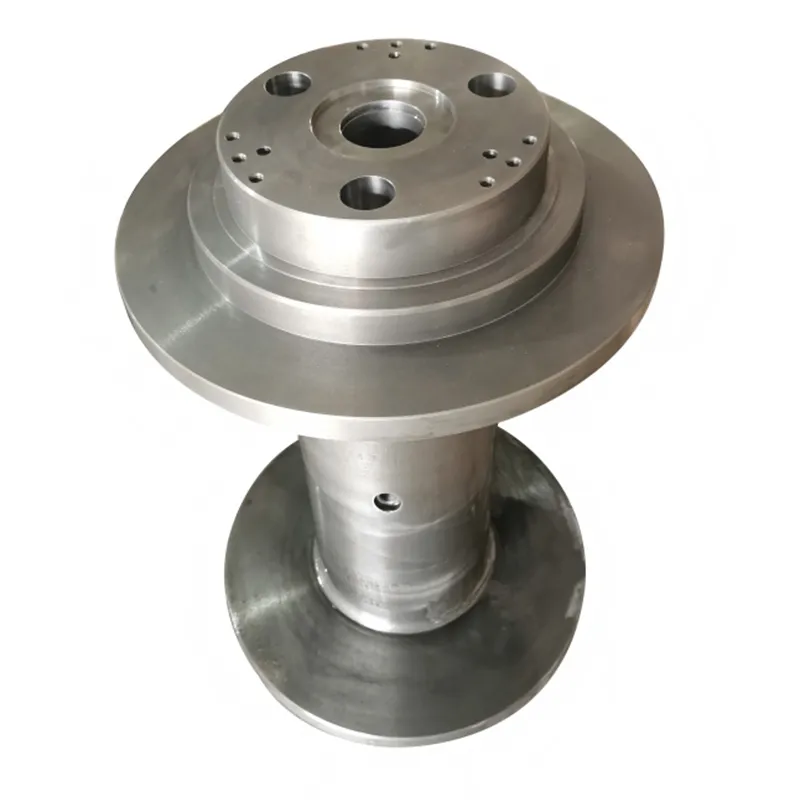
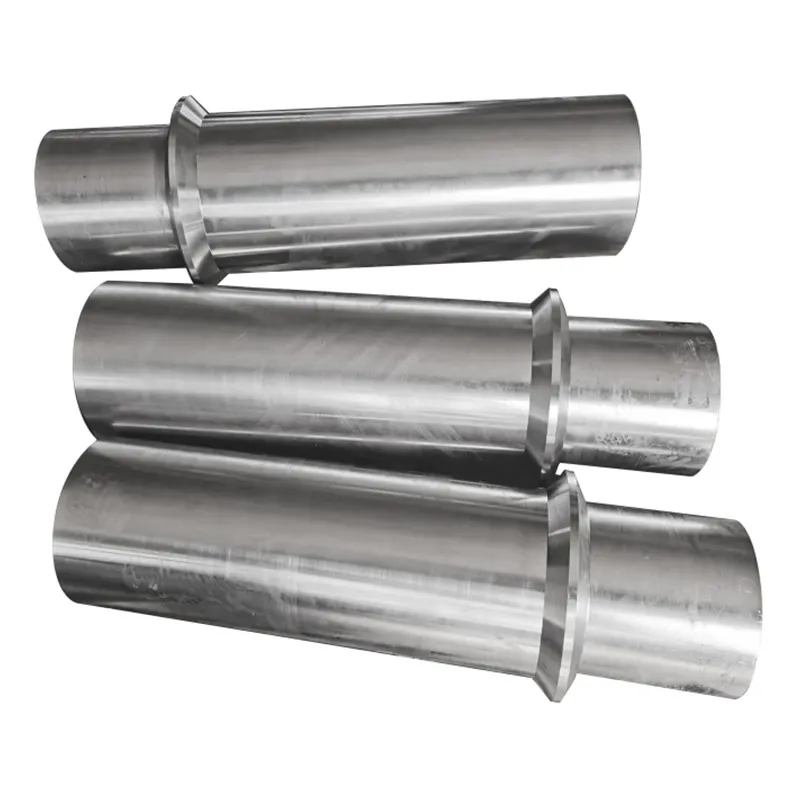
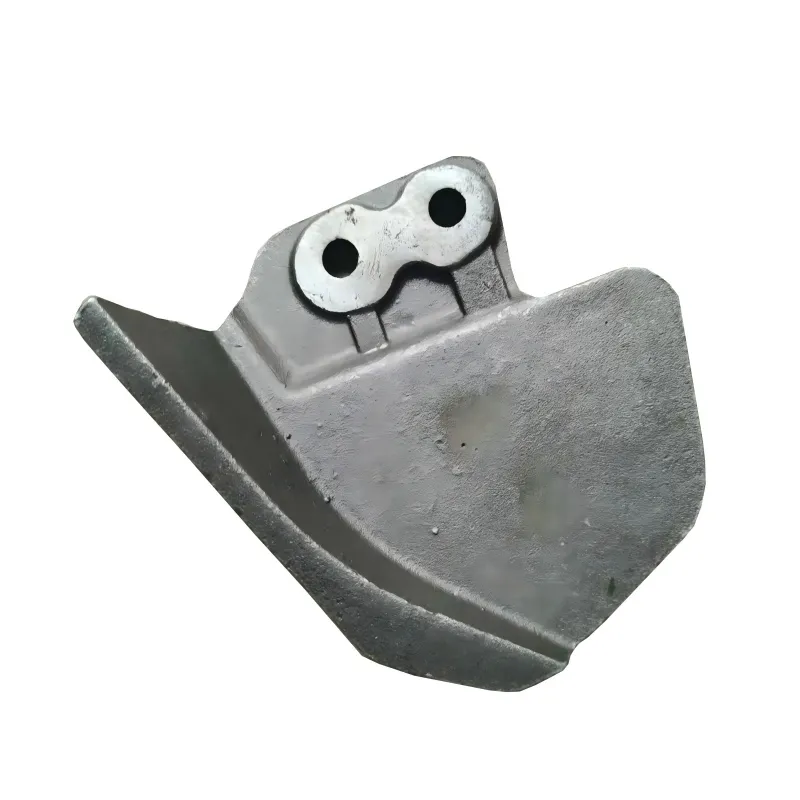
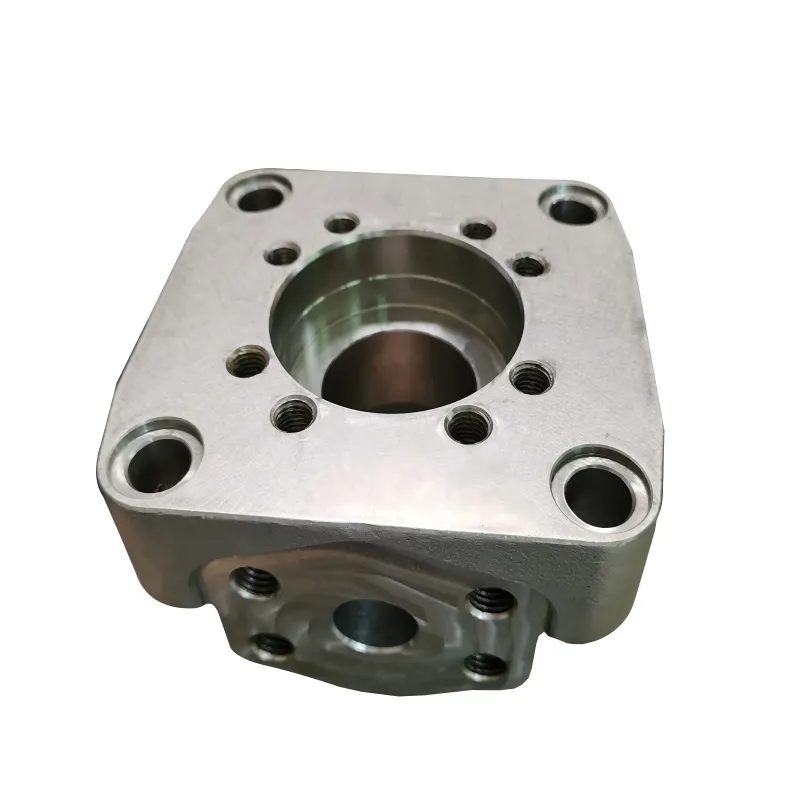
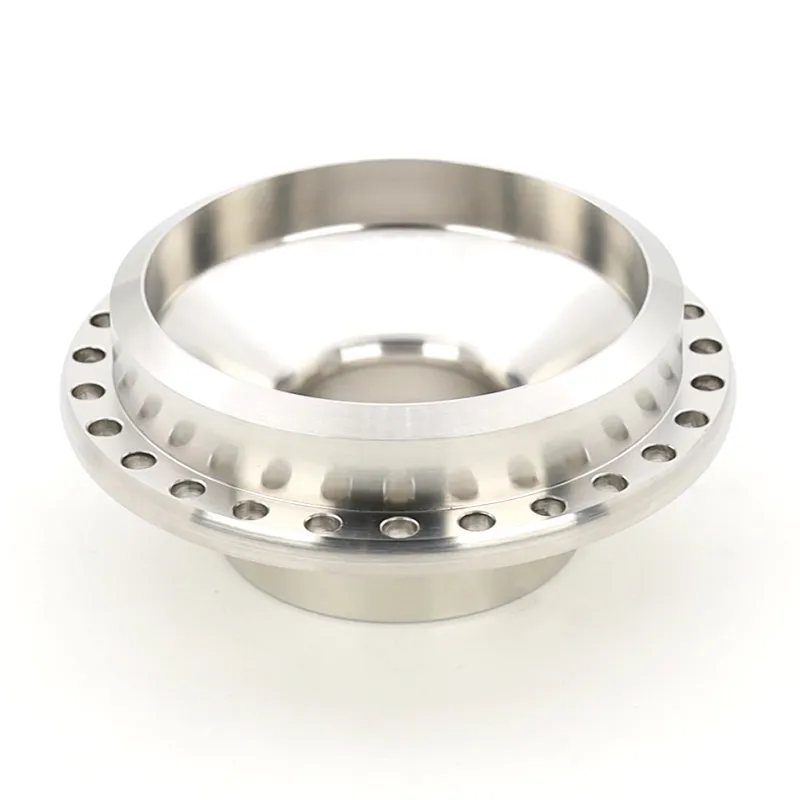
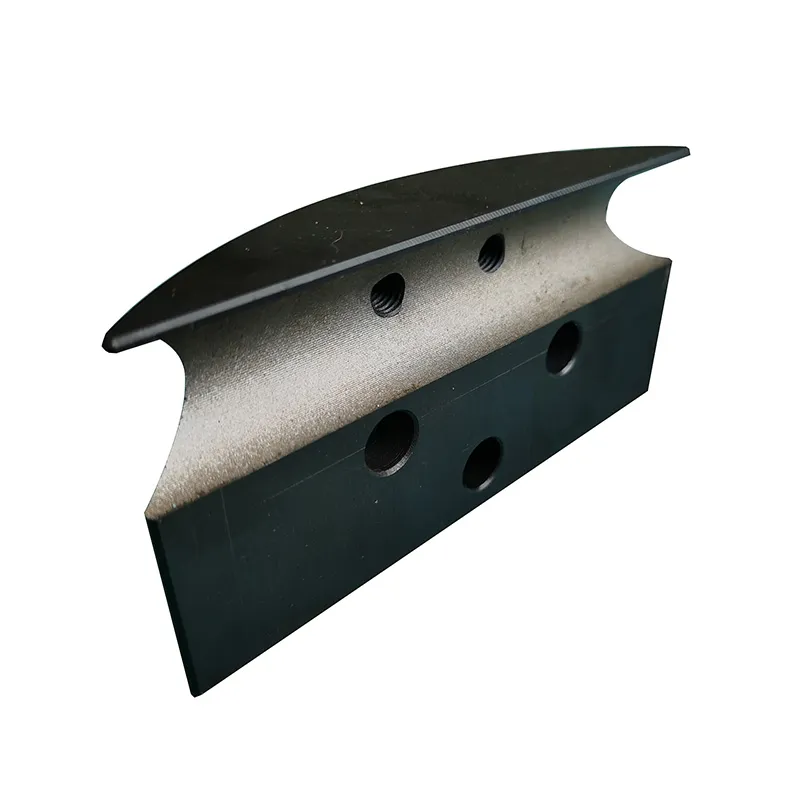
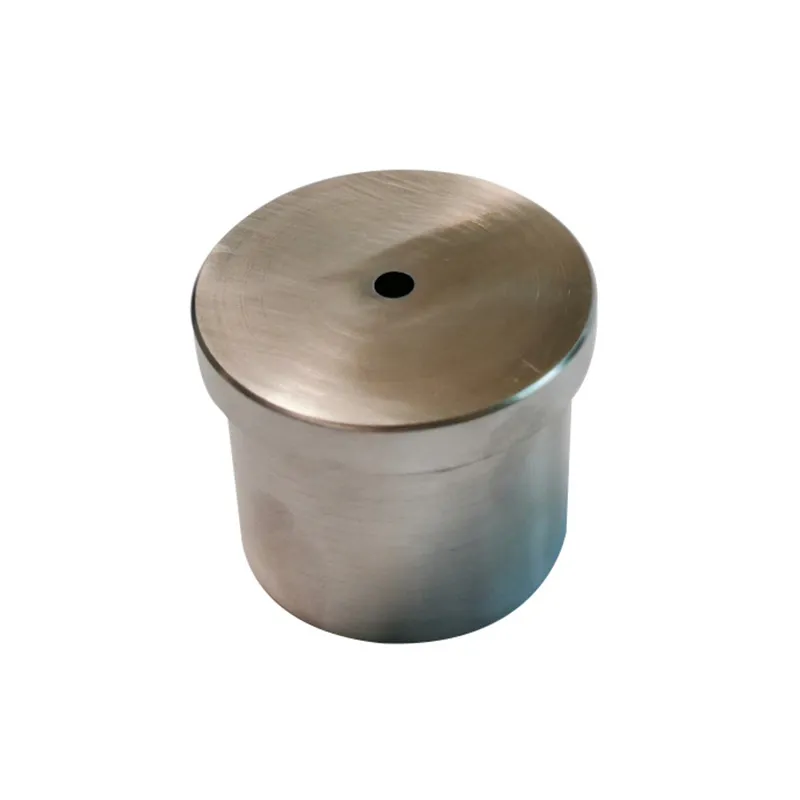
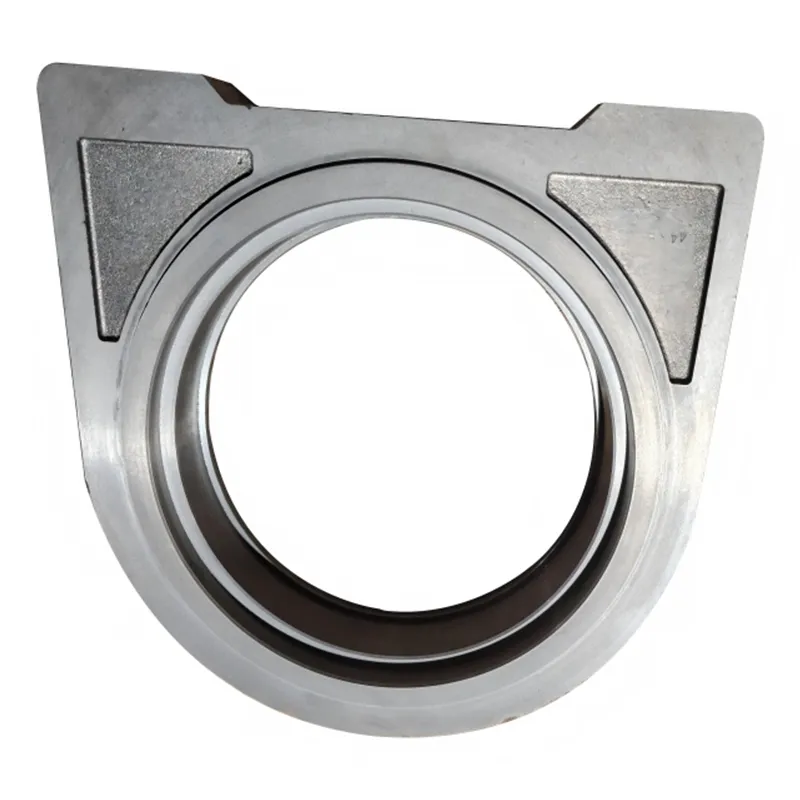
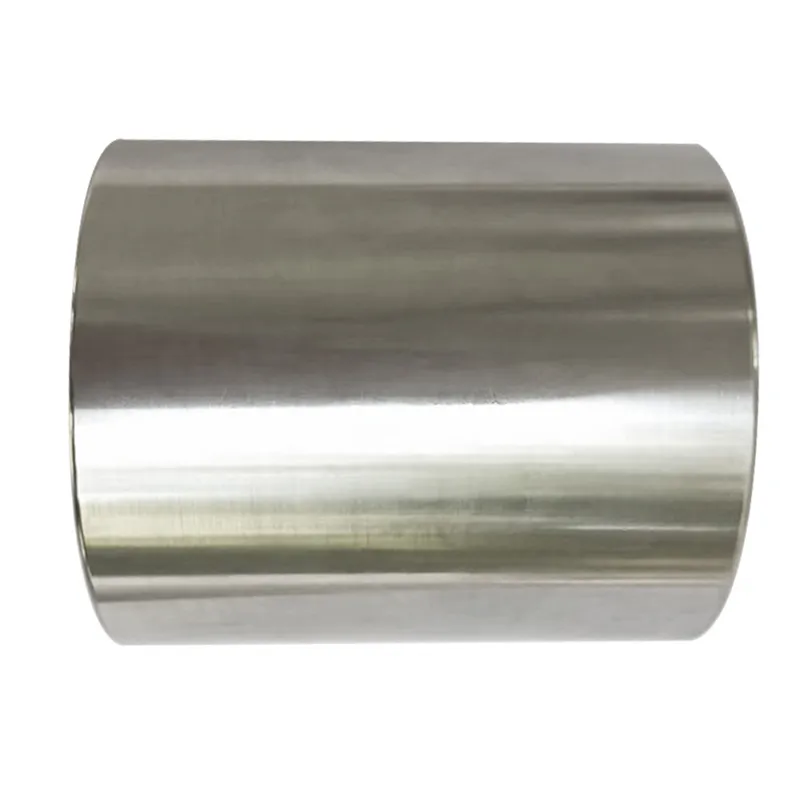
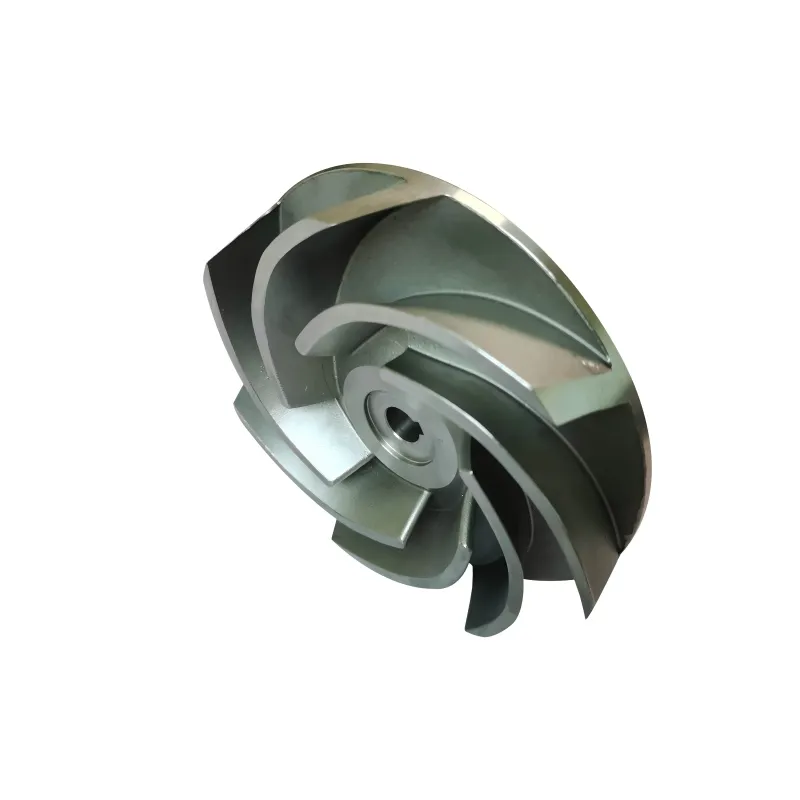
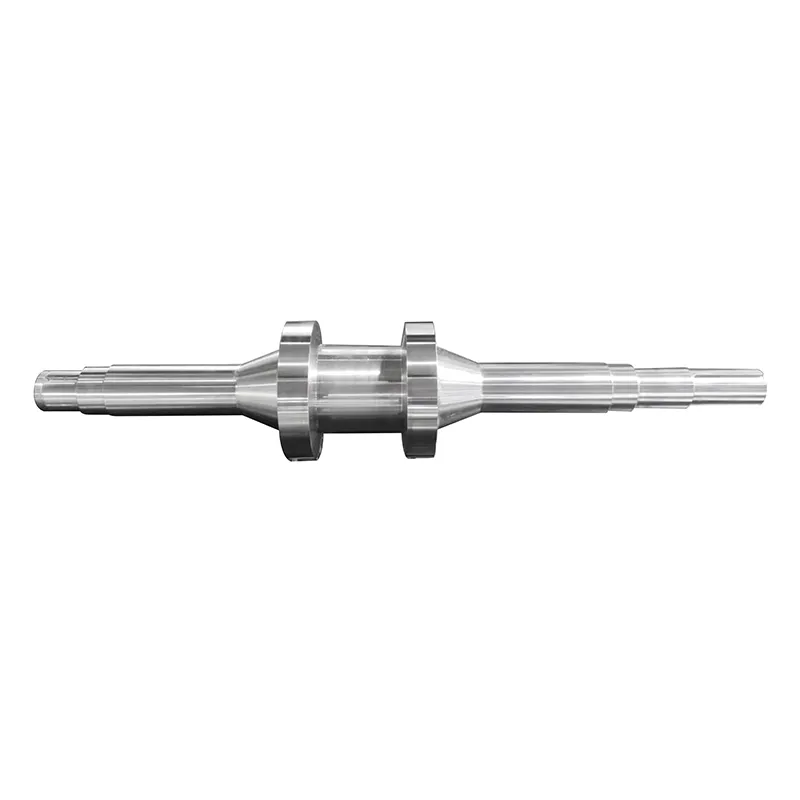
When you hear 'Haynes 25 material seal', the immediate thought often jumps to its high-temperature prowess—rightfully so, given its cobalt-chromium-nickel-tungsten pedigree. But in my years dealing with precision components, I've seen the real challenge isn't the alloy's specs on paper; it's the translation of those properties into a reliable, leak-tight seal under dynamic thermal and mechanical stress. Many spec sheets tout its oxidation resistance up to 1800°F, but they rarely detail the machining nuances or the sealing surface finish required post-CNC work that actually makes or breaks the application. It's one thing to cast it; another to finish it for a seal that holds.
The Alloy's Character and Machining Reality
Haynes 25, or L605, isn't your everyday stainless. Its high work-hardening rate is legendary. You think you're taking a light cut on the lathe, and suddenly the tool chatters or wears prematurely if your parameters are even slightly off. We learned this the hard way early on. For a seal face destined for a turbine exhaust coupling, we initially used standard carbide inserts. The result? Poor surface integrity and micro-fractures at the edges—unacceptable for a sealing surface. The material demands rigid setups, sharp tools with positive rake, and often, a switch to ceramic or CBN grades for finishing passes to achieve that requisite Ra 16 or better.
This is where a foundry's experience becomes critical. A company like Qingdao Qiangsenyuan Technology Co., Ltd.(QSY), with their three decades in shell and investment casting, understands that the casting quality dictates 50% of the machining battle. A poorly cast Haynes 25 blank with internal shrinkage or inclusions will ruin a seal component during machining, no matter how skilled the CNC operator. Their focus on special alloys means they're likely sourcing the right bar stock or controlling the melt chemistry to minimize these issues from the start.
The sealing geometry itself adds layers. A simple face seal? Maybe straightforward. But when you integrate complex features like pressure-balancing grooves or anti-rotation slots directly into the Haynes 25 component, the machining strategy has to account for the alloy's tendency to deflect. We've had to adjust clamping forces and sequence operations to prevent distorting the critical sealing face. It's a tactile process, not just a programmed one.
Seal Design and Application Pitfalls
Designing the seal assembly around Haynes 25 is another realm. Its thermal expansion coefficient differs significantly from common mating materials like Inconel or even certain steels. In a static seal for a high-temperature valve, we once paired a Haynes 25 seat with a different alloy stem. During thermal cycling, the differential expansion caused a leak path to open up. The lesson? The seal isn't just the Haynes 25 part; it's the entire material system. You must model the thermal growth or, better yet, test it under simulated service conditions.
Surface treatments are a debated topic. Some swear by a light chrome plating or a specialized nitriding process to enhance wear resistance of the sealing face. However, with Haynes 25's inherent chromium oxide layer forming at temperature, adding another coating can sometimes spall or delaminate, creating debris that scores the surface. In most severe service applications we handle—think aerospace or power generation auxiliary systems—the preference leans towards a meticulously machined and lapped bare metal surface. The integrity of the native oxide layer is paramount.
Failure analysis often points to secondary operations. A seal component might pass pressure tests, but fail in service due to handling damage. Haynes 25, while tough, can still be nicked. We implemented strict post-machining handling protocols using non-metallic fixtures and protective edge guards, especially after seeing a batch of otherwise perfect seals get rejected for burrs introduced during manual cleaning. It's these mundane details that separate a functional seal from a reliable one.
Case in Point: A Turbine Bypass Valve Seal
A concrete example was a retrofit project for a land-based gas turbine. The original seal in a bypass valve actuator was failing prematurely due to a combination of high-cycle fatigue and thermal creep. The client spec'd Haynes 25 for the replacement. The challenge was the part's thin cross-section near the sealing lip, which was prone to distortion during the solution annealing process required after machining to relieve stresses.
Our process, developed through trial and error, involved rough machining, a stress-relieve anneal, then finish machining with minimal stock removal. The final honing of the 45-degree sealing cone was done on a custom fixture. We collaborated closely with the machining team at QSY on this, leveraging their CNC machining expertise for the complex internal contours. Their ability to hold tight tolerances on the investment-cast pre-form was a major advantage, reducing our final machining time and risk.
The success hinged on controlling the grain structure. A coarse grain from an improper heat treatment cycle would reduce low-cycle fatigue life, even if the hardness was correct. We ended up specifying a very controlled furnace atmosphere during the final heat treat to prevent any surface carburization or decarburization, which would have compromised the seal's surface properties. The part has been in service for over 18 months now with no reported issues—a small win that validated the approach.
Industry Misconceptions and Supplier Synergy
A common misconception is that throwing a 'super alloy' like Haynes 25 at a sealing problem automatically solves it. Not true. I've seen over-designed seals where a simpler, cheaper alloy with a better-suited coating would have performed adequately. The justification for Haynes 25 should be a clear combination of oxidizing atmosphere, temperatures exceeding 1500°F, and need for good structural strength. Otherwise, you're just burning budget.
This is why partnering with a supplier that understands the full journey from melt to machine is vital. A technical foundry and machinist like QSY isn't just a vendor; they're a resource. When you discuss a Haynes 25 material seal project with them, the conversation can span from the optimal casting method (their shell mold casting might be better for certain geometries than investment for this alloy) to post-cast NDT requirements, all the way to fixturing for the final CNC ops. That continuity reduces knowledge gaps that lead to field failures.
Another practical point is lead time and material traceability. Genuine Haynes 25 isn't always on the shelf. A supplier with a long-standing operation in special alloys typically has established supply chains for certified stock. For critical seals, you need full mill certs, and often, additional chemistry verification. This isn't an area to cut corners with uncertified 'equivalent' material, as the sealing performance is directly tied to the precise alloy composition.
Concluding Thoughts: It's About the Process
So, what makes a successful Haynes 25 seal? It's rarely a single eureka moment. It's the aggregate of correct material selection, informed design accounting for thermal behavior, precise and knowledgeable machining, and meticulous handling. The material is capable, but it's unforgiving of process shortcuts.
The industry shift towards integrated suppliers—those who can cast, heat treat, and machine under one roof—makes sense for such components. It tightens feedback loops. If a sealing face shows an anomaly during final inspection, the machinist can quickly consult with the metallurgist who oversaw the heat treatment, and the foundry engineer who designed the gating system. This collaborative troubleshooting is invaluable.
Ultimately, the keyword is 'integrity'—both the metallurgical integrity of the Haynes 25 part and the procedural integrity of the manufacturing chain. When both align, you get a seal that doesn't just meet a spec sheet, but performs reliably in the harsh, vibrating, thermal-cycling reality of industrial service. That's the real goal, and it's achieved in the details of the workshop, not on the sales brochure.