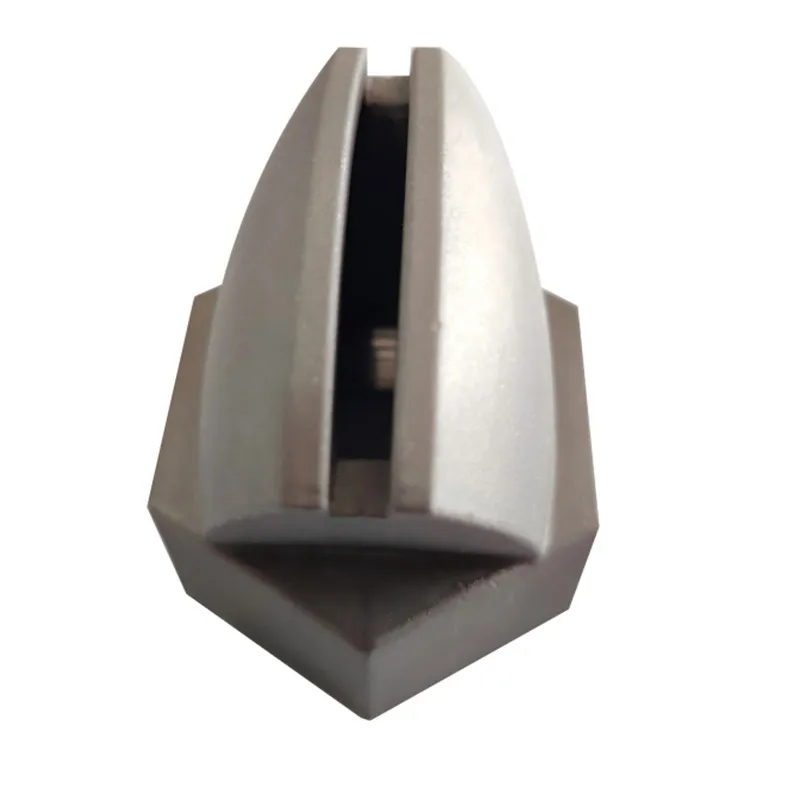
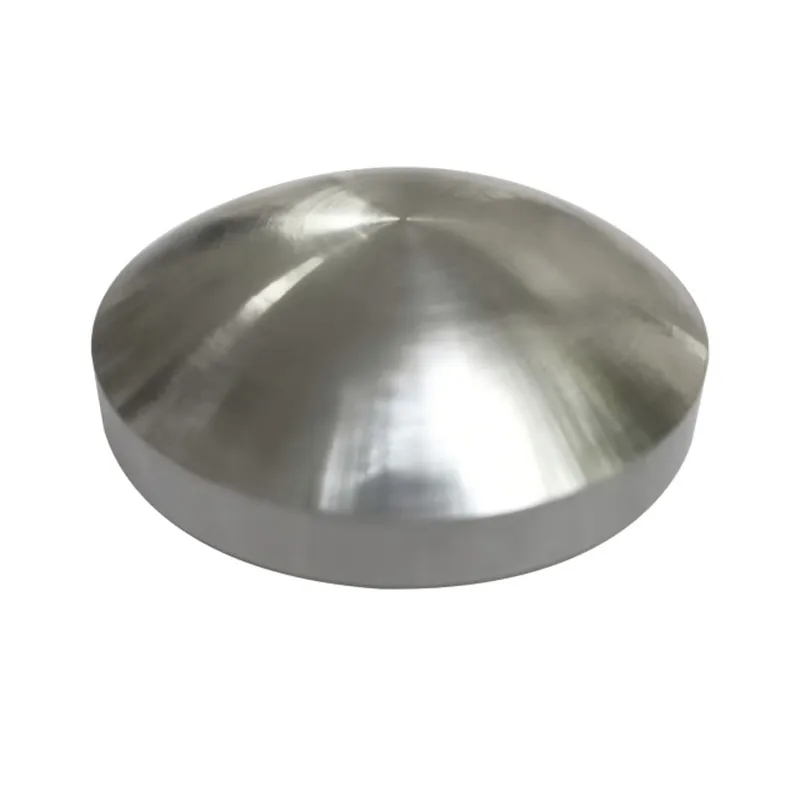
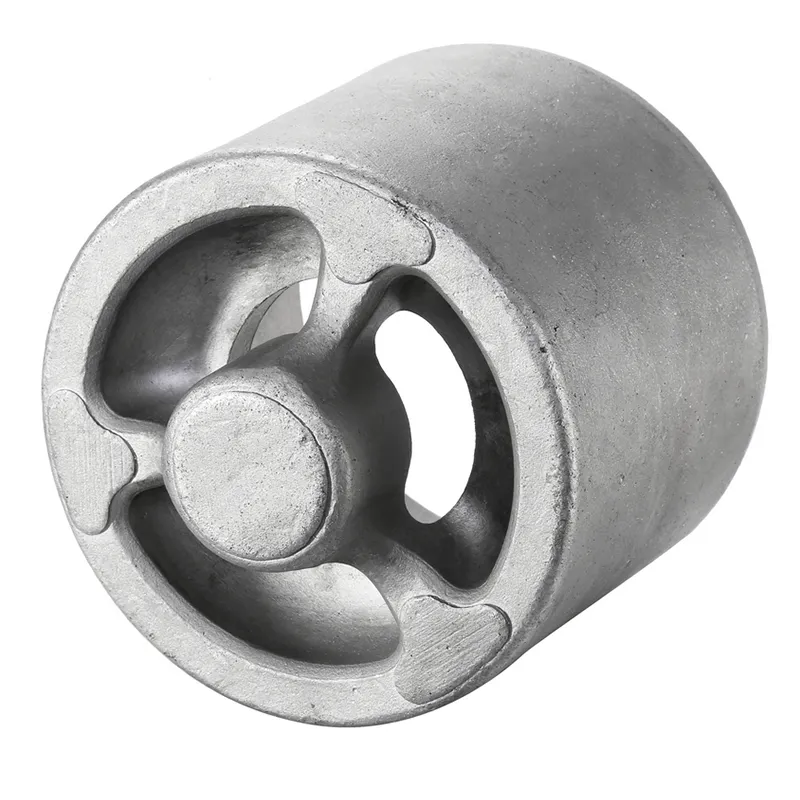
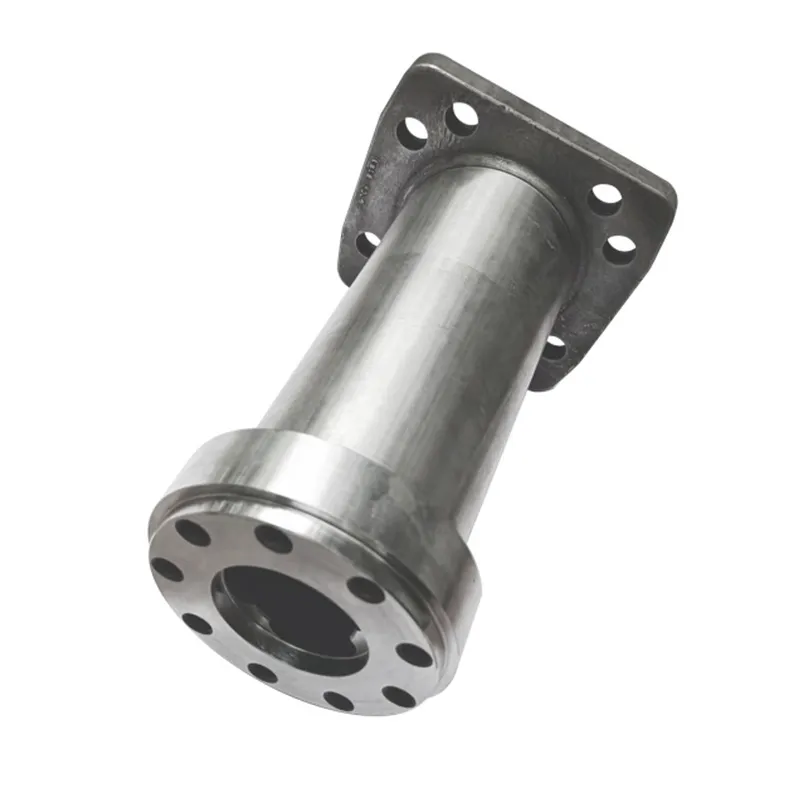
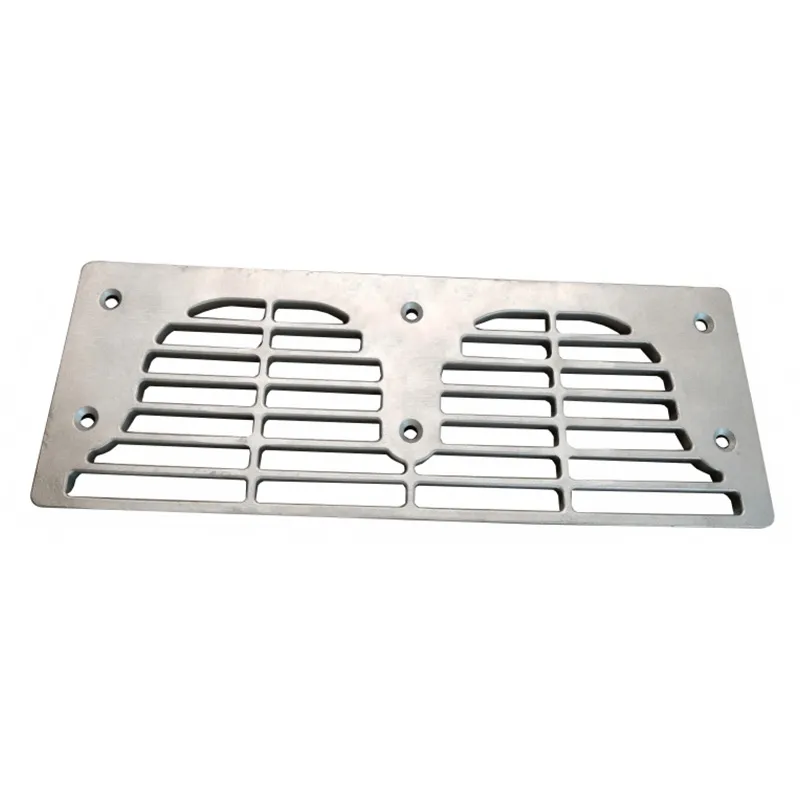
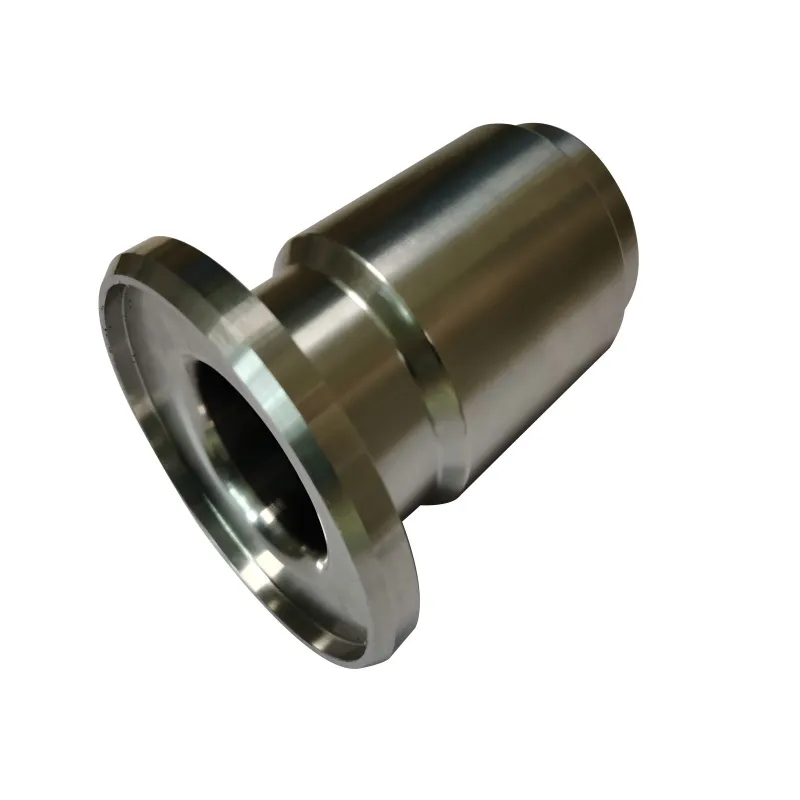
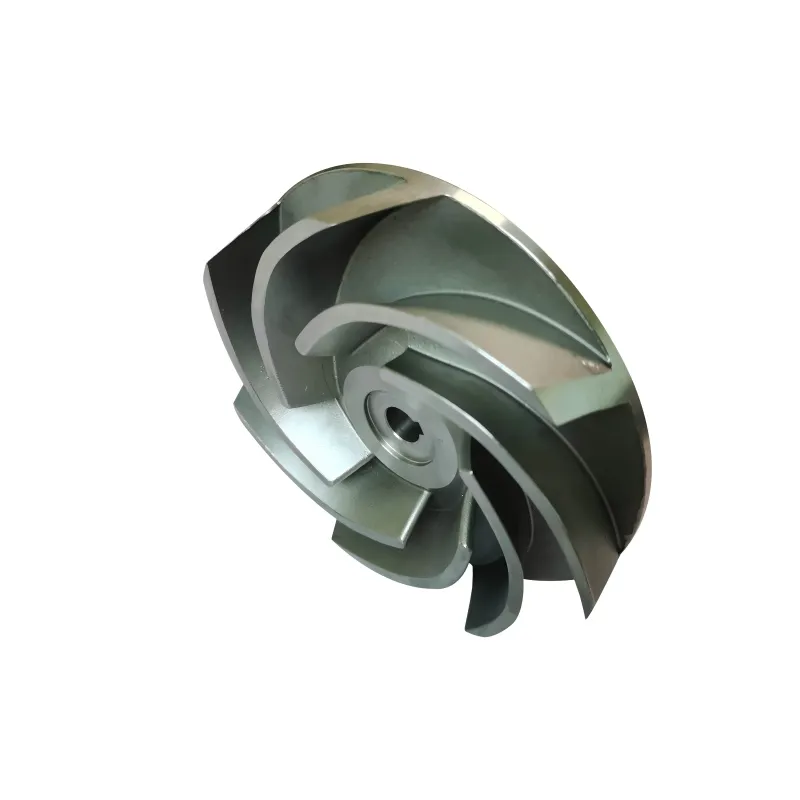
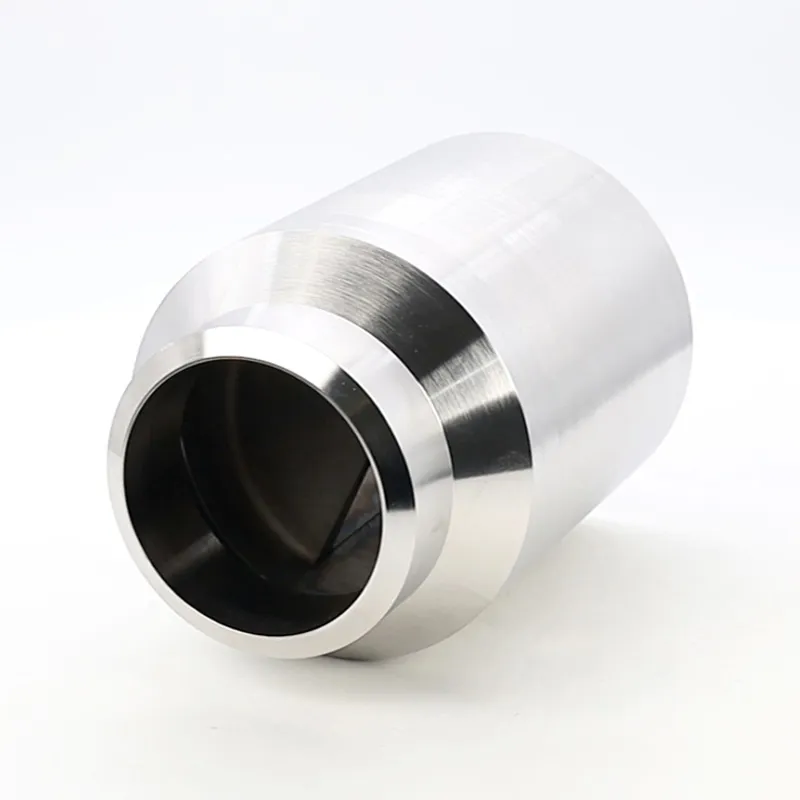
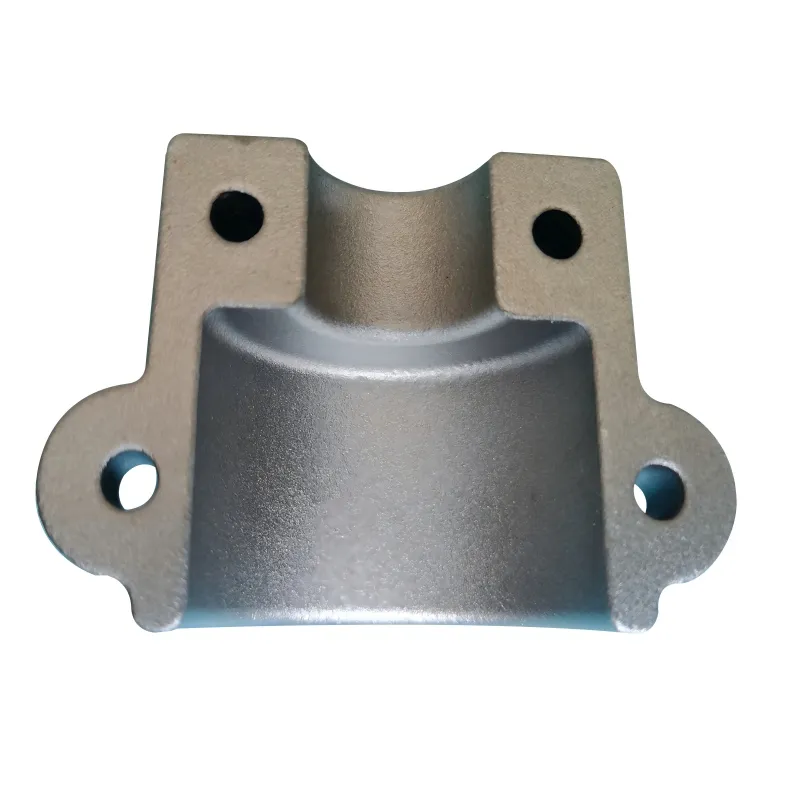
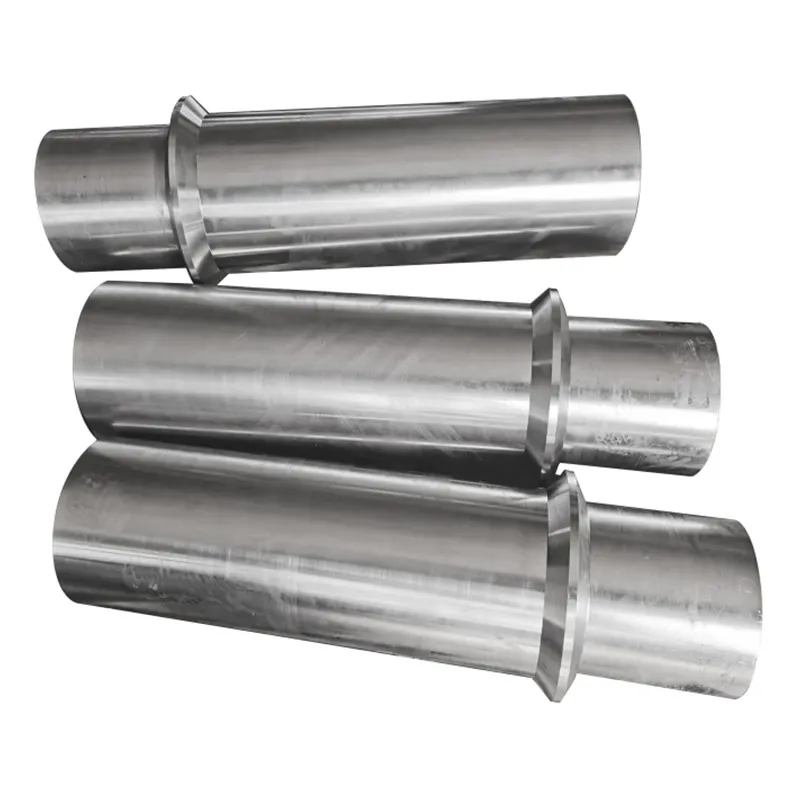
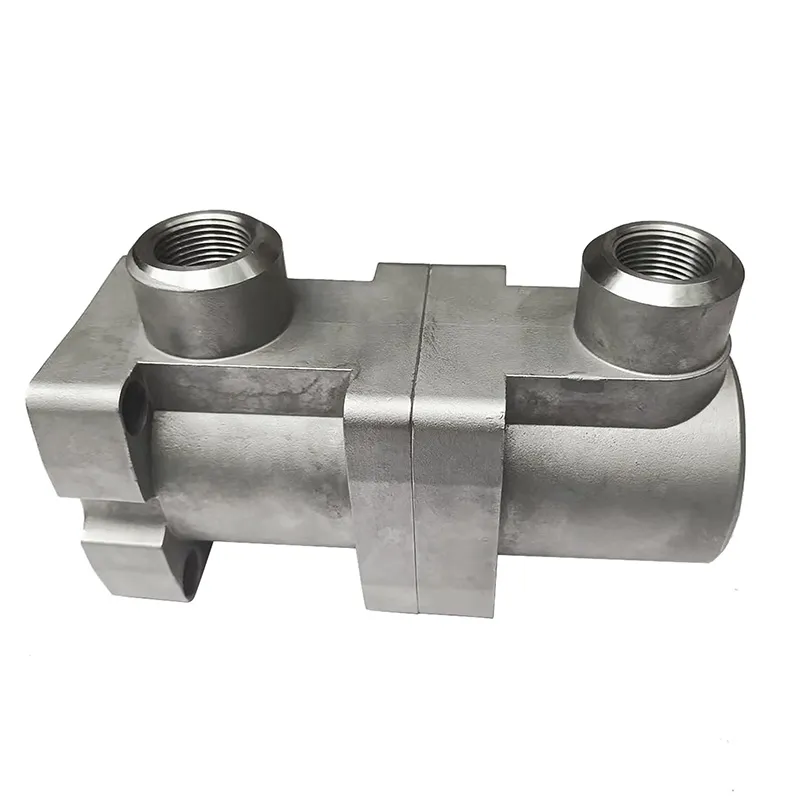
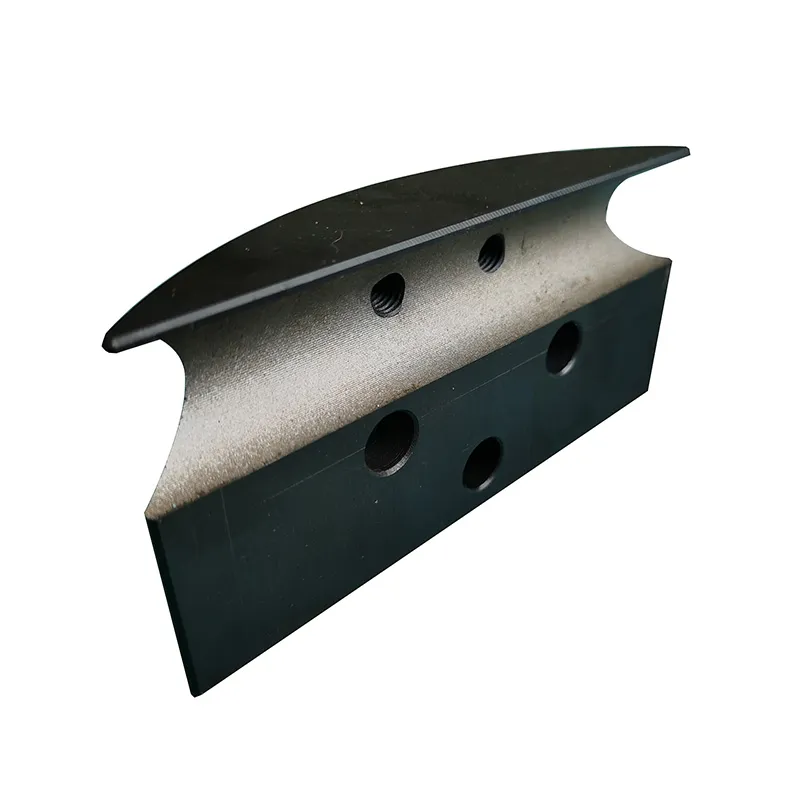
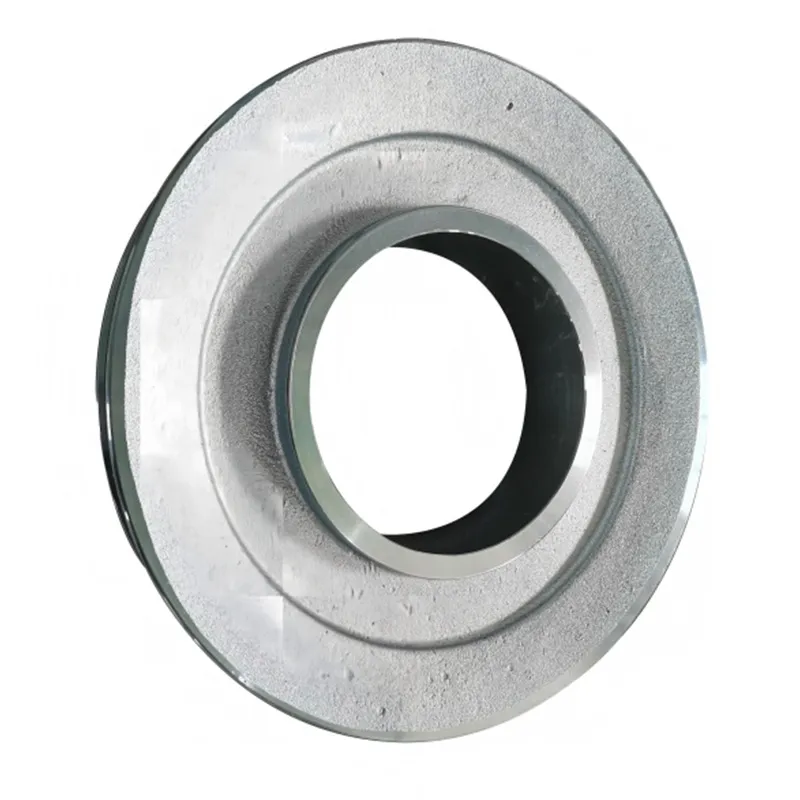
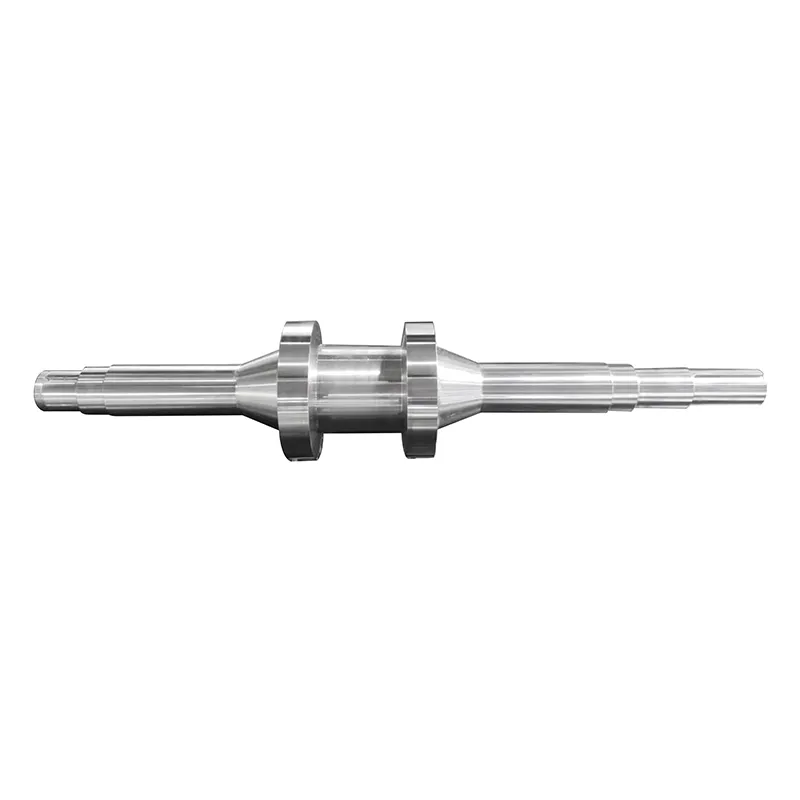
When you say 'heat exchanger part', most people picture a tube or a fin. That's the first misconception. In reality, it's a component defined by its function within a thermal system, and that function is entirely dependent on geometry, material integrity, and surface interaction. I've seen too many drawings where the focus is solely on the final dimensions, ignoring the journey the metal takes to get there—the casting method, the machining allowances, the grain structure. That's where failures often begin, not in operation, but in specification.
The Foundation: It Starts with the Cast
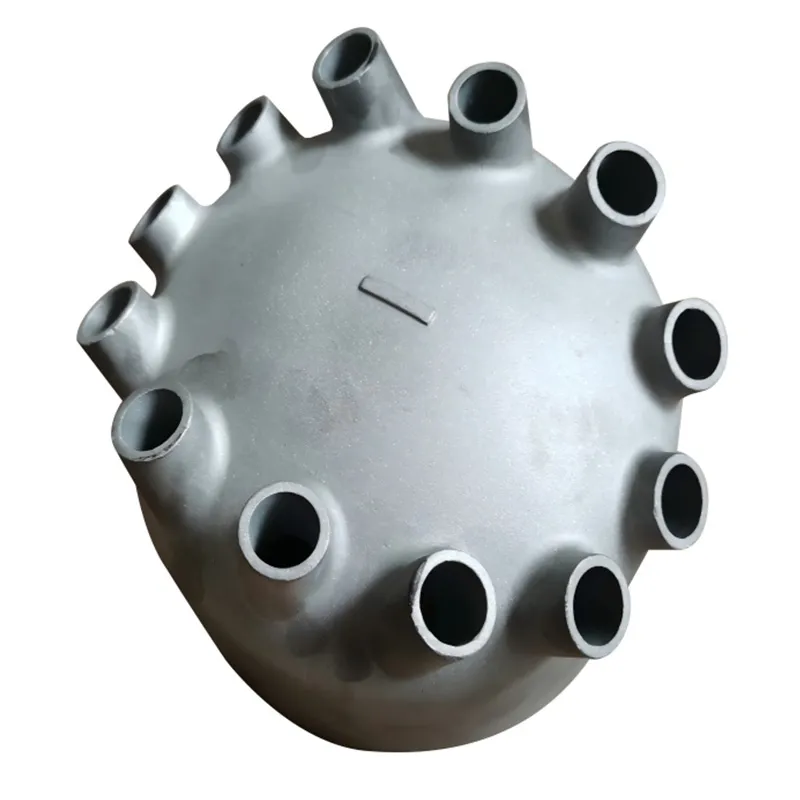
You can't machine a reliable part from a poor casting. This seems obvious, but it's routinely underestimated. For heat exchanger parts like complex headers, manifolds, or water jackets, the internal passages are everything. A slight shift in the core during shell mold casting can create a thin spot that becomes a failure point under thermal cycling. We learned this early on with a client's compressor intercooler end cap. The print called for a specific wall thickness, but the initial sand casting process couldn't consistently hold the core for the internal baffle. The result? A 30% scrap rate on the first batch after machining, because the CNC probe kept finding voids. The part looked perfect on the outside, but was structurally compromised inside.
That's why for pressure-containing or high-thermal-stress components, we often push clients toward investment casting for the initial form. The dimensional accuracy and surface finish from the start are superior, especially for those intricate internal channels. Yes, it's more expensive per piece in the mold stage, but you save a fortune in machining time and material waste. You're giving the CNC program a fighting chance. I recall a project for a plate heat exchanger frame in 316L stainless where the switch from a fabricated weldment to a monolithic investment casting cut the overall part cost by about 15% when you factored in the elimination of post-weld heat treatment and the reduced machining passes.
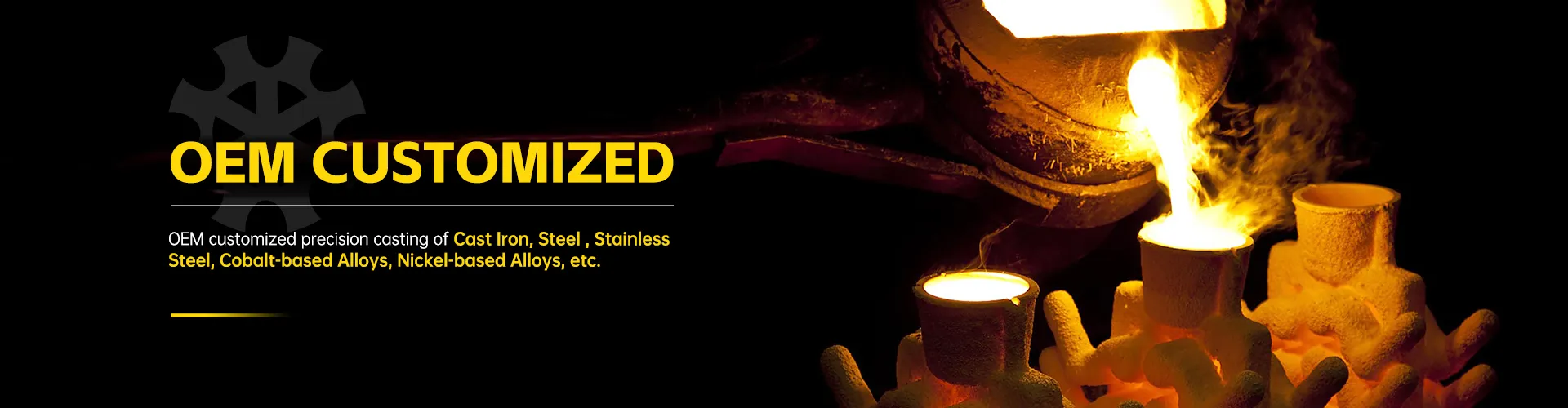
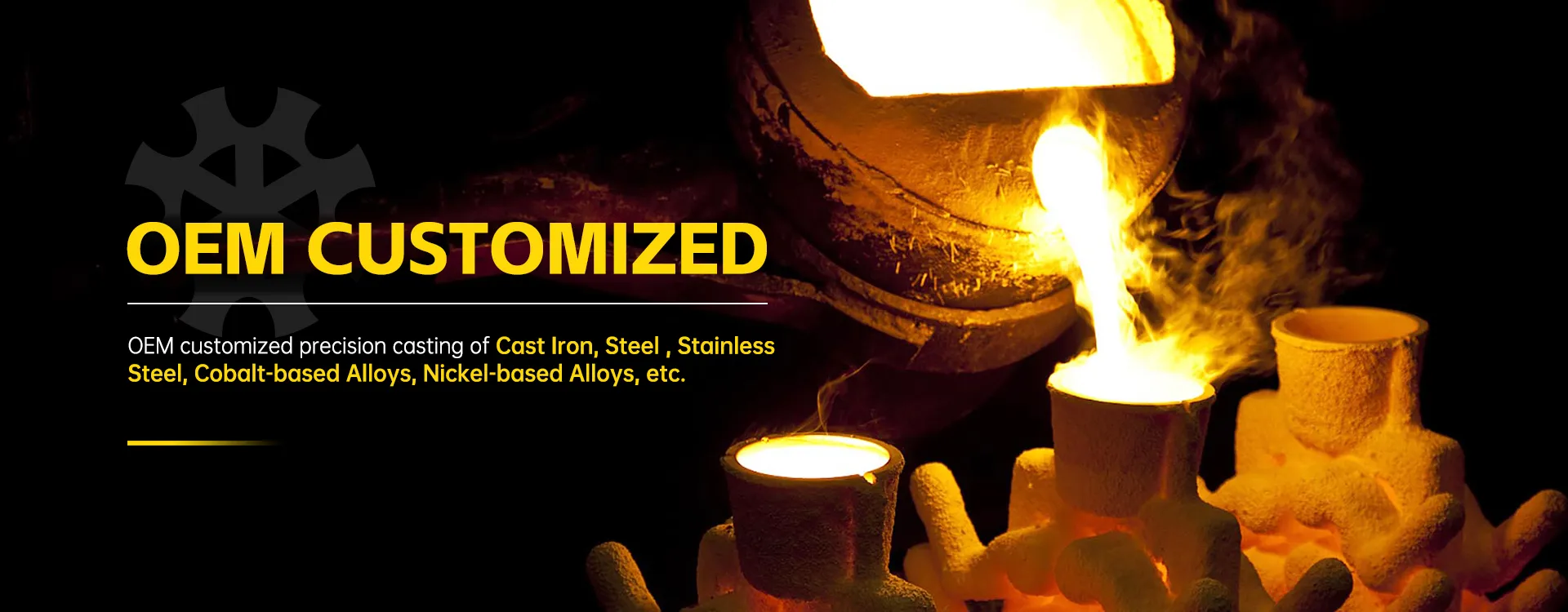
The material choice here is inseparable from the process. Specifying a nickel-based alloy like Inconel 625 for a high-temperature gas duct? You're almost certainly looking at investment casting. The fluidity of the metal in that process, combined with the alloy's inherent hot strength, gives you a much more reliable starting blank than trying to machine everything from a solid block. The folks at Qingdao Qiangsenyuan Technology Co., Ltd. (QSY) have a point when they emphasize their work with these special alloys. It's not just about having the material in stock; it's about knowing how it behaves during the solidification in their shell molds, how much shrinkage to expect, where to place the risers. That 30 years they mention in casting isn't a marketing line; it's the repository of experience that prevents a $50,000 alloy melt from turning into scrap.
The Machining Truth: Tolerances are a Conversation
Here's another practical truth: the tolerances on the drawing are often a wish list, not a production blueprint. A designer might call for a ±0.02mm tolerance on a bolt circle for a tube sheet. But if that part is going to experience a 150°C temperature swing in service, have they factored in the coefficient of thermal expansion for that specific cast iron grade? Sometimes, holding a super-tight tolerance at room temperature guarantees a fit-up problem at operating temp. The job becomes a dialogue—explaining this, suggesting a more functional tolerance, or sometimes, proposing a different material altogether.
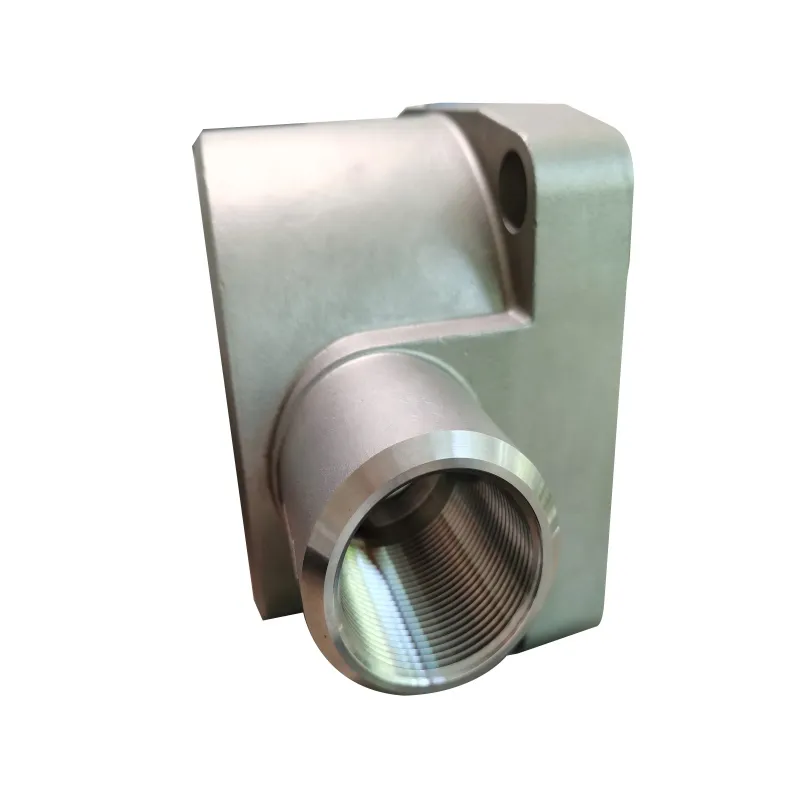
CNC machining is where the part's functional surfaces are born. The sealing face for a gasket, the thread for a thermowell, the groove for a sealing ring. The chatter on a facing operation, a slightly worn insert leaving a microscopic ridge—these aren't just cosmetic issues. They're potential leak paths or stress concentrators. I remember a batch of heat exchanger end caps where the O-ring groove had a beautiful finish, but the radius at the bottom was machined just a hair too sharp according to the toolpath. It passed QC on the CMM. It failed in pressure testing every time, cracking right from that radius. The fix wasn't a programming change; it was switching to a dedicated groove-cutting tool with a certified radius, not relying on a ball-nose end mill's path.
This is where integrated shops have an advantage. Take a company like QSY. If they're handling both the shell mold casting and the CNC machining in-house, the feedback loop is short. The machinist finds a hard spot or a subsurface porosity in the casting. Instead of just scrapping the part, that information goes directly back to the foundry team next door. They can adjust the pouring temperature or the mold coating for the next batch. This co-location of processes is crucial for complex, high-value parts. You're not just buying a machining service or a casting; you're buying a system of correction and refinement.
Material is Not Just a Spec Sheet
ASTM A351 CF8M tells you it's a cast stainless similar to 316. It doesn't tell you about the ferrite content, which affects both corrosion resistance and machinability. For a heat exchanger part bathed in chlorides, that ferrite number is critical. We once had a cavitation erosion problem on the water side of a cast stainless pump volute that was part of a cooling loop. The material certs were perfect. Metallurgical analysis showed the ferrite was at the very low end of the acceptable range, making it just a bit softer and more susceptible to the impinging bubbles. The foundry hadn't done anything wrong per the spec, but the part failed in its specific duty. The solution was to tighten our internal material spec and work with the foundry to control the chemistry more precisely for that application.
This gets even more nuanced with the cobalt-based alloys like Stellite for wear-facing on valve seats in steam heat exchangers. It's often applied as a weld overlay. The skill isn't just in the welding; it's in the subsequent machining of that incredibly hard, abrasion-resistant surface without inducing micro-cracks or delamination. You need the right grades of carbide, the right speeds and feeds, and a lot of patience. It's an art as much as a science. The description from QSY's site mentioning their work with these alloys hints at this capability. It implies they've navigated the challenges of machining these difficult materials post-casting or welding, which is a significant value-add beyond just sourcing the alloy.
And let's talk about plain old carbon steel. For many non-corrosive applications, it's the workhorse. But a heat exchanger part isn't a structural beam. The thermal conductivity matters. Sometimes, a slightly higher carbon content can be beneficial for strength, but it can also make the part more prone to stress corrosion cracking in certain environments. You're always balancing properties. The choice isn't just steel; it's which steel, from which melt, treated in which way after casting. The post-casting heat treatment—normalizing, annealing, tempering—is as critical as any machining step for setting the final material properties.
The Devil in the Details: Gaskets, Threads, and Finishes
A huge section of part failure has nothing to do with the main body. It's in the ancillary features. The thread for a drain plug stripped out. The surface finish on a flange wasn't compatible with the spiral-wound gasket, leading to a leak. The drilling for a temperature sensor pocket wasn't deburred internally, creating a flow restriction and a hot spot. These are the details that separate a functional part from a reliable one.
Take flange facing. A standard 125 Ra microinch finish might be called out. But if the gasket is a soft graphite type, that might be too rough. If it's a metal jacketed gasket, it might be acceptable. The machinist needs to know the end use to select the right insert and feed rate to achieve not just a number, but a functional surface. I've seen flanges that measured perfectly flat but leaked because the tooling left a slight spiral pattern that the gasket couldn't seal against. The fix was a final, very light pass with a specific wiper insert to create a more uniform cross-hatch pattern.
And threads. So many problems. For pressurized systems, straight threads with an O-ring are usually safer than tapered pipe threads, which rely on metal-to-metal wedging and thread sealant. But if you must use NPT, the depth and taper of the tapped hole are vital. Under-tap it, and you risk cracking the part when the fitting is wrench-tightened to achieve a seal. Over-tap it, and you have insufficient engagement. A good practice is to supply these critical parts with the fittings already installed and torqued to spec, or at the very least, to provide a go/no-go gauge for the client. It eliminates a major variable in the field.
Looking at the Whole, Not Just the Part
Ultimately, a heat exchanger part doesn't exist in isolation. Its performance is tied to the parts it mates with. When we take on a project, especially for a replacement or a retrofit part, we try to get our hands on the mating component if possible. Measuring the actual bore of the exchanger shell, the flatness of the opposing flange. Because sometimes, you need to machine your part to fit the reality of the system, not the ideal on the old, faded drawing.
This holistic view is what defines a specialist. It's not about running a CNC machine. It's about understanding thermal expansion, fluid dynamics, corrosion mechanisms, and assembly mechanics. It's about knowing that a beautiful, dimensionally perfect casting can be ruined by a single aggressive machining pass that induces residual stress, which then reveals itself as distortion during the first heat cycle. The goal is to deliver a part that disappears into the system—it just works, cycle after cycle, without drama.
That's the real product. Not a piece of metal, but reliability. Shops that have been through the cycles, like QSY with their decades in casting and machining, have internalized this. They've likely seen the failures, made the corrections, and built up that intangible library of what not to do. When you're sourcing a critical component, that history, that ingrained caution and problem-solving mindset, is often more valuable than the lowest price per piece. Because the cost of a failure in the field—downtime, lost production, safety issues—dwarfs the initial part cost every single time.