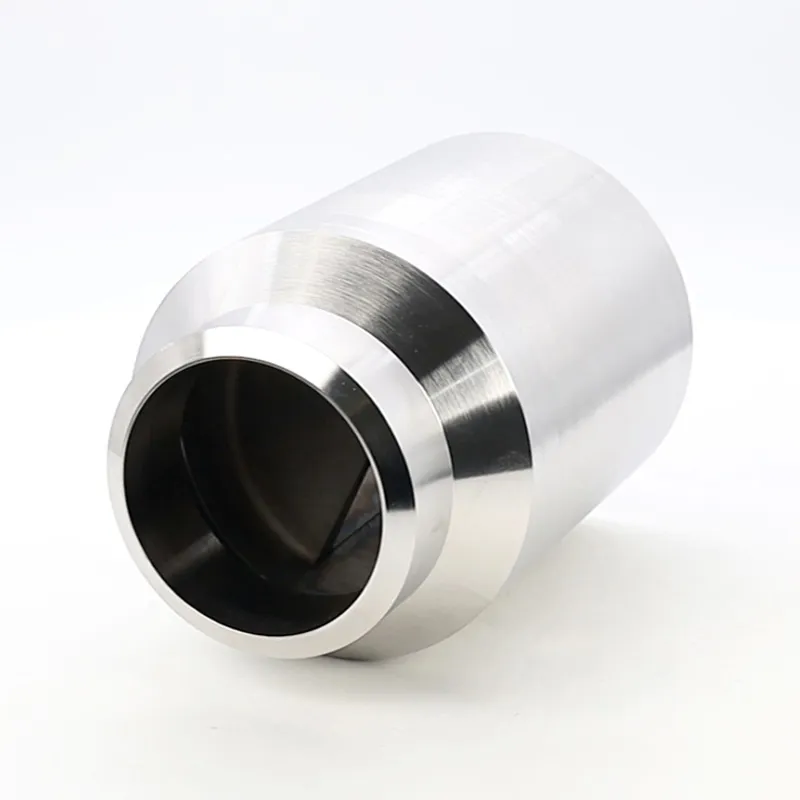
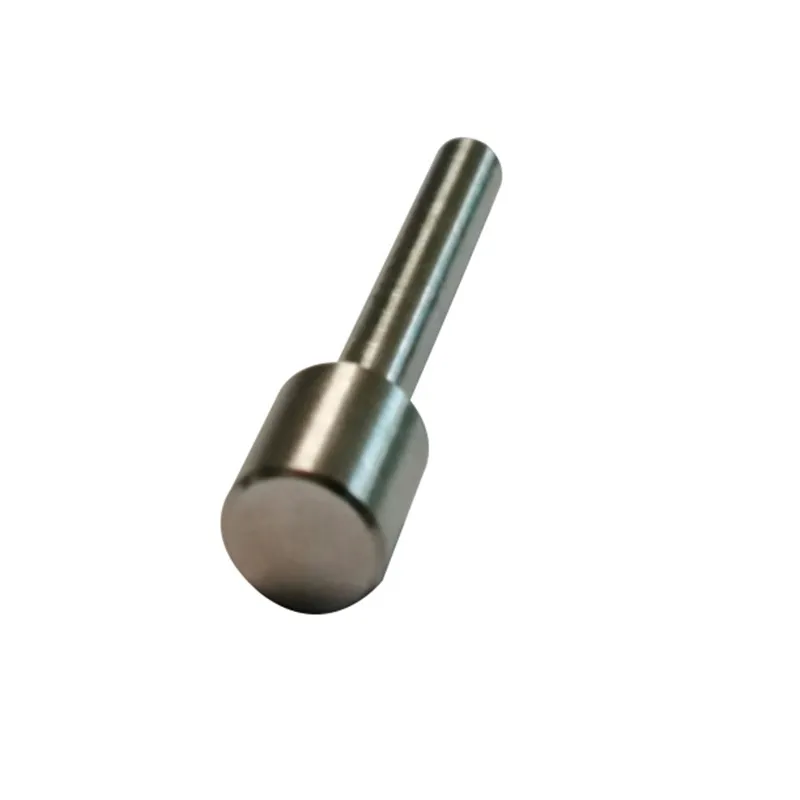
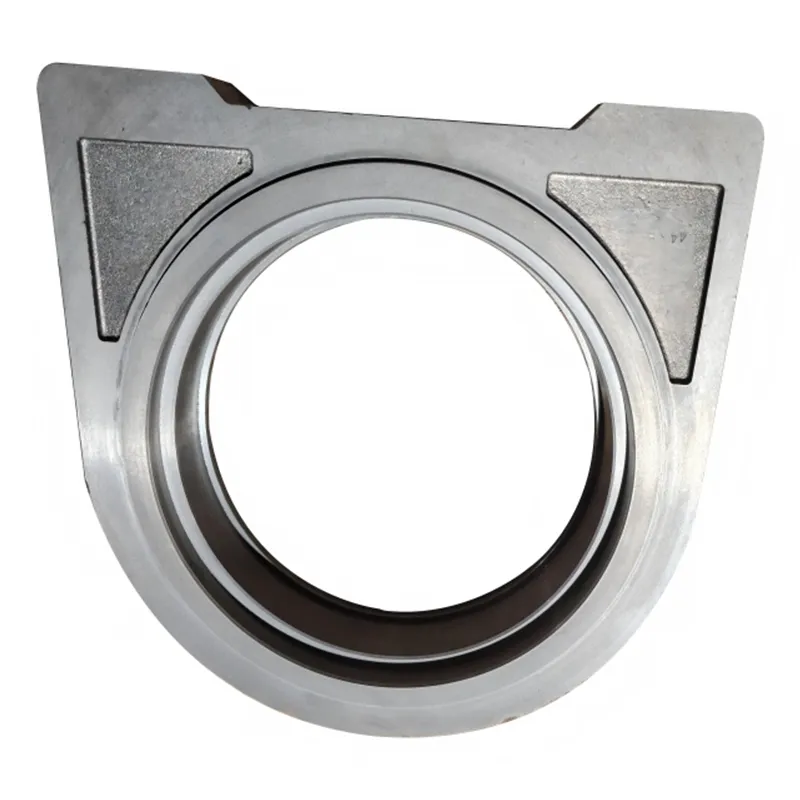
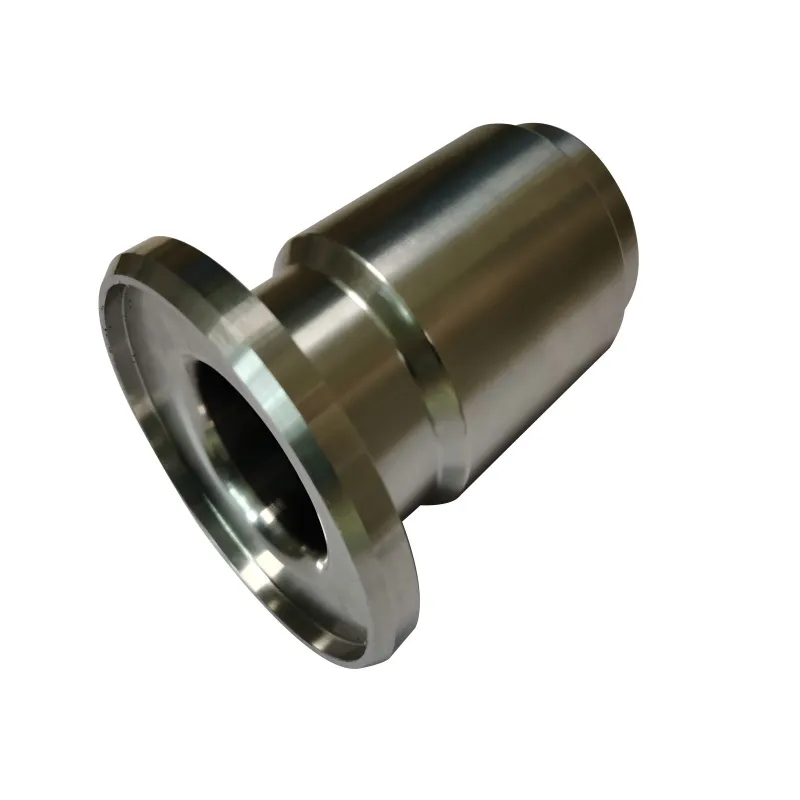
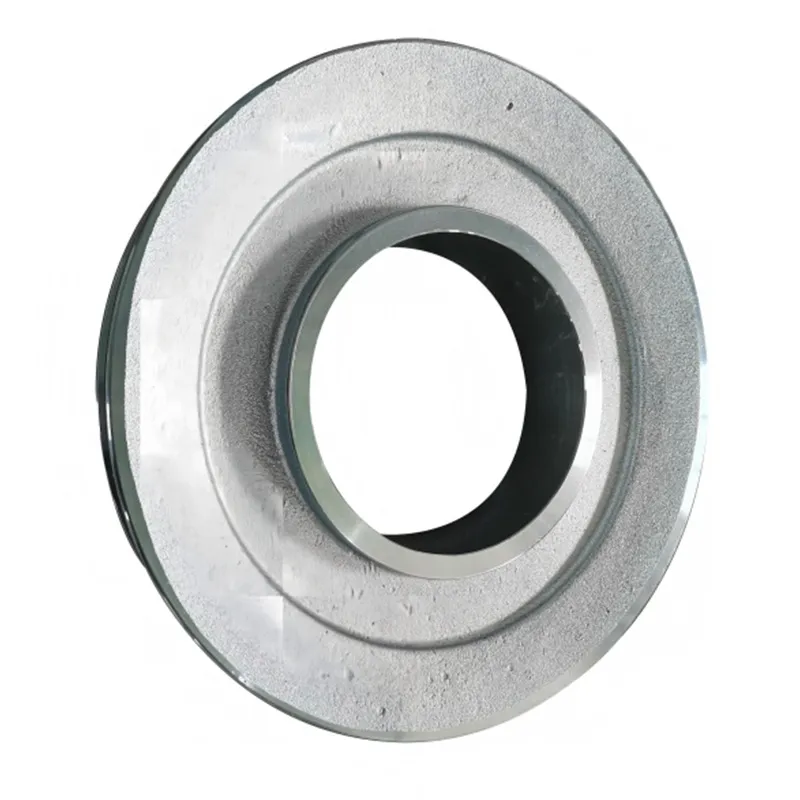
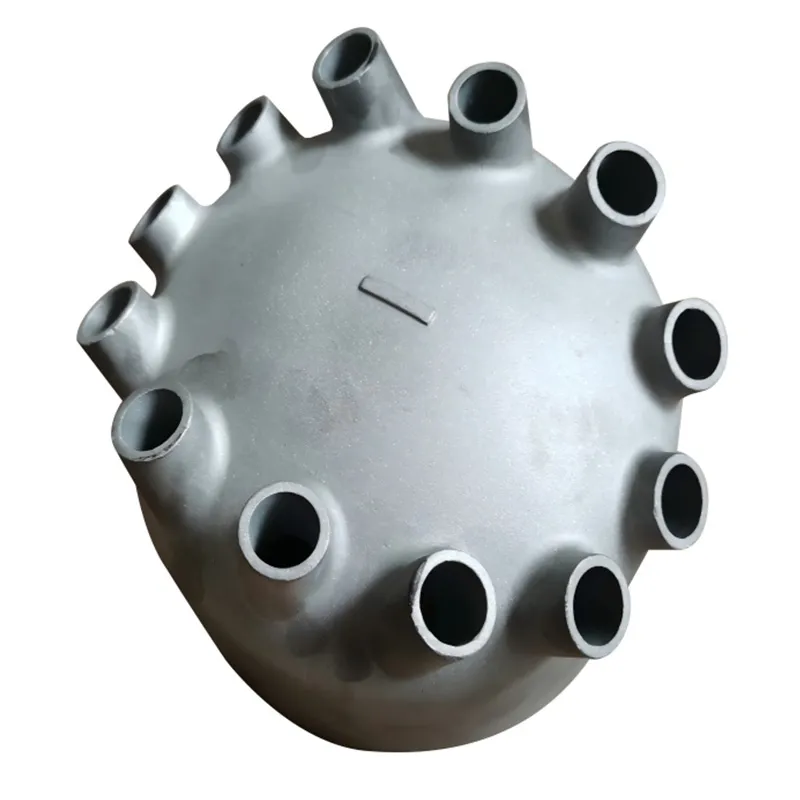
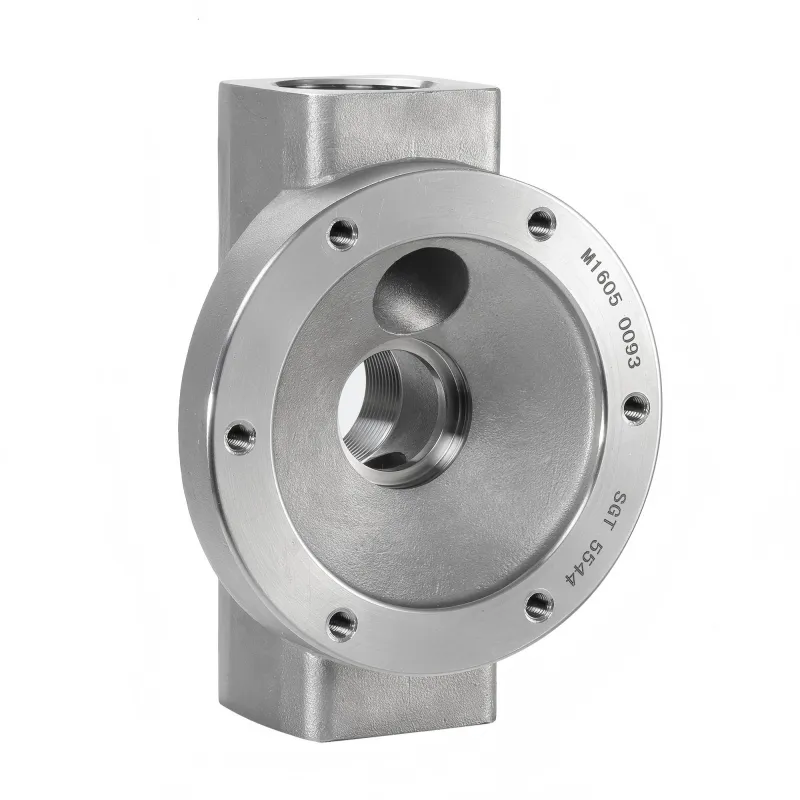
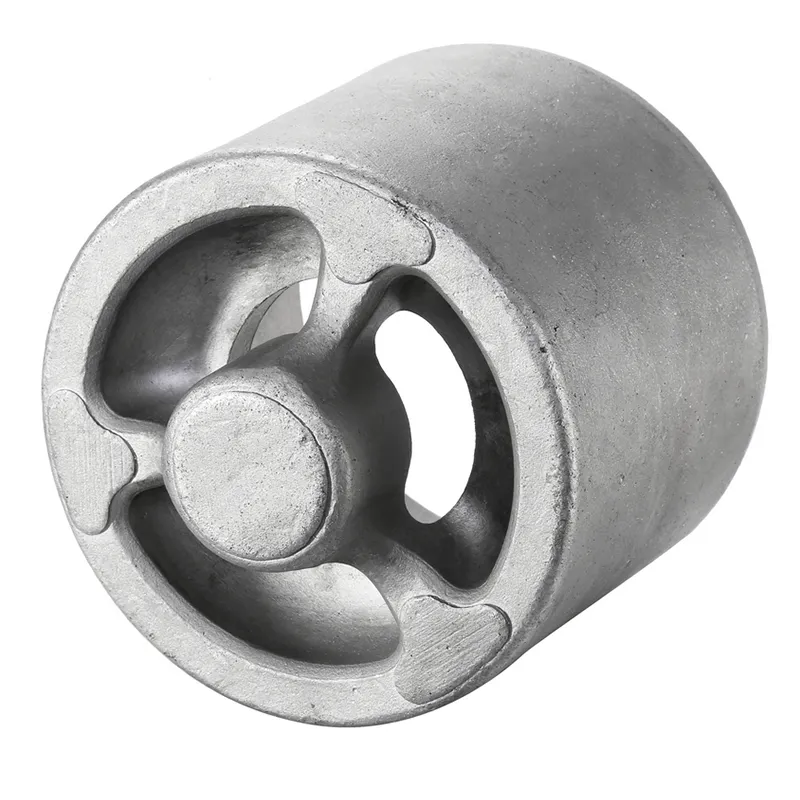
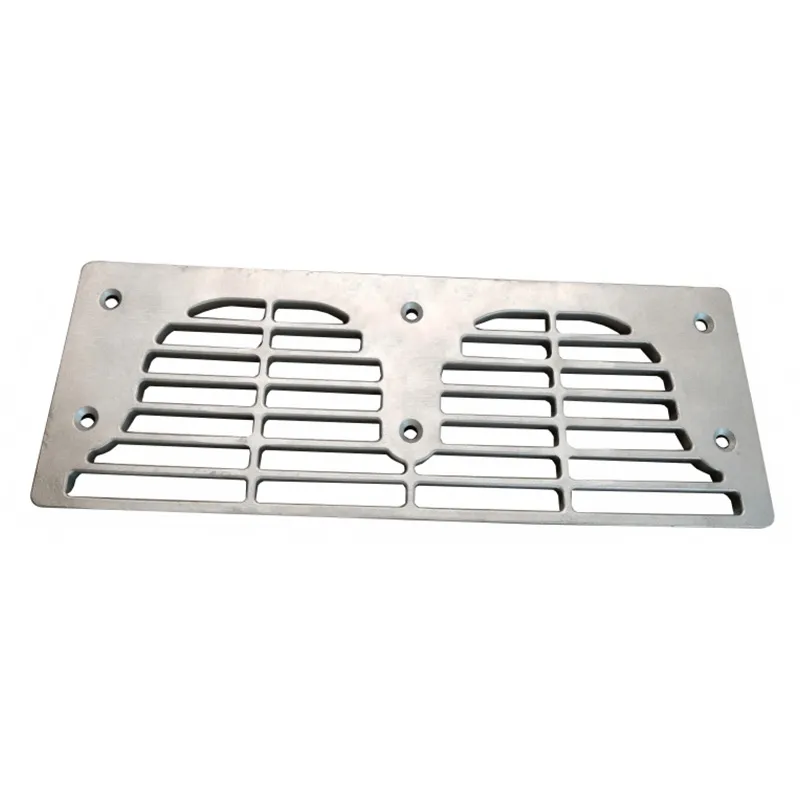
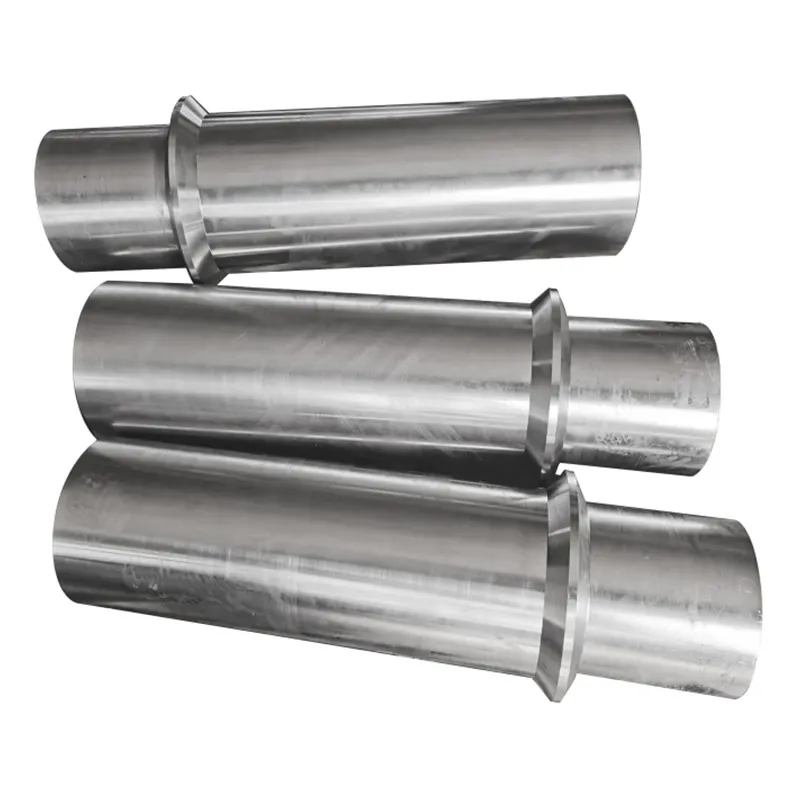
When people hear 'heavy truck and auto parts', most think of spark plugs, brake pads, maybe a turbocharger—the usual suspects. That's the retail end, the shiny stuff. The real meat of this industry, the part that keeps fleets moving and assembly lines running, is often hidden: the castings, the machined components, the sub-assemblies that bear the real load and heat and stress. It's a world of microns, material grades, and failure modes you only learn about after a part comes back cracked or worn out years before its time. There's a common misconception that a part is just a part, that a generic 'steel bracket' will do. In reality, the difference between a component that lasts 500,000 miles and one that fails at 100,000 is in the sourcing, the process, and frankly, the supplier's willingness to understand the application, not just read a drawing.
The Foundation: It Starts with the Casting
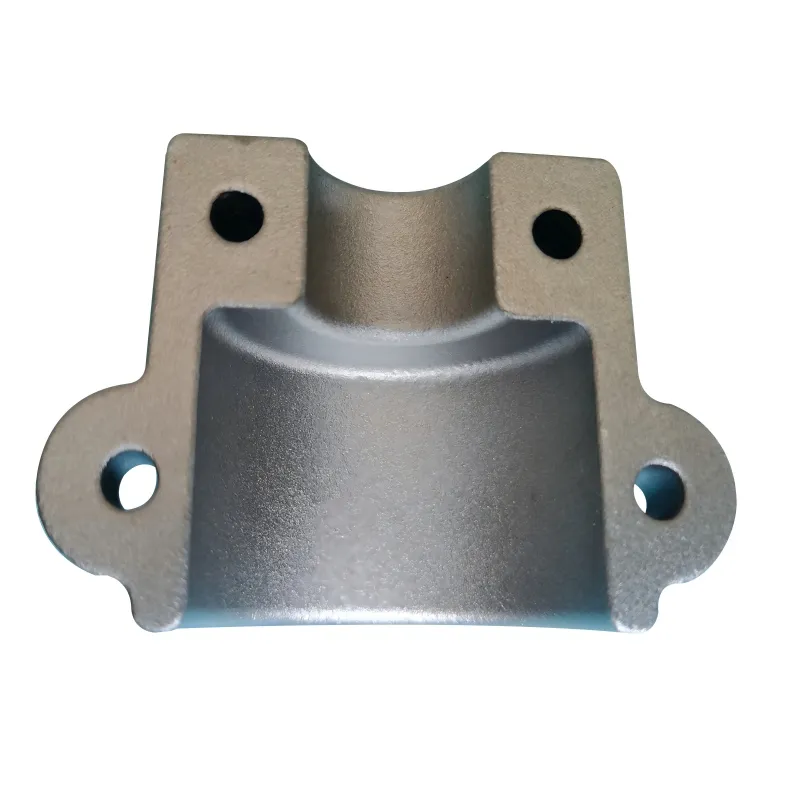
You can't machine air. Every critical component begins as a casting or a forging. For heavy-duty applications, the integrity of that base material is everything. I've seen too many projects derailed by focusing solely on the final CNC tolerances while treating the casting as a commodity. A beautiful machined surface means nothing if there's a shrinkage cavity lurking 2mm underneath the surface, waiting to become a stress fracture. The choice between shell mold casting and investment casting, for instance, isn't just about cost per piece. It's about geometric complexity, wall thickness consistency, and the required surface finish for sealing or bearing surfaces. Getting this wrong adds cost and risk downstream.
This is where long-term suppliers with foundry roots show their value. Take a company like Qingdao Qiangsenyuan Technology Co., Ltd. (QSY). They've been in casting and machining for over three decades. When you've been pouring metal that long, you develop an intuition for how different alloys behave in the mold, how to orient a part for solidification to minimize weak points. It's not just a process; it's a craft. Their work with special alloys—cobalt-based, nickel-based—is a case in point. These aren't for your standard trailer hitch. They're for exhaust manifolds, turbo housings, valve seats in extreme environments where standard stainless steel would creep or corrode. Sourcing these parts isn't about finding the cheapest bid; it's about finding a partner who knows that the melt temperature and pour speed for a nickel-based alloy are non-negotiable parameters, not suggestions.
A practical headache we often face is material traceability. A batch of cast iron brake caliper brackets fails prematurely. Was it a machining error, a design flaw, or the material itself? If your supplier can't trace the melt batch and provide material certs, you're debugging in the dark. Suppliers with integrated processes, from their own foundry to their CNC floor, like what you see at https://www.tsingtaocnc.com, inherently have better control over this chain. They can tell you which furnace the iron came from, the heat treatment lot, and which machine center finished it. That data is priceless when you're dealing with warranty claims or a fleet-wide inspection.
Machining: Where Precision Meets Pragmatism
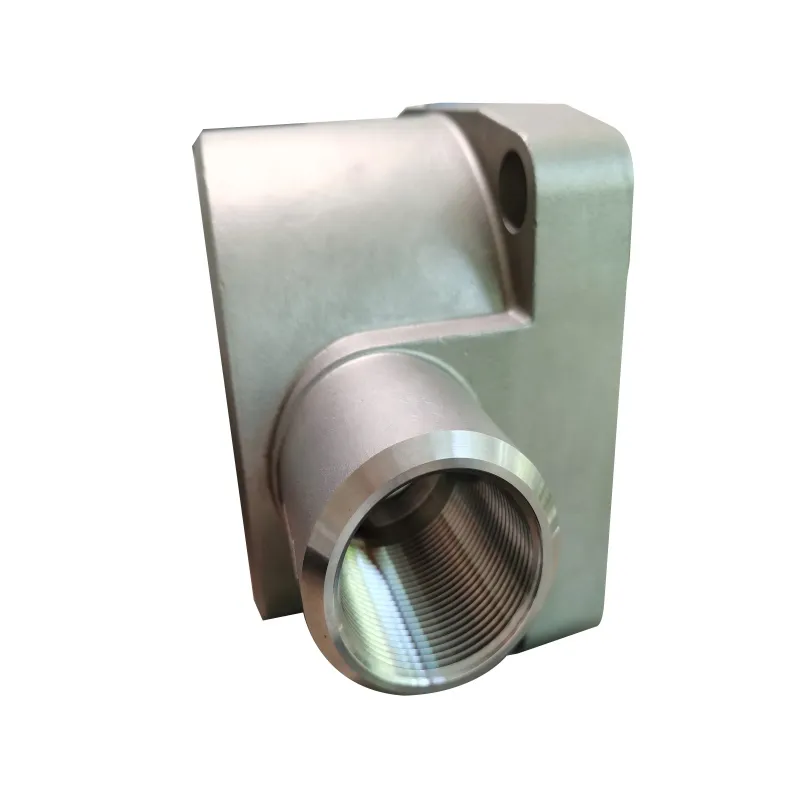
CNC machining is often glorified, but in heavy truck parts, it's a brutal exercise in pragmatism. Tolerances are tight, but they're not aerospace-tight. The goal is repeatability and durability at volume, not achieving a theoretical perfection on a single prototype. The challenge is machining castings, which are never perfectly uniform. A good machinist, or a good machining program, accounts for that slight variance in the casting's 'skin' or datum surfaces. I remember a project for a diesel engine mounting bracket where the first articles were perfect, but once we hit production, we started seeing fixture alignment issues. The problem? The casting's primary locator surface had a slight draft angle variation that our initial process didn't compensate for. The solution wasn't fancier machines; it was redesigning the fixture with adjustable locators—a simple, low-tech fix born from experience.
This is another area where the vertical integration of a supplier matters. When the machining team works in the same facility as the foundry, or at least under the same management umbrella, feedback is immediate. The machinists can walk back to the foundry and say, This core shift is eating up our tool life on every third part, and the foundry can adjust. At a disjointed supply chain, that complaint becomes an email, then a meeting, then a cost negotiation, and the problem persists for months.
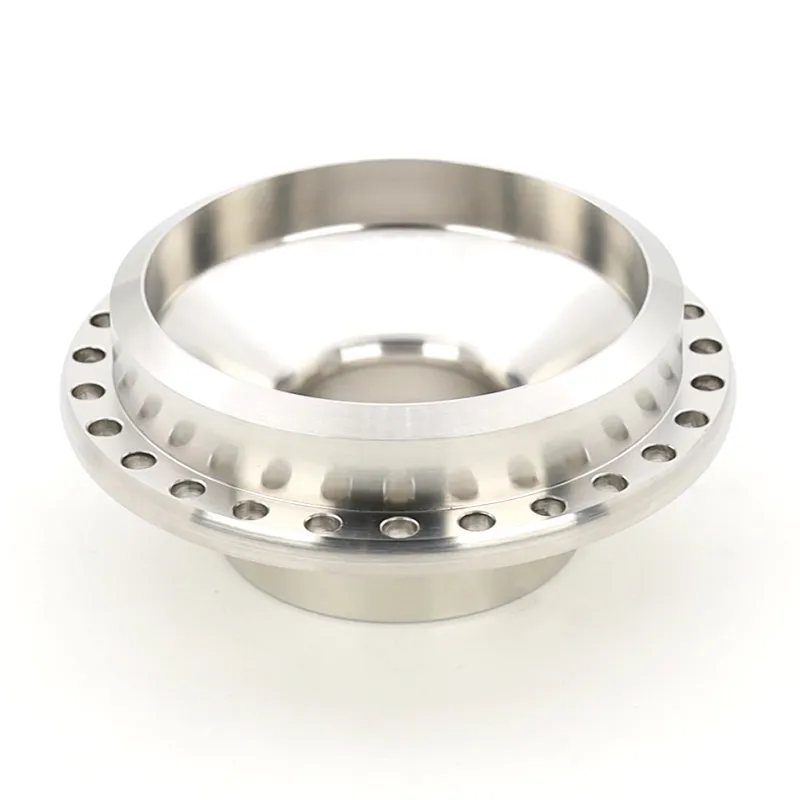
Tooling strategy is a subtle art. For high-volume auto parts, like transmission valve bodies or pump housings, you design tooling and fixturing for speed and minimal changeover. For low-volume, high-mix heavy truck components, like specialized PTO gearbox covers, flexibility is key. You need quick-change fixtures and tool libraries that can handle a variety of materials—from ductile iron to hardened steel—without bringing the line down. A supplier's machine shop layout tells you a lot about their mindset. Are machines grouped by type (all lathes together), or by part family? The latter often indicates a deeper engagement with flow and efficiency for specific component types.
The Alloy Question: Not All Steel is Created Equal
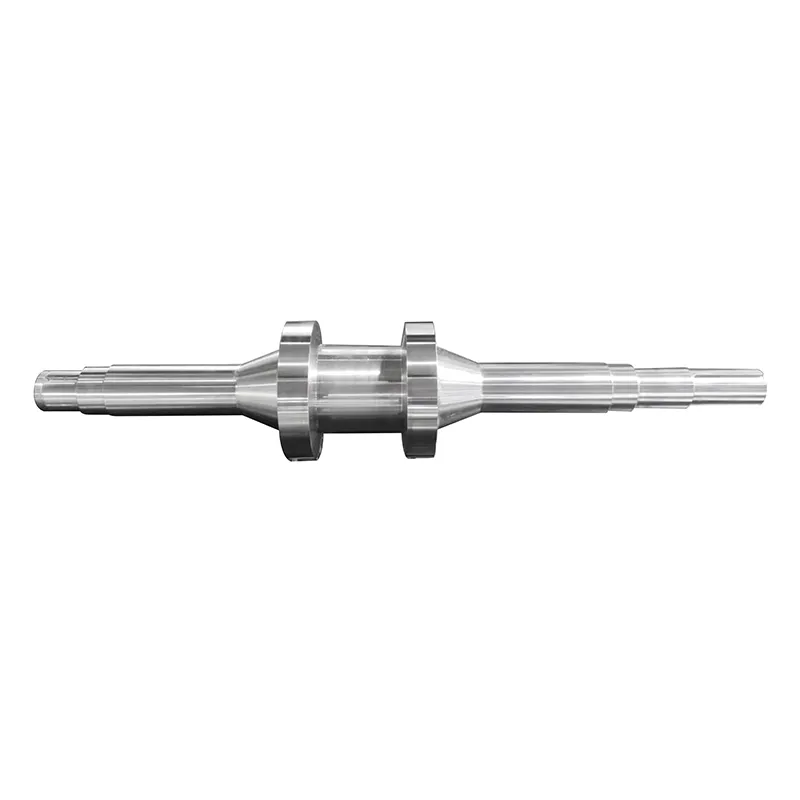
Specifying steel on a drawing is practically an invitation for trouble. The spectrum is vast: from low-carbon steels for non-critical brackets to high-strength low-alloy (HSLA) steels for suspension components, to the exotic stuff for extreme wear and temperature. The real expertise lies in knowing when to upgrade and, just as importantly, when you can downgrade without compromising function. I was involved in a cost-reduction effort for a wheel hub. The initial spec called for a high-grade alloy steel, but stress analysis and field data showed the loads were primarily compressive, not torsional. We switched to a more cost-effective medium-carbon steel with a specific heat treatment protocol, saving significant cost per unit with zero impact on field performance. The key was having a supplier who could execute that specific heat treatment consistently.
This is where a company's material portfolio becomes critical. A supplier like QSY, listing cast iron, steel, stainless steel, and special alloys as their playground, has the metallurgical familiarity to have these conversations. They're not just order-takers; they can push back or suggest alternatives. For a heavy truck steering knuckle, for instance, the choice might be between a forged steel and a ductile iron casting. Each has trade-offs in weight, cost, fatigue strength, and machinability. A supplier with both casting and machining expertise can model the total landed cost and performance of each option, not just the piece price of the blank.
Failure analysis is the brutal teacher. We once had a batch of stainless steel exhaust flanges that cracked after thermal cycling. The material certs were fine. The machining was fine. The culprit? The specific grade of stainless, while corrosion-resistant, had poor thermal fatigue properties for that specific application. We switched to a different stainless grade with a slightly different chromium-nickel balance. The supplier's experience with special alloys was crucial in diagnosing that. They'd seen similar behavior in high-temperature applications before.
From Drawing to Road: The Integration Hurdle
The final test of any part is on the truck. And the gap between a perfect standalone component and one that works in an assembly is where many projects stumble. It's about system fit. A beautifully machined transmission case is useless if the bolt hole patterns don't align perfectly with the engine block due to thermal expansion differences calculated wrong. Or if the surface finish on a sealing face, while to spec, isn't compatible with the new type of gasket material the OEM switched to.
This is why prototyping and pre-production validation are non-negotiable, even for what seem like simple parts. It's not just about checking dimensions. It's about function, fit, and durability under real-world conditions. A good supplier partner will ask about the assembly process, the mating components, the service environment. Will this part be installed on a freezing cold assembly line? Does it need a temporary corrosion coating for shelf life before assembly? These seem like small details, but they prevent massive headaches later.
I recall a case with a complex aluminum intake manifold for a heavy-duty engine. The casting and machining were flawless. But during engine hot testing, we had persistent leaks. The issue turned out to be a mismatch in the coefficient of thermal expansion between the aluminum manifold and the steel studs used to bolt it down. Under heat, the aluminum expanded more, loosening the clamp load. The fix was a redesign of the bolting pattern and the use of specific washers. The supplier, to their credit, didn't just say the part is to print. They worked with our engineers to model the thermal stress and participated in the solution. That's partnership.
The Real Cost: Total Lifecycle, Not Piece Price
The biggest mistake in sourcing heavy truck and auto parts is focusing myopically on the piece price. The real cost is the Total Cost of Ownership (TCO). This includes the price of failure: warranty claims, roadside assistance, fleet downtime, brand reputation damage. A $50 component that fails can cause $10,000 in downstream damage and liability. A reliable part might cost $80, but it never comes back.
TCO is built on consistency. Can the supplier deliver the 1st part and the 100,000th part with identical material properties and dimensional stability? This requires process control that runs deep. It's about statistical process control (SPC) charts on critical dimensions, regular metallurgical audits, and a culture of quality that goes beyond a checkbox ISO certificate. Visiting a supplier's facility tells you a lot. Is the floor organized? Are measuring instruments calibrated and in use? Is there a clear feedback loop from inspection back to production?
Ultimately, the industry relies on a network of competent, experienced manufacturers. Companies that have evolved from simple job shops into integrated solution providers, like the profile you see at Qingdao Qiangsenyuan Technology Co., Ltd., represent a critical link. Their 30-year history in casting and machining isn't just a marketing line; it's a repository of solved problems, material data, and process knowledge. For an engineer or a procurement specialist, finding such a resource isn't just about filling a purchase order. It's about de-risking a critical part of your supply chain. The goal isn't to buy a part; it's to buy reliability, and that comes from a supplier's depth, not just their brochure.