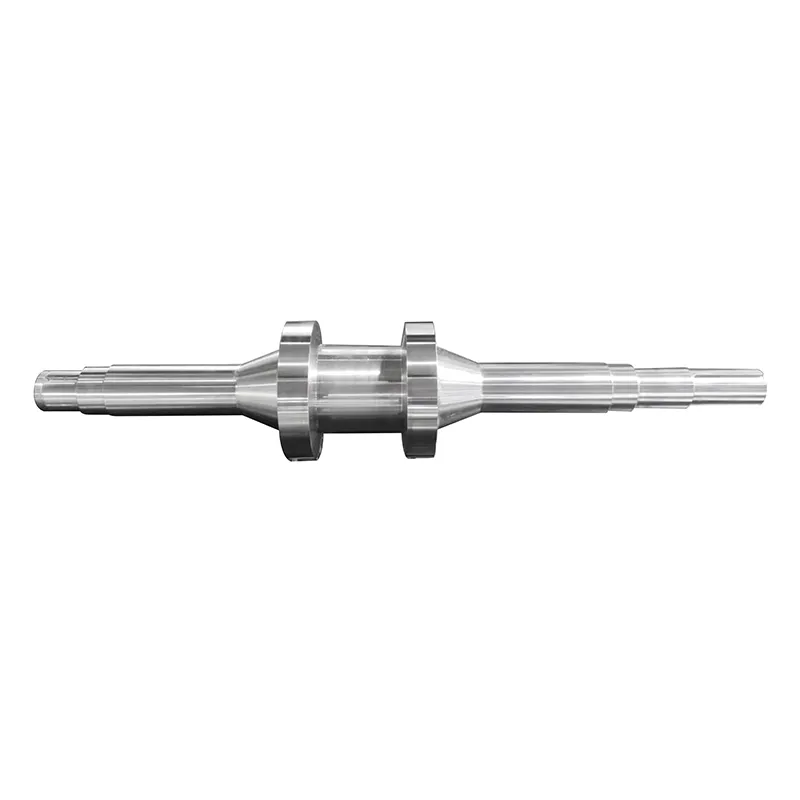
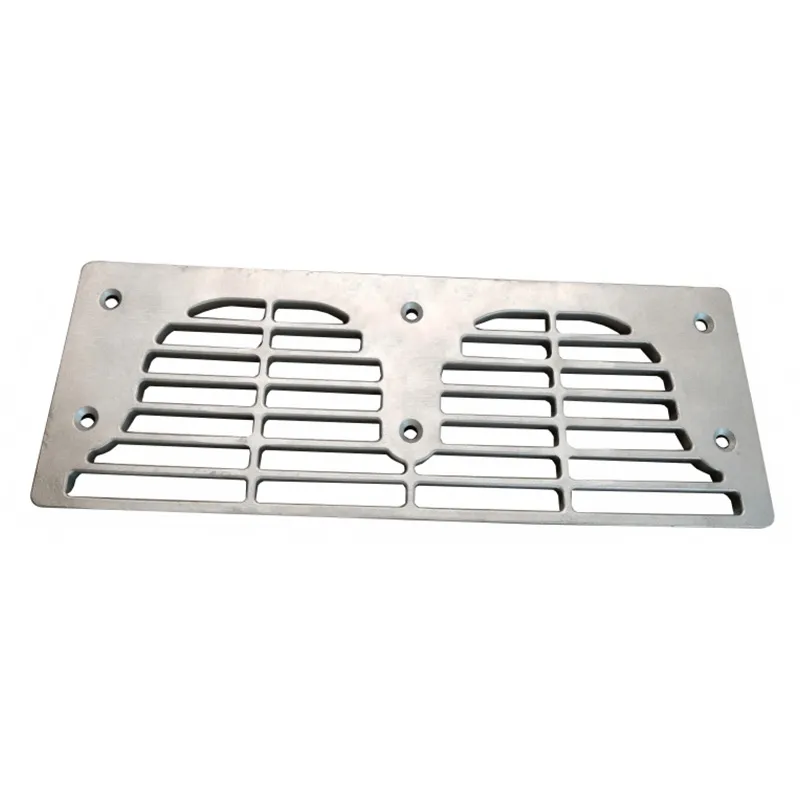
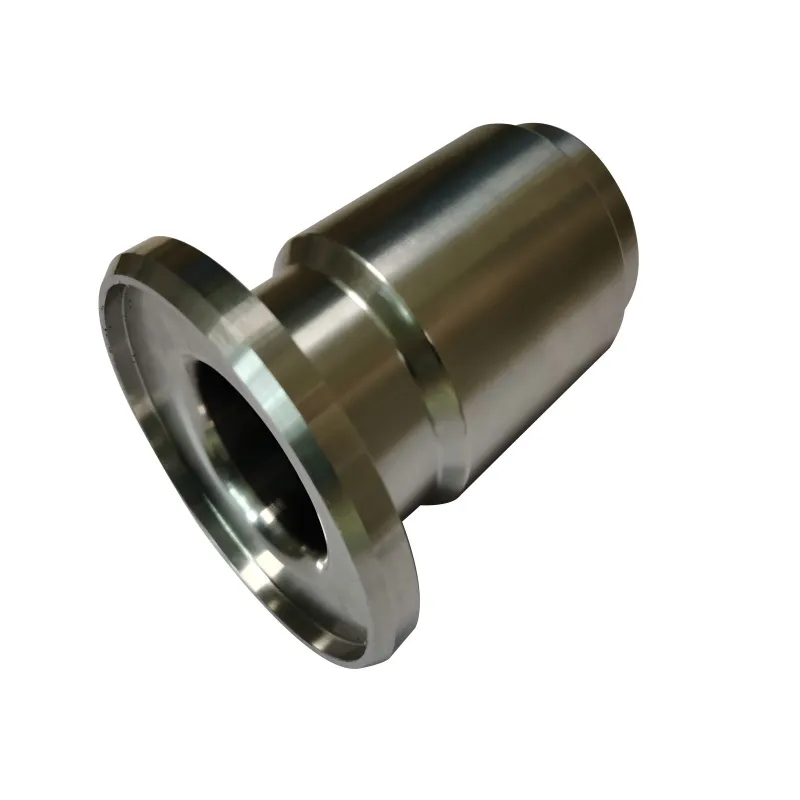
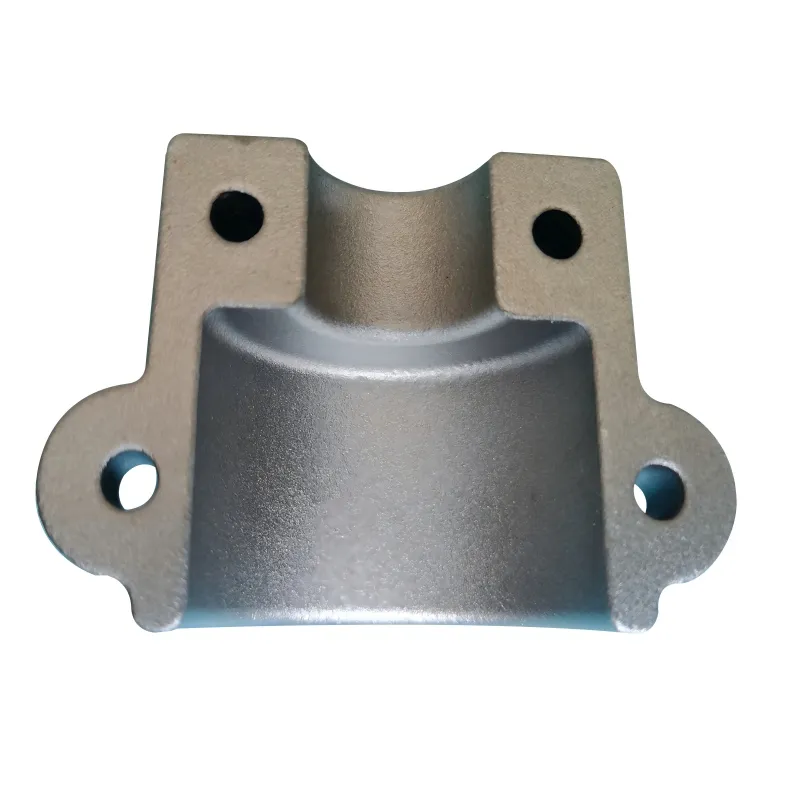
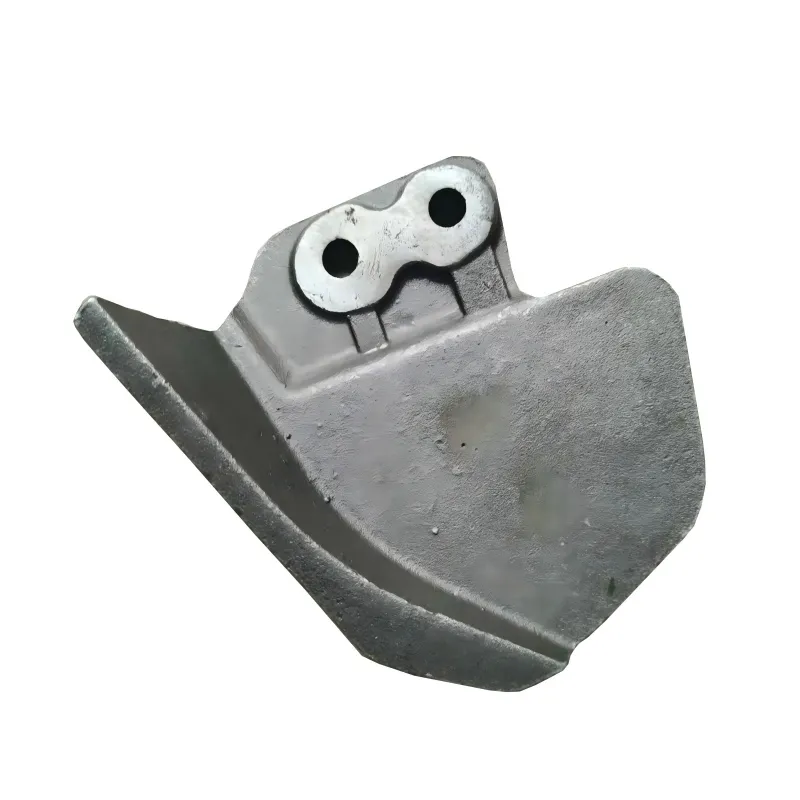
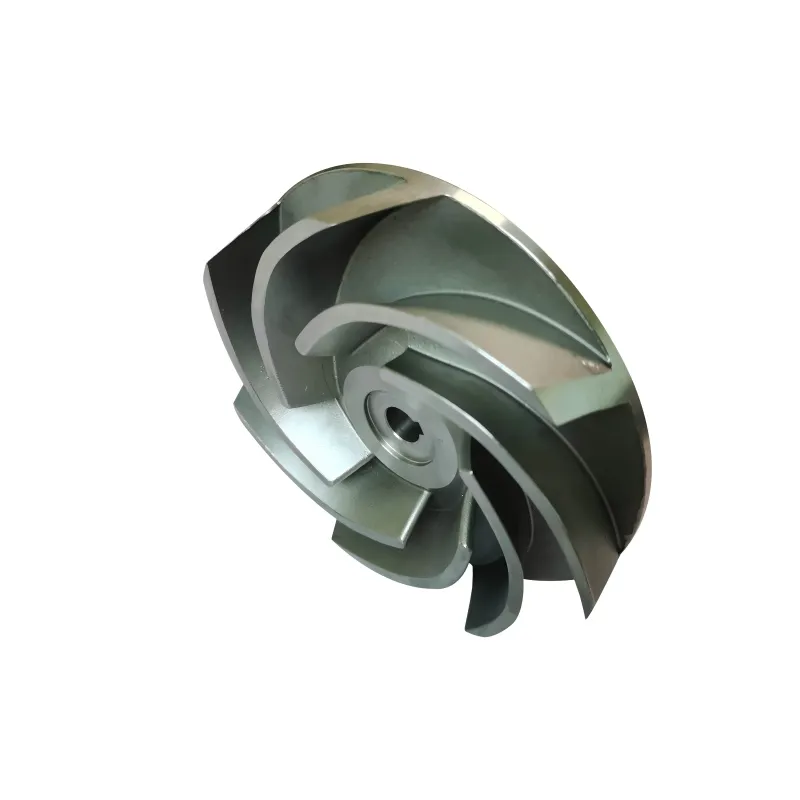
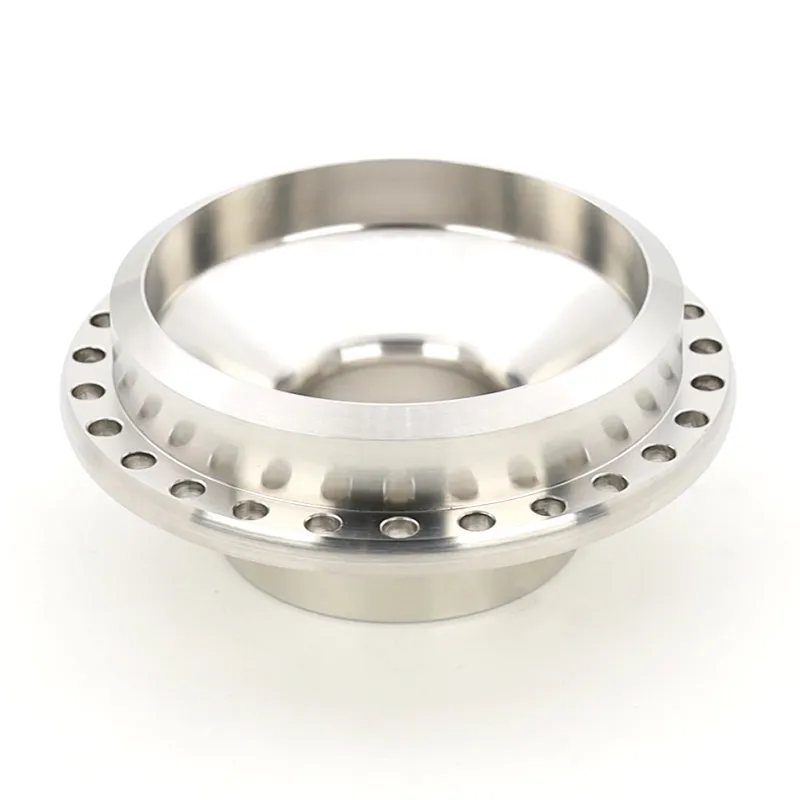
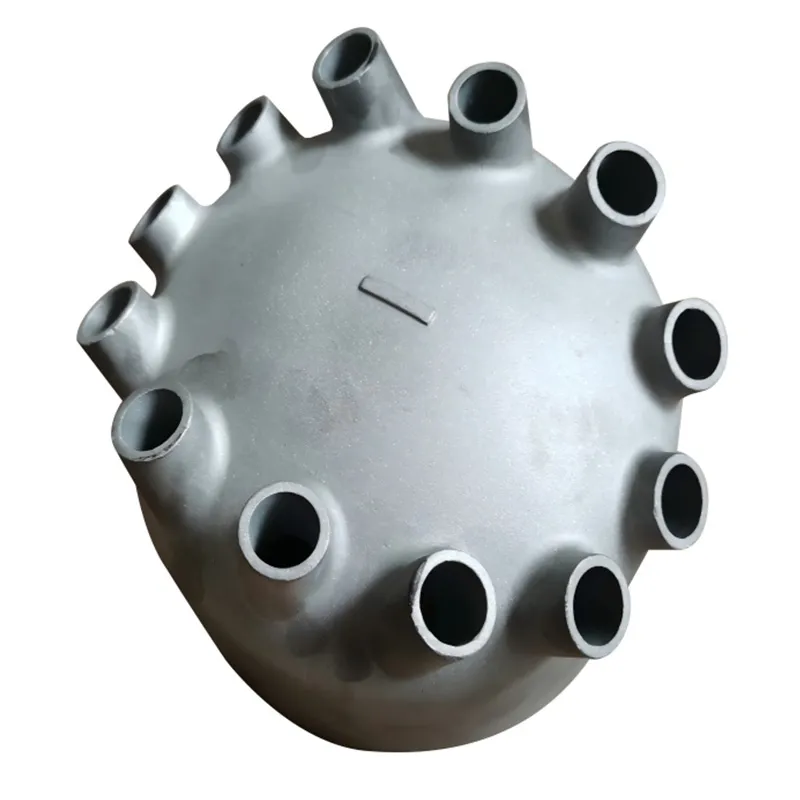
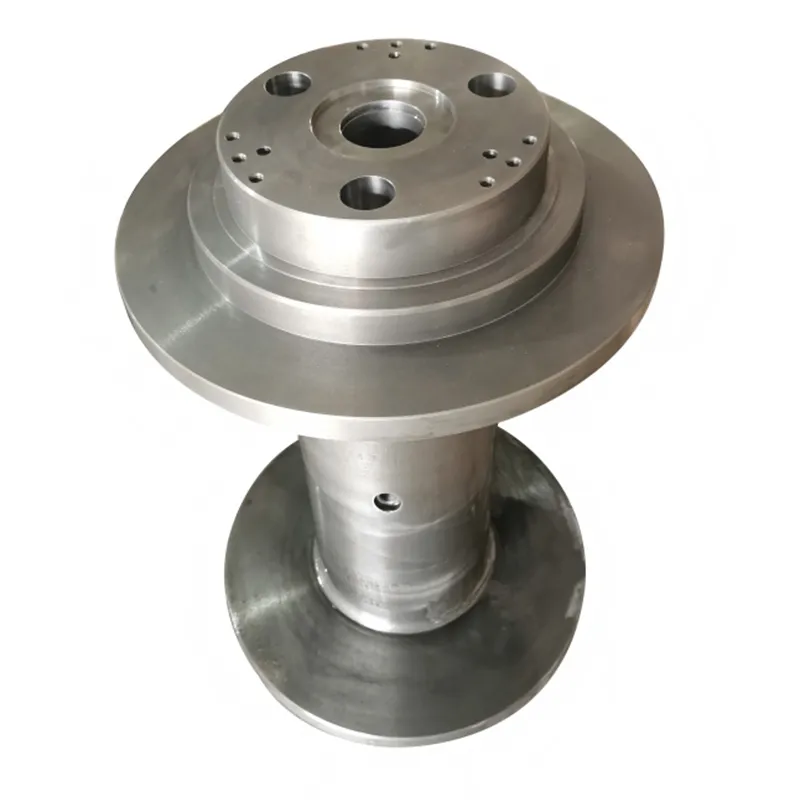
Let's be honest, when most people hear high precision casting, they picture a flawless, shiny part popping out of a mold, ready to ship. That's the marketing dream. The reality, the daily grind, is a constant negotiation between the ideal geometry on the CAD model and the stubborn physics of molten metal. It's not just about tight tolerances; it's about predictable, repeatable tight tolerances across a batch of 50 or 5000, especially when you're dealing with complex internal channels or thin-walled sections that would make a machinist sweat. Many clients come in thinking it's simply a better version of sand casting, but the gap in process control, material behavior, and post-processing is more like a chasm.
The Core of Precision: It's a System, Not a Step
True high precision casting, at least in my view, starts long before the furnace is fired. It's rooted in the initial process selection. For us, that often means investment casting or shell mold casting. The choice isn't arbitrary. If a part has deep, internal re-entrant angles or requires an as-cast surface finish better than Ra 6.3, investment casting is usually the only viable path. But I've seen projects fail because this decision was made purely on a tolerance spec sheet without considering the alloy. A high-nickel alloy, for instance, behaves entirely differently during solidification in a ceramic shell compared to carbon steel—the feeding requirements, the risk of hot tearing, they're on another level.
This is where the 30-odd years of operation for a company like Qingdao Qiangsenyuan Technology (QSY) actually matters. It's not a badge on a website; it's a accumulated, almost intuitive library of which alloys play nice with which processes. You can read about the shrinkage rate of 17-4PH stainless steel, but knowing how to adjust the gating system to accommodate that shrinkage on a turbine blade housing, based on a similar job from five years ago, is the real precision. Their focus on special alloys, like cobalt and nickel-based ones, isn't just a material list; it implies they've likely battled and solved the distortion issues inherent in those high-performance materials.
The machining side, the CNC integration they mention, is non-negotiable. Anyone claiming true high precision without in-house machining is outsourcing the most critical phase. Why? Because your datum features need to be machined in a single setup relative to the cast geometry. If you cast a flange with a ±0.2mm tolerance on the bolt circle, and then ship it to a third-party machine shop who re-clamps it, you've lost the pedigree of that precision. The ability to go from shell mold or investment casting directly to a CNC mill in a controlled environment is what seals the dimensional integrity.
Where the Theory Meets the (Sometimes Messy) Reality
A case that sticks with me involved a manifold for a hydraulic test rig. The specs called for interconnected internal passages with a diameter of 12mm, toleranced at ±0.1mm, in 316 stainless. On paper, doable with high precision investment casting. The CAD model was perfect. The first prototypes came out looking great, but during pressure testing, we had leaks. Not catastrophic, but a seep. The culprit? Not the main bore diameter, but the subtle, almost impossible-to-measure deviation in the straightness of that 150mm-long internal channel, caused by a minute shift of the ceramic core during pour. The precision was there in the static dimensions, but not in the alignment.
We solved it, but not by magically improving the casting tolerance. That was already at its limit. The fix was a collaborative redesign with the client: we slightly increased the nominal bore size and specified a honing operation post-casting for the critical seal areas. The casting got us 95% there with massive complexity reduction (no need to drill and plug multiple intersections), and the precision machining finished the job. This is the practical symbiosis. It taught me that high precision casting is often about knowing where the process's natural limits are and designing the secondary operations to complement it, not fight it.
Another practical headache is the cosmetic requirement. A lot of specs will demand a flawless as-cast appearance for high-visibility components. But what does flawless mean? Is a slight investment casting texture acceptable? Is a faint parting line from a shell mold a defect? We learned to create physical sample boards with different levels of acceptable surface characteristics—a visual contract with the client. It avoids those painful post-delivery disputes where a part is functionally perfect but gets rejected on a subjective aesthetic call. This stuff is never in the textbooks.
Material is the Wild Card
Working with the special alloys QSY lists, like nickel-based ones, really separates the casual from the committed. These materials have terrible fluidity compared to standard steels. You think you've designed a perfect gating system for a thin section, but the metal just wants to freeze too fast, leading to cold shuts or mis-runs. The precision fails not from a dimensional error, but from an incomplete part. The workaround often involves superheating the metal more than usual and using much hotter mold preheats, which then introduces its own problems with grain growth and potential surface reaction with the ceramic shell. It's a balancing act where the metallurgist's input is as crucial as the foundry engineer's.
The Measurement Trap
You can't claim precision without verifying it, and that's its own rabbit hole. A common pitfall is over-measuring. Putting a CMM probe on every single surface of a complex casting is expensive and time-consuming. The key is identifying the critical-to-function (CTF) features—usually the mating surfaces, bore locations, and specific wall thicknesses—and focusing the measurement protocol there. For other, non-critical aesthetic surfaces, a simple go/no-go gauge or even a visual check is sufficient. I've wasted days producing exhaustive inspection reports that no one used, when a one-page sheet highlighting the CTF data would have been far more valuable. Precision needs to be efficient to be commercially viable.
This ties back to having integrated machining. Often, the first machining pass on a datum surface is the most revealing inspection. You take a 0.2mm cut off a mounting face and immediately see if the porosity or shrinkage is within the predicted allowance. It's real-time feedback that a standalone foundry doesn't get until weeks later, when the rejected part returns from the customer's machine shop.
So, What's the Real Deliverable?
After all this, what are you actually buying with a high precision casting process? You're not just buying a part with tight numbers. You're buying reduced total part cost for complex geometries. You're buying material integrity in a single piece that would otherwise be welded or assembled from multiple machined blocks. You're buying lead time savings by eliminating 80% of the machining stock. And you're buying the supplier's accumulated judgment—their ability to look at a drawing and say, This radius is too sharp for the alloy you've specified, it will create a stress riser; let's adjust it to X, or We can hold that tolerance, but it will double the cost; is this surface actually interfacing with another component?
Looking at a provider's scope, like what's outlined on Qingdao Qiangsenyuan Technology's site (https://www.tsingtaocnc.com), the combination of specific casting methods, material expertise, and in-house CNC machining is the tangible evidence of that capability. It shows a setup designed to manage the entire value chain of creating a precise component, not just one link in a fragmented and error-prone chain. The real test, always, is in the prototyping phase. That's where the theory, the website claims, and the decades of experience either come together in a functional part or fall apart. There's no hiding in a first-article inspection report.
In the end, high precision casting is a mature, incredibly useful technology, but it's not magic. It's a craft supported by science and a lot of problem-solving. The best results come from treating it as a collaborative design and manufacturing partnership from the very first sketch, not as a black-box procurement activity. The precision is as much in the communication and the planning as it is in the metal itself.