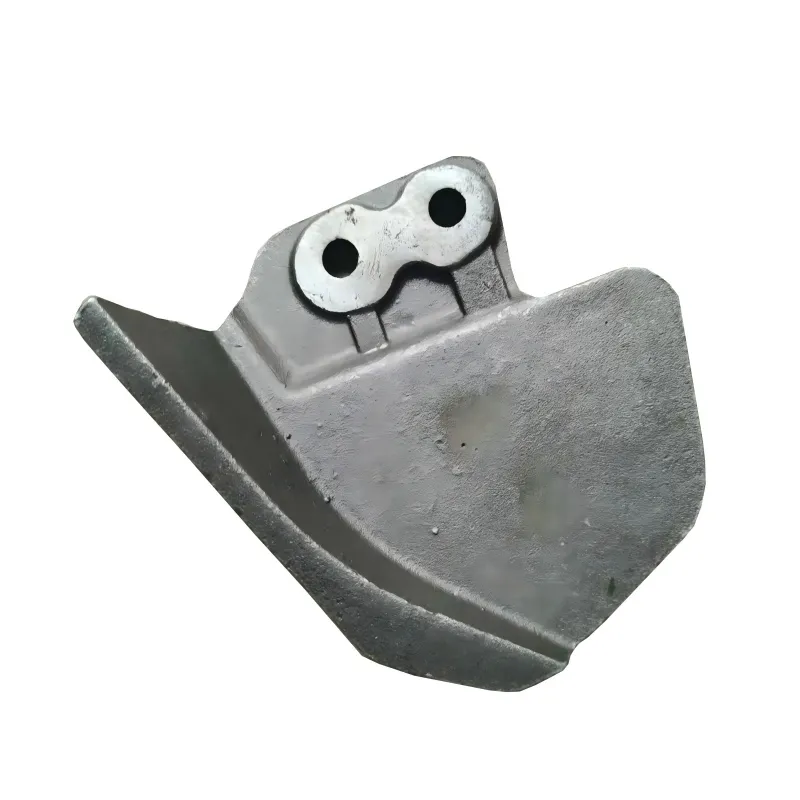
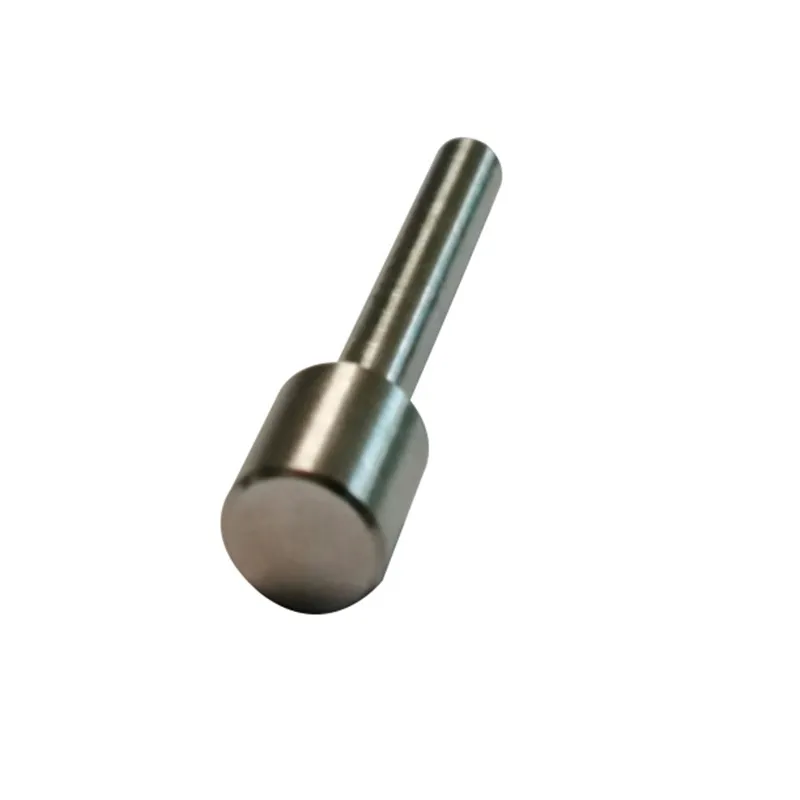
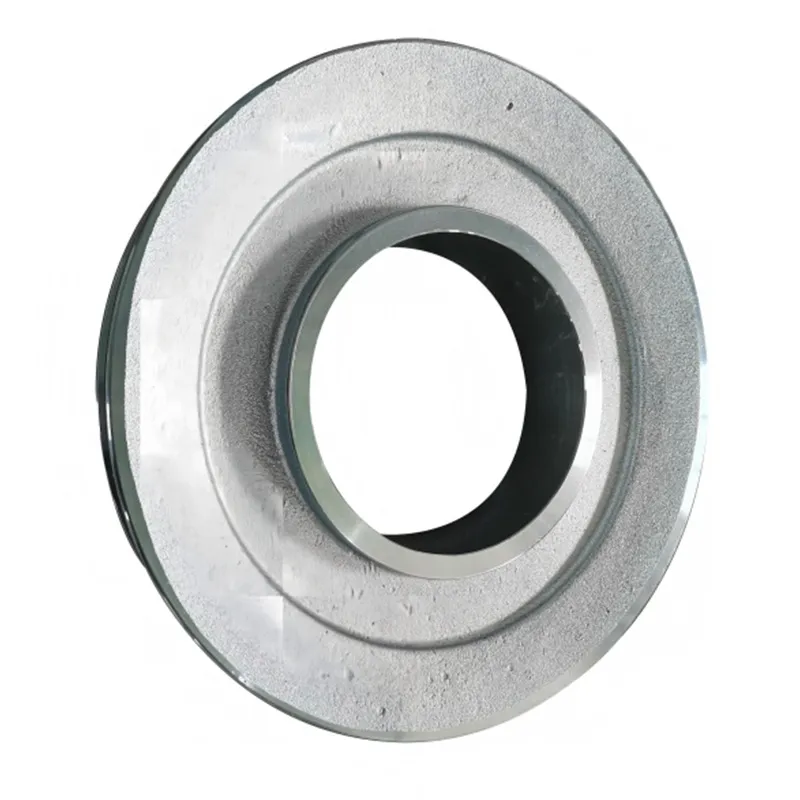
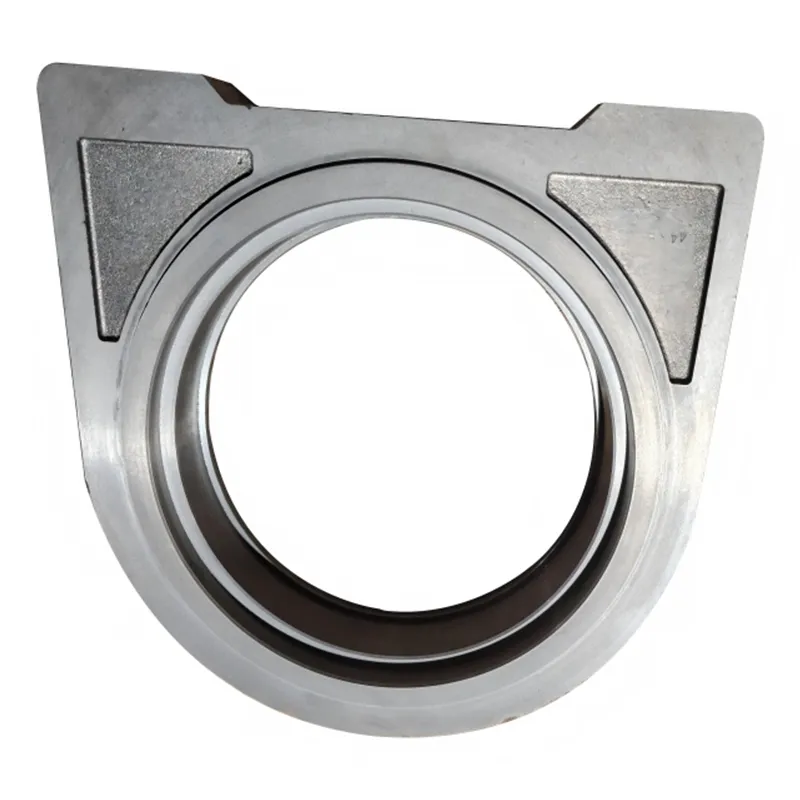
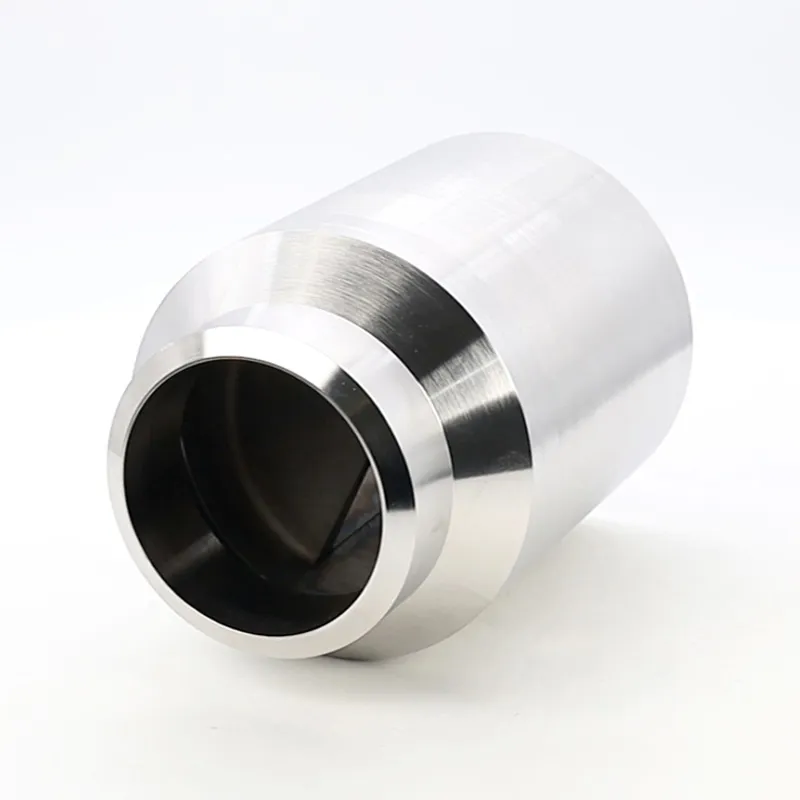
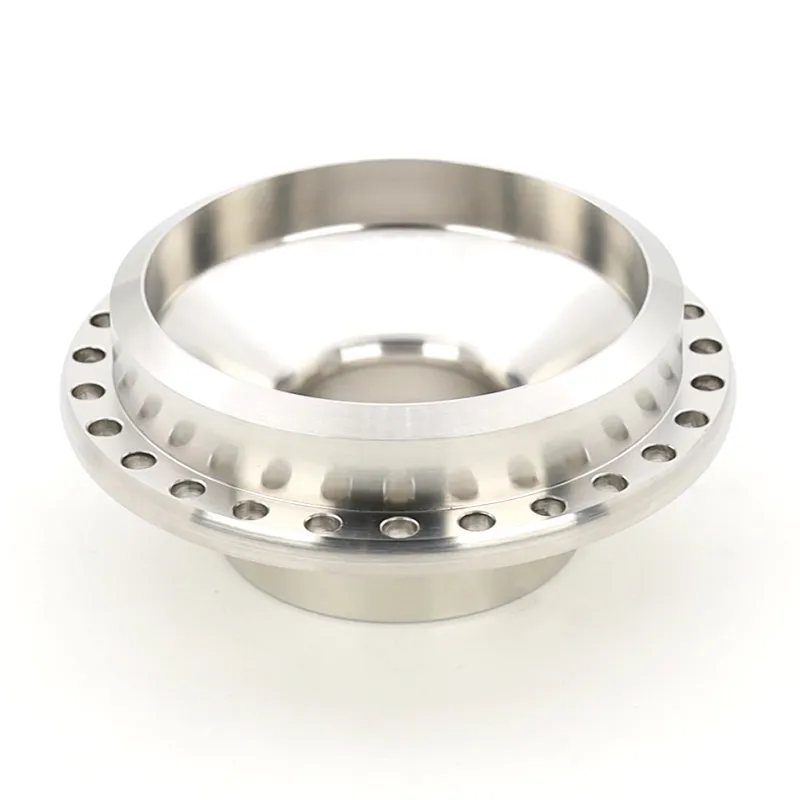
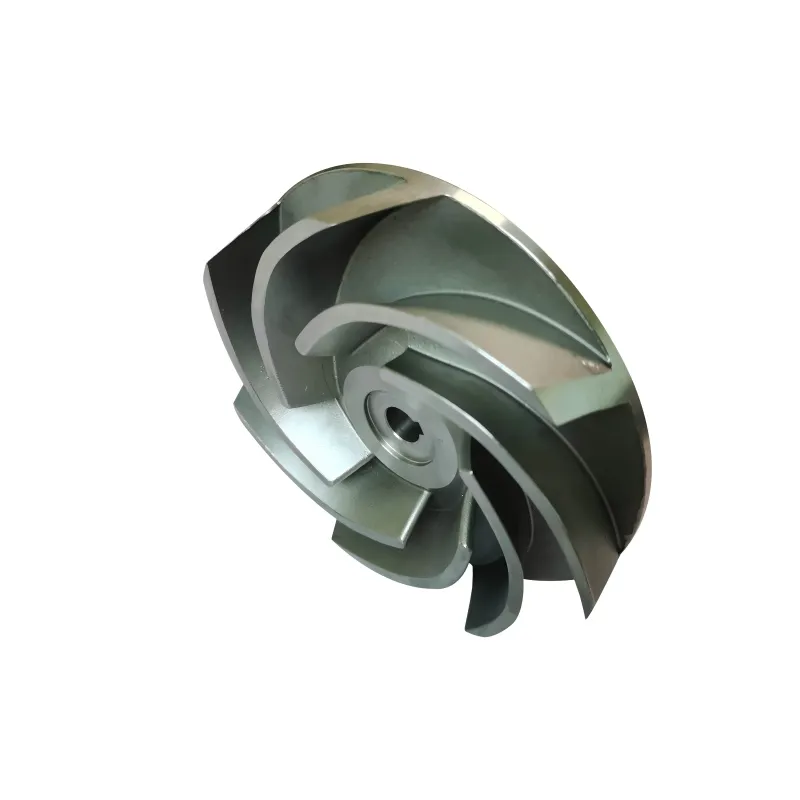
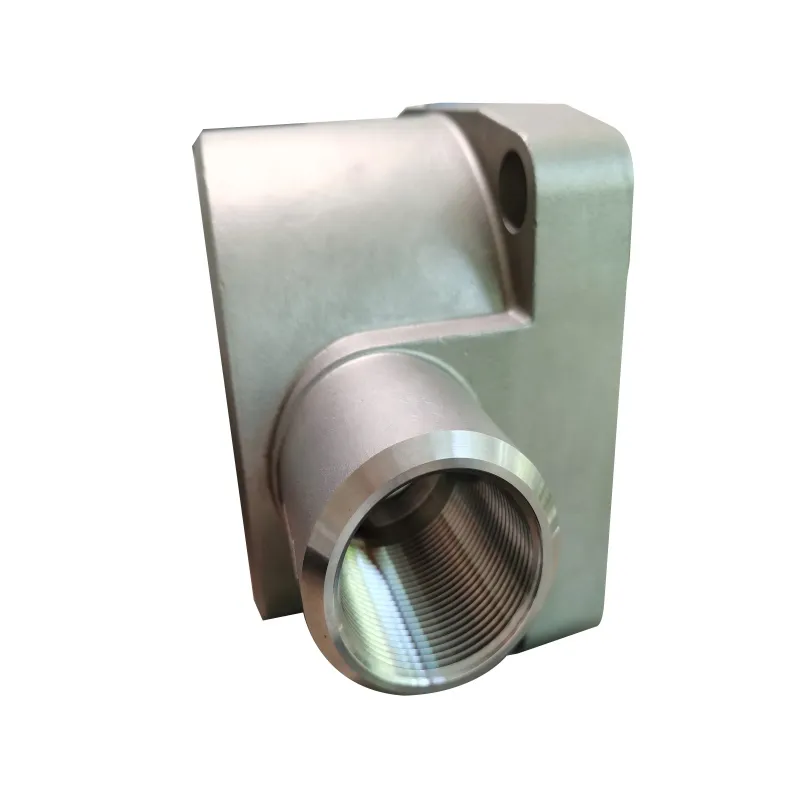
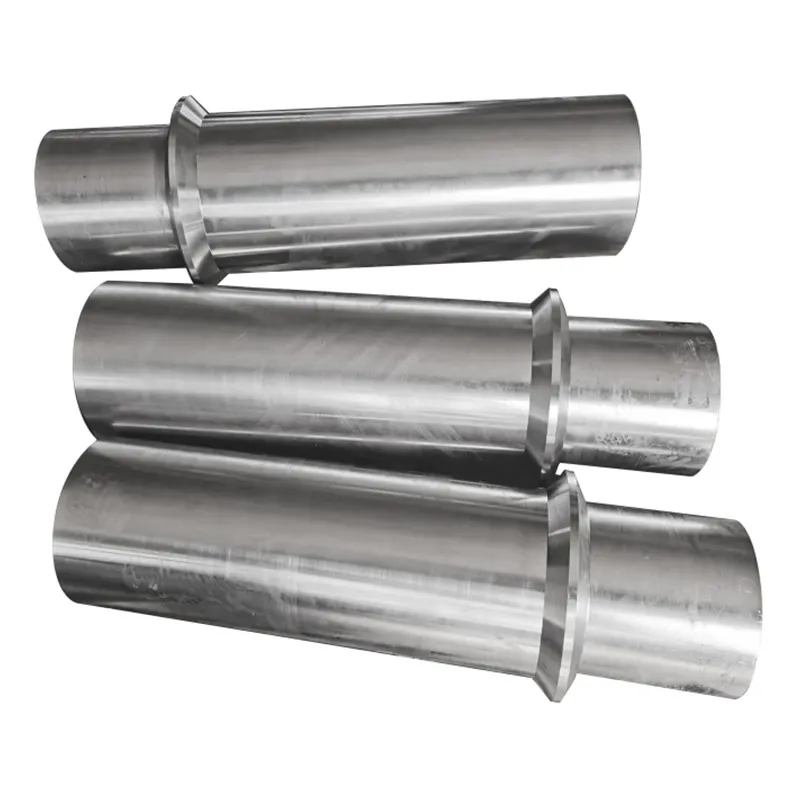
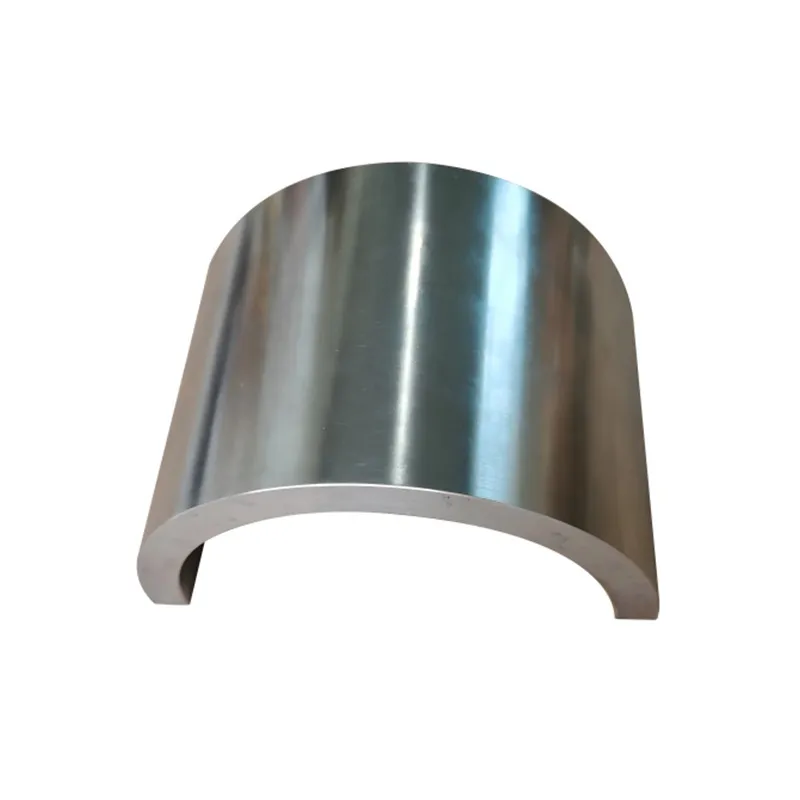
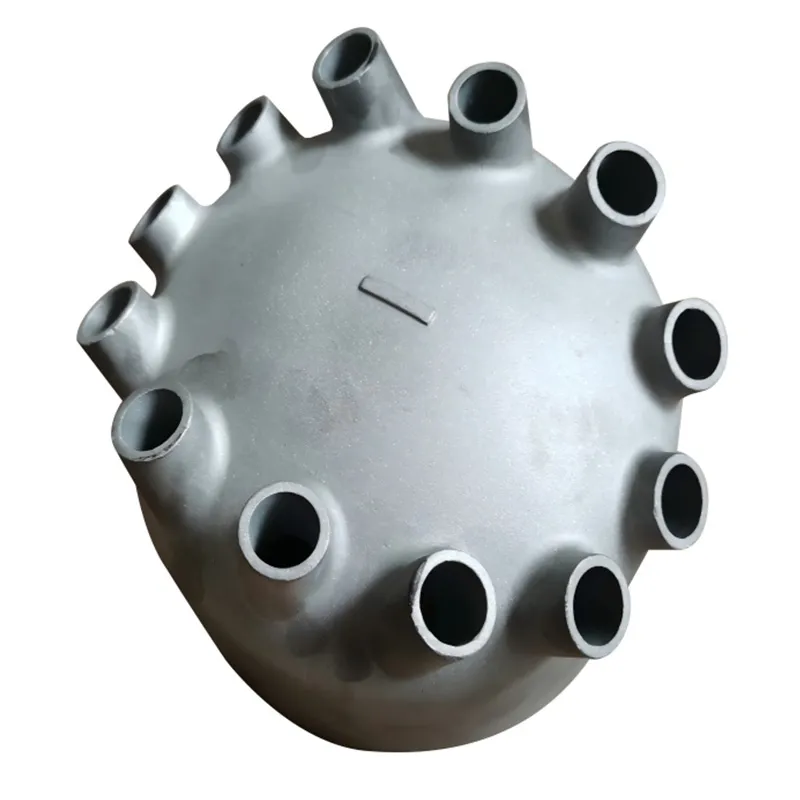
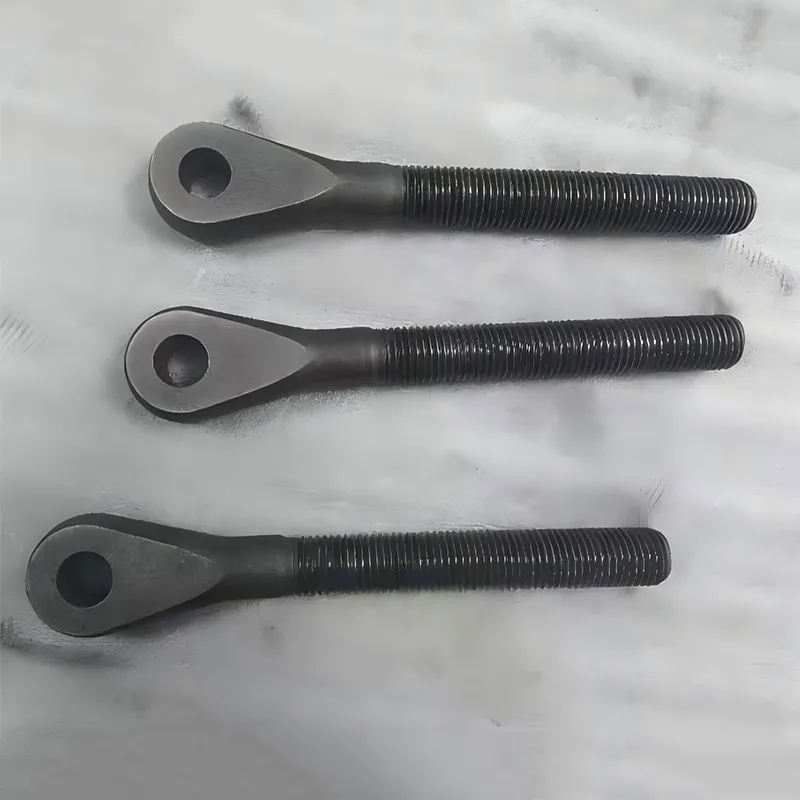
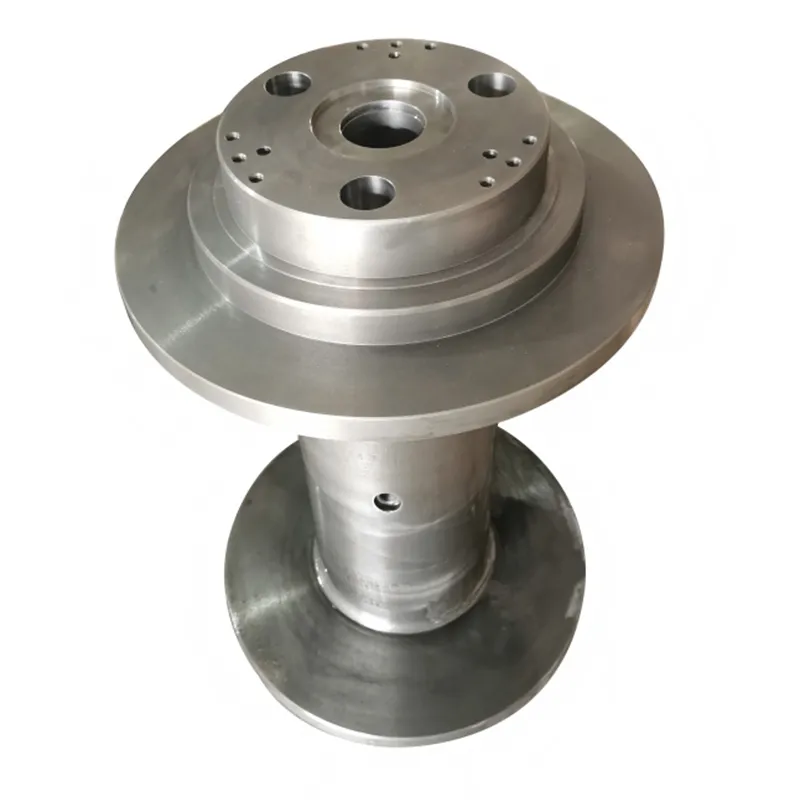
When most people hear 'high precision CNC machining', they immediately think of tight tolerances, maybe ±0.001 or better. That's part of it, sure, but it's a starting point, not the finish line. The real challenge isn't just hitting a number on a drawing once; it's hitting it consistently, on part number 1 and part number 10,001, across complex geometries and unforgiving materials. A lot of shops claim they do it, but the gap between claiming and delivering is where the real work—and the costly mistakes—happen.
The Foundation: It's Not Just About the Machine
Anyone can buy a high-end 5-axis mill. The machine is a prerequisite, but it's the ecosystem around it that determines true precision. I'm talking about environmental control. We learned this the hard way years ago. Had a job machining a series of aluminum sensor housings, holding a true position of 0.005mm. Parts were perfect in the morning, but by mid-afternoon, they'd drift out of spec. Took us a week to trace it back to the shop temperature rising just 4°C from the morning cool. The thermal expansion in the machine structure, the part, and even the tooling was enough to throw everything off. That's when we invested in full climate control for the machining floor. It's a massive, unglamorous expense that doesn't show up in machine brochures, but it's non-negotiable.
Then there's tool management. For a company like Qingdao Qiangsenyuan Technology Co., Ltd. (QSY), which routinely machines tough materials like cobalt-based alloys, tool wear isn't a linear event; it's a variable you have to anticipate and compensate for in your programming. You can't just run a tool to failure when you're chasing microns. We implement a disciplined tool life monitoring system, but even that needs a human layer. The sound of the cut, the look of the swarf—experienced machinists develop a sense for it. It's this combination of rigid process and seasoned intuition that gets you there.
And fixturing. This is where many jobs go sideways. You can have the most precise spindle in the world, but if the part moves a micron during a heavy roughing pass, it's all for nothing. For thin-walled components common in investment castings we handle, designing a fixture that provides rigid support without inducing stress or distortion is an art form in itself. Sometimes, the fixture design and prototyping phase takes longer than the CAM programming.
Material Matters: The Wild Card in Precision
The spec sheet for high precision CNC machining often glosses over material behavior. Working with the range QSY does—from various cast irons and steels to exotic nickel-based alloys—means you're not just cutting metal; you're negotiating with it. Every material has its own personality under the cutter.
Take 17-4 PH stainless, a common enough material. In its solution-treated condition, it's gummy and loves to work-harden. If your feeds and speeds are off by a small margin, you're not just wearing a tool; you're creating a hardened surface that the next pass will struggle with, introducing vibration and killing precision. You need to get under that work-hardened layer aggressively, which feels counter-intuitive when you're trying to be precise. Conversely, machining a brittle cast iron for a hydraulic manifold requires a different approach to avoid micro-chipping at the edges, which can ruin seal surfaces.
The real test comes with the special alloys. We machined a batch of Inconel 718 turbine components last year. The residual stress from the investment casting process was significant. You'd take a beautiful first cut, the part would look perfect on the CMM, then you'd flip it, machine the other side, and watch in horror as it warped. The precision was lost not during cutting, but after the material's internal stresses were redistributed. The solution involved a multi-stage process: a stress-relief cycle after roughing, then semi-finishing, another stabilization, and finally the finish machining. It added time and cost, but it was the only way to guarantee the dimensional stability required. This isn't in any standard machining handbook; it's learned through iteration, and sometimes, failure.
The Process Chain: From Casting to Finished Part
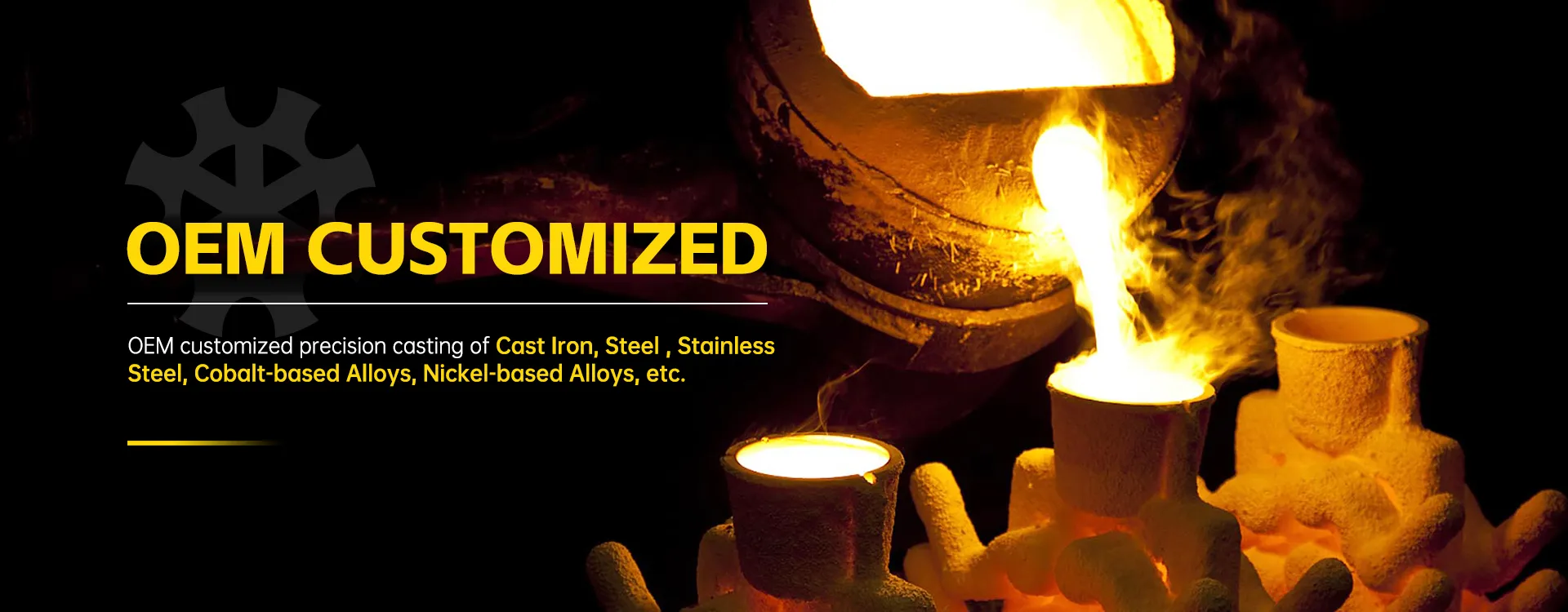
Our integrated approach at QSY, covering both shell mold/investment casting and in-house CNC machining, provides a unique vantage point. True precision often starts long before the part is ever loaded into a CNC machine. A poorly designed casting with inconsistent wall thickness or internal shrinkage will fight you every step of the way during machining, no matter how good your programmer is.
We've found that collaborating with the foundry engineers from the CAD stage is critical. It's about designing for manufacturability from both perspectives. For instance, we might suggest adding a small sacrificial pad on a casting—a location point that will be machined off in the final operation—to ensure we have a pristine, consistent datum for all our machining setups. This kind of cross-process planning eliminates a huge source of variability.
Another critical link is first-article inspection. When a batch of castings comes over to the machining department, we don't just assume the CAD model is the gospel. We'll 3D-scan a sample casting to create a real-world model. This allows the CAM programmers to adjust their tool paths slightly to account for minor variations in the casting's as-cast dimensions. It's about adapting to reality, not just following a theoretical ideal. This step has saved countless jobs from scrap by preventing a tool from air-cutting because a wall was 0.5mm thinner than nominal, or crashing because it was thicker.
Measuring Precision: The CMM is a Judge, Not a Partner
This might sound heretical, but relying solely on the CMM report for sign-off is a trap. Coordinate Measuring Machines are incredible, essential tools, but they give you a snapshot, not the full movie. A part can measure perfectly on the CMM's granite table but fail in function. We look for functional gauging wherever possible.
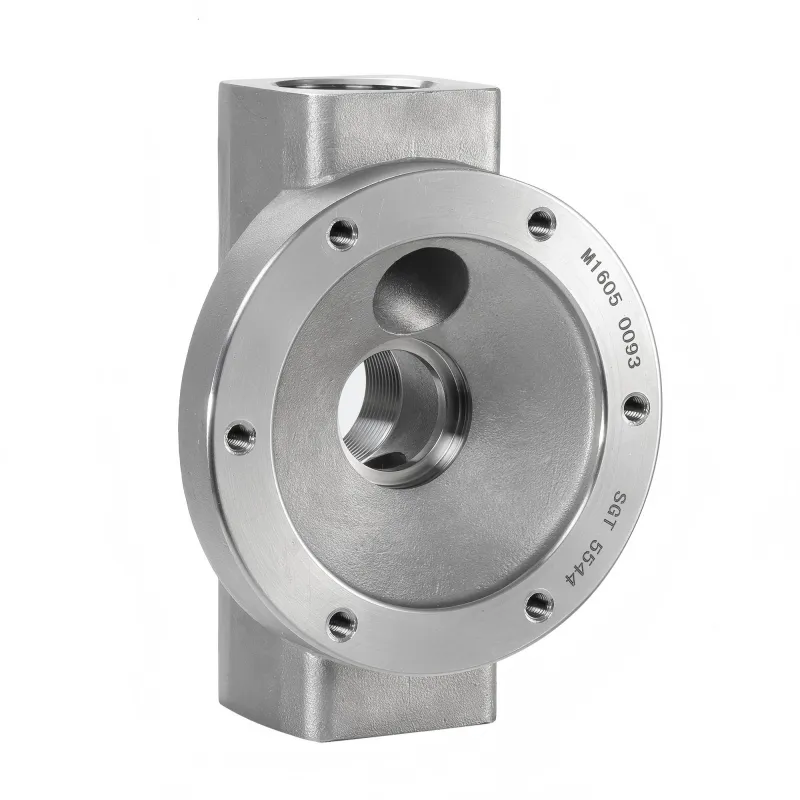
I remember a complex valve body with multiple angled ports. The CMM report showed all positional tolerances were within 0.01mm—well within the 0.02mm spec. But when the client tried to assemble it, the mating parts wouldn't align. The issue? The CMM was measuring each bore's axis independently from the datum structure. The cumulative stack-up of minute angular errors across the part, which the CMM software processed correctly in theory, didn't capture the real-world feel of assembly. We ended up making a hardened steel functional gauge that mimicked the actual mating components. The part had to click into the gauge with a specific feel. That gauge, not the CMM report, became the final arbiter of quality.
Surface finish is another dimension of precision that's often under-reported. A part can be dimensionally perfect but have a poor surface finish that causes excessive wear or prevents a proper seal. For hydraulic components, we'll often specify and verify Ra and Rz values on critical sealing surfaces. It's not just about looks; it's about performance. This requires the right combination of tool path strategy, tool nose geometry, insert grade, and coolant application—all fine-tuned for the specific material from QSY's inventory, be it ductile iron or stainless steel.
The Human Element: Where the Algorithm Stops
Finally, you can't automate judgment. The most sophisticated CAM software can't tell you that a particular tool path, while efficient, will create a harmonic vibration on a long, slender feature. That comes from an operator or programmer who has seen it happen before. The seat-of-the-pants knowledge is what bridges the gap between digital perfection and physical reality.
We encourage a culture where the machinists feed back to the programmers. A note like use a trochoidal path here instead of a conventional pocketing routine, the tool chattered on the last run is gold dust. This feedback loop, often scribbled on a job traveler or discussed over a coffee, is what continuously refines our processes. It turns a set of instructions into a living, improving system.
So, when you're evaluating a supplier for a high precision CNC machining project, look beyond their machine list. Ask about their climate control. Ask how they manage tool wear on superalloys. Ask for an example of how they handled a warping part. Their answers will tell you far more about their real capability to deliver precision than any glossy brochure ever could. It's in these gritty, unsexy details that true precision is either won or lost.