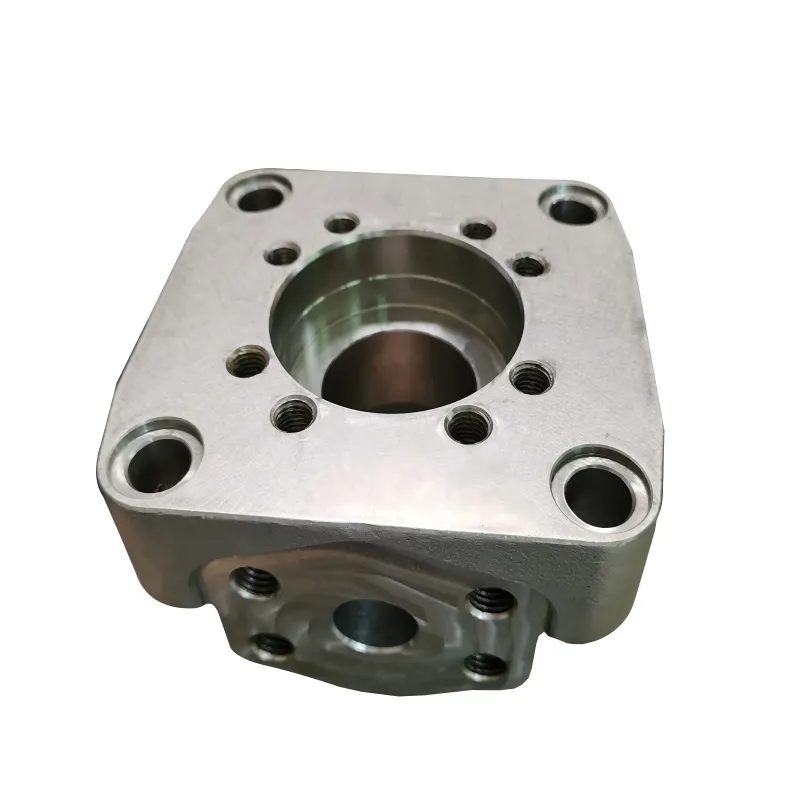
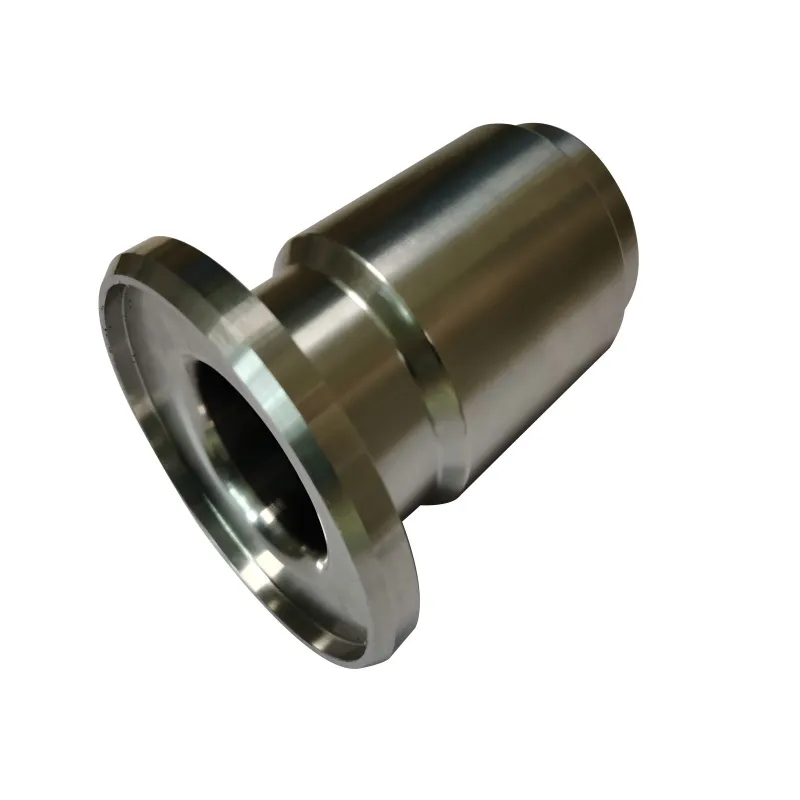
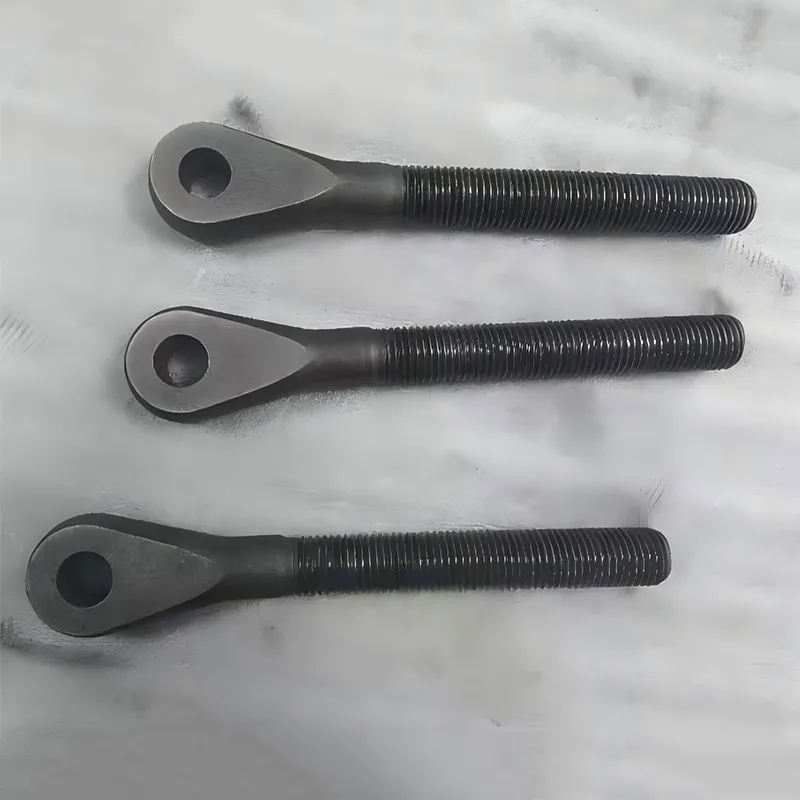
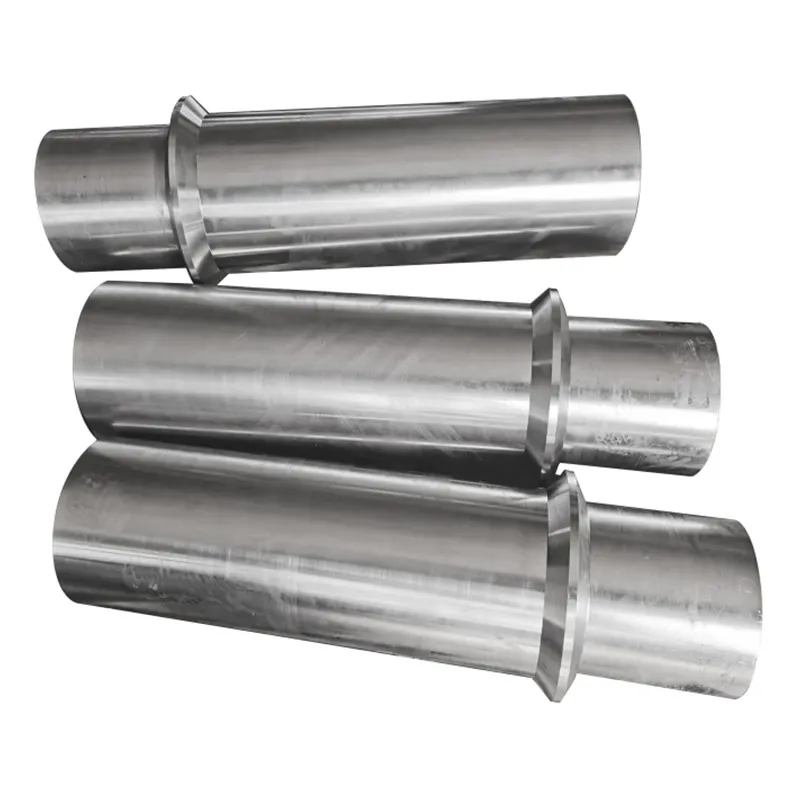
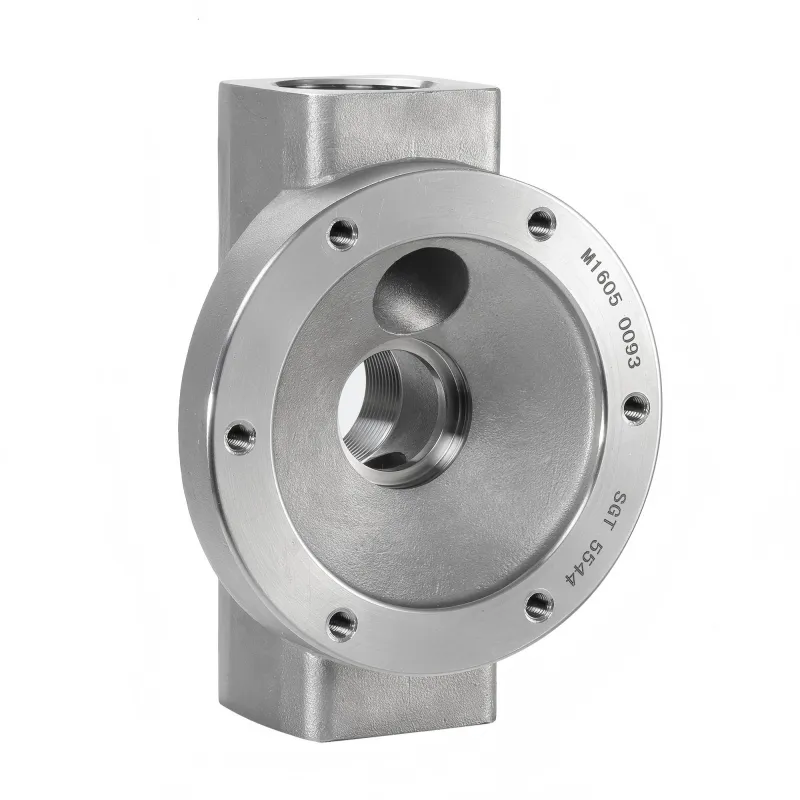
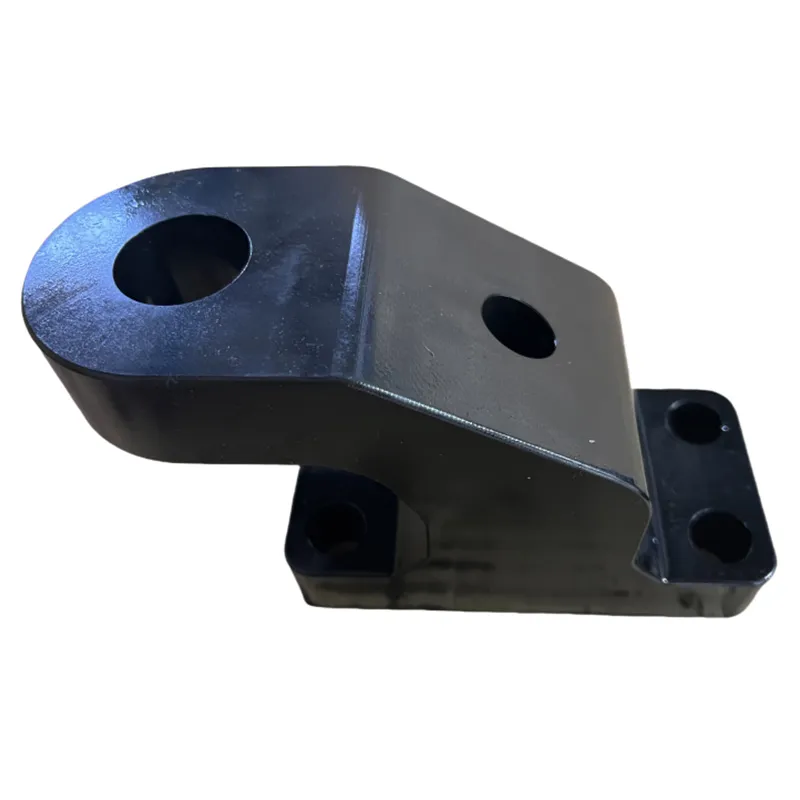
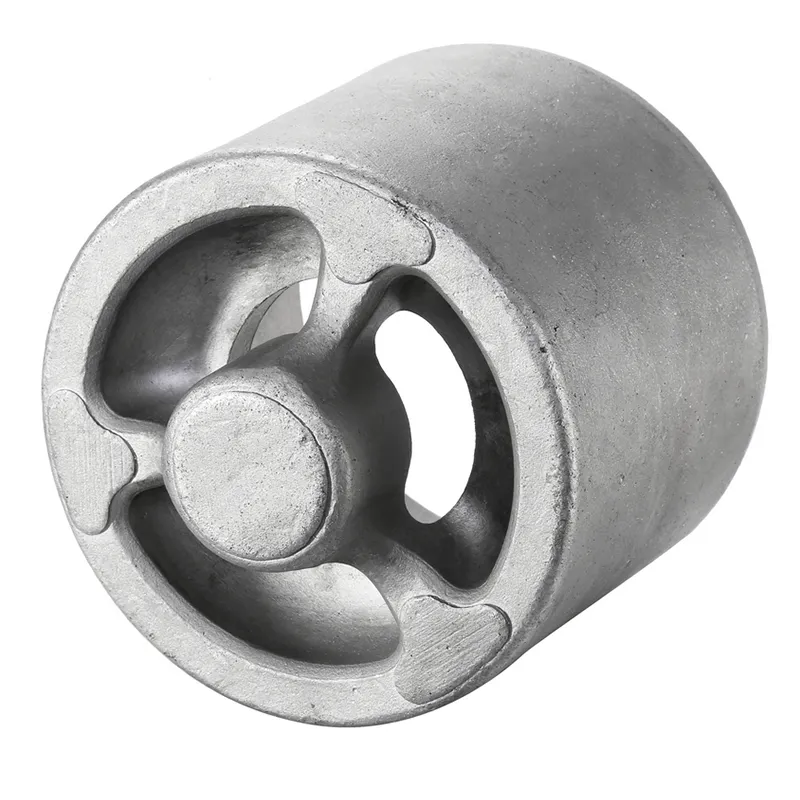
When someone says high precision CNC machining services, the first thing that pops into most minds is a machine with a fancy controller and a promise of microns. That's part of it, sure, but it's the easiest part. The real challenge, and where the value truly lies, isn't just in holding a tolerance; it's in understanding which tolerances are critical, which are just nice-to-haves, and how the entire process—from material selection to fixturing to post-processing—interacts to either guarantee or destroy that precision. I've seen too many shops, and even clients, get hung up on the machine's nameplate while ignoring the ecosystem around it. That's where things go sideways.
The Foundation: It's Not Just About the Machine
You can have the latest five-axis mill, but if your raw material is inconsistent, you're fighting a losing battle from the start. This is where a background like QSY's becomes a silent advantage. Operating for over 30 years in both casting and machining, they've seen how a casting's internal stress or a slight variation in alloy composition from a heat batch can wreak havoc during a high precision CNC machining cycle. It's not just machining a block of stock; it's understanding the material's history. Working with special alloys like cobalt-based or nickel-based ones isn't a checkbox activity. These materials work-harden, they're abrasive, they dissipate heat differently. Programming and toolpath strategies for 304 stainless steel versus Inconel 718 are worlds apart, even if the final blueprint looks similar. The precision is as much in the material science know-how as it is in the G-code.
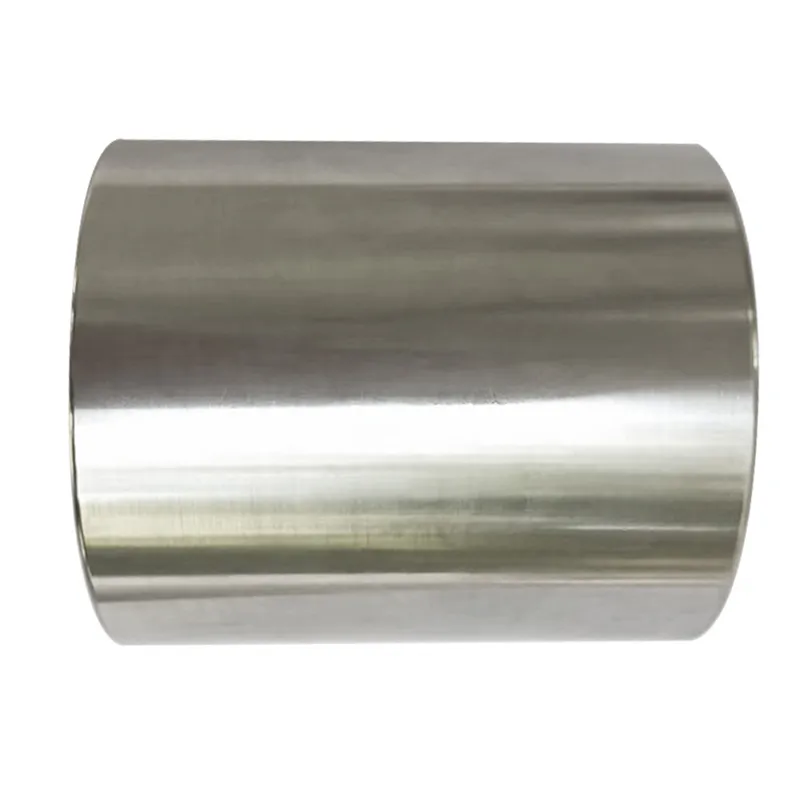
I recall a project for a hydraulic valve component, a seemingly simple sleeve. The print called for a tight bore tolerance. The first batches, machined from standard bar stock, passed QC but failed in field testing under pressure—minimal distortion, but enough to cause leakage. The issue traced back to the material's grain flow direction from the bar stock. We switched to using a precision-forged blank, which has more uniform grain structure. The machining parameters, speeds and feeds, had to be adjusted again because the forged material behaved differently under the cutter. The precision service here involved recommending a different starting form, not just executing the cut. That's the kind of judgment that comes from cross-process experience, the kind you see integrated at a place like Qingdao Qiangsenyuan Technology (QSY), where casting and machining under one roof informs both practices.
Another often-overlooked pillar is fixturing. For true high-precision work, especially in low-volume, high-mix scenarios, custom fixtures are non-negotiable. The goal is to mimic the final assembly's mounting points or create a kinematic mount that minimizes stress and distortion. I've wasted hours chasing tenths (0.0001) only to realize the vise was imparting more stress than the machining operation. Sometimes, the most precise thing you do is design and machine the fixture itself before you even touch the part.
The Process: Where Theory Meets the Shop Floor
Let's talk about the actual machining sequence. A common misconception is that high precision means taking tiny, slow cuts across the entire part. That's a great way to induce heat and tool deflection. The smarter approach is a hybrid: rough aggressively to remove bulk material and stabilize the internal stresses, then step down gradually to finishing passes. Thermal management is critical. For a complex aerospace bracket we worked on, we had to schedule cool-down periods between operations and even use temperature-controlled coolant to keep the part within a few degrees Celsius. The machine's thermal compensation can only do so much.
Tool selection and management is another rabbit hole. Using a generic carbide end-mill for finishing a hardened steel mold cavity won't get you the surface finish or edge longevity. We moved to using diamond-coated tools for non-ferrous materials and specific geometry inserts for steel finishing. But it's not just about buying the best tool. It's about monitoring tool wear in real-time, either through probe cycles or even sound and load monitoring. A worn tool doesn't just produce a bad finish; it pushes material, creating dimensional inaccuracies. Your CNC machining services protocol needs to have a rigid tool life and inspection cadence baked in.
Then there's metrology. You can't claim precision without verifying it. Having a CMM is great for final inspection, but in-process verification is key. Touch probes on the machine tool are invaluable for checking critical features after machining them, allowing for mid-program offsets. But remember, the probe's repeatability and the machine's geometric accuracy are different things. We learned this the hard way on a batch of connector plates. The probe said the hole pattern was perfect, but the CMM showed a slight rotational error. The issue was a tiny amount of backlash in the rotary axis that the probe cycle couldn't detect. Now, we use the probe for relative position checks and rely on the CMM for absolute positional accuracy certification. It's about using the right tool for the right verification stage.
Case in Point: The Simple Bearing Housing
I want to dissect a seemingly mundane part: a bearing housing for a high-speed pump. The specs called for a bore tolerance of H7, a specific surface finish, and perpendicularity to the mounting face. The material was duplex stainless steel—tough and gummy. The first attempt, using a standard three-jaw chuck and machining everything in one setup, failed the perpendicularity check. The clamping force distorted the thin-walled section.
We redesigned the process. First operation: machine the mounting face and the locating diameter on the back in one setup, creating a perfect reference. Second operation: flip the part and clamp using a custom mandrel that engages the locating diameter, applying pressure only on the robust sections, leaving the bore area free. This eliminated distortion. For the bore itself, we didn't just ream it. We used a boring bar with a fine-adjustment head, taking two spring passes to account for any residual tool pressure. The coolant was switched to a higher-lubricity formula to improve finish on the gummy material.
The result was a consistent, in-spec part. But the service part was the process documentation we provided—a setup sheet and inspection report that showed exactly how we achieved it. This transparency turns a one-off job into a reliable partnership. It's this depth of process engineering that defines a true high precision machining provider, not just a job shop with good machines.
When High Precision Isn't the Answer
This might sound counterintuitive, but a significant part of offering these services is knowing when to advise against them. Not every feature on a part needs to be held to ±0.01mm. Over-specifying drives cost and lead time exponentially. A good partner will review the design for manufacturability (DFM) and ask: What is the function of this feature? Does this radius need to be a true profile, or is it just for clearance? I've saved clients substantial money by suggesting a standard drill size instead of a reamed hole, or a commercial-grade tolerance on non-critical dimensions, while focusing the precision budget on the two or three features that truly matter for function.
This is where integrated manufacturing helps. At QSY, with their shell mold and investment casting capabilities, they can often advise on casting a feature to near-net shape, minimizing the amount of CNC machining required to achieve final precision. This is a more economical and sometimes structurally superior approach than machining everything from solid block. It's a holistic view of the component's lifecycle.
Failure is a teacher. Early on, we took on a job for a sensor mount in aluminum. The part had deep, thin ribs. We chased the precision on the mounting holes, but neglected to consider the order of operations. We machined the ribs last, and the release of material stress caused the whole part to twist slightly, throwing the hole pattern off. The lesson? Sometimes, you have to machine the most delicate features first, or incorporate stress-relief steps. Precision is a sequence, not just a destination.
The Human Element in a Digital Process
Finally, let's not forget the programmer and the operator. The most advanced CAM software can generate efficient code, but it can't yet replicate the intuition of an experienced machinist. That intuition tells you to approach a sharp internal corner with a different strategy to avoid tool chatter, or to modify a feed rate because the sound of the cut isn't right. This tacit knowledge is what bridges the gap between digital design and physical part.
Training and continuity are vital. The setup person needs to understand the why behind the process sheet. Why is the part clamped here and not there? Why is this toolpath order specified? When they understand the intent, they can better troubleshoot and even suggest improvements. This culture of problem-solving is what separates a technical workforce from button-pushers.
In the end, high precision CNC machining services are a promise of predictability and quality. It's a promise built on three layers: capable hardware (machines, tools, metrology), deep process knowledge (materials, sequences, fixturing), and human expertise. It's the integration of these layers, as seen in vertically integrated operations, that consistently delivers on that promise. It's not magic; it's meticulous, sometimes frustrating, always detail-oriented work. And when it all comes together, that's when you get parts that don't just meet a spec sheet, but perform flawlessly in the real world.