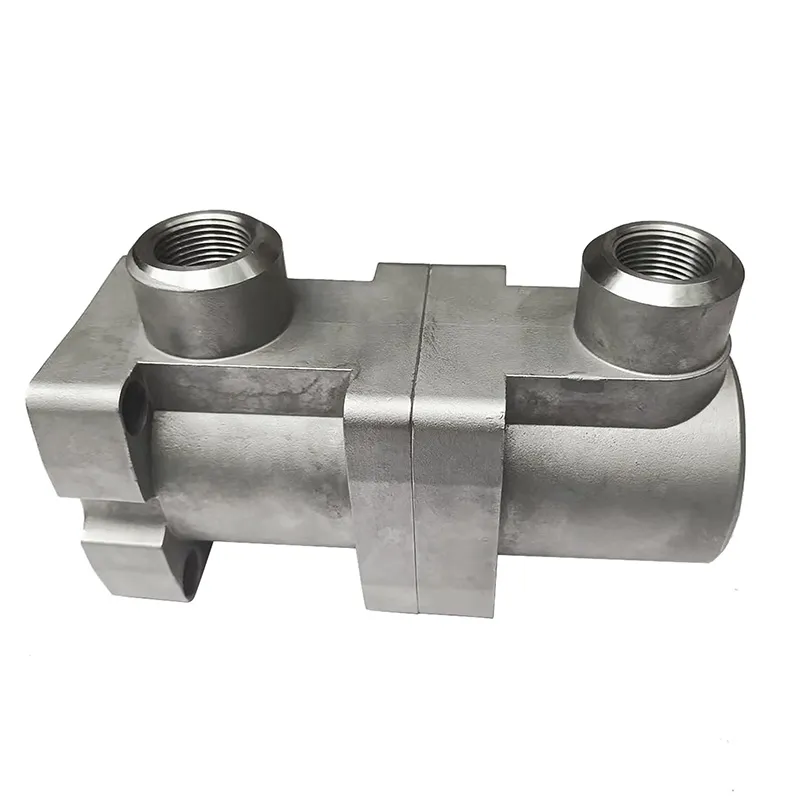
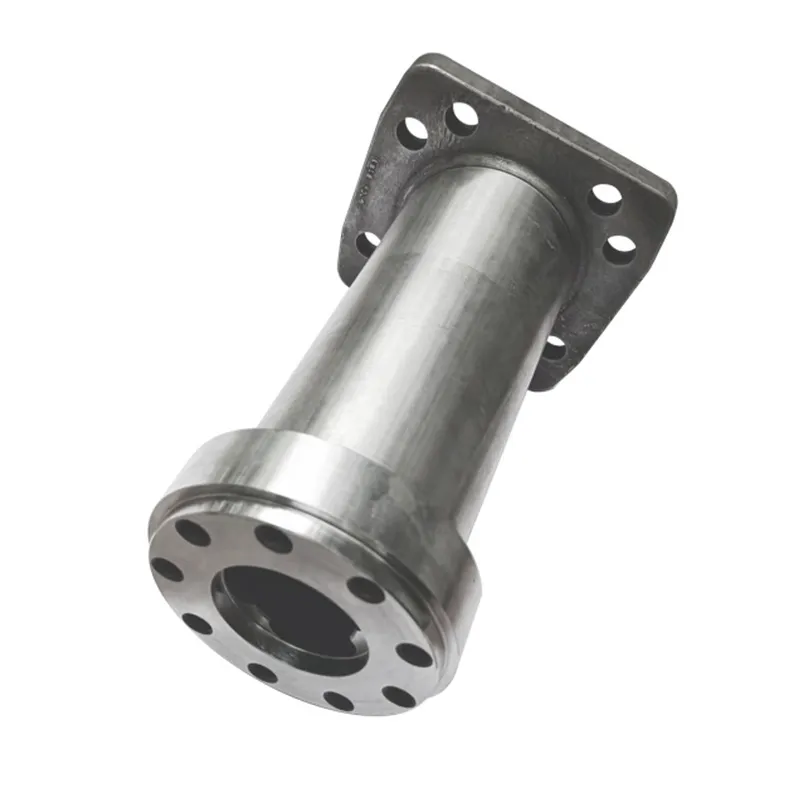
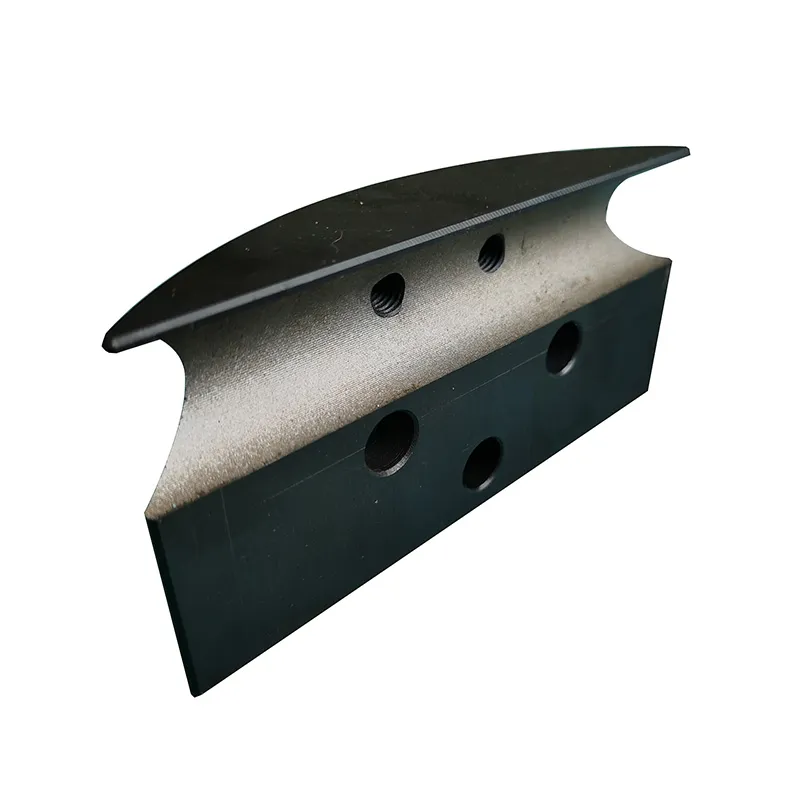
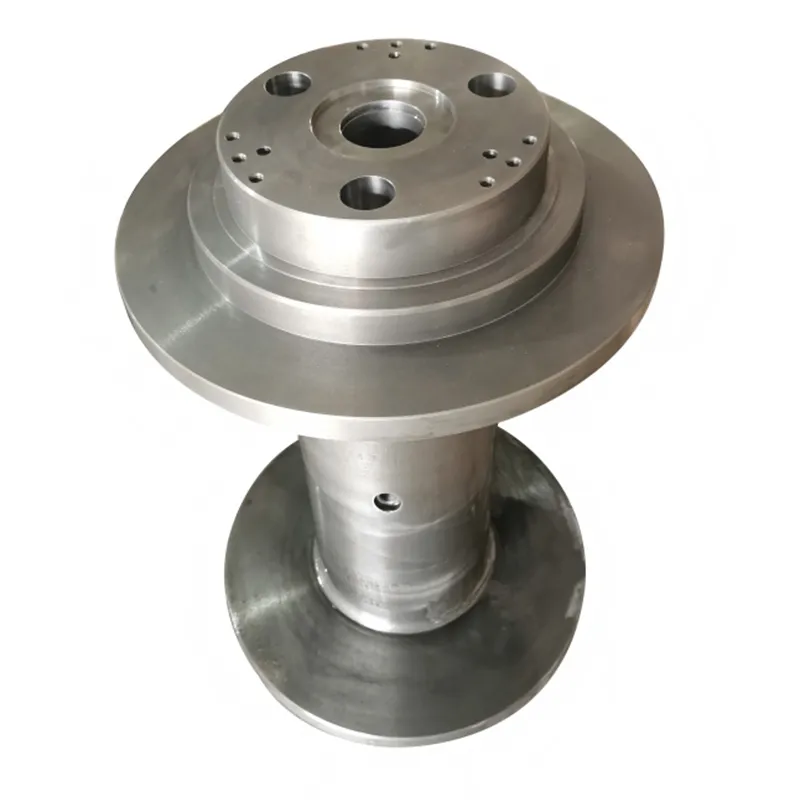
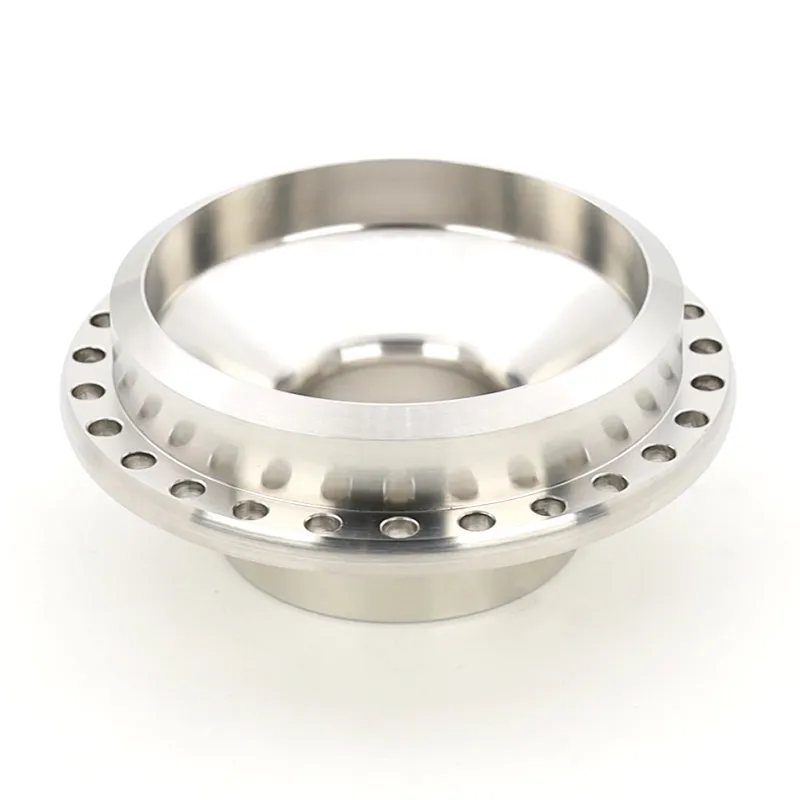
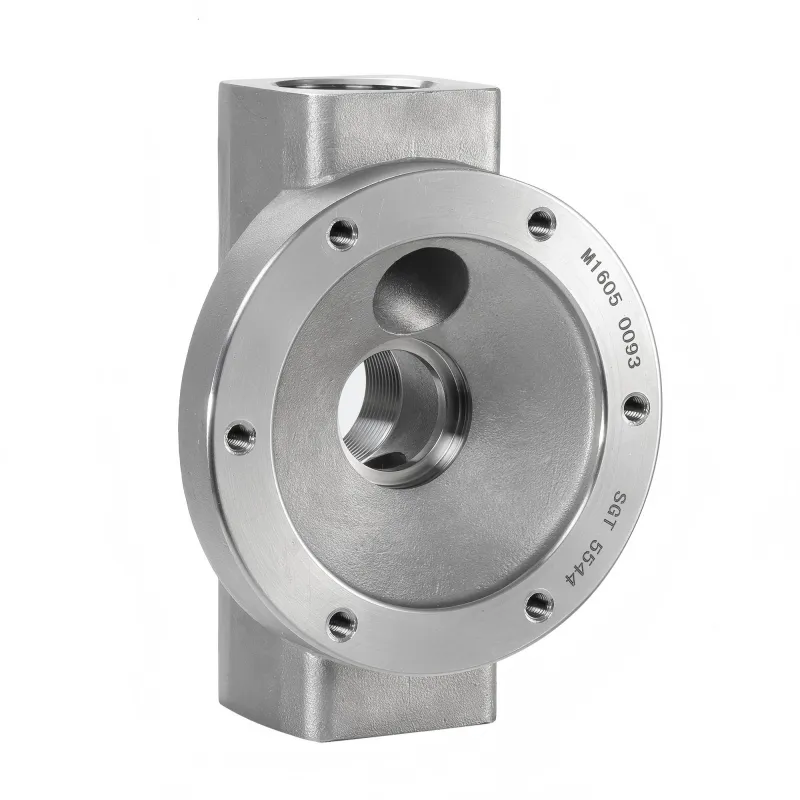
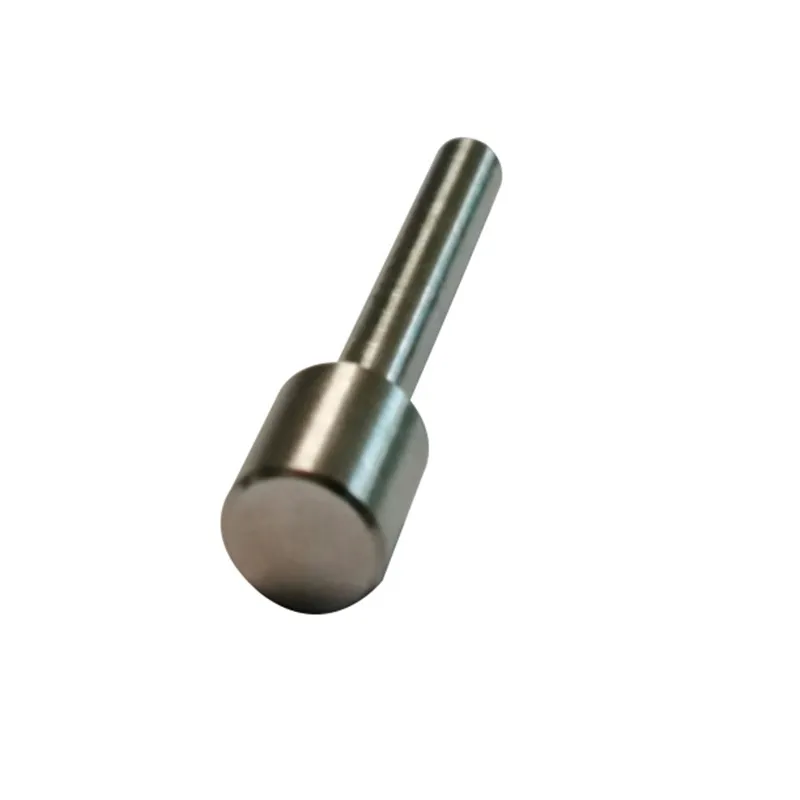
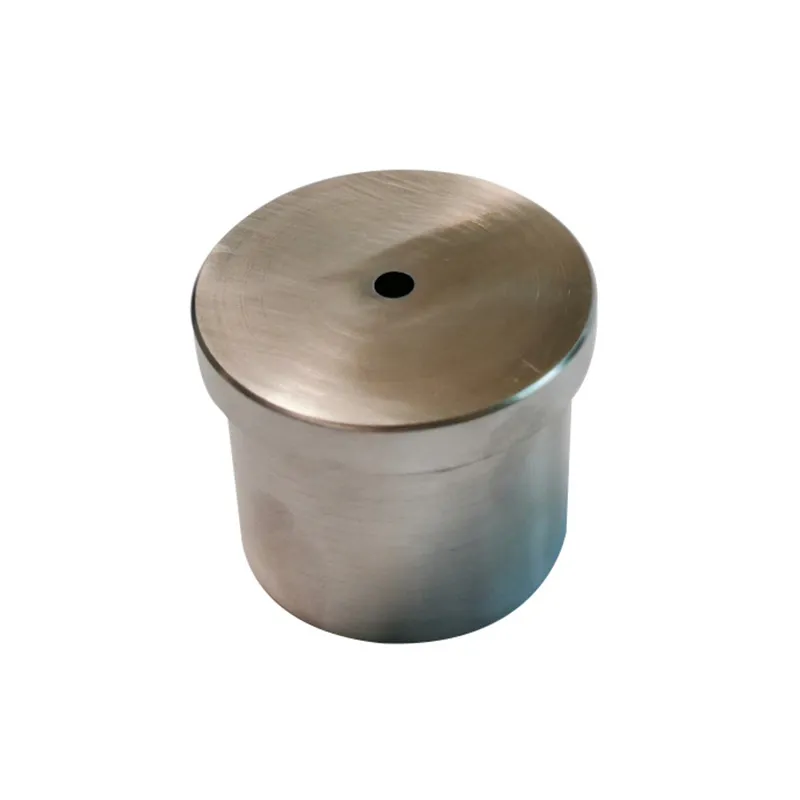
When you hear 'high precision machining', the first thing that pops into most people's heads is a number. We can hold tolerances to ±0.001 inches or Our machines are capable of sub-micron accuracy. That's the shiny brochure talk. The real story, the one that matters on the shop floor, starts after you've bought the million-dollar five-axis CNC machining center. That's when you learn precision isn't just about the machine's spec sheet; it's a chain. A chain of temperature control, tooling wear, fixture rigidity, material behavior, and, frankly, operator intuition. A lot of shops, especially those jumping from general to 'high-precision' work, miss that. They think the machine does all the work. That's a fast track to expensive scrap.
The Foundation: It's Not Just the CNC
I've seen it too many times. A shop gets a new, high-end machining center, slaps a block of 304 stainless on the table, and expects mirror finishes and perfect bores. Then they call about vibration issues or thermal drift. The first question I ask now isn't about their feeds and speeds; it's about their foundation. Literally. Is the floor a monolithic slab isolated from other plant traffic? For the level of work we do at our facility, like the complex geometries for valve components from special alloys, even a forklift driving by 50 feet away can introduce a tremor that shows up as a 0.0002 chatter mark. You can't program that out.
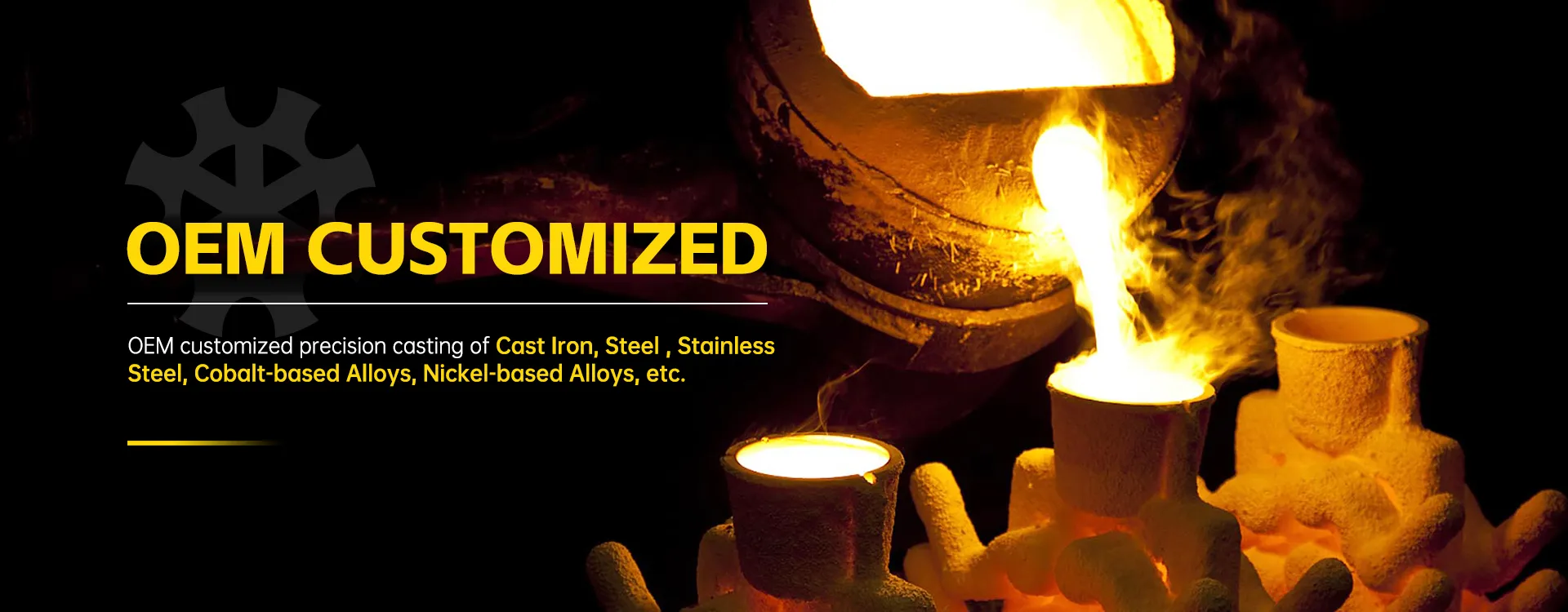
Then there's climate. Running a high precision machining cell is like running a metrology lab. We maintain a controlled environment, ±2°F if we can help it. Aluminum and steel expand and contract more than you'd think over a day. If you start a job in the morning when it's 68°F and finish a critical dimension at noon when it's 74°F near the window, you've lost your precision. For our investment casting prototypes that need final machining, this is non-negotiable. The part has already gone through the wax, shell, and pour process; screwing it up in the final CNC stage because of temperature is a gut punch.
And tooling. This is where the feel comes in. You can have the best Swiss-made spindle, but if you're using a generic end mill from a bulk bin, forget it. We source specific, coated tools for different materials. Machining a nickel-based alloy like Inconel is a different beast compared to carbon steel. The tool geometry, the coating (AlTiN vs. TiAlN), the flute count—it all matters for heat dissipation and chip evacuation. A worn tool doesn't just produce a bad finish; it applies more heat and pressure, warping the part microscopically. You might still be in tolerance, but the residual stress will bite you later during assembly. We learned this the hard way on a batch of cobalt-chrome medical implant fixtures.
Material Memory and the Machining Dance
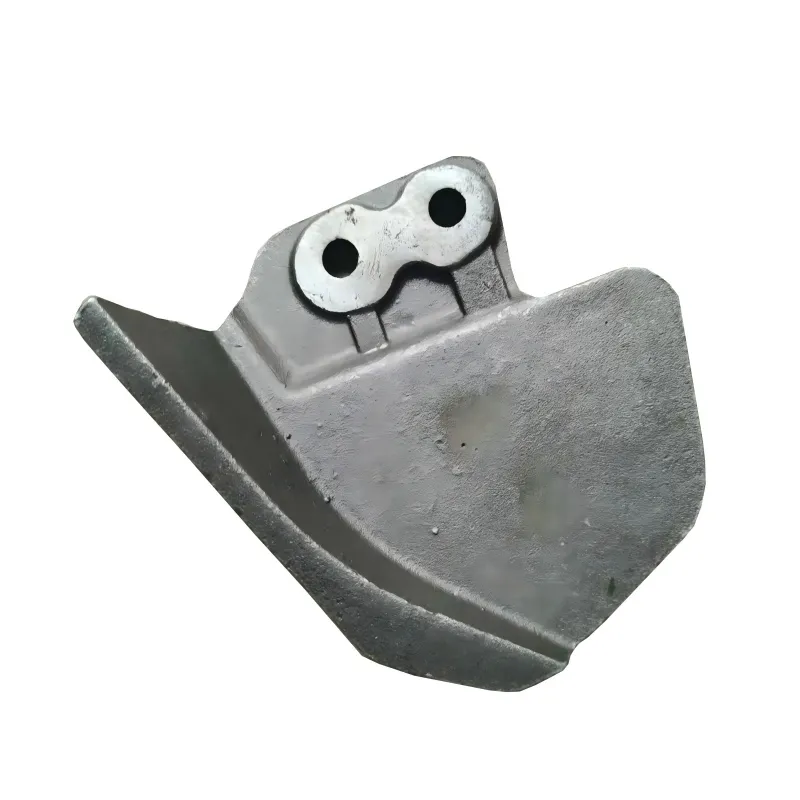
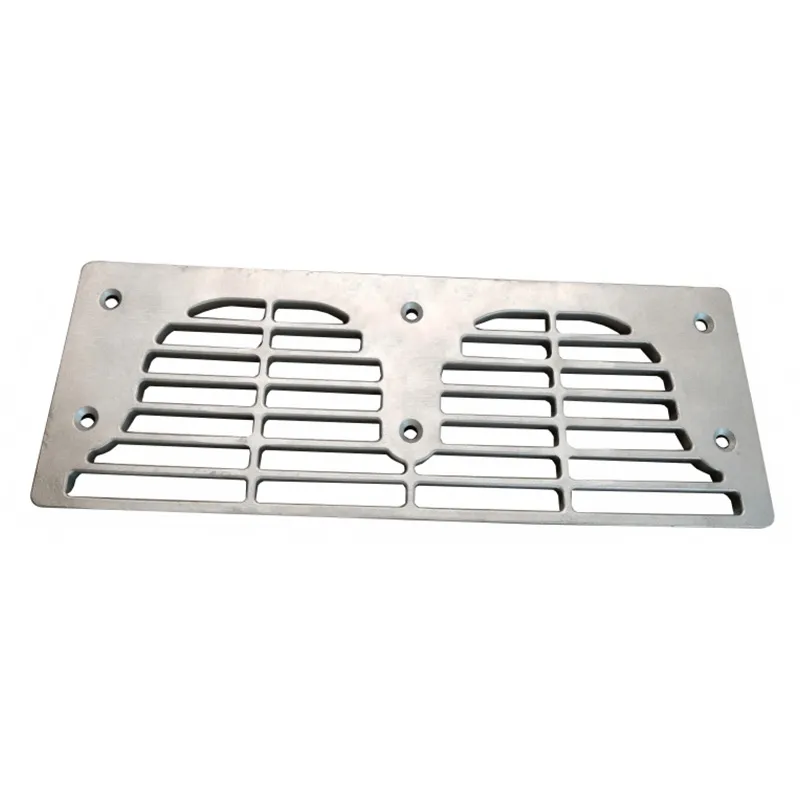
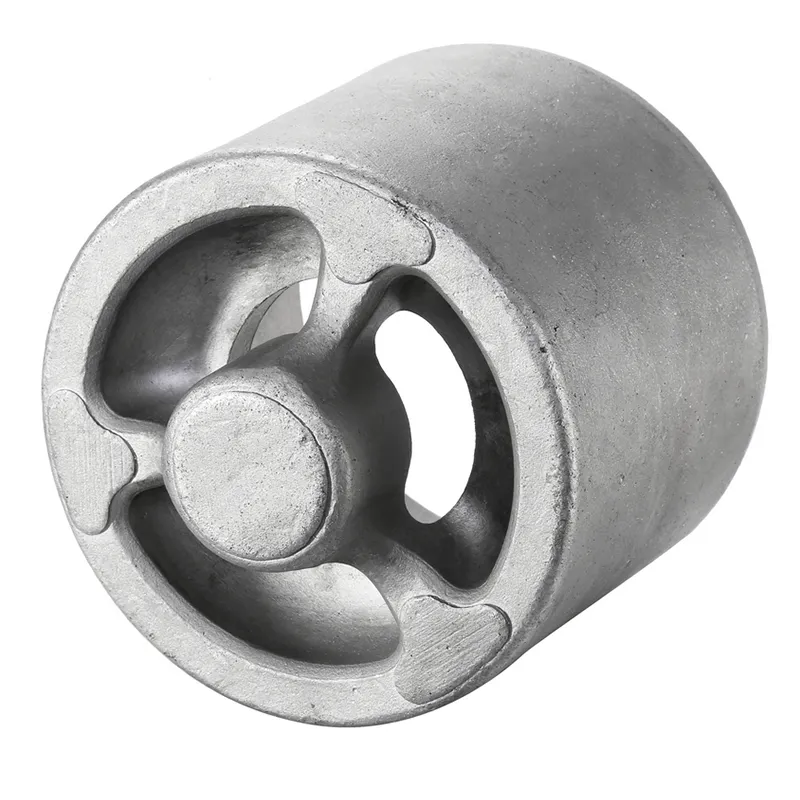
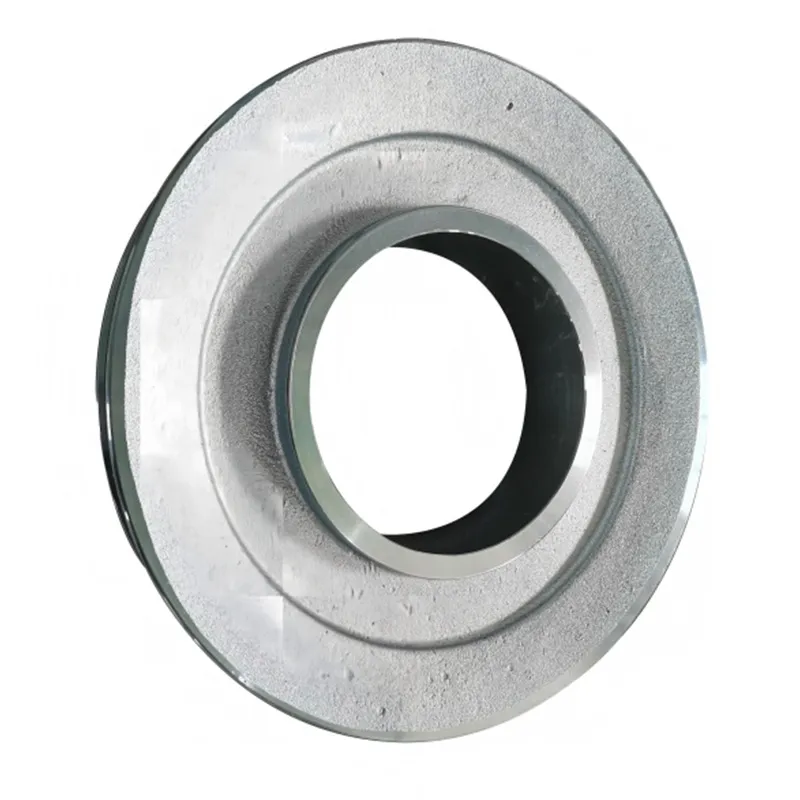
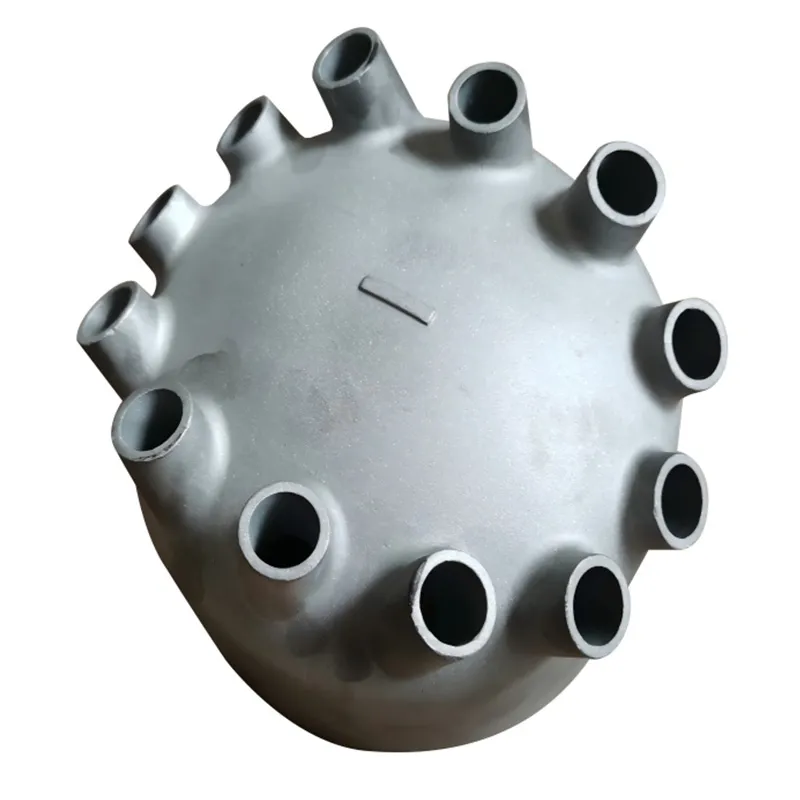
This is a nuance that separates part-makers from precision engineers. Materials have memory. Castings, our bread and butter at Qingdao Qiangsenyuan Technology Co., Ltd. (QSY), are prime examples. A shell mold casting or investment casting comes to the CNC department with inherent, locked-in stress from the cooling process. If you just clamp it down and start hogging out material aggressively, you're releasing that stress unevenly. The part will move, sometimes dramatically, right on the table.
The procedure we've developed, after a few failed batches early on, is a dance of light passes and strategic sequencing. We might take a casting, perform a roughing op to get within 0.050, then unclamp it, stress-relieve it in an oven, and then re-fixture it for semi-finishing. Only after that do we go for the final, high precision machining passes. It adds steps, it adds time, but it's the only way to guarantee stability. This is especially critical for thin-walled sections common in aerospace components we sometimes handle. The classic mistake is to chase perfection in one setup; sometimes, you have to let the part settle between acts.
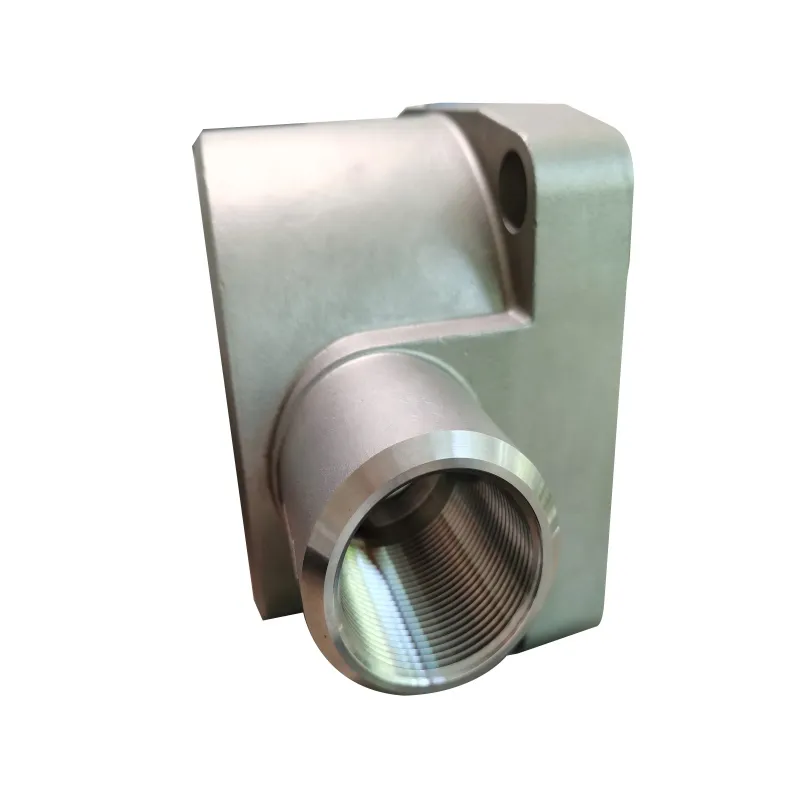
Fixturing is its own art form. For a complex, asymmetrical investment-cast part, designing a fixture that provides rigid support without inducing clamping distortion is a puzzle. We often use modular fixture systems and soft jaws machined in-situ—meaning we machine the jaw profiles on the same machine that will do the part, guaranteeing perfect conformity. It's a time investment upfront that pays off across the whole production run. I recall a project for a marine pump housing in duplex stainless steel where the initial fixture design caused a 0.0015 bow. It was only visible on the CMM after the fact. We redesigned to support the internal webbing during machining, which solved it. The blueprint didn't mention that; experience did.
The Metrology Feedback Loop
You can't control what you can't measure, but you also can't let measurement paralyze you. The goal isn't to measure every single feature on every single part—that's not sustainable. The goal is to establish a reliable feedback loop between the machine and the measuring device. Our CMM and laser scanners aren't just for final inspection; they're process development tools.
When we get a new part family, say a new series of stainless steel valve bodies for a client, we'll run a first-article process that's heavily instrumented. Machine five parts. After every major operation, measure them. Not just the critical dimensions, but also look for patterns—are all parts drifting in Z-axis by a consistent amount? Is there a taper in a bore that suggests tool deflection? That data goes right back to the CNC programmer. We might adjust a tool offset, change the order of operations, or add a spring pass. This loop turns the machine from a blind executor into a learning system. The CNC machining process becomes stable and predictable.
But there's a trap here: over-reliance on digital readouts. Sometimes, the feel matters. An experienced machinist running a finishing pass on a titanium alloy can hear the difference between a smooth cut and one that's starting to chatter. He can see the chip color and form. That tactile feedback is immediate. Waiting for the CMM report two hours later is too late. So we balance. The machine operator has a set of calibrated micrometers and bore gages at his station for in-process checks on key dimensions. It's that blend of digital precision and analog intuition that keeps quality high and scrap low.
When Precision Meets Legacy Processes
Our company's history, over 30 years in casting and machining, presents a unique challenge and advantage. The challenge is integrating modern high precision machining expectations with legacy foundry processes. An investment casting might be beautiful, but its datum surfaces might not be perfectly suited for a CNC vacuum chuck. We've had to work backwards sometimes, collaborating with our own foundry team to modify the casting design slightly—adding a small tooling lug, flattening a surface just enough for clamping—to make it machinable to modern tolerances. It's a internal dialogue between the art of casting and the science of machining.
The advantage, however, is profound material knowledge. When a client sends us a drawing for a part in Monel or Hastelloy, we're not just reading a material spec sheet. Our foundry has been pouring these special alloys for decades. We know how they behave during solidification, where porosity might hide, how they react to heat. This informs our machining strategy immediately. We know Hastelloy work-hardens like crazy, so we'll plan for sharp tools, constant engagement, and never letting the tool rub. That kind of insight isn't in a standard machining handbook; it's institutional memory. It lets us quote and execute on complex jobs that a pure machine shop might shy away from.
This synergy is what we leverage at QSY. A customer can come with a concept, and we can guide it through material selection (from cast iron to nickel-based alloys), into the appropriate casting process (shell mold for larger runs, investment for complex shapes), and finally through a CNC machining process designed for that specific material and geometry. The precision isn't an afterthought; it's designed into the manufacturing chain from the start. That's the real meaning of high precision machining in an integrated manufacturing context. It's not a department; it's a philosophy that runs from the initial mold to the final deburring.
The Real Cost of High Precision
Finally, a blunt truth. High precision is expensive, and it should be. It's expensive in capital (machines, climate control, metrology), in consumables (specialized tooling, high-quality coolant), and most of all, in time and expertise. The cycle time for a precision part is always longer. There are more setups, more checks, slower feeds and speeds to maintain surface integrity and dimensional stability.
We get inquiries all the time where the buyer wants aerospace-grade tolerances at commodity prices. It's a mismatch. Our website, tsingtaocnc.com, lays out our capabilities clearly, but the conversation that follows is about education. We explain why holding a 0.0002 true position on three intersecting bores in a 17-4 PH stainless steel casting requires specific steps and, therefore, specific costs. Sometimes, we even advise a client to relax a tolerance if it's not functionally critical—it can save them 30% on the part cost. Being a partner means sometimes telling them what they don't need, which builds more trust than promising the impossible.
In the end, high precision machining is a commitment. It's a commitment to controlling variables everyone else ignores, to investing in knowledge as much as in hardware, and to understanding that the perfect number on a screen is the result of a hundred imperfect, human decisions made on the shop floor. It's messy, iterative, and deeply satisfying when it all comes together. That's what you're really paying for.