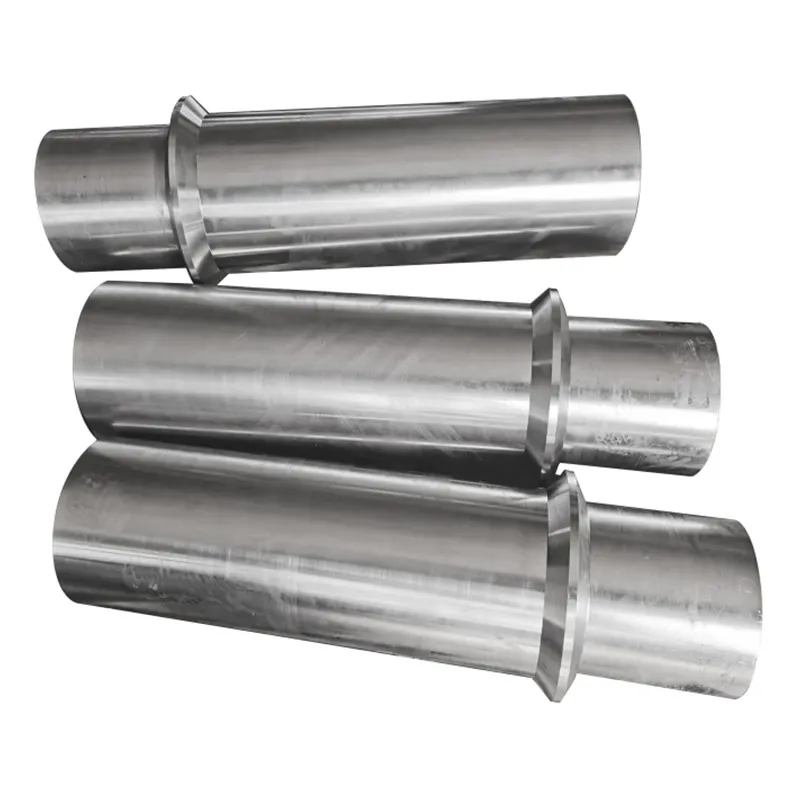
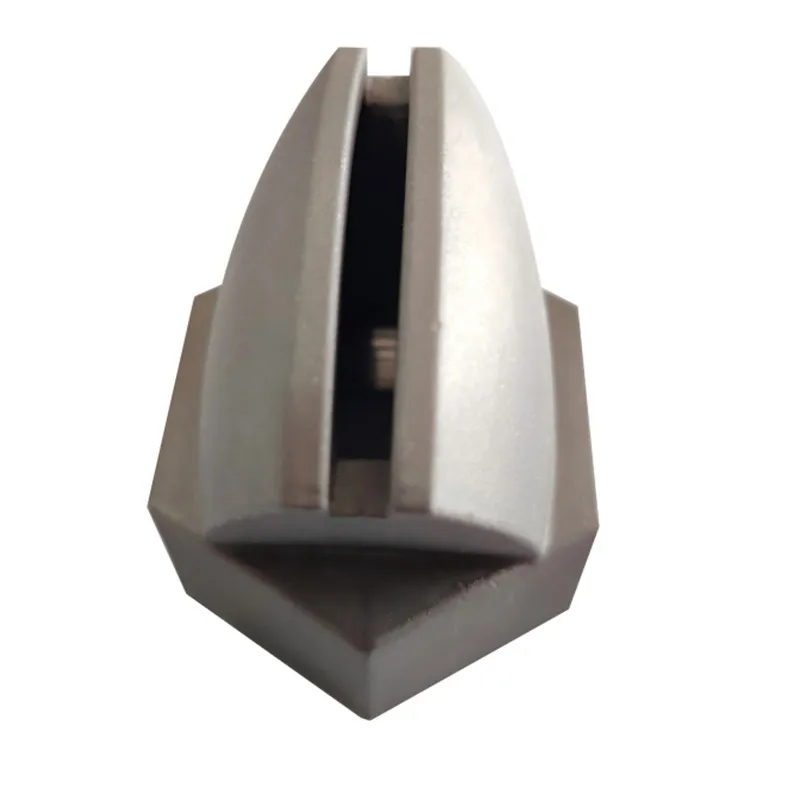
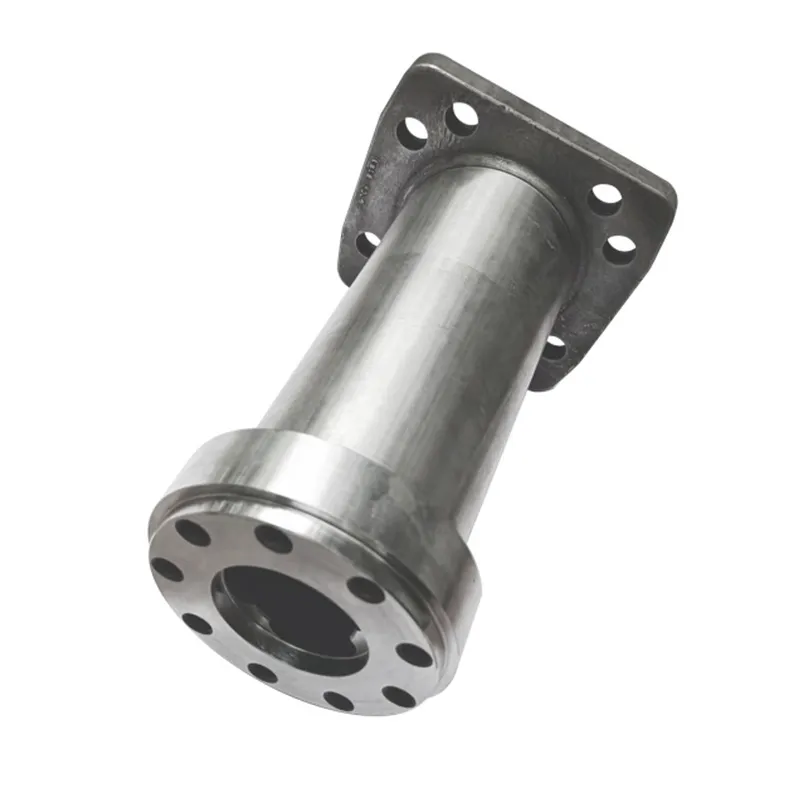
When you hear 'high precision machining company,' most people picture a clean room full of Swiss-made machines humming away. That's part of it, sure, but it's maybe 30% of the picture. The real weight is in the other 70%—the decades of material knowledge, the obsessive process control, and frankly, the accumulated scars from jobs where 'precision' was the difference between a perfect part and a very expensive paperweight. It's not just about having a CNC machine; it's about knowing what happens to a nickel-based alloy at a specific feed rate when you're holding a ±0.005mm tolerance, and having the guts to make that call on the shop floor.
The Foundation Isn't the Machine, It's the Casting
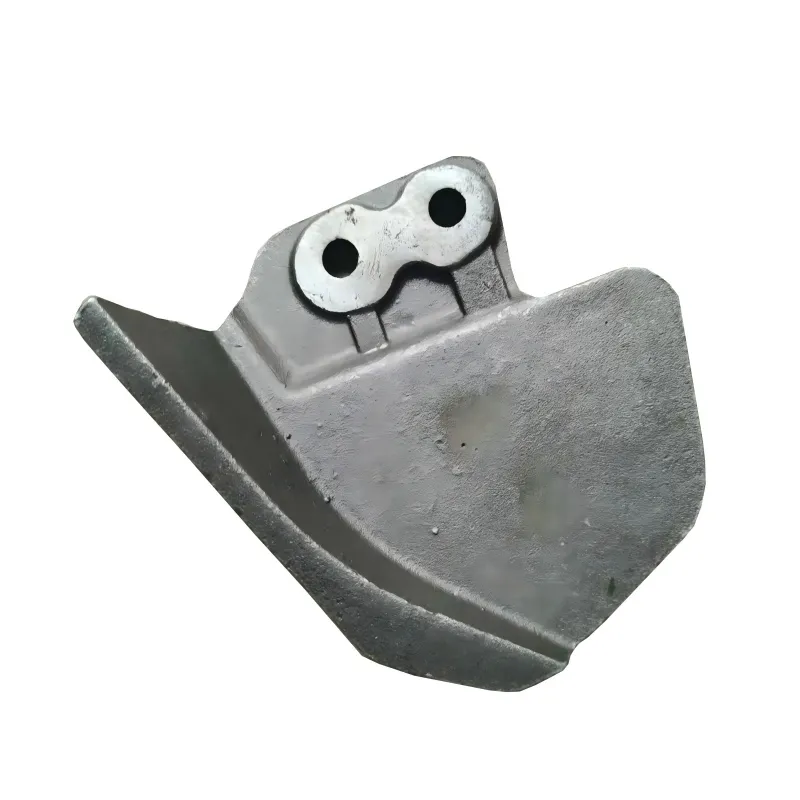
This is where a lot of newcomers get tripped up. They think precision starts at the CNC stage. It doesn't. It starts much earlier, at the foundry. If your raw casting is inconsistent in density or has internal stresses, even the best 5-axis mill is just polishing a turd. You'll chase tolerances all day and never hit them. I learned this the hard way early on, sourcing castings purely on price. We'd get a batch of 4140 steel parts that looked fine, but during machining, tools would wear unpredictably, or dimensions would shift after we took the part off the vise. The problem wasn't our programming; it was the inconsistent microstructure of the casting.
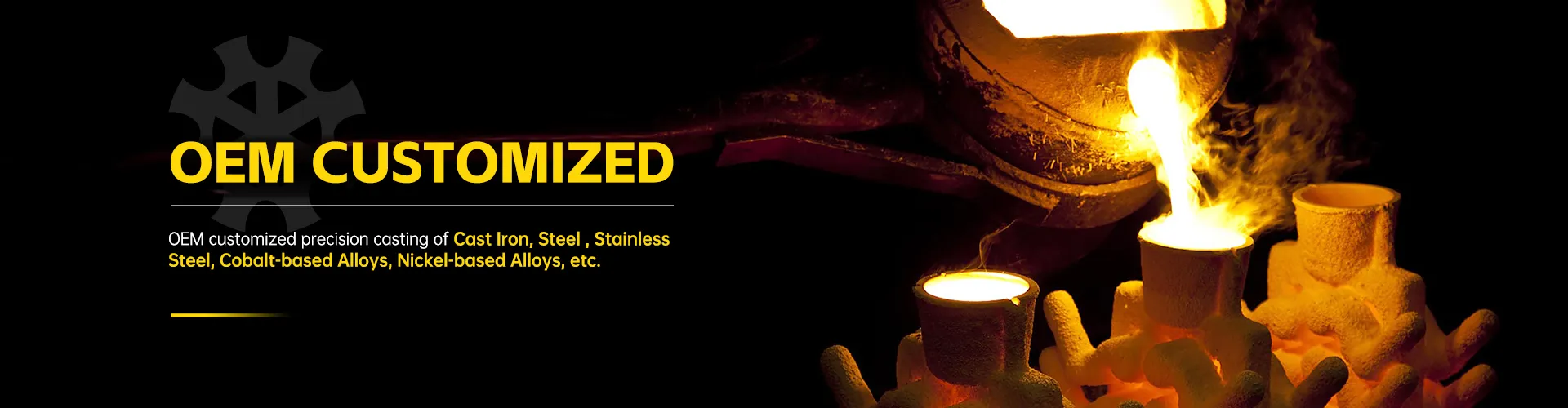
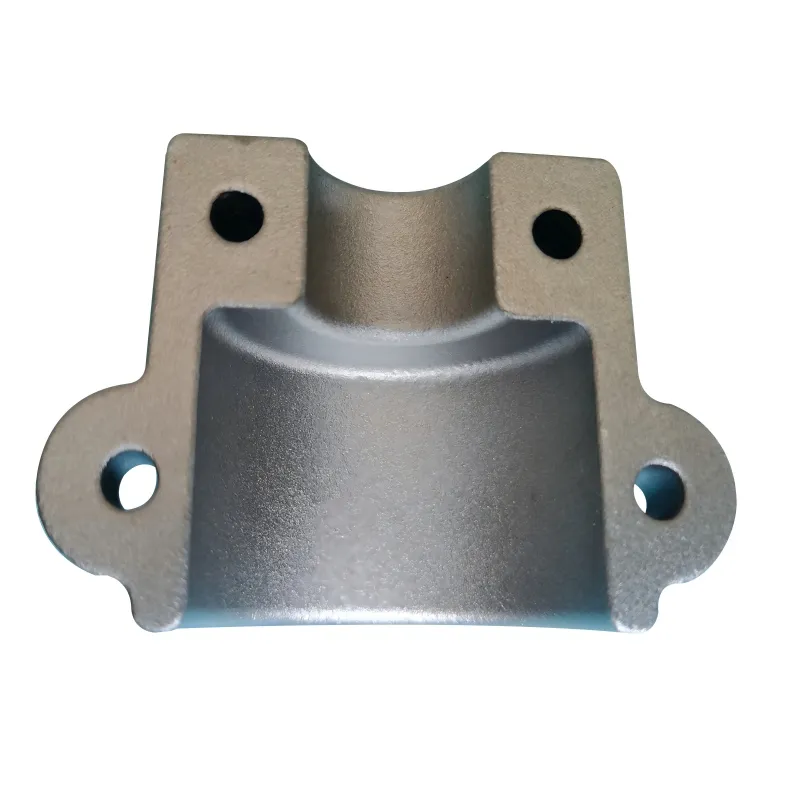
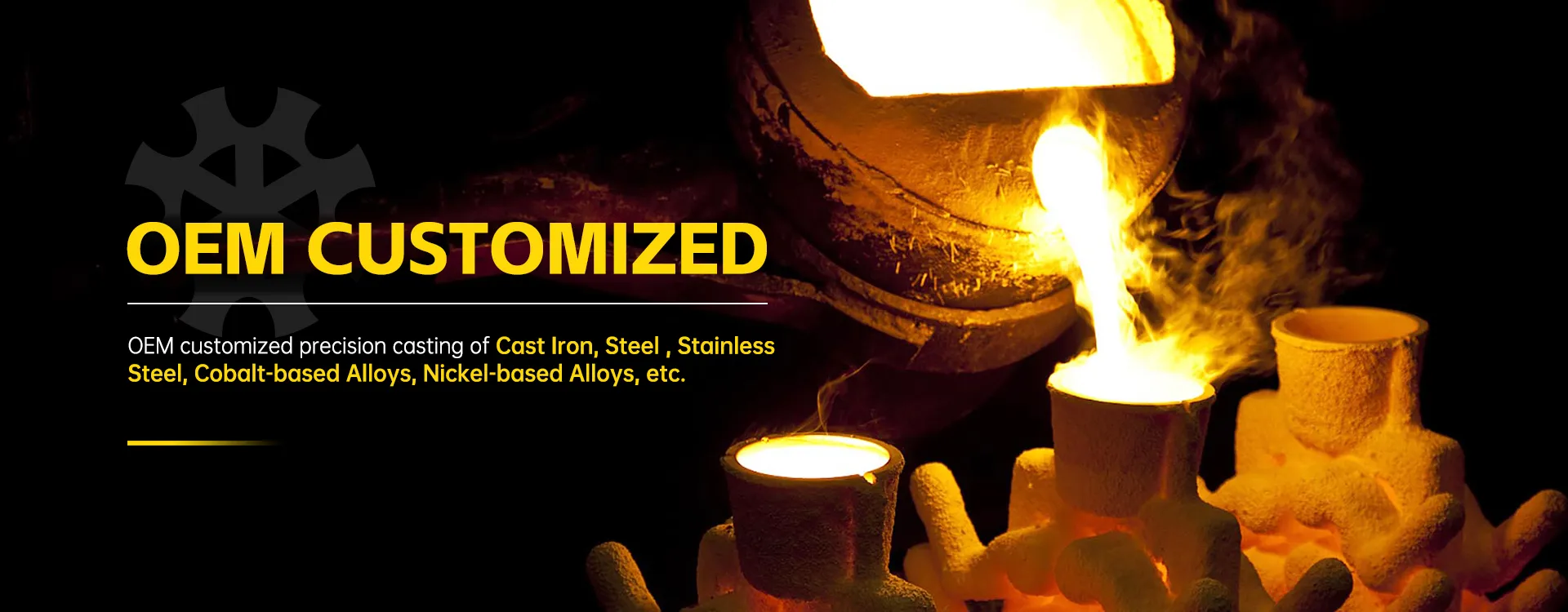
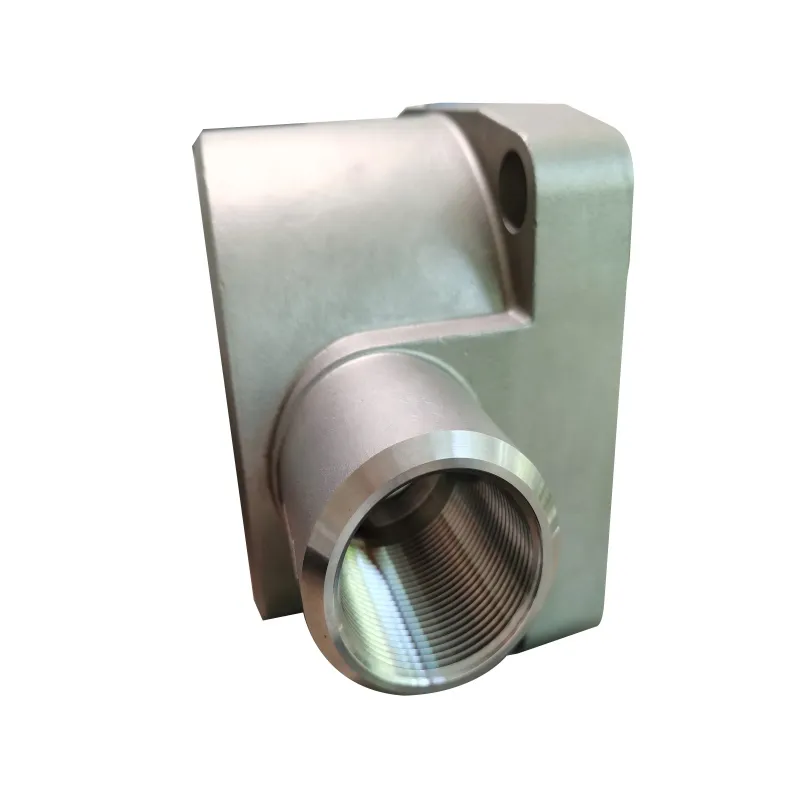
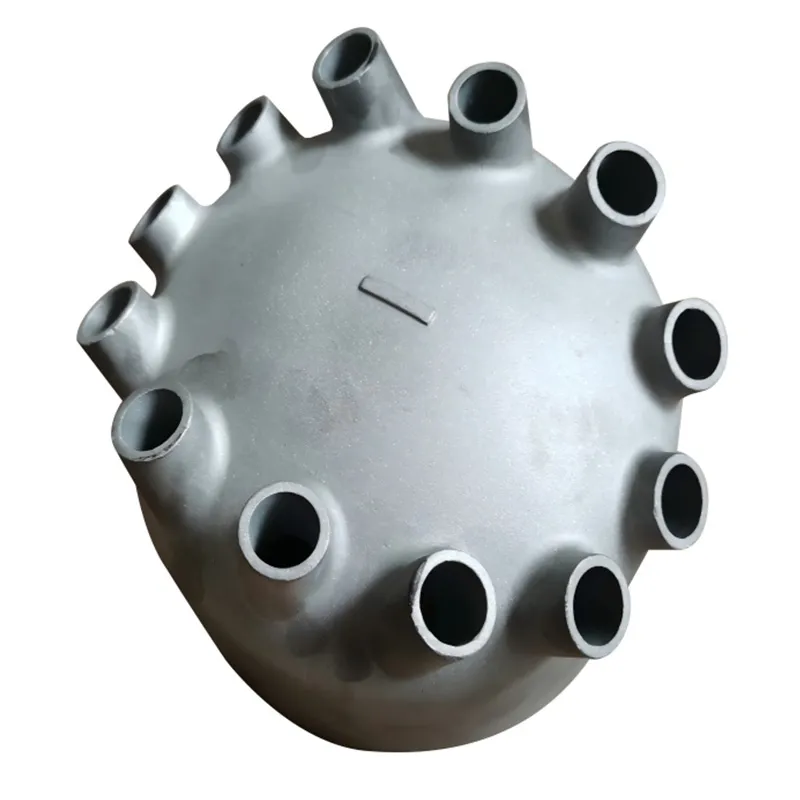
That's why a company's history in casting is non-negotiable for true high-precision work. Look at Qingdao Qiangsenyuan Technology Co., Ltd. (QSY). They've been in casting and machining for over 30 years. That's not just a number on a website. It means they've seen how a shell mold for a stainless steel valve body behaves differently in summer humidity versus winter dryness. That foundational knowledge in processes like shell mold casting and investment casting is what allows a high precision machining company to control variables from the very first step. They're not just machining a block of metal; they're machining a block of metal they understand intimately because they likely poured it.
For instance, with investment casting for complex, near-net-shape parts, the precision of the initial wax pattern and the ceramic shell directly impacts how much material we need to remove later. If the casting is wildly oversized, you're introducing more heat and stress during CNC machining, which can warp the final part. QSY's integrated approach—controlling both the casting and the machining—mitigates this. They can design the casting with the machining process in mind, leaving just the right amount of stock in critical areas. It sounds simple, but it requires a dialogue between the foundry floor and the machining center that rarely exists in outsourced scenarios.
The Material Maze: Where Theory Meets the Toolpath
Anyone can list stainless steel, special alloys on a website. The devil is in the details. Machining 316L stainless for a marine application is one thing. Machining a cobalt-based alloy for a wear-resistant seal in a high-temperature reactor is a completely different beast. The latter isn't just about slower speeds and feeds; it's about tool geometry, coolant pressure and type (sometimes high-pressure through-tool isn't enough, you need a specific oil-based emulsion), and even the order of operations to manage residual stress.
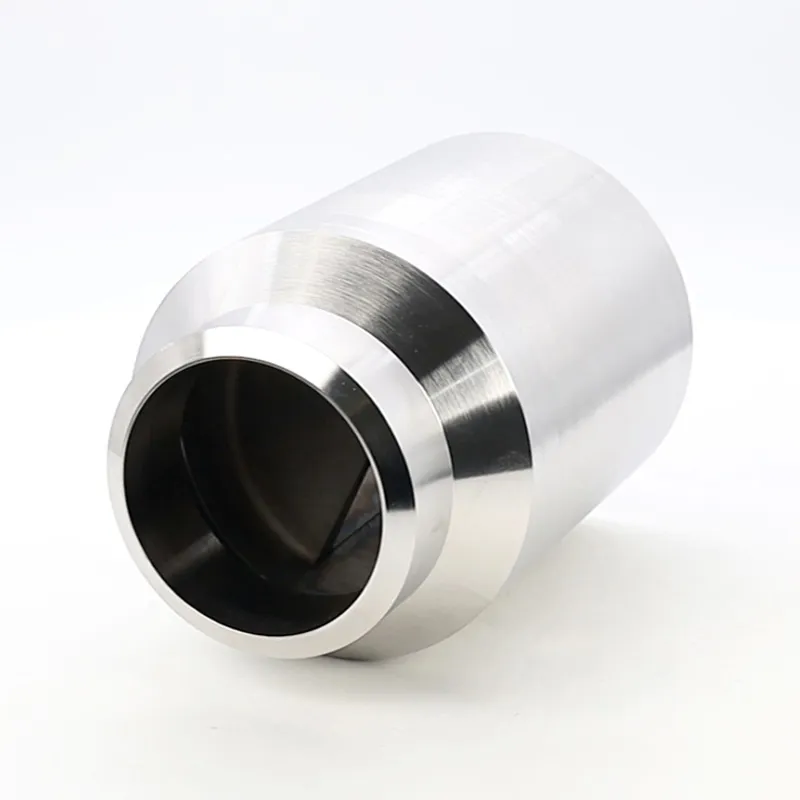
We once had a project involving a nickel-based alloy component. The specs called for a mirror finish on an internal bore. Our standard carbide tools, which worked fine on tool steel, chattered and failed within minutes. We went through a phase of testing different tool coatings—AlTiN, AlCrN, you name it. The breakthrough came not from a fancier tool, but from revisiting the rigidity of the entire setup. We had to design a custom mandrel to support the part from the inside during boring, something a generic machine shop wouldn't have the bandwidth or insight to do. This is the kind of problem-solving that defines a true high precision machining company. It's materials science meeting practical shop-floor innovation.
This is where a company's material specialization matters. When I see that QSY explicitly calls out cobalt-based alloys and nickel-based alloys, it signals a level of commitment. These aren't materials you dabble in. They require dedicated tooling strategies, and more importantly, they attract clients with needs complex enough that they seek out this specific expertise. You're not competing on price for these jobs; you're competing on proven capability and risk mitigation.
Precision is a Process, Not a Moment
The biggest misconception is that precision is achieved at the final measurement. In reality, it's a chain of processes, each link needing to be robust. It starts with the initial casting quality (as mentioned), then moves to fixturing. How you hold the part is everything. For a complex turbine blade, designing a fixture that locates off datums that will be machined later, without introducing distortion, is an art form. We've wasted days trying to machine a feature to tenths, only to find the part sprung out of tolerance once released from the hydraulic vise. The solution was a modular fixture that allowed us to machine critical datums in the first op, then re-fixture using those same datums for subsequent ops.
Temperature control in the shop is another silent killer. A 5-degree Celsius shift can expand a 500mm steel part by several microns. For most jobs, it's negligible. For true high-precision work, it's the difference between pass and fail. It's not always about having a full climate-controlled room (though that helps), but about understanding thermal drift in your machines and letting parts normalize to shop temperature before final cuts. This is the unsexy, procedural discipline that separates the pros from the hobbyists.
This process mindset is what allows a company to offer a full service like QSY does. From the casting design (shell mold vs. investment casting selection based on part geometry and volume) all the way to the final CNC machining and inspection, having one entity oversee the chain reduces the blame game and ensures accountability for the final tolerance stack-up. You can't blame the foundry if you're the foundry.
When Good Enough Isn't: A Case in Point
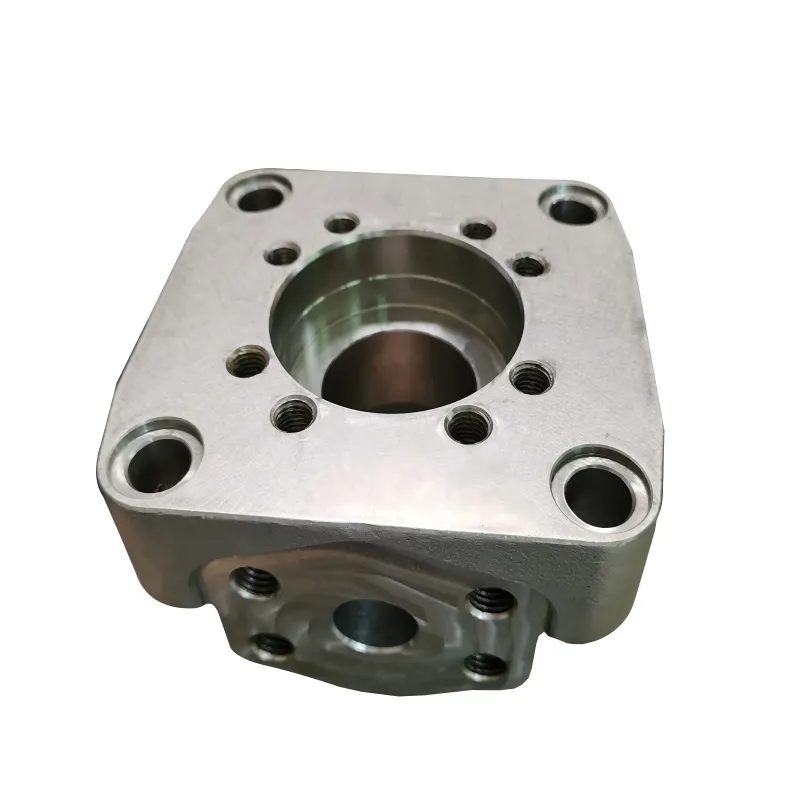
Let me give you a concrete example, stripped of marketing fluff. A client needed a series of manifolds for a test rig handling corrosive fluids. The material was a duplex stainless steel, and the flatness and bore perpendicularity specs were extremely tight. The first batch from another supplier failed in assembly—the bolt holes didn't align because of warpage. The issue? Likely a combination of stress relief in the raw casting and thermal effects during machining.
When we (or a company with a similar integrated model) approached it, the process was different. First, the casting process was optimized for minimal residual stress. Then, before any finish machining, the rough castings underwent a stabilization anneal. During CNC machining on their CNC machining centers, operations were sequenced to balance internal stresses—roughing all over, then semi-finishing, then a stress relief, then final finishing. Fixturing used soft jaws machined in-situ for perfect conformity. The result was a part that not only met print but held its geometry in service. This holistic approach is the core product of a seasoned high precision machining company. The machine tool is just the final instrument in a long orchestra.
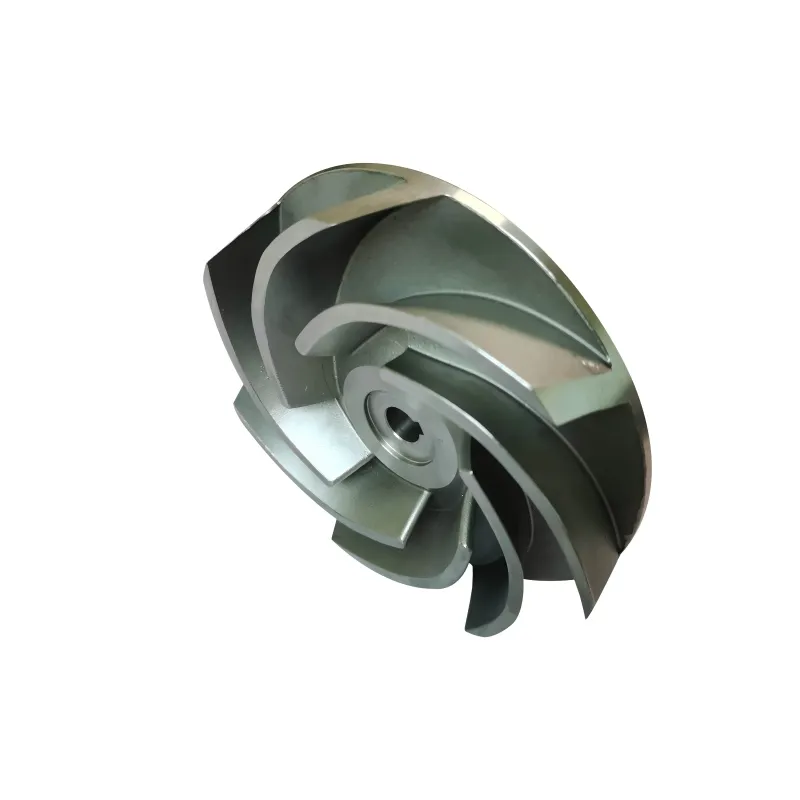
You can see this capability reflected in the portfolio of a firm like QSY (https://www.tsingtaocnc.com). Their long tenure suggests they've navigated these precise challenges across industries. It's not about listing every ISO standard; it's about the implicit understanding that for a high-pressure valve body or a pump component in a special alloy, every step from melt to measurement is critical.
The Real Metric: Consistency Over Time
Finally, the true test of a high precision machining company isn't a one-off miracle part. It's the ability to produce lot number 100 with the same exacting standards as lot number 1, two years later. This comes down to systems: rigorous first-article inspection, statistical process control for critical dimensions, and meticulous tool life management. It's boring work. It's logging data, watching for trends, and replacing a tool before it wears, not after it breaks.
This consistency is what builds trust with clients in aerospace, energy, and medical fields. They need to know that the drawing is a contract, and the supplier's process is the guarantee. When a company's website, like QSY's, calmly states 30 years of operation, it's quietly signaling this capability for long-term consistency. They've survived because they've mastered the unglamorous discipline of repeatability.
So, when you're evaluating a partner, look beyond the machine list. Ask about their material genealogy. Inquire about their fixturing philosophy for thin-walled parts. Discuss how they manage thermal effects. Their answers—or the lack thereof—will tell you far more about their capacity as a genuine high precision machining company than any glossy brochure ever could. The craft is in the details, and the details are born from experience, often messy and hard-won.