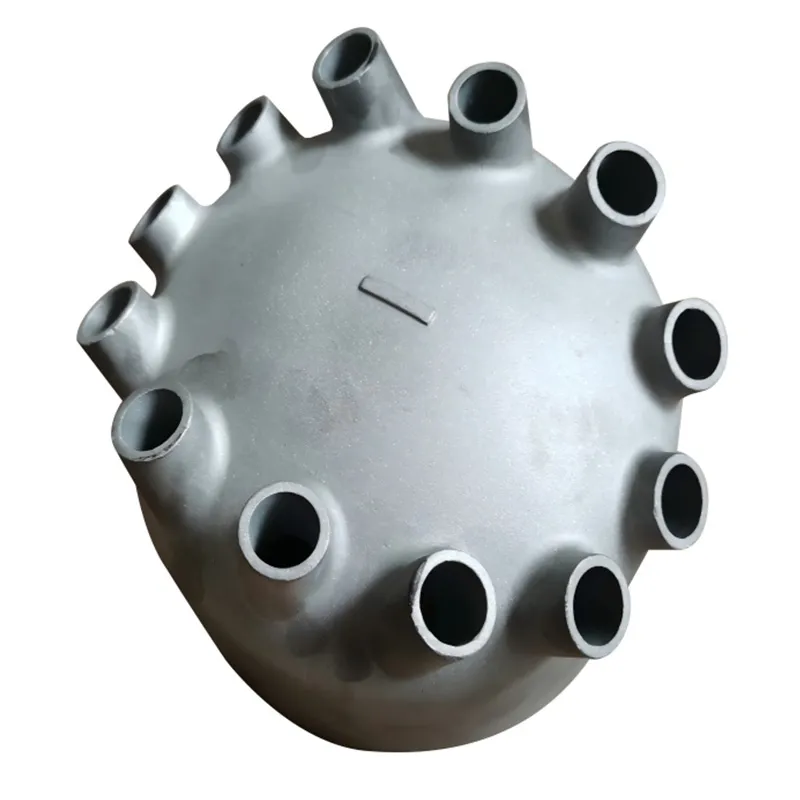
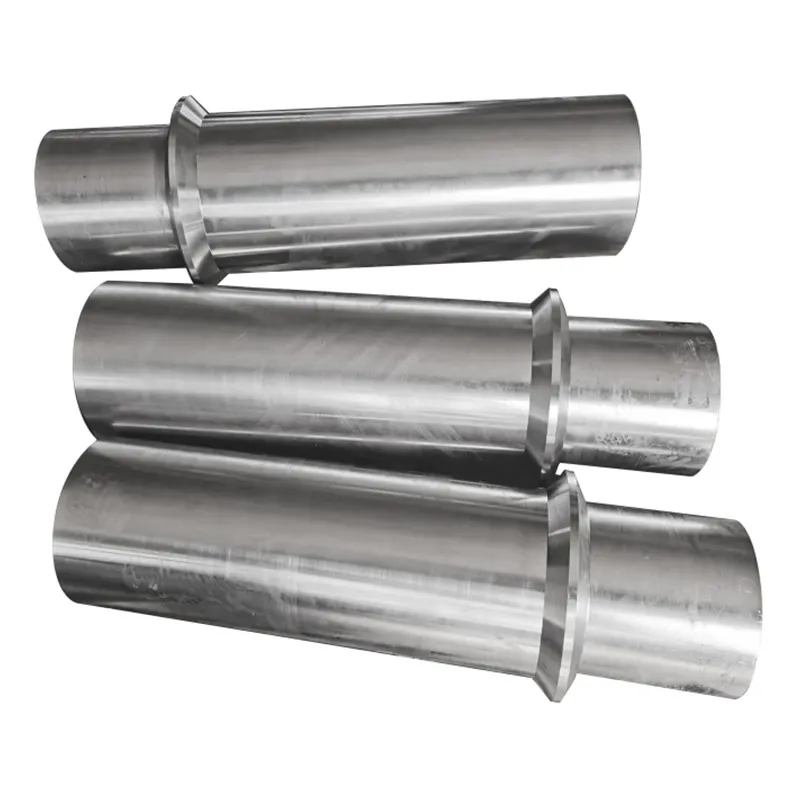
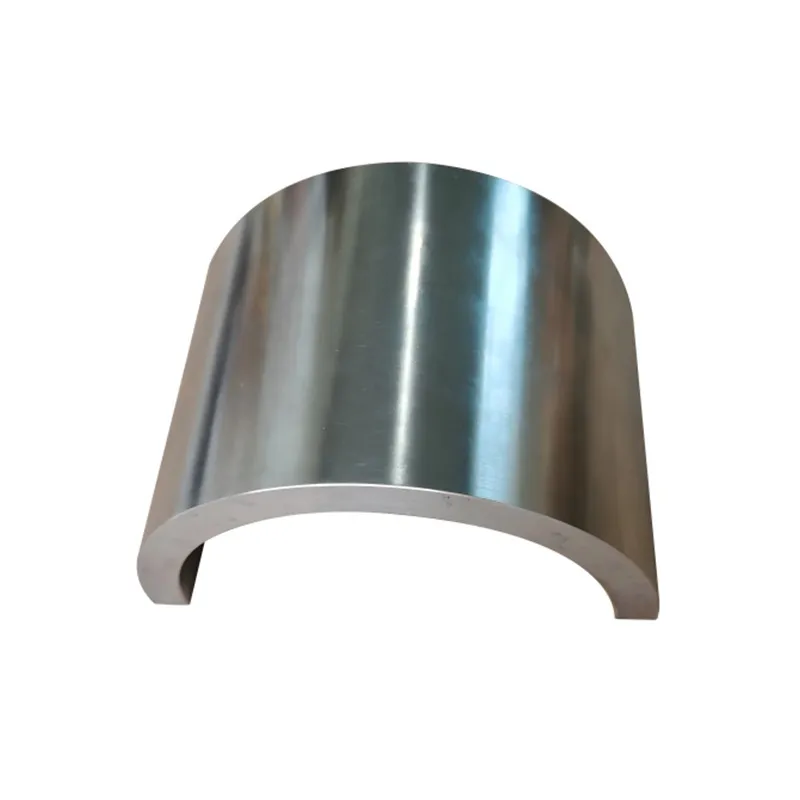
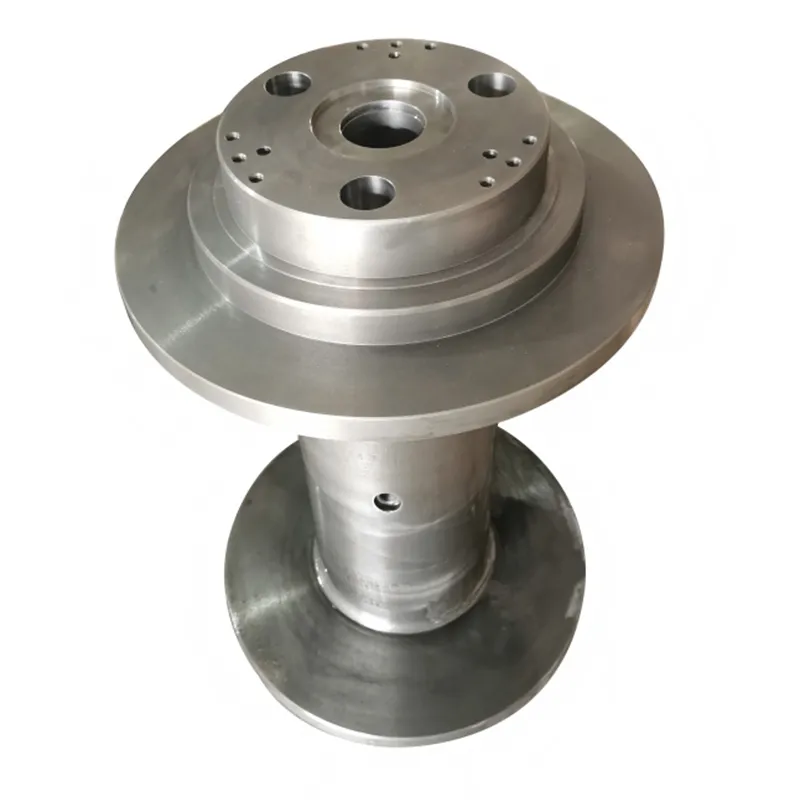
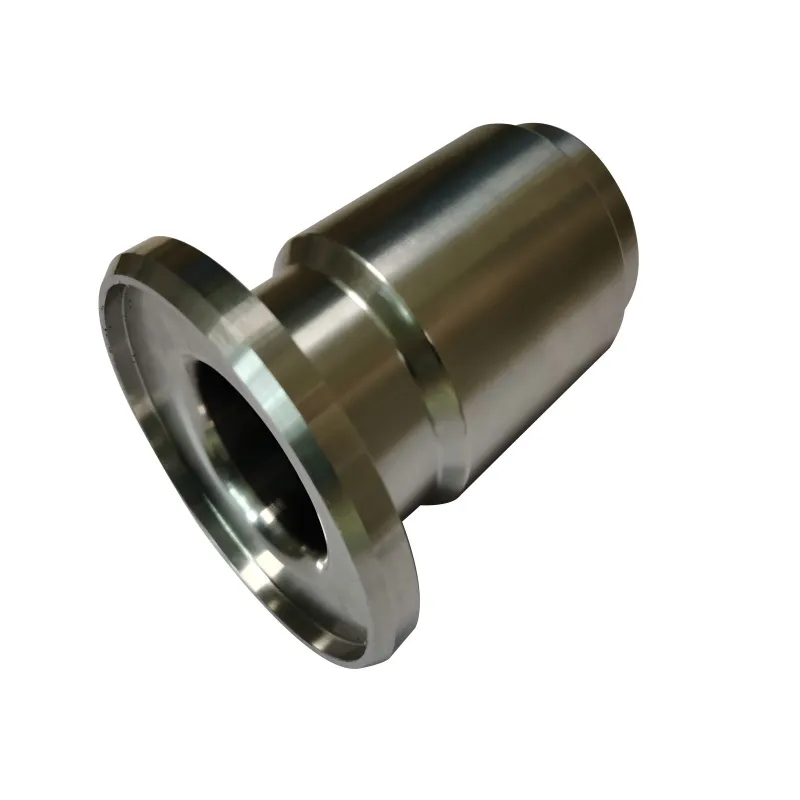
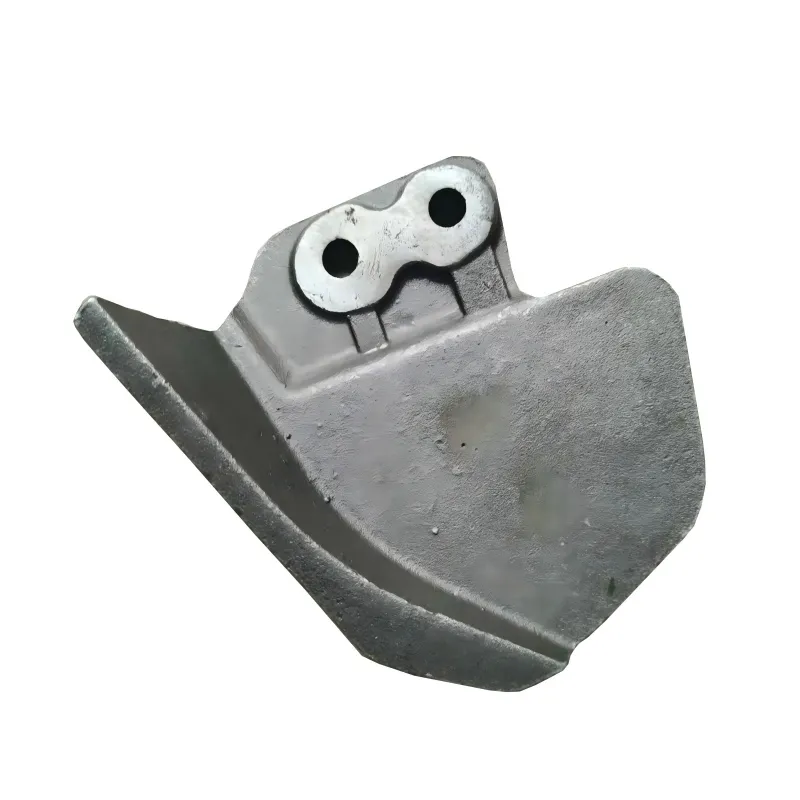
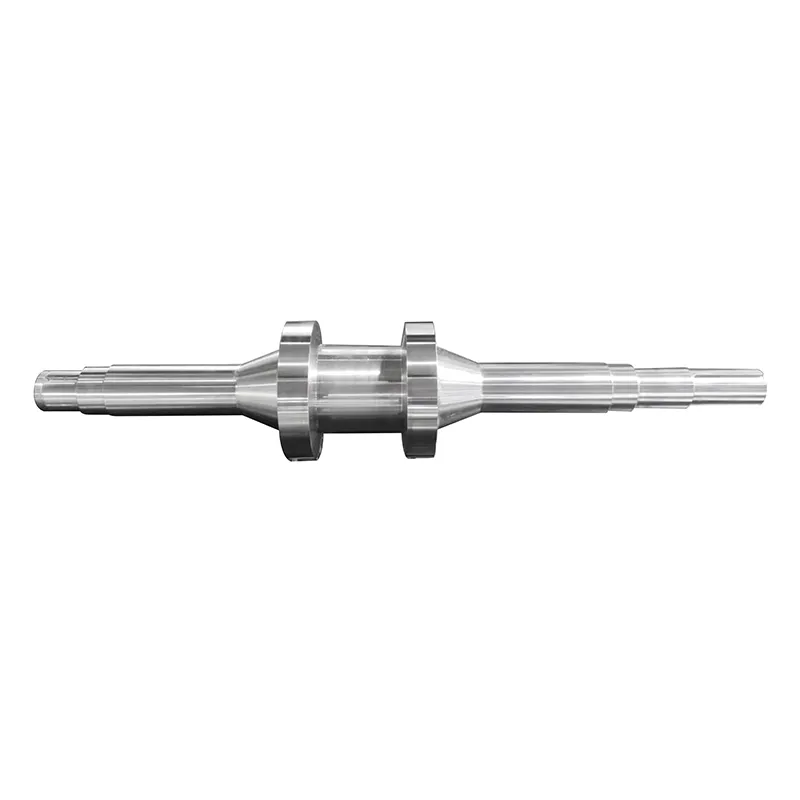
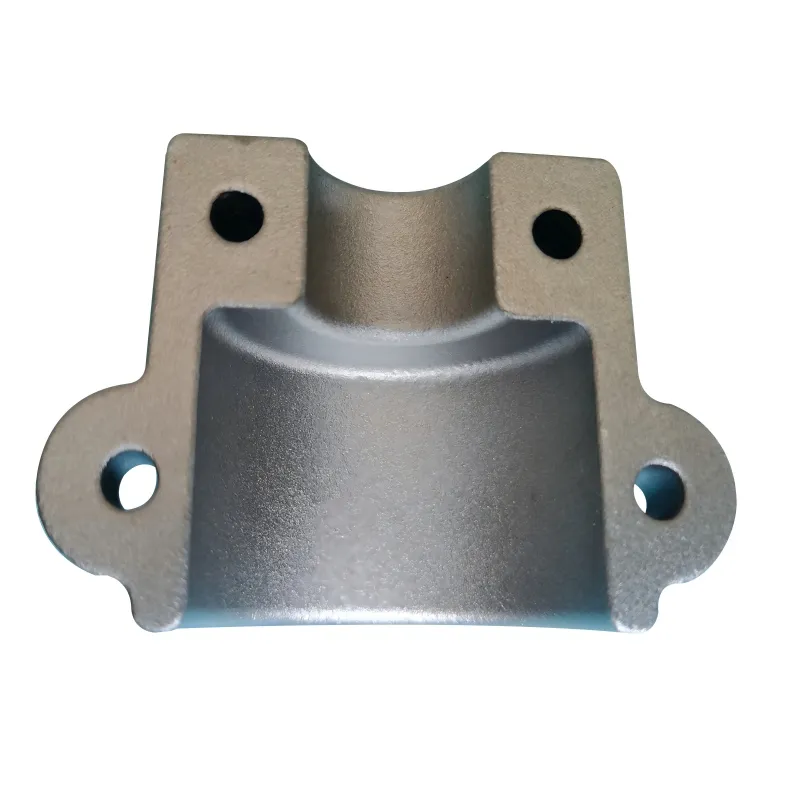
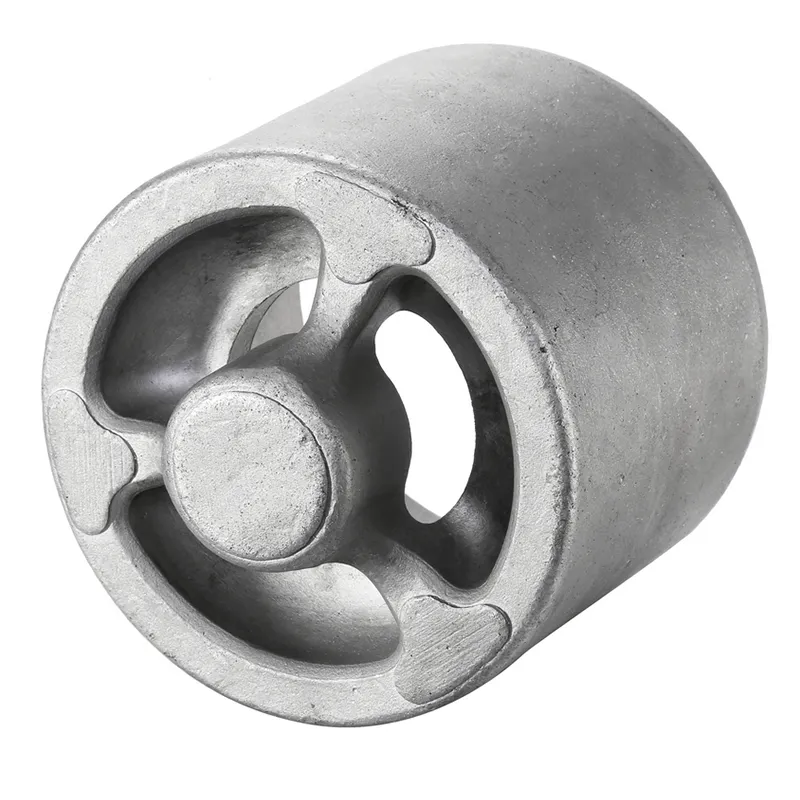
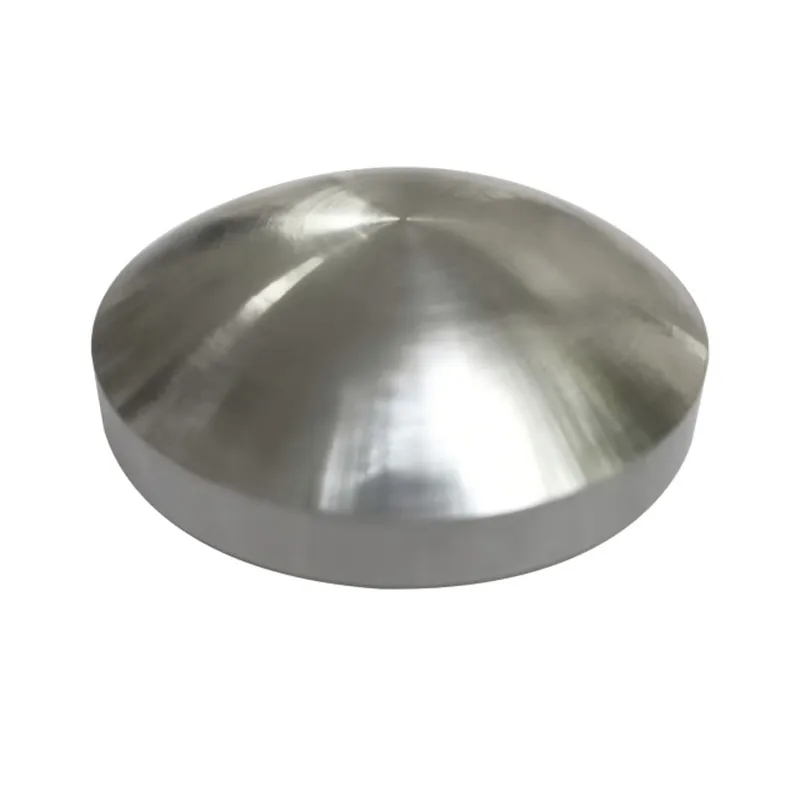
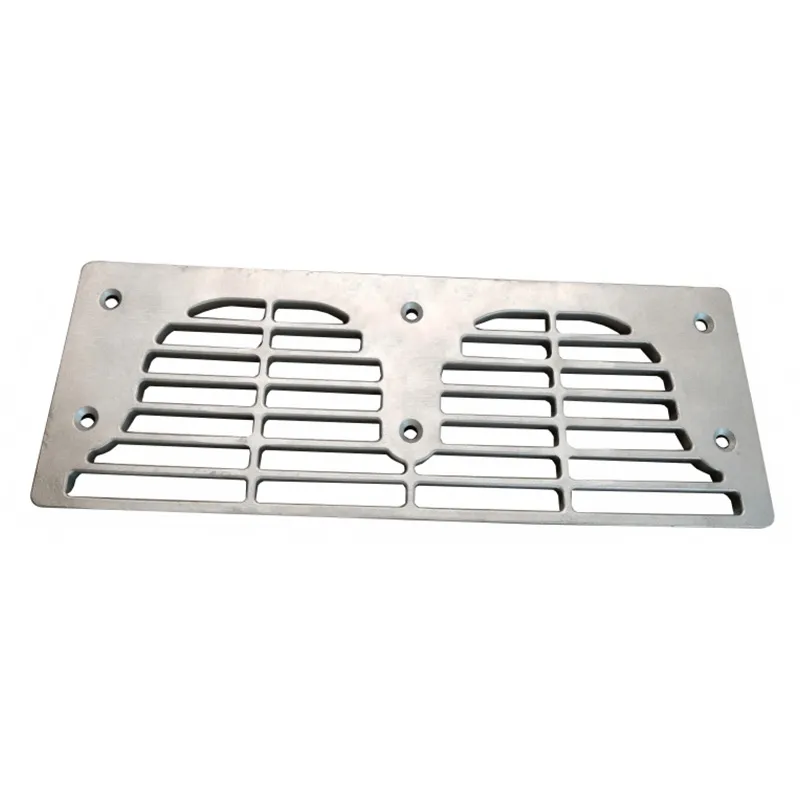
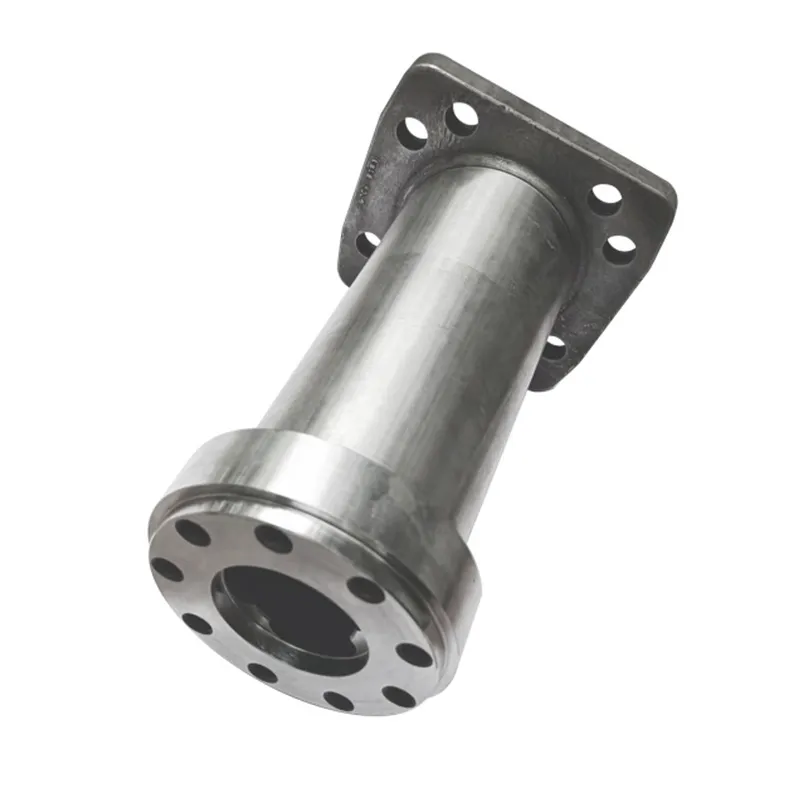
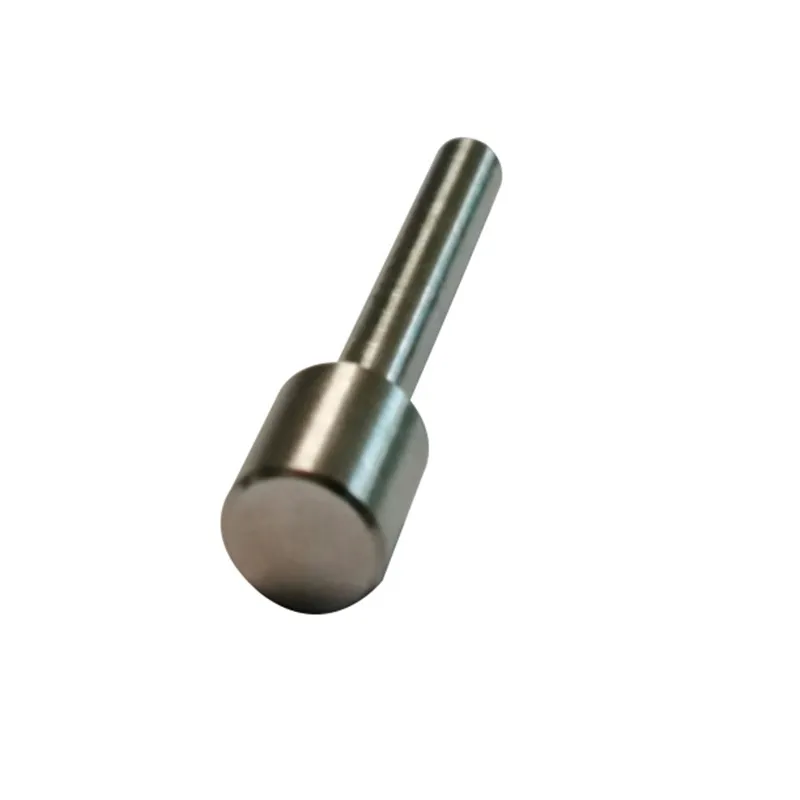
When you hear 'high precision magnesium alloy die casting', the immediate image is often a flawless, thin-walled, complex part straight out of the die, ready for assembly. That's the marketing ideal. The reality, the one we grapple with daily, is that achieving true high precision in Mg alloys is less about the alloy itself and more about controlling everything that happens before the metal even touches the die cavity. It's a system, not a single process. Many clients come in thinking the magic is in the magnesium alloy formula—AZ91D vs. AM60B—and while that matters, I'd argue the gate design, thermal management of the die, and the shot profile parameters often make or break the tolerance stack before we even talk about secondary CNC machining.
The Foundation: Why Magnesium, and Why It's Tricky
We work with a lot of materials at QSY—stainless, nickel-based alloys for extreme environments—but magnesium alloy die casting occupies a unique niche. The appeal is obvious: incredible strength-to-weight, good damping, excellent machinability. But its reputation for being 'easy' to cast is misleading. Yes, it flows like water compared to aluminum, filling thin sections beautifully. That's the upside. The downside is that same fluidity makes it prone to turbulent filling if the shot system isn't perfectly tuned, leading to air entrapment and porosity exactly where you don't want it—in areas slated for high precision machining later. You can't machine into a pore.
I recall a project for a sensor housing a few years back. The part had a 0.05mm tolerance on a critical bore. We used a premium alloy, but the first shots failed inspection. The issue wasn't the alloy purity; it was die temperature inconsistency. One half of the die was running 30°C cooler than the other, causing uneven solidification and warpage that killed the precision. We had to retrofit additional cooling lines and go with a pulsed cooling regime. That's the kind of hands-on tuning the term 'high precision' silently demands.
This is where our background in shell mold casting and investment casting for other metals actually informs our Mg die casting work. Those processes are all about meticulous thermal and gating control to achieve dimensional stability. We apply that same philosophy of controlling the solidification pathway, just at a much faster cycle time. It's a mindset.
The Die is the Unsung Hero (or Villain)
If you want high precision magnesium alloy die casting, start by investing 60% of your effort and budget into the die design and construction. A good die for Mg isn't just a hardened steel block. The thermal gradient management is paramount. We often use conformal cooling channels near critical features now, something we learned was non-negotiable for tight-tolerance parts. The die steel grade matters too—H13 is standard, but for long-run, high-precision jobs, a premium grade with better thermal fatigue resistance pays off by maintaining cavity dimensions over thousands of cycles.
Venting is another subtle art. Mg needs more aggressive venting than aluminum because of the faster fill, but the vents must be placed and sized to avoid flash while letting air escape. Too often, I've seen dies where vents were an afterthought, leading to burned-in gas pockets that look like surface defects and ruin the high precision surface finish requirement. It's a balance between fill speed and venting efficiency that you only learn by shooting a lot of bad parts first.
We collaborated with a tooling shop on a die for a lightweight drone component. The initial design had textbook aluminum gates. We pushed back, insisting on a fan gate system with a sharper overflow strategy specific to Mg's flow characteristics. The tooling shop was skeptical—it was more complex to machine. But the first-shot yield on good parts jumped by 40%. That's the practical, non-glamorous work behind the keyword.
Machining: Where Precision is Finally Realized
This is where QSY's integrated approach shines. No high precision magnesium alloy die casting process is complete without considering the machining. Casting gets you 95% there; CNC machining locks in the final 5% of precision. But machining Mg is a different beast. It's not like machining the stainless or nickel-based alloys we also handle. Mg chips are flammable, so coolant selection and chip evacuation are safety-critical. You also can't use the same fixturing pressures—Mg is soft, so you'll distort the part if you clamp too hard, throwing all the casting precision out the window.
We design casting fixtures and machining fixtures in tandem. We might add small, sacrificial locating pads on the casting specifically for the CNC vise to grip, which are milled off in the final operation. This ensures the part is referenced from its own datums, not distorted by the clamping force. It's an extra step, but it's the only way to reliably hit those ±0.025mm tolerances on a thin-walled housing.
A failure we learned from: we once machined a batch of AZ91D parts dry for a better surface finish. The heat buildup from machining, combined with fine dust, created a near-miss fire hazard. Now, we use a specific high-volume, low-pressure coolant that manages heat and suppresses dust without causing corrosion on the machined surface. Lesson learned the hard way.
Material Nuances Beyond the Data Sheet
AZ91D is the workhorse, but for truly demanding high precision applications, especially where creep resistance or higher temperature performance is needed, we look at alloys like AE44 or even custom tweaks. The key is communicating with the client about the actual operating environment. Is it a static housing or a moving part under load? Will it see thermal cycling? The answers change the alloy recommendation and, consequently, how we adjust the die casting and heat treatment parameters.
For instance, some alloys are more prone to micro-porosity under certain solidification rates. This might not show up on an X-ray but will cause a surface finish issue during a fine polishing or coating step later, effectively ruining the 'precision' aesthetic. We've started using real-time process monitoring on our casting machines more rigorously, tracking parameters like intensification pressure and slow-shot speed against a golden sample profile. It's about creating a repeatable signature for each part number, not just running to a standard machine setting.
This level of control is what bridges our experience in investment casting of superalloys—where process repeatability is religion—to the higher-volume world of Mg die casting. The principles of metallurgical control are transferable.
The Integrated Supply Chain Reality
Finally, achieving reliable high precision magnesium alloy die casting isn't a solo act. It requires a tight loop with raw material suppliers, die makers, and post-processing partners. At QSY, having casting and CNC machining under one roof, as seen in our operations at Qingdao Qiangsenyuan Technology Co., Ltd. (https://www.tsingtaocnc.com), eliminates a huge source of variability. There's no blame game between the casting house and the machine shop if a tolerance is missed. The team that cast the part is the same team that machines it, so the feedback loop is instantaneous.
We can trace a non-conformance back to a specific shot number, check the machine parameters from that batch, and adjust. This vertical integration, honed over our 30 years in casting and machining, is arguably the biggest practical enabler of 'high precision'. It turns it from a hopeful specification into a controllable, daily output.
So, when a client approaches us with a drawing full of tight tolerances and asks if we do 'high precision magnesium die casting', my answer is always, We can, but let's talk about your entire part lifecycle, from die design to final inspection. Because the precision isn't cast in a single moment; it's built through a chain of deliberate, controlled, and often unglamorous decisions. That's the real story behind the keyword.