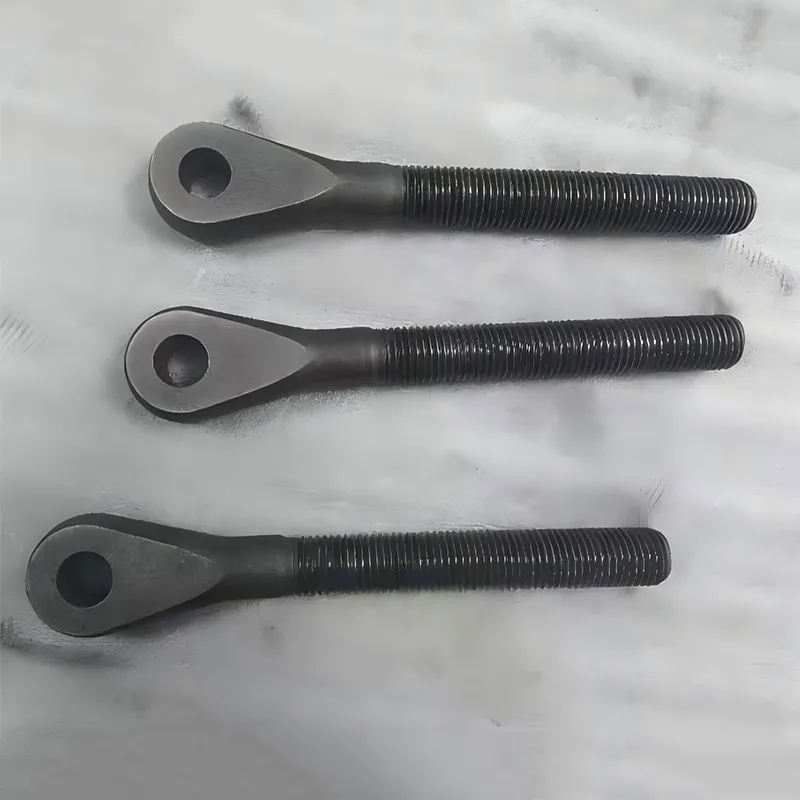
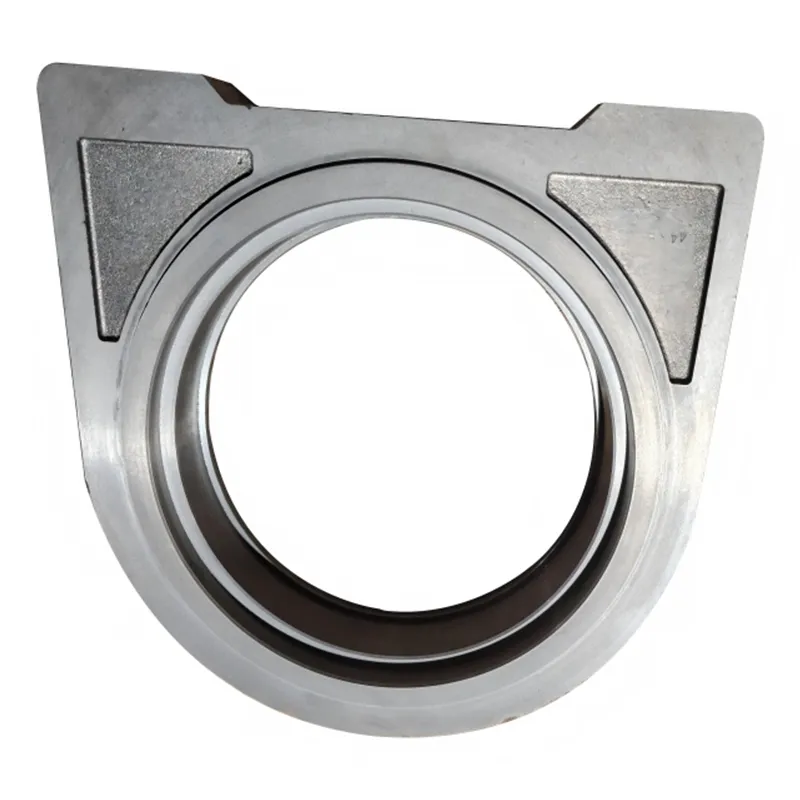
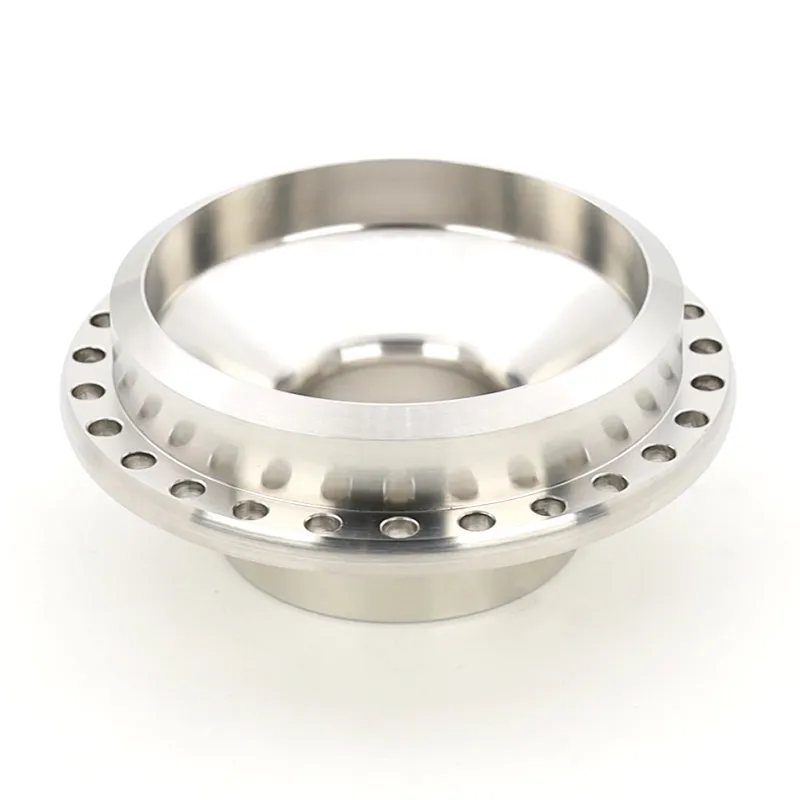
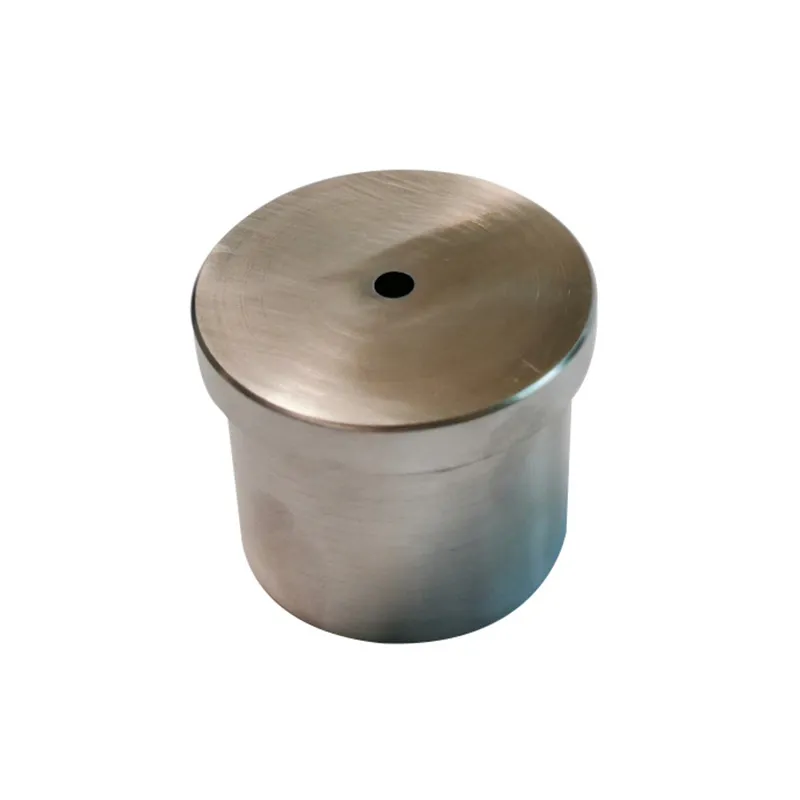
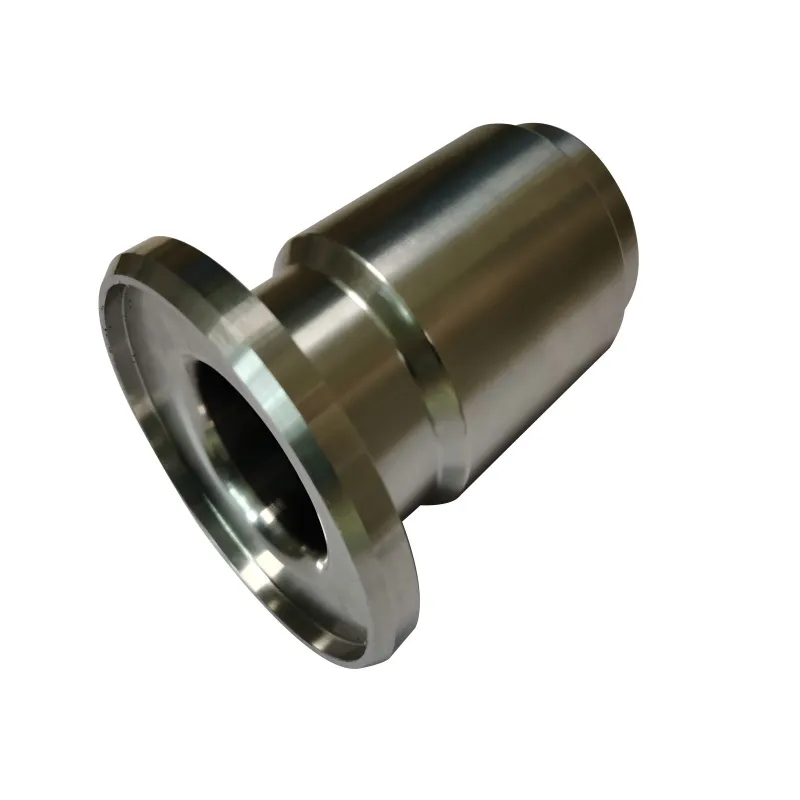
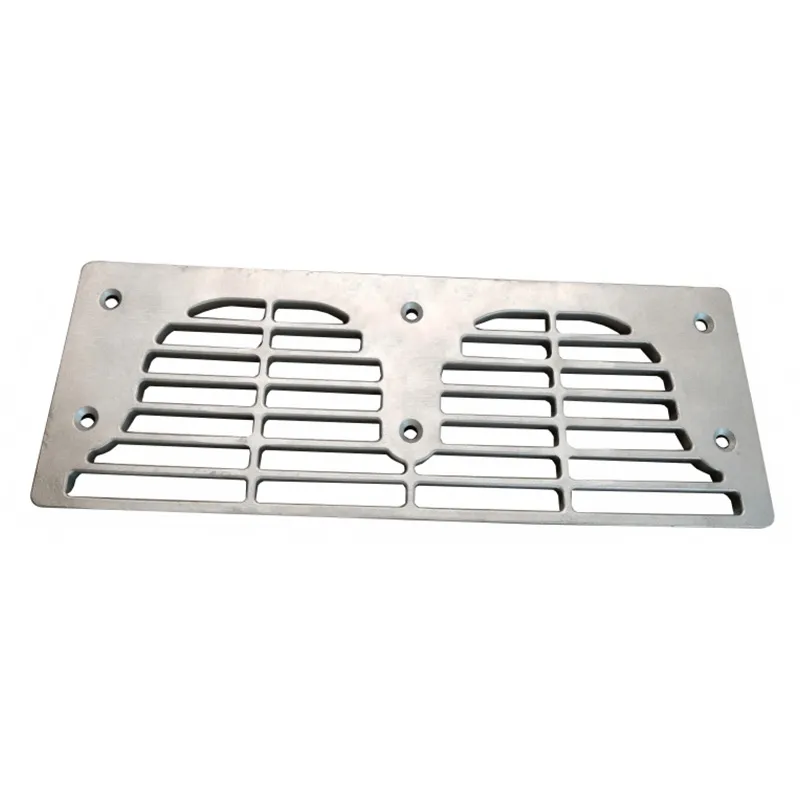
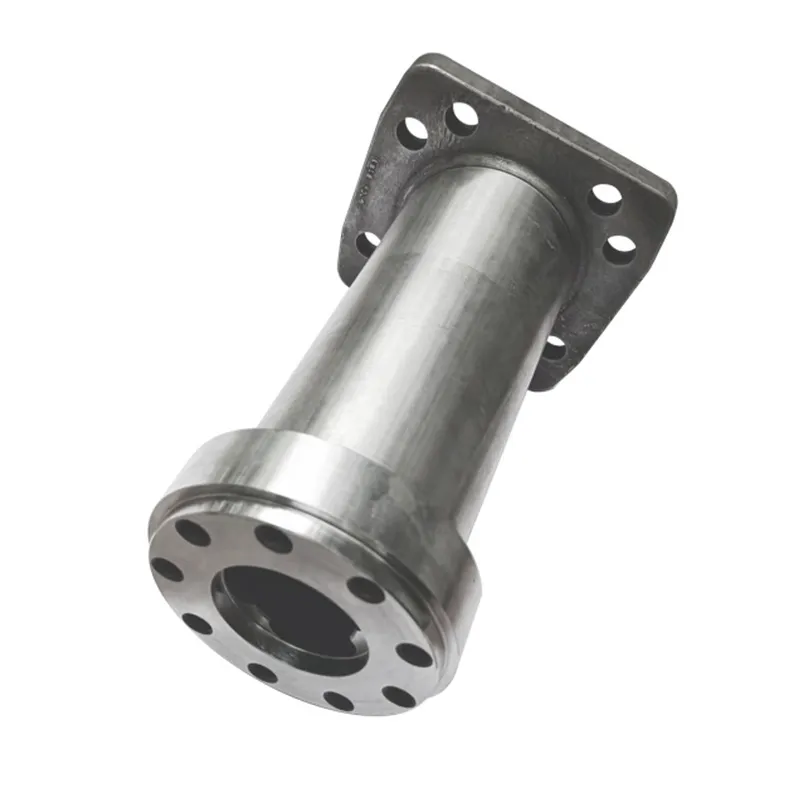
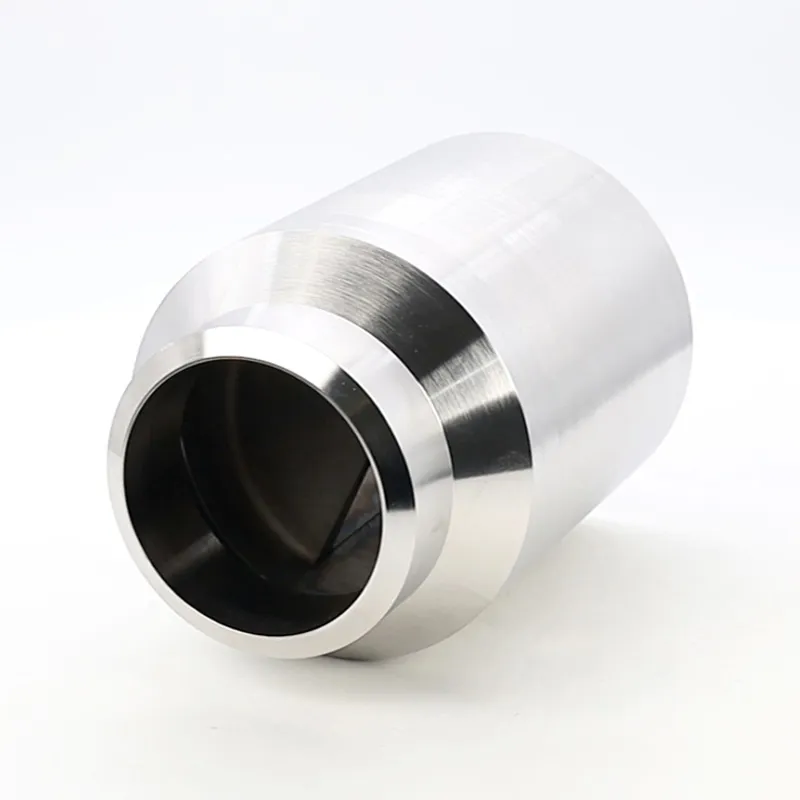
When someone says high-precision parts, most minds jump straight to tight tolerances on a drawing. ±0.005mm, Ra 0.4, that sort of thing. That's the surface. The real conversation, the one that happens on the shop floor or during a frantic supplier call, is about everything that happens around and in between those numbers. It's about stability—not just of the machine, but of the material, the process, and even the environment over a production run of ten thousand pieces. It's where theoretical precision meets the gritty reality of thermal expansion, tool wear, and the subtle inconsistencies in a batch of stainless steel bar stock. Many clients, especially those new to sourcing, fixate on the tolerance callout as the sole metric of quality. That's the first, and often most expensive, misconception.
The Foundation: It Starts with the Blank
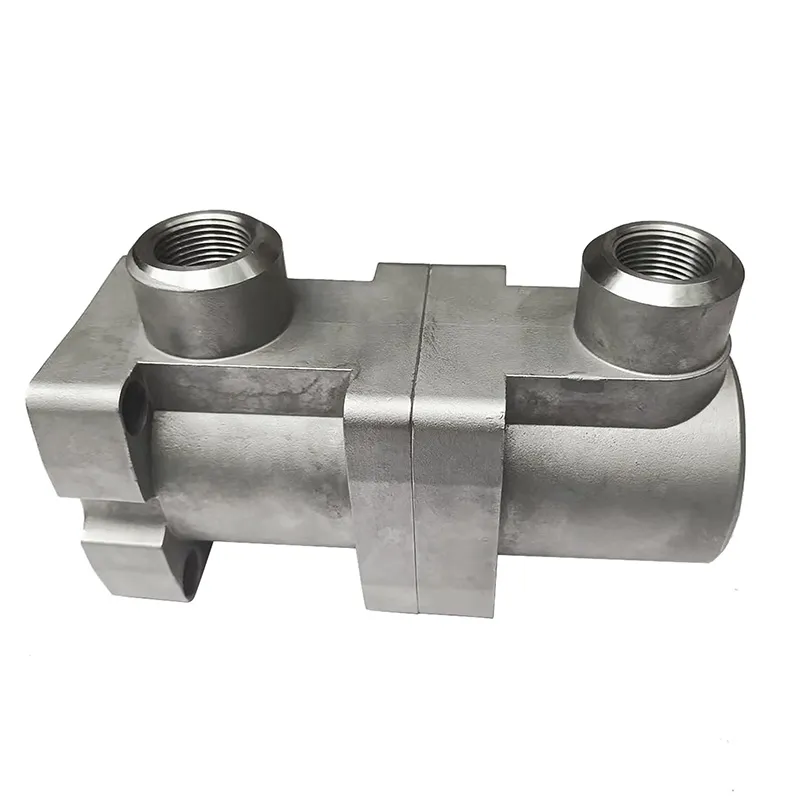
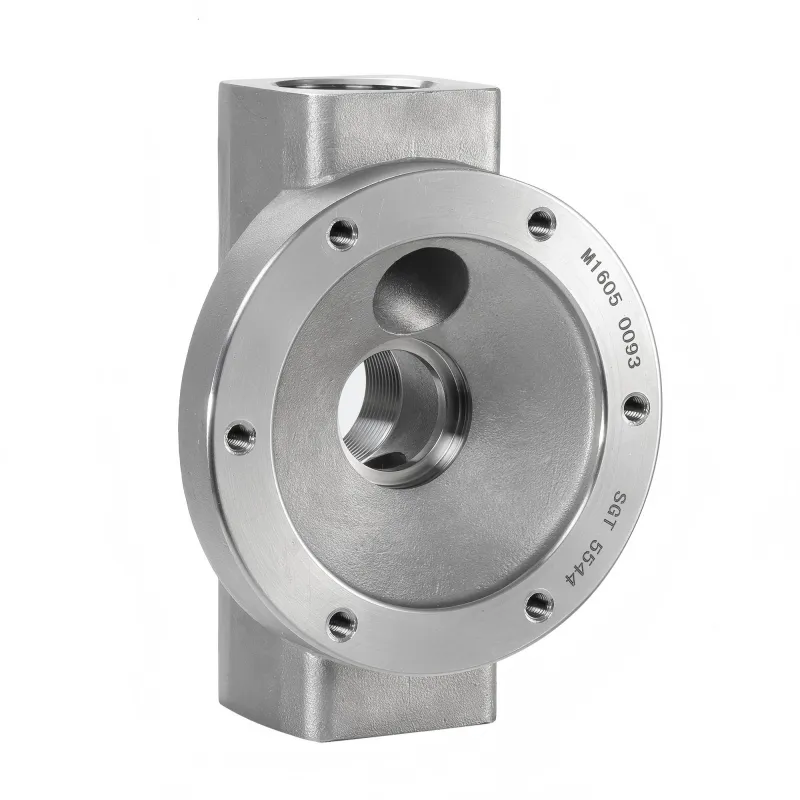
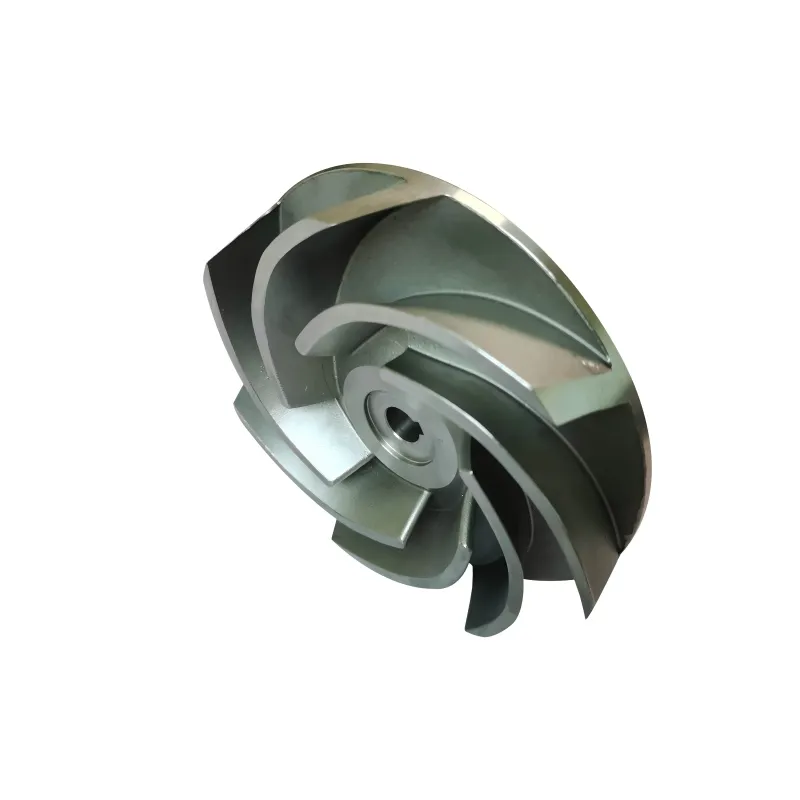
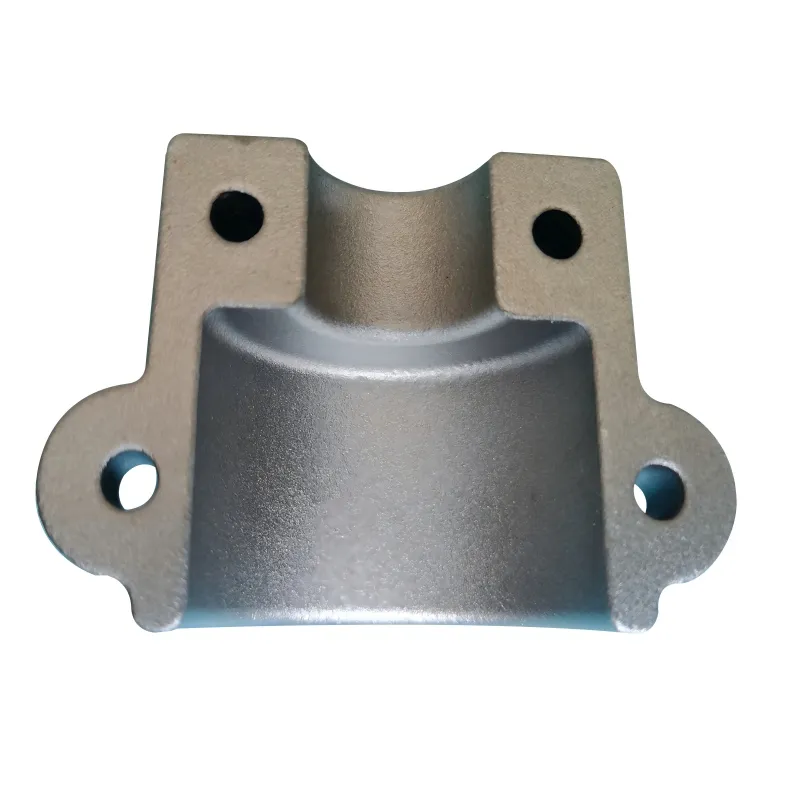
You can't machine precision into a part if the starting geometry is a mystery. This is where the synergy between casting and machining becomes non-negotiable. I've seen projects fail because a beautifully machined surface revealed porosity just underneath, a defect born in the casting stage weeks earlier. For true high-precision parts, the machining blueprint is just the final act. The first act is creating a predictable, dense, and stable near-net-shape. This is why companies that control both casting and machining under one roof, like Qingdao Qiangsenyuan Technology Co., Ltd. (QSY), have a distinct edge. Their three decades in shell and investment casting mean they understand how to engineer the blank—the foundation—for the machining that follows. It’s about designing the casting process to minimize residual stress and provide consistent wall thickness, so when the part hits the CNC, it's not fighting against internal forces trying to warp it as material is removed.
Material choice here is critical, and it's not just about the final properties. We're talking about machinability. A high-performance nickel-based alloy might be specified for its heat resistance, but its work-hardening tendency can turn a simple drilling operation into a nightmare of broken tools and compromised hole geometry. The precision isn't just in the final dimension; it's in the ability to predictably and repeatably achieve that dimension through the entire cutting process. Sometimes, the discussion has to loop back to the design engineer: We can hold this tolerance, but have we considered this alternative alloy with similar properties but better machining stability? It might save 30% on tooling cost and improve batch consistency. That's a practical, on-the-ground judgment call.
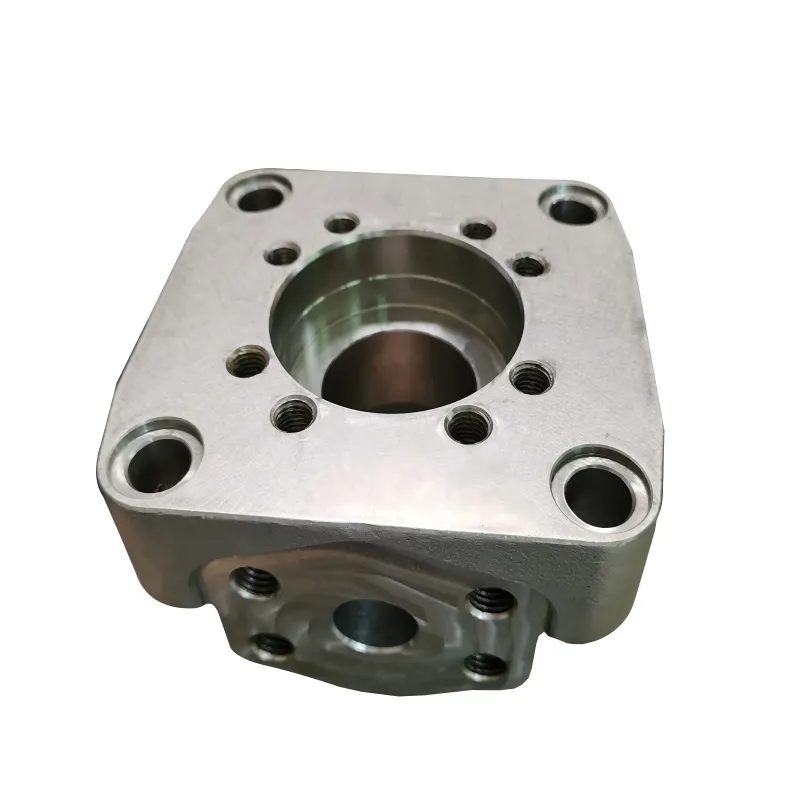
I recall a component for a hydraulic valve, a small manifold in ductile iron. The spec was tight on the bore concentricity. The initial batches from a standard foundry source were all over the place after machining. The issue? Micro-shrinkage in the casting that wasn't visible on the surface but created uneven hardness. The cutter would deflect slightly, unpredictably. The solution wasn't a fancier CNC; it was revising the gating and riser system in the casting mold to ensure directional solidification. That's the kind of root-cause work that separates part makers from precision partners. QSY's background, spanning shell mold casting to CNC machining, is built for solving these interconnected problems.
The Machining Dance: Rigidity, Thermal Management, and Measurement
Okay, you have a good blank. Now onto the stage everyone visualizes: the machining center. Here, precision is a dance between rigidity, thermal stability, and metrology. It sounds basic, but the biggest enemy is heat. Spindle heat, axis drive heat, ambient temperature swings, even the heat generated from cutting itself. For a part requiring micron-level accuracy, running a machine in a shop that has a 10°C swing between night and day is a non-starter. You're chasing your tail all day. I've been in facilities where they've had to implement simple climate control for a specific precision cell before they could even begin to talk about holding tenths.
Then there's tool management. It's not just about using premium tools. It's about a disciplined process for tracking tool life and anticipating wear before it drifts out of spec. For a long run of parts, we might program a slight tool offset adjustment at a set interval, based on historical wear data for that specific material-tool combination. It's a proactive correction. The set it and forget it mentality guarantees scrap. This is where the operator's experience—the feel and the eye—still matters, even with fully automated lines. Hearing a slight change in the cut sound, noticing a different chip color or form, can trigger an early inspection and prevent a whole batch from going sideways.
And measurement. The old adage you can't control what you don't measure is gospel. But it's not just about having a CMM. It's about measurement strategy. Do you check first-part, last-part, and a random sample in the middle? What's your gage R&R? Is the part thermally stabilized to room temp before you measure it? I've argued with quality inspectors who measured a part fresh off the machine, warm to the touch, and flagged it as out of tolerance. An hour later, at 20°C, it was spot on. The process has to account for this. For the most critical features, sometimes in-process probing right on the machine tool is the only way to compensate for these real-time variables.
The Special Alloys Wild Card
This is where things get interesting, and often expensive. Cobalt-based or nickel-based alloys specified for extreme environments bring their own unique challenges to the precision game. Their strength and corrosion resistance come at the cost of being absolute beasts to machine. They work-harden rapidly, they're abrasive, and they love to hold heat right at the cutting edge.
Precision in this context shifts from purely geometric control to also include surface integrity. You can machine a part to a perfect dimension, but if you've induced micro-cracks or a tensile stress layer on the surface through poor cutting parameters, the part will fail prematurely in service. The precision is in the subsurface condition. This requires very specific tool geometries (sharp, polished edges), rigid setups to avoid chatter, and often, lower cutting speeds with higher feed rates—a counter-intuitive approach for many machinists used to steel. Coolant application becomes critical; it's not just for cooling, but to lubricate and help evacuate chips before they re-cut and damage the surface.
We worked on a turbine seal component in a nickel alloy. The flatness and parallelism specs were extremely tight. The initial attempts, using standard carbide inserts, kept failing on flatness. The part was thin-walled and the cutting forces, even when small, were causing just enough elastic deformation during machining that it would spring back unevenly afterward. The solution was a multi-step approach: roughing, a stress-relief heat treatment, then semi-finishing, followed by a final finishing pass using a wiper insert with an extremely light cut, almost a skimming pass, to clean up without inducing new stress. It was a slow, costly process, but it was the only way to achieve a stable precision. This is the nuance that gets lost in a simple RFQ.
Failures and the Lessons They Carve
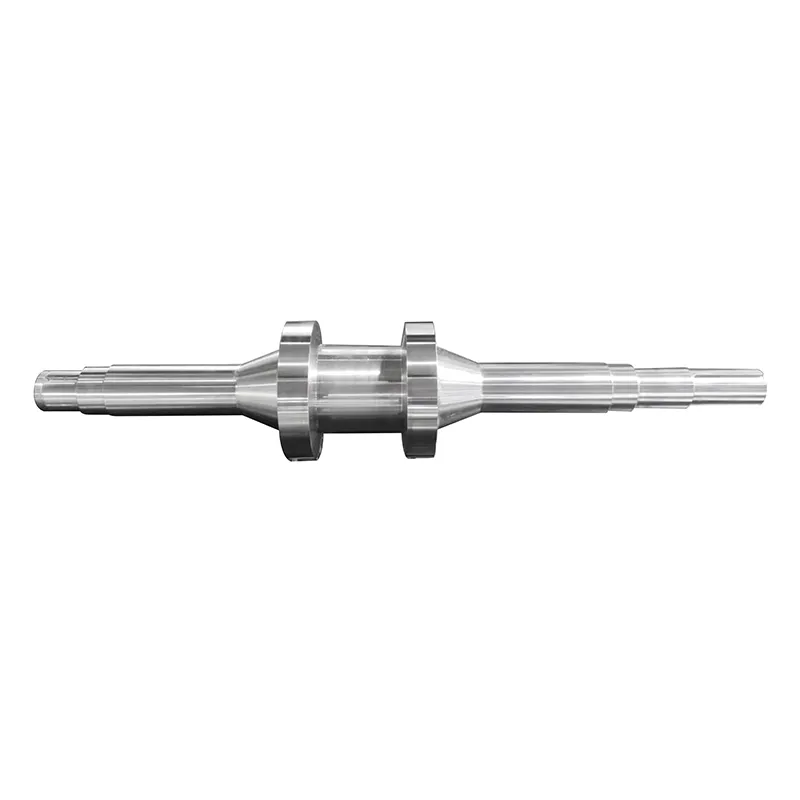
You don't learn precision from success stories alone. You learn it from the crashes, the scrap bins, and the customer returns. One early, painful lesson involved a batch of stainless steel sensor housings. They were simple turned parts with a precision-milled slot. They passed final inspection beautifully. A month later, the client reported failures—the slots had widened slightly, causing sensor misalignment. We were baffled.
The culprit? Residual stress from the original bar stock and our machining sequence. We had turned the OD and ID, then milled the slot, which released the locked-in stresses and allowed the part to distort over time, a phenomenon called stress relaxation. The precision we measured on day one was an illusion. The fix was to change the order of operations and add a low-temperature thermal stress relief after rough machining, before the final precision cuts. It added a step and cost, but it guaranteed the part stayed put. That experience permanently changed how we view process planning. It's not just about the fastest or most logical machining sequence; it's about the most stable one.
Another common failure point is assuming a drawing is perfect. We once received a model for a complex aluminum housing with dozens of critical bore positions. The tolerance stack-up was brutal but theoretically achievable. After struggling to hit all positions simultaneously, we sat down and modeled the entire assembly virtually. Turns out, the original designer had based locations off multiple datums in a way that created a conflict—hitting one set of tolerances guaranteed violating another. We had to go back to the client and have a sometimes-awkward conversation to re-establish the primary functional datums. The lesson: true precision requires collaboration and sometimes challenging the design to make it manufacturable. A good partner like QSY won't just blindly quote a print; they'll engage in a manufacturability review, asking the why behind the tolerance, to find the most robust path to get there.
The Real Deliverable: Predictability
So, what are we really selling when we talk about high-precision parts? It's not a one-off part measured perfectly in a lab. It's predictability. It's the confidence that the 10,000th part in the batch will perform identically to the first, and that it will continue to perform in the field for its intended lifespan. This predictability is the product of everything discussed: controlled foundational processes (casting), expert machining with environmental awareness, disciplined metrology, and deep material knowledge.
This is where a supplier's longevity and integrated capabilities pay off. A company that has been through multiple business cycles, like the 30-year history of QSY, has inevitably encountered and solved these problems across a vast range of materials from cast iron to special alloys. That institutional knowledge of what can go wrong is baked into their process planning. They aren't just following a program; they're anticipating the pinch points.
Ultimately, the pursuit of high precision is a holistic discipline. It connects the furnace to the finishing bench. It respects the material's behavior as much as the machine's capability. And it understands that the most important tolerance of all is the tolerance for uncertainty—which you systematically work to eliminate, one controlled variable at a time.