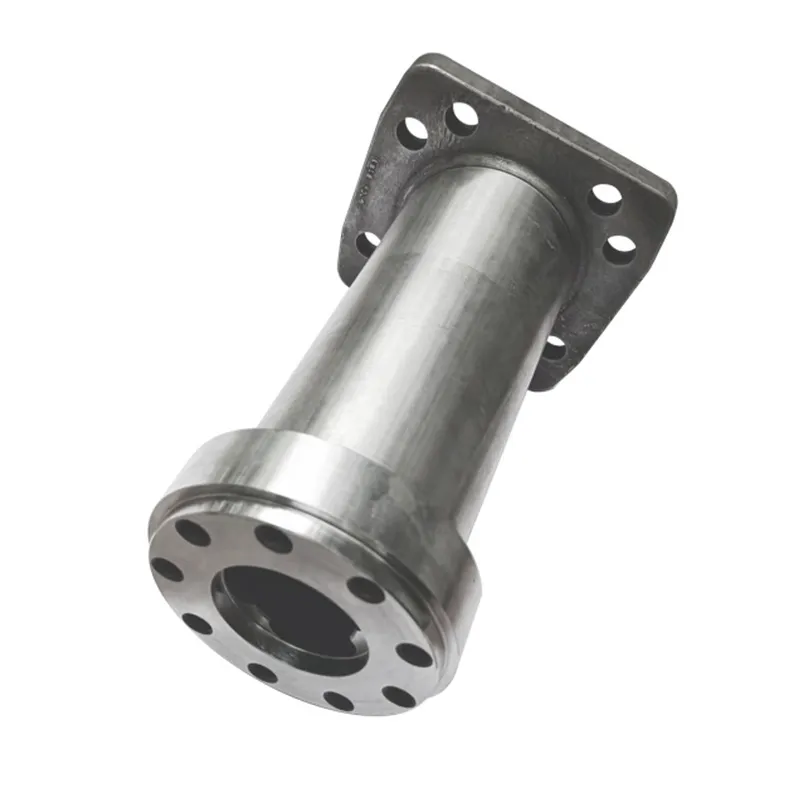
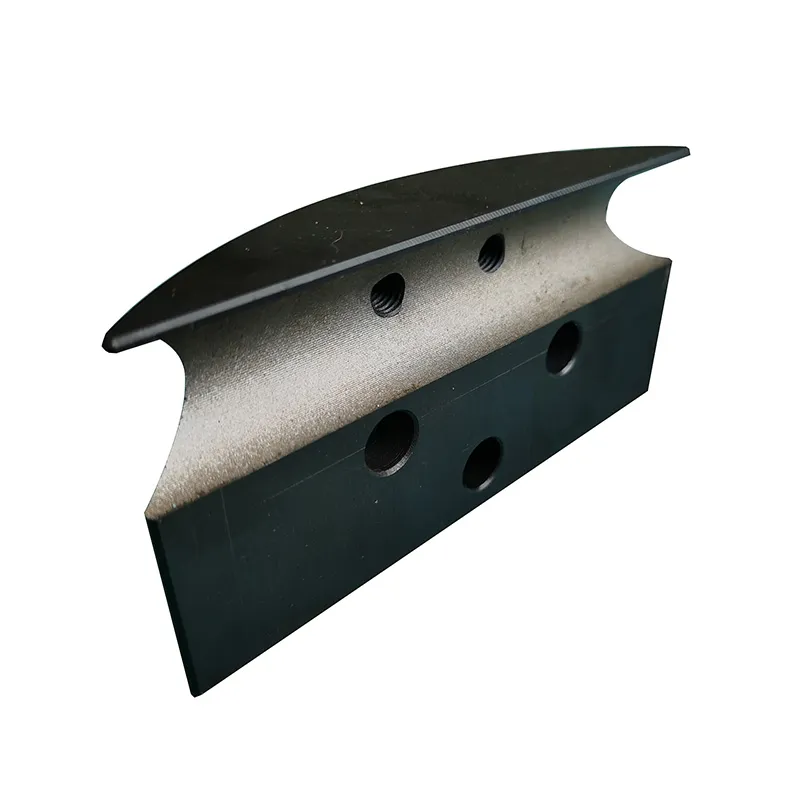
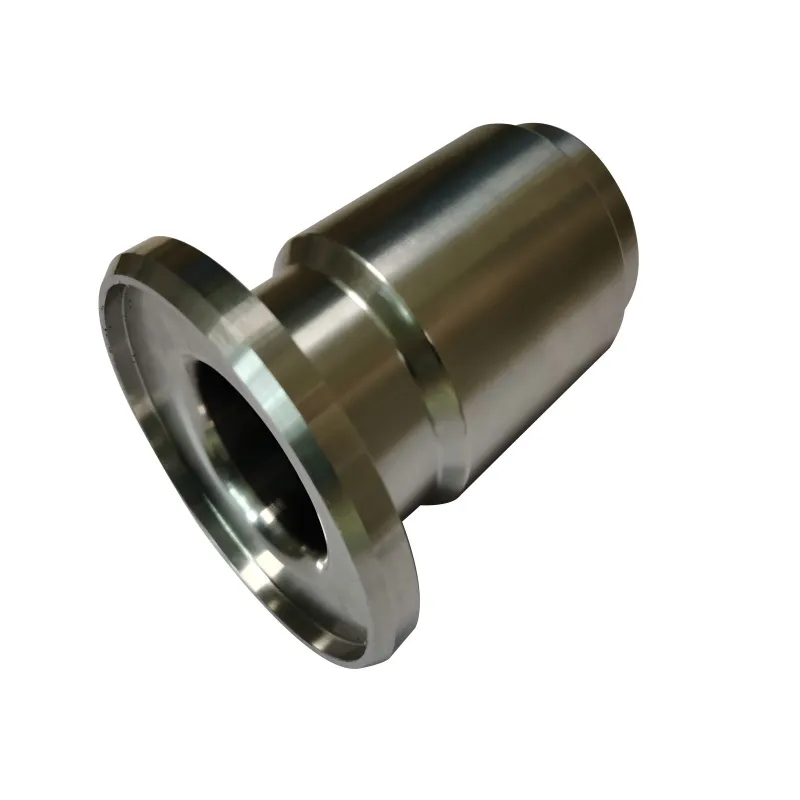
When most people hear 'high-temperature resistant parts', they immediately think of the material grade—Inconel 718, Hastelloy X, that sort of thing. That's the first, and often biggest, mistake. The spec sheet is just the starting line. The real challenge begins when you take that perfect alloy and have to turn it into a functional component that survives not just heat, but thermal cycling, oxidation, stress, and sometimes a corrosive atmosphere, all at once. I've seen too many projects stall because the focus was solely on the material certificate, not on the entire journey from billet to installed part.
The Manufacturing Reality Check
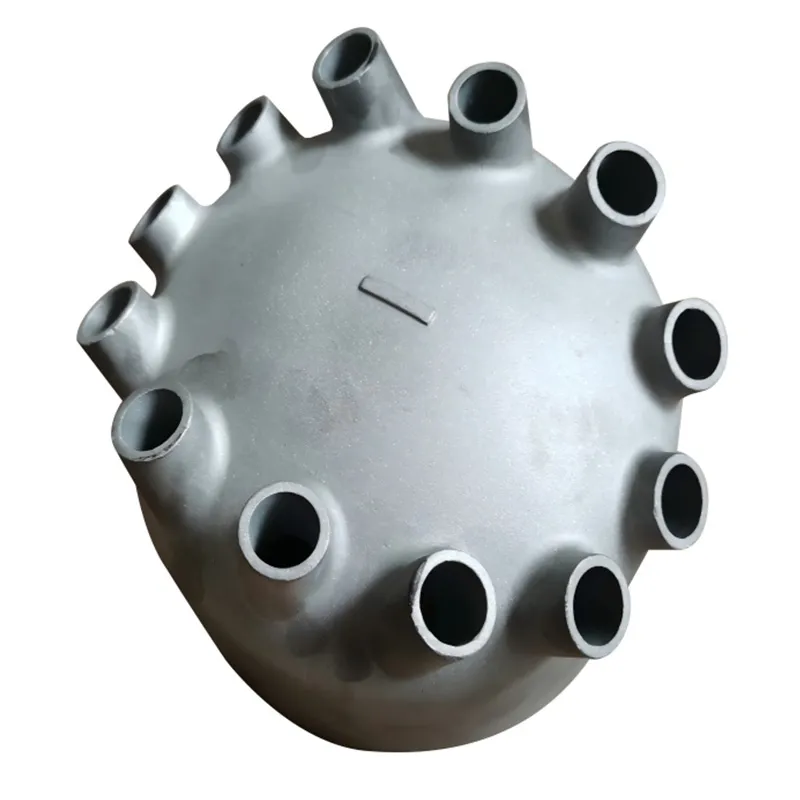
Let's talk about casting, specifically for complex geometries. You can't just pour any high-temp alloy into any mold and hope for the best. With nickel-based alloys, for instance, the solidification pattern is everything. If you get it wrong, you end up with micro-shrinkage or hot tears that might pass a visual inspection but will absolutely fail under thermal stress in service. We learned this the hard way years ago on a turbine housing prototype. The material was perfect on paper, but the casting process introduced internal flaws that only showed up after about 50 thermal cycles in testing—a costly lesson in qualifying the process, not just the material.
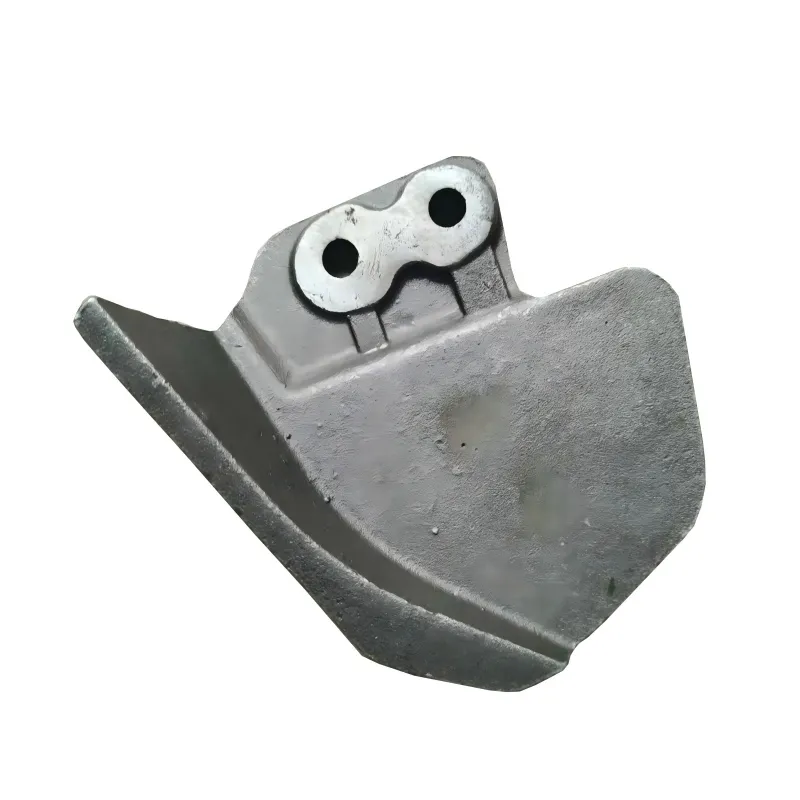
This is where a foundry's experience becomes non-negotiable. A company like Qingdao Qiangsenyuan Technology Co., Ltd.(QSY), with their three decades in shell and investment casting, understands this intimately. Their website, tsingtaocnc.com, lists their work with cobalt and nickel-based alloys. The key isn't that they list it; it's that they've presumably developed the gating systems and pouring parameters to make those alloys behave. For a high-temperature resistant part, the as-cast grain structure is your first line of defense. Getting that right requires a blend of art and science that you only get from repeated, often painful, trial and error.
Then comes machining. Machining a high-temperature superalloy is a different beast altogether. It's not like steel. These alloys work-harden rapidly. If your tool path, speed, or feed is off, you're not just wearing out a tool—you're altering the surface integrity of the part, creating a layer of stressed, micro-cracked material that becomes the initiation point for failure under heat. Coolant choice and application pressure matter immensely here to manage the heat at the cutting interface. It's a delicate balance between removing material and not damaging the substrate you're trying to preserve.
The Devil in the Application Details
Defining 'high-temperature' is the first critical step. Is it 800°C continuous? Or 1100°C in short bursts? The difference dictates everything. For continuous high heat, oxidation resistance often becomes the limiting factor. You might need a specific surface treatment or even consider a different alloy family. For cyclic applications, like in exhaust systems, thermal fatigue is the killer. Here, the material's coefficient of thermal expansion and its creep strength are the stars of the show. A part that doesn't move much with heat might crack from the stress buildup.
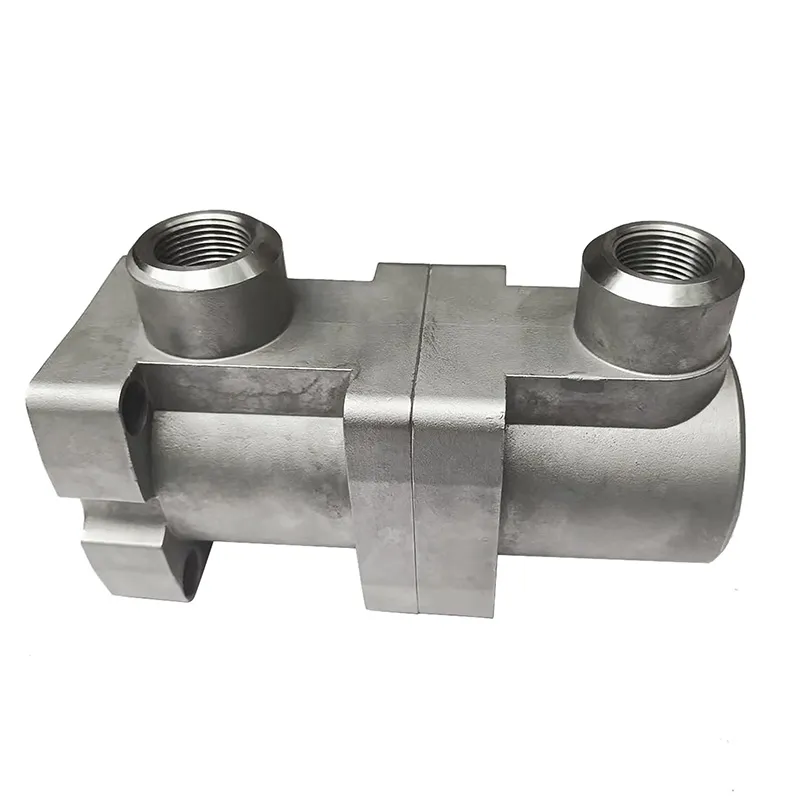
I recall a valve component for a chemical processing line. The material was a standard high-temp stainless. It passed all the initial hot-pressure tests. But in the actual plant, it saw rapid quenches from process upsets—sudden introductions of cooler fluid. That thermal shock created hairline cracks no one had thought to test for. The fix wasn't a more exotic alloy, but a redesign to a slightly more forgiving geometry and a switch to a grade with better thermal shock resistance. The application's real environment, not the ideal one on the drawing, dictated the solution.
This is why collaboration with the maker is crucial. When you're sourcing, you're not just buying a part; you're buying their problem-solving capability. You need to be able to say, This will see rapid cycles from 950°C to 400°C in a sulfur-bearing atmosphere, and have them come back with suggestions on both material and manufacturing approach. Can their investment casting process achieve the necessary surface finish to reduce crack initiation sites? Can their CNC post-processing ensure compressive stresses on critical surfaces?
Material Selection: A Pragmatic Balance
There's a hierarchy in high-temperature materials, and cost rockets up with capability. Sometimes, the most advanced single-crystal superalloy is overkill. A well-designed cast iron with internal cooling channels might solve a 700°C problem at a fraction of the cost. The trick is knowing where the thresholds are. For many industrial applications in the 700-1000°C range, the nickel-based alloys like Inconel 625 or 718 are the workhorses. They offer a good balance of strength, oxidation resistance, and fabricability.
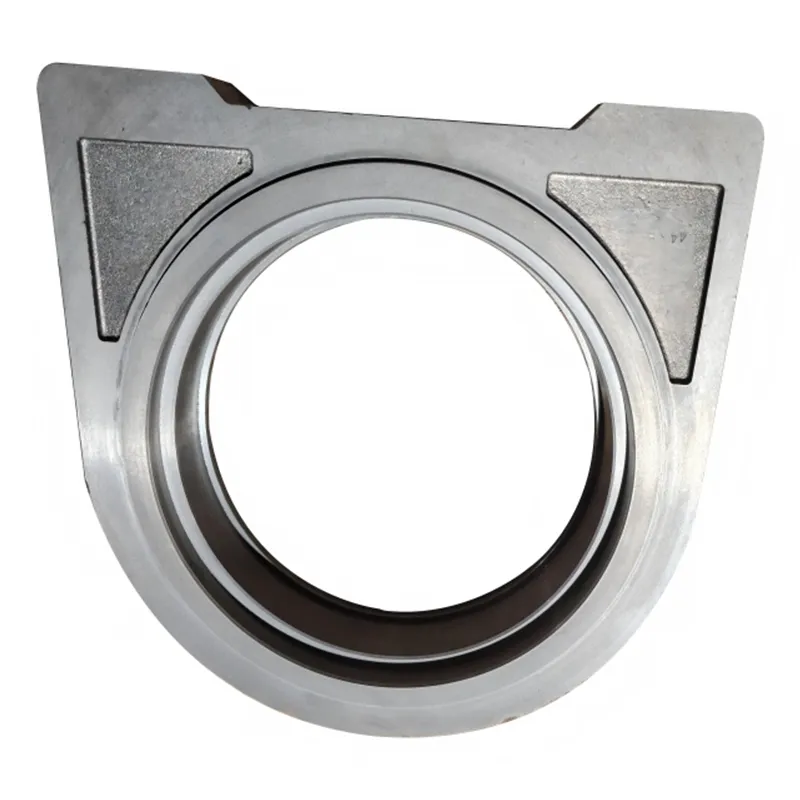
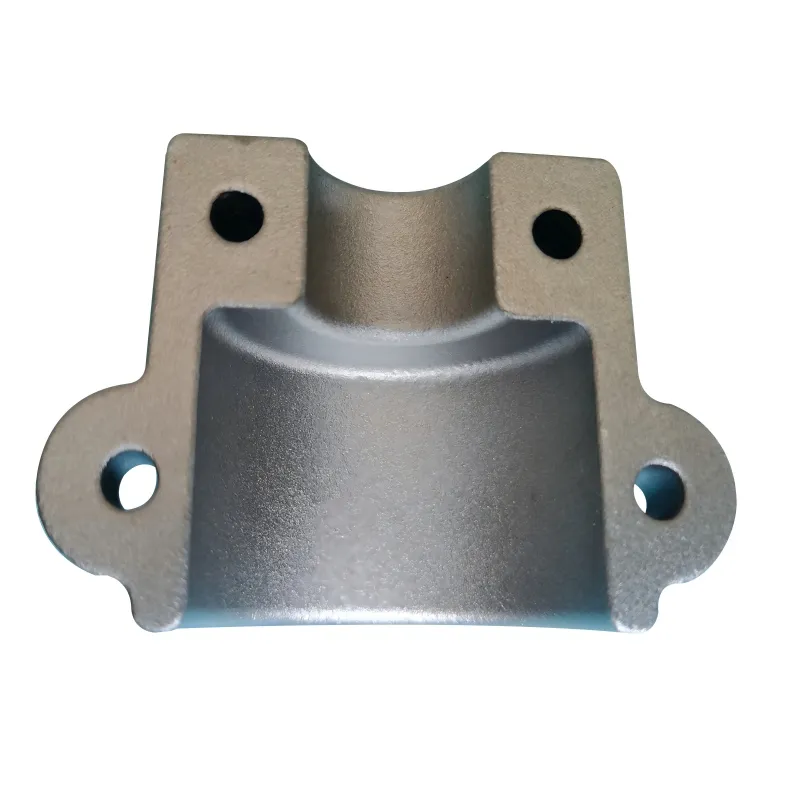
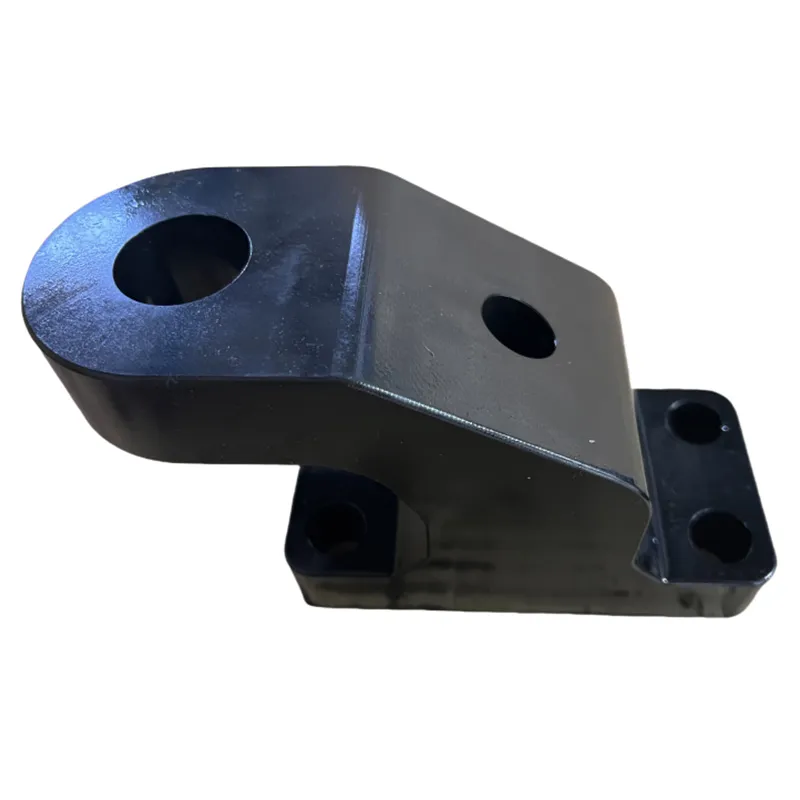
But even within that, you have choices. Wrought vs. cast? For complex shapes, casting is often the only viable route. A specialist like QSY, offering both investment casting and subsequent CNC machining, provides a continuum. They can produce the near-net-shape in a high-performance alloy through casting and then machine the critical sealing surfaces or bolt holes with precision, maintaining the material's integrity through the whole chain. This integrated control is a huge advantage—you avoid the risk of a machine shop with no experience in superalloys ruining a perfectly good casting.
One often-overlooked factor is weld repair. Are repairs allowed on the casting? For some critical rotating parts, absolutely not. For a static structural component in a furnace, maybe it's acceptable. This decision needs to be made upfront with the foundry, as it affects how they qualify the part and what inspection standards they apply. It's a practical, down-to-earth consideration that has major implications for cost and lead time.
Inspection and the Unseen Flaws
Quality control for high-temperature parts can't stop at dimensional checks. Dye penetrant testing is standard for surface defects. But for internal integrity, especially for parts subject to high stress, radiographic testing (X-ray) is often essential. It comes back to that first point about the casting process. You're verifying that the foundry's method produced a sound internal structure. This isn't an area to cut corners. A flaw you miss here is a field failure waiting to happen, with all the downtime and safety implications that brings.
Sometimes, you need to go further. For a recent project involving a high-temperature manifold, we specified not just RT, but also metallographic testing on sacrificial samples poured from the same heat. We needed to check the grain size and look for any undesirable phases that might have formed during solidification. It added time and cost, but it was the only way to be confident for an application with no margin for error. The foundry, if they're experienced, should understand this and be able to accommodate or even suggest these steps.
Finally, consider the finish. A rough, as-cast surface can be a hotspot for oxidation and crack initiation. Often, a simple glass-bead blast or a specific pickling process can significantly improve surface oxidation resistance by creating a more uniform, stress-relieved layer. It's a small, final step that leverages the material's inherent properties more effectively.
Concluding Thoughts: It's a System, Not a Part
So, pulling this all back together. Sourcing a reliable high-temperature resistant part is never just a purchase order. It's a technical collaboration. It starts with brutally honest application requirements, moves through a pragmatic material and process selection (where companies with deep integrated capabilities like casting and machining shine), and is validated by inspection protocols that match the risk.
The goal is to end up with a component that doesn't just survive, but performs predictably for its intended life. That predictability comes from every link in the chain—from the melt shop to the final quality stamp. It's less about finding a magic material and more about executing a proven, controlled chain of events to shape that material into something you can truly depend on when the heat is on, literally. The difference between a part that works and one that fails often lies in these gritty, unglamorous details of manufacturing and validation that never make it to the glossy brochure.