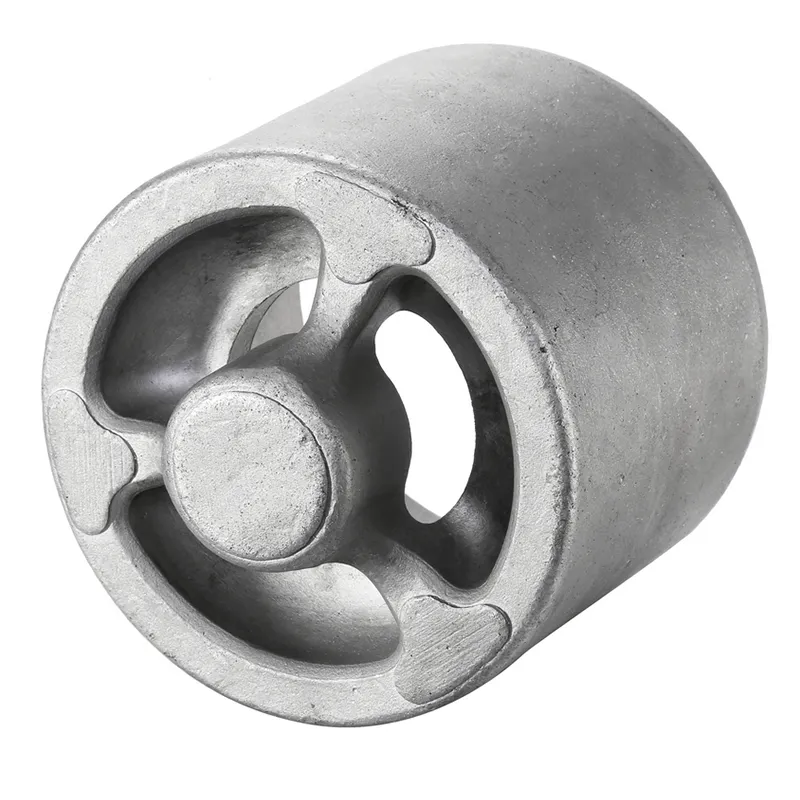
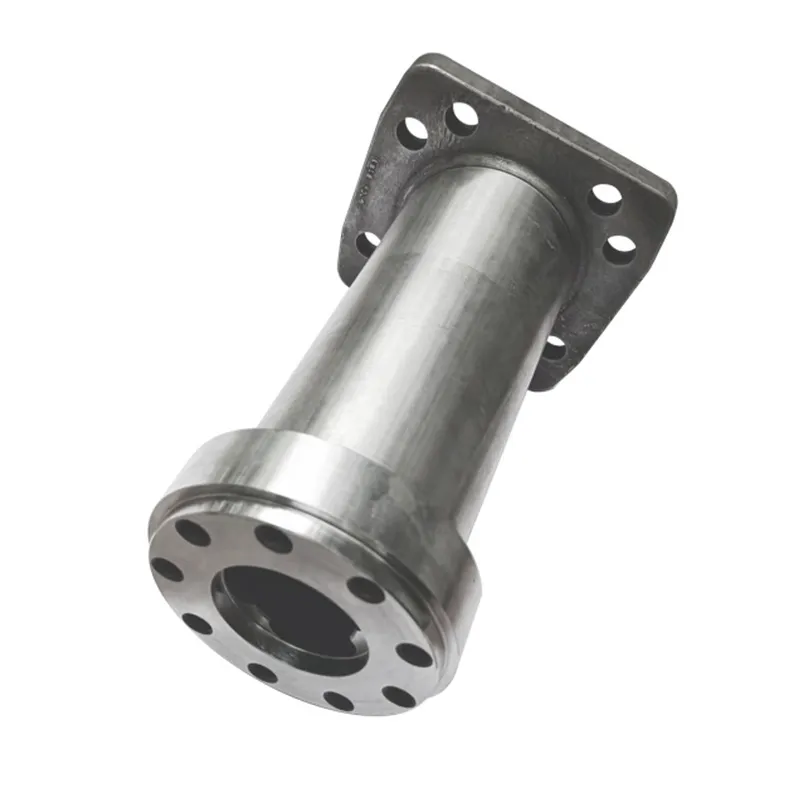
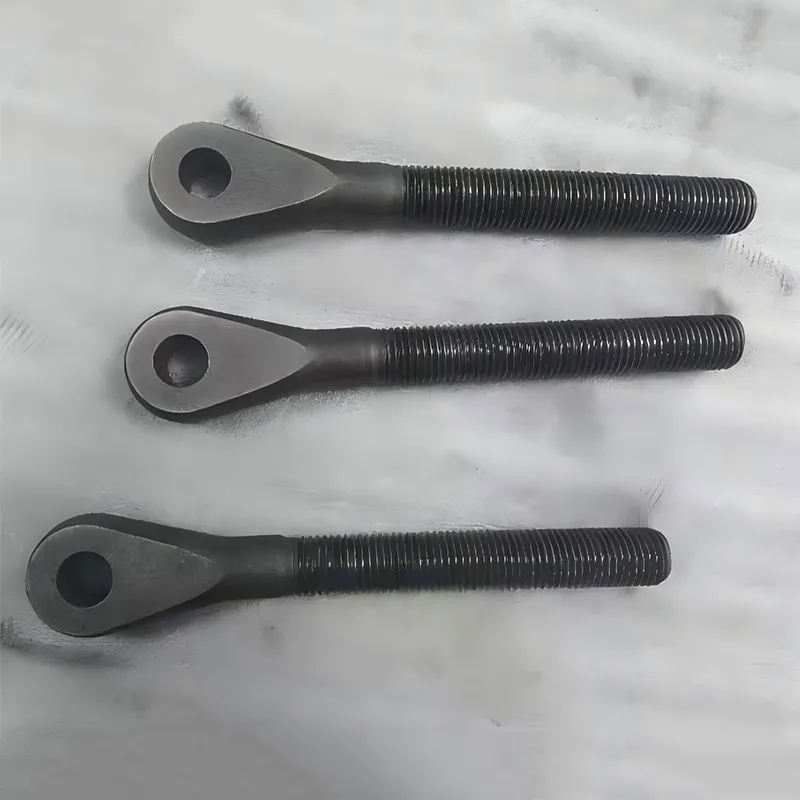
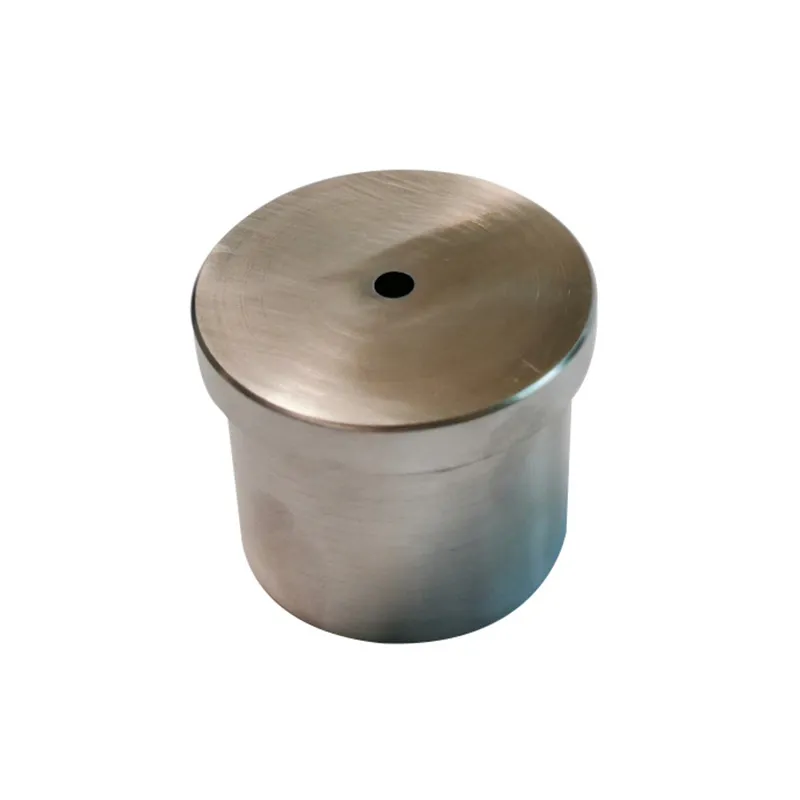
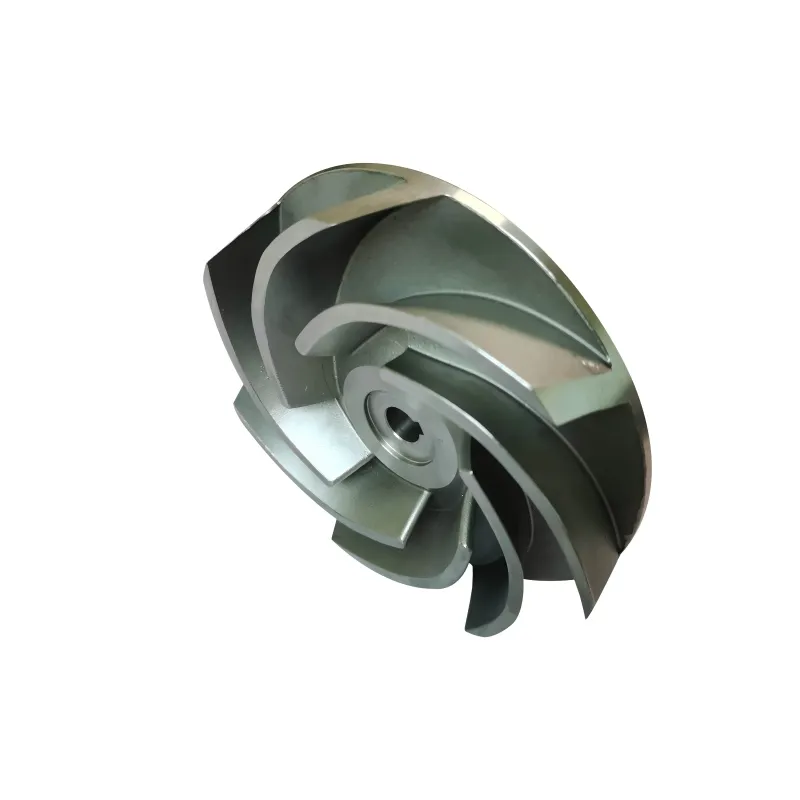
When you hear 'home investment casting,' most minds jump to those YouTube videos—a guy in a garage, melting soda cans with a homemade furnace. That's fine for trinkets, but it's a world away from the precision and material science needed for functional, load-bearing parts. The real gap in understanding, I've found, is between the craft-level process and the industrial discipline required to make something that doesn't just look like a metal part, but performs like one consistently. It's not about the pour; it's about everything that happens before and after.
The Shell Game: More Than Just Dip and Drip
Let's talk about the shell. The DIY crowd often uses simple plaster-silica mixes, which is where things start to go wrong for anything beyond decorative use. In a proper setup, like what we've refined at Qingdao Qiangsenyuan Technology Co., Ltd.(QSY), the shell is a multi-layer engineering barrier. It starts with a primary coat—extremely fine zircon flour or something similar—to capture surface detail. Then you build up with coarser refractory sands. Each layer needs precise drying conditions; humidity control is critical. I've seen attempts where rushed drying led to shell cracks during dewaxing, a total loss. The shell isn't just a mold; it's a thermal shock absorber during the pour.
This is where material choice for the shell ties directly to the metal you're casting. Pouring a high-temperature nickel-based alloy into a shell designed for low-melt aluminum? Catastrophic. The shell must have a higher sintering point and thermal stability. We maintain separate slurry lines for different material families because cross-contamination can ruin the refractoriness. It's a detail often overlooked when people think they can use one 'universal' slurry recipe.
The stuccoing process—throwing coarse sand onto the wet slurry—is another art. Manual application leads to inconsistent shell thickness and weak spots. We use a fluidized bed for even stucco application. I remember a project early on where we had a 30% failure rate on a stainless steel valve component due to manual stuccoing inconsistencies. Switching to automated systems wasn't just about efficiency; it was about eliminating a fundamental variable.
The Wax Pattern: Where Dimensional Control Actually Begins
Everyone focuses on the metal, but the wax pattern is the first part. Its dimensional accuracy and surface finish directly transfer. Injection parameters for the wax—temperature, pressure, hold time—are dictated by the part geometry. A thin-walled section needs different settings than a thick hub. Using the wrong wax blend (yes, there are many) can lead to shrinkage cavities in the pattern itself, which then become raised blobs on the final casting.
We once had a client send us a CAD model for a complex turbine blade. The prototype wax patterns came out beautifully. But when we moved to production, we started seeing subtle warpage. The culprit? The workshop temperature had risen seasonally, changing the wax's cooling curve in the die. It forced us to implement climate-controlled wax injection rooms. A 'home' environment is virtually impossible to stabilize to this degree, which is why hobbyist results are so variable.
Assembly of wax patterns onto a 'tree' is another critical step. The angles and junctions must be designed to allow proper metal flow and minimize turbulence. Poor gating design is the number one cause of internal porosity that isn't detected until machining. We do solidification simulation now for every new design, but for years it was trial and error—and the errors were expensive piles of scrap metal.
Material is King (And Often Misunderstood)
'Stainless steel' is not one thing. A 304 stainless behaves completely differently in investment casting than a 316 or a 17-4 PH. The latter requires solution heat treatment and aging. If you're doing home investment casting, you're likely stuck with whatever scrap you can melt, which has unknown composition. For a real part, you need certified material. We source our alloys from specific mills and keep them segregated. The melt practice is controlled: deoxidizers, melt temperature, hold time. Pouring too hot can cause grain growth; too cold can cause mistruns.
Working with special alloys like cobalt-based or nickel-based superalloys is another league. They're often vacuum melted and poured to prevent oxidation. You can't do that in an open-air furnace. These materials are why industries like aerospace and medical rely on foundries with controlled environments, not garage setups. The properties are entirely dependent on that controlled process.
Post-casting heat treatment is part of the material's journey. It's not an optional 'finishing touch.' For many steel and alloy grades, it defines the final mechanical properties. Skipping it or doing it incorrectly (wrong temperature ramp, soak time, or quench medium) leaves you with a part that might pass visual inspection but will fail under stress. We had a batch of lever arms once that passed all dimensional checks but snapped during assembly. The problem was traced back to an interrupted austenitizing cycle during heat treat.
CNC Machining: The Necessary Partner to Casting
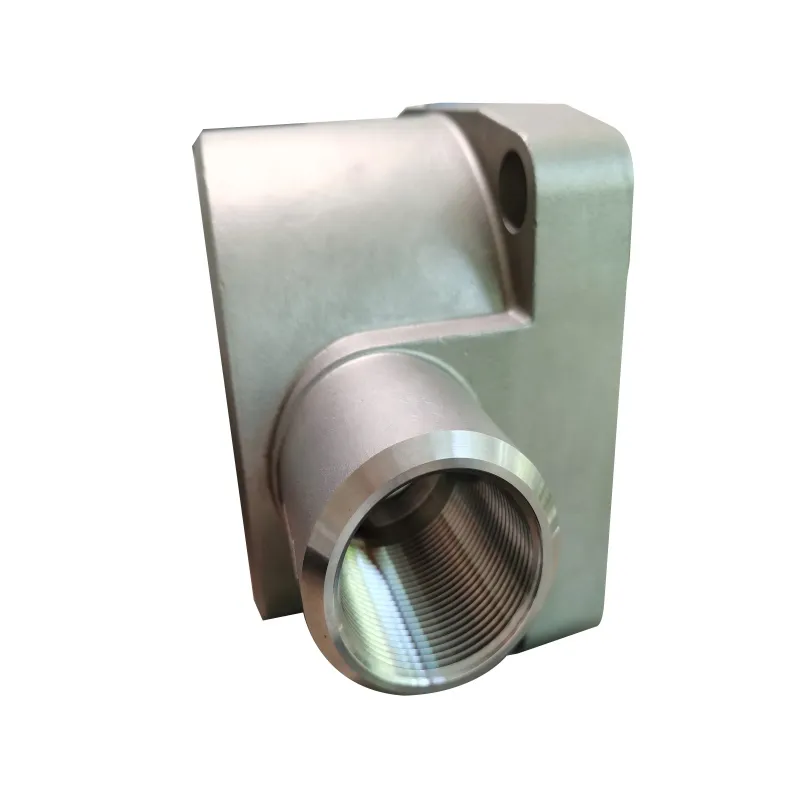
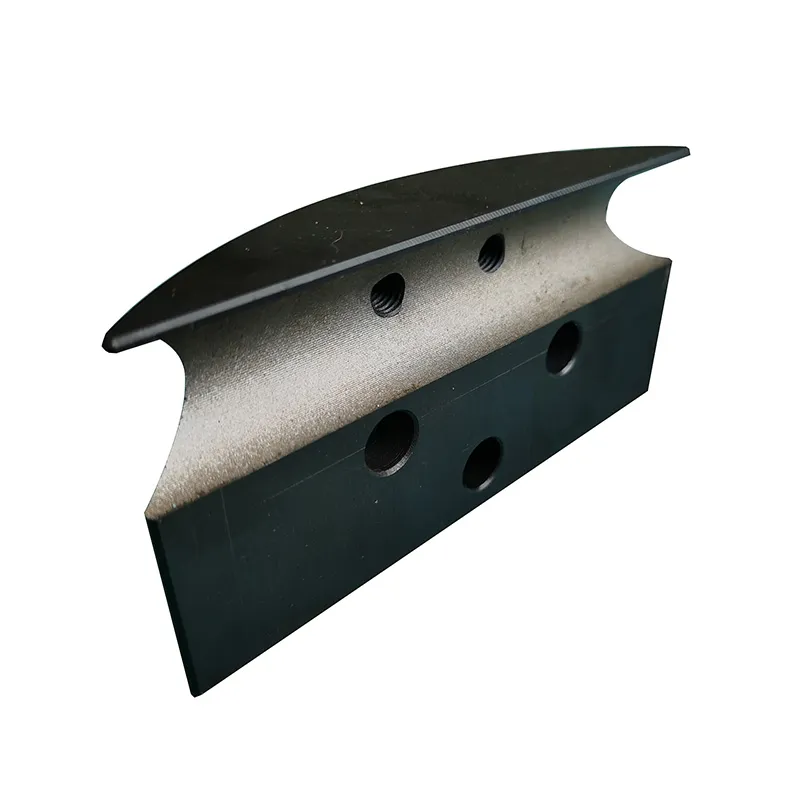
Very few investment cast parts are 'net-shape.' Critical sealing surfaces, bolt holes, and precision interfaces almost always need machining. This is where integration matters. At QSY, having CNC machining in-house isn't just a convenience; it's a quality loop. The machinists feed back information to the foundry. If they constantly find a hard spot or porosity in a specific area of a casting, we can adjust the gating or pouring temperature for that mold.
Fixturing a complex, as-cast geometry is a challenge. You need to establish reliable datums from the casting itself, which sometimes means adding small pads or features to the wax pattern specifically for machining location. This is collaborative design for manufacturability. If the casting and machining are done in separate shops, this feedback loop is broken, leading to longer lead times and more rejects.
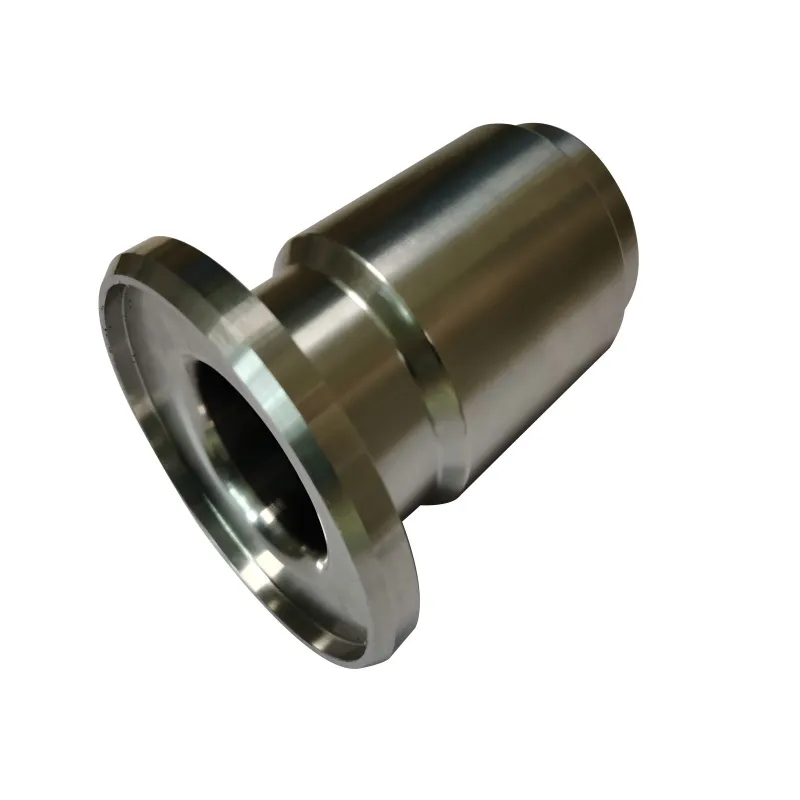
I'll point to our website, tsingtaocnc.com, not for promotion, but as a concrete example of this synergy. The capability list there—multi-axis milling, turning—isn't separate from our casting work. It's the other half of the process. A part might be investment cast to get the complex internal passages, then CNC machined to achieve the precise flange face. Trying to achieve all that through machining alone would be prohibitively expensive.
The Reality Check: When Home Meets Industrial
So, can you do true investment casting at home? For prototypes, simple geometries, and non-critical parts in known materials, maybe. But there's a steep cliff you hit when you need dimensional consistency, material certification, and mechanical reliability. The infrastructure—climate control, slurry management, metallurgical lab support, controlled heat treatment—is what you're really paying for with a professional foundry.
The common failure path I see is underestimating pattern and shell engineering. People pour money into a nice furnace but use a poor-quality wax and a basic plaster mold. The result is a casting that looks okay but has hidden shrinkage or surface scale that makes it unusable. The mold is the foundation.
After three decades in this field, the lesson is that investment casting is a chain of a hundred links. You can have a great wax, a perfect shell, a controlled pour, and still ruin it with improper shakeout or heat treatment. It's a process that demands respect for the entire chain. The allure of home investment casting is understandable—the transformation from wax to metal is magical. But the discipline that turns that magic into a reliable engineering component is built on controlled, often mundane, attention to a thousand details. That's what separates a craft project from a component that flies, drives, or keeps a system pressurized.