When most people hear 'homogenizer parts,' they immediately think of the valve and seat. That's the heart of it, sure, but fixating only on that is like saying an engine is just the pistons. The real challenge, and where the cost and downtime live, is in everything that supports that high-pressure interaction. I've seen too many operations order a stack of replacement valves, only to find their throughput still suffering because they ignored the wear on the homogenizer parts upstream—the plungers, seals, and check valves that manage the pressure before it even hits the gap. It's a system, not a single point of failure.
The Unseen Wear: Plungers and Seals
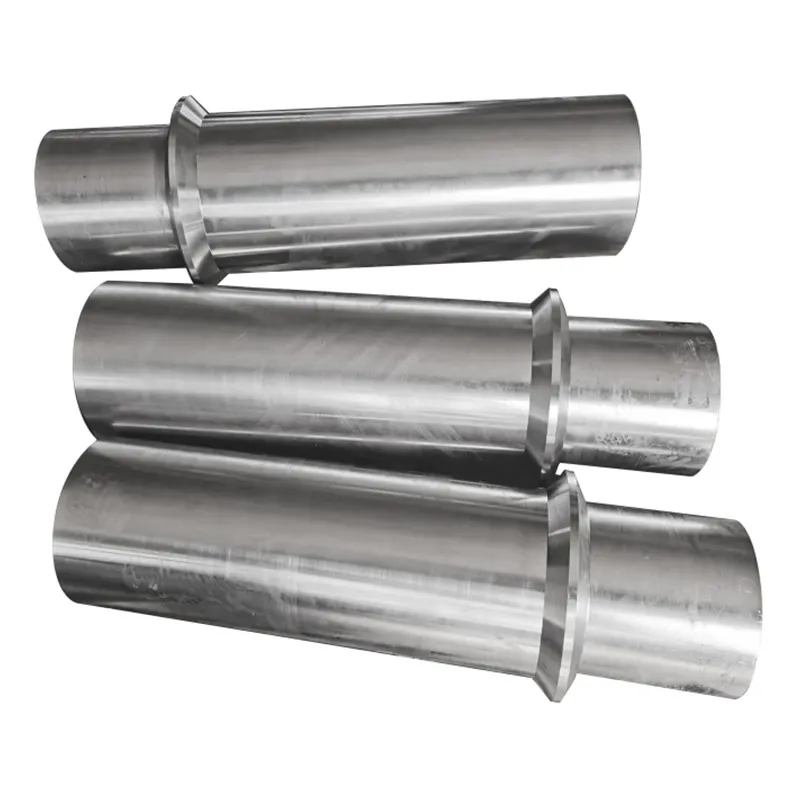
Let's talk plungers. Ceramic plungers are standard for a reason—corrosion resistance, hardness. But they're brittle. A tiny chip from mishandling during installation, or a fatigue crack from a pressure surge, and you've got a leak path that destroys the packing seals in hours, not months. The failure mode isn't always catastrophic rupture; it's often a gradual loss of pressure you chase through other components first. I recall a dairy plant blaming their valve seat for poor emulsion, but after two seat changes, the problem persisted. The culprit? A hairline crack in a plunger you could only see under a strong light. The pressure was bleeding off before the product ever reached the homogenizing valve.
Then there are the seals and packing. This is pure tribology. It's not just about material compatibility with the product (CIP chemicals are often the real killer, not the milk). It's about the finish of the plunger it rides against, the alignment of the pump block, and the temperature cycles. An overtightened gland packing will overheat and glaze a ceramic plunger, creating abrasive particles that then contaminate the seal area. It's a cascade. You need a supplier who understands this interplay, not just one that sells you a bag of generic graphite seals.
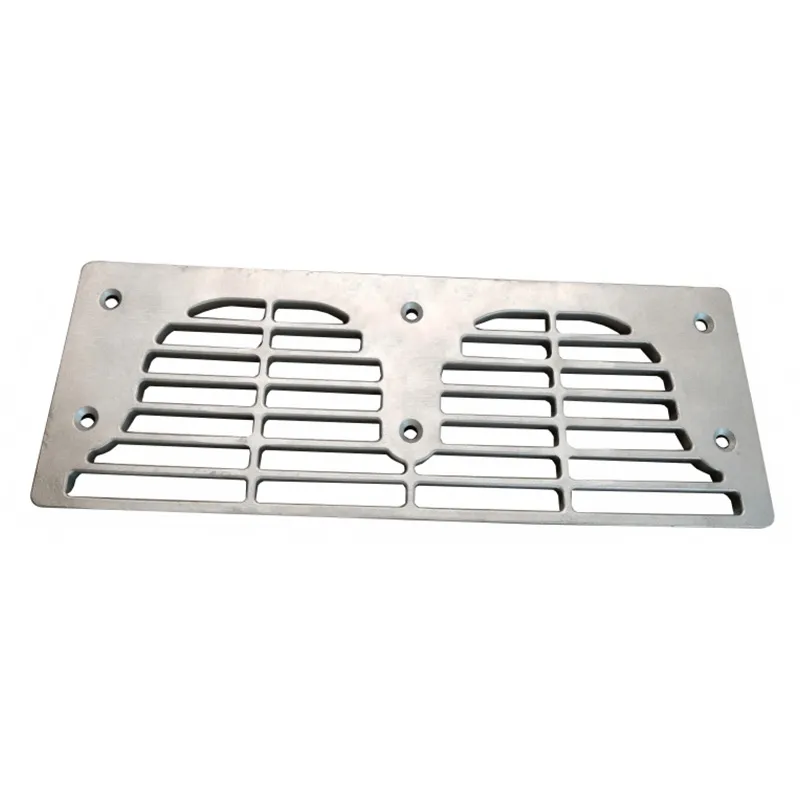
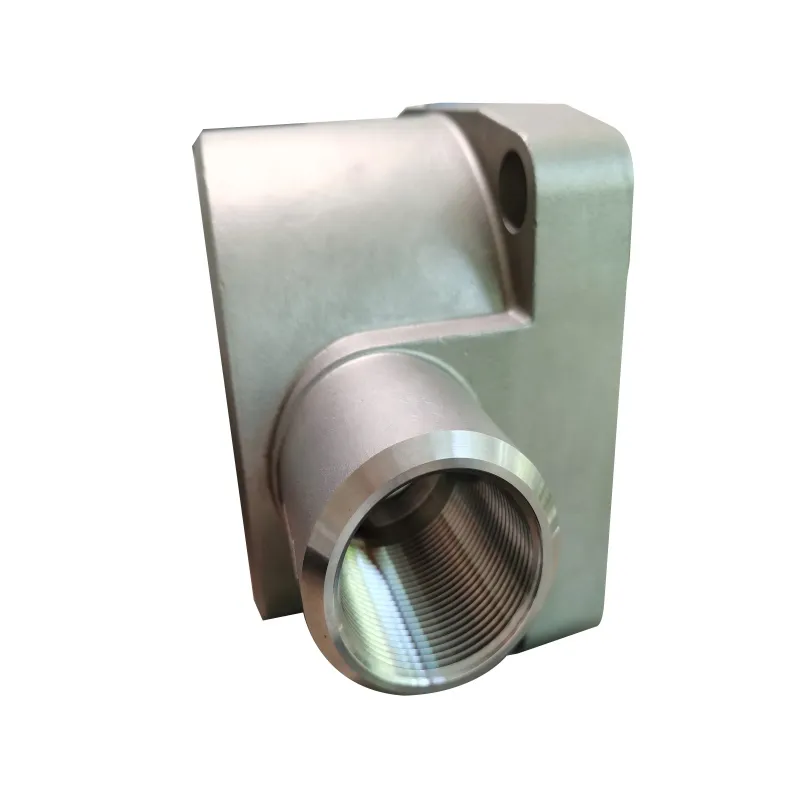
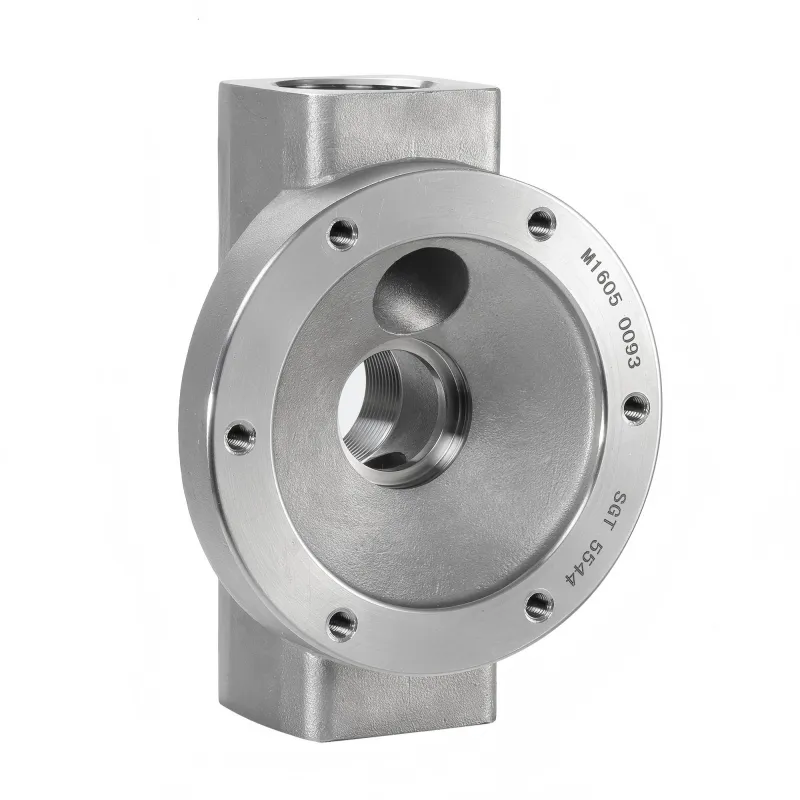
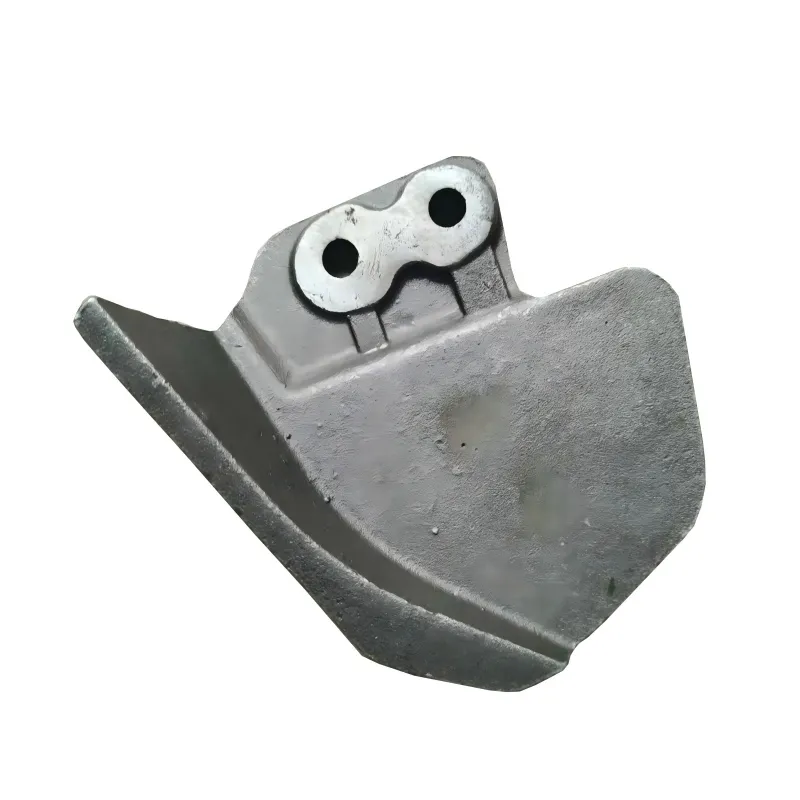
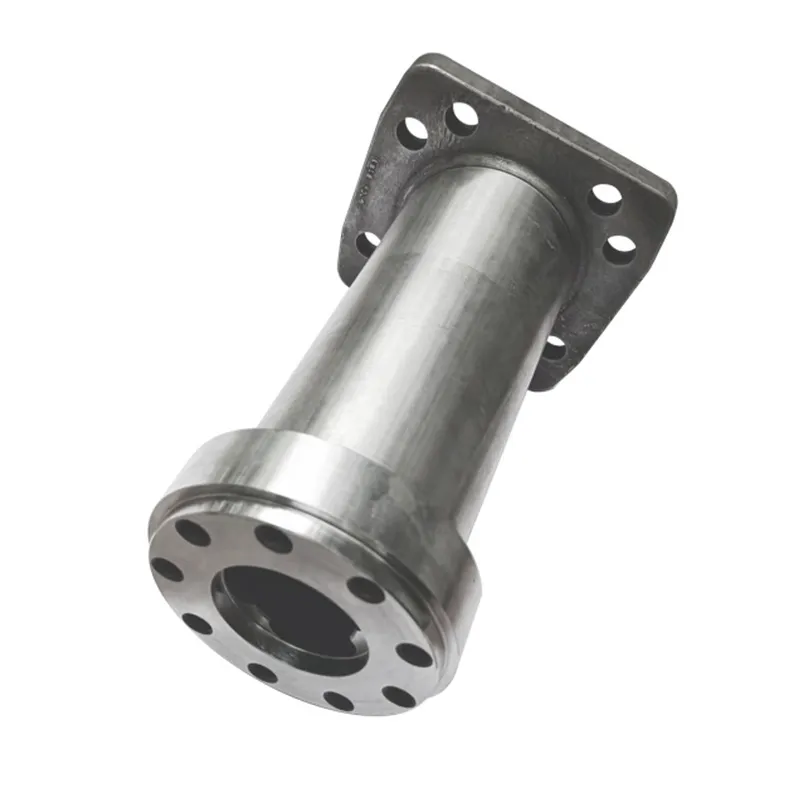
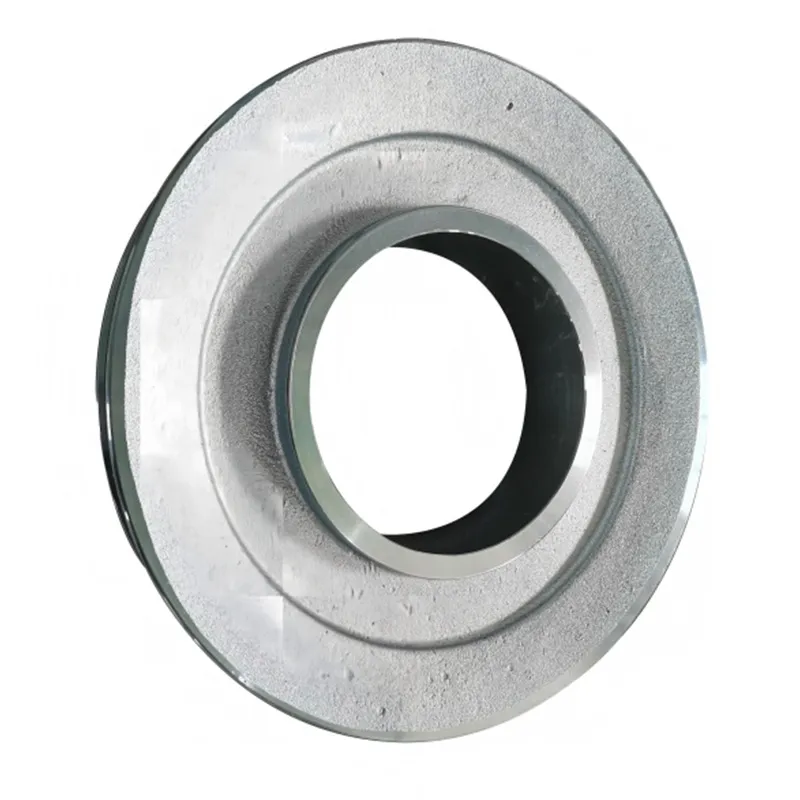
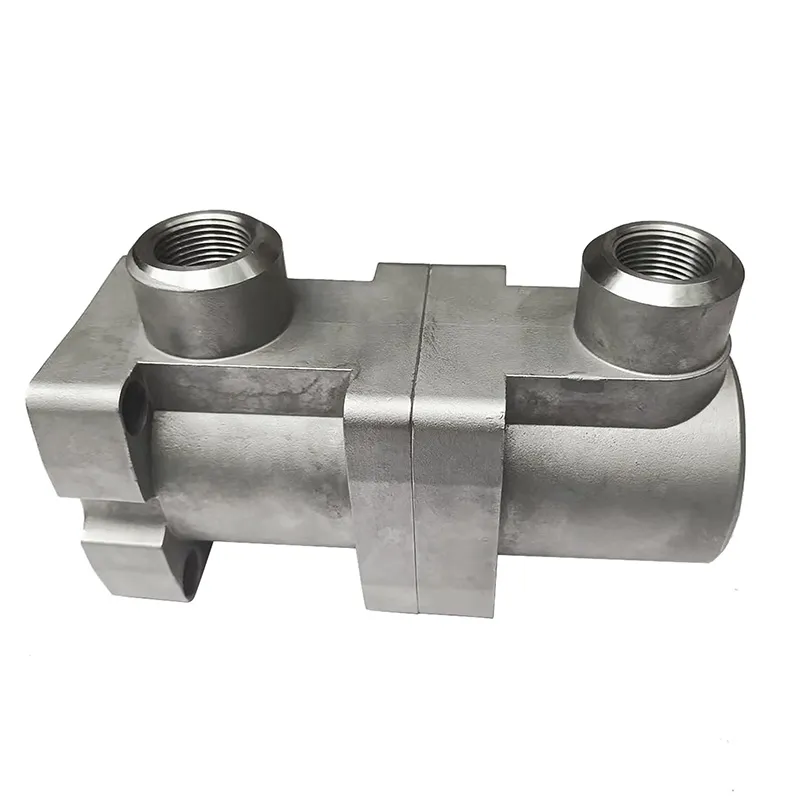
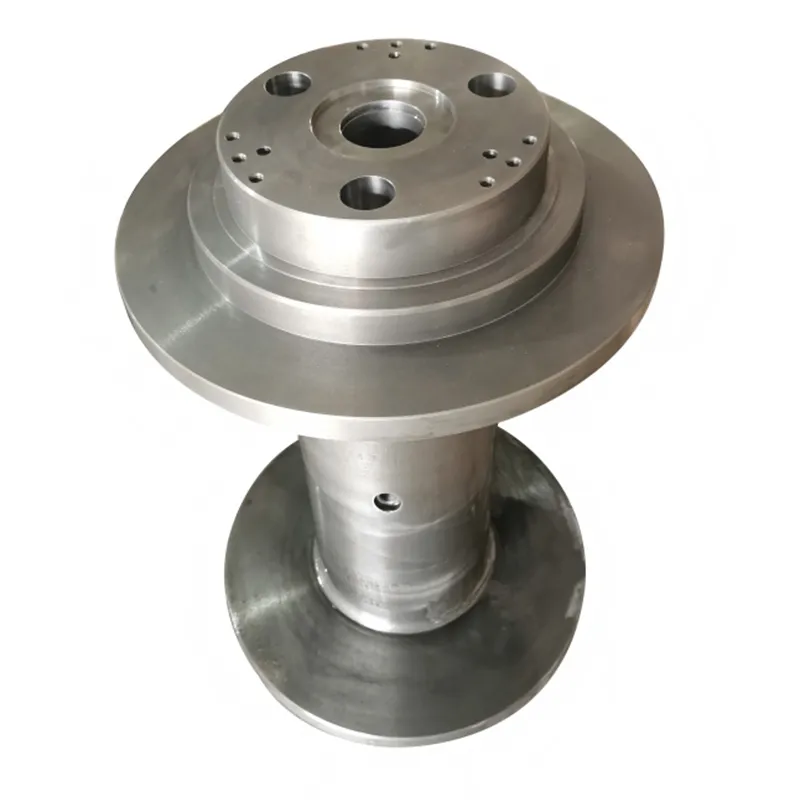
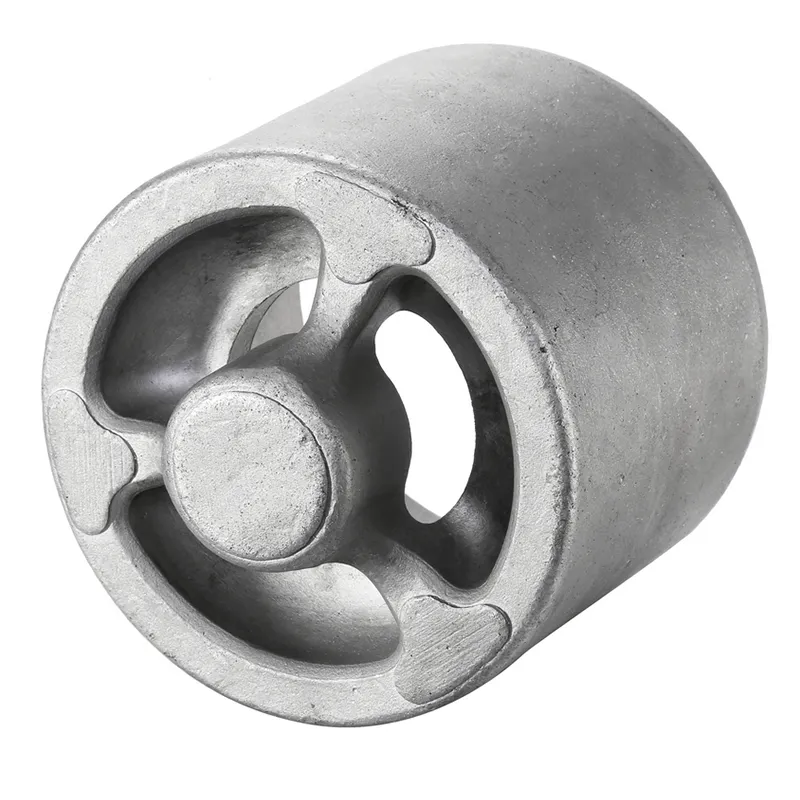
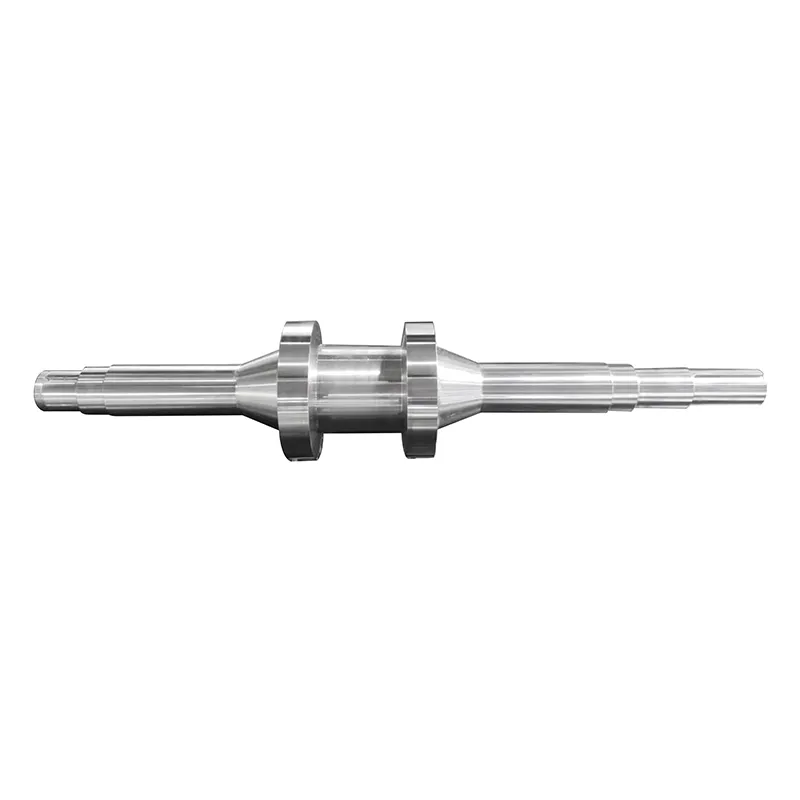
This is where a foundry and machine shop with deep material experience becomes critical. For instance, working with a partner like Qingdao Qiangsenyuan Technology Co., Ltd. (QSY) on custom or replacement plunger housings or pump blocks highlights the importance of material integrity. They've been in casting and machining for over 30 years (https://www.tsingtaocnc.com). For a high-wear component like a pump block, the casting quality is everything. A microscopic porosity in the alloy from an inferior casting process will become a nucleation point for fatigue, leading to a crack under constant 10,000 psi pulsation. Their work with shell and investment casting for complex geometries, plus CNC machining for precise seal surfaces, ensures the foundation for those critical homogenizer parts is sound.
The Valve Assembly: More Than Geometry
The homogenizing valve and seat. Yes, this is where the magic happens. But the common misconception is that the geometry—the angle, the gap—is the only variable. Material pairing is arguably more important. A hardened stainless steel seat against a tungsten carbide valve face is typical for long life in abrasive products. But I've seen cases where a customer switched to a product with higher acidity and didn't consider this. The result was accelerated galvanic corrosion at the interface, pitting the surfaces and destroying the homogenization efficiency long before mechanical wear was an issue.
Another subtle point: the valve stem and its guides. This component ensures the valve lifts and reseats perfectly concentric. If the guides wear, the valve wobbles. You don't get a clean, uniform annular gap; you get an erratic, tapered gap that causes inconsistent particle size distribution and hammers the seat unevenly. Replacing the seat without addressing worn guides is a waste of money. It's a lesson learned from tearing down units and finding the 'new' seat already showing asymmetric wear after a short run.
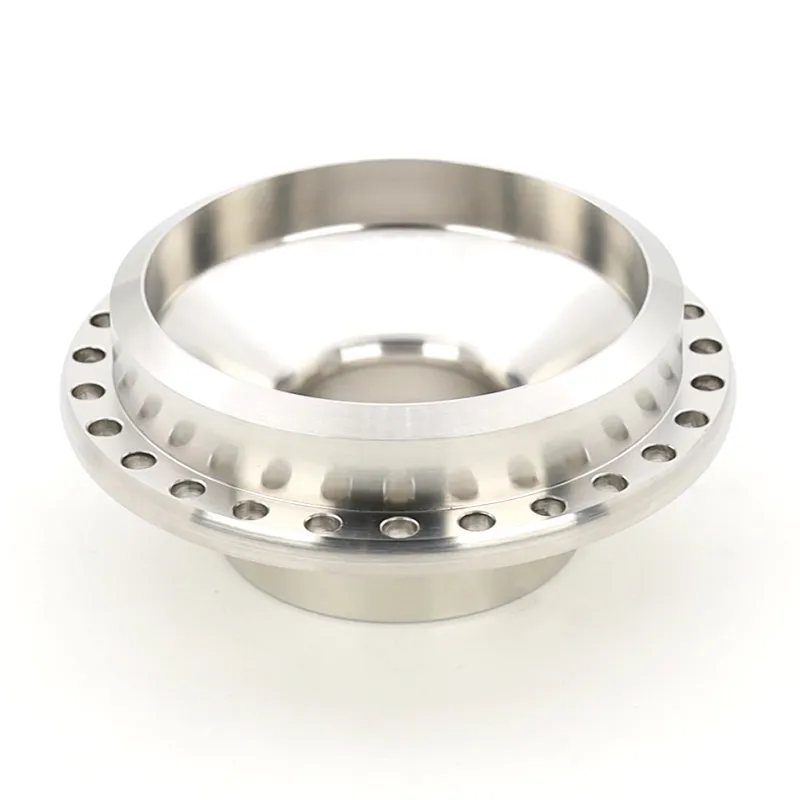
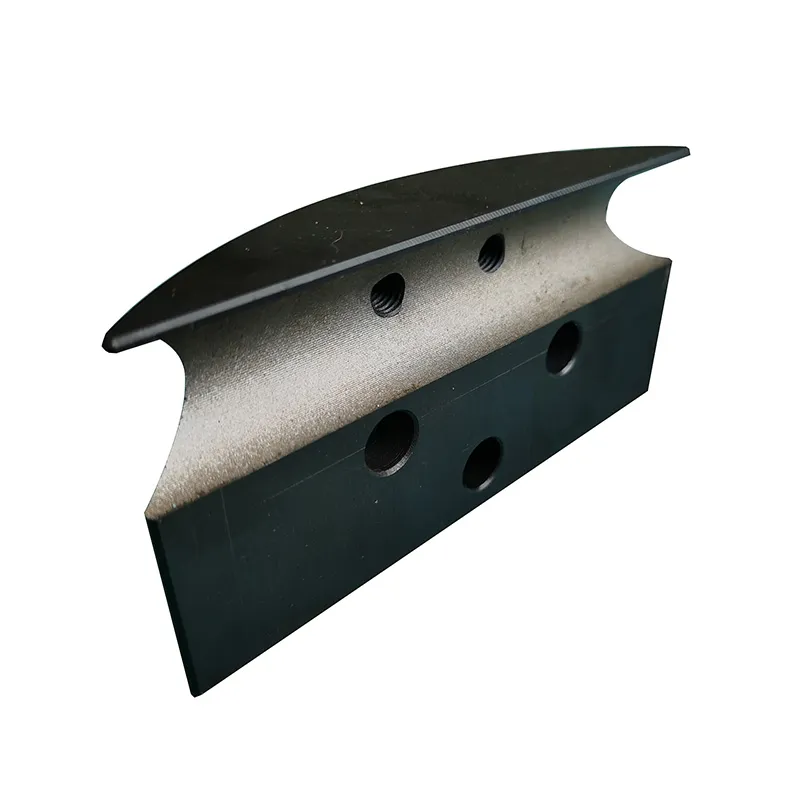
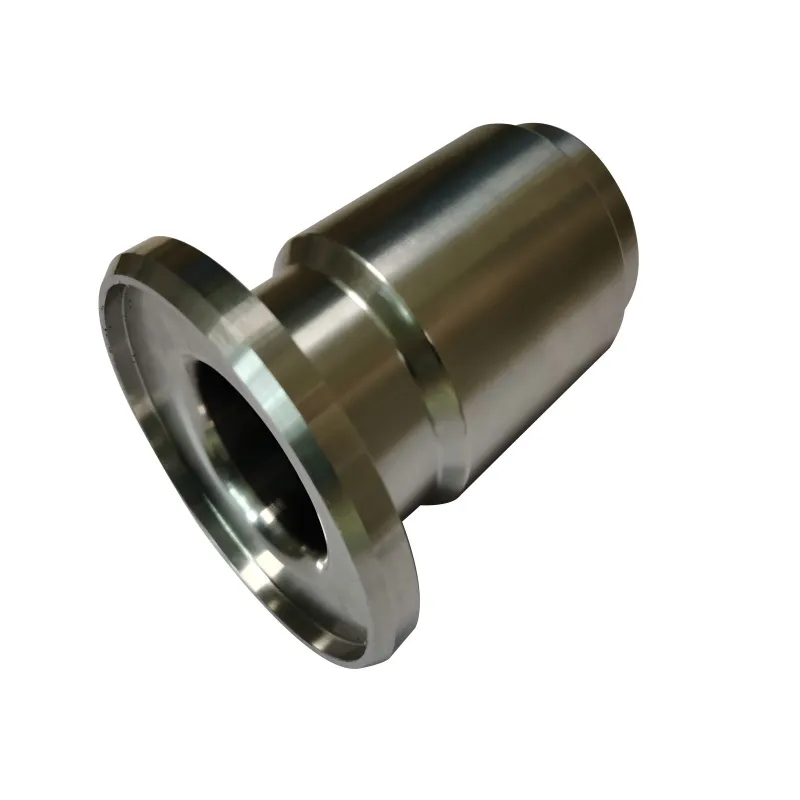
When sourcing these, the machining tolerance is non-negotiable. The sealing faces must be lapped to near-optical flatness. This isn't a job for a generic machine shop. It requires the kind of precision CNC capability that a specialist in industrial components possesses. A company like QSY, with its focus on CNC machining of stainless steels and special alloys, is geared for this. The ability to machine cobalt or nickel-based alloys for extreme wear or corrosion resistance in valve components can be a game-changer for specialized applications beyond food, like in pharmaceuticals or chemicals.
Pressure-Sensing and Check Valves
Often overlooked in the parts inventory are the check valves on the inlet and outlet. Their job seems simple: prevent backflow. But when they start to wear or their springs fatigue, they cause pressure oscillations and product bypass. You'll see it on the pressure gauge as needle flutter. This instability feeds back into the main homogenizing valve, causing it to 'chatter' and accelerating wear on both the valve face and the seat. Rebuilding or replacing these check valves is cheap preventative maintenance compared to the cost of a new valve set.
The pressure sensor ports and plugs are another sneaky trouble spot. Repeated threading for sensor calibration or replacement can wear the threads in the pump block or manifold. Eventually, you get a leak that's hard to trace—a fine mist of product or water. Retapping and installing a helical insert is a fix, but it's downtime. Using properly annealed, high-integrity fittings and blocks from the start, made from precisely cast and machined materials, prevents this. A robust casting, free of defects, will have consistent metal density in these high-stress threaded areas.
Material Selection: It's Not All 316 Stainless
The default for food is AISI 316L stainless steel. It's a good balance. But for homogenizer parts, especially valves and seats in highly abrasive or saline applications, you need to look at hardened grades, stellite coatings, or full ceramic. I once worked on a tomato paste line where the seeds acted like grinding paste. Standard 316 seats lasted a week. Switching to a tungsten carbide-faced seat increased service life to over three months. The cost was higher, but the ROI from reduced downtime and changeovers was massive.
This is where a supplier's material expertise is tested. Can they source and reliably machine these advanced materials? For example, nickel-based alloys like Inconel are fantastic for high-temperature, high-corrosion scenarios, but they're a beast to machine. They work-harden quickly. You need a machine shop with the right tooling, feeds, and speeds to produce a clean, stress-free part. A company with QSY's stated experience in special alloys isn't just listing buzzwords; that capability directly translates to producing durable, application-specific homogenizer parts that solve real wear problems.
Don't forget about the gaskets and 'soft' parts. EPDM, Viton, PTFE—the choice here is driven by product chemistry, fat content, and cleaning temperatures. A Viton seal might be perfect for a high-fat dairy product but can swell and fail in a brewery application using certain CIP sanitizers. Keeping a detailed log of which material was used where, and its observed lifespan, is basic but invaluable tribal knowledge.
Integration and the Feel of Maintenance
Finally, having all the right parts is one thing. Installing them with the correct 'feel' is another. Torquing the valve assembly isn't about cranking it to the max. It's about a specified sequence and torque to ensure even loading without distorting the components. Over-torquing can pinch seals, distort valve guides, and even crack ceramic plungers. There's a tactile feedback when a packing gland is correctly adjusted—a slight drag but smooth movement. You don't learn that from a manual; you learn it from doing it wrong a few times and seeing the consequences.
Spare parts management is its own discipline. It's not just about having a valve in stock. It's about having the right seal kit, the correct spring for the check valve, and the specific O-ring for the temperature probe port for that model and serial number. A generic O-ring might fit, but if its durometer (hardness) is off, it will extrude and fail under pulse pressure. Organizing parts by machine, not just by type, saves hours during a breakdown.
So, when you think about homogenizer parts, think systemically. It's the ecosystem of high-pressure components, from the inlet check valve to the final discharge seal, all made from materials chosen for a specific fight against wear, corrosion, and fatigue. Partnering with technical manufacturers who understand the stresses involved at a metallurgical and machining level, like those specializing in precision casting and CNC of performance alloys, turns parts replacement from a reactive cost into a strategic element of reliability engineering. That's what keeps the pressure stable and the product consistent.