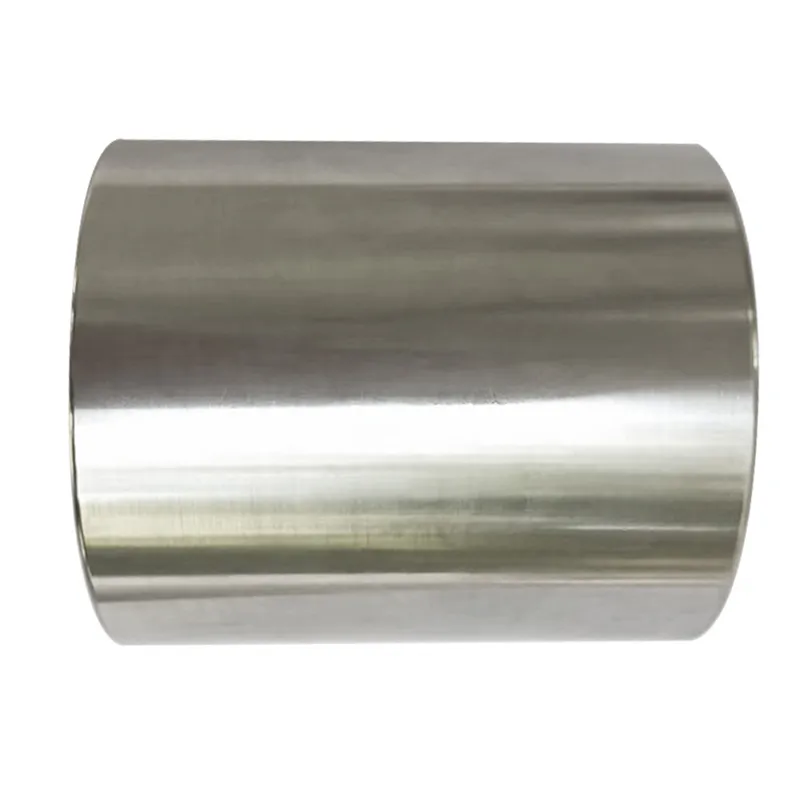
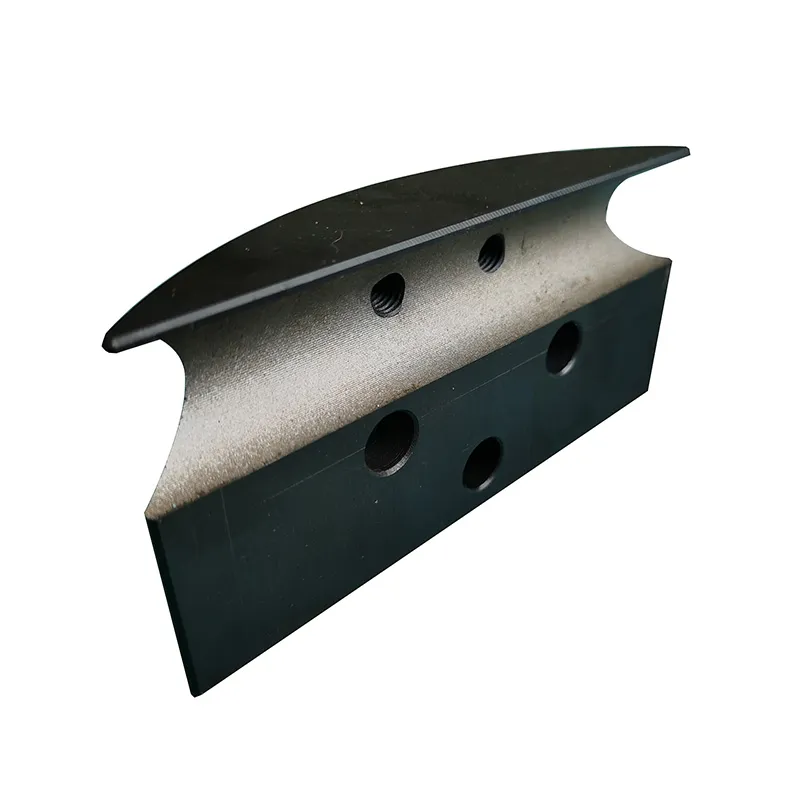
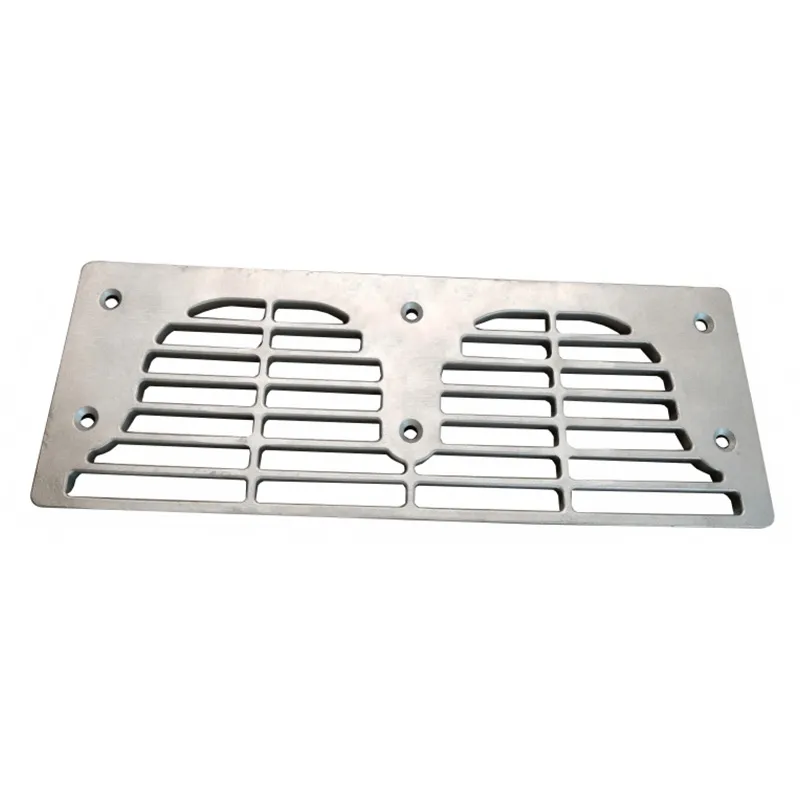
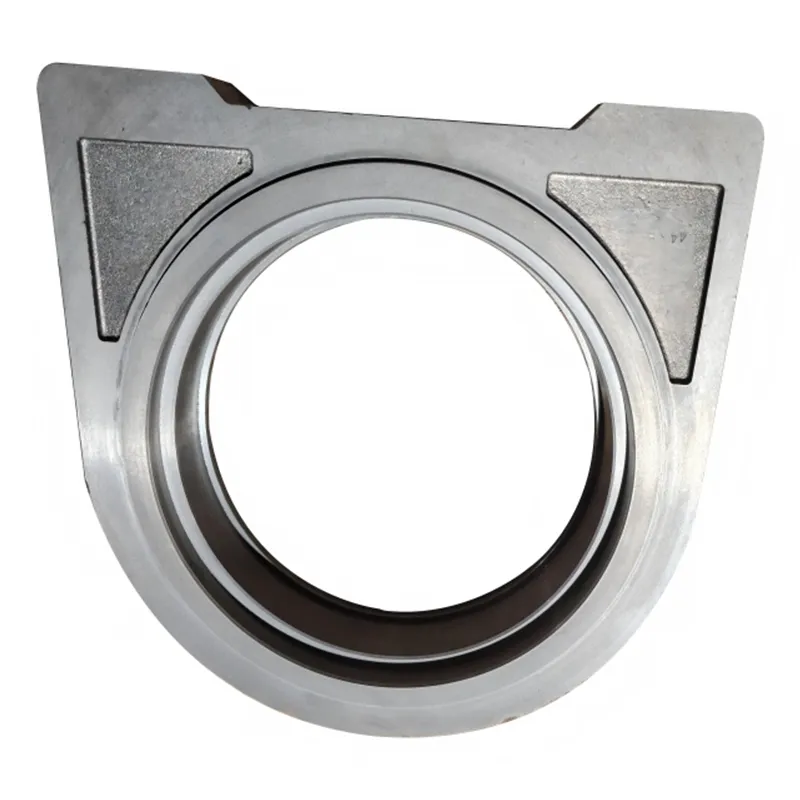
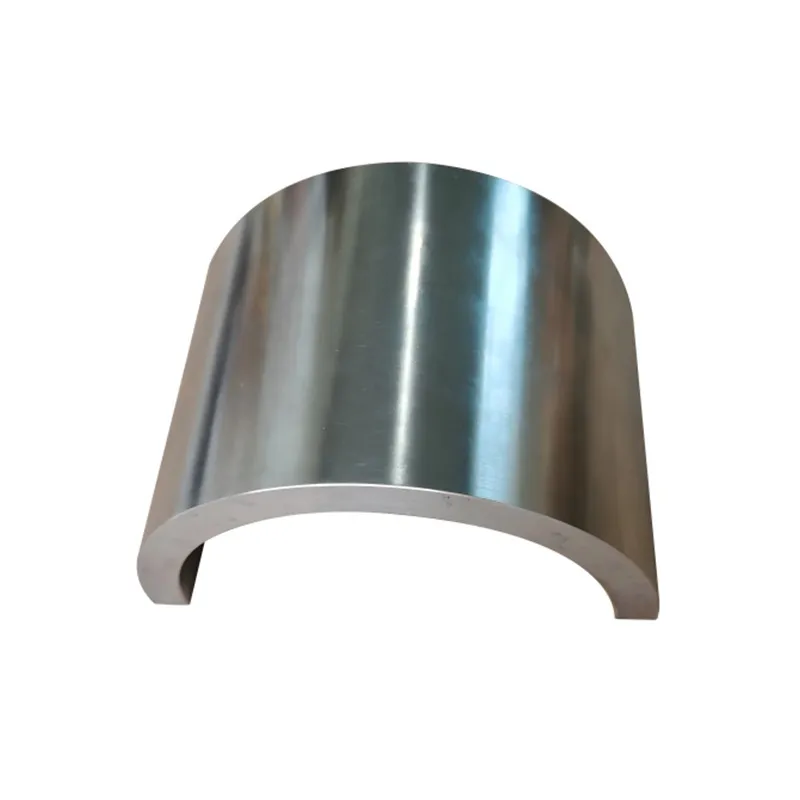
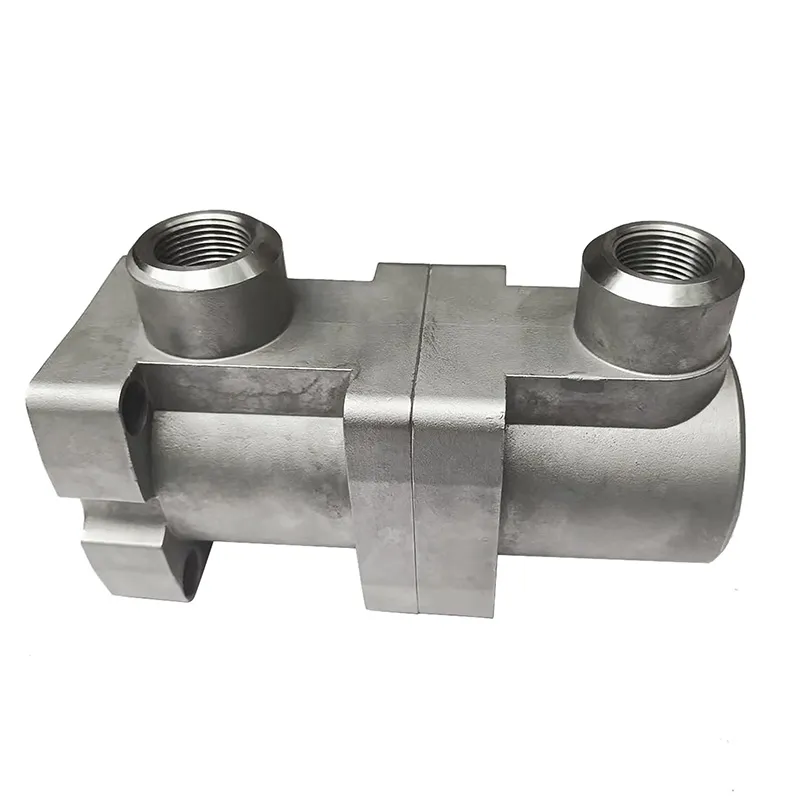
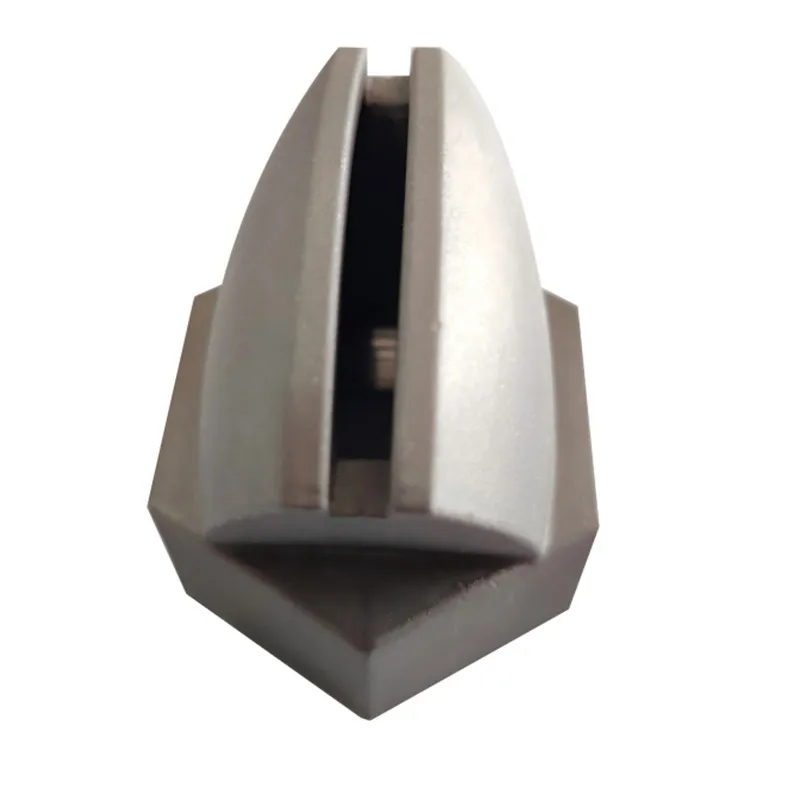
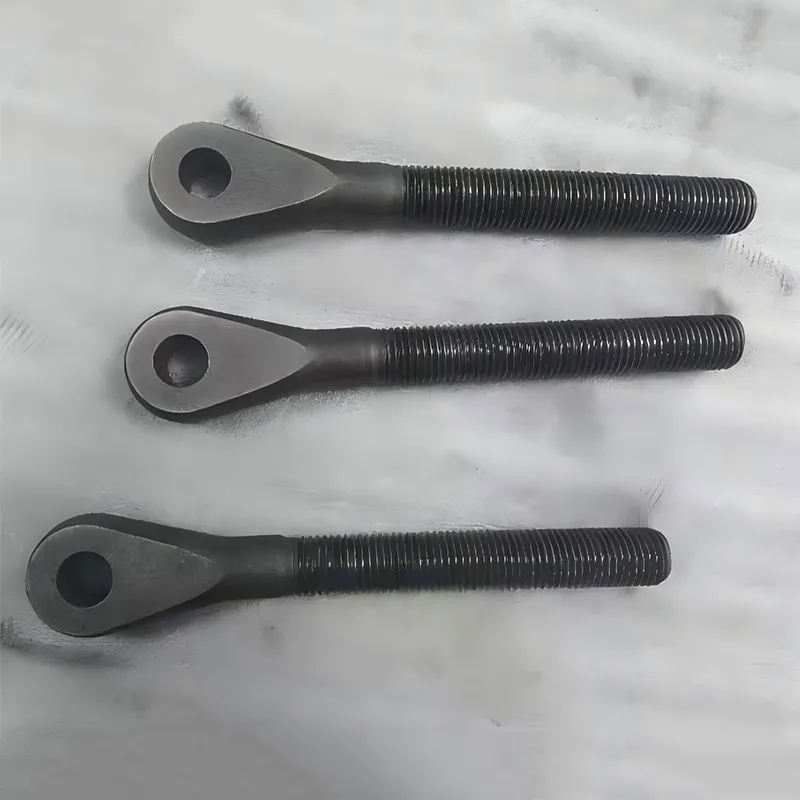
When people talk about high-pressure homogenizers, the focus is always on the intensifier pump or the homogenizing valve gap. The Homogenizer Poppet Valve itself is often treated as a simple, replaceable wear part. That's a costly misconception. In reality, its design, material integrity, and machining precision dictate not just particle size distribution, but also process stability, valve seat longevity, and ultimately, your total cost of operation. I've seen too many operations blame pressure fluctuations on their pump, only to find the root cause was a subpar poppet valve that couldn't maintain a consistent geometry under load.
Material Science Isn't Just a Spec Sheet
You'll see valves advertised as stainless steel or hardened. That's meaningless without context. For a dairy application running at 150 bar, a 440C stainless might suffice. But for a pharmaceutical nanoemulsion at 2500 bar with an abrasive active ingredient? You're in a different world. We tried a cobalt-based alloy (Stellite 6) valve from a general machinist for a cell disruption process. The hardness was there, but the microstructure from their casting process had microscopic inclusions. It didn't fail catastrophically; it just wore unevenly, causing a gradual, insidious drift in shear profile over 80 hours of run time. The product specs started drifting long before the valve looked worn.
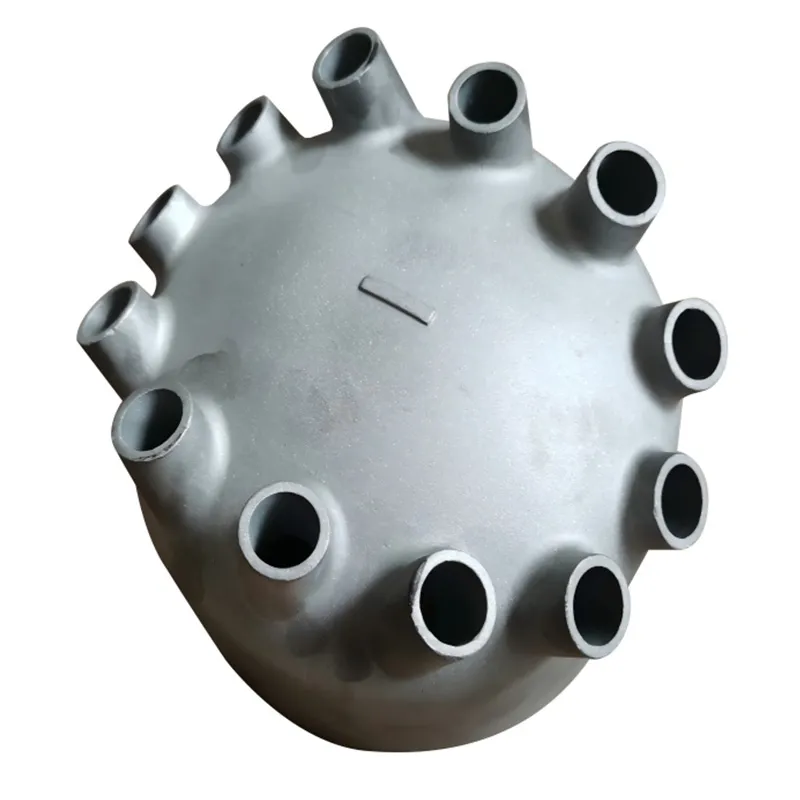
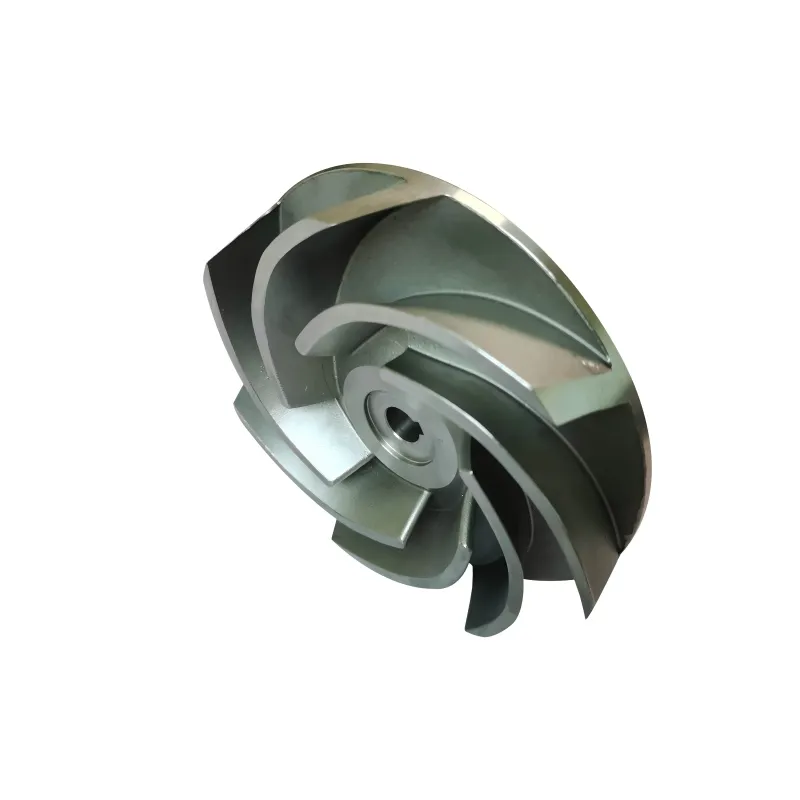
This is where the 30-year foundry experience of a partner like Qingdao Qiangsenyuan Technology Co., Ltd.(QSY) becomes tangible. It's not about having the alloy on the list; it's about controlling the melt, the mold, and the solidification to eliminate those inclusions for a truly homogeneous blank. Their specialization in shell mold casting and investment casting for complex, high-integrity parts is critical here. A poppet valve isn't a bolt. Its internal crystalline structure must withstand asymmetric, cyclical impact forces.
The choice between cast iron, steel, or a special alloy like a nickel-based one isn't just for corrosion resistance. It's about the damping characteristics and fatigue strength. A softer martensitic stainless might dampen vibration better, reducing harmonic chatter in the valve assembly, which is a common source of product quality noise. But it will sacrifice some service life. It's a calculated trade-off, not a generic decision.
Precision Machining: Where the Design is Realized (or Ruined)
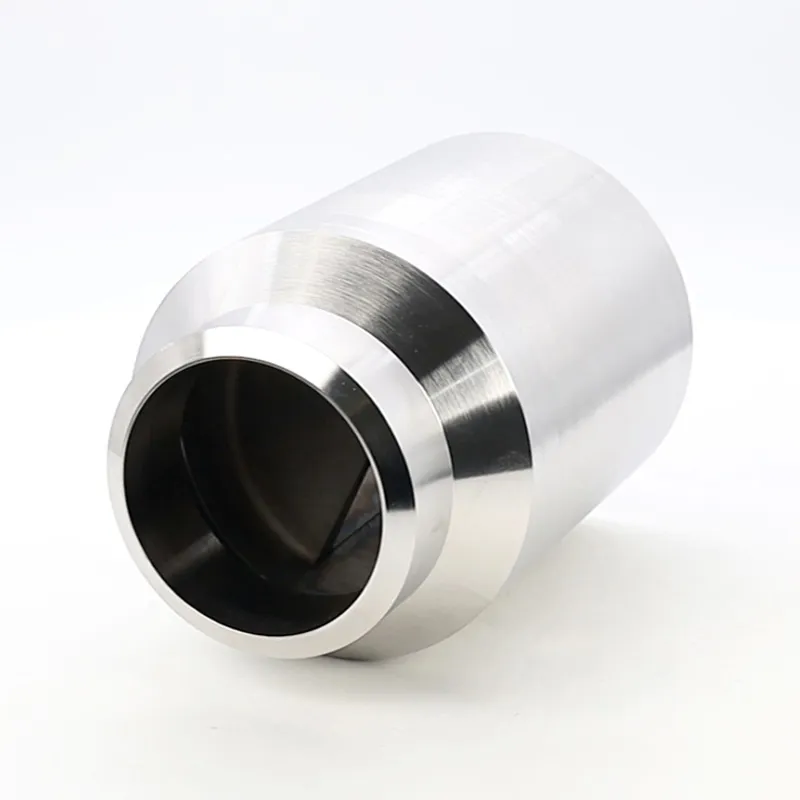
Even a perfect casting is just a expensive paperweight without precision CNC machining. The sealing angle, the stem concentricity, the surface finish of the seating land—these are measured in microns. I recall a batch of valves where the 60-degree sealing face was off by just 0.5 degrees. The result wasn't a leak; the valve still sealed. But the contact stress profile was altered, creating a localized high-wear ring. The valve seat wore out in a third of the expected time, a failure that was attributed to the seat material until we did a forensic metrology check on the poppets.
This is the stage where CNC machining capability separates vendors. QSY's integrated approach, handling both casting and final machining, minimizes tolerance stack-up. The part isn't shipped across a city for machining, introducing new fixturing errors. The critical sealing geometry is machined from a solid that they themselves cast, with full traceability of the material lot. For a high-wear part like this, that control loop is invaluable.
The final lapping or polishing process is often an artisan step. Too rough, and you initiate micro-cracks. Too polished, and you might not achieve the necessary seal without excessive force. There's no textbook answer; it's developed through iterations with specific homogenizer models and process media. A good manufacturer will have that historical data.
Integration and Failure Modes: The Real-World Test
A valve never works in isolation. It interacts with the seat, the spring, the hydraulic actuator. A common pitfall is optimizing the valve for hardness without considering its mating seat. Mismatched materials can lead to galling or adhesive wear. We once specified an extremely hard tungsten carbide coating for a valve in a ceramic slurry application. It wore beautifully. The problem was, it acted like a cutting tool and rapidly machined away its much softer stainless steel seat, leading to catastrophic failure and contamination.
The lesson? The valve and seat must be designed as a system. Sometimes, a slightly softer but tougher valve material that wears in tandem with the seat provides a more stable long-term performance window. Partners who understand both sides of this interface, offering machined seats and guides alongside the valves, provide a more holistic solution. Looking at QSY's portfolio, their ability to machine the entire valve assembly—body, seat, poppet—from compatible or identical materials is a significant advantage for OEMs looking to control this system performance.
Another subtle failure mode is fatigue fracture of the stem, especially in poppet valves used in rapid-cycling, low-pressure applications. The stress isn't from crushing pressure, but from cyclical bending. This points back to the casting quality—a flaw or porosity in the stem's core will become a crack initiation point. Radiographic inspection of critical areas isn't a luxury; it's a necessity for reliability.
Cost Perspective: Total Cost of Ownership
Procurement often shops for homogenizer valves based on unit price. This is a false economy. The real cost is in the downtime for changeover, the product lost during valve adjustment and re-stabilization, and the downstream impact of inconsistent particle size. A valve that costs 50% more but lasts 300% longer and maintains its profile for 90% of its life is vastly cheaper.
The consistency offered by a vertically integrated manufacturer with tight process control translates directly into predictable maintenance schedules. You can plan your changeovers instead of reacting to a quality deviation. For a continuous process line, this predictability is worth a massive premium. It's about moving from a reactive spare-part mindset to a proactive process-component philosophy.
Furthermore, working with a technical partner like QSY, who can provide material certificates, heat treatment reports, and even custom design collaboration, reduces the engineering overhead and risk for the equipment owner. You're not just buying a shaped piece of metal; you're buying a guarantee of performance derived from decades of metallurgical and machining practice.
Looking Forward: Customization and Collaboration
The future isn't in off-the-shelf valves. As processes push into higher pressures and more challenging media (highly acidic, high-temperature), the need for application-engineered solutions grows. This might mean a valve with internal cooling channels for a heat-sensitive biopolymer, or a specialized coating for a corrosive API slurry.
The ability to rapidly prototype—from a modified casting pattern to a finished CNC-machined test piece—is where the rubber meets the road. A company's website, like https://www.tsingtaocnc.com, tells you about their capabilities. But the real test is in a technical dialogue: can they question your application parameters, suggest a material grade you hadn't considered, and provide a failure analysis on a returned part? That's the difference between a part supplier and a component engineering partner.
For the Homogenizer Poppet Valve, the trend is towards smarter, more integrated design. But the fundamentals remain: material integrity, precision geometry, and systemic compatibility. Ignoring these in favor of a low sticker price is a gamble that process reliability usually loses. The valve is the heart of the homogenizing action; it deserves a level of engineering scrutiny equal to the pump that drives it.