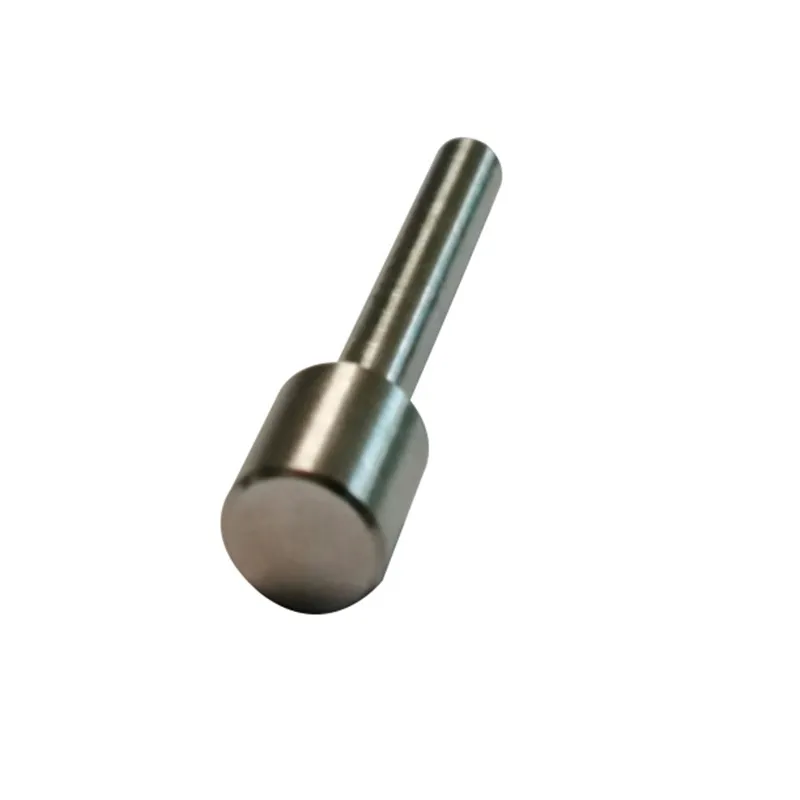
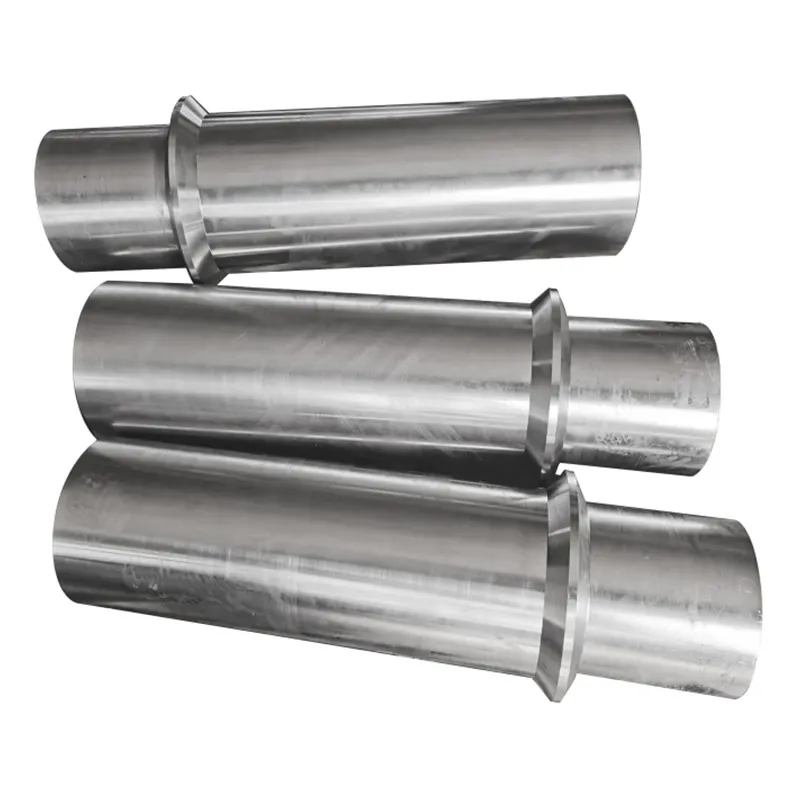
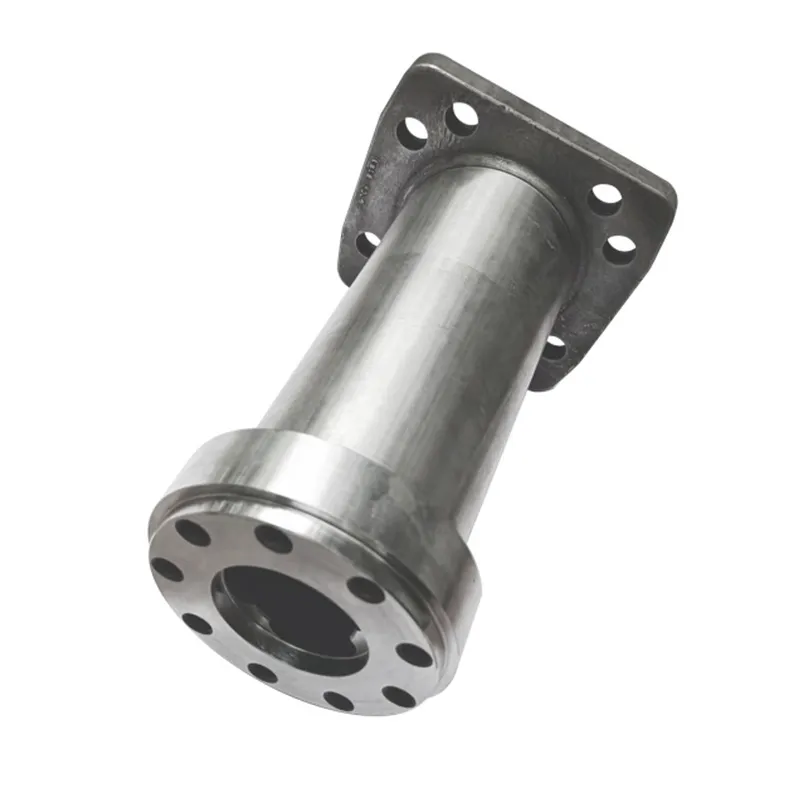
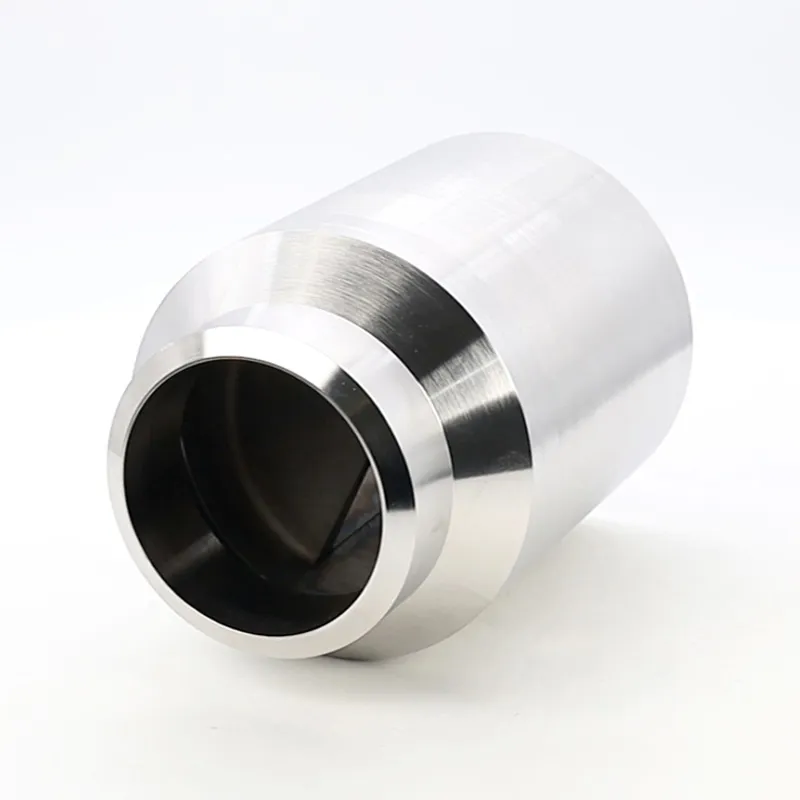
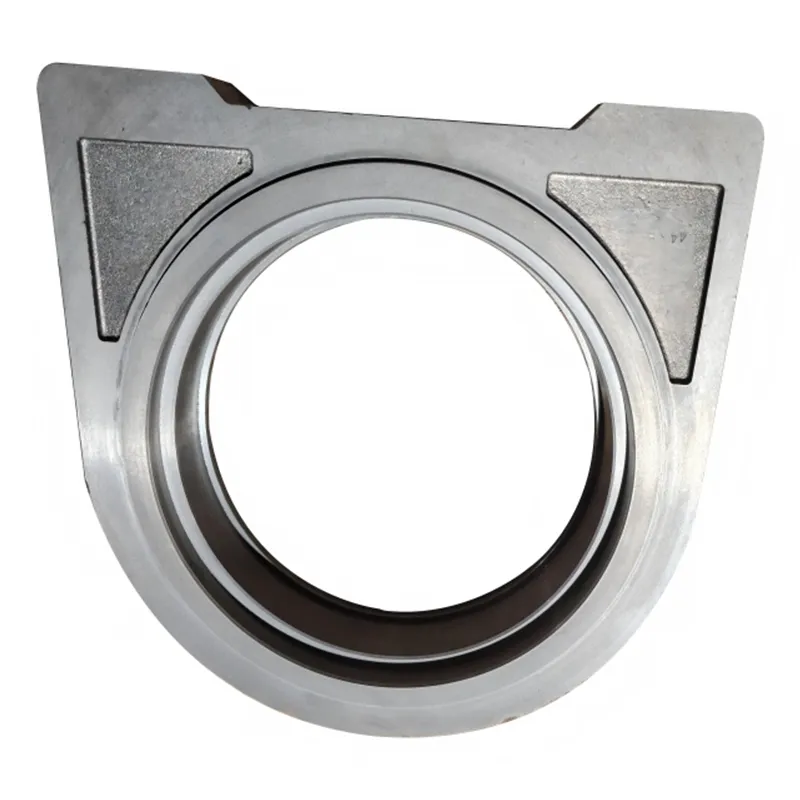
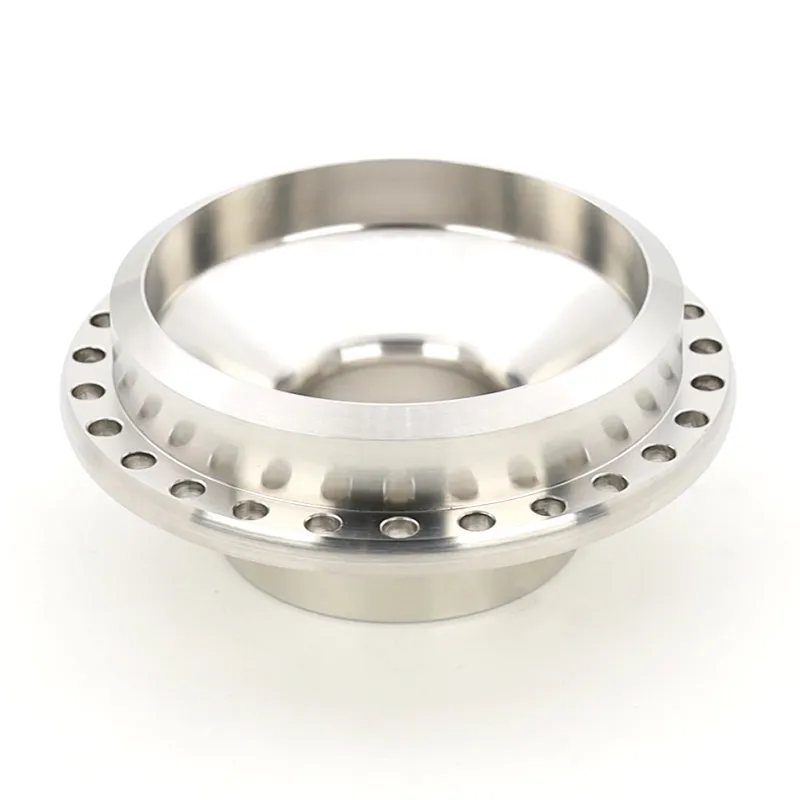
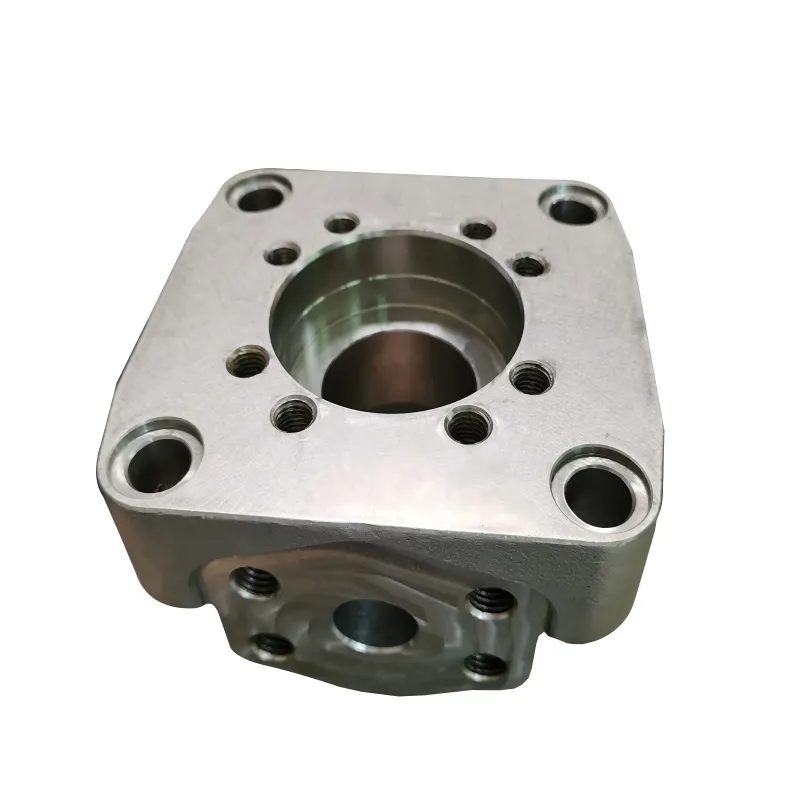
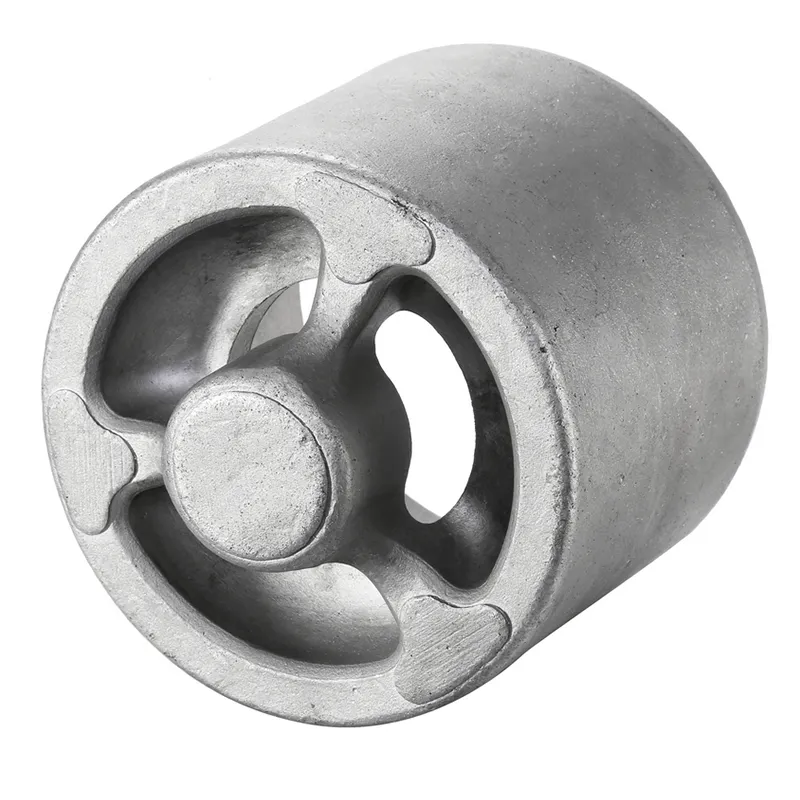
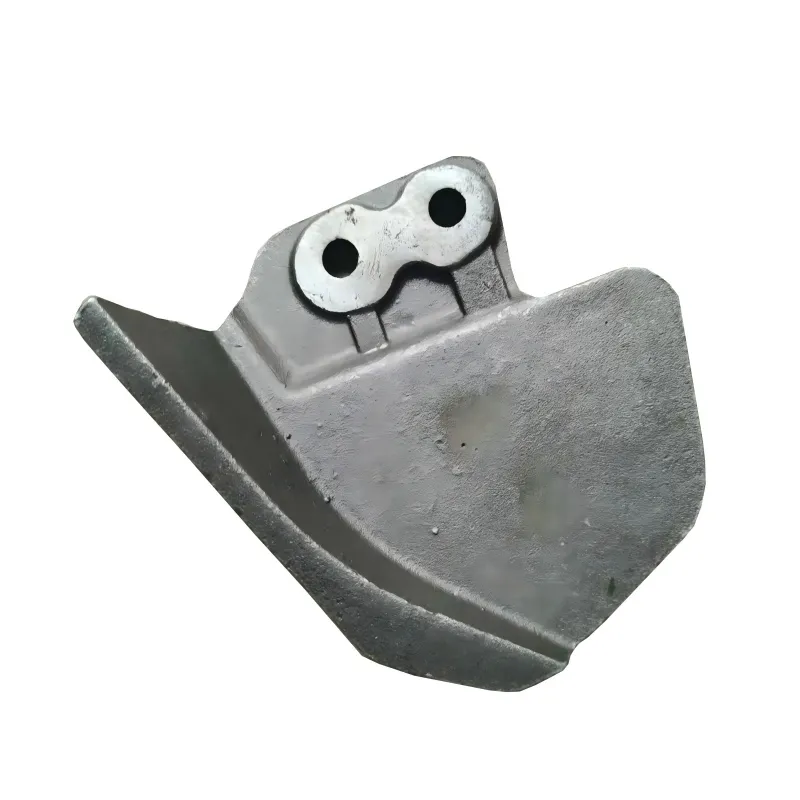
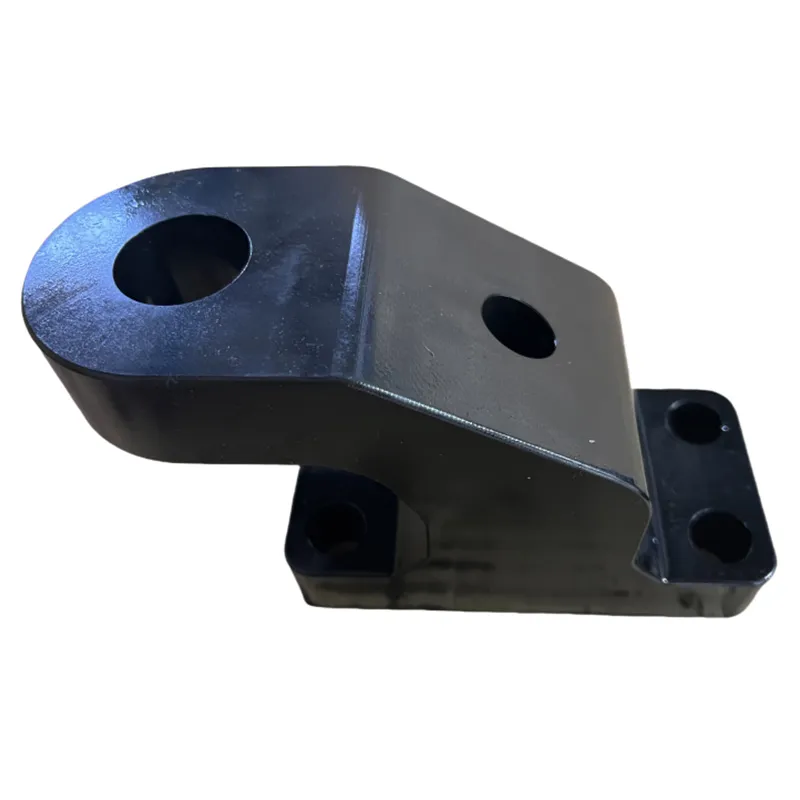
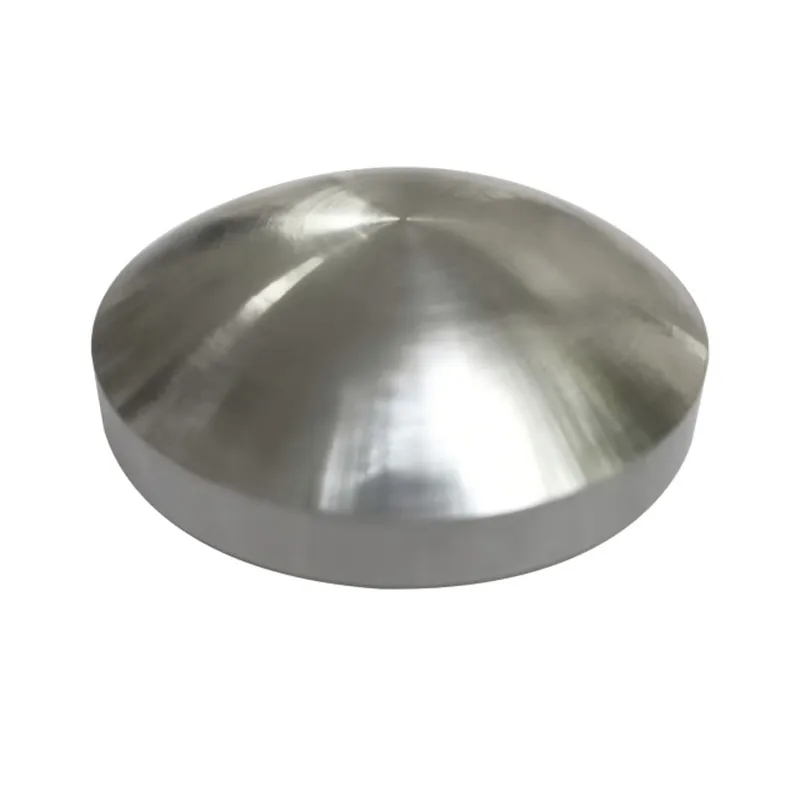
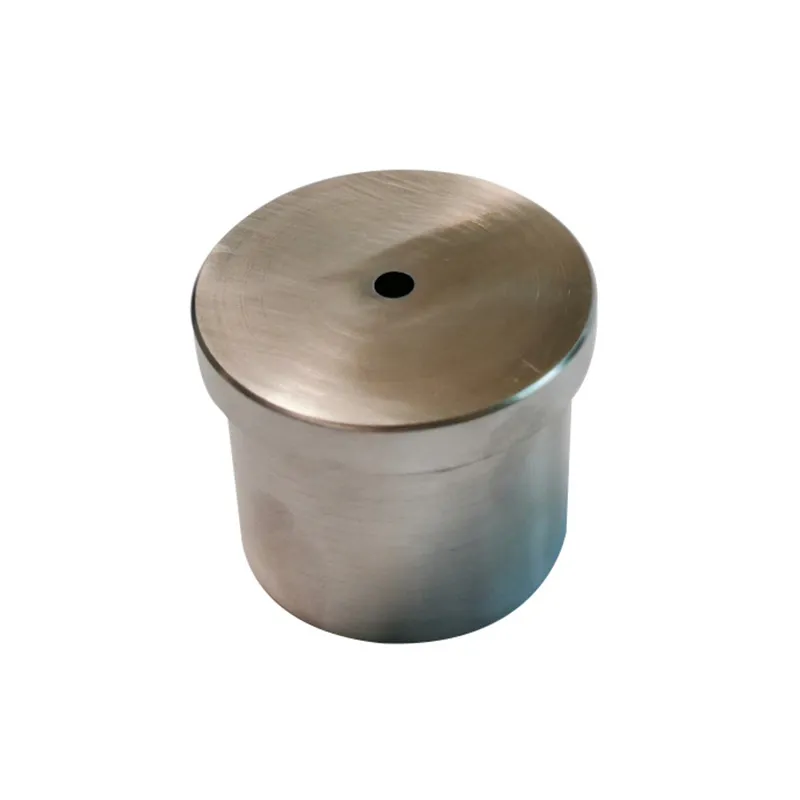
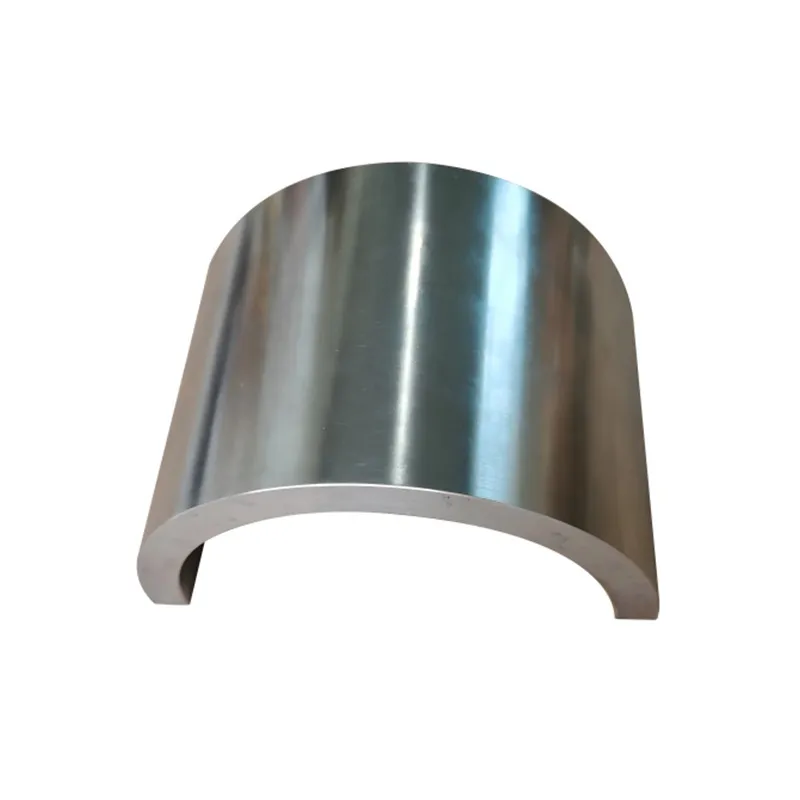
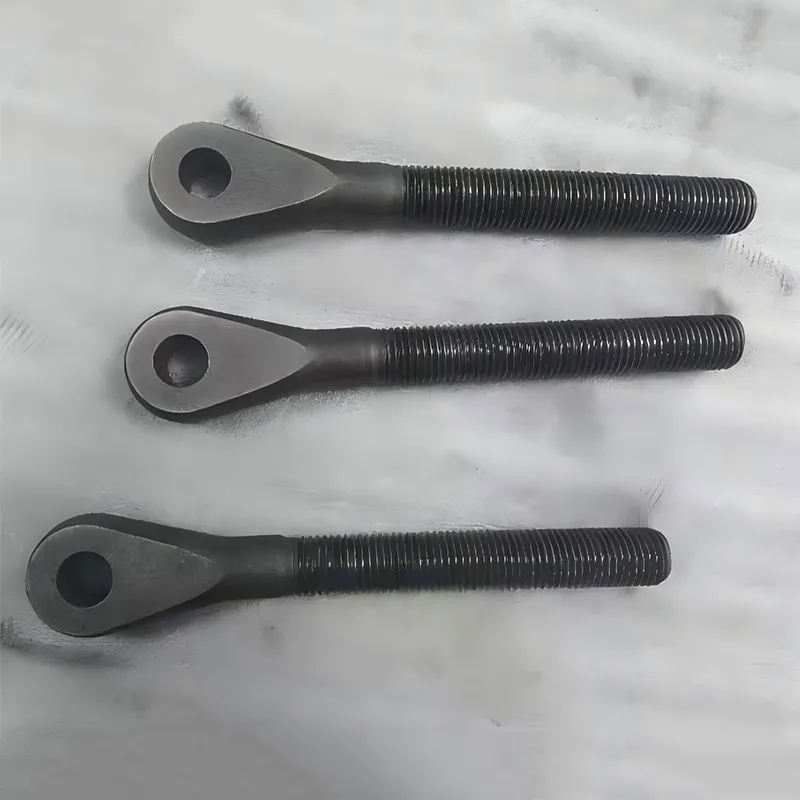
When you hear 'homogenizing valve part', most think of a simple, replaceable piece in a dairy or food processing line. That's the first misconception. In reality, it's a precision wear component that dictates the entire efficiency and product consistency of a high-pressure homogenizer. The failure point isn't usually the valve body, but the specific interaction surface—the seat and the valve head, often made from specialized alloys. I've seen too many operations treat it as a generic spare, ordering the cheapest option, only to face catastrophic particle size distribution issues and downtime weeks later. The part's performance is everything.
The Material is the Message
You can't talk about these valves without diving deep into metallurgy. The standard 316L stainless works for non-abrasive applications, but that's a small fraction. For anything with fibers, minerals, or high solids, you're in the realm of stellite (cobalt-chromium alloys) or tungsten carbide. The choice here isn't theoretical. I recall a project for a nut butter producer. They were burning through 316L seats every 150 hours. We switched to a cobalt-based alloy from a foundry with deep material science expertise, like Qingdao Qiangsenyuan Technology Co., Ltd.(QSY). Their 30-year focus on investment casting for special alloys meant they understood the grain structure needed for impact resistance, not just hardness. The part life jumped to over 1200 hours. It wasn't magic; it was controlled solidification and post-cast heat treatment.
The nuance is in the specification. Simply asking for stellite isn't enough. Is it Stellite 6, 12, or 21? Each has a different matrix. For extreme abrasion, you might need a ceramic-metal composite layer. I've had failures where the material was technically correct, but the casting method introduced micro-porosity. Under 250 bar of pressure, those microscopic voids become fracture initiation points. That's why the foundry's process control—their shell mold system, pouring temperature, and cooling rate—is as critical as the alloy formula. A shop that does general CNC machining might make a nice-looking part, but if the substrate is flawed, it will fail.
This leads to a common pitfall: over-engineering. There's a trend to specify the hardest, most exotic material for every application. It's wasteful. A tungsten carbide seat paired with a carbide valve head can be too brittle for certain pulsating loads, leading to chipping. Sometimes, a tougher, slightly softer alloy that wears uniformly is better than an ultra-hard one that fails catastrophically. The judgment call comes from knowing the product's rheology. Is it shear-thinning? Abrasive? That dictates the material pair.
Precision is in the Geometry and Finish
The valve's function—forcing product through a micron-scale gap—means geometry is non-negotiable. The flatness of the seat sealing surface, the angle of the valve head, and the radial clearance are measured in microns. I've inspected parts that looked perfect but caused inconsistent homogenization because the seat's lapped surface had a deviation of just two microns, creating an uneven flow path. The finishing, often a multi-step manual lapping process, is where the art meets the science.
This is where a supplier's machining capability shows. It's one thing to cast a near-net-shape part in stainless steel or cobalt alloy. It's another to hold a 0.001 tolerance on a complex internal profile after heat treatment, which can warp the piece. A company like QSY, which integrates casting and CNC under one roof, has an advantage. They can design the casting to minimize machining stress and have the CNC capacity to finish it to spec. I've dealt with split supply chains—foundry sends to a machine shop—and the accountability gets lost. Did the finish crack originate from casting or was it a tooling mark from aggressive milling? An integrated manufacturer can trace that.
The surface finish (Ra value) is critical but often overlooked on drawings. Too rough, and you get nucleation points for erosion and bacterial harborage. Too polished (mirror finish), and you might not achieve the necessary seal without excessive force. For pharmaceutical applications, the passivation process post-machining is another layer. It's these details that separate a part that works from one that works optimally for years.
Real-World Failures and Iterations
You learn more from a failed part than a perfect one. Early in my work with a bio-fermentation client, we specified a high-nickel alloy for a homogenizing valve handling a cell lysate. The corrosion resistance was perfect, but the alloy work-hardened significantly during operation. After a few cycles, the valve head's edge became so hard it became brittle and micro-spalled, contaminating the product. A costly lesson. We moved to a different nickel-based alloy grade with better stability, which required working closely with the foundry to adjust the solution annealing parameters.
Another case involved valve cavitation. The customer was seeing unusual pitting on the inlet side of the seat, not the wear face. The material and finish were to spec. The issue was traced back to the upstream pump creating pressure oscillations, causing cavitation bubbles to implode against the part. The fix wasn't a better valve, but a damper in the line. However, we did increase the material's yield strength for the next batch to better withstand the implosion forces. It's a systems problem, but the valve part takes the damage.
These experiences underscore that a homogenizing valve part is a system interface. Its performance is tied to the homogenizer's plunger wear, the feed pressure stability, and even the product's temperature. You can't just swap it in isolation. The best practice is to document the operating hours, inspect the wear pattern at each change-out, and feed that back to the part manufacturer. A pattern of uneven wear might indicate a misalignment in the homogenizer block, not a part defect.
Sourcing and the Value of Specialized Foundries
This brings me to sourcing. The market is flooded with cheap copies, often reverse-engineered from worn samples. They fit, but they don't perform. The dimensional accuracy might be off by a few thou, or the heat treatment is skipped to save cost. The failure mode is rapid, uneven wear and increased energy consumption as the homogenizer works harder to achieve pressure. The total cost of a failed part—downtime, product loss, energy waste—dwarfs the price premium of a properly engineered component.
That's why partnering with a specialized technical foundry is crucial. A company like QSY (you can find their capabilities at https://www.tsingtaocnc.com) represents a certain tier. Their long-term operation in shell mold and investment casting, specifically calling out experience with cobalt and nickel alloys, signals they understand the niche. For a homogenizing valve part, their process likely involves ceramic shell molds for superior surface finish and dimensional stability on the cast blank, which is half the battle won before machining even starts.
The relationship matters. I've sent them a failed valve seat with a specific wear pattern. Their engineers could discuss whether a change in the carbide percentage in the alloy or a slight adjustment to the sealing angle in the CNC program would mitigate it. They aren't just order-takers; they're problem-solvers because they control the process from melt to machine. This collaboration is how you evolve a part design for a specific application, moving from a standard catalog item to a customized, optimized solution.
Final Thoughts: It's a Wear Part, Treat It Like One
So, to wrap this up, the homogenizing valve part is a consumable, but a high-value, precision consumable. The key is to specify it with as much care as the homogenizer itself. Start with a deep understanding of your product stream. Then, partner with a manufacturer that has the material science foundation and integrated machining to execute. Don't just send a drawing; send the context—operating pressure, product PH, abrasives, and your target service life.
Inventory strategy is part of it too. Because of the long lead times for special alloys and precision machining, you can't wait for failure to order. Plan your spares based on historical wear rates. And finally, always conduct a post-mortem on a replaced part. The wear pattern tells a story about your entire homogenization process. The valve is the canary in the coal mine. Ignoring its condition or treating it as a commodity is the quickest way to compromise product quality and burn money on emergency downtime. It's a small part that carries a very big load.