Construction machinery parts are the critical components that ensure heavy equipment operates safely and efficiently on job sites. Selecting the right parts involves evaluating compatibility, material durability, and supply chain reliability to minimize downtime. This guide details key factors buyers must consider, from identifying genuine specifications to understanding wear patterns, ensuring optimal performance for excavators, loaders, and cranes in demanding industrial environments.
What Are Construction Machinery Parts and Why Do They Matter?
Construction machinery parts encompass a vast array of components ranging from engine systems to hydraulic cylinders and undercarriage tracks. These elements form the backbone of heavy equipment used in infrastructure development, mining, and earthmoving projects. The integrity of these parts directly influences machine longevity and operational safety.
In the current industry landscape, equipment failure due to substandard components can lead to significant project delays. Reliability is not merely a preference but a necessity. High-quality parts reduce friction, manage heat dissipation effectively, and withstand extreme mechanical stress.
Buyers often face a complex market filled with varying quality tiers. Understanding the distinction between original equipment manufacturer (OEM) standards and aftermarket variations is crucial. The right choice balances cost-efficiency with long-term durability, preventing costly repairs down the line.
The Role of Component Integrity in Heavy Equipment
Every component plays a specific role in the kinetic chain of heavy machinery. For instance, hydraulic pumps convert mechanical energy into fluid power, while filters protect sensitive internal mechanisms from contaminants. A failure in one area often cascades, affecting unrelated systems.
Industry professionals emphasize that preventive maintenance relies heavily on part quality. Using components that do not meet precise tolerance levels can accelerate wear on adjacent parts. This phenomenon increases total cost of ownership despite lower initial purchase prices.
Furthermore, safety regulations in many regions mandate the use of certified parts for critical systems like braking and steering. Non-compliant components can void warranties and expose operators to severe liability risks during accidents or inspections.
Key Factors to Consider When Buying Construction Machinery Parts
Selecting the appropriate construction machinery parts requires a systematic approach. Buyers must assess multiple variables to ensure the component fits both the machine model and the specific operating conditions. Ignoring these factors often results in premature failure.
The decision-making process should prioritize technical specifications over price alone. While budget constraints are real, the cost of downtime far exceeds the savings from cheaper, inferior alternatives. A strategic procurement strategy focuses on value rather than just initial expenditure.
Below are the primary dimensions buyers must evaluate before finalizing a purchase. These criteria help filter out unsuitable options and identify components that deliver consistent performance under load.
Compatibility and Specification Matching
The most fundamental requirement is exact compatibility. Each machine model has unique engineering parameters, including bolt patterns, port sizes, and electronic control protocols. Even minor deviations can prevent installation or cause immediate malfunction.
Buyers should always reference the equipment’s serial number and original parts manual. Relying solely on visual resemblance is risky, as manufacturers often update designs without changing external appearances. Cross-referencing part numbers ensures a precise match.
- Model Specificity: Verify the part is designed for the exact make, model, and year of the machine.
- Serial Number Range: Check if the component applies to specific production batches within a model series.
- Interchangeability: Confirm if the part supersedes older versions or replaces multiple legacy part numbers.
Failure to match specifications can lead to leaks in hydraulic systems, misalignment in drive trains, or electrical shorts. Professional suppliers typically provide detailed cross-reference charts to assist in this verification process.
Material Quality and Durability Standards
The environment where construction machinery operates is notoriously harsh. Components are exposed to abrasive dust, moisture, extreme temperatures, and heavy impact loads. Therefore, the material composition of the part is a decisive factor in its lifespan.
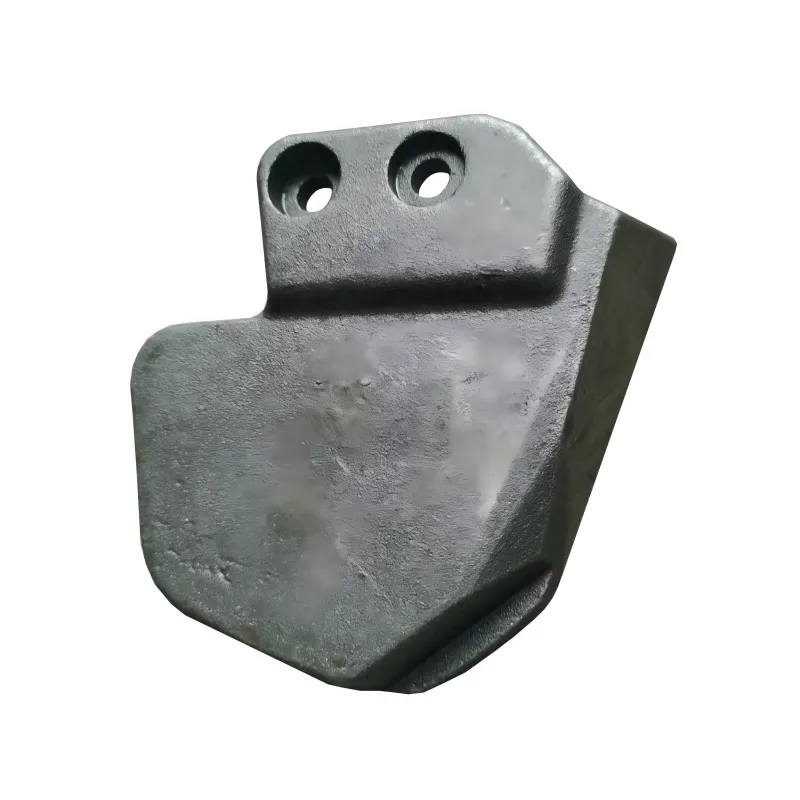
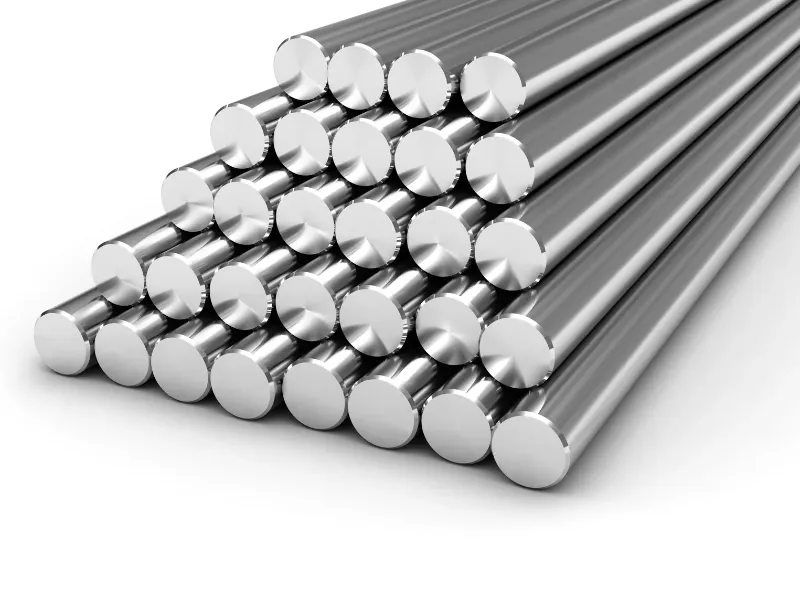
High-grade steel alloys, reinforced polymers, and specialized coatings are standard in premium parts. These materials resist corrosion, reduce wear rates, and maintain structural integrity under stress. Inferior materials may deform or crack under normal operating conditions.
For example, bucket teeth made from low-quality steel will dull rapidly when digging in rocky soil, reducing efficiency and increasing fuel consumption. Similarly, seals made from non-resistant rubber compounds degrade quickly when exposed to certain hydraulic fluids or UV radiation.
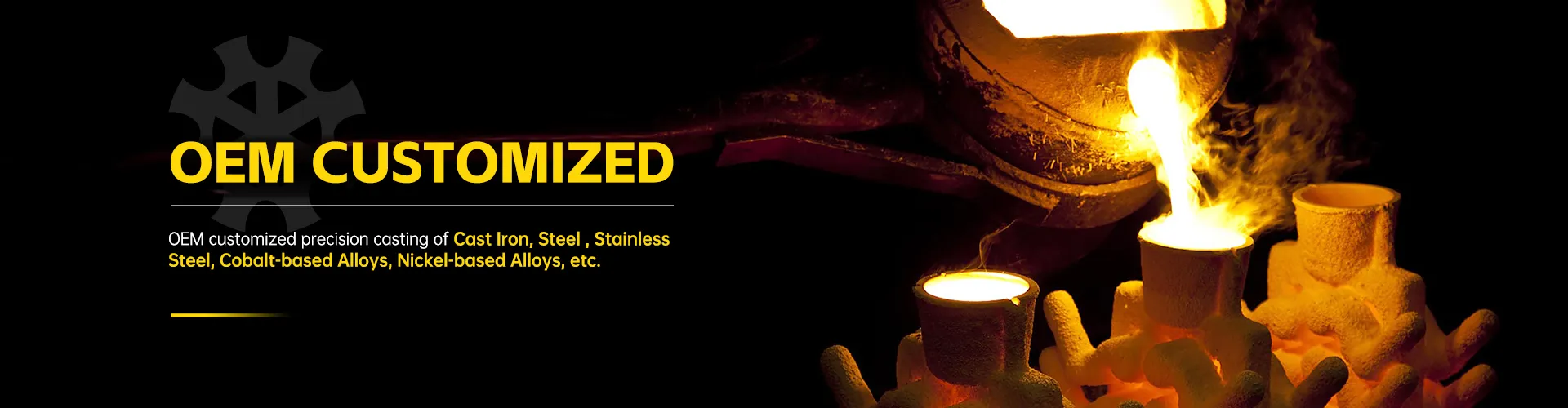
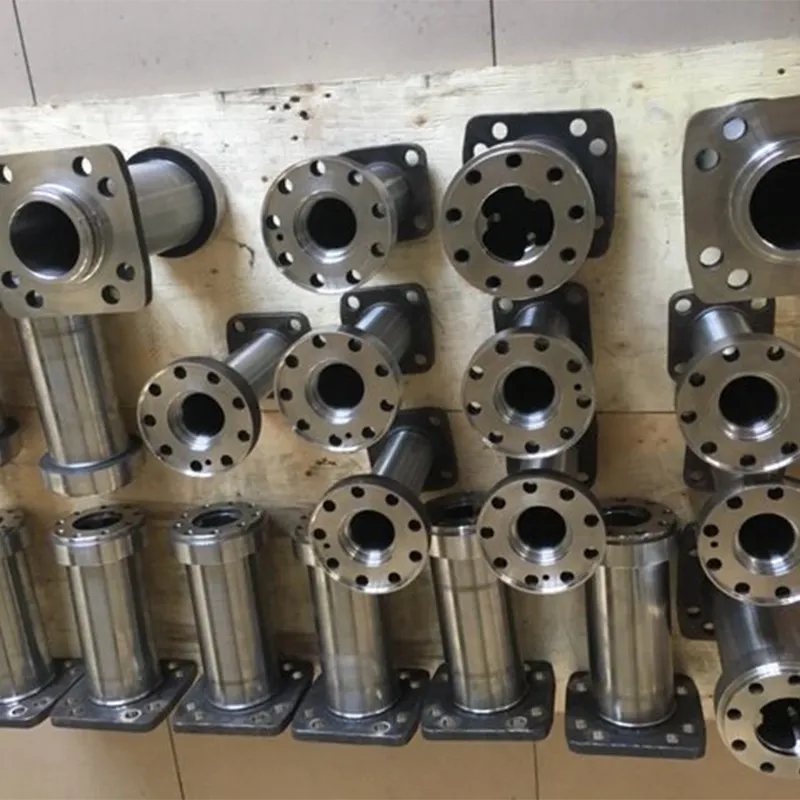
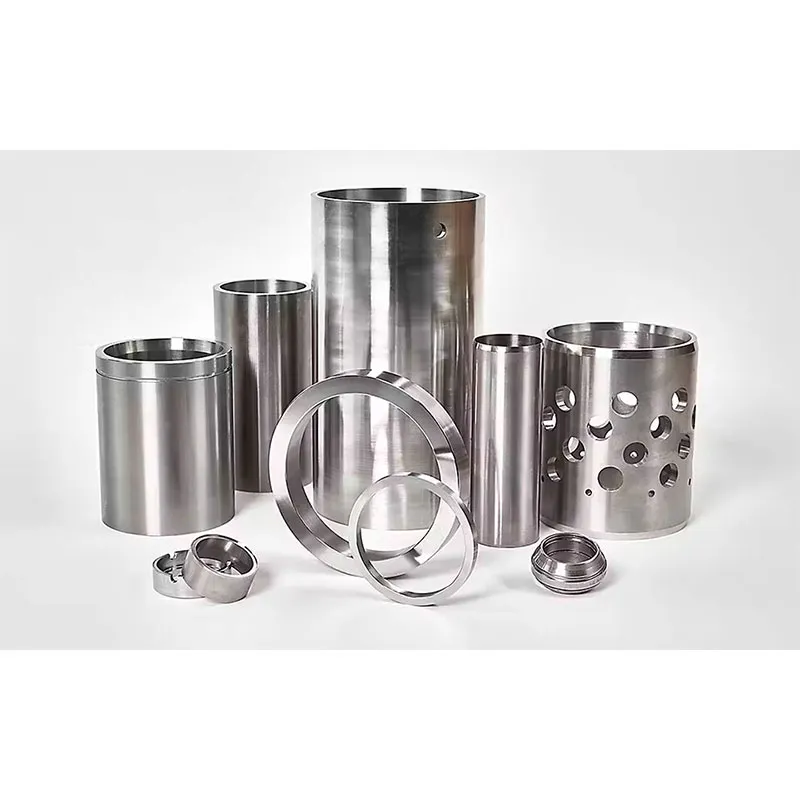
Achieving these high standards requires advanced manufacturing capabilities. Qingdao Qiangsenyuan Technology Co., Ltd. (QSY), for instance, leverages over 30 years of expertise in the casting and machining industry to produce components capable of withstanding such extreme conditions. With a production facility spanning more than 50,000 square meters, QSY integrates shell mold casting, lost wax casting, and precision CNC machining under one roof. Their ability to work with diverse materials—from cast iron and stainless steel to specialized cobalt and nickel-based alloys—ensures that parts for mining and industrial machinery meet rigorous durability requirements. By offering one-stop customized processing services, companies like QSY enable global clients across 20+ countries to source reliable parts that balance cost-efficiency with the robustness needed for demanding applications.
Supply Chain Reliability and Lead Times
In the construction sector, time is money. A broken machine waiting for a part represents lost revenue and potential contract penalties. Therefore, the availability of parts and the speed of delivery are critical selection criteria.
Buyers should evaluate the supplier’s inventory depth and logistics network. A provider with localized warehousing can often deliver critical components within 24 to 48 hours, whereas international shipping might take weeks. Consistent stock levels indicate a robust supply chain.
Additionally, consider the supplier’s track record during peak seasons or global disruptions. Reliable partners have contingency plans to mitigate shortages, ensuring that operations continue smoothly even when market demand surges unexpectedly.
OEM vs. Aftermarket Construction Machinery Parts: A Detailed Comparison
One of the most common dilemmas facing buyers is choosing between Original Equipment Manufacturer (OEM) parts and aftermarket alternatives. Both categories have distinct advantages and limitations depending on the application and budget constraints.
OEM parts are produced by the same company that manufactured the original machine. They guarantee exact fitment and performance characteristics identical to the factory-installed components. However, they often come at a premium price point.
Aftermarket parts are produced by third-party manufacturers. While quality varies significantly among different producers, many reputable brands offer components that meet or exceed OEM specifications at a lower cost. The key lies in identifying trustworthy suppliers.
Understanding the nuances between these two options helps buyers make informed decisions that align with their operational goals and financial capabilities without compromising safety or efficiency.
Comparative Analysis Table
The following table outlines the core differences between OEM and high-quality aftermarket construction machinery parts to facilitate easier decision-making.
| Feature | OEM Parts | Quality Aftermarket Parts |
| Cost | Higher initial investment | Generally 20-40% more affordable |
| Fitment | Guaranteed exact match | High precision, but requires verification |
| Warranty | Comprehensive manufacturer backing | Varies by supplier; often limited |
| Availability | Sometimes limited to dealer networks | Widely available through multiple channels |
| Innovation | Strictly follows original design | May include design improvements |
When to Choose OEM Components
OEM parts are the preferred choice for critical safety systems and complex electronic modules. Components like engine control units (ECUs), transmission assemblies, and primary hydraulic pumps benefit from the rigorous testing and certification that OEMs provide.
Machines under active warranty coverage almost exclusively require OEM parts to maintain validity. Using non-approved components can void the warranty, leaving the owner responsible for all future repair costs. This risk often outweighs any initial savings.
Furthermore, for fleet managers standardized on a specific brand, sticking to OEM ensures uniformity across all assets. This simplifies maintenance protocols and reduces the training burden on technical staff who only need to familiarize themselves with one set of specifications.
The Value Proposition of Aftermarket Options
High-quality aftermarket parts offer excellent value for wear items and non-critical components. Items such as filters, hoses, belts, and cutting edges are frequently replaced and represent a significant portion of maintenance budgets. Here, cost savings accumulate rapidly.
Many aftermarket manufacturers specialize in specific component types, investing heavily in research to improve upon original designs. For instance, an aftermarket track shoe might feature a deeper lug pattern or harder alloy specifically engineered for abrasive mining conditions.
For older equipment where OEM parts are discontinued or scarce, the aftermarket is often the only viable source. Reputable suppliers reverse-engineer these parts with modern materials, potentially extending the service life of aging machinery beyond its original design limits.
Step-by-Step Guide to Verifying Part Authenticity
The prevalence of counterfeit construction machinery parts poses a serious threat to operational safety and efficiency. Fake components often look identical to genuine ones but fail catastrophically under load. Buyers must adopt a rigorous verification process.
Counterfeiters have become increasingly sophisticated, replicating packaging and logos with high accuracy. However, subtle discrepancies in material quality, machining finish, and documentation often reveal their true nature. Vigilance is the best defense.
Follow this structured approach to authenticate parts before purchase and installation. These steps minimize the risk of acquiring fraudulent products and protect your investment in heavy equipment.
Verification Procedure
- Inspect Packaging Quality: Genuine parts arrive in high-quality boxes with clear printing, correct branding fonts, and intact security seals. Look for spelling errors or blurry logos which are common red flags.
- Check Part Numbers: Compare the stamped or engraved part number on the component with the official catalog. Counterfeits often have shallow engraving or inconsistent font styles.
- Examine Build Finish: Authentic parts exhibit smooth machining marks, consistent paint application, and no burrs. Rough edges or uneven coating suggest poor manufacturing standards.
- Validate Documentation: Request certificates of conformity or material test reports. Legitimate suppliers provide traceable documentation proving the part’s origin and compliance with industry standards.
- Utilize Digital Verification: Many modern brands incorporate QR codes or holographic stickers. Scan these using official apps to confirm authenticity directly with the manufacturer’s database.
If a deal seems too good to be true, it likely is. Extremely low prices are the most common indicator of counterfeit goods. Always purchase from authorized distributors or established suppliers with a proven track record of integrity.
Critical Applications and Wear Patterns in Heavy Machinery
Different construction applications impose unique stresses on machinery parts. Understanding these wear patterns allows buyers to select components tailored to their specific working environment. One size does not fit all in the heavy equipment sector.
For example, an excavator used in demolition faces different challenges than one used in sandy excavation. The former requires impact-resistant structures, while the latter needs abrasion-resistant materials. Matching the part to the application maximizes uptime.
Recognizing common failure modes helps in proactive planning. By anticipating which parts will wear fastest in a given scenario, maintenance teams can stock appropriate spares and schedule replacements before breakdowns occur.
Excavation and Earthmoving Scenarios
In earthmoving operations, the undercarriage and ground engaging tools (GET) endure the most abuse. Tracks, rollers, and sprockets constantly interact with soil, rocks, and debris. Abrasive wear is the primary enemy here.
Buyers should prioritize hardened steel components for buckets and teeth. Segmented rims and bolt-on adapters allow for quicker replacement of worn sections without replacing the entire bucket. This modularity reduces maintenance time and costs significantly.
Hydraulic cylinders in excavators also face high pressure cycles. Seals must be resistant to contamination from fine dust particles that can bypass filters. Using double-lip seals or wipers designed for dirty environments extends cylinder life.
Mining and Quarrying Demands
Mining environments represent the extreme end of the spectrum for machinery stress. Loads are heavier, cycles are continuous, and materials are highly abrasive. Standard construction parts often fail prematurely in these settings.
Components for mining applications often require specialized treatments like carburizing or nitriding to increase surface hardness. Brake systems and cooling modules must handle sustained high temperatures without fading or overheating.
Filtration systems play a heightened role in mining. Multi-stage filtration with high-efficiency particulate air (HEPA) elements is often necessary to protect engines from silica dust. Neglecting filter quality in mining leads to rapid engine degradation.
Common Challenges in Sourcing Construction Machinery Parts
Despite the availability of global supply chains, buyers frequently encounter obstacles when sourcing construction machinery parts. These challenges range from logistical bottlenecks to technical misinformation. Navigating them requires experience and strategic planning.
Language barriers and differing technical terminologies across regions can lead to ordering errors. A part named differently in another country might be the exact component needed, but without proper cross-referencing, it gets overlooked.
Moreover, the sheer volume of SKUs (Stock Keeping Units) for modern machinery makes inventory management difficult. Keeping track of thousands of potential failure points requires sophisticated data management and reliable supplier partnerships.
Overcoming Logistical Hurdles
Global events often disrupt shipping routes, causing delays in part delivery. To mitigate this, buyers should diversify their supplier base. Relying on a single source creates a single point of failure that can halt operations entirely.
Establishing regional stocking agreements with suppliers can buffer against international delays. Having a local cache of critical spares ensures continuity even when global freight lines are congested. This strategy is particularly effective for high-wear items.
Clear communication regarding incoterms and customs requirements is also essential. Misunderstandings about who bears the cost of duties or insurance can delay clearance at ports, keeping vital parts stuck in transit longer than necessary.
Addressing Technical Misinformation
Incorrect technical advice from uninformed sales representatives can lead to purchasing incompatible parts. It is vital to engage with suppliers who employ technically trained staff capable of interpreting complex schematics and service manuals.
Buyers should always request written confirmation of compatibility before finalizing orders. Verbal assurances are insufficient in the event of a mismatch. Documentation provides a recourse for returns or exchanges if the part does not fit as promised.
Participating in industry forums and networking with other equipment owners can also provide valuable insights. Peer recommendations often highlight reliable suppliers and warn against those with a history of providing inaccurate technical data.
Frequently Asked Questions (FAQ)
Addressing common queries helps clarify uncertainties surrounding the procurement of construction machinery parts. These answers reflect industry best practices and address frequent concerns raised by equipment managers and owners.
How often should critical construction machinery parts be replaced?
Replacement intervals depend heavily on operating conditions and maintenance habits. Generally, filters and fluids follow strict hour-based schedules outlined in the operator’s manual. Wear items like teeth and tracks are replaced based on visual inspection and measurement of remaining material. Regular monitoring is more effective than fixed timelines.
Can I mix OEM and aftermarket parts in the same machine?
Yes, mixing is common and often recommended for cost optimization. Critical systems like engines and transmissions usually benefit from OEM parts, while peripheral items like hoses, filters, and cutting edges can be sourced from reputable aftermarket providers. Ensure all parts meet the required specifications for safe operation.
What are the signs of a failing hydraulic pump?
Common indicators include unusual noise (whining or grinding), slow cycle times, overheating hydraulic fluid, and visible leaks. A drop in pressure readings on gauges is also a definitive sign. Immediate attention is required to prevent damage to other hydraulic components like valves and cylinders.
Is it worth repairing a damaged part or buying a new one?
This decision depends on the cost of repair versus replacement and the remaining life of the component. Structural cracks in frames or booms often warrant replacement due to safety risks. However, hydraulic cylinders and starters can often be rebuilt cost-effectively by certified technicians, extending their service life significantly.
How do I find the correct part number for my machine?
The most accurate method is using the machine’s serial number to lookup parts diagrams on the manufacturer’s official portal or through authorized dealers. Physical inspection of the existing part for stamped numbers is also reliable. Avoid relying solely on model names, as production changes can alter part numbers within the same model year.
Conclusion and Strategic Recommendations
Selecting the right construction machinery parts is a strategic decision that impacts productivity, safety, and profitability. By prioritizing compatibility, material quality, and supplier reliability, buyers can significantly reduce downtime and extend the lifecycle of their heavy equipment fleets.
The balance between OEM and aftermarket options offers flexibility. Critical systems demand the certainty of OEM standards, while routine wear items present opportunities for cost savings through high-quality aftermarket alternatives. Verification processes remain essential to guard against counterfeits regardless of the source.
Who is this guide for? This information is vital for fleet managers, procurement officers, and equipment owners who seek to optimize maintenance budgets without compromising performance. Whether managing a single excavator or a large fleet, these principles apply universally.
To move forward, conduct an audit of your current spare parts inventory and supplier relationships. Identify gaps where compatibility risks exist or where costs can be optimized. Engage with trusted partners who demonstrate technical expertise and a commitment to quality. Taking these proactive steps today ensures smoother operations and greater resilience on the job site tomorrow.