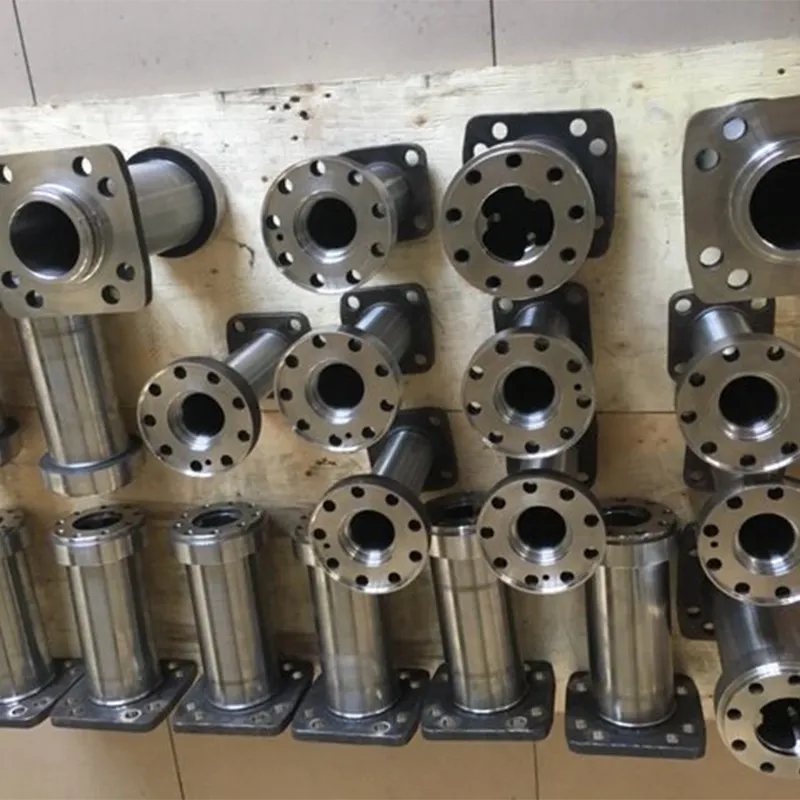
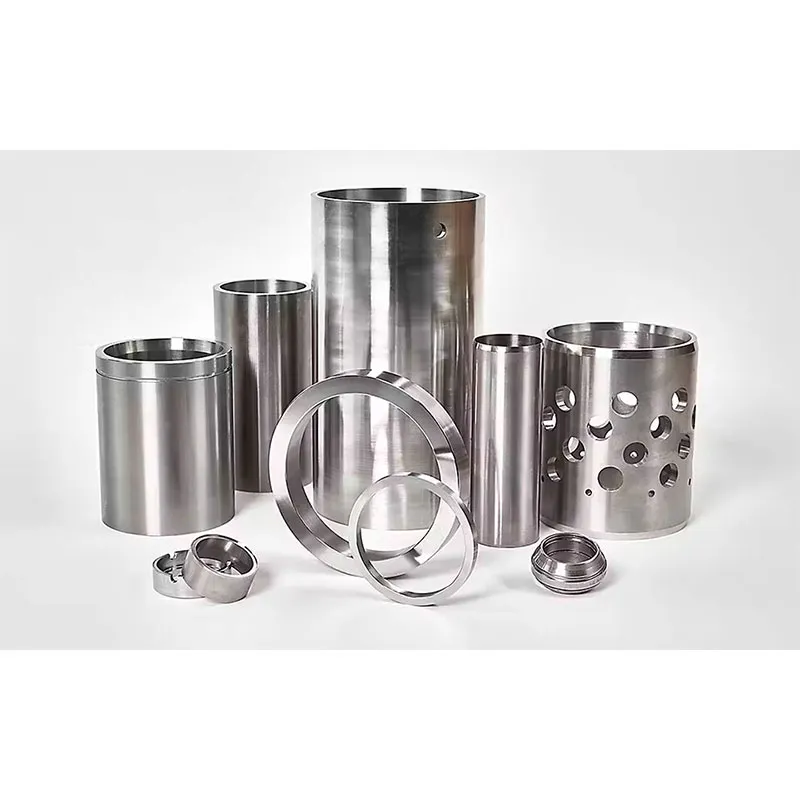
Gray cast iron mechanical parts are essential components in heavy industry, automotive systems, and precision machinery, valued for their exceptional vibration damping, thermal conductivity, and cost-effective manufacturability. As a specialized OEM manufacturer and supplier with over three decades of industry expertise, we provide high-precision gray iron castings tailored to complex engineering specifications. Our production process adheres to strict international standards, ensuring dimensional accuracy, structural integrity, and superior surface finish for critical applications. Whether you require engine blocks, pump housings, or industrial gearboxes, our foundry capabilities deliver reliable, scalable solutions that optimize performance and reduce total lifecycle costs.
Understanding Gray Cast Iron: Composition and Microstructure
Gray cast iron, classified primarily under ASTM A48 and ISO 185 standards, is characterized by its graphitic microstructure. The name “gray” derives from the color of its fracture surface, which appears gray due to the presence of graphite flakes. These flakes act as crack deflectors, giving the material its unique mechanical properties.
The Role of Graphite Flakes in Mechanical Performance
The defining feature of gray cast iron is the formation of graphite in a flake form during solidification. This microstructure is not a defect but a engineered characteristic that provides specific advantages:
- Vibration Damping: The graphite flakes interrupt the continuity of the metallic matrix, absorbing vibrational energy. This makes gray iron ideal for machine tool bases and engine blocks where stability is crucial.
- Lubricity: Graphite acts as a solid lubricant. In sliding applications, such as cylinder liners or bearing surfaces, the graphite reduces friction and wear without external lubrication.
- Thermal Conductivity: The graphite network facilitates rapid heat dissipation, preventing thermal hotspots in high-temperature environments like brake discs and exhaust manifolds.
- Machinability: The flakes create stress concentration points that allow chips to break easily during machining, resulting in smoother surface finishes and extended tool life.
Chemical Composition and Grade Classification
The mechanical properties of gray cast iron are directly influenced by its chemical composition. Key elements include Carbon (C), Silicon (Si), Manganese (Mn), Sulfur (S), and Phosphorus (P). Adjusting these ratios allows engineers to tailor the material for specific loads and environments.
| ASTM Class | Tensile Strength (min ksi) | Tensile Strength (min MPa) | Typical Applications |
| Class 20 | 20 | 140 | Low stress parts, covers, non-critical housings |
| Class 30 | 30 | 210 | General purpose machinery, pump bodies, valves |
| Class 40 | 40 | 275 | Higher strength requirements, gears, camshafts |
| Class 60 | 60 | 415 | High-load applications, hydraulic components |
Selecting the correct class is critical for balancing cost and performance. Lower classes offer better machinability and damping, while higher classes provide increased tensile strength and hardness, often requiring alloying elements like chromium or molybdenum.
Why Choose Gray Cast Iron for Mechanical Parts?
In the landscape of engineering materials, gray cast iron occupies a unique niche. It is not merely a low-cost alternative to steel or aluminum; it offers functional benefits that other materials cannot replicate efficiently. For OEMs and procurement managers, understanding these advantages is key to optimizing product design and manufacturing budgets.
Superior Vibration Damping Capacity
One of the most significant reasons industries specify gray cast iron is its damping capacity. In dynamic machinery, vibrations can lead to premature fatigue failure, noise, and reduced precision. Gray iron’s damping capacity is approximately ten times greater than that of steel. This property is indispensable in:
- Machine Tool Bases: Ensuring precision cutting by minimizing resonance.
- Automotive Engine Blocks: Reducing noise, vibration, and harshness (NVH) for a smoother driving experience.
- Heavy Equipment Frames: Stabilizing large structures subjected to constant operational shocks.
Exceptional Wear Resistance and Lubricity
The graphite flakes in gray iron serve as internal lubricants. When the surface wears, the graphite is exposed, providing a self-lubricating layer that reduces the coefficient of friction. This makes gray cast iron an excellent choice for sliding contacts and rotating components where oil lubrication may be intermittent or difficult to maintain.
This characteristic is particularly valuable in hydraulic systems and pneumatic cylinders, where consistent movement and seal integrity are paramount. Unlike bronze or specialized polymers, gray iron offers this lubricity at a fraction of the material cost, while maintaining the structural rigidity required for high-pressure environments.
Cost-Effective Manufacturing and Machinability
From a manufacturing perspective, gray cast iron is highly economical. Its lower melting point compared to steel reduces energy consumption during casting. Furthermore, its excellent fluidity allows it to fill complex mold geometries with thin walls, enabling the production of intricate parts without extensive secondary machining.
The machinability of gray iron is another major cost driver. Because the graphite flakes break up the chip formation, cutting tools experience less heat and wear. This allows for higher cutting speeds and feeds, significantly reducing cycle times in CNC machining operations. For high-volume production runs, this efficiency translates into substantial savings per unit.
Key Applications of Gray Cast Iron Mechanical Parts
Gray cast iron is ubiquitous across various industrial sectors. Its versatility allows it to be used in everything from microscopic precision components to massive industrial structures. Below are the primary sectors where our OEM services deliver critical value.
Automotive Industry Components
The automotive sector remains the largest consumer of gray cast iron. The material’s ability to withstand high temperatures and dampen vibrations makes it ideal for powertrain components.
- Engine Blocks and Cylinder Heads: Providing the structural backbone of internal combustion engines while managing heat and vibration.
- Brake Discs and Drums: Leveraging thermal conductivity to dissipate heat generated during braking, ensuring consistent stopping power.
- Transmission Housings: Protecting delicate gears and shafts while dampening gear noise.
- Exhaust Manifolds: Resisting thermal shock and corrosion from exhaust gases.
Industrial Machinery and Equipment
In heavy industry, reliability is non-negotiable. Gray cast iron parts provide the durability needed for continuous operation in harsh environments.
- Pump Housings and Impellers: Handling water, oil, and chemicals with resistance to erosion and corrosion.
- Valve Bodies: Ensuring tight sealing and structural integrity in pipeline systems.
- Compressor Casings: Withstanding high internal pressures and thermal cycles.
- Machine Tool Structures: Lathe beds, milling machine columns, and grinder bases rely on gray iron for static stiffness and dynamic stability.
Energy and Power Generation
The energy sector utilizes gray cast iron for components that must endure extreme thermal and mechanical stresses.
- Turbine Housings: Managing steam or gas flow in power generation units.
- Generator Frames: Providing robust support for rotating electrical components.
- Heat Exchangers: Utilizing thermal conductivity for efficient heat transfer in industrial processes.
OEM Manufacturing Process: From Design to Delivery
As a dedicated OEM manufacturer, our process is designed to ensure quality, consistency, and adherence to client specifications. We do not simply cast metal; we engineer solutions. Our workflow integrates advanced simulation technologies with traditional foundry expertise.
Step 1: Design Analysis and Feasibility Study
Every project begins with a thorough review of the customer’s CAD drawings and technical requirements. Our engineering team analyzes the part geometry for castability, identifying potential issues such as shrinkage porosity, cold shuts, or distortion.
We utilize Finite Element Analysis (FEA) and Computational Fluid Dynamics (CFD) to simulate the filling and solidification processes. This allows us to optimize gating systems and riser designs before any physical tooling is created, reducing development time and minimizing trial-and-error costs.
Step 2: Pattern and Mold Making
Precision tooling is the foundation of high-quality casting. We manufacture patterns using high-grade aluminum or resin, ensuring dimensional stability over thousands of cycles. For complex geometries, we employ 3D printing technologies to create sand molds directly from digital models, bypassing the need for traditional patterns in prototyping phases.
Our molding processes include:
- Green Sand Molding: Ideal for high-volume production of medium to large parts.
- Resin Sand Molding (No-Bake): Provides superior surface finish and dimensional accuracy for complex, high-precision components.
- Lost Foam Casting: Used for intricate shapes where traditional core removal is difficult.
Step 3: Melting and Pouring Control
Chemical composition control is critical. We use spectrometers to analyze the molten iron in real-time, adjusting carbon and silicon levels to achieve the desired graphite structure. Inoculants are added to promote uniform graphite flake distribution, preventing the formation of brittle chill zones.
Temperature control during pouring is strictly monitored. Too low a temperature results in incomplete filling, while too high a temperature can cause grain coarsening and reduced mechanical properties. Our automated pouring systems ensure consistent flow rates and temperatures for every mold.
Step 4: Cooling, Cleaning, and Heat Treatment
After solidification, castings are cooled in a controlled manner to minimize residual stresses. Shakeout removes the sand molds, and the parts undergo rigorous cleaning processes, including shot blasting, to remove scale and surface imperfections.
Depending on the application, parts may undergo heat treatment:
- Stress Relief Annealing: To eliminate internal stresses caused by uneven cooling.
- Surface Hardening: Flame or induction hardening for wear-resistant surfaces like camshafts or cylinder bores.
Step 5: Precision Machining and Quality Inspection
Many gray iron parts require precise machining to meet final tolerances. Our integrated machining centers perform milling, turning, drilling, and grinding operations. We adhere to strict GD&T (Geometric Dimensioning and Tolerancing) standards to ensure fit and function.
Quality assurance is embedded at every stage. Final inspections include:
- Dimensional Inspection: Using CMM (Coordinate Measuring Machines) for high-precision verification.
- Non-Destructive Testing (NDT): Magnetic particle inspection and ultrasonic testing to detect internal or surface defects.
- Material Testing: Tensile and hardness testing to verify compliance with ASTM/ISO grades.
Technical Comparison: Gray Iron vs. Other Materials
Choosing the right material is a strategic decision. Below is a comparative analysis of gray cast iron against common alternatives to help engineers and procurement specialists make informed choices.
| Property | Gray Cast Iron | Ductile Iron | Steel Casting | Aluminum Alloy |
| Tensile Strength | Low to Medium | High | Very High | Medium |
| Vibration Damping | Excellent | Good | Poor | Poor |
| Machinability | Excellent | Good | Fair to Poor | Good |
| Thermal Conductivity | High | Medium | Low | Very High |
| Cost Efficiency | High | Medium | Low | Medium |
| Weight | Heavy | Heavy | Heavy | Light |
When to Choose Gray Cast Iron: Opt for gray iron when vibration damping, thermal management, and cost-effectiveness are prioritized over high tensile strength or impact resistance. It is the superior choice for static or low-impact dynamic loads where precision and stability are key.
When to Consider Alternatives: If the part is subject to high impact loads or requires significant elongation, ductile iron or steel may be more appropriate. For weight-sensitive applications, such as aerospace or portable devices, aluminum alloys are preferred despite their higher material cost and lower damping capacity.
Common Defects and Quality Control Measures
Even with advanced processes, casting defects can occur. Understanding these potential issues helps in designing robust parts and setting realistic quality expectations. Our quality control protocols are designed to detect and prevent these common issues.
Porosity and Gas Holes
Gas porosity occurs when trapped air or gases from the mold material form voids in the casting. This weakens the structural integrity and can lead to leakage in pressure-containing parts.
Prevention: We ensure proper venting in mold designs and control the moisture content in green sand. Melting practices are optimized to reduce hydrogen pickup in the molten iron.
Shrinkage Cavities
As cast iron solidifies, it shrinks. If insufficient liquid metal is available to feed the shrinking areas, cavities form. These are typically found in thick sections or near junctions.
Prevention: Proper riser design and gating systems ensure adequate feeding. Chills may be used to control solidification direction, ensuring that shrinkage occurs in the riser rather than the part itself.
Chill Zones
Rapid cooling in thin sections can prevent graphite formation, resulting in white iron (cementite) instead of gray iron. This creates hard, brittle spots that are difficult to machine and prone to cracking.
Prevention: Inoculation treatments are applied to promote graphite nucleation. Mold coatings and controlled pouring temperatures help manage cooling rates uniformly across the part.
Dimensional Deviation
Warpage or distortion can occur due to uneven cooling or residual stresses. This affects the fit and assembly of mechanical parts.
Prevention: Stress relief annealing is performed post-casting. Fixture design during machining compensates for minor distortions, and rigid process controls maintain consistency.
How to Select the Right Gray Cast Iron Supplier
Partnering with the right OEM manufacturer is critical for supply chain reliability. In 2026, the expectations for suppliers have evolved beyond simple price competition. Here are the key factors to consider when evaluating a gray cast iron supplier.
Technical Capability and Engineering Support
Look for a supplier with in-house engineering capabilities. Can they assist with design for manufacturability (DFM)? Do they use simulation software to predict casting outcomes? A partner who can optimize your design for casting efficiency will save you money in the long run.
Quality Certifications and Standards
Ensure the supplier holds relevant certifications such as ISO 9001 for quality management and IATF 16949 for automotive applications. These certifications demonstrate a commitment to consistent processes and continuous improvement.
Production Capacity and Scalability
Assess whether the supplier can handle your volume requirements, from prototype runs to mass production. Flexible manufacturing lines that can switch between different alloys and part sizes quickly are a significant advantage.
Supply Chain Transparency
In today’s global market, transparency is vital. Ask about their raw material sourcing, environmental compliance, and labor practices. A responsible supplier ensures business continuity and aligns with corporate sustainability goals.
Frequently Asked Questions (FAQ)
What is the difference between gray cast iron and ductile iron?
The primary difference lies in the microstructure of the graphite. In gray cast iron, graphite forms as flakes, which provides excellent damping and machinability but lower tensile strength. In ductile iron, graphite forms as spheroids (nodules) due to the addition of magnesium or cerium, resulting in higher strength and ductility. Gray iron is preferred for vibration damping, while ductile iron is chosen for impact resistance.
Is gray cast iron suitable for high-temperature applications?
Yes, gray cast iron has good thermal stability and conductivity, making it suitable for moderate high-temperature applications like engine blocks and brake discs. However, for extremely high temperatures exceeding 400°C continuously, specialized alloyed irons or steels may be required to prevent oxidation and microstructural degradation.
Can gray cast iron be welded?
Welding gray cast iron is challenging due to its high carbon content and brittle nature. It requires preheating, specific filler materials (such as nickel-based alloys), and controlled cooling to prevent cracking. In many cases, mechanical fastening or brazing is preferred over welding for repairs or assembly.
How does the surface finish of gray cast iron affect performance?
Surface finish is critical for sealing and wear applications. A smoother finish reduces friction and improves seal integrity in hydraulic systems. Gray iron’s machinability allows for achieving very fine surface finishes (Ra < 1.6 µm) consistently, which enhances performance in sliding and sealing interfaces.
What are the environmental considerations for gray cast iron production?
Modern foundries prioritize sustainability by recycling sand and metal scrap. Gray cast iron itself is 100% recyclable without loss of properties. Energy-efficient melting technologies and emission control systems are standard in compliant facilities, reducing the environmental footprint of production.
About Qingdao Qiangsenyuan Technology Co., Ltd. (QSY)
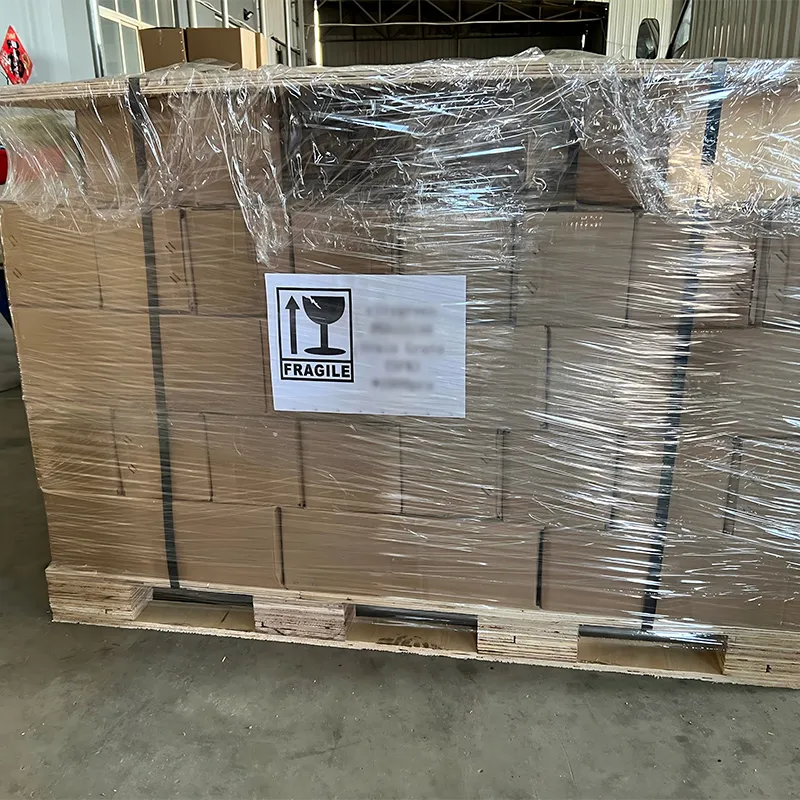
With over 30 years of experience in the casting and machining industry, Qingdao Qiangsenyuan Technology Co., Ltd. (QSY) stands as a premier provider of one-stop customized casting processing services. Our expansive 50,000-square-meter production facility houses state-of-the-art shell mold casting lines, investment casting (lost wax) production lines, a comprehensive CNC machining workshop, and dedicated quality inspection and packaging departments.
While we specialize in a wide range of materials including stainless steel, special alloys (cobalt-based, nickel-based), and standard steels, our expertise in cast iron remains a cornerstone of our operations. We serve a diverse global clientele across more than 20 countries, delivering precision components for industries such as agricultural machinery, medical and food processing equipment, industrial manufacturing, mining, and petrochemicals. By integrating advanced casting techniques with rigorous CNC machining capabilities, QSY ensures that every component meets the highest standards of quality and performance.
Conclusion: Partnering for Precision and Performance
Gray cast iron mechanical parts remain a cornerstone of modern engineering, offering an unmatched combination of vibration damping, thermal management, and cost efficiency. From automotive powertrains to heavy industrial machinery, the reliability of these components depends on precise manufacturing and rigorous quality control.
As your OEM partner, we are committed to delivering high-quality gray iron castings that meet your exact specifications. Our integrated approach—from design optimization to final inspection—ensures that every part performs reliably in its intended application. We understand the nuances of material science and the demands of global supply chains, positioning us as a trusted ally in your product development journey.
Whether you are launching a new product line or seeking to optimize existing components, our team is ready to provide technical expertise and manufacturing excellence. Let us help you achieve superior performance and cost efficiency with our premium gray cast iron solutions.
Ready to start your next project? Contact our engineering team today for a comprehensive consultation, request a quote, or discuss your specific technical requirements. Explore our full range of casting services and technical resources to learn more about how we can support your manufacturing goals.