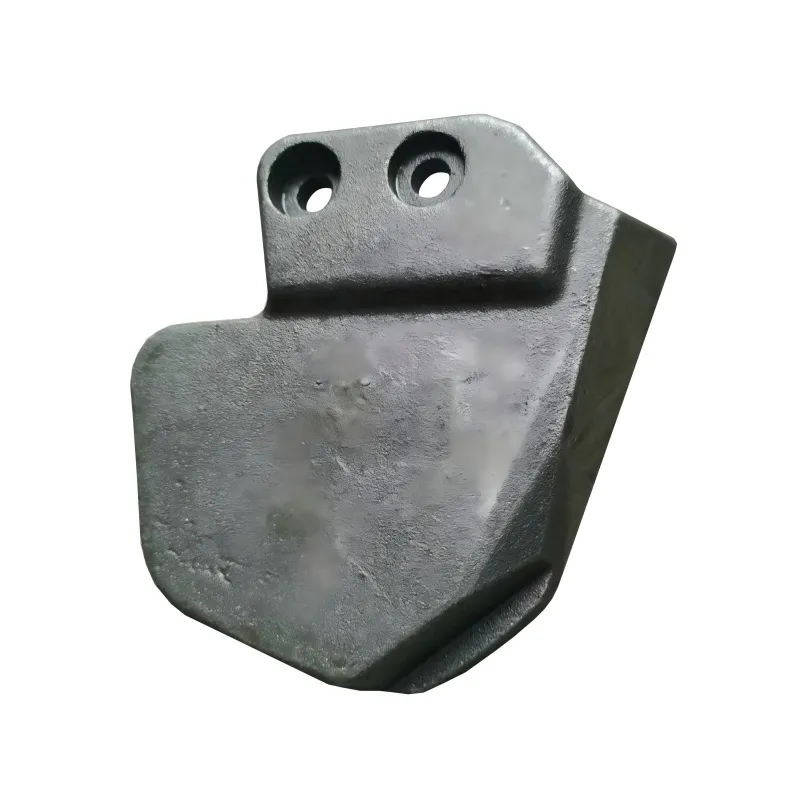
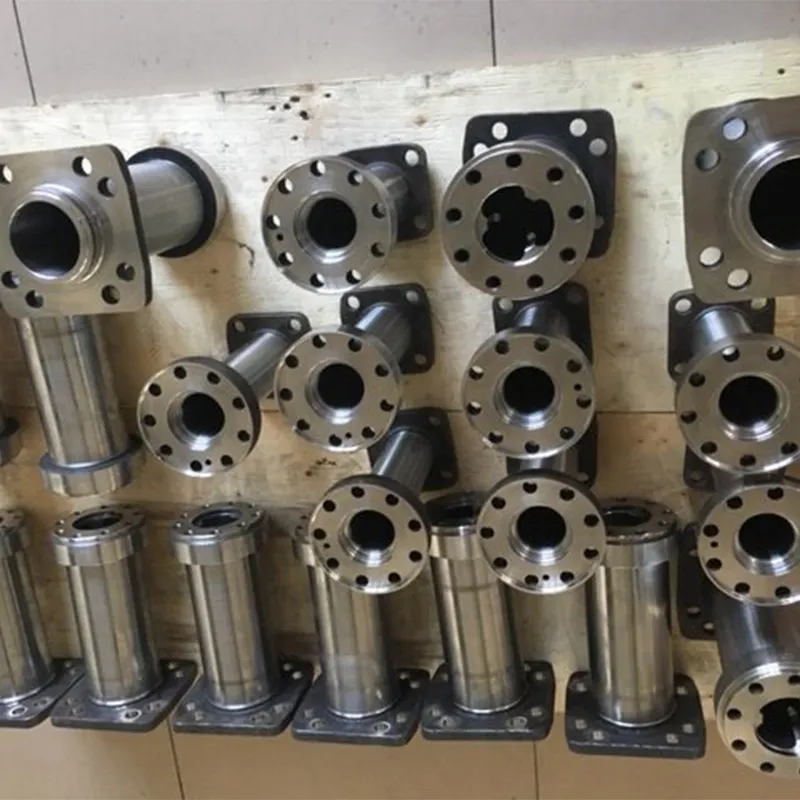
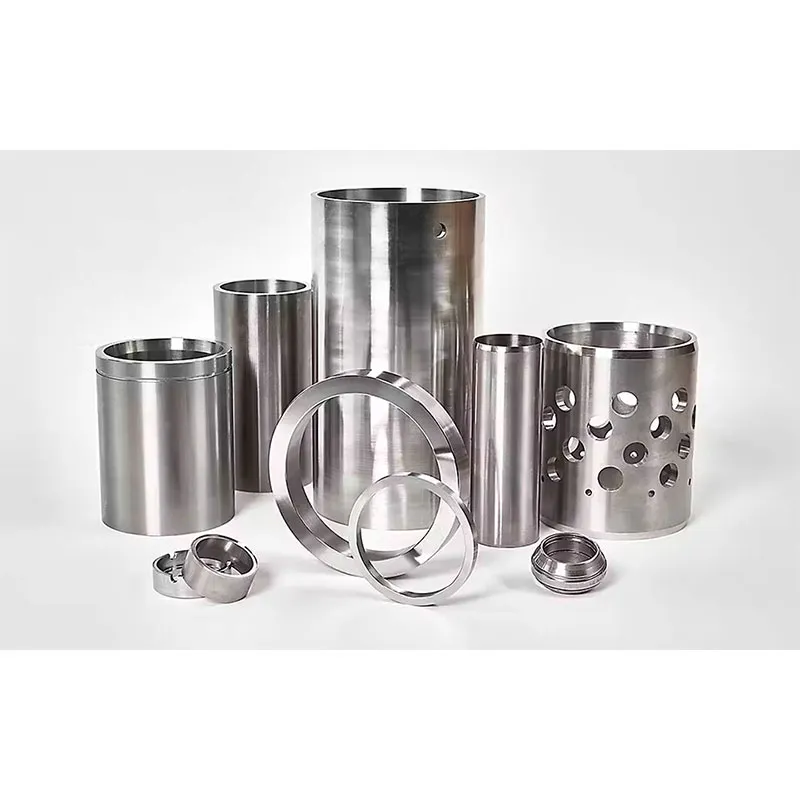
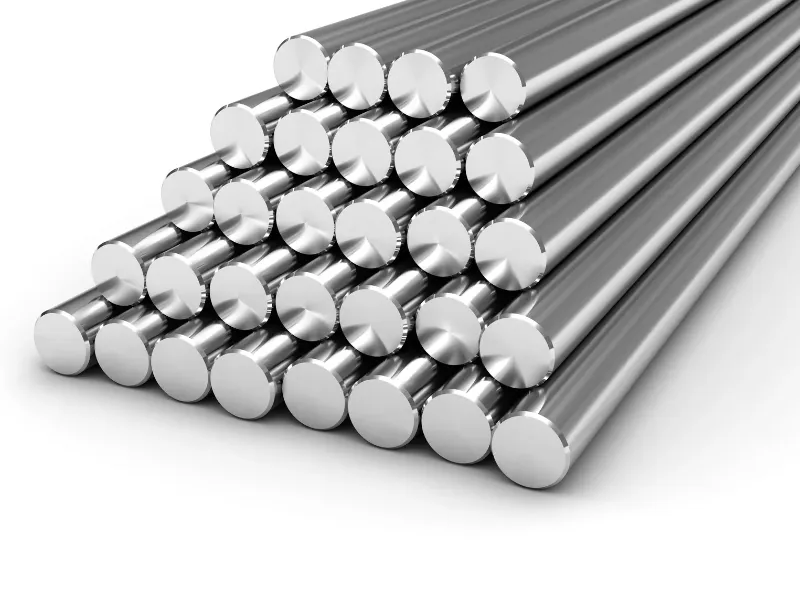
Gray iron casting is a ferrous alloy characterized by its graphitic microstructure, which gives the fractured surface a gray appearance. It is widely recognized for excellent castability, superior damping capacity, and high compressive strength. As a leading Gray Iron Casting Manufacturer, QINGDAO QIANGSENYUAN TECHNOLOGY CO., LTD. delivers OEM and custom solutions tailored for hydraulic systems, engineering vehicles, and industrial pump assemblies. Our integrated approach combines precision sand casting with advanced CNC machining to ensure dimensional accuracy and structural integrity for mission-critical components.
What Is Gray Iron Casting? Material Properties and Industrial Value
Gray cast iron, or gray iron, is one of the most common cast iron types used in heavy industry. Its unique properties stem from the presence of graphite flakes within the metallic matrix. These flakes act as natural lubricants and vibration dampers, making gray iron ideal for applications involving sliding wear and dynamic loads.
Unlike ductile iron, where graphite forms nodules, the flake structure in gray iron provides specific mechanical advantages:
- Excellent Damping Capacity: Gray iron absorbs vibrational energy more effectively than steel or ductile iron, reducing noise and wear in machinery bases and engine blocks.
- Superior Machinability: The graphite flakes break up the continuity of the metal matrix, allowing for faster cutting speeds and extended tool life during CNC machining.
- High Compressive Strength: While tensile strength is lower than steel, gray iron exhibits exceptional resistance to compressive forces, making it suitable for heavy-load bearing structures.
- Thermal Conductivity: The material dissipates heat efficiently, which is critical for brake discs, pump housings, and valve bodies operating under thermal stress.
At QINGDAO QIANGSENYUAN TECHNOLOGY, we leverage these inherent material benefits while mitigating limitations through rigorous quality control and precise alloy formulation. Our production facility in Qingdao ensures that every batch meets strict metallurgical standards, providing consistent performance across global supply chains.
Why Choose QINGDAO QIANGSENYUAN as Your Gray Iron Casting Partner?
Selecting the right manufacturer for gray iron casting involves more than just pricing. It requires a partner who understands the interplay between material science, casting geometry, and final application performance. QINGDAO QIANGSENYUAN TECHNOLOGY CO., LTD. stands out as a technology-driven enterprise specializing in precision metal components for demanding industrial applications.
Vertically Integrated Manufacturing Capabilities
Our operational model integrates design support, material selection, precision manufacturing, and strict quality assurance. Unlike traders or simple foundries, we offer a complete solution:
- Casting Expertise: We utilize both green sand and resin sand casting processes to accommodate complex geometries and varying surface finish requirements.
- Precision CNC Machining: Our facility is equipped for multi-axis machining of complex contours. This ensures that cast-to-print tolerances are maintained, reducing the need for secondary operations.
- Quality Assurance: Quality control is embedded at every stage. From incoming material verification to in-process dimensional inspection using CMM (Coordinate Measuring Machine) and optical instruments, we ensure full traceability.
Specialization in Critical Industrial Sectors
We focus on high-performance solutions tailored to sectors including hydraulic systems, engineering vehicles, oil and gas equipment, and specialized pump assemblies. Our core product portfolio includes pressure valves, piston pump cylinder housings, pump foundations, and engineering vehicle onboard winch center shaft rollers. These components require dimensional accuracy and structural integrity under high-pressure or high-wear conditions.
By maintaining technical collaboration with certified raw material suppliers, we ensure consistent metallurgical properties across batches. This is particularly vital for customers in North America, Europe, and Southeast Asia who rely on predictable material behavior for safety-critical applications.
Common Grades of Gray Iron and Their Applications
Understanding the specific grade of gray iron is crucial for optimizing part performance. The American Society for Testing and Materials (ASTM) classifies gray iron based on its minimum tensile strength. Below is a breakdown of common grades we manufacture and their typical industrial uses.
| ASTM Grade | Min. Tensile Strength (ksi) | Key Characteristics | Typical Applications |
| Class 20 (G2500) | 20 | High machinability, low strength, excellent damping | Base plates, covers, non-structural housings |
| Class 30 (G3000) | 30 | Balanced strength and machinability | Pump housings, valve bodies, gear cases |
| Class 40 (G4000) | 40 | Higher strength, moderate machinability | Cylinder blocks, heavy-duty machine frames |
| Class 50 (G5000) | 50 | High strength, lower damping, harder to machine | High-pressure hydraulic components, camshafts |
At QINGDAO QIANGSENYUAN, we assist clients in selecting the optimal grade based on load requirements, wear resistance needs, and machining constraints. For instance, while Class 30 is sufficient for many standard pump bodies, high-pressure hydraulic valves may require Class 40 or 50 to withstand internal pressures without deformation.
The Gray Iron Casting Process: From Pattern to Finished Part
Our manufacturing process follows a disciplined workflow designed to minimize defects and maximize efficiency. Understanding this process helps clients appreciate the value of our engineering support and quality protocols.
1. Design Validation and Pattern Making
Before casting begins, our engineering team reviews customer drawings for manufacturability. We provide feedback on GD&T (Geometric Dimensioning and Tolerancing) interpretation and suggest modifications to improve casting yield. High-quality patterns are created using durable materials to ensure dimensional stability over multiple production runs.
2. Mold Preparation and Pouring
We use automated molding lines for consistent sand compaction. The molten gray iron is treated with inoculants to control graphite formation and prevent chill zones. Temperature control during pouring is critical to avoid shrinkage defects and ensure proper fluidity into thin sections.
3. Cooling and Shakeout
Controlled cooling rates are essential to achieve the desired microstructure. Rapid cooling can lead to white iron formation (hard and brittle), while slow cooling may result in coarse graphite flakes that reduce strength. Our lean workflow practices ensure stable cooling cycles tailored to each part’s geometry.
4. Cleaning and Heat Treatment
After shakeout, castings undergo shot blasting to remove sand and scale. Stress-relief annealing is performed where specified to eliminate residual stresses from the casting process, ensuring dimensional stability during subsequent machining.
5. Precision CNC Machining and Inspection
This is where QINGDAO QIANGSENYUAN’s vertically integrated capabilities shine. We perform multi-axis CNC machining to achieve tight tolerances on critical faces and bores. Final inspection includes functional testing and visual assessment per customer specifications, ensuring that every component meets the rigorous demands of industries like oil and gas and engineering vehicles.
Gray Iron vs. Ductile Iron: How to Choose the Right Material
A common question in B2B procurement is whether to use gray iron or ductile iron. While both are cast irons, their microstructures dictate different performance profiles. Making the wrong choice can lead to premature failure or unnecessary cost.
| Feature | Gray Iron | Ductile Iron |
| Microstructure | Graphite Flakes | Graphite Nodules (Spheroidal) |
| Tensile Strength | Lower (20-60 ksi) | Higher (60-120+ ksi) |
| Damping Capacity | Excellent (Vibration absorption) | Moderate |
| Machinability | Superior (Easy to cut) | Good (But tougher on tools) |
| Impact Resistance | Low (Brittle) | High (Tough) |
| Cost | Generally Lower | Generally Higher |
When to Choose Gray Iron: Select gray iron for applications where vibration damping, thermal conductivity, and ease of machining are prioritized over high impact resistance. Typical examples include machine tool bases, pump housings, and brake components.
When to Choose Ductile Iron: Opt for ductile iron when the component must withstand significant shock loads, bending stresses, or high tensile forces. Examples include pipe fittings, crankshafts, and heavy-duty gears.
Our team at QINGDAO QIANGSENYUAN provides technical consultation to help you make this decision based on your specific operational environment and load cases.
Key Industries Served by Our Custom Gray Iron Solutions
Our expertise extends beyond standard commodities. We specialize in complex, mission-critical parts for sectors that demand reliability and precision.
Hydraulic Systems and Pump Assemblies
Hydraulic components operate under extreme pressure. Our gray iron castings for piston pump cylinder housings and pressure valves are engineered to resist deformation and leakage. The material’s natural lubricity also reduces wear on moving internal parts, extending service life.
Engineering Vehicles and Heavy Machinery
For engineering vehicles, we produce onboard winch center shaft rollers and structural supports. These parts must endure constant vibration and heavy loads. Gray iron’s damping capacity protects adjacent components from vibrational fatigue, while our precise machining ensures smooth operation of moving assemblies.
Oil and Gas Equipment
In the oil and gas sector, reliability is non-negotiable. We supply valve bodies and pump foundations that meet stringent industry standards. Our ability to handle difficult-to-machine superalloys alongside gray iron allows us to provide comprehensive solutions for complex assemblies.
Quality Control and Compliance Standards
Trustworthiness in B2B manufacturing is built on transparency and documented quality. QINGDAO QIANGSENYUAN TECHNOLOGY adheres to ISO-compliant production practices. Our quality management system includes:
- Material Traceability: Every batch of raw material is certified and tracked through production. We maintain records of chemical composition and mechanical properties for full accountability.
- Dimensional Inspection: We use advanced CMM and optical measuring instruments to verify critical dimensions against customer drawings. This ensures that parts fit correctly during assembly, reducing downtime for our clients.
- Non-Destructive Testing (NDT): Where required, we perform magnetic particle inspection or ultrasonic testing to detect internal or surface defects that could compromise structural integrity.
- Process Documentation: Detailed inspection reports are provided with each shipment, offering visibility into the quality status of your order.
This disciplined approach ensures stable delivery timelines for both prototype and medium-volume production orders, supporting our customers’ just-in-time manufacturing needs.
Frequently Asked Questions (FAQ)
What is the typical lead time for custom gray iron castings?
Lead times vary based on complexity and volume. For prototypes, we typically require 2-4 weeks for pattern making and initial samples. For medium-volume production, lead times range from 4-8 weeks depending on machining requirements. Our structured production planning ensures we meet agreed-upon delivery commitments.
Can you handle complex geometries with tight tolerances?
Yes. Our facility supports multi-axis CNC machining of complex contours. We integrate casting and machining to ensure that tight tolerances are achieved on critical features. Our engineering team also provides feedback on manufacturability to optimize design for cost and quality.
Do you offer surface finishing services?
Yes. We provide various surface finishing capabilities suited to functional and corrosion-resistance needs. This includes shot blasting, painting, powder coating, and specialized treatments as specified by the customer.
What industries do you primarily serve?
We primarily serve hydraulic systems, engineering vehicles, oil and gas equipment, and specialized pump assemblies. Our experience in these sectors allows us to understand the specific performance requirements of mission-critical parts.
How do you ensure material consistency?
We source certified raw materials and maintain technical collaboration with material suppliers. Spectroscopic analysis is performed on every melt to verify chemical composition. Mechanical testing samples are taken from each batch to ensure tensile strength and hardness meet specifications.
Partner with a Reliable Gray Iron Casting Manufacturer
In today’s competitive industrial landscape, sourcing high-quality gray iron casting components requires a partner who combines technical expertise with reliable execution. QINGDAO QIANGSENYUAN TECHNOLOGY CO., LTD. offers more than just manufacturing; we provide engineering insight, quality assurance, and supply chain stability.
Our vertically integrated capabilities—from casting to CNC machining—allow us to deliver components that meet the highest standards of dimensional accuracy and structural integrity. Whether you need standard pump housings or custom winch rollers, our team is ready to support your project from design validation to final delivery.
Ready to optimize your supply chain?
Contact our engineering team today for a technical consultation. We provide responsive support, transparent communication, and customized solutions tailored to your specific application needs. Let us help you achieve cost-effective design realization and reliable performance.
Request a Quote for Custom Gray Iron Castings