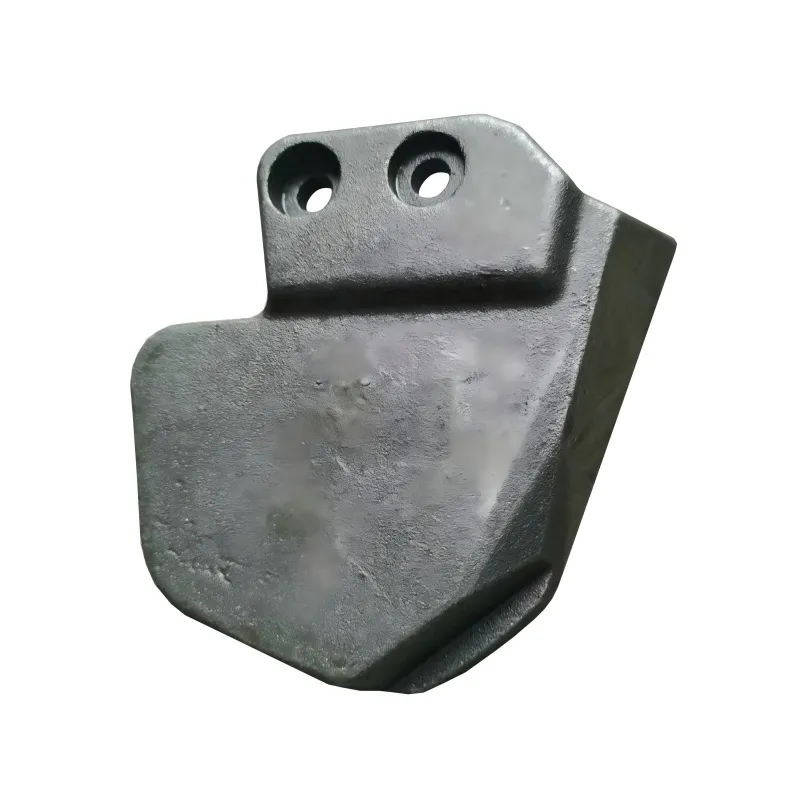
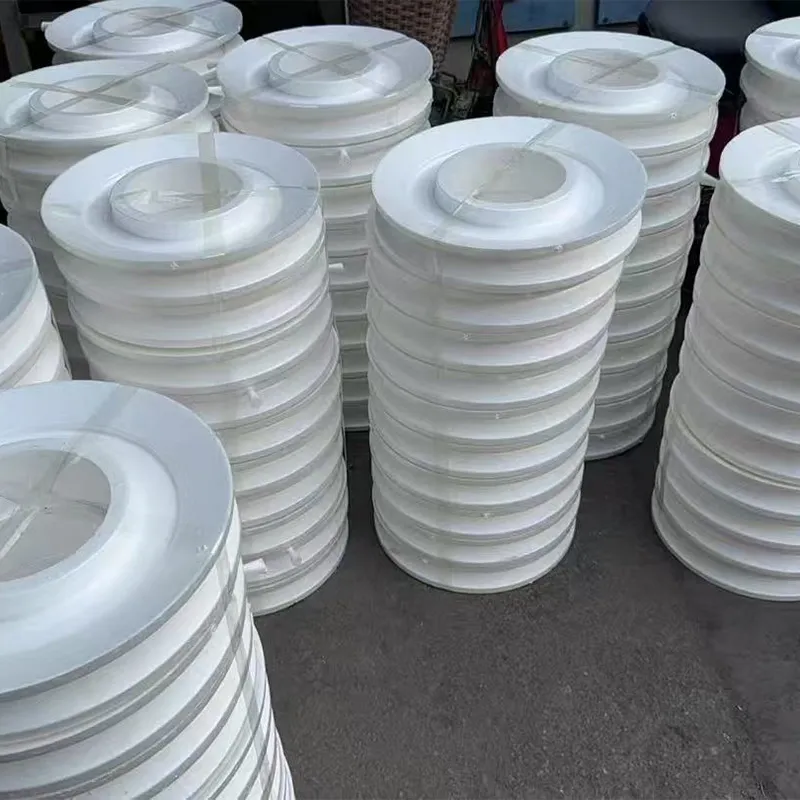
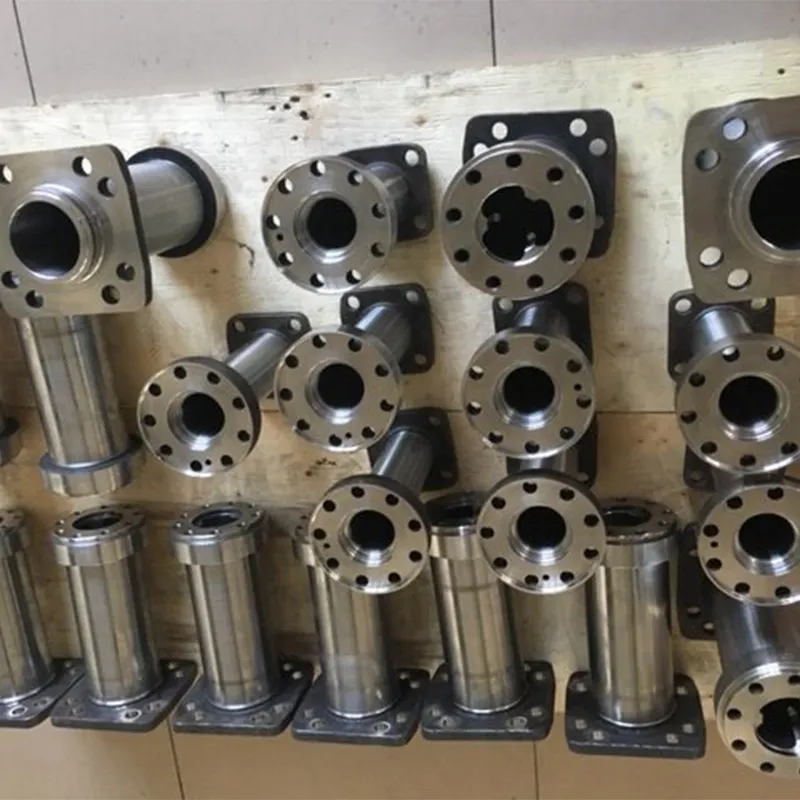
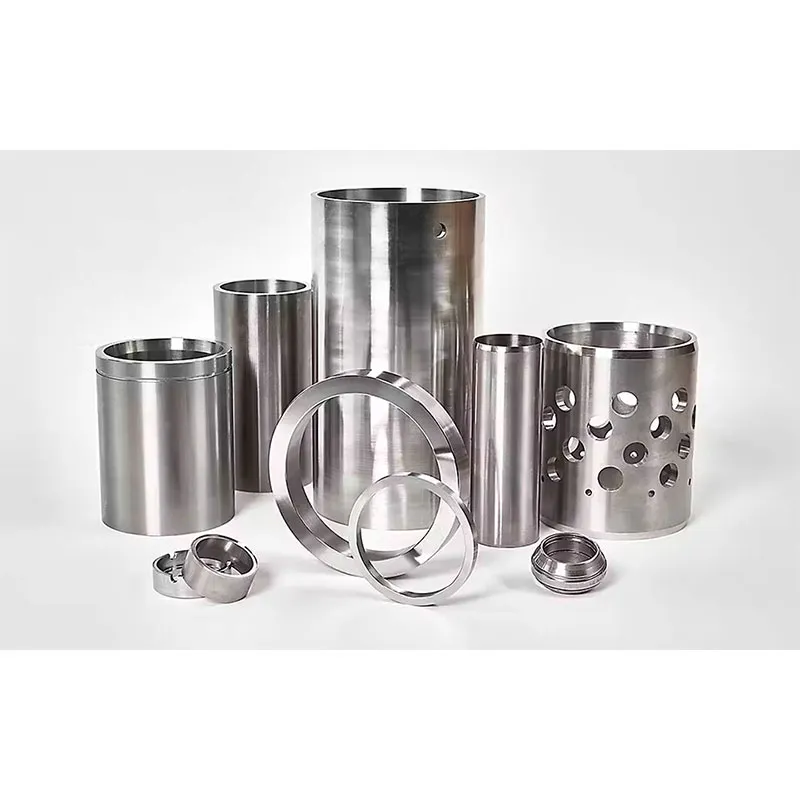
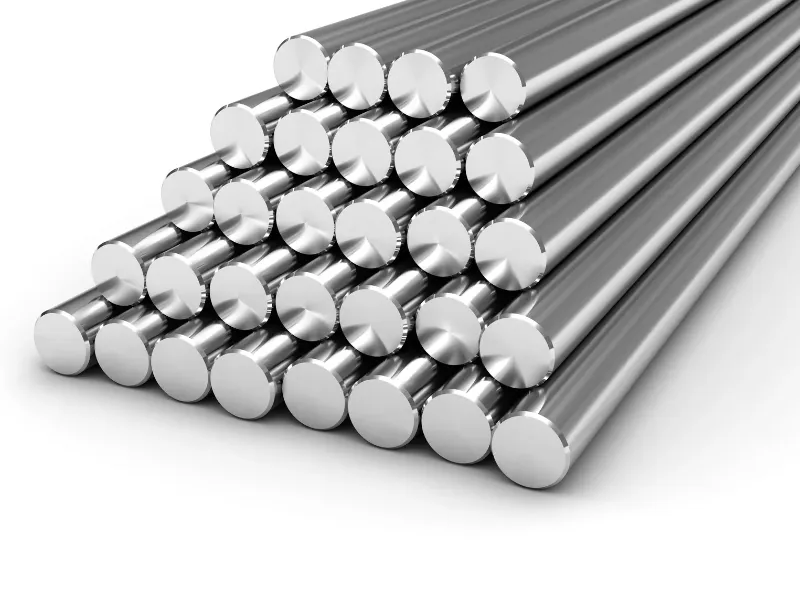
Lost wax metal casting, also known as investment casting, is a precision manufacturing process that utilizes a wax pattern to create complex, high-tolerance metal components. This method is ideal for producing intricate geometries in stainless steel, cobalt-nickel alloys, and iron, offering superior surface finish and dimensional accuracy compared to traditional sand casting. For industrial applications requiring mission-critical reliability, such as hydraulic systems and oil gas equipment, lost wax casting provides the structural integrity and material consistency necessary for high-pressure environments.
What Is Lost Wax Metal Casting?
Lost wax metal casting is a subtractive-adjacent manufacturing technique where a disposable wax pattern serves as the template for the final metal part. The process allows engineers to design components with undercuts, thin walls, and complex internal passages that would be impossible or prohibitively expensive to machine from solid stock.
In this process, the “lost” refers to the wax pattern, which is melted out of the ceramic mold before molten metal is poured in. This ensures that the final casting perfectly replicates the original design intent, including fine details and tight tolerances governed by Geometric Dimensioning and Tolerancing (GD&T) standards.
The Core Mechanism of Investment Casting
The fundamental advantage of lost wax casting lies in its ability to handle difficult-to-machine superalloys. Materials like AMS 5387 cobalt alloy and T800 cobalt-based materials are renowned for their heat resistance and hardness but are challenging to cut using standard CNC methods. Investment casting near-net-shape these materials, significantly reducing machining time and material waste.
At QINGDAO QIANGSENYUAN TECHNOLOGY CO., LTD., this process is integrated with advanced CNC machining to deliver hybrid solutions. By combining the geometric freedom of casting with the precision of multi-axis machining, the company ensures that critical interfaces, such as valve seats and piston pump cylinder housings, meet exacting functional requirements.
The Lost Wax Casting Process: Step-by-Step
Understanding the production workflow is essential for evaluating supplier capability. A robust lost wax metal casting process involves several critical stages, each requiring strict quality control to prevent defects such as porosity or shrinkage.
- Pattern Creation: High-precision wax injections are made into aluminum molds. These patterns must account for metal shrinkage rates specific to the alloy being used, such as stainless steel or cobalt-nickel.
- Assembly (Treeing): Individual wax patterns are attached to a central wax sprue, forming a “tree.” This configuration allows multiple parts to be cast simultaneously, optimizing production efficiency.
- Ceramic Shell Building: The wax tree is dipped into a silica slurry and stuccoed with ceramic sand. This layering process is repeated multiple times to build a thick, durable shell capable of withstanding molten metal temperatures.
- Dewaxing: The assembled shell is heated in an autoclave or furnace. The wax melts and drains out, leaving a hollow ceramic cavity that precisely matches the part geometry.
- Melting and Pouring: Certified raw materials are melted in induction furnaces under controlled atmospheric conditions to prevent oxidation. The molten metal is then poured into the preheated ceramic shells.
- Shell Removal and Cut-Off: Once cooled, the ceramic shell is broken away via vibration or water jetting. Parts are cut from the sprue system using saws or abrasive wheels.
- Finishing and Inspection: Castings undergo grinding, shot blasting, and heat treatment. Final inspection includes CMM dimensional checks and non-destructive testing (NDT) to ensure integrity.
This rigorous workflow, as implemented in ISO-compliant facilities, ensures that every component, from engineering vehicle winch shafts to specialized pump nozzles, meets international standards for performance and safety.
Why Choose Lost Wax Casting for Industrial Components?
For sectors like oil and gas, hydraulic systems, and heavy engineering, the choice of manufacturing process directly impacts equipment lifespan and maintenance costs. Lost wax metal casting offers distinct advantages over alternative methods like sand casting or die casting.
Superior Surface Finish and Dimensional Accuracy
Investment casting typically achieves a surface roughness of Ra 1.6–3.2 μm, significantly smoother than sand casting. This reduces the need for extensive post-processing machining, particularly on functional surfaces like sealing areas in pressure valves. The dimensional accuracy allows for tighter fits in assembly, crucial for high-speed rotating components such as piston pump parts.
Material Versatility and Alloy Integrity
One of the primary strengths of QINGDAO QIANGSENYUAN TECHNOLOGY is its expertise in processing high-performance alloys. Unlike die casting, which is limited to lower-melting-point metals, lost wax casting accommodates:
- Stainless Steel: For corrosion-resistant applications in marine and chemical environments.
- Cobalt-Nickel Alloys: Specifically AMS 5387 and T800 grades, known for exceptional wear resistance and high-temperature stability.
- Carbon and Alloy Steels: For high-strength structural components in engineering vehicles.
The ability to maintain consistent metallurgical properties across batches is vital. Through technical collaboration with material suppliers, the company ensures that each batch of cobalt alloy plugs or nozzles exhibits uniform microstructure and mechanical properties.
Design Freedom for Complex Geometries
Industrial components often feature internal cooling channels, complex contours, or integrated mounting points. Lost wax casting allows these features to be cast directly into the part, reducing the number of separate components and potential failure points. This is particularly beneficial for pump foundations and onboard winch center shaft rollers, where structural integrity under load is paramount.
Comparison: Lost Wax Casting vs. Other Methods
Selecting the right manufacturing process depends on volume, complexity, and material requirements. The following table compares lost wax metal casting with sand casting and CNC machining.
| Feature | Lost Wax (Investment) Casting | Sand Casting | CNC Machining |
| Dimensional Accuracy | High (±0.1mm to ±0.2mm) | Low to Medium (±0.5mm to ±1.5mm) | Very High (±0.01mm) |
| Surface Finish | Excellent (Ra 1.6–3.2 μm) | Rough (Ra 6.3–12.5 μm) | Excellent (Ra 0.4–1.6 μm) |
| Complexity | High (Internal passages, thin walls) | Medium (Limited by draft angles) | High (Limited by tool access) |
| Material Waste | Low (Near-net shape) | Medium | High (Subtractive process) |
| Best For | Complex alloys, medium volumes | Large, simple parts, low cost | Prototypes, very high precision |
| Tooling Cost | Medium (Wax molds) | Low (Sand patterns) | None (Programmatic) |
For components like cobalt alloy nozzles, where material cost is high and geometry is complex, lost wax casting provides the optimal balance of cost-efficiency and performance. It minimizes the expensive material removal required in CNC machining while offering far greater precision than sand casting.
Key Applications of Precision Lost Wax Castings
The versatility of investment casting makes it indispensable across various heavy industries. QINGDAO QIANGSENYUAN TECHNOLOGY focuses on sectors where component failure is not an option.
Hydraulic Systems and Pump Assemblies
Hydraulic systems operate under extreme pressure, requiring components that resist deformation and wear. Key applications include:
- Piston Pump Cylinder Housings: These require precise bore alignment and high strength to withstand cyclic loading. Investment casting ensures uniform wall thickness and material density.
- Pressure Valves: Complex internal flow paths in valve bodies are easily achieved through wax patterning, improving fluid dynamics and reducing turbulence.
- Cobalt Alloy Plugs and Nozzles: In high-wear environments, standard steel fails quickly. Cobalt-based alloys offer superior hardness and corrosion resistance, extending service intervals.
Engineering Vehicles and Heavy Machinery
Construction and mining vehicles face harsh operating conditions. Components such as onboard winch center shaft rollers must endure significant mechanical stress and abrasion. Lost wax casting allows for the integration of bearing surfaces and lubrication channels directly into the roller design, enhancing durability and simplifying assembly.
Oil and Gas Equipment
In the oil and gas sector, components are exposed to corrosive fluids and high temperatures. Stainless steel and nickel-alloy castings produced via the lost wax process provide the necessary chemical resistance and structural integrity for subsea and downstream applications. The full traceability of materials, from raw ingot to finished part, ensures compliance with stringent industry regulations.
Quality Assurance and Technical Expertise
Producing high-quality lost wax castings requires more than just equipment; it demands a deep understanding of metallurgy and process control. QINGDAO QIANGSENYUAN TECHNOLOGY CO., LTD. embeds quality assurance at every stage of production.
Material Traceability and Certification
Every batch of raw material is verified against certified mill test reports. For specialized alloys like AMS 5387, spectral analysis is conducted to confirm chemical composition before melting. This ensures that the final components meet the specific mechanical properties required for their application, such as tensile strength and yield strength.
Advanced Inspection Technologies
To guarantee dimensional accuracy, the company employs Coordinate Measuring Machines (CMM) and optical measuring instruments. These tools verify critical features against CAD models, ensuring that GD&T specifications are met. In-process inspections allow for early detection of potential issues, reducing scrap rates and ensuring consistent quality.
Integrated Manufacturing Capabilities
As a technology-driven enterprise, the company does not stop at casting. Its vertically integrated capabilities include:
- Precision CNC Machining: Multi-axis machining centers finish critical faces, bores, and threads to tight tolerances.
- Heat Treatment: Controlled thermal processes enhance material properties, such as hardness and toughness, based on customer specifications.
- Surface Finishing: Treatments such as passivation, plating, or coating are applied to improve corrosion resistance and aesthetic appeal.
This end-to-end control allows for faster turnaround times and better communication during engineering reviews. Project management support includes drawing validation and manufacturability feedback, enabling early risk mitigation and cost-effective design realization.
How to Select a Lost Wax Casting Manufacturer
Choosing the right partner for precision metal components involves evaluating several key factors. Here is what buyers should consider:
- Technical Competence: Does the manufacturer have experience with your specific alloy? Expertise in difficult-to-machine materials like cobalt-nickel alloys is a strong indicator of capability.
- Quality Systems: Look for ISO certification and documented inspection protocols. Full traceability is essential for mission-critical parts.
- Vertical Integration: Manufacturers that offer both casting and machining can provide better dimensional control and reduce supply chain complexity.
- Communication and Support: Responsive technical consultation and transparent communication during the engineering review phase are crucial for successful project execution.
- Global Experience: A manufacturer with a track record of serving global markets, including North America and Europe, is likely to understand international standards and logistics requirements.
QINGDAO QIANGSENYUAN TECHNOLOGY exemplifies these qualities, offering a focused product portfolio centered on functional industrial components. Their disciplined approach to quality management and deep technical competence in high-performance alloys make them a reliable partner for complex manufacturing needs.
Frequently Asked Questions (FAQ)
What is the minimum order quantity (MOQ) for lost wax casting?
MOQ varies depending on the complexity of the part and the tooling required. However, investment casting is suitable for both prototype runs and medium-volume production. Manufacturers like QINGDAO QIANGSENYUAN TECHNOLOGY often support flexible order quantities to accommodate different project stages, from initial sampling to full-scale production.
Can lost wax casting produce large parts?
While investment casting is ideal for small to medium-sized components with complex details, it can also produce larger parts, though size limitations exist due to the weight of the wax tree and the capacity of the furnaces. For very large, simpler structures, sand casting might be more economical. However, for high-precision, medium-sized industrial components like pump housings, lost wax is optimal.
What is the lead time for custom lost wax castings?
Lead times depend on the complexity of the tooling and the production schedule. Typically, sample production may take 3-5 weeks, including pattern making and trial runs. Mass production lead times are shorter once tooling is approved. Structured production planning and lean workflow practices help ensure stable delivery timelines.
Why use cobalt alloys in casting?
Cobalt alloys, such as AMS 5387 and T800, offer exceptional wear resistance, corrosion resistance, and high-temperature strength. They are ideal for applications involving high friction, abrasive media, or extreme thermal conditions, such as in valve seats, nozzles, and pump components where standard steels would fail prematurely.
How does investment casting compare to 3D printing?
While 3D printing (additive manufacturing) is excellent for rapid prototyping and highly complex one-off parts, investment casting remains superior for medium-to-high volume production of metal parts. Cast parts generally have better mechanical properties, isotropic strength, and surface finish compared to many metal 3D printing processes, and are more cost-effective at scale.
Conclusion: Partnering for Precision and Performance
Lost wax metal casting stands as a cornerstone technology for producing high-performance industrial components. Its ability to combine complex geometry with superior material properties makes it indispensable for sectors ranging from hydraulics to oil and gas. By leveraging this process, companies can achieve higher efficiency, reduced waste, and enhanced product reliability.
QINGDAO QIANGSENYUAN TECHNOLOGY CO., LTD. offers a comprehensive solution for businesses seeking precision metal components. With deep expertise in cobalt-nickel alloys, vertically integrated manufacturing capabilities, and a commitment to rigorous quality assurance, the company is well-positioned to meet the demanding requirements of global industrial markets. Whether you need custom pressure valves, piston pump housings, or specialized wear-resistant parts, their technical team is ready to support your engineering goals.
If you are looking for a reliable manufacturer to handle your next precision casting project, consider the benefits of partnering with an experienced provider who understands the nuances of high-alloy processing and international quality standards.
→ Contact QINGDAO QIANGSENYUAN TECHNOLOGY for a Quote and Technical Consultation