Searching for a reliable sand casting foundry near me is a critical step for engineers, procurement managers, and product designers seeking high-quality metal components. In 2026, the demand for precision castings in automotive, aerospace, and industrial machinery sectors has intensified the need for local manufacturing partners who can offer rapid prototyping, strict quality control, and scalable production. This guide details how to identify top-tier OEM manufacturers, evaluate their technical capabilities, and understand the sand casting process to ensure your project meets rigorous engineering standards.
Why Local Sand Casting Foundries Are Critical for Modern Supply Chains
The phrase “sand casting foundry near me” reflects more than just a geographical preference; it signifies a strategic shift towards supply chain resilience. In an era where global logistics face unpredictable disruptions, partnering with a local or regional foundry offers distinct competitive advantages. Proximity reduces lead times, lowers transportation costs, and facilitates direct communication between design engineers and foundry technicians.
Local foundries often provide greater flexibility for low-to-medium volume production runs, which are increasingly common in agile manufacturing environments. Unlike massive overseas facilities that require minimum order quantities (MOQs) in the thousands, regional OEMs are often equipped to handle customized orders, rapid iterations, and just-in-time delivery schedules. This responsiveness is vital for industries undergoing rapid prototyping phases or those requiring immediate replacement parts for maintenance, repair, and operations (MRO).
Key Benefits of Regional Manufacturing Partnerships
- Reduced Lead Times: Eliminating long ocean freight durations allows for faster time-to-market. Local foundries can often deliver prototypes within weeks rather than months.
- Enhanced Communication: Same-time-zone interactions and the possibility of on-site visits ensure that technical specifications are clearly understood and executed.
- Lower Carbon Footprint: Shorter transportation distances align with corporate sustainability goals and reduce Scope 3 emissions.
- Quality Assurance Oversight: Being geographically closer allows for easier implementation of third-party inspections or internal quality audits during production.
Understanding the Sand Casting Process: A Technical Overview
To effectively evaluate a potential supplier, one must understand the underlying mechanics of sand casting. This ancient yet highly evolved manufacturing process involves creating a mold from a sand mixture, pouring molten metal into the cavity, and allowing it to solidify. The resulting component, known as a casting, is then removed from the sand mold, cleaned, and finished.
In 2026, modern sand casting foundries integrate advanced technologies such as 3D printed sand molds, automated pouring systems, and real-time thermal monitoring. These innovations have significantly improved dimensional accuracy and surface finish, making sand casting a viable option for complex geometries that were previously reserved for investment casting or machining.
Step-by-Step Sand Casting Workflow
The production lifecycle in a professional foundry follows a rigorous sequence to ensure consistency and quality. Understanding these steps helps buyers identify where value is added and where risks might occur.
- Pattern Creation: The process begins with a pattern, a replica of the final part. Today, patterns are often manufactured using CNC machining or additive manufacturing (3D printing) to ensure high precision. The pattern includes allowances for shrinkage and machining.
- Mold Preparation: High-quality silica sand is mixed with bonding agents (such as clay in green sand casting or chemical binders in no-bake processes). The sand is packed around the pattern to form the mold cavity. Core boxes are used to create internal features.
- Melting and Pouring: Metal alloys—such as iron, steel, aluminum, or bronze—are melted in induction or cupola furnaces. The molten metal is poured into the mold at controlled temperatures to prevent defects like turbulence or oxidation.
- Cooling and Solidification: The metal cools within the sand mold. The cooling rate is critical; too fast can cause cracking, while too slow can result in coarse grain structures. Foundries use chills and insulating materials to manage this phase.
- Mold Breakout and Cleaning: Once solidified, the sand mold is broken away. The casting undergoes shot blasting to remove residual sand and oxide layers. Gates and risers are cut off, and the part is ground to final dimensions.
- Quality Inspection: Final parts undergo dimensional checks, visual inspection, and non-destructive testing (NDT) such as X-ray or ultrasonic testing to verify internal integrity.
Types of Sand Casting Methods Used by Top OEMs
Not all sand casting processes are identical. When searching for a “sand casting foundry near me,” it is essential to determine which specific method aligns with your project’s requirements. Different methods offer varying levels of surface finish, dimensional tolerance, and cost efficiency.
Green Sand Casting
Green sand casting is the most common and cost-effective method. The term “green” refers to the moisture content in the sand mixture, not the color. This method uses silica sand, clay (bentonite), and water. It is ideal for high-volume production of ferrous and non-ferrous metals. While the surface finish is rougher compared to other methods, it is highly versatile and suitable for large parts.
No-Bake (Air-Set) Sand Casting
No-bake casting uses chemical binders to harden the sand at room temperature. This method provides superior dimensional accuracy and a smoother surface finish than green sand. It is particularly suitable for medium-to-large components where tight tolerances are required. The molds are more stable, reducing the risk of distortion during pouring, but the process is generally slower and more expensive due to the cost of chemical binders.
Resin Bonded Sand Casting
Similar to no-bake, resin-bonded systems offer excellent surface quality and precision. This method is often chosen for complex geometries and thin-walled sections. The rigid mold structure allows for better control over the casting process, minimizing defects such as misruns or cold shuts. It is a preferred choice for high-value industrial components and pump housings.
| Feature | Green Sand Casting | No-Bake / Air-Set | Resin Bonded |
| Cost Efficiency | High (Lowest Cost) | Medium | Medium-High |
| Surface Finish | Rougher | Smooth | Very Smooth |
| Dimensional Tolerance | Standard | Tight | Very Tight |
| Production Speed | Fast (High Volume) | Moderate | Moderate |
| Best For | Large volumes, simple shapes | Complex shapes, medium volumes | High precision, intricate details |
Materials Commonly Processed in Sand Casting Foundries
A capable foundry must demonstrate expertise in handling various metal alloys. The choice of material impacts the mechanical properties, weight, corrosion resistance, and cost of the final component. When evaluating suppliers, confirm their experience with the specific alloy required for your application.
Cast Iron
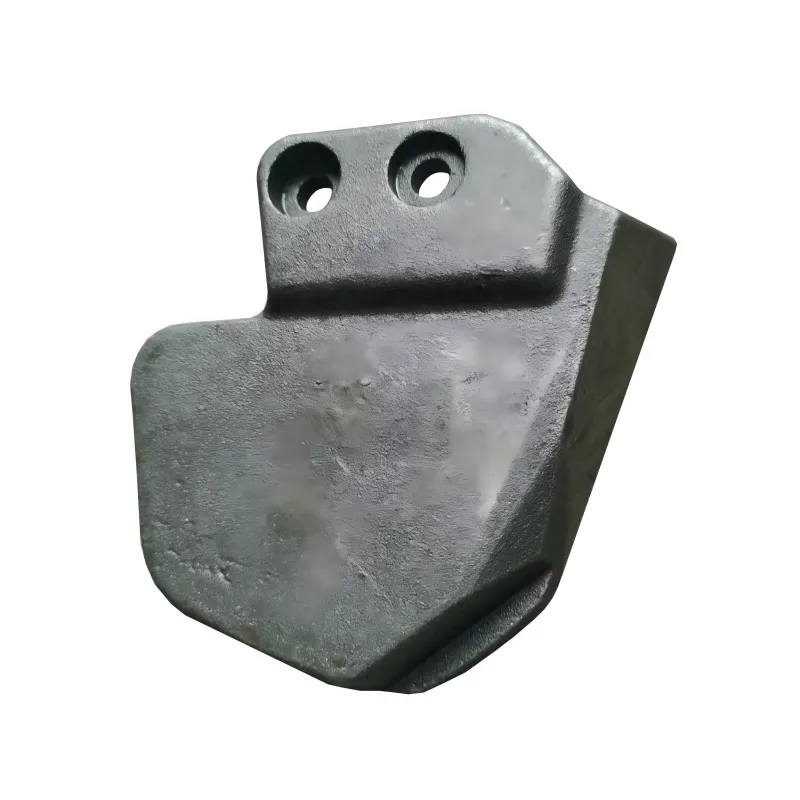
Cast iron remains a staple in industrial manufacturing due to its excellent castability, damping capacity, and wear resistance. Gray iron is widely used for engine blocks, machine tool bases, and pump bodies due to its vibration-damping properties. Ductile iron, with its nodular graphite structure, offers higher strength and toughness, making it suitable for automotive suspension components and pipe fittings.
Steel Castings
Steel castings provide superior strength and impact resistance compared to iron. They are essential for heavy-duty applications in mining, construction, and energy sectors. Carbon steel and alloy steel castings can be heat-treated to achieve specific hardness and tensile strength requirements. However, steel has a higher melting point and shrinks more during cooling, requiring careful mold design to prevent defects.
Aluminum Alloys
Aluminum sand casting is increasingly popular in the automotive and aerospace industries due to its lightweight nature and good corrosion resistance. Aluminum alloys such as A356 and A380 are commonly used. Sand casting aluminum allows for complex, thin-walled designs that reduce overall vehicle weight, contributing to fuel efficiency and electrification goals. The process requires precise temperature control to avoid porosity.
Copper and Bronze Alloys
Copper-based alloys are selected for their electrical conductivity, thermal conductivity, and corrosion resistance. Bronze castings are frequently used in marine environments, valves, and bearings. These materials require specialized handling due to their high fluidity and tendency to oxidize, necessitating foundries with specific expertise in non-ferrous melting.
How to Evaluate and Select a Sand Casting Foundry Near You
Finding a “sand casting foundry near me” is only the first step. Selecting the right partner requires a thorough evaluation of their technical capabilities, quality systems, and operational reliability. In 2026, buyers should look beyond price and consider the following critical factors.
1. Certifications and Quality Standards
Reputable foundries adhere to international quality standards. Look for certifications such as ISO 9001:2015, which ensures consistent quality management practices. For automotive suppliers, IATF 16949 certification is mandatory. Additionally, check for industry-specific approvals, such as NADCAP for aerospace components or PED for pressure equipment. These certifications indicate that the foundry has robust processes for documentation, traceability, and continuous improvement.
2. Technical Engineering Support
The best foundries act as engineering partners, not just manufacturers. They should offer Design for Manufacturability (DFM) analysis to optimize your part design for casting. This includes advising on wall thickness, draft angles, and gating systems to minimize defects and reduce costs. Ask potential suppliers about their simulation software capabilities, such as MAGMASOFT or ProCAST, which allow them to predict filling and solidification patterns before physical production begins.
3. Production Capacity and Scalability
Assess whether the foundry can handle your current volume and scale up if needed. Inquire about their furnace capacity, molding line speed, and finishing department capabilities. A foundry that is consistently overcapacity may struggle with lead times, while one with excessive idle capacity may lack stability. Request data on their typical monthly output for similar parts to gauge their suitability.
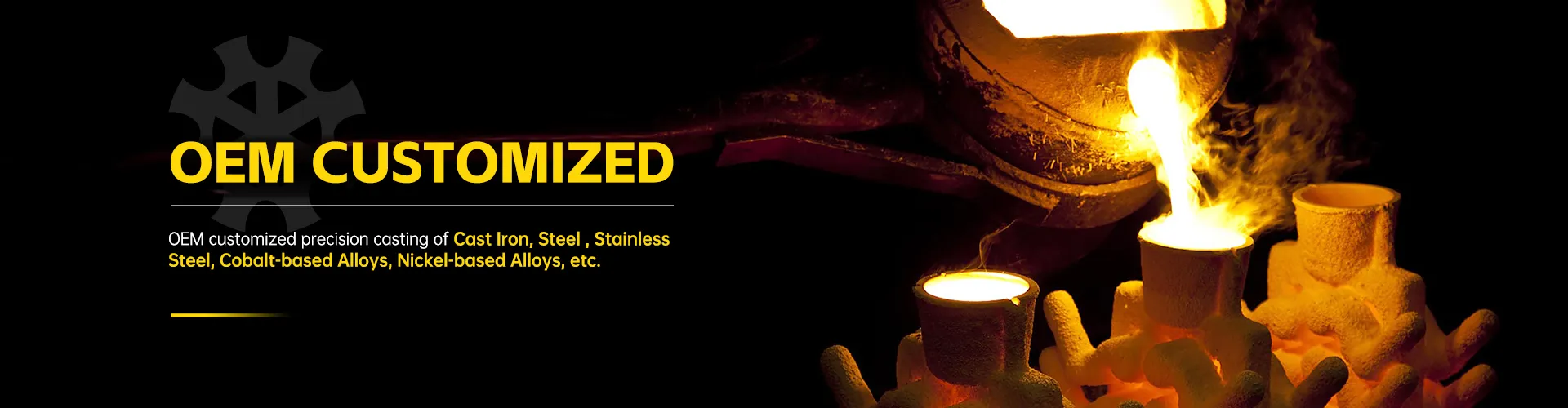
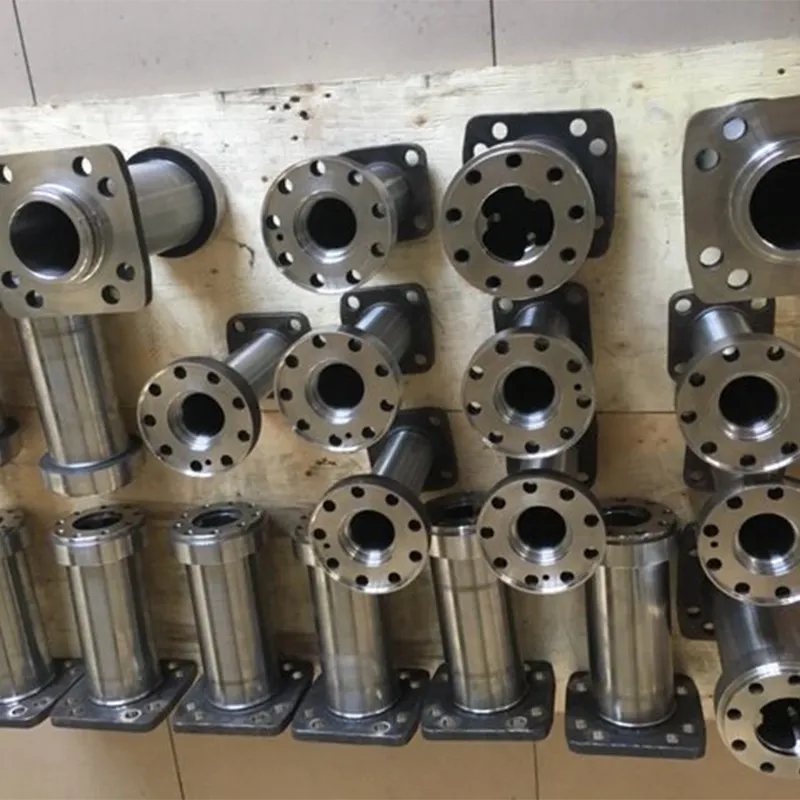
For instance, established manufacturers like Qingdao Qiangsenyuan Technology Co., Ltd. (QSY) exemplify the scale and capability modern buyers seek. With over 30 years of experience in the casting and machining industry, QSY operates a production workshop covering more than 50,000 square meters. Their facility encompasses dedicated lines for shell mold casting, investment casting (lost wax), and a comprehensive CNC machining workshop. Such integrated infrastructure allows for seamless transitions from raw casting to finished, machined components, providing a true one-stop customized service. QSY’s ability to handle diverse materials—including cast iron, steel, stainless steel, and special alloys like cobalt and nickel-based variants—demonstrates the kind of material versatility that high-end industrial projects require.
4. Quality Control and Testing Facilities
In-house quality control is non-negotiable. Verify that the foundry has equipped laboratories for chemical analysis (spectrometry), mechanical testing (tensile, hardness, impact), and non-destructive testing (NDT). Common NDT methods include:
- Visual Inspection: Checking for surface defects like cracks, shrinkage, or sand inclusions.
- Dimensional Inspection: Using CMM (Coordinate Measuring Machines) or laser scanning to verify geometry against CAD models.
- X-Ray/Radiography: Detecting internal voids, porosity, or inclusions.
- Dye Penetrant Testing: Identifying surface-breaking cracks.
Leading providers, including QSY, maintain dedicated quality inspection workshops to ensure every part meets stringent international standards. This commitment to quality has enabled them to cooperate with clients in over 20 countries across sectors such as agricultural machinery, medical and food processing, industrial equipment, mining, and petrochemicals.
5. Environmental Compliance and Sustainability
Modern foundries must comply with strict environmental regulations regarding emissions, waste sand disposal, and energy consumption. Ask about their sustainability initiatives, such as sand reclamation systems, energy-efficient furnaces, and waste reduction programs. Partnering with an environmentally responsible foundry mitigates regulatory risks and supports your corporate social responsibility (CSR) objectives.
Common Defects in Sand Casting and How to Prevent Them
Understanding potential defects helps in setting realistic quality expectations and collaborating effectively with your foundry. While modern processes minimize errors, certain issues can still arise. A knowledgeable buyer can discuss these risks proactively.
Porosity
Porosity refers to small voids or holes in the casting, caused by trapped gas or shrinkage during solidification. Gas porosity often results from moisture in the sand or improper venting. Shrinkage porosity occurs when the metal contracts without sufficient feed from the gating system. Prevention involves optimizing gating design, ensuring dry sand mixes, and using chills to control cooling rates.
Shrinkage Cracks
These cracks occur due to thermal stresses during cooling. They are more common in complex geometries with varying wall thicknesses. Proper riser placement and uniform cooling strategies are essential to mitigate this risk. Foundries use simulation tools to identify high-stress areas and adjust the mold design accordingly.
Sand Inclusions
Sand inclusions happen when loose sand particles become embedded in the metal surface. This defect compromises the structural integrity and surface finish. It is typically caused by erosion of the mold cavity during pouring or inadequate mold strength. Using high-quality bonding agents and optimizing pouring speed can prevent sand erosion.
Misruns and Cold Shuts
These defects occur when the molten metal cools too quickly before filling the entire mold cavity, resulting in incomplete parts or visible lines. This is often due to low pouring temperatures or thin sections in the design. Preheating the mold and increasing pouring temperature within safe limits can resolve these issues.
Industries Benefiting from Local Sand Casting Solutions
Sand casting is a versatile process serving a wide array of industries. Each sector has unique requirements regarding material properties, tolerances, and certification standards.
Automotive and Transportation
The automotive industry relies heavily on sand casting for engine blocks, cylinder heads, transmission cases, and suspension components. With the shift towards electric vehicles (EVs), there is a growing demand for lightweight aluminum castings for battery housings and motor casings. Local foundries support JIT (Just-in-Time) manufacturing models, reducing inventory costs for automakers.
Industrial Machinery and Equipment
Heavy machinery manufacturers use sand casting for pump housings, valve bodies, gearboxes, and hydraulic components. These parts often require high strength and wear resistance, making ductile iron and steel castings ideal. The ability to produce large, complex shapes economically makes sand casting the preferred method for this sector.
Energy and Power Generation
In the energy sector, including oil, gas, and renewable energy, cast components are used in turbines, pipelines, and drilling equipment. These applications demand high integrity and resistance to extreme temperatures and pressures. Foundries serving this sector must adhere to stringent safety and quality standards, such as API and ASME codes.
Aerospace and Defense
While investment casting is common for smaller aerospace parts, sand casting is used for larger structural components and engine housings. Aluminum and magnesium alloys are preferred for their high strength-to-weight ratio. The aerospace industry requires rigorous documentation and traceability, making certified local foundries valuable partners.
Cost Factors in Sand Casting: What Influences Pricing?
When requesting quotes from a “sand casting foundry near me,” understanding the cost drivers helps in negotiating better terms and optimizing design for cost-efficiency.
- Material Cost: The price of raw metal alloys fluctuates based on market conditions. Iron is generally cheaper than steel, which is cheaper than aluminum or copper alloys.
- Part Complexity: Complex geometries require more intricate patterns, cores, and gating systems, increasing labor and material costs. Simplifying designs can significantly reduce costs.
- Tooling Costs: Pattern and core box fabrication represents a significant upfront investment. However, these costs are amortized over the production run. For low volumes, 3D printed sand molds may eliminate tooling costs entirely.
- Volume: Higher volumes reduce the per-unit cost by spreading fixed costs (tooling, setup) over more parts. Automated molding lines further enhance economies of scale.
- Post-Processing: Additional services such as heat treatment, machining, painting, or assembly add to the final cost. Clarify whether the quote includes these secondary operations.
FAQ: Frequently Asked Questions About Sand Casting Foundries
What is the typical lead time for sand casting projects?
Lead times vary based on complexity and volume. Prototypes using 3D printed sand molds can be produced in 1-2 weeks. For traditional tooling, pattern creation takes 2-4 weeks, followed by production. Standard production runs typically have a lead time of 4-8 weeks after tooling approval. Local foundries often offer expedited services for urgent needs.
Can sand casting produce high-precision parts?
Yes, modern sand casting methods like no-bake and resin-bonded casting can achieve tight tolerances (CTI 11-14 according to ISO standards). While not as precise as investment casting or machining, sand casting is sufficient for most industrial applications. Secondary machining can be applied to critical features to achieve higher precision.
What is the minimum order quantity (MOQ) for sand casting?
MOQs depend on the foundry and the method used. Traditional green sand casting may have higher MOQs due to setup costs. However, many local foundries now offer low-volume production with MOQs as low as 10-50 units, especially when using flexible molding techniques or 3D printed molds.
How do I ensure the quality of castings from a new supplier?
Request sample parts for initial validation. Implement a First Article Inspection (FAI) process. Review the supplier’s quality certifications and ask for recent test reports. Consider conducting an on-site audit to verify their processes and equipment. Establish clear acceptance criteria and inspection protocols in your purchase agreement.
Is sand casting environmentally friendly?
Modern foundries have made significant strides in sustainability. Sand reclamation systems allow up to 90% of sand to be reused. Energy-efficient furnaces and emission control systems reduce the environmental footprint. Choosing a local foundry further reduces carbon emissions associated with transportation.
Future Trends in Sand Casting Technology (2026 and Beyond)
The sand casting industry is evolving rapidly with the integration of digital technologies. Staying informed about these trends helps buyers leverage new capabilities for competitive advantage.
Additive Manufacturing Integration
3D printing of sand molds and cores is becoming mainstream. This technology eliminates the need for physical patterns, enabling rapid prototyping and the production of highly complex geometries that are impossible with traditional tooling. It allows for design freedom and faster iteration cycles.
Industry 4.0 and Smart Foundries
Smart foundries utilize IoT sensors to monitor furnace temperatures, mold conditions, and pouring parameters in real-time. Data analytics predict maintenance needs and optimize process parameters, leading to consistent quality and reduced downtime. Blockchain technology is also being explored for enhanced supply chain traceability.
Advanced Simulation Software
Computational fluid dynamics (CFD) and finite element analysis (FEA) simulations are now standard in top-tier foundries. These tools simulate the entire casting process virtually, identifying potential defects before metal is poured. This reduces trial-and-error, saves material, and accelerates time-to-market.
Conclusion: Partnering for Success in Metal Casting
Searching for a sand casting foundry near me is a strategic decision that impacts your product quality, supply chain resilience, and bottom line. In 2026, the ideal partner is not just a manufacturer but a technical collaborator who understands your engineering challenges and business goals. By prioritizing local expertise, robust quality systems, and technological innovation, you can secure a reliable source for high-performance metal components.
Whether you need rapid prototypes, low-volume custom parts, or high-volume production runs, selecting the right foundry involves careful evaluation of their capabilities, materials expertise, and commitment to quality. Leverage the insights provided in this guide to assess potential suppliers confidently.
Ready to start your next casting project? Ensure your designs are optimized for manufacturability and connect with a trusted local partner who can deliver precision and reliability.
Explore our comprehensive sand casting solutions and request a technical consultation today.