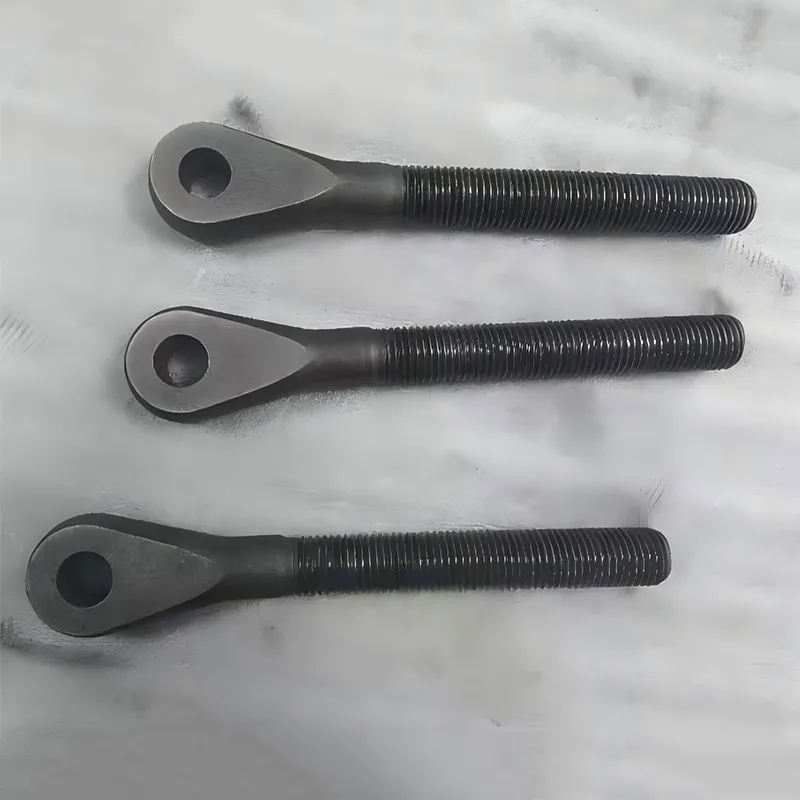
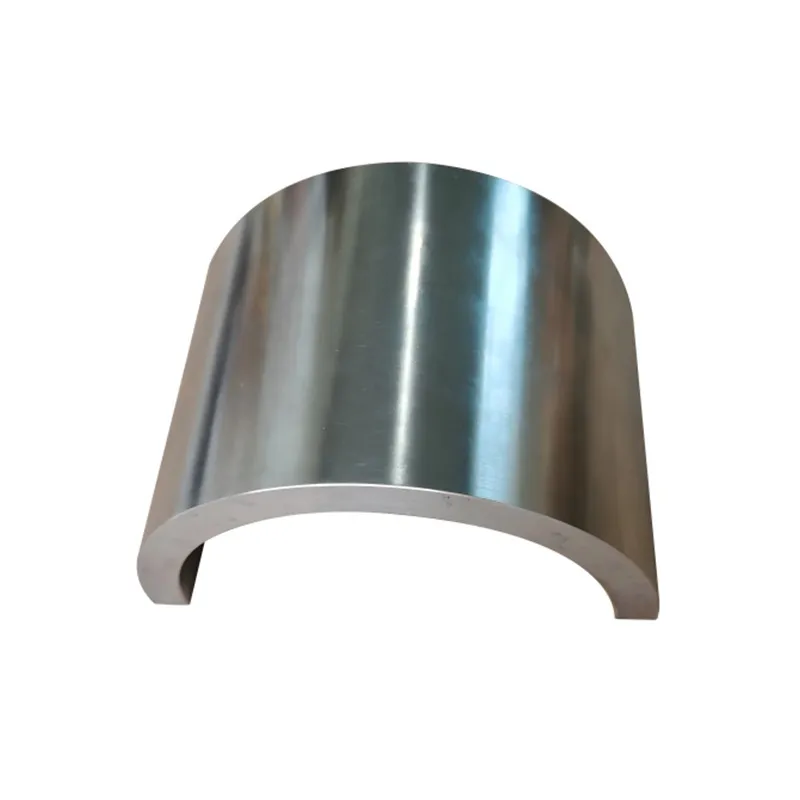
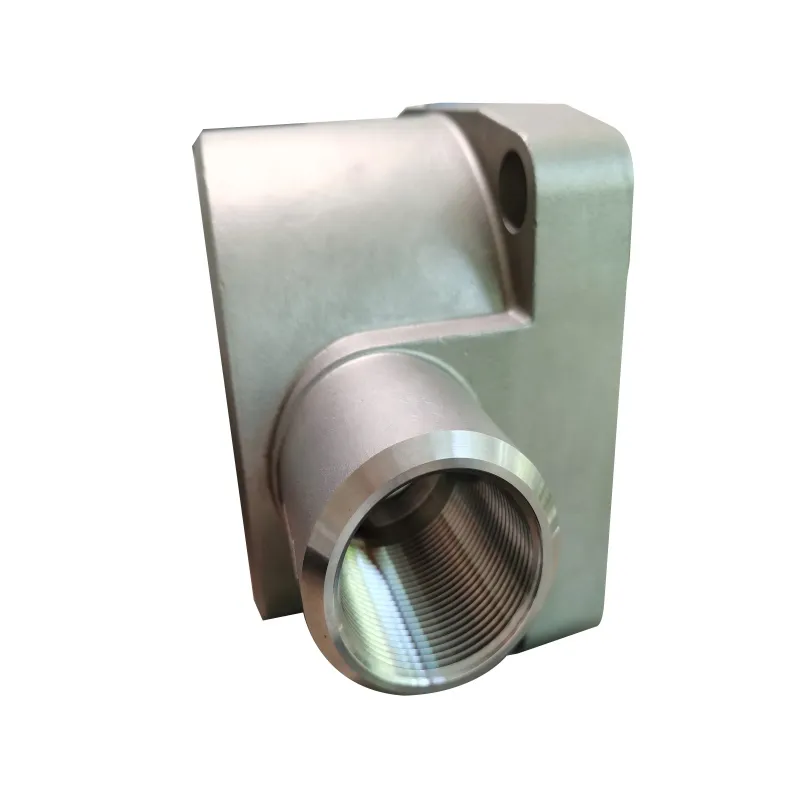
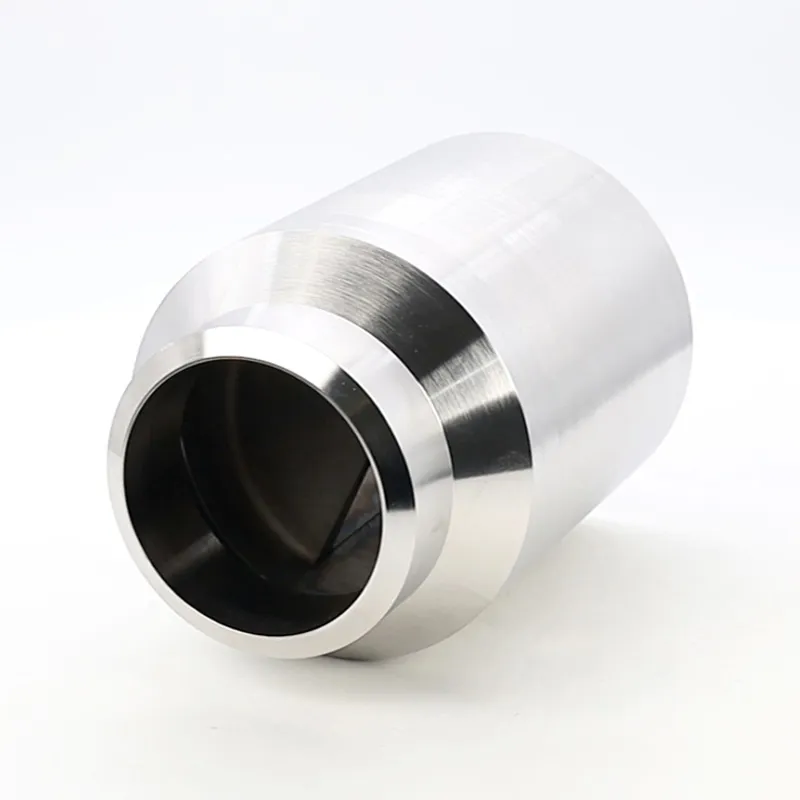
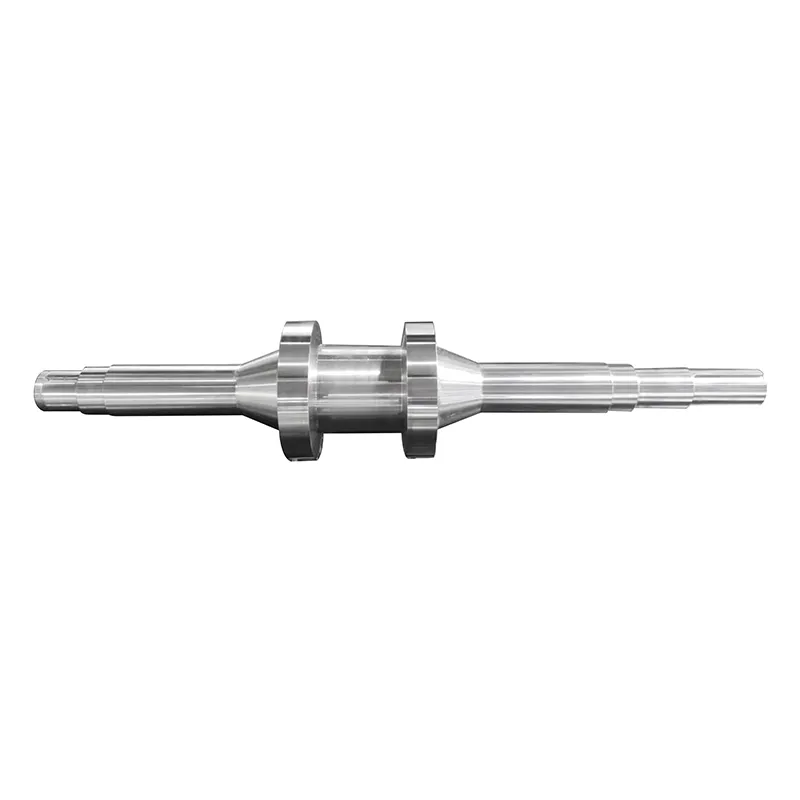
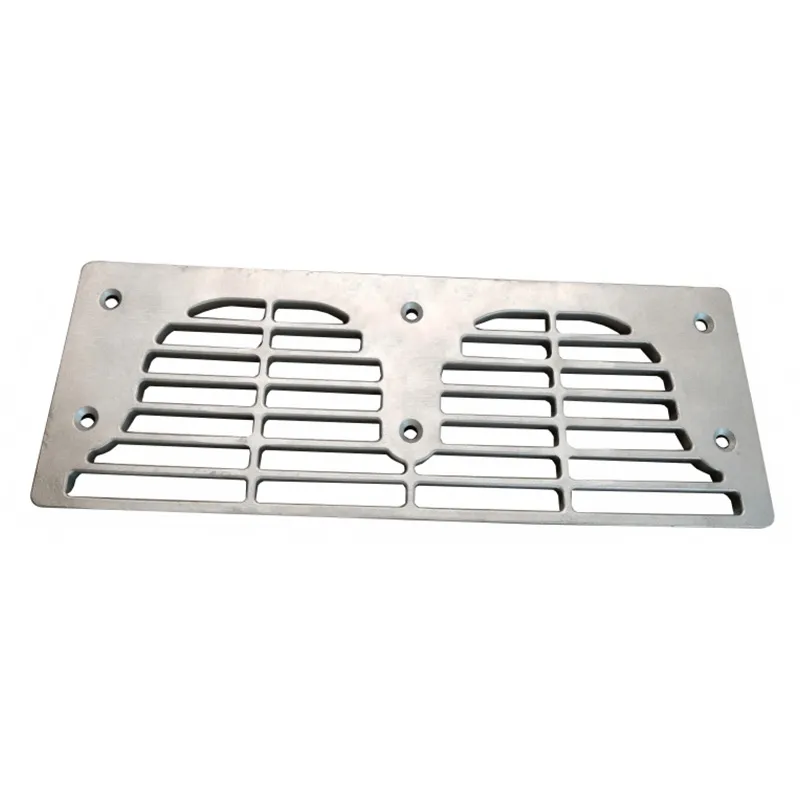
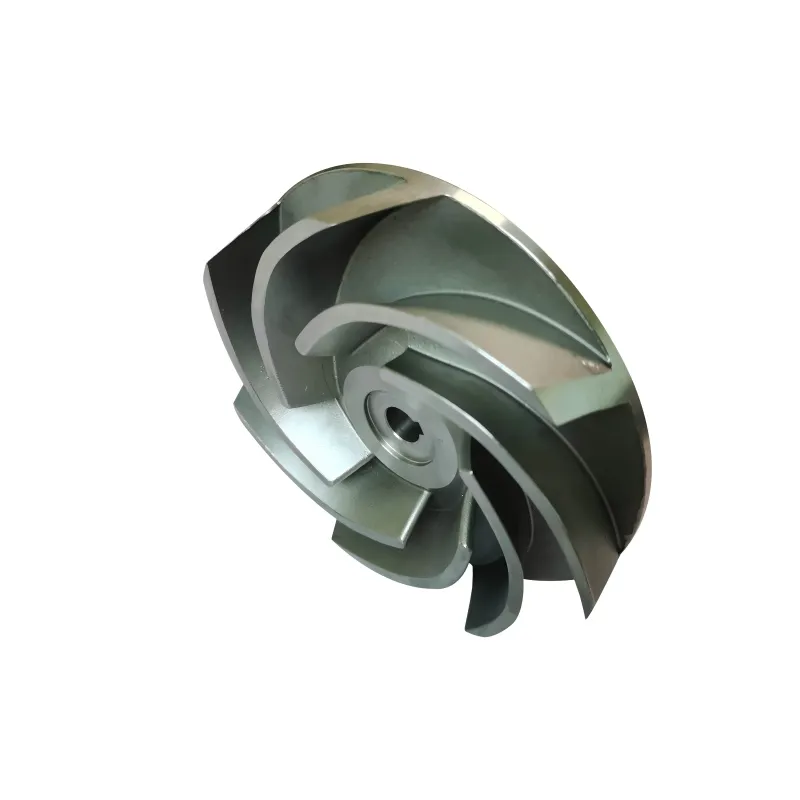
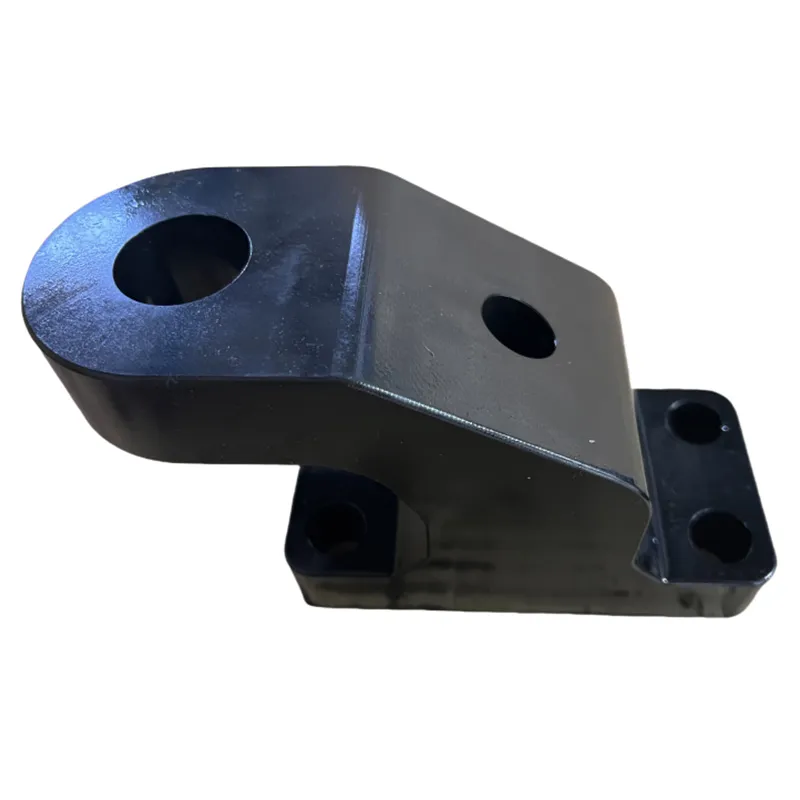
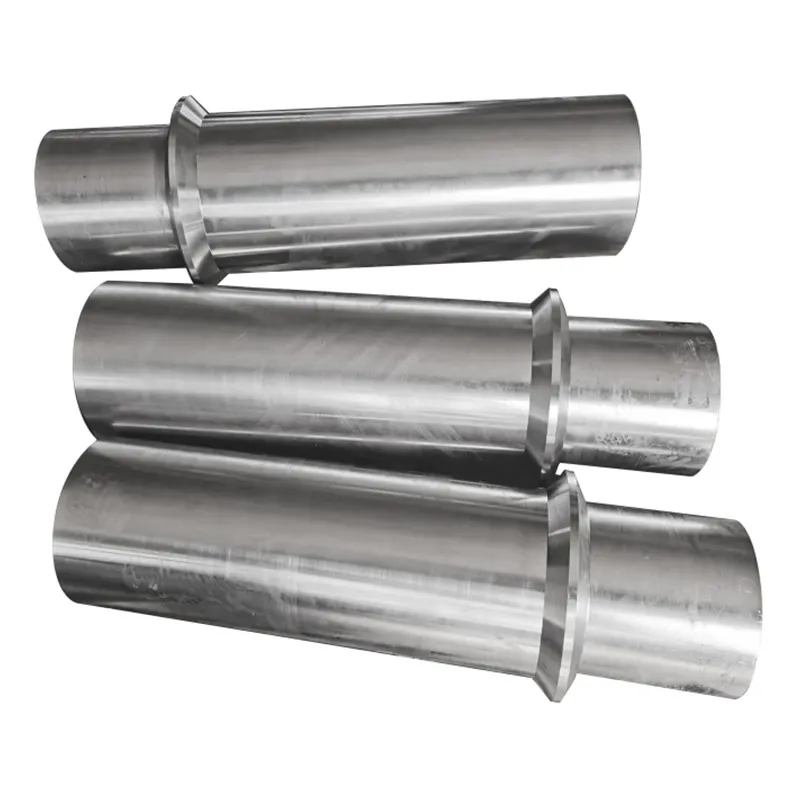
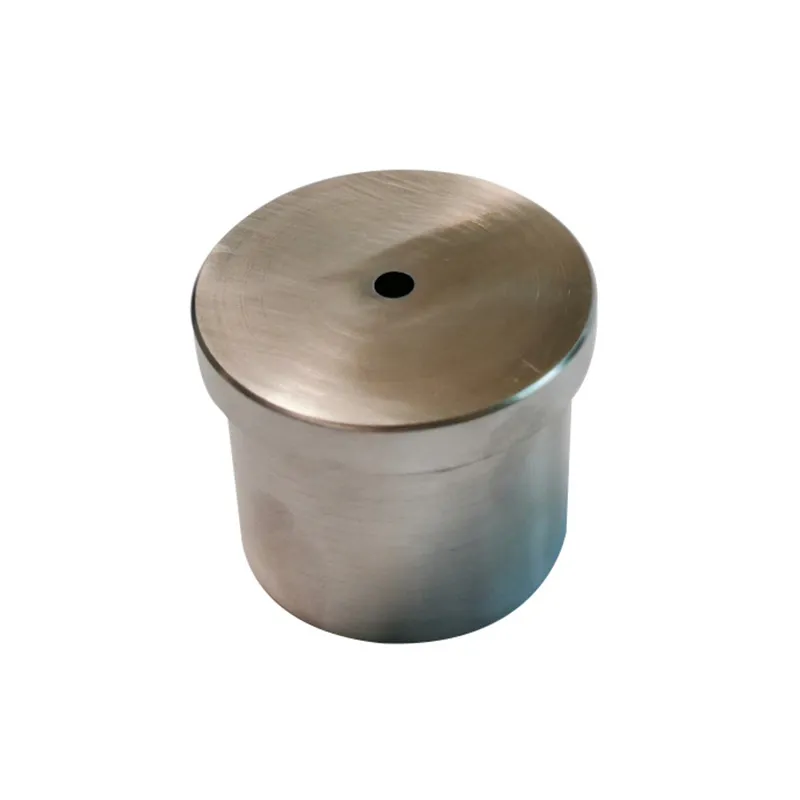
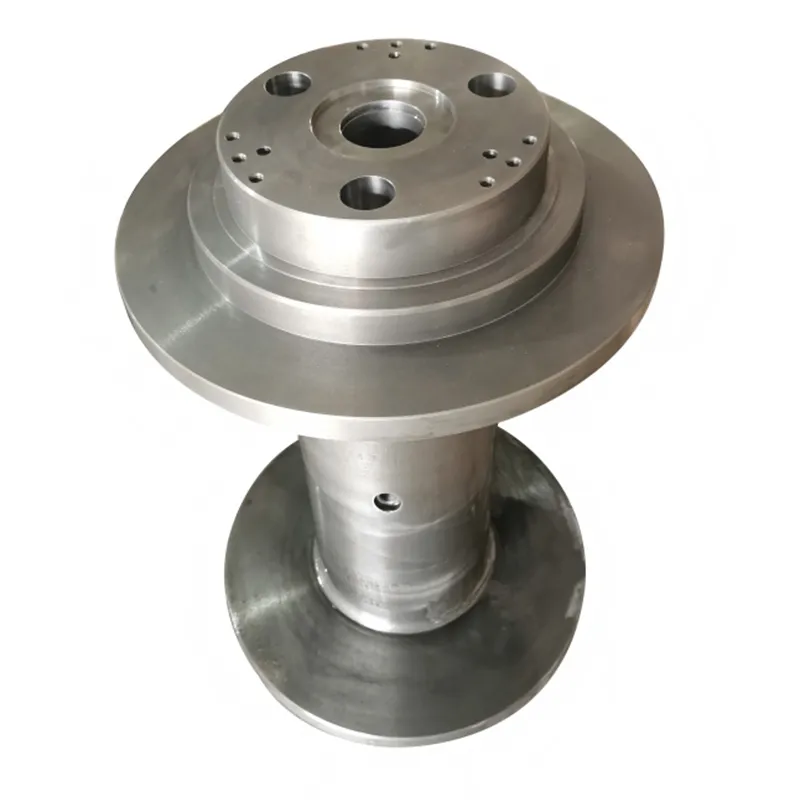
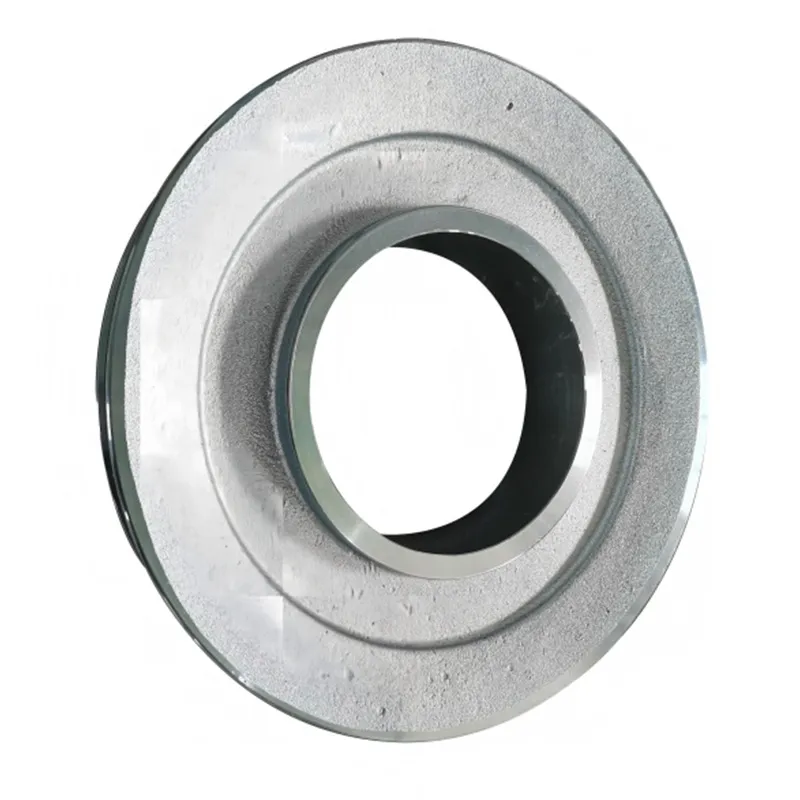
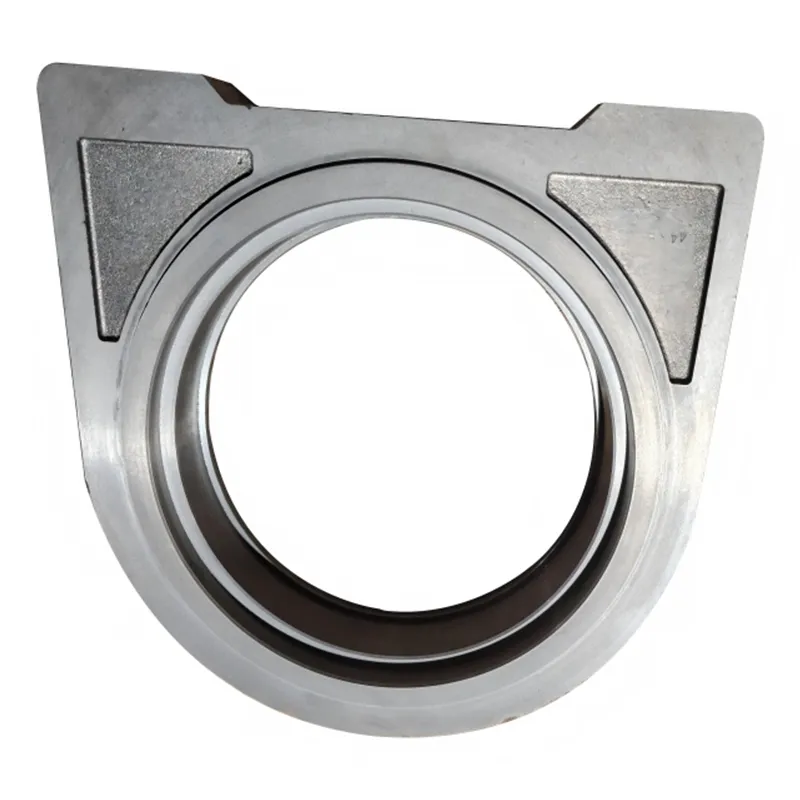
You see HT250 on a drawing, and it's easy to think it's just another gray iron. Standard stuff. But that's where a lot of the trouble starts—assuming it's a commodity. In my years dealing with castings, from sourcing to final machining, I've found that HT250 is a material defined by its process as much as its composition. The 'HT' stands for grey cast iron, and the '250' is the minimum tensile strength in MPa. Sounds straightforward, but hitting that 250 consistently, part after part, especially for complex geometries or thin-walled sections, is where the foundry's skill separates from the rest. It's not just about melting iron; it's about controlling the graphite flake structure, the cooling rates, and managing the inherent stresses. I've seen too many projects stumble because someone treated the spec as a simple purchase order item without understanding what's behind it.
The Foundry Floor Reality
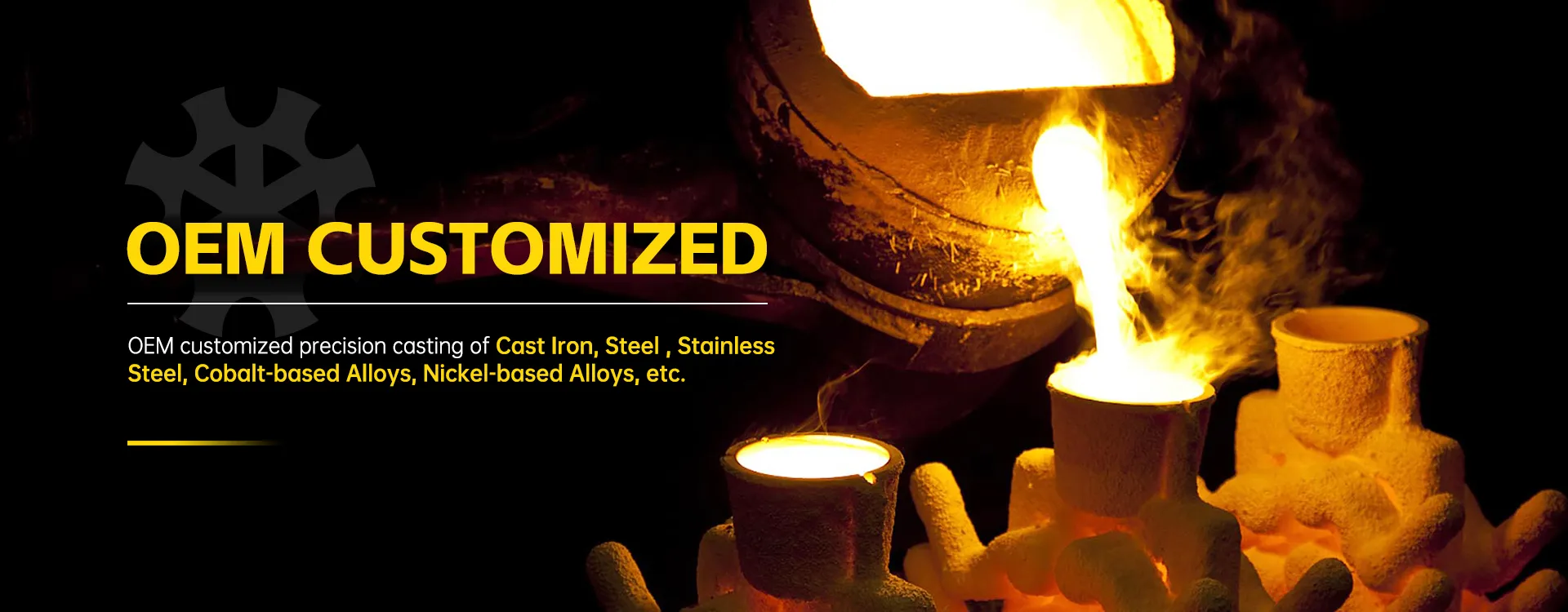
When we talk about HT250 with a foundry like Qingdao Qiangsenyuan Technology Co., Ltd. (QSY), the conversation immediately gets practical. Their three decades in shell and investment casting mean they've poured a lot of iron. The first thing they'll ask isn't just about the grade; it's about the part's function, wall thickness variations, and where the high-stress areas are. For instance, a valve body and a gear housing might both call for HT250, but the gating system and riser design could be completely different to ensure soundness in critical zones. With shell mold casting, which QSY specializes in, you get a better surface finish and dimensional accuracy compared to green sand, but it also solidifies faster. That's a double-edged sword for HT250—it can refine the graphite structure, which is good for strength, but if not managed, it can promote chilling (forming white iron, which is brittle) in thin sections or sharp corners.
I recall a batch of pump brackets we had made a few years back. The drawing specified HT250, and the samples passed the tensile test. But in the field, several units developed cracks near the mounting holes. The failure analysis pointed to localized areas of high carbide content—essentially, spots of chilled iron—right where a sharp internal corner was designed. The foundry had missed it because the test coupon from the runner system showed perfect properties. The lesson? The material property is an average; the failure happens at the weakest local point. We had to work with the foundry to modify the design with a larger fillet and adjust the mold coating to slow down cooling in that specific area. It wasn't a change in the material grade; it was a change in how we achieved it for that specific geometry.
This is where a partner's experience shows. A foundry just filling an order would have blamed our design. A technical foundry engages in the problem. Looking at QSY's portfolio on tsingtaocnc.com, you can see they handle a range from simple to complex castings. That experience translates into knowing, almost instinctively, where the potential pitfalls like shrinkage porosity or chilling might occur in a new part, and they'll often flag it during the DFM (Design for Manufacturability) review. That's invaluable.
Machining HT250: The Chatter and The Dust
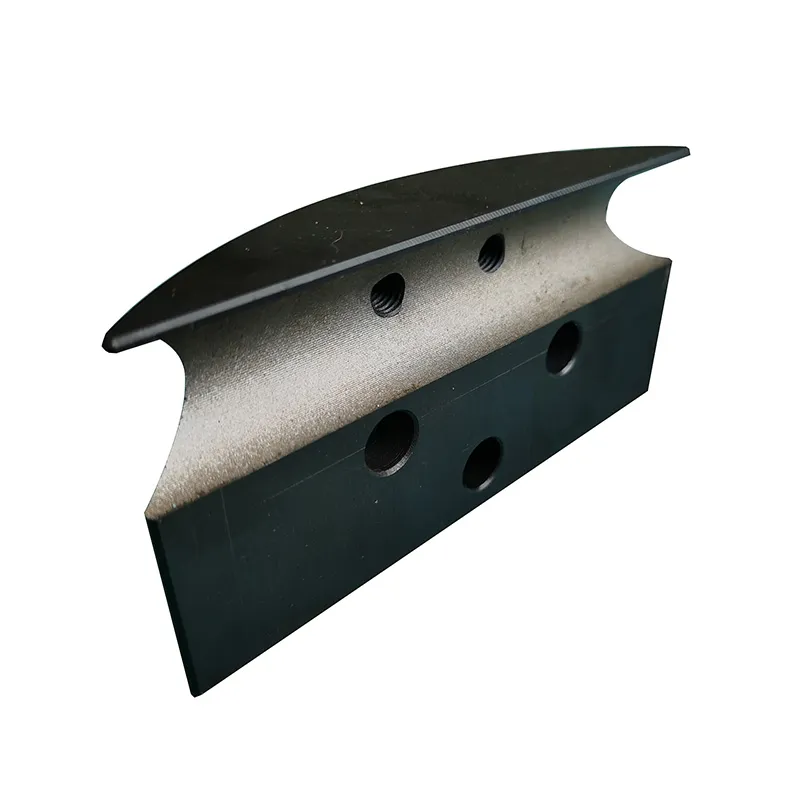
Getting a sound casting is only half the battle. The other half is machining it. HT250 has good machinability due to the graphite flakes acting as chip breakers and providing lubrication. But it's abrasive. It eats through standard tooling. If you're doing subsequent CNC machining, which QSY offers as an integrated service, toolpath strategy and tool material choice become critical. You can't just run the same parameters you'd use for mild steel.
We learned this the hard way on a high-volume job. We had these HT250 manifolds that needed precise milling on the flange faces and drilling of multiple port holes. The first production run used uncoated carbide tools. The tools wore down so fast that the dimensional tolerance drifted out of spec by the 20th part, and the surface finish deteriorated. The graphite dust was everywhere, clogging coolant lines. It was a mess. The solution wasn't more expensive tools, but smarter ones. We switched to polycrystalline diamond (PCD) inserts for the facing operations and used coated carbide drills with specific geometries for cast iron. The tool life increased by a factor of 15, and the dust issue was mitigated with high-pressure coolant aimed correctly to evacuate chips, not just cool.
An integrated supplier that handles both casting and machining, like the services outlined on https://www.tsingtaocnc.com, has a major advantage here. They can optimize the casting process to leave a consistent and adequate machining allowance. They also know the exact condition of the material they've produced—its hardness, any potential hard spots—and can set up their CNC programs accordingly from the start. There's no finger-pointing between the casting house and the machine shop when a tool breaks on a hard spot; it's one team solving one problem.
The Alloying Question and Misconceptions
Sometimes, designers see a strength requirement and think, Let's just add more alloying elements. For HT250, the standard composition is primarily iron, carbon, and silicon, with controlled levels of impurities like sulfur and phosphorus. You can boost strength by adding small amounts of chromium, molybdenum, or copper, but each addition changes other properties. Chromium increases hardness and wear resistance but also makes the iron more prone to chilling and harder to machine. It's a trade-off.
A common misconception is that a higher-grade iron (like HT300 or HT350) is always better than HT250. Not true. If your part doesn't need the extra strength, you're paying for material and processing costs you don't need, and you might be introducing unnecessary machining difficulties. The key is material suitability. For many structural components, engine blocks, or machine tool bases where you need good vibration damping, compressive strength, and castability, HT250 is often the optimal, cost-effective choice. Its damping capacity is superior to steel, which is why it's so prevalent in machine beds.
In their material list, QSY mentions working with special alloys like nickel-based ones. This context is important. It tells me they understand metallurgy. When they work with HT250, they're not treating it as a simple material; they're applying the same level of process control and metallurgical understanding they would for a high-performance alloy. That mindset matters for consistency.
Quality is in the Invisible Details
How do you really know you're getting good HT250? Certificates are a start, but they're just a snapshot. The real quality is built into the process control: the temperature of the molten iron, the inoculation practice (adding small amounts of elements like ferrosilicon to control graphite formation), the mold temperature, and the heat treatment. Yes, heat treatment. While HT250 is often used in the as-cast state, stress relieving is crucial for complex or precision parts to prevent dimensional movement during or after machining.
I visited a foundry once that had fantastic quality control on paper. But on the floor, I noticed the inoculant was being added to the ladle in a haphazard manner—sometimes early, sometimes late, sometimes the amount was eyeballed. That inconsistency directly affects the graphite flake size and distribution, which in turn affects the tensile strength and machinability. The parts might still scrape past the 250 MPa minimum, but the variation from part to part would be high, causing headaches in automated machining cells.
This is why a company's longevity, like QSY's 30 years, can be a proxy for process discipline. They've likely seen what inconsistency costs and have systems, even if rudimentary, to prevent it. It's the difference between a workshop and an industrial supplier. When I look at their capability to follow through with CNC machining, it suggests they understand the entire value chain, from the melt to the finished part. They know a poor casting can't be saved at the machining stage, so they have to get it right at the source.
Wrapping It Up: A Material in Context
So, after all this, what's my take on HT250? It's a workhorse material that is deceptively simple. Specifying it is the easiest part. The real work is in collaborating with a foundry that understands its nuances and can translate a 2D drawing into a 3D part with the right internal structure and properties. It's about viewing it not as a commodity code, but as an engineered material whose final performance is a function of design, foundry practice, and machining strategy.
For someone sourcing a part, the advice is to look beyond the grade. Engage with your supplier on the details. Ask about their typical microstructure, their stress-relieving practice for complex shapes, their experience with similar part geometries. A supplier that can discuss these aspects knowledgeably, like what one would expect from a seasoned operator such as QSY based on their described expertise, is one that's likely to deliver a reliable component. The goal is never just to buy HT250; the goal is to buy a functioning, durable part that happens to be made from it. That shift in perspective changes everything, from the request for quote to the final quality audit on the shipping dock.