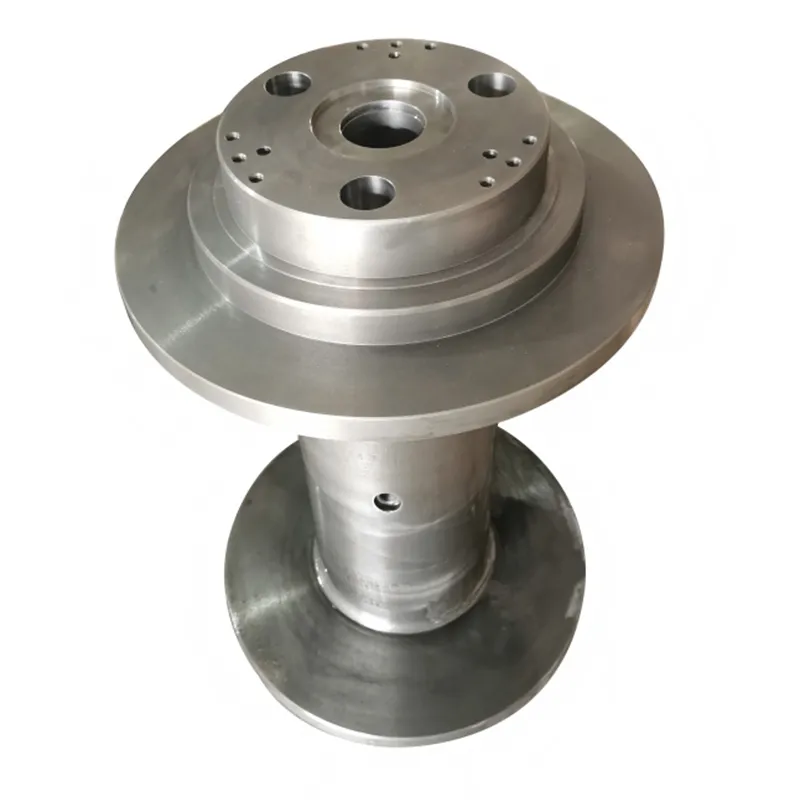
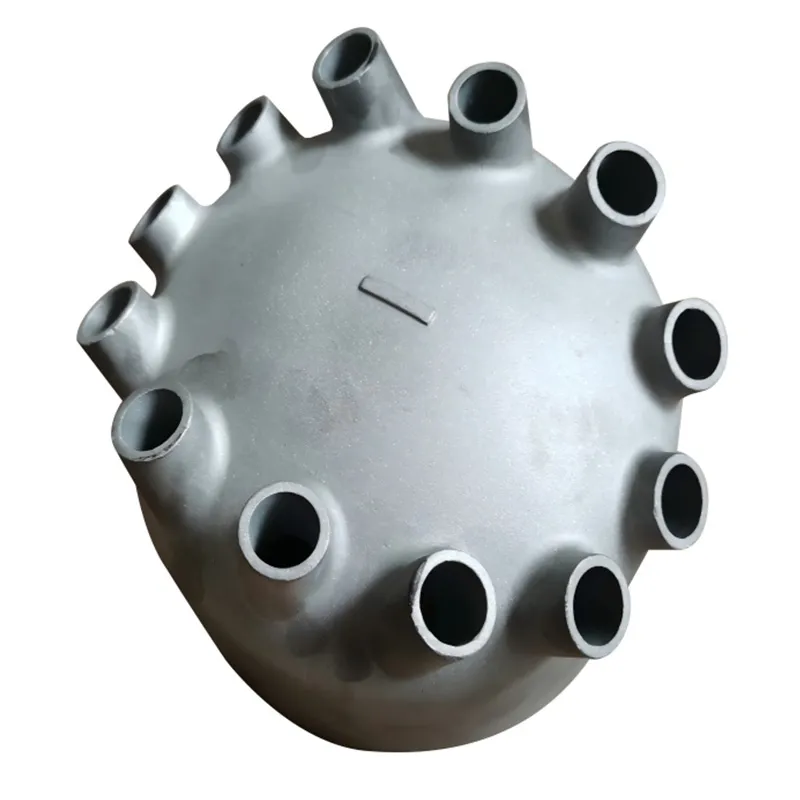
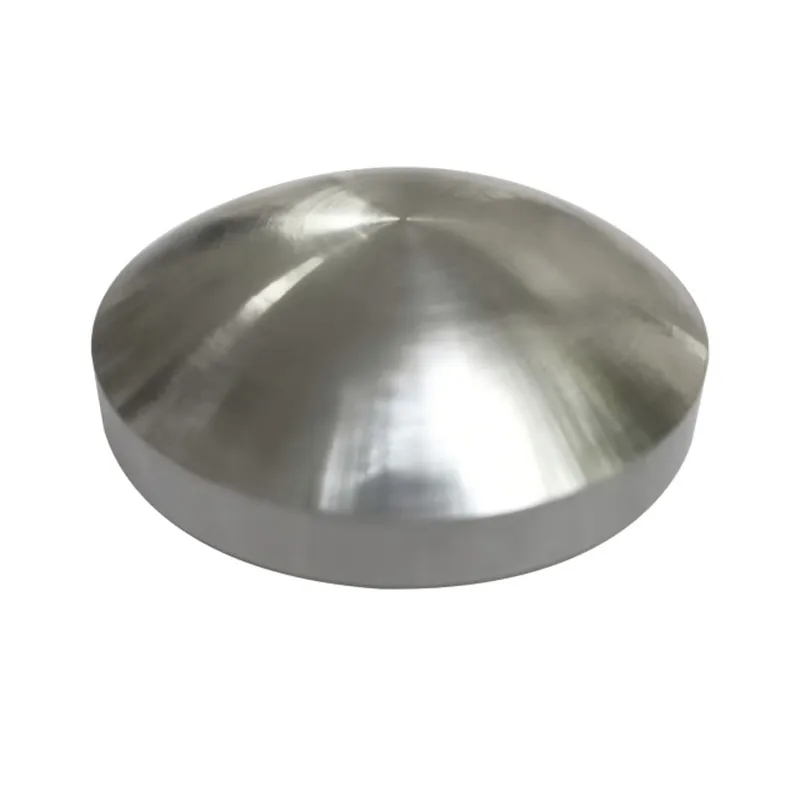
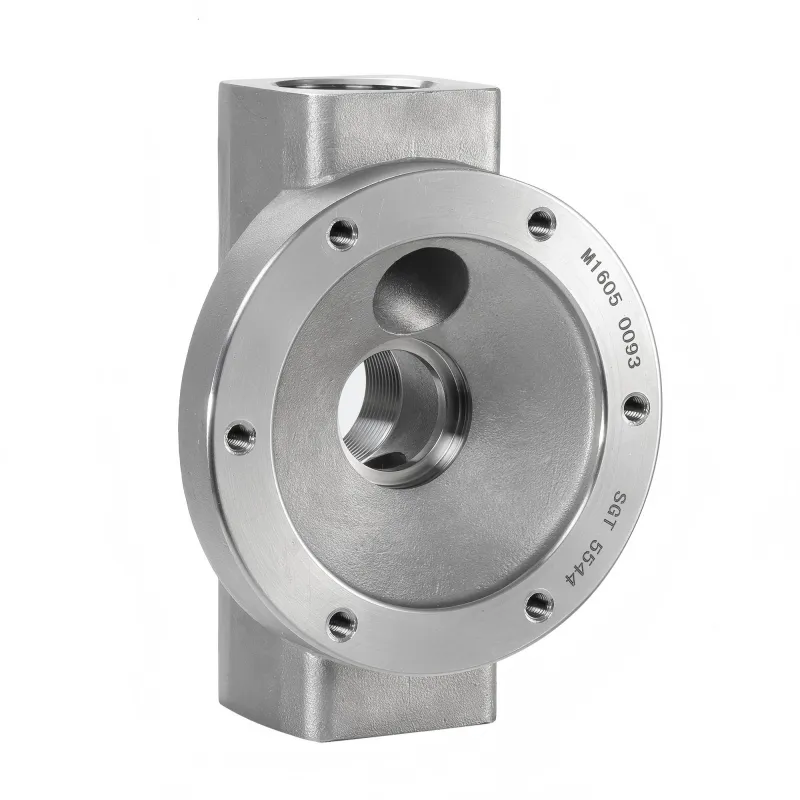
When you hear impro investment casting, what comes to mind? For a lot of folks, it's just a buzzword—some vague promise of better quality or lower cost. The term gets thrown around at trade shows and in sales pitches, often without much substance. In reality, improving this process isn't about a single magic bullet; it's a grind. It's about the cumulative effect of a hundred small adjustments in the shell room, the wax pattern department, and the foundry floor. Many think it's all about buying a new furnace or a fancy 3D printer for patterns. That's part of it, sure, but if your shell system is inconsistent or your gating design is poor, that new equipment is just an expensive paperweight. I've seen shops pour money into improvements that never moved the needle on scrap rates.
The Foundation: It's Always About the Shell
Let's get real. If you want to talk about impro investment casting, you have to start with the shell. This is where most of the problems—and opportunities—live. I remember working on a series of stainless steel impellers for a pump manufacturer. The spec called for incredibly thin, aerodynamic vanes. Our scrap rate was hovering around 40% due to veining and shell cracking. We chased the usual suspects: slurry viscosity, stucco sand gradation, drying room humidity. The breakthrough wasn't some high-tech solution; it was meticulously logging the ambient temperature during each dip cycle over two weeks. We found a 5-degree Celsius drop during the night shift that was causing inconsistent primary coat adhesion. Stabilizing that was cheaper than any new equipment and cut the scrap by half. Improvement here is painfully granular.
This ties directly to the expertise of a long-standing operation. Take a company like Qingdao Qiangsenyuan Technology Co., Ltd. (QSY). With over 30 years in casting and machining, they've likely lived through countless iterations of shell recipe tweaks. Their specialization in both shell mold and investment casting means they understand the material science deeply—how different binders interact with various stuccos, how to build a shell for a massive steel valve body versus a delicate cobalt alloy surgical component. That kind of institutional knowledge is the bedrock of real improvement. You can't buy it off a shelf.
The materials themselves dictate the improvement path. Working with nickel-based alloys? Your shell's thermal expansion profile and hot strength become non-negotiable. A minor improvement in the zircon flour content of the face coat can be the difference between a sound casting and one riddled with hot tears. It's not glamorous work. It's about technicians with decades of experience knowing, by the look and feel of a slurry, if it's right, long before the lab test results come back.
The Wax Room: Where Dimensional Fidelity is Won or Lost
Everyone focuses on metal, but the wax pattern is the casting's DNA. Any flaw here gets magnified. Improvement in injection is a battle against internal stress. We once had a project for aerospace brackets where we kept getting subtle, non-uniform warpage after dewaxing. The CAD model was perfect, the tooling was new. The culprit? The wax injection pressure and hold time weren't optimized for the specific geometry's volume-to-surface-area ratio. We had to create a small library of injection parameters for different family-of-parts shapes. It was tedious, but it eliminated a major source of dimensional drift.
This is where integration with machining, like QSY's combined investment casting and CNC capabilities, shows its strategic value. If you can produce a near-net-shape wax pattern via precision machining of a master die, you're starting from a much higher fidelity baseline. The improvement is baked in at the very beginning. Then, any subsequent CNC machining on the final metal part is minimal, preserving material integrity and saving cost. It's a holistic view of the manufacturing chain.
Another often-overlooked factor is wax assembly. The manual skill of welders assembling wax trees directly impacts yield. A poorly angled gate or a weak weld joint will cause metal run-out or mistruns. Training and simple jigging here offer massive returns. I've found that video-recording a skilled worker's technique and using it for training improved consistency more than any automated system we could have afforded at the time.
The Melt and Pour: Control Over Chaos
Here's where theory meets the fire. You can have a perfect shell and a perfect wax pattern, and a bad pour ruins everything. For me, improving the casting process itself is about ruthless standardization and understanding the physics of the fill. With high-temperature alloys like cobalt-based ones, superheat control is critical. A few degrees too high, and you increase metal-shell reaction; too low, and you risk mistruns.
We implemented a simple but effective change for pouring turbine blades: switching from a free fall pour to a controlled, pressurized tilt pour under a slight argon blanket. The reduction in turbulence and oxide formation was immediately visible in the radiographs. The improvement wasn't in the equipment (though the tilt pour device was custom-made) but in the philosophy—prioritizing laminar fill over speed. This is the kind of process nuance a multi-decade foundry accumulates.
Post-casting, the knock-out process is another danger zone. I've seen beautiful castings cracked by an over-enthusiastic vibration or a water jet set too high. Improvement meant developing a gentler, material-specific decoring process, sometimes even chemical leaching for ultra-complex internal passages. It's a slow, iterative learning curve.
CNC Machining: The Critical Finish Line
This is the payoff. A well-executed investment casting should require minimal machining. But minimal doesn't mean none. The interface between the foundry and the machine shop is where fingers get pointed. The real improvement comes from pre-planning. For instance, at an integrated operation like QSY, the CNC programmers likely consult with the foundry engineers during the initial gating design. They'll agree on datum points, add minimal machining stock in critical areas, and design fixtures that reference the casting's as-cast features, not just the CAD model.
I learned this the hard way. We once cast a series of marine-grade stainless steel fittings. The casting was dimensionally good, but our machine shop struggled because the initial gating left a stub that interfered with the standard vise setup. A two-hour meeting between the casting and machining leads before tooling was made would have saved days of fixture redesign later. Improvement is about breaking down departmental silos.
For hard alloys, machining strategy is part of the improvement. Knowing that a nickel-based alloy casting has a slight, variable surface hardness from the shell interaction means your CNC program should have a more conservative initial cut. This knowledge comes from feeding back machining data (tool wear rates, surface finish results) to the foundry team, closing the loop.
The Real Measure: Consistency and Trust
So, what does impro actually deliver? It's not usually a revolutionary new product. It's the ability to hit a CTQ (Critical-to-Quality) dimension on a complex part, batch after batch, for a contract that lasts ten years. It's the trust a client like a medical device or energy equipment manufacturer places in you. They don't care about your new robotic arm; they care that every single component in their assembly fits and performs.
This is the space where a company builds its reputation. Thirty years in business, like QSY, suggests they've navigated these incremental improvements successfully across material shifts and market cycles. Their work with special alloys tells me they've solved the tough problems—controlling grain structure in large-section castings, managing residual stress, achieving X-ray quality welds on repaired castings (when allowed by spec).
Ultimately, improving investment casting is a mindset. It's a willingness to dig into a 40% scrap rate on a Friday afternoon and not leave until you have a hypothesis to test on Monday. It's valuing the craftsman's intuition as much as the spectrometer's readout. The improvement is quiet, built into the daily routine, and reflected in the growing pile of successfully shipped orders for parts no one else wants to touch. That's the real benchmark.