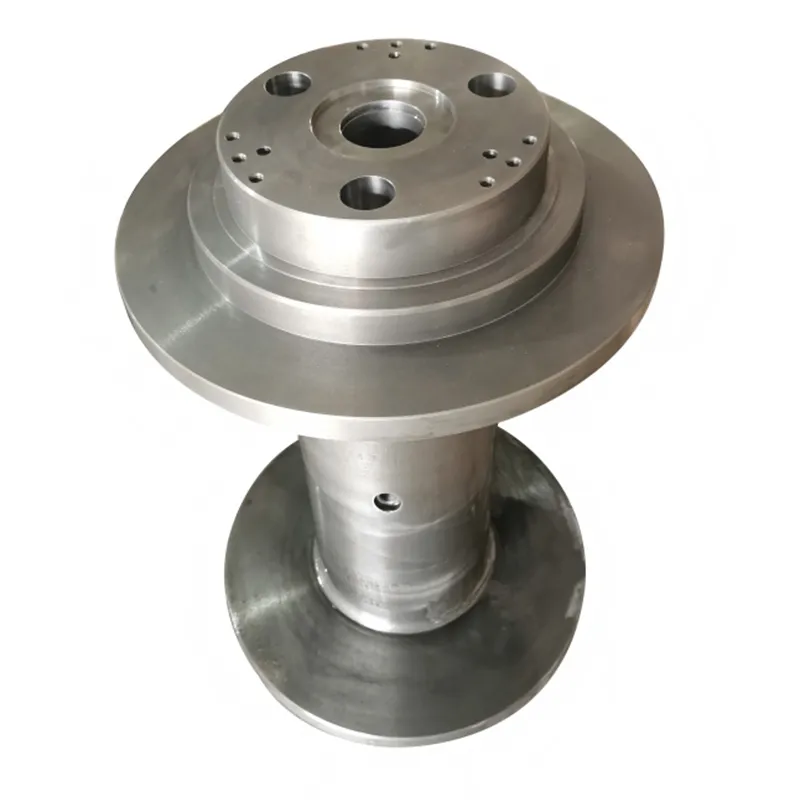
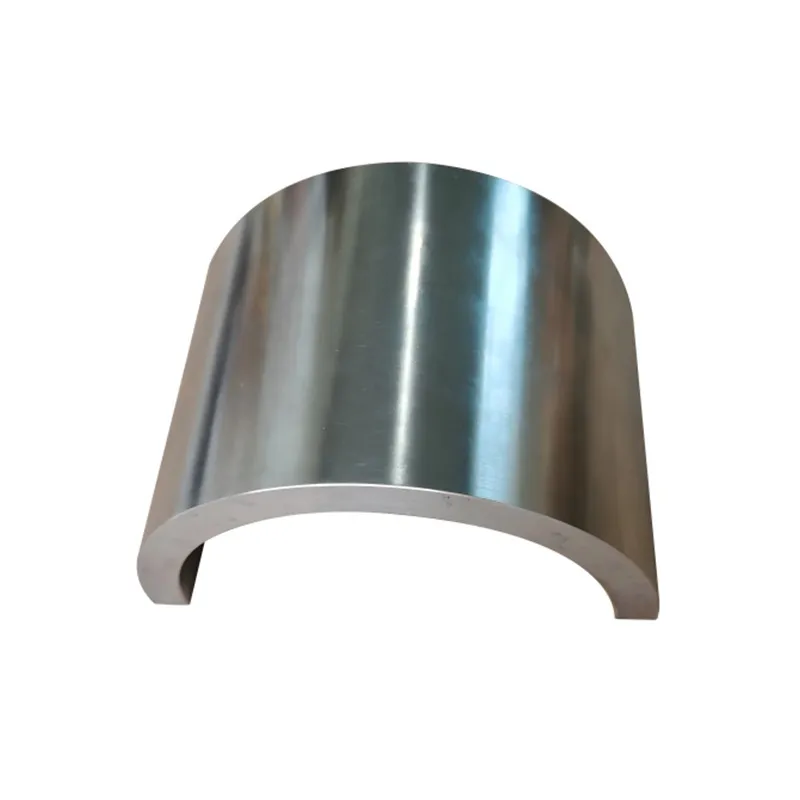
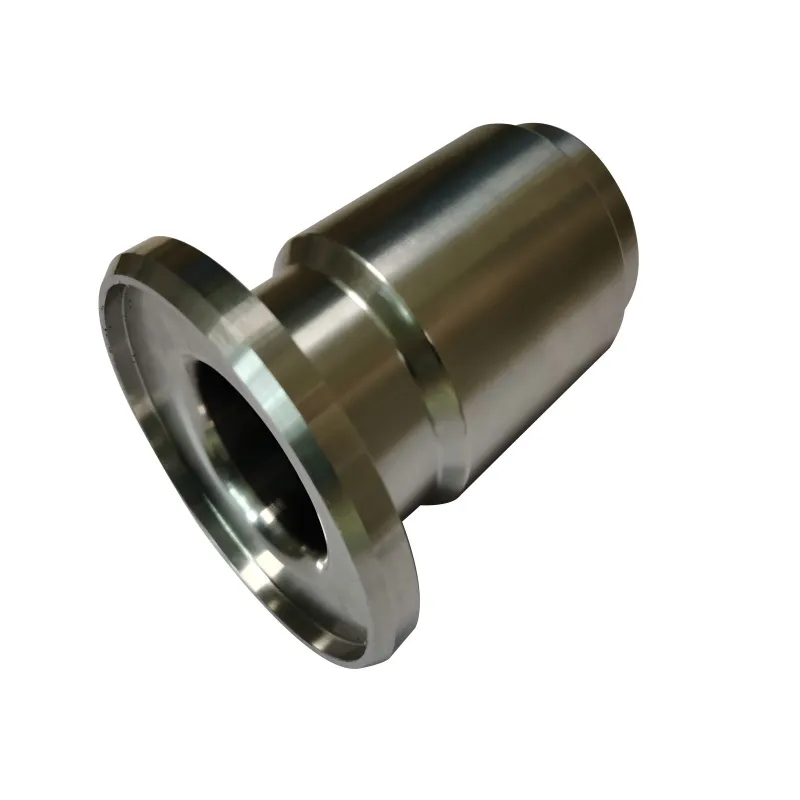
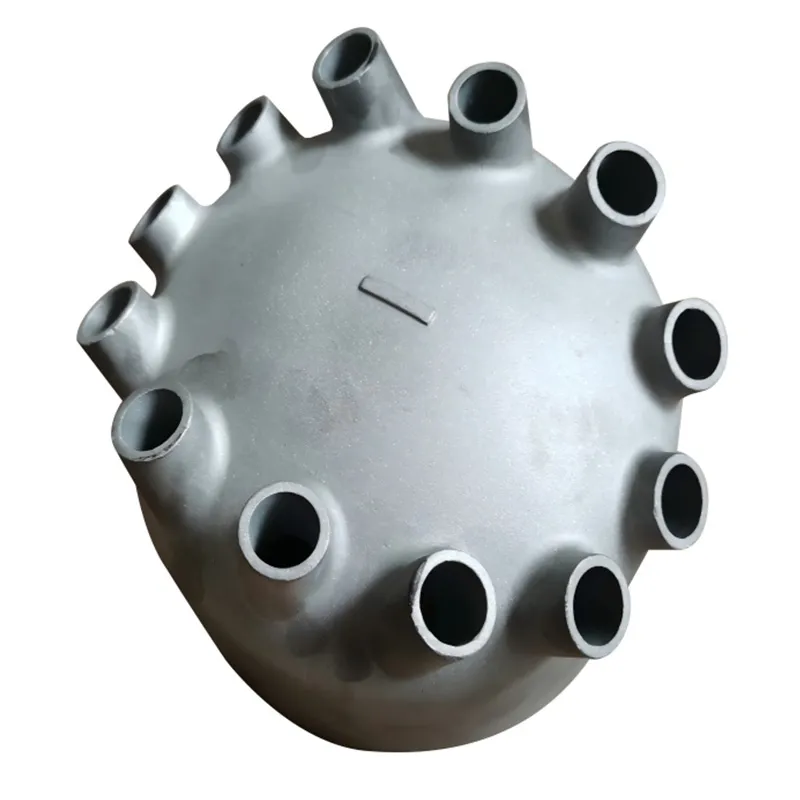
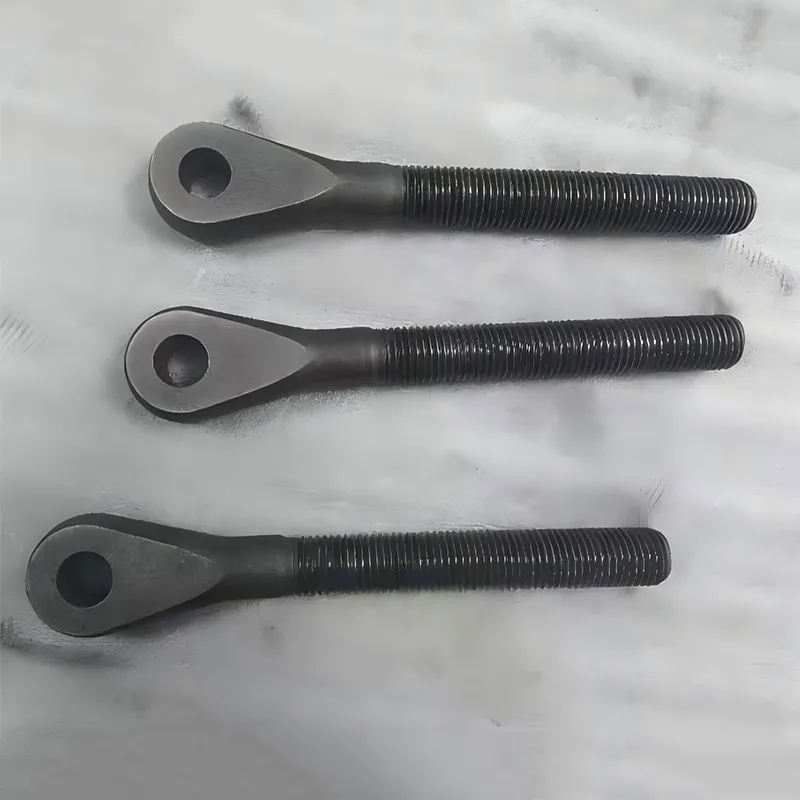
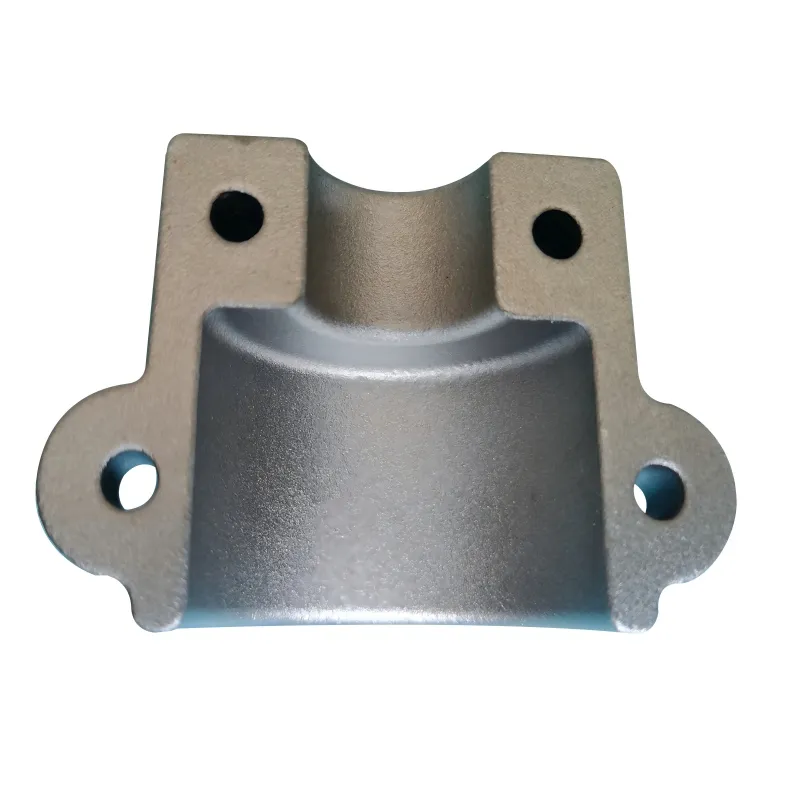
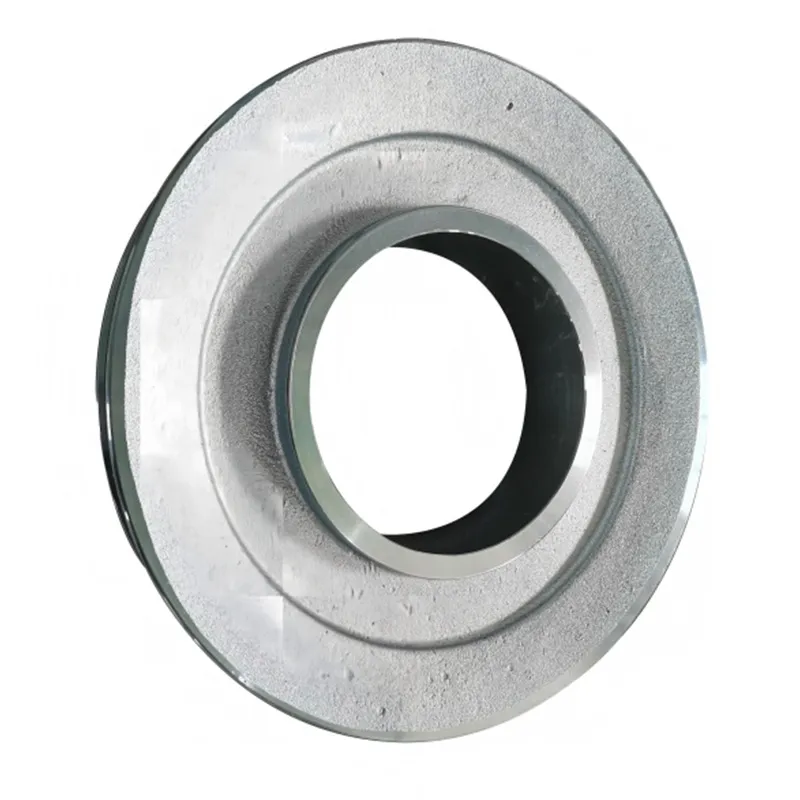
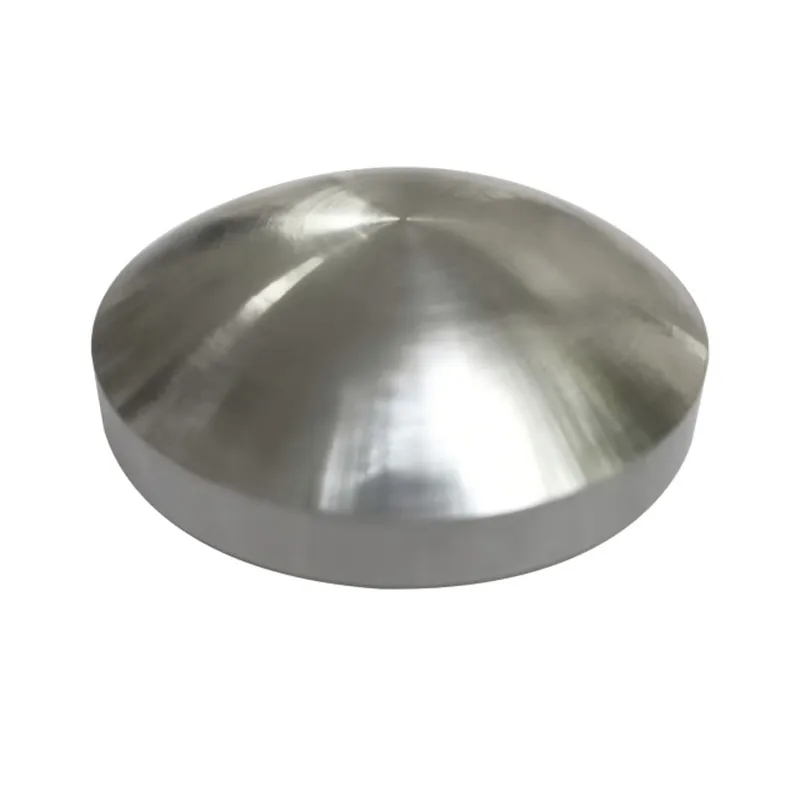
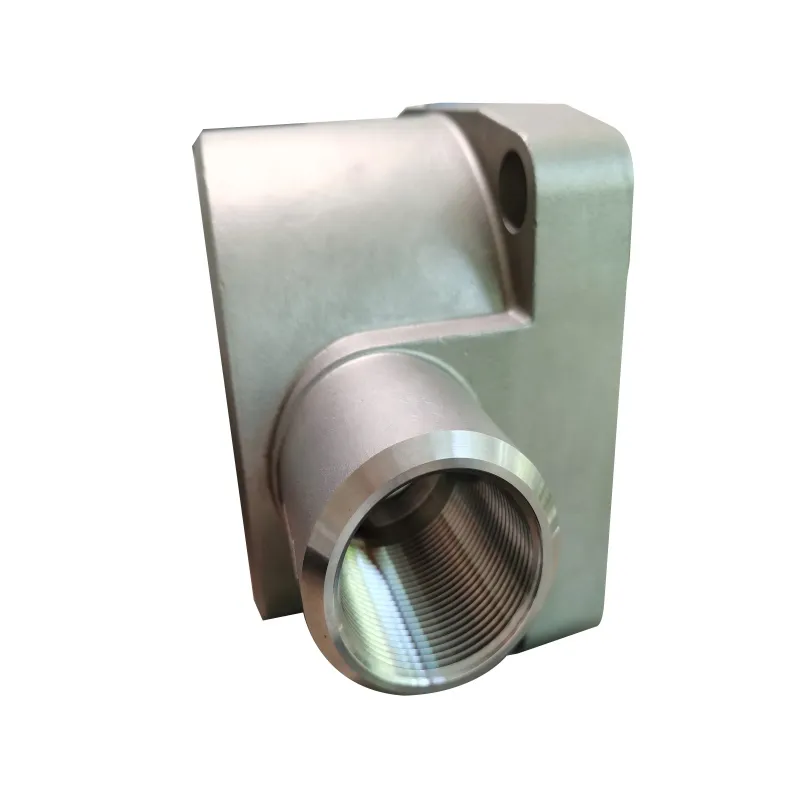
When you hear 'Incoloy alloy parts', the immediate thought often jumps to high-temperature resistance and corrosion charts. That's the textbook answer, and it's not wrong, but it's where the real work—and the common pitfalls—begin. I've seen too many projects where the material was specified correctly on paper, but the failure happened in the translation from a certified mill test report to a functional, reliable component sitting in a harsh service environment. The gap between the alloy's pedigree and the part's performance is where experience, or the lack of it, gets brutally exposed.
The Special in Special Alloys Isn't Just Marketing
Working with Incoloy alloy parts, particularly grades like 825, 925, or 020, means you're dealing with materials that demand respect from the very first step. It's not like machining 304 stainless where you can be a bit more forgiving with feeds and speeds. The high nickel and chromium content that gives these alloys their superb resistance also makes them tough, work-hardening beasts. I remember a batch of valve bodies we machined years ago; the tooling was standard for high-nickel alloys, but the insert life was nearly halved because the specific heat treatment lot of the bar stock was slightly off the norm. The spec sheet said solution annealed, but the reality on the shop floor was different. You learn to trust the data, but you also learn to verify it with the first cut.
This is where partnering with a foundry and machine shop that gets it is non-negotiable. You can't just send a CAD file and a material callout. For instance, a company like Qingdao Qiangsenyuan Technology Co., Ltd. (QSY), with their three decades in casting and machining, typically understands this nuance. Their experience across shell mold casting, investment casting, and CNC machining with materials like nickel-based alloys means they've likely encountered the variability within a single alloy grade. It's that practical, accumulated knowledge that dictates how they approach the gating system for a casting or the coolant strategy for a deep bore on a machined part. It's not just about having the capability; it's about having the historical data of what can go wrong.
The choice between casting and machining a part from solid bar isn't always straightforward, either. For complex geometries, investment casting of Incoloy can be brilliant, offering near-net-shape benefits that save a ton of expensive machining time on hard material. But then you're dealing with the casting process's own demons—shrinkage porosity, microstructural consistency. I've had components that passed X-ray inspection but showed premature failure in thermal cycling because the grain structure in a critical corner wasn't optimal. It wasn't a defect per the standard, but it was a failure in service. Sometimes, machining from a wrought product, despite the cost, is the safer bet for uniform, predictable properties in high-stress areas.
Heat Treatment: The Make-or-Break Stage Everyone Talks About But Often Misapplies
This is arguably the most critical post-processing step for Incoloy alloy parts, and it's where I've seen the most textbook failures. The heat treatment cycle for stress relieving or solution annealing is precise. A few degrees off, or a soak time that's a bit short, and you're not getting the full corrosion resistance or mechanical properties you paid for. The part might look perfect, pass a basic hardness test, but fail catastrophically in a chloride-rich environment or under creep conditions.
We learned this the hard way on a project for offshore platform components. The parts were CNC machined beautifully, but the stress relief after machining was rushed due to a tight deadline. Residual stresses, locked in from aggressive machining, weren't fully removed. In service, those stresses combined with the external load and environment led to stress corrosion cracking. The post-mortem analysis pointed squarely to the heat treatment curve. It wasn't that the shop didn't do it; it was that the process wasn't stringent enough for that specific part geometry and machining history. Now, we're fanatical about not just specifying the heat treat code, but also discussing the part's journey to the furnace.
This is another checkpoint for a supplier. A shop that just subcontracts heat treatment to the lowest bidder is a red flag. You want a partner who controls or deeply oversees this process. Looking at QSY's scope, which encompasses both casting and full machining, it's reasonable to expect they have a controlled, integrated approach to thermal processing for their special alloys. That continuity from molten metal to finished part under one roof, or under tight technical management, reduces these kinds of coordination failures.
The Devil is in the Details: Welding, Surface Finish, and Inspection
It's rare that an Incoloy part exists in isolation. It often needs to be welded to other components, and this is a specialty in itself. Using the wrong filler metal or shielding gas, or improper pre/post-weld heat treatment, can create a weak, corrosion-prone zone right next to your super alloy. I always insist on a qualified welding procedure specification (WPS) for the exact grade and application, and often on test coupons from the same material batch.
Then there's surface finish. A machined surface finish for a sealing face is different from one for a high-temperature gas path. For corrosion applications, sometimes a pickled and passivated surface is specified, but the process has to be tailored for nickel-chromium-molybdenum alloys like Incoloy 625, not just a standard stainless procedure. We once had parts returned because of superficial rust staining—turned out the passivation chemistry was too aggressive for the specific molybdenum content, causing a selective etch rather than a protective layer.
Finally, inspection. Dimensional checks are a given. But for critical Incoloy alloy parts, you're looking at PT/MT for surface defects, RT or UT for internal soundness, and often PMI (Positive Material Identification) to verify the alloy grade at the gate, the runner, and the part itself. Mix-ups happen. I've seen a pallet of Incoloy 825 turn out to be 316L because a tag was swapped at the warehouse. PMI with a handheld XRF gun caught it before the parts went into production. It's a simple check that saves monumental headaches.
Cost vs. Value: The Eternal Calculation
Incoloy isn't cheap. The raw material cost is high, the processing is demanding, and the inspection is rigorous. It's tempting to look for cost savings, but this is a classic you get what you pay for domain. Choosing a supplier purely on unit price is a fast track to reliability issues. The value isn't in the cheapest part; it's in the part that lasts the design life in a punishing application without failure.
The real cost-saving happens in design for manufacturability (DFM) conversations early on. Can a radius be increased slightly to improve casting yield and reduce stress concentration? Can a tolerance be relaxed from ±0.05mm to ±0.1mm without affecting function, saving massive machining time on hard material? A good manufacturing partner, like the one described at https://www.tsingtaocnc.com, should engage in these discussions. Their long-term operation suggests they've seen enough designs to offer practical DFM input that optimizes both performance and cost, rather than just taking a print and quoting it.
Sometimes, the right decision is to use a lower-grade material with a more robust design or additional protection (like coatings). But when the service environment—say, flue gas desulfurization systems, sour gas wells, or high-temperature thermal processing—demands Incoloy, there's no substitute. Then, the focus shifts to executing the fabrication flawlessly. The investment is in preventing unscheduled downtime, which dwarfs the initial part cost.
Looking Back and Moving Forward
Reflecting on two decades around these materials, the evolution has been subtle but significant. Alloy compositions have been tweaked for better performance, and manufacturing techniques like CNC machining and non-destructive testing have become more precise. Yet, the fundamental challenges remain: understanding the material's behavior beyond the data sheet, respecting every step of the process chain, and never assuming that a standard procedure will automatically yield a perfect part.
The most reliable Incoloy alloy parts I've seen come from collaborations where engineering, procurement, and manufacturing are in sync, and where the supplier is treated as a technical partner. It's about sharing the full service context—temperature cycles, media composition, load profiles—so they can apply their process knowledge effectively. It's moving from a transactional relationship to a consultative one.
In the end, it boils down to this: specifying Incoloy is a science, but producing a successful Incoloy component is a craft. It requires a blend of metallurgical knowledge, practical shop floor experience, and a relentless attention to detail. The companies that have been doing it for years, through cycles of success and painful lessons learned, are the ones that turn a high-performance alloy specification into a high-performance part you can actually depend on. That's the difference between a part that meets print and a part that survives in the real world.