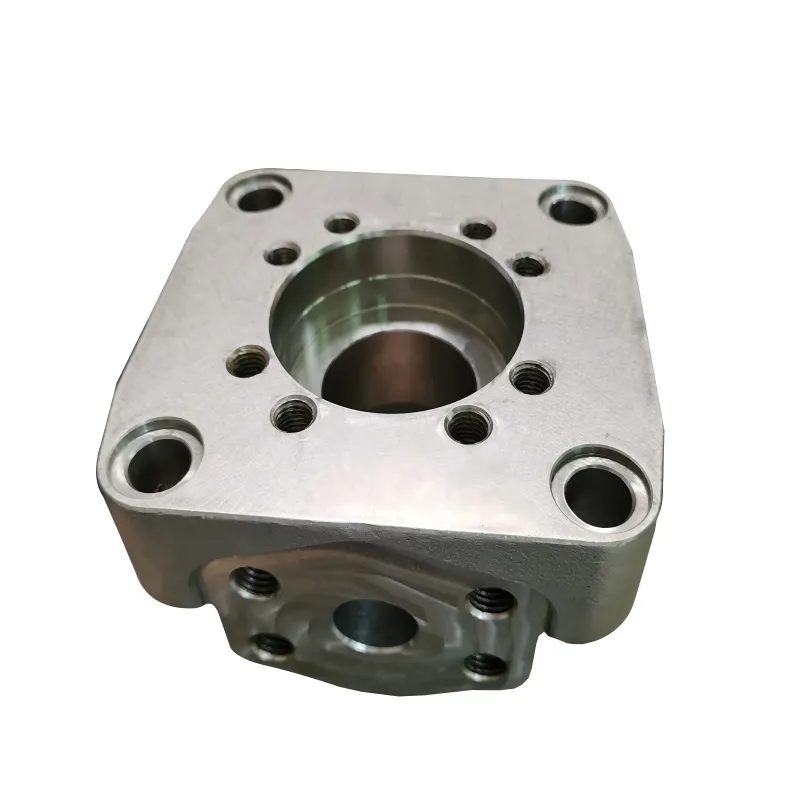
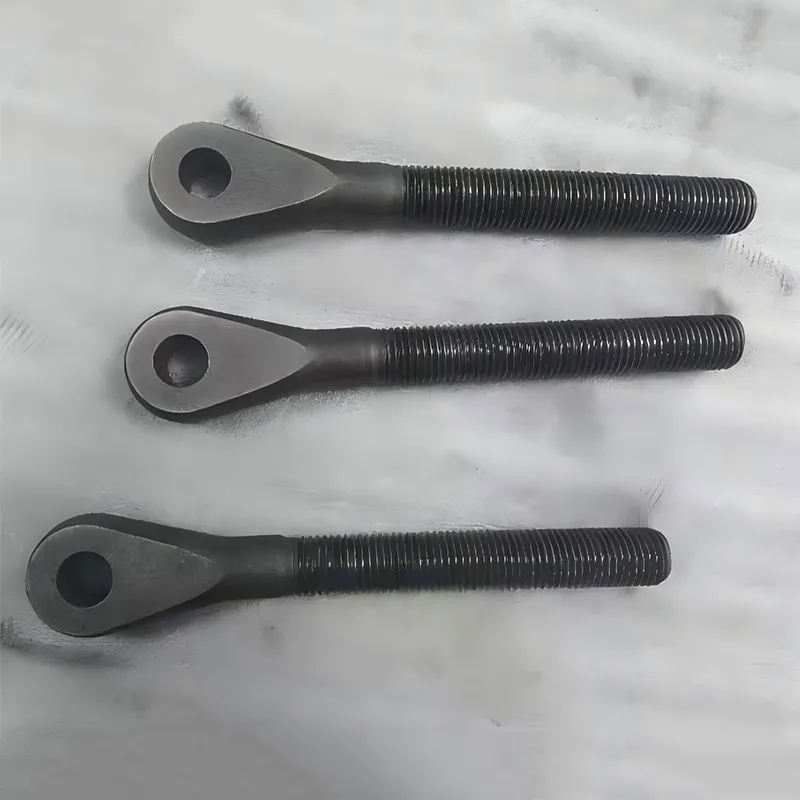
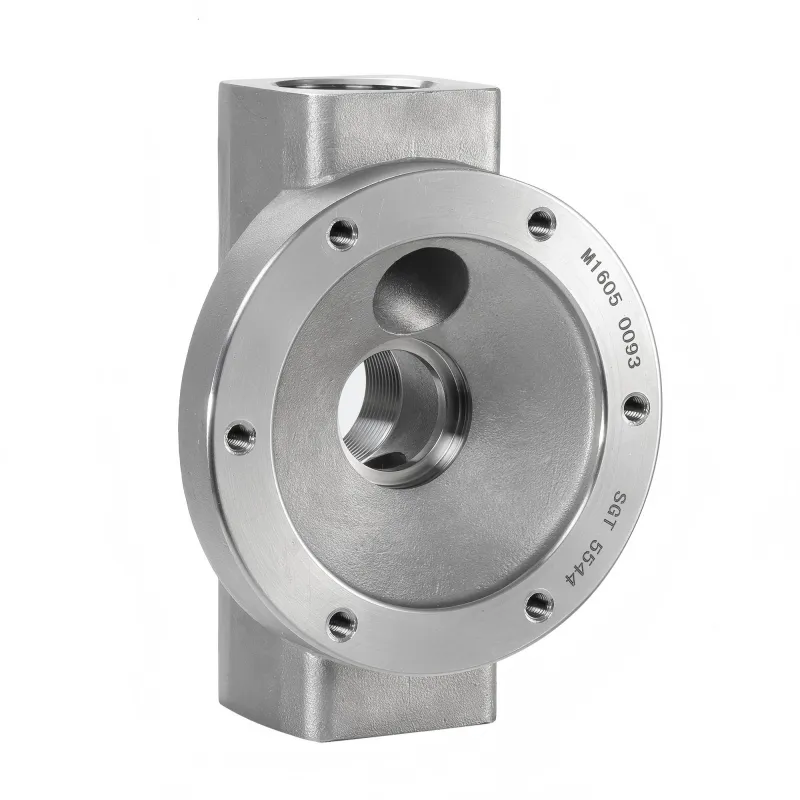
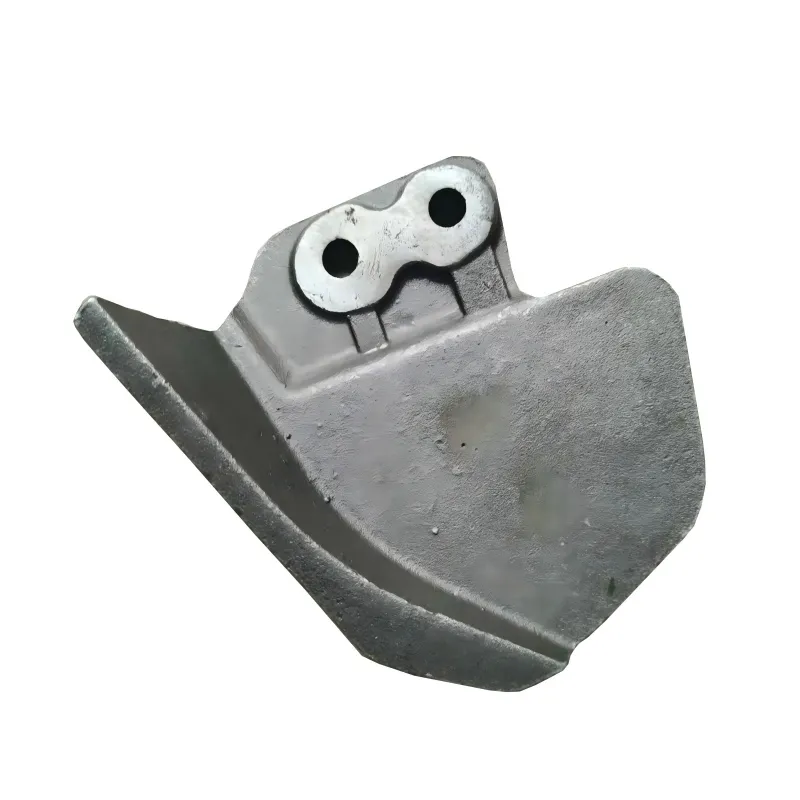
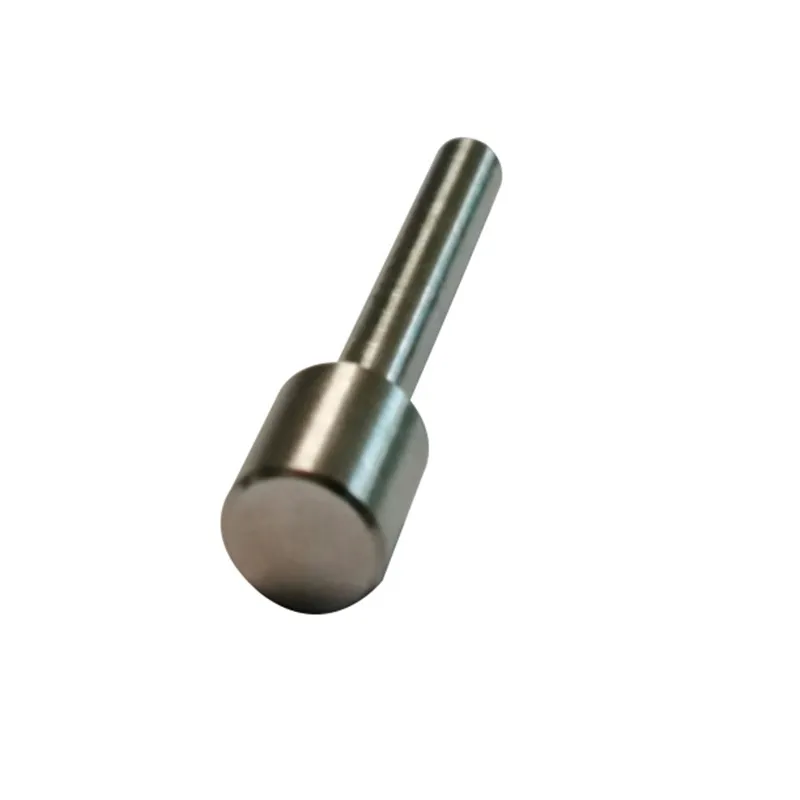
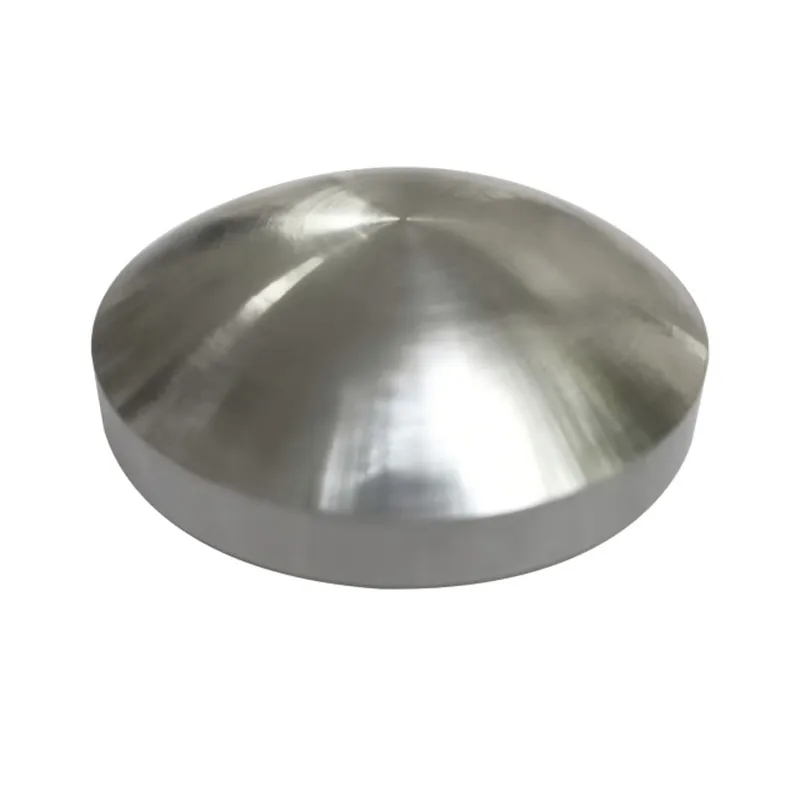
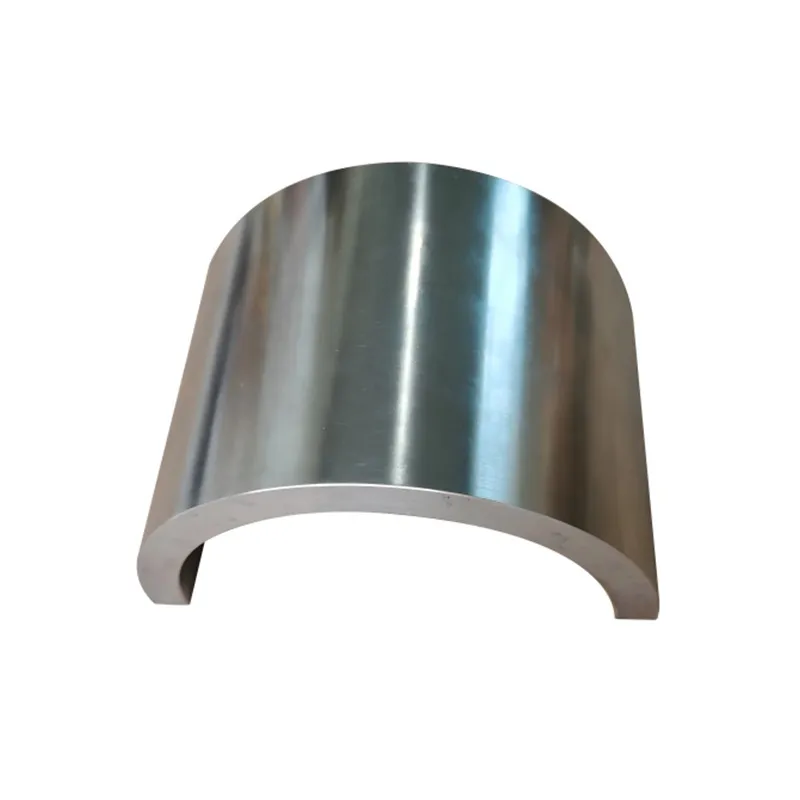
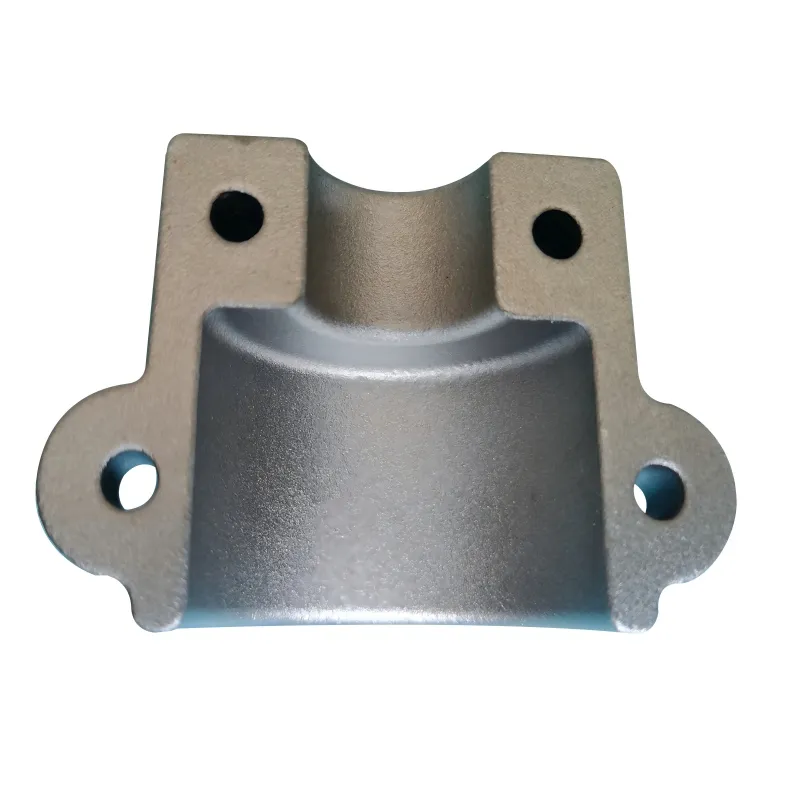
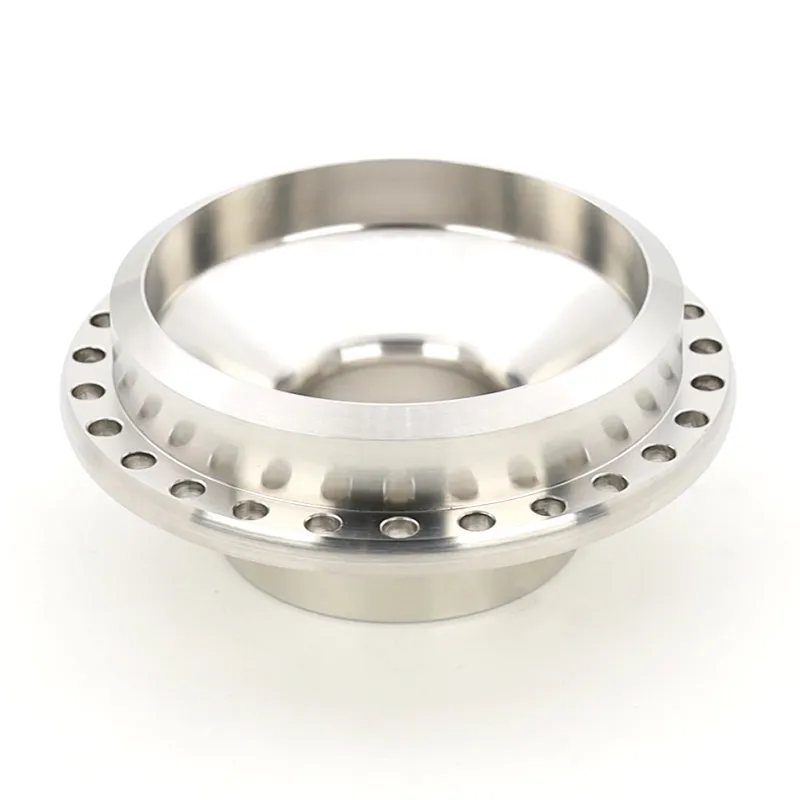
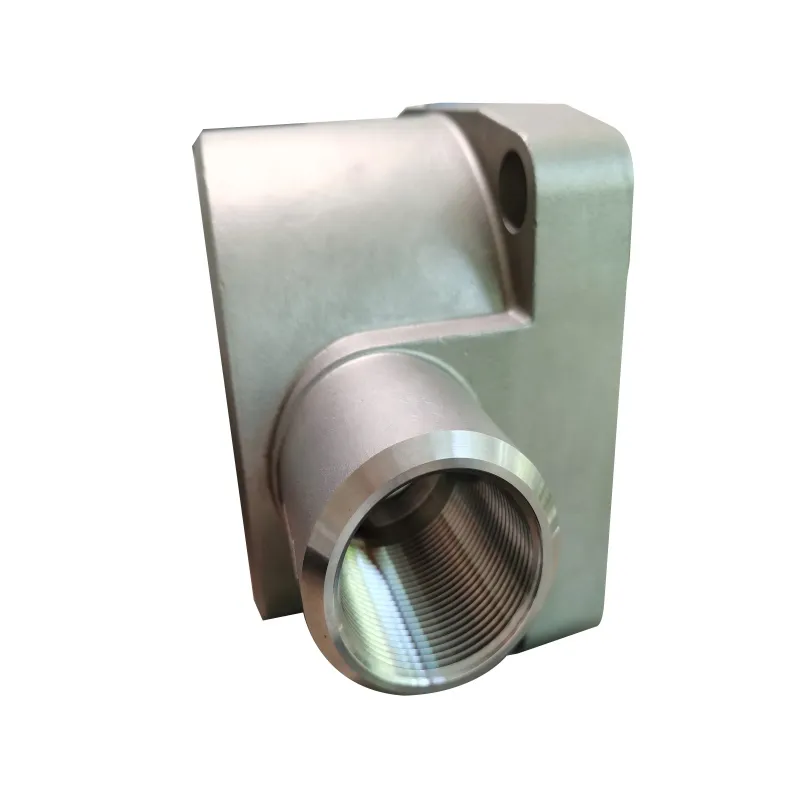
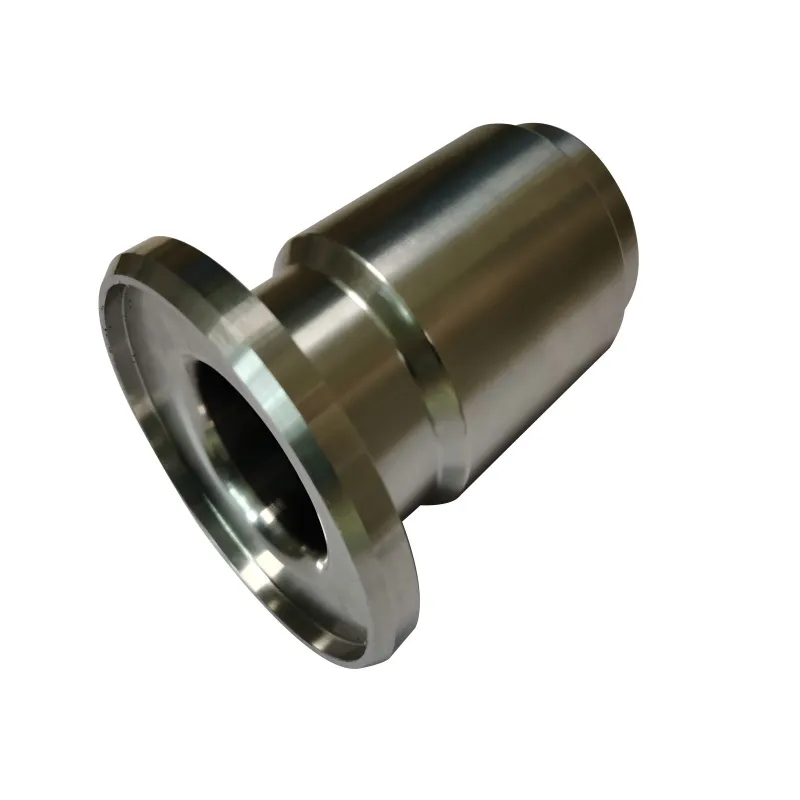
When someone says 'incoloy part', most think they're just talking about a high-nickel alloy that resists heat. That's the surface. The reality is, it's a commitment. You're not just ordering a component; you're signing up for a whole process chain where material knowledge is the easy part. The real challenge is in the making—the casting, the machining, the thermal treatment dance. I've seen too many designs fail because they treated Incoloy 825 or 925 like a super stainless steel. It's not. It's a beast that demands respect from the very first pattern.
The Foundry Floor Reality
Let's start where it begins: the pour. With these alloys, especially the higher chromium ones like Incoloy 800H, the shell mold process is less about art and more about brutal control. Gating design isn't just for flow; it's for directional solidification to minimize hot tearing. We learned this the hard way on a batch of valve bodies years back. The parts looked perfect, but pressure testing revealed micro-cracks along a seemingly random section. The culprit? Cooling rate inconsistency in a thick section. The mold temperature differential was just 30°C off from one side of the autoclave to the other. That's all it took.
This is where a foundry's pedigree shows. A shop that runs mostly cast iron will struggle. The thermal profiles are worlds apart. I recall visiting Qingdao Qiangsenyuan Technology (QSY) a while back. What stood out wasn't their furnace capacity, but their process documentation for nickel-based alloys. They had specific dew point controls logged for their drying cycles for the shell molds. That level of detail tells you they've fought the moisture-absorption-and-gas-porosity battle before. Their 30-year stint in casting isn't just a number; it's a library of solved problems.
Post-cast heat treatment is another minefield. Solution annealing these parts isn't a 'set it and forget it' furnace cycle. The time within the critical temperature range for carbide precipitation is so tight. Too slow a ramp-up, and you get sigma phase in the grain boundaries, killing toughness. We once had to scrap an entire lot of pump housings because the furnace had a faulty thermocouple, running 25°C cooler than displayed. The parts passed dimensional checks but shattered under stress. The lesson? Certificates are good, but in-process validation is everything.
Machining: Where Theory Meets the Tool
If casting is a controlled burn, machining Incoloy is a war of attrition. The work-hardening rate is ferocious. You go in with a slightly dull insert, and by the time you're 2mm into the cut, the material has hardened ahead of the tool, leading to edge chipping and poor surface finish. It's not about horsepower; it's about rigidity and relentless consistency.
CNC programming for these parts needs a different philosophy. You can't use the same high-speed, light-pass strategies you'd use for aluminum. It's about low speed, high feed, and constant engagement to get under the work-hardened layer. Coolant isn't just for cooling; it's a lubricant to prevent built-up edge. I've had the best results with high-pressure through-tool coolant, precisely to break the chip and wash it away before it re-welds. A partner like QSY, with their dedicated CNC lines for special alloys, typically has this infrastructure dialed in. They understand that machining an Incoloy part isn't a side job for their stainless department.
Tooling choice is obvious—ceramic or carbide with specific coatings. But the less-talked-about hero is the fixture. You need mass and clamping points that don't create harmonic vibration. Any chatter instantly work-hardens the surface, ruining the next pass. We once spent two days trying to figure out why we were getting taper on a simple boring operation. Turned out the vacuum chuck had a microscopic leak, allowing a 5-micron flex. On most materials, irrelevant. On Incoloy 925, it turned the operation to scrap.
The Special Alloys Niche and Real-World Fit
The term 'special alloys' gets thrown around loosely. For a fabricator, it often means 'expensive and difficult.' But for an end-user in chemical processing or power generation, it means 'the thing that doesn't crack after six months in the hot acid stream.' This is the value of a specialist. They bridge that gap in understanding.
Looking at a company profile like QSY's, the key phrase is the combination: shell mold casting, investment casting, and CNC machining for special alloys. It's vertically integrated for complexity. It means they can take a horribly complex, thin-walled Incoloy part design—say, a swirl burner head with internal channels—cast it via investment to near-net shape, and then finish the critical sealing faces on a CNC, all under one roof. The material never gets shipped between a foundry and a machine shop, which reduces contamination risk and, more importantly, keeps the process knowledge continuous.
I've dealt with the alternative: the cast house blames the machine shop for inducing stress, the machine shop blames the cast house for hard spots. It's a nightmare. Integration cuts through that. It allows for feedback loops. Maybe the machinists find that a certain flange is consistently too hard to cut efficiently. They can walk back to the foundry team and suggest a tweak to the annealing cycle for that specific geometry. That's operational gold.
Failure as a Forcing Function
You don't truly learn these materials until something breaks. One of our most educational failures was a set of heat treatment trays made from Incoloy 601. The application was straightforward: carry parts through a carburizing furnace. They lasted a third of the expected life, sagging badly. Analysis showed we had specified the alloy correctly for oxidation resistance, but we completely overlooked creep strength under load at that specific temperature. We were in the right material family, but the wrong grade. 601 is great, but for sustained load at that range, DS (double-solution treated) 800H would have been the call.
This is where generic material selection charts fail. They tell you what resists corrosion, not what holds a shape under its own weight at 2100°F for 5000 hours. This kind of nuance is what you pay for with an experienced maker. They've either made the mistake themselves or have seen a customer make it. When I see a supplier that explicitly lists families like cobalt-based and nickel-based alloys, it signals they're used to these conversations. They know the question isn't just Can you make it? but Will it survive where it's going?
The Takeaway: It's a Partnership, Not a Purchase
So, when you're sourcing an Incoloy part, you're not just buying a hunk of metal. You're buying into a supplier's cumulative experience with thermal dynamics, metallurgical phase changes, and brutal machining physics. The drawing is just the starting point. The real work is in the dialogue: What's this for? What's the thermal cycle? Is there cyclic stress? A good supplier will ask these questions. A great one, like those with deep roots in both casting and machining these beasts, will suggest alternatives you hadn't considered—a slight radius change to improve casting flow, a tolerance relaxation that saves 20 hours of machining, a better-suited sub-grade of Incoloy.
Ultimately, the part that arrives on your dock is a testament to that collaboration. It's not a commodity. It's a piece of solved engineering, frozen in a highly stubborn, incredibly useful alloy. The goal is for that part to be so unremarkably reliable in service that everyone forgets the pain it took to make it. That's when you know you did it right.