When you hear 'Incoloy tube,' the first thing that pops up is often the data sheet – the austenitic structure, the nickel-iron-chromium base, the oxidation resistance. But that's just the starting point. The real story begins when you're trying to bend it, weld it, or push it to its limits in a sour service environment. I've seen too many projects stumble because they treated the spec as the final word. The alloy family, like Incoloy 800H or Incoloy 825, gives you a framework, but the tube's behavior is dictated by its entire history – from the melt shop to the final heat treatment. Getting that right is where the decades of foundry and machining experience, like what you find at a firm such as Qingdao Qiangsenyuan Technology Co., Ltd.(QSY), actually matter.
The Manufacturing Nuances Most Overlook
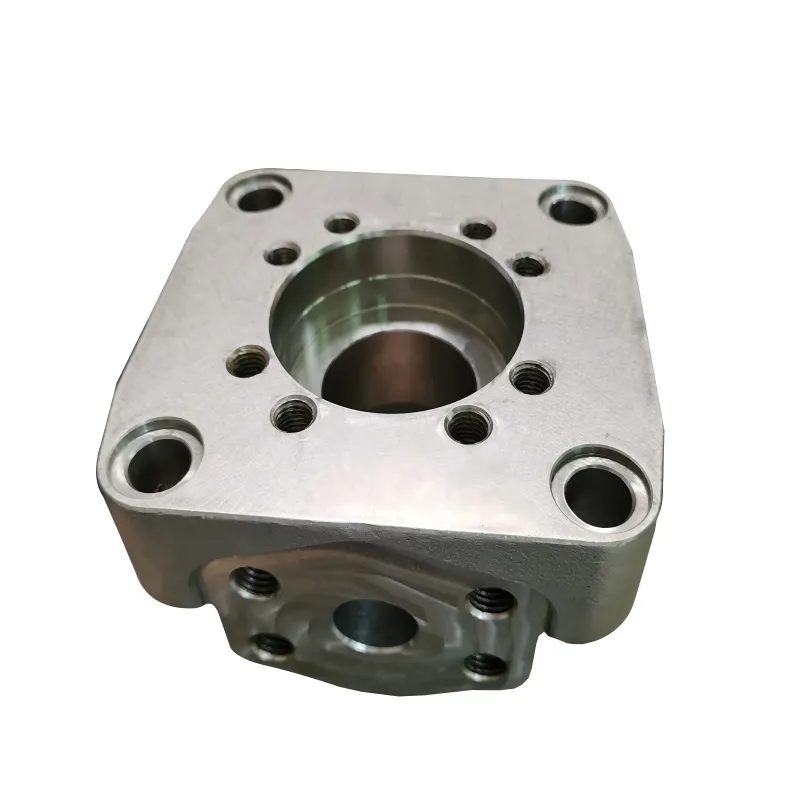
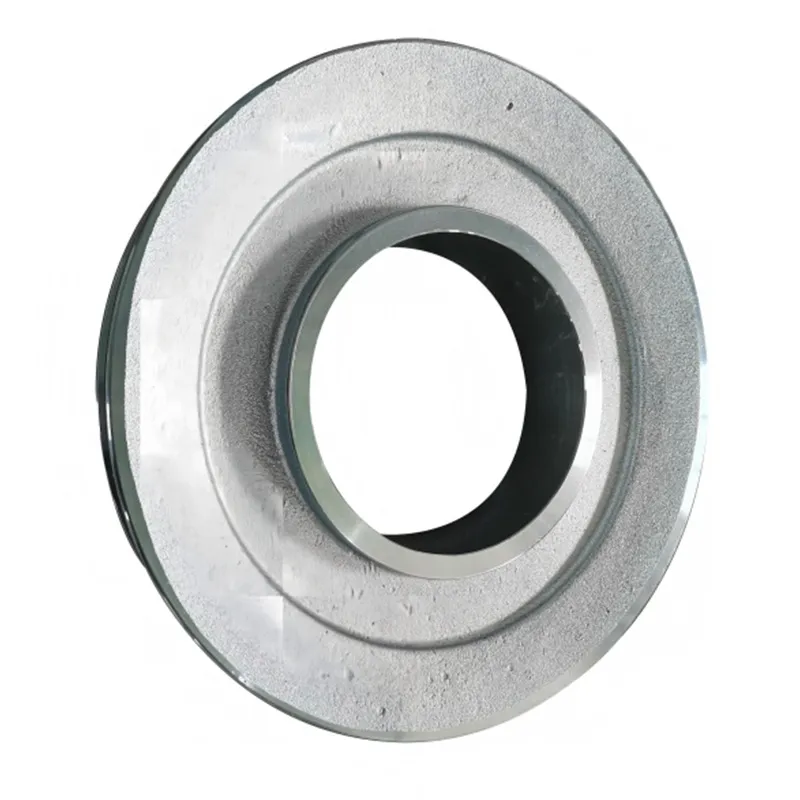
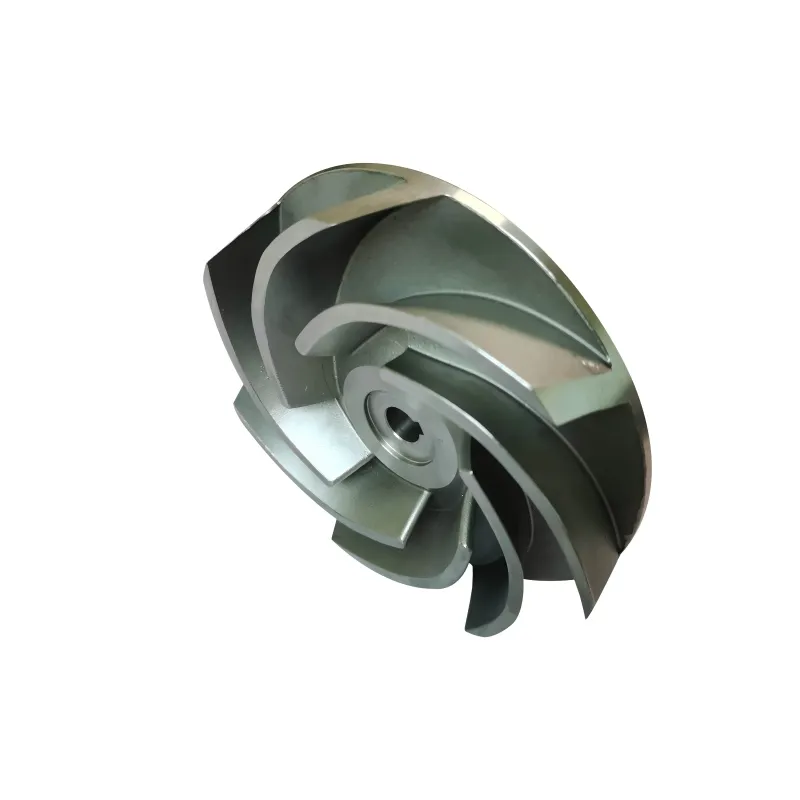
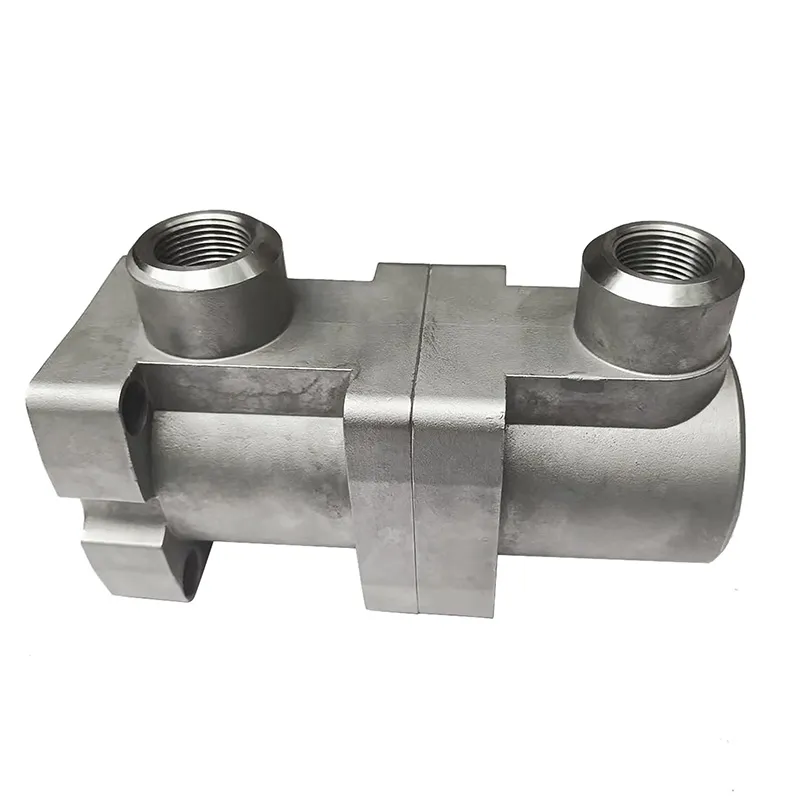
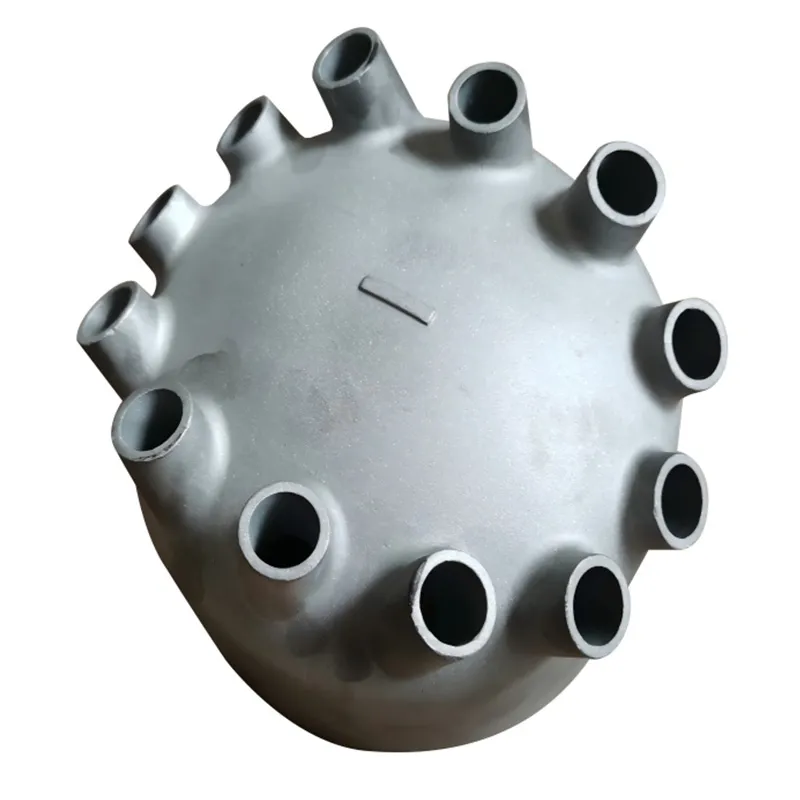
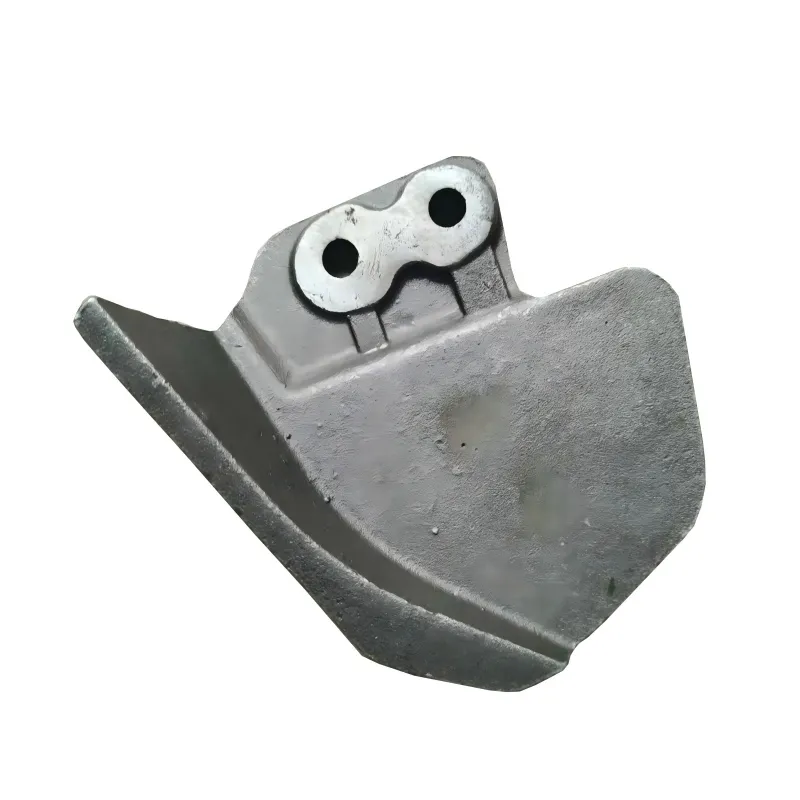
Let's talk about the casting process for these tubes, especially for complex fittings or thick-walled sections. With investment casting, which QSY has been doing for over 30 years, the control over grain structure is critical for an Incoloy tube. It's not just about pouring the melt. The shell mold material, the pre-heat temperature, the cooling rate – a slight deviation here can introduce micro-segregation of elements like titanium or aluminum in grades like 800H. This doesn't always show up on a standard PMI test, but it'll haunt you during high-temperature service, leading to premature embrittlement. I recall a batch of manifold headers that kept failing hydro tests at the welds; the culprit was traced back to inconsistent cooling in the investment casting stage, creating localized stress points no one thought to check for.
Then there's the machining. People assume that because it's a nickel alloy, you just throw carbide at it and hope for the best. That's a fast track to ruined tools and work-hardened surfaces. The stringy chip formation of Incoloy can be a nightmare. You need a rigid setup, positive rake angles, and a conscious decision about coolant – sometimes high-pressure flood is necessary, other times for certain operations, you might go near-dry to avoid notching issues. The goal is to achieve that surface finish without embedding stress, which becomes a initiation site for stress corrosion cracking later. It's a feel you develop, not something you get from a manual.
Post-casting heat treatment is another minefield. Solution annealing for stress relief is standard, but the quench medium and speed are everything. Water quench? Oil? Forced air? It depends on the section thickness of the tube. A thick-walled Incoloy 825 tube quenched too aggressively can warp or crack. Too slowly, and you risk carbide precipitation in the grain boundaries, defeating its purpose against corrosion. We learned this the hard way on a geothermal project, where tubes failed inspection after what we thought was a textbook anneal. The furnace load was too dense, creating uneven thermal profiles. It was a costly lesson in scale and process control.
Welding: Where Theory Meets the Torch
This is where the rubber meets the road. Everyone talks about using matching filler metals, but the preparation is 90% of the battle. For an Incoloy tube, the bevel face and the inside diameter (ID) surface must be impeccably clean – and I don't just mean wipe it down. Any embedded iron particles from previous tooling or handling (grinding dust from carbon steel nearby is a classic contaminant) will create iron dilution in the weld pool. This can drastically lower the corrosion resistance at the weld zone, creating a perfect anode for galvanic attack in service.
The interpass temperature control is non-negotiable but often loosely monitored. Letting the tube get too hot between passes, especially in restricted spaces, can lead to excessive grain growth in the heat-affected zone (HAZ). This area then becomes the weak link, less ductile and more prone to cracking under thermal cycling. I've seen welders try to rush a socket weld on a small-diameter Incoloy tube, ignoring the heat buildup, only to have the weld crack audibly during cooling. It sounds like a tiny 'ping' – the sound of a rework.
Back purging is another dogma. For tubing carrying corrosive media, full argon backing is essential to prevent sugaring (oxidation) on the ID weld bead. But the volume and flow rate matter. Too much pressure and you blow through your root pass; too little and you get a porous, contaminated root. For long runs of pipe, we've used soluble purge dams, which companies specializing in machining and fabrication like QSY would be familiar with, to conserve gas and ensure coverage. It's a simple trick, but forgetting it compromises the entire tube's integrity from the inside out.
The Material Selection Trap
A common mistake is defaulting to the most famous grade, like Incoloy 800H, for high-temperature applications without considering the full environment. Yes, it has great strength and carburization resistance. But if the environment has even trace amounts of sulfur, you might be better served with a higher nickel content alloy. The data sheets list the major resistances, but the silent killers are the minor impurities in the process stream. A failure analysis I was part of traced back to sulfidation attack on 800H tubes in a reformer furnace; the feedstock analysis had changed slightly, and no one re-evaluated the material suitability.
Then there's the cost-driven substitution game. Someone sees 'nickel-based' and thinks a lower-cost austenitic stainless like 304H might do. For some lower-temperature corrosion duties, maybe. But for true thermal fatigue and creep resistance, the microstructure of Incoloy is fundamentally different. The strengthening mechanisms from the aluminum/titanium additions (in age-hardenable grades) or the solid solution strengthening from molybdenum and copper (in Incoloy 825) aren't just optional extras. They are the product. Choosing a tube is about matching its metallurgical identity to the failure modes you're trying to prevent.
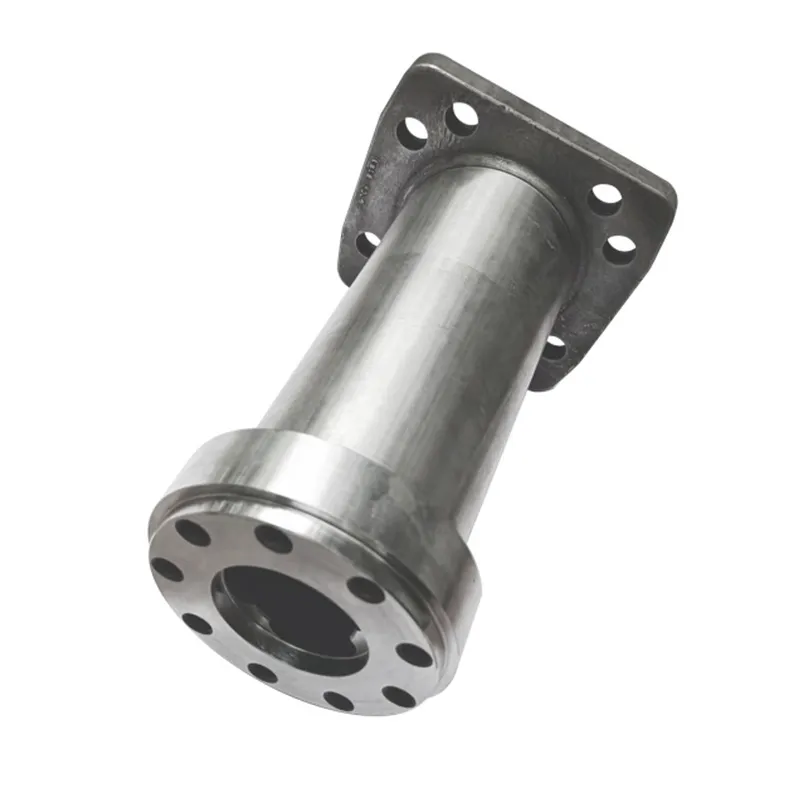
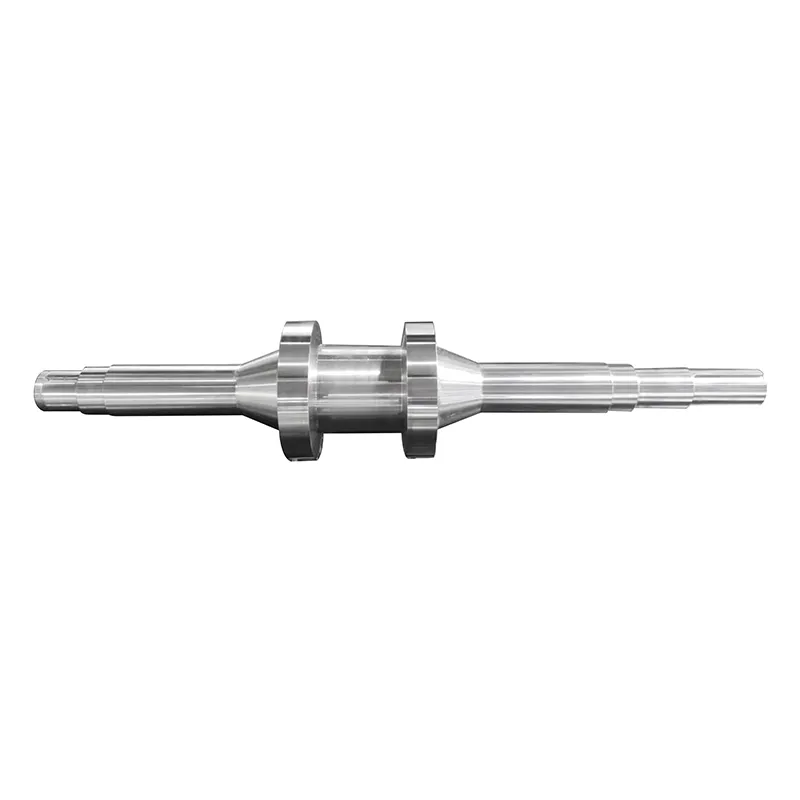
This is where partnering with a supplier that understands the material's journey is key. A company that handles everything from the shell mold casting of the raw shapes to the final CNC machining of the tube ends and flanges, like QSY, has visibility into the entire chain. They're not just cutting stock tube; they understand how the casting porosity, if any, affects the machined surface, or how the heat treatment from the mill might interact with a subsequent welding operation. That holistic view prevents a lot of finger-pointing later.
Real-World Application and Failure Points
In heat exchangers, the tubes are the lifeblood. I've worked on shell-and-tube units where the Incoloy tube bundle was specified correctly, but the tube-to-tubesheet weld procedure was an afterthought. The differential expansion between the Incoloy tube and the carbon steel tubesheet creates enormous stress. You need a detailed weld sequence, often with a strength weld followed by a seal weld, and sometimes even an explosive expansion of the tube into the sheet to manage those stresses. Skip these steps, and you'll see leaks at the joints within the first few thermal cycles.
Another subtle point is vibration-induced fatigue. Inconel alloys are often chosen for this, but Incoloy tubes in long, unsupported spans in, say, a fired heater can also suffer. It's not always in the design specs to check for acoustic vibration or flow-induced vibration frequencies. We had a case where a bank of Incoloy 825 tubes in a waste heat boiler developed cracks near the supports. The root cause was a resonant frequency set up by the gas flow, something a simple stress analysis didn't catch. The fix involved adding mid-span supports to change the natural frequency – a simple mechanical solution for a complex metallurgical component.
Inspection is your last line of defense. Dye penetrant testing (PT) is good for surface cracks, but for Incoloy tubes, especially after welding, I'm a proponent of eddy current testing (ECT) for the heat-affected zone. It can pick up subsurface anomalies and variations in material properties that PT misses. Ultrasonic testing (UT) is great for wall thickness and gross defects, but setting it up correctly for the coarse grain structure of a cast or welded Incoloy component requires specific calibration blocks made of similar material. Using a standard steel block gives you unreliable readings. It's these specifics that separate a proper QA from a paperwork exercise.
Concluding Thoughts: It's a Process, Not a Product
So, when you're sourcing or specifying an Incoloy tube, you're not just buying a length of corrosion-resistant alloy. You're buying the integrity of the entire manufacturing process that produced it. The melting practice, the casting parameters, the heat treatment curve, the machining strategy, and the welding procedure are all baked into the final performance. You can't inspect quality into a tube that was poorly made from the start.
This is why the background of a supplier is telling. A company with deep roots in casting and machining, like Qingdao Qiangsenyuan Technology Co., Ltd., brings that process-oriented mindset. They've likely encountered the warping during heat treatment, the tool wear during machining, and the fit-up challenges during fabrication. That experience translates into a more reliable product because they understand the variables. You can find their approach to working with special alloys like these at their site, https://www.tsingtaocnc.com.
In the end, the spec sheet gets you in the ballpark. But keeping your Incoloy tubing running reliably for decades comes down to the gritty, hands-on knowledge of how the material behaves when it's not in a perfect, lab-condition state. It's about anticipating the problems that aren't in the brochure. That's the difference between a tube that meets code and a tube that simply lasts.