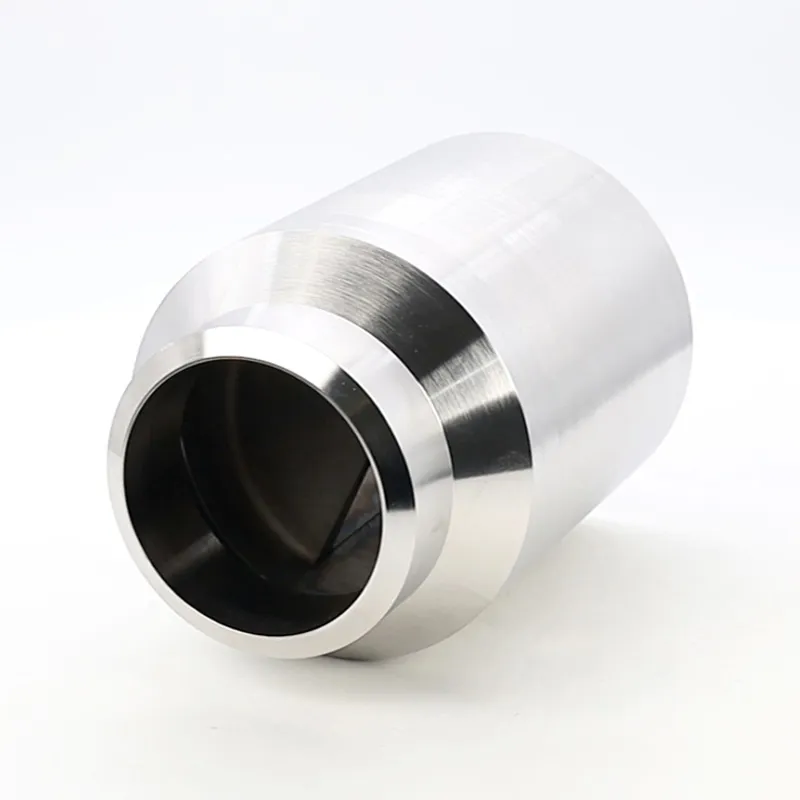
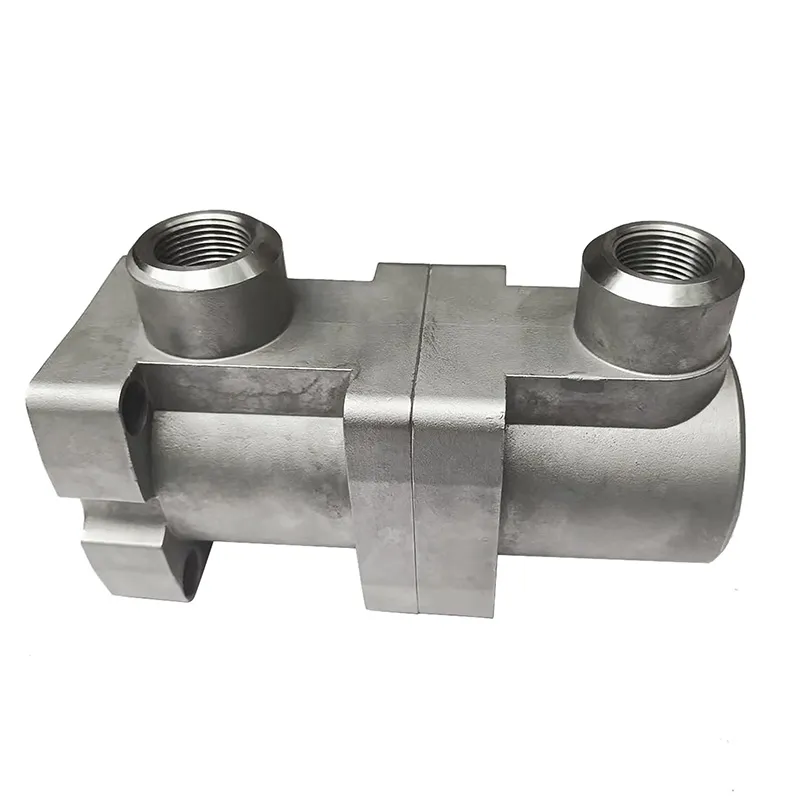
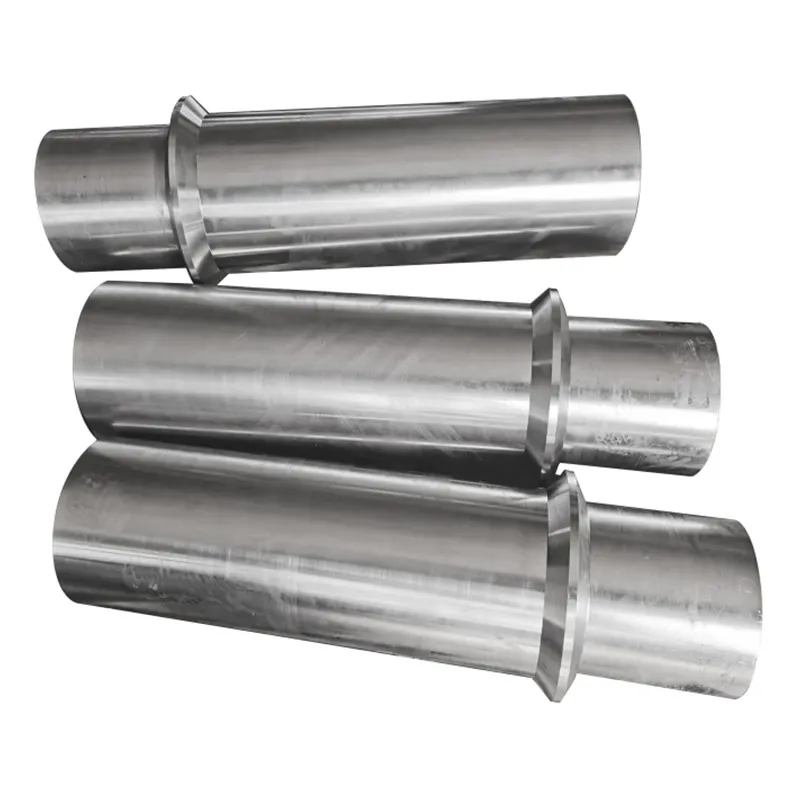
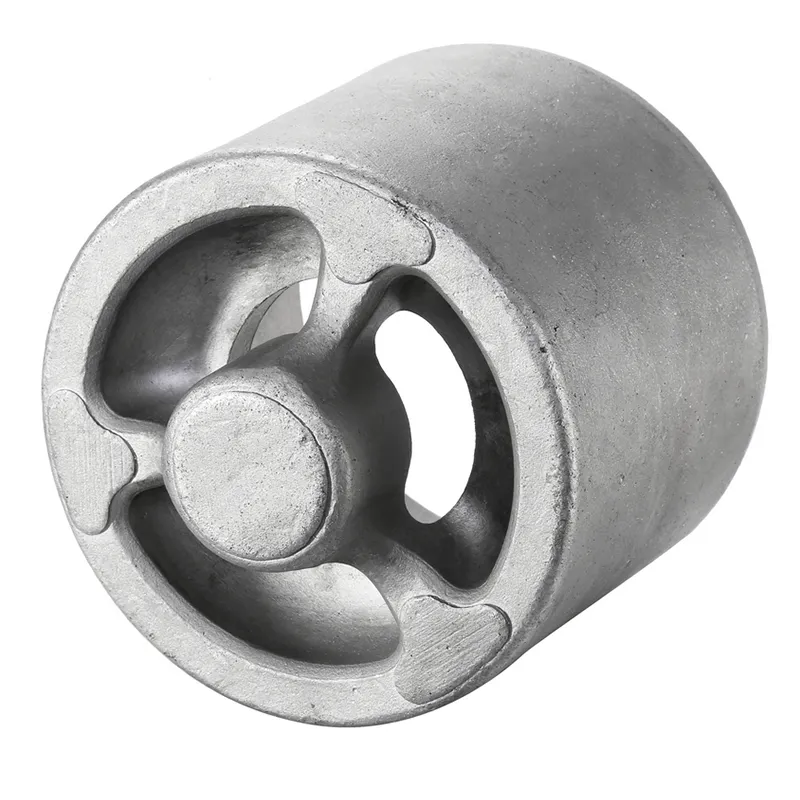
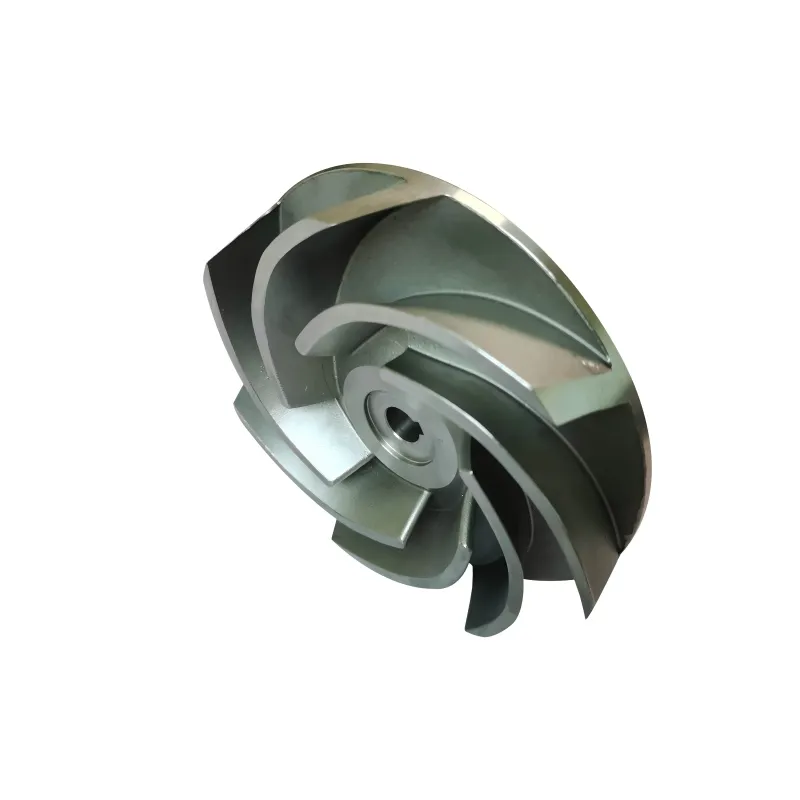
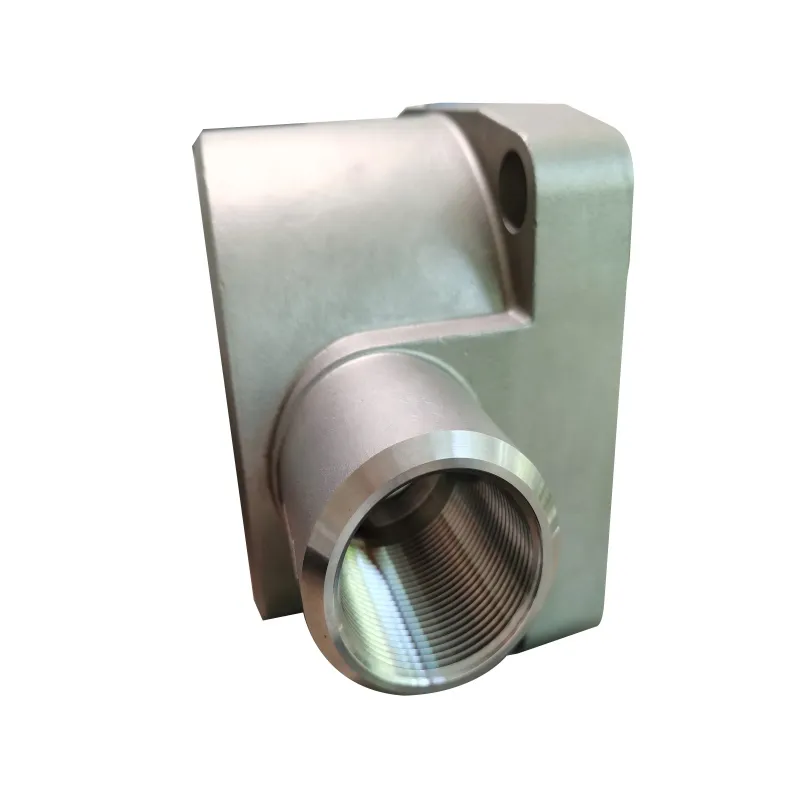
When someone mentions Incoloy 800, the first thing that often comes to mind is its data sheet: good high-temperature strength, decent corrosion resistance, a solid nickel-iron-chromium alloy. But in the foundry and machining shop, that's just the starting point. The real story is in the gap between the spec and the chipping sound, the heat tint, and the occasional, frustrating crack. I've seen too many designs treat it like a drop-in replacement for 304H or 825, and that's where the headaches begin.
The Casting Conundrum: Fluidity vs. Integrity
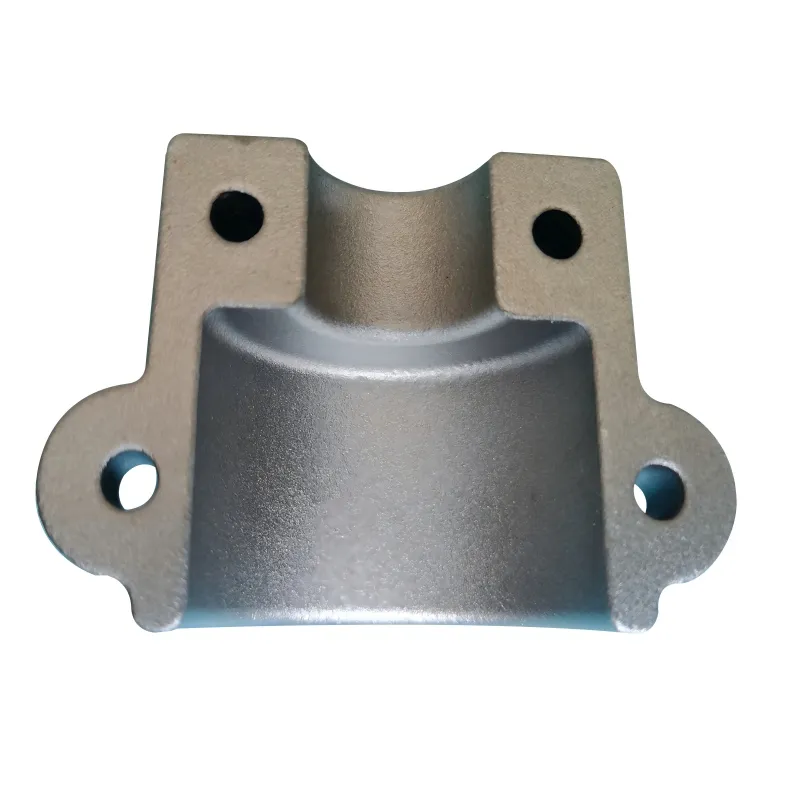
Casting Incoloy 800, especially via the investment casting route, is where you separate the theory from practice. The alloy has a relatively narrow freezing range, which is good for reducing shrinkage porosity, but its viscosity when molten can be tricky. You don't get the easy flow of some carbon steels. In our shell mold processes at Qingdao Qiangsenyuan Technology Co., Ltd. (QSY), we've learned to adjust preheat temperatures on the molds more aggressively. Pouring at what the textbook says often leads to cold shuts in thin sections of complex parts, like those intricate thermowell fittings or burner nozzles we regularly produce.
Gating system design becomes critical. It's not just about delivering metal; it's about controlling the solidification pattern to feed that last section to solidify. We once had a batch of tube supports that kept showing micro-porosity at the flange-to-tube junction. The spec was met, but the X-ray told a different story. The fix wasn't a major chemistry change; it was redesigning the runner and riser layout to create a more directional solidification toward the riser. It added some weight to the casting, which the client initially questioned, but it eliminated the field failures. That's the trade-off.
Then there's the oxide. The chromium and aluminum content means a tenacious surface oxide forms fast. If your shell mold isn't perfectly dry or has low permeability, you risk trapping that oxide film inside the casting, creating a perfect initiation site for a crack under thermal cycling. It's a silent defect. You might pass a pressure test at room temperature, but it'll show its face after a few months in service. Our practice now involves stricter control over the dew point in the stucco room and sometimes even a slight tweak to the deoxidizer practice in the ladle, though you have to be careful not to affect other properties.
Machining: The Deceptive Softness
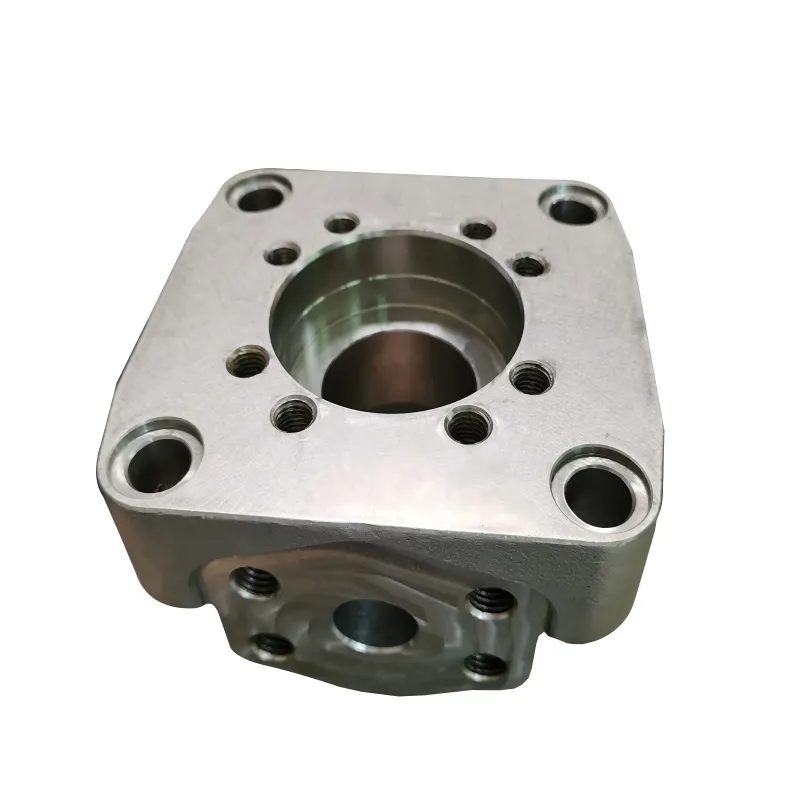
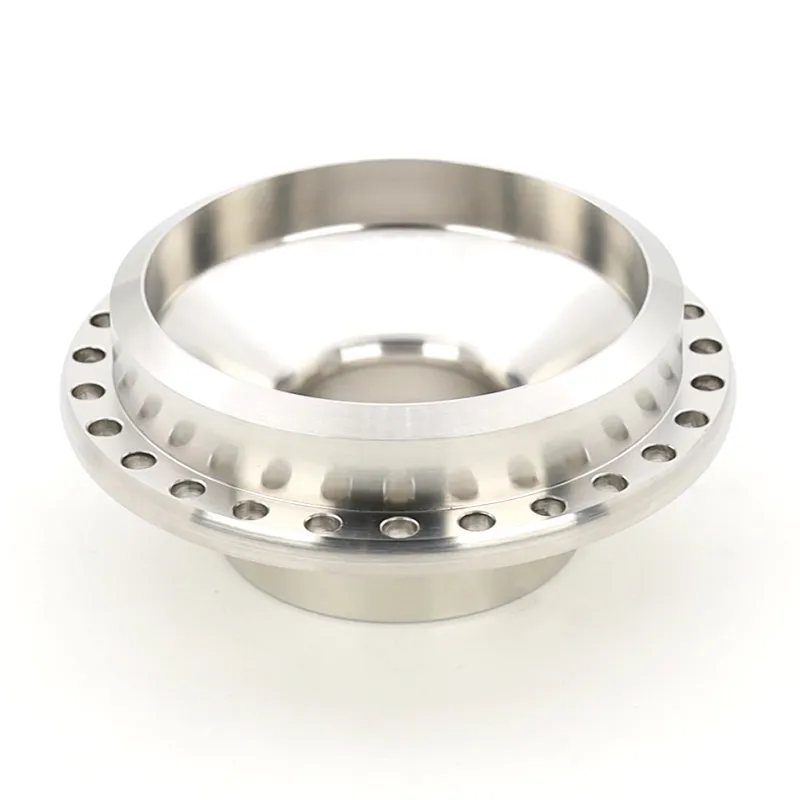
On paper, Incoloy 800 isn't exceedingly hard. But any machinist who's taken a fresh cutter to it knows it fights back differently than stainless. It has a nasty tendency to work-harden, and not uniformly. You can be taking a beautiful cut, then hit a spot where the material seems to get tougher, and your insert notch wears out prematurely. We do a lot of post-casting CNC machining at QSY, turning valve bodies, milling flanges. The key we've found is consistency: consistent feed, consistent depth of cut, no dwelling.
Coolant isn't just for cooling here; it's to prevent this work-hardening layer from building up. But you have to use the right type. We moved away from straight oils to high-performance synthetic emulsions with better lubricity. The goal is to get the chip away quickly and keep the cut zone temperature controlled. Let it get too hot, and the alloy's abrasiveness seems to multiply, chewing through even carbide grades meant for super alloys.
Tool geometry matters more than with standard steels. A positive rake, a sharp edge, and a chipbreaker designed for stringy materials are non-negotiable. We learned this the hard way early on, producing beautiful surface finishes that hid micro-fractures from tool vibration because we were using a slightly negative rake for strength. The parts passed inspection but failed in stress rupture tests. The failure analysis pointed right to the machined surface integrity. Now, we specify the toolpath strategy along with the tool itself for critical Incoloy 800 components.
The Heat Treatment Tightrope
Everyone knows solution annealing is standard for Incoloy 800 to dissolve carbides and get that ductility back. The typical callout is 1100°C minimum, rapid cool. But rapid is the operative word. In a shop environment, what does rapid mean? Water quench? For thin sections, maybe. But for thick-section castings or machined blocks, water quenching introduces its own thermal stresses. We've had parts distort, not much, but enough to scrap a precision-machined seal face.
We've moved more towards forced-air quenching for most of our components. It's slower, yes, which means you're flirting with carbide precipitation if you're not careful. So you have to control the time from furnace to quench, and the airflow has to be uniform. We installed a dedicated forced-air quench station for our high-temperature alloy work. It was an investment, but it reduced our scrap rate from heat treatment distortion by over 70% for these materials. Sometimes the process fix is more valuable than a material substitution.
The other nuance is the stress relief. For parts that undergo heavy machining, an intermediate stress relief at about 900°C can prevent movement during final finishing. But you must document this step clearly. We once shipped a batch of manifold castings that were solution annealed, rough machined, stress-relieved, then finish machined. The client's auditor saw the two heat treat cycles and flagged it as a deviation. We had to provide micrographs and hardness maps across the part to prove the final microstructure was correct and that the intermediate cycle didn't harm the properties. It was a paperwork battle over a standard shop practice.
Welding and Fabrication Pitfalls
Fabricators love to weld Incoloy 800 to itself or to carbon steel. It's weldable, sure, with the right filler (like INCO-Weld 82/182). But the pre-heat and interpass temperature control is often glossed over. This isn't mild steel. Let it get too cool between passes, and you risk cracking in the HAZ. We supply a lot of cast fittings that get welded into piping systems. Our data packs now include a recommended welding procedure sheet, not because we're welding experts, but because we've seen the callbacks when it's done wrong.
The bigger issue is dissimilar welding. When you weld Incoloy 800 to carbon steel, the carbon migration from the steel side into the alloy can create a brittle zone. In high-temperature service, this zone can fail. We had a case where a customer welded our cast alloy thermocouple sleeve directly to a carbon steel vessel. It held for a year, then cracked circumferentially right at the weld toe. The metallurgy showed clear carbon diffusion. The solution wasn't better welding; it was using a transition piece or a different design altogether. Sometimes the material's limitation isn't in the material itself, but in how it interfaces with the world.
Post-weld heat treatment (PWHT) is another can of worms. Do you do it? The codes often require it for pressure vessels. But a full PWHT cycle can over-age the Incoloy 800 base metal if the temperature is too high or time too long, sapping its creep strength. It's a classic conflict between fabrication requirements and long-term material performance. Our stance now is to be very clear in our documentation: This material has been solution annealed. Any subsequent PWHT must consider the effect on base metal properties. It pushes the engineering responsibility back to the fabricator and designer, where it should be.
Sourcing and the Equivalent Trap
Not all Incoloy 800 is created equal. The nominal composition has tolerances, and where an element falls within that band can affect performance. The aluminum and titanium content, for instance, is critical for long-term stability at high temperature. We source our alloy stock carefully, and for critical applications, we specify the heat analysis to be within a tighter range, especially for aluminum. It costs more, but it buys predictability.
The market is full of equivalent alloys, often from newer mills. They might meet the ASTM B409 spec on paper, but the trace elements and melting practice differ. We trialed one such equivalent for a non-critical heating element bracket. It cast fine, machined fine. But in service at around 800°C, it showed more oxidation scaling than our usual source material after the same period. The culprit? Likely trace elements like magnesium or calcium affecting oxide adhesion. It wasn't a failure, but it wasn't optimal. We stuck with our known supplier for parts where surface stability matters.
This is where a long-term partner in the supply chain matters. A company like QSY, with three decades in casting and machining special alloys, isn't just buying metal; we're buying a history of consistent performance from our mills. We've built our process parameters around the behavior of specific grades. Swapping to an unknown equivalent resets all that learned experience to zero, introducing risk. For us, the reliability of the final part for the customer is worth the premium on the front end. It's less about the material cost per kilo and more about the total cost of a failure in the field.
Final Thoughts: An Engineered Choice
So, is Incoloy 800 a good material? Absolutely. It's a workhorse for a reason—in reformer tubes, heat exchangers, furnace components. But it's not a commodity. It's an engineered alloy that demands an engineered process. Its value isn't just in its composition, but in how every step from melt to finish is controlled with an understanding of its quirks.
The real expertise, in my view, lies in knowing when to use it and how to specify it for the job. It's not always the answer. For more aggressive corrosive environments, you might need 825 or 625. For pure very high-temperature strength, maybe 800H or 801. But for that sweet spot of moderate temperature, carburizing/oxidizing atmosphere, and good fabricability, it's hard to beat. The trick is respecting its personality.
In the end, working with these materials is a continuous dialogue between the specification, the process, and the real-world service condition. There's no autopilot. Each batch, each new part geometry, is a slight recalibration. That's what keeps it interesting, and frankly, what keeps the quality in the parts that end up in plants running for decades. You can't just order Incoloy 800 off a website; you have to build it, and build with it, with your eyes wide open to the details.