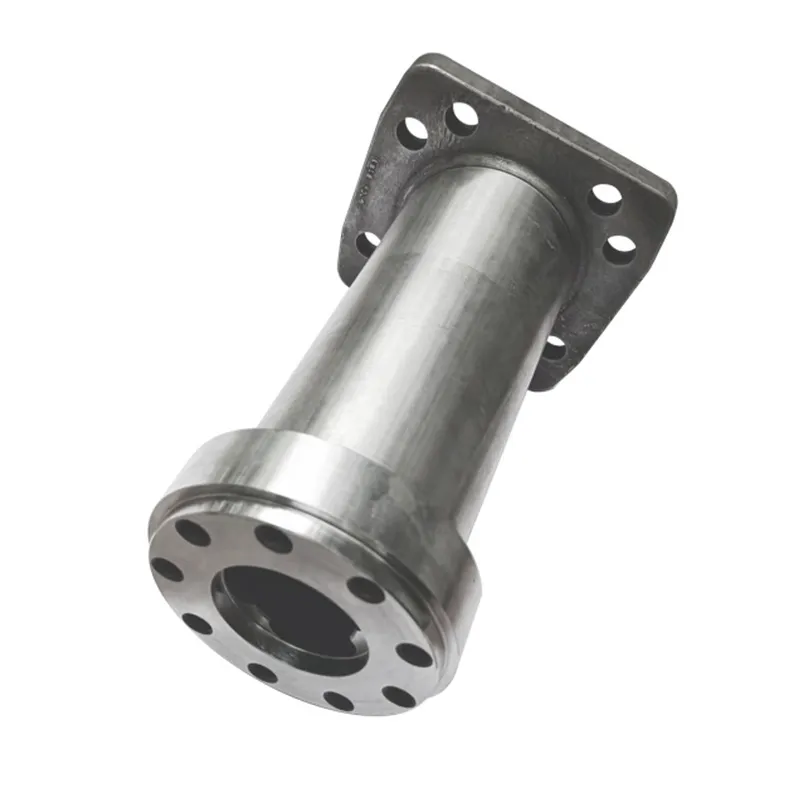
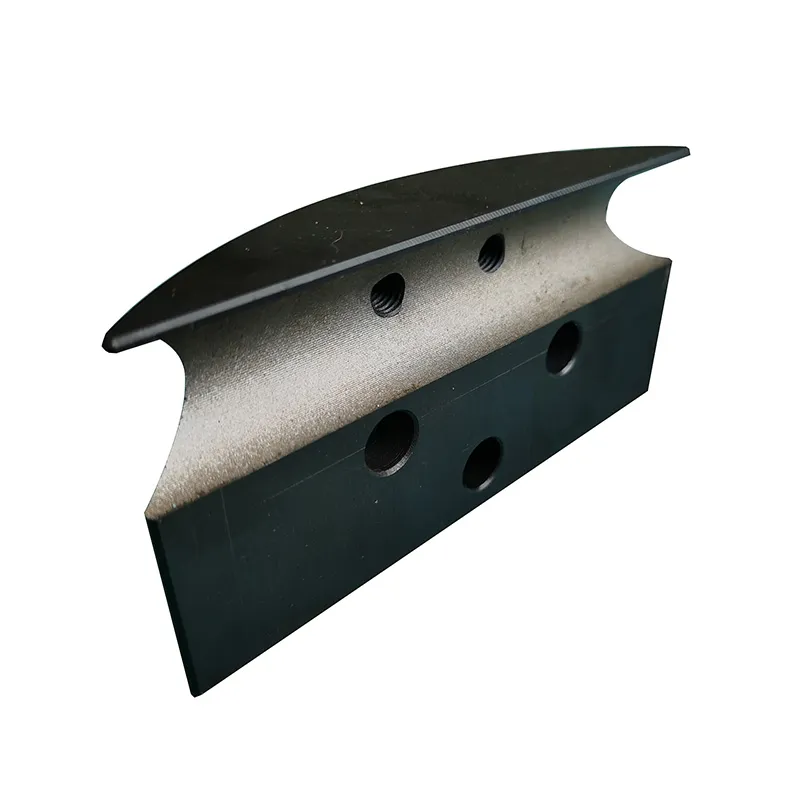
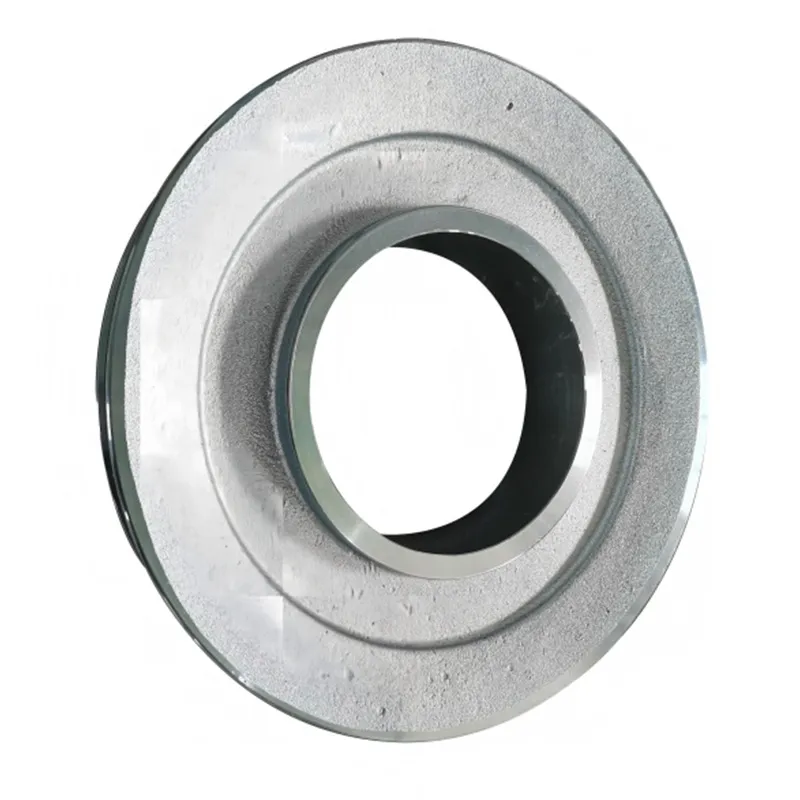
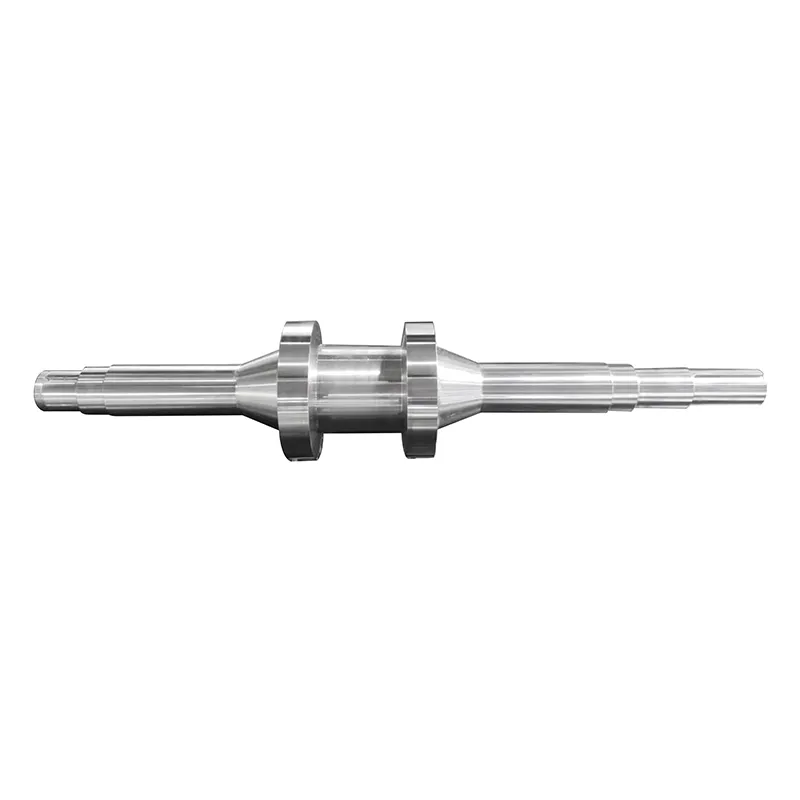
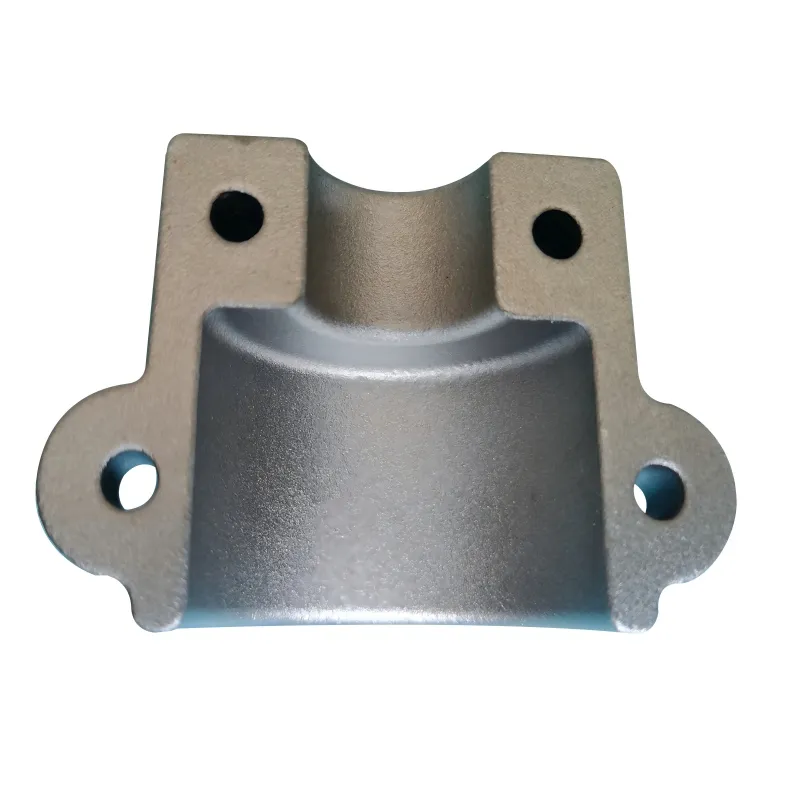
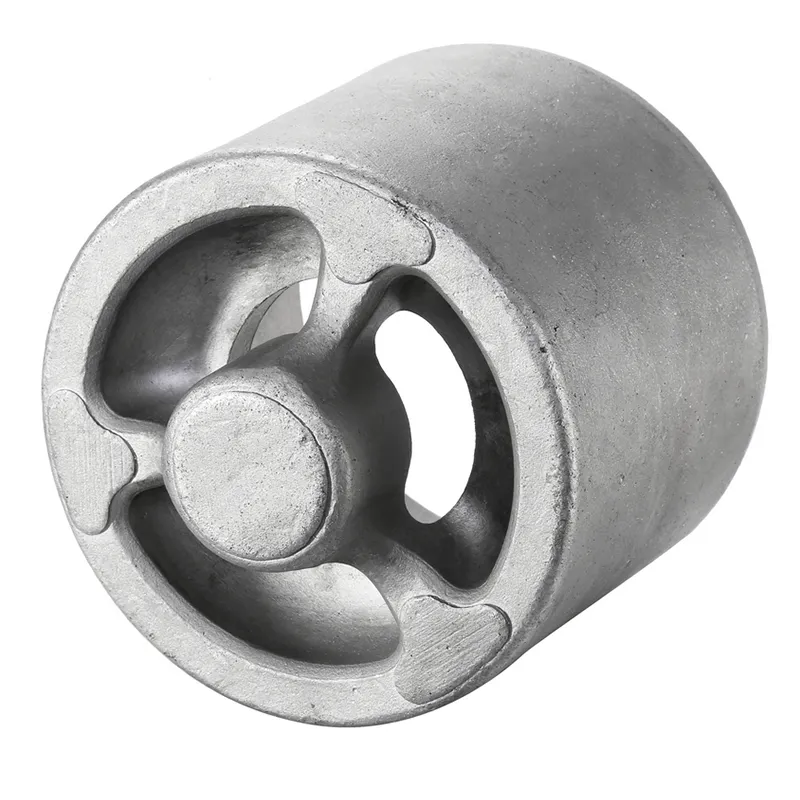
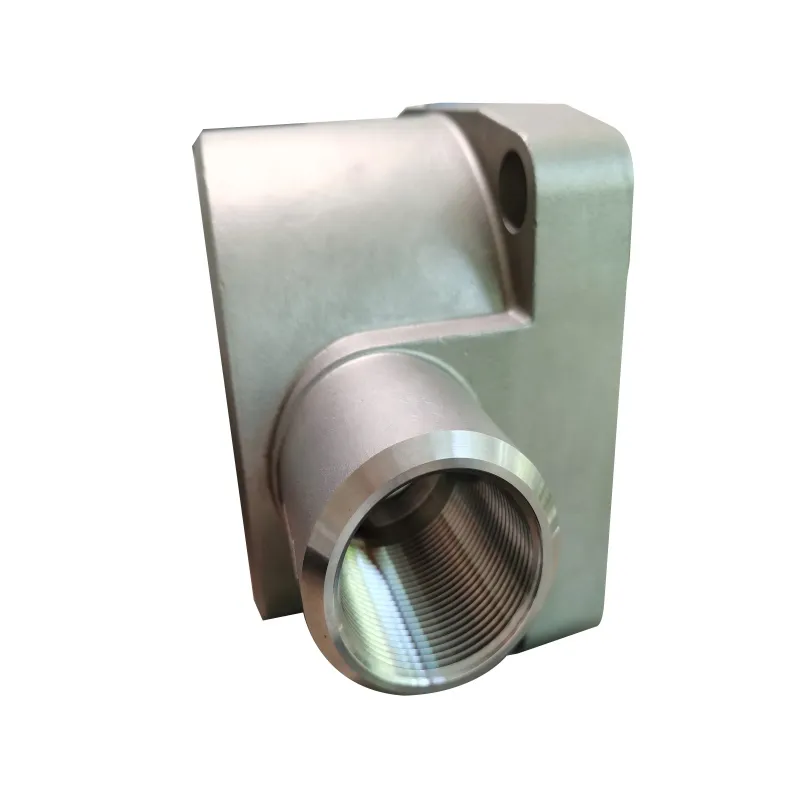
When you hear 'Incoloy 825', the first thing that often comes to mind is 'corrosion resistance' – and that's correct, but it's also a bit of a trap. In the field, especially for shops like ours that handle both casting and precision machining, the alloy's reputation can lead to oversimplification. It's not just a magic bullet for sour service or nitric acid; its behavior during manufacturing, from the foundry floor to the CNC machine, defines its true value. I've seen too many designs specify it by rote, without considering the fabrication realities. The high nickel-chromium-molybdenum-copper composition gives it that fantastic pitting and stress corrosion cracking resistance, but that same recipe makes it a different beast to work with compared to standard 316L. It's this gap between the datasheet and the workshop that I find most critical.
From Melt to Mold: Casting Incoloy 825 Isn't Straightforward
Our foundry experience, particularly with the shell mold and investment casting processes we run at Qingdao Qiangsenyuan Technology Co., Ltd. (QSY), has taught us that nickel alloys like Incoloy 825 demand respect from the very first step. The melt practice is crucial. You can't afford tramp elements; even slight lead or sulfur contamination can wreck hot workability. We maintain strict charge makeup protocols, often using higher-grade revert and virgin material blends to control chemistry tightly. The goal is to hit that sweet spot: Ni ~42%, Cr ~21.5%, Mo ~3%, Cu ~2.2%, and the stabilizing Ti addition. Miss it, and the corrosion properties you're paying for might not be there.
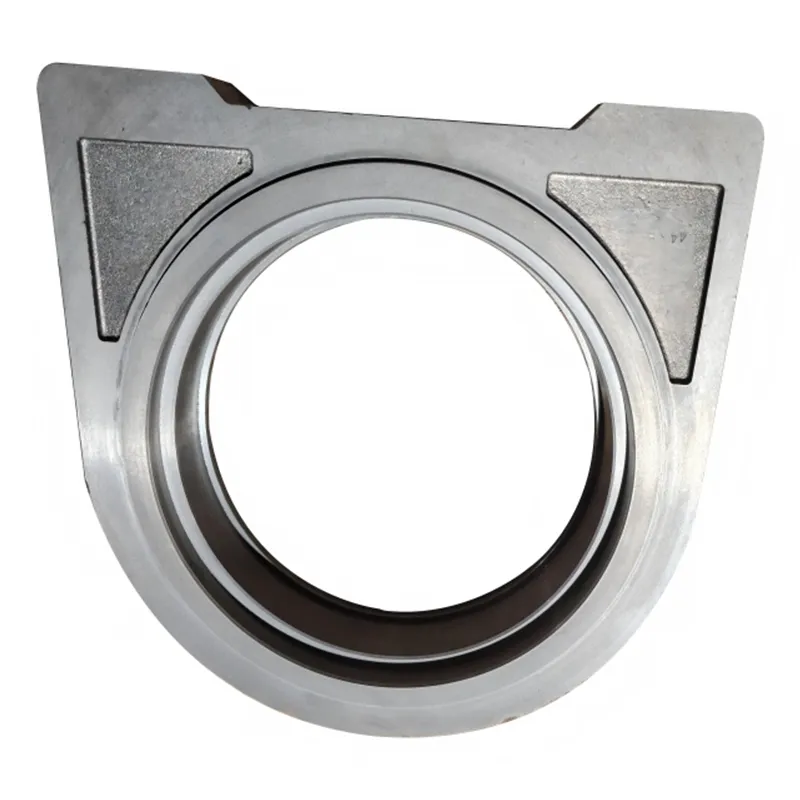
The solidification characteristic is another point. It's not the most fluid alloy when poured. In investment casting, we've had to adjust preheat temperatures on our ceramic shells and tweak pouring parameters to avoid mistruns in thin sections or hot tears in heavier ones. It's a balancing act – too hot, and you risk excessive grain growth and micro-shrinkage; too cool, and the fill is incomplete. This isn't something you learn from a handbook; it's accumulated through trial and, frankly, some expensive scrap over the years. We once had a batch of valve bodies that showed micro-porosity under radiographic inspection, traced back to a slight over-pour temperature that seemed fine for carbon steel but was just over the line for 825.
Post-cast heat treatment is non-negotiable. The as-cast structure is inhomogeneous and loaded with residual stresses. A proper solution annealing cycle, typically around °F followed by a rapid quench, is essential to dissolve secondary phases and bring out the uniform austenitic structure. Skipping this or getting the furnace atmosphere wrong (oxidizing vs. protective) can leave the part vulnerable to intergranular attack later. We've standardized our furnace profiles and use recording charts for critical jobs – it's the only way to guarantee consistency.
The Machining Headache: Where Theory Meets the Toolpath
If casting it requires care, machining Incoloy 825 is where the real challenge begins for a CNC shop. This is where our integrated model at QSY shows its worth. You can't just throw a standard stainless steel program at it. The alloy work-hardens rapidly and aggressively. A slightly dull insert or an insufficient feed rate will create a hardened layer underneath the cut, making the next pass hell on tools and potentially compromising the surface integrity of the part.
Tool selection is everything. We've moved almost exclusively to premium-grade carbide substrates with specialized coatings (AlTiN-based often work well) for roughing and finishing. Positive rake geometries are a must to reduce cutting forces and work-hardening. Coolant isn't just for cooling; it's a lubricant to help the chip slide away. We use high-pressure, through-tool coolant systems to ensure it gets right to the cutting edge. I remember a job machining large pump casings where we initially used our standard parameters for duplex stainless. We went through three sets of inserts in one shift. The fix? Dropped the SFM by about 25%, increased the feed per tooth, and ensured absolute rigidity in the setup. Suddenly, the inserts lasted a full shift, and the surface finish improved dramatically.
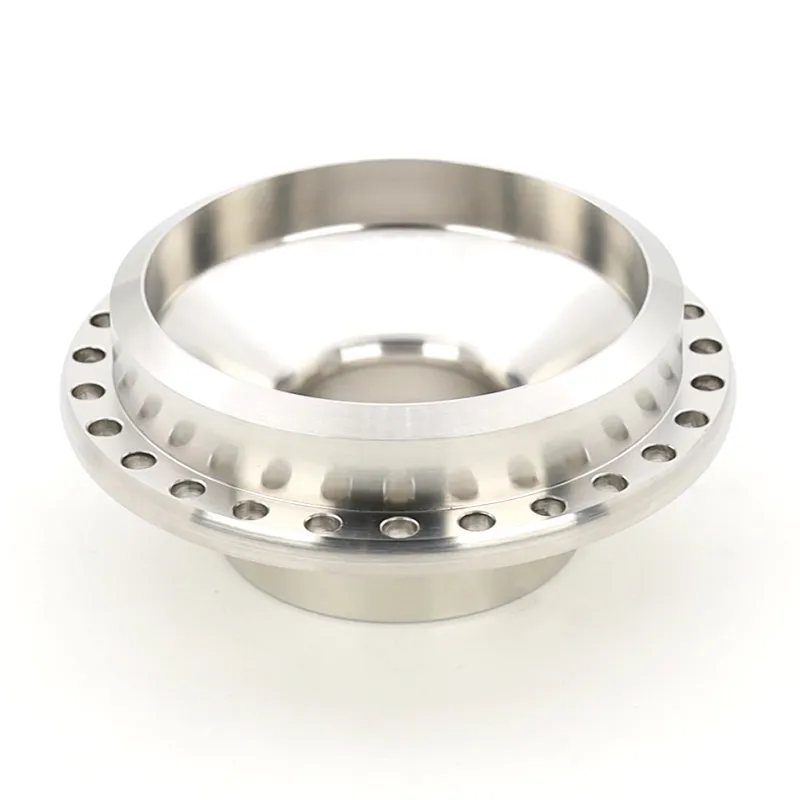
Drilling and tapping are particular pain points. Peck drilling is mandatory, with full retraction to clear chips and break the work-hardening cycle. For tapping, we often specify spiral-fluted taps designed for tough materials and use synchronous feed on the CNC to avoid chip welding. It's slower, more methodical work. The economic calculation shifts from maximizing machine uptime to maximizing tool life and part quality. Rushing it is a sure way to lose money on scrapped parts and destroyed tooling.
Welding and Fabrication: The Joining Puzzle
While our core at https://www.tsingtaocnc.com is casting and machining, we frequently supply components that need to be integrated into larger welded structures. So, understanding weldability is part of the service. Incoloy 825 is considered weldable, but with major caveats. The key is preventing carbide precipitation in the heat-affected zone (HAZ).
We always recommend using matching filler metals, like ERNiFeCr-1 or ENiFeCr-1 electrodes. Pre-heat isn't usually required, but interpass temperature control is critical – keeping it below 150°C helps. The biggest mistake we've seen clients make is using the same high heat input procedures they use for carbon steel. That's a guaranteed way to create a wide, sensitized HAZ. Low heat input, stringer beads, and rapid cooling are the friends of 825 welding. Post-weld heat treatment isn't typical unless you need to relieve stresses for dimensional stability in severe service, but if you do, it's back to that solution anneal cycle.
One practical issue is dissimilar welding. Joining 825 to carbon steel is common for clad equipment or nozzles. Here, you need a buttering layer, usually with a nickel alloy filler, to prevent carbon migration from the steel into the 825, which can create a brittle zone. It's a detail that's easy to overlook on a drawing but catastrophic in service.
Material Substitution and the Close Enough Trap
In cost-sensitive projects, there's always pressure to consider alternatives. Sometimes, 316L with extra Mo is suggested, or alloy 20. This is where material selection gets real. For us, it's not just about chemistry; it's about the performance envelope.
Alloy 20 has better sulfuric acid resistance but isn't as strong in chloride environments as Incoloy 825. Hastelloy C-276 is superior in oxidizing chlorides but comes at a much higher cost. The decision matrix involves the specific ion concentration, temperature, pH, and presence of oxidizing agents. We've been brought parts that failed prematurely because someone substituted a similar alloy without fully understanding the service environment – often a cooling water system that had unexpected chlorides or a process stream with trace fluorides that 825 handles better.
Our role often becomes consultative. A client might send us a spec for an 825 component. By discussing the actual application – temperatures, media, pressure cycles – we can sometimes validate the choice or, in rare cases, suggest a more cost-effective material if the environment is milder. But more often than not, if the spec calls for 825, there's a good, harsh reason for it. Substituting blindly is a fast track to field failure.
Quality Assurance: The Paper Trail is Part of the Product
With a material like this, the certificate of conformance isn't a formality; it's a core deliverable. We source our Incoloy 825 from reputable mills and often perform secondary verification. A standard practice for critical components is to send a coupon from the same heat to a third-party lab for full wet chemistry analysis. Why? Because mill certs are typically from the ladle analysis. The final product chemistry can shift slightly, and for 825, slightly in Ti or C content can matter.
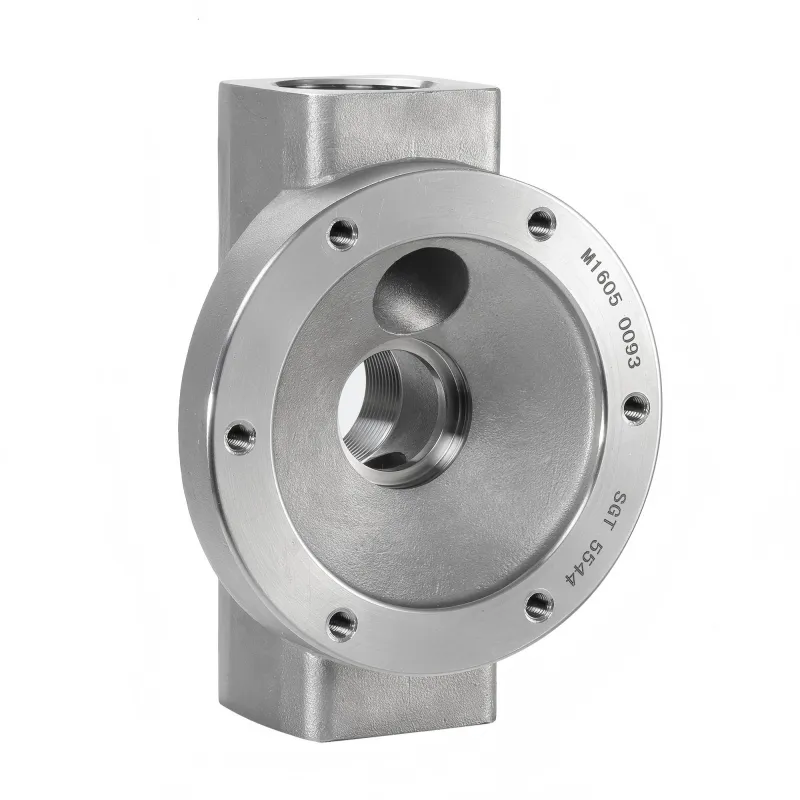
NDT is also stepped up. For castings, we routinely do dye penetrant testing for surface defects. For pressure-containing parts, radiographic testing is standard. The machined surfaces are often examined for work-hardening or tearing. This rigorous QA stems from the fact that these parts often go into systems where failure is not an option – subsea equipment, chemical processing lines, pollution control scrubbers. The cost of a failure in the field dwarfs the cost of thorough inspection upfront.
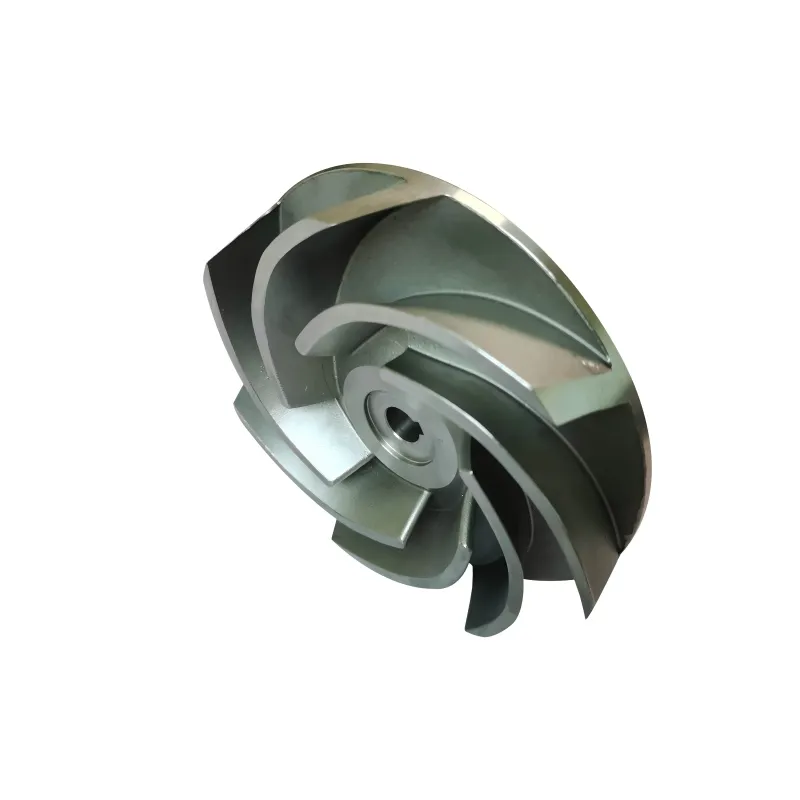
It's this end-use awareness that shapes our entire process. From the moment the Incoloy 825 stock arrives at our facility in Qingdao, to the final crating of a finished, inspected valve body or pump impeller, every step is governed by the understanding that we're not just shaping metal; we're providing a barrier against some of the most corrosive industrial environments on the planet. That responsibility dictates the pace, the care, and the occasional frustration that comes with working with such a capable yet demanding material.