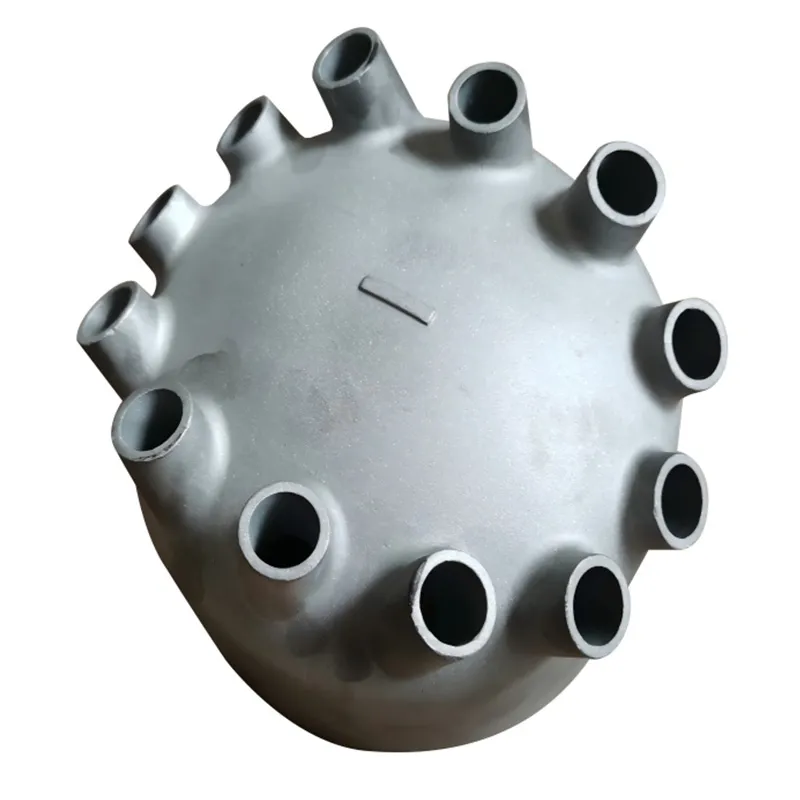
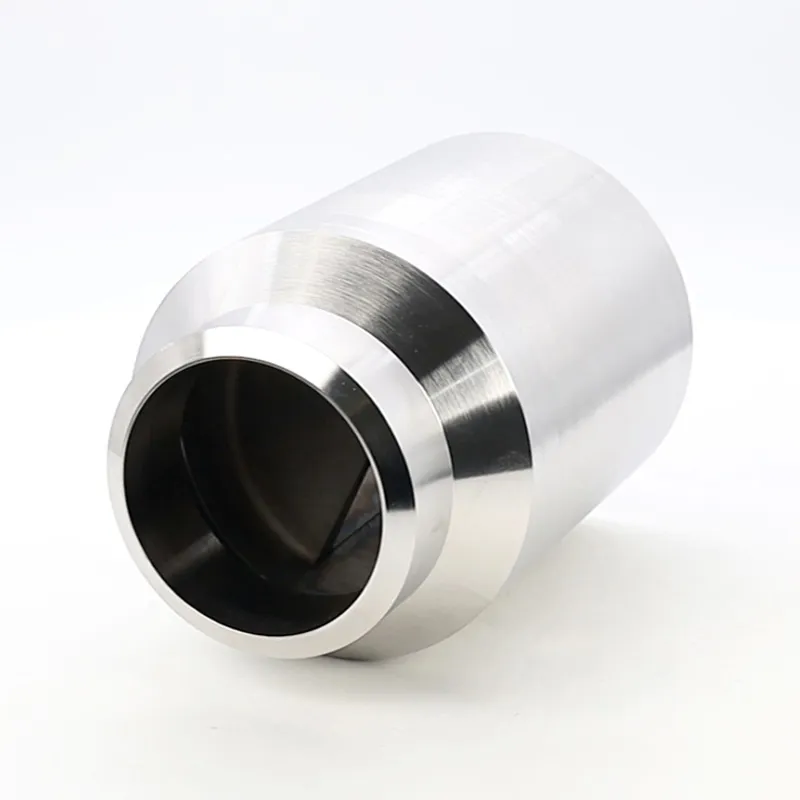
You hear 'Inconel 718' and immediately think 'tough stuff for hot sections' – jet engine parts, turbine discs, that sort of thing. That's true, but it's also where a common pitfall starts. People see the high tensile and creep numbers at 700°C and assume it's just a harder version of 316 stainless. It's not. The real challenge isn't just its strength; it's how that strength behaves when you're trying to make something out of it. The machining and post-processing story is where the real experience gets written.
The Machining Grind – Literally
Let's talk cutting tools. Early on, we learned the hard way that treating it like a high-temp steel is a fast track to ruined inserts and scrapped parts. The work-hardening is severe. If your tool isn't sharp, or if you dwell even slightly, you're not cutting anymore – you're cold-working the surface into something even harder. We burned through several brands of coated carbides before settling on a very specific grade with a sharp, polished edge geometry. Even then, you're looking at speeds maybe 20% of what you'd run on steel. It's a slow, expensive removal process, and coolant isn't optional; it's a critical heat management tool to prevent the workpiece itself from getting too hot and exacerbating the hardening.
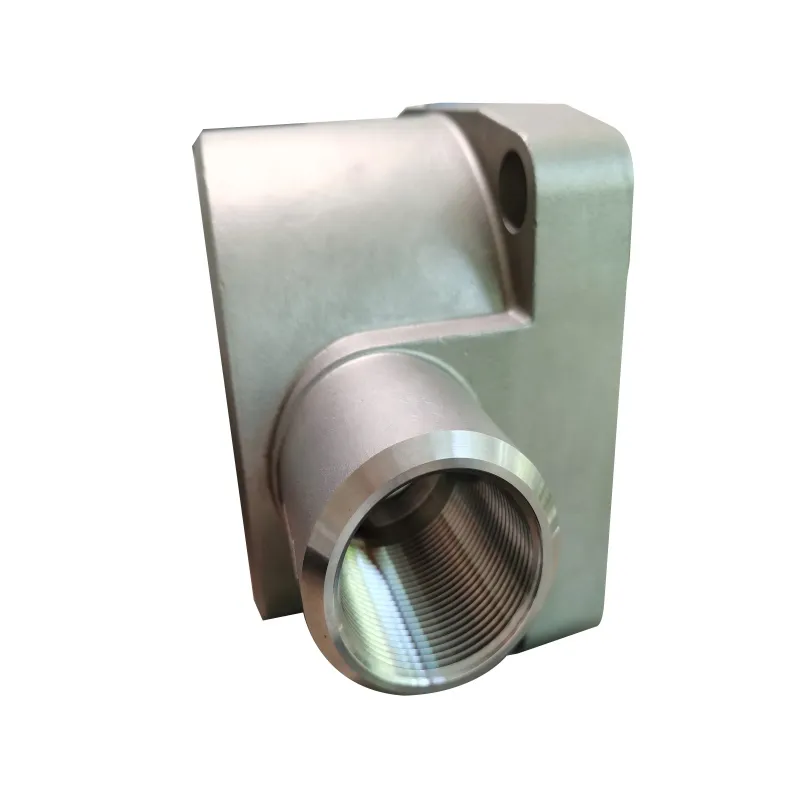
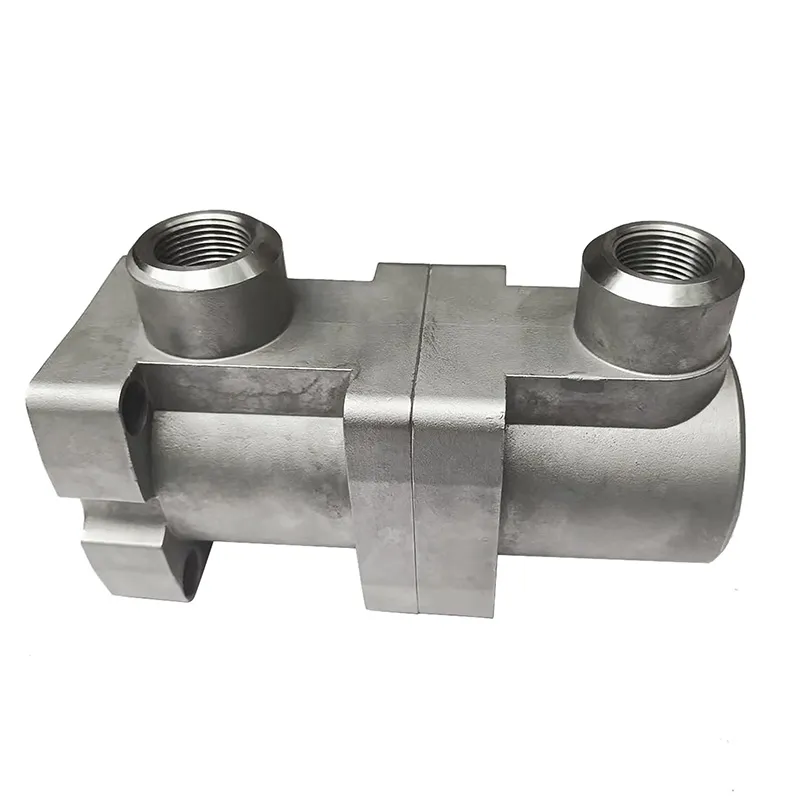
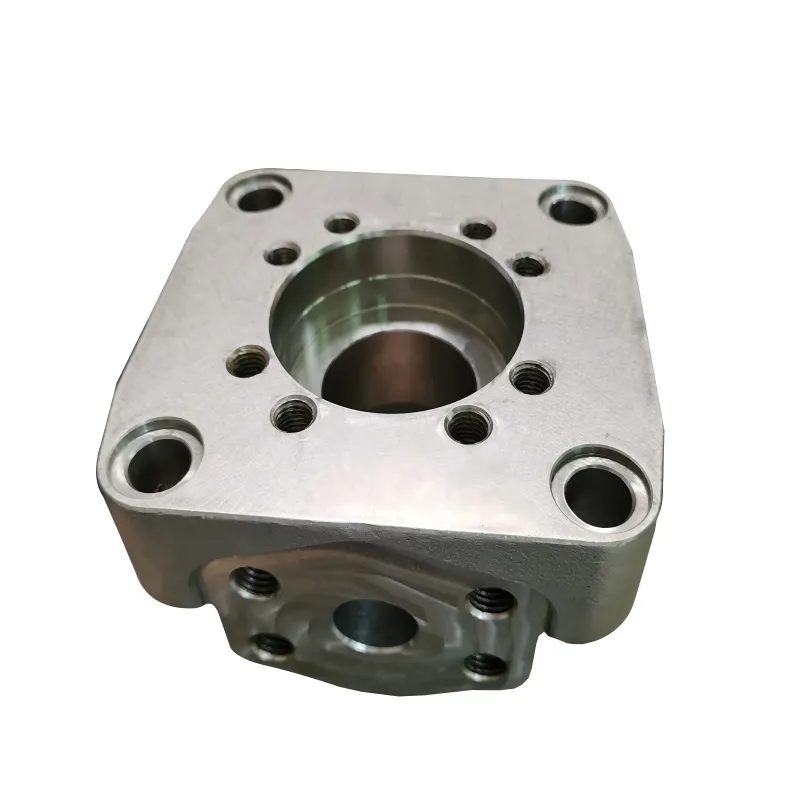
I remember a batch of valve bodies we machined from Inconel 718 bar stock. The print called for a fine surface finish on some internal bores. We got the dimensions perfect, but the finish was grainy, almost torn. The issue? Tool deflection. Even with a rigid setup, the cutting forces were high enough to cause minute chatter. We had to go back, redesign the tool path to take even lighter finishing passes, and switch to a specialized wiper insert. It added hours to the cycle time, but it was that or a part that wouldn't seal properly. That's the hidden cost – the engineering time and process tweaking that doesn't show up in the raw material price per kilo.
Drilling and tapping are their own special hell. Chip evacuation is king. Those stringy, tough chips will wrap around a drill and snap it off in a heartbeat if you're not aggressively pecking and using high-pressure coolant through the tool. For threads, we almost always specify spiral-flute taps and oversized tap drills. Trying to cut a 50% thread in Inconel 718 is asking for a broken tap buried deep in a very expensive part. You learn to give the material room.
Casting Complexities – Not Just a Pour and Go
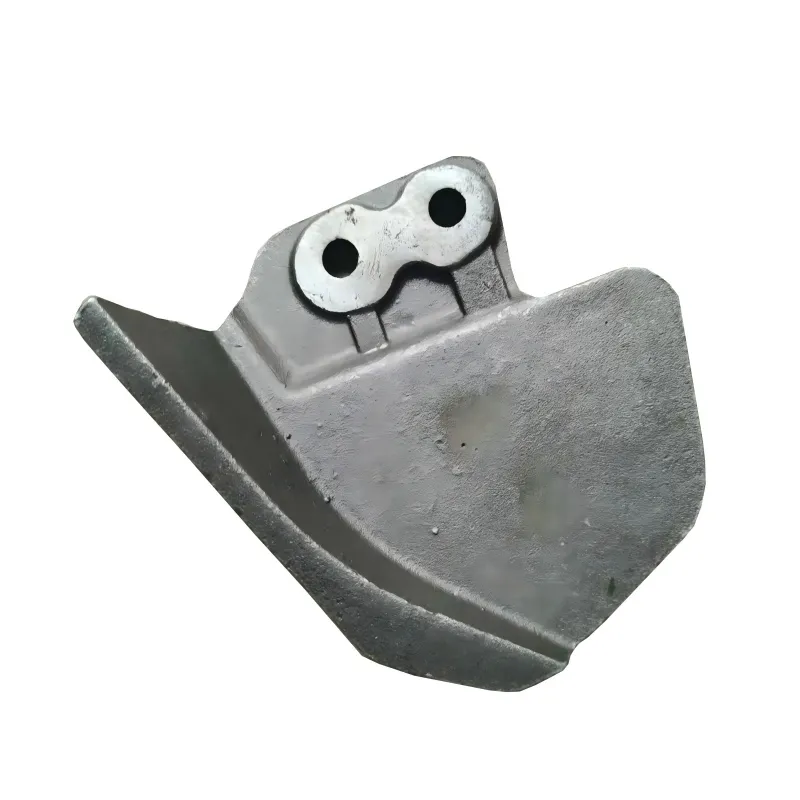
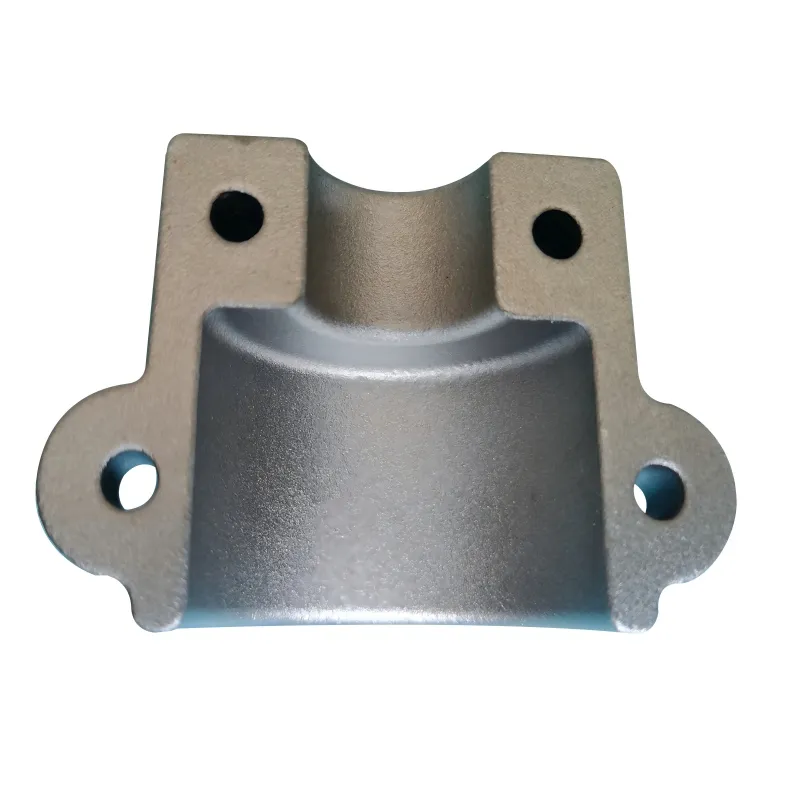
Moving from machining to making the near-net shape via investment casting – that's our core game at Qingdao Qiangsenyuan Technology Co., Ltd. (QSY). With over three decades in shell and investment casting, we've run a lot of nickel alloys through the foundry. Inconel 718 is a staple, but a demanding one. The alloy's high melting point is one thing; controlling its solidification to avoid freckles, segregation, and hot tearing is another ballgame entirely.
The gating and risering design for 718 is more critical than for many steels. You need very directional solidification to feed the massive shrinkage properly. If the thermal gradients are wrong, you end up with micro-porosity in the thick sections or surface tears near thin-to-thick transitions. We've had parts come out of the shell looking perfect, only for X-ray or UT to reveal a cloud of fine porosity in a hub. That's a total loss. It forced a complete review of our pouring temperature and mold pre-heat protocol for that particular geometry. Sometimes, the fix is counter-intuitive – a slightly lower superheat can actually reduce turbulence and improve soundness, even though you're working closer to the alloy's liquidus.
Then there's the as-cast structure. You can't use it as-is. The inherent dendritic structure and the likely presence of Laves phase (brittle intermetallics rich in niobium) mean the part has poor mechanical properties straight out of the mold. This is a crucial point a lot of purchasers miss: a cast 718 component is only half-finished. It absolutely must go through a homogenization heat treatment – a long soak, typically above 1100°C – to dissolve those harmful phases back into the matrix. Skip this, and the part will fail prematurely under stress, no matter how good the casting looks.
The Heat Treatment Dance – It's All About the Sequence
This is the heart of getting Inconel 718 to perform. The standard aging treatment (720°C for 8 hours, furnace cool to 620°C, hold for 8 hours, air cool) is well-documented. But the sequence relative to other operations is everything. For a machined part from wrought stock, you typically machine it in the annealed (softer) condition, then age it. Sounds straightforward.
But for a cast part, it's more complex. As mentioned, you homogenize first. Then, you might do a hot isostatic pressing (HIP) cycle to close any residual micro-porosity. The key question is: do you HIP before or after solution treatment? There's debate. We've done it both ways. HIPping after a sub-solvus heat treatment can be effective, but you have to be extremely careful with temperatures to avoid grain growth. We now generally prefer to HIP in the as-cast + homogenized condition, then proceed with the full heat treatment sequence. It adds cost, but the data shows better and more consistent fatigue properties, which is often the critical spec for rotating parts.
One more nuance: stress relief. If you're doing significant machining after aging (which you try to avoid, but sometimes can't), you need a low-temperature stress relief afterwards. You can't go high or you'll over-age the material. It's a constant balance between dimensional stability and preserving the gamma double-prime precipitates that give 718 its strength.
Welding and Repair – Proceed with Extreme Caution
Sometimes a casting has a superficial defect you think you can repair, or a machined part needs a weld overlay. With 718, this is a high-risk operation. The alloy is prone to strain-age cracking in the heat-affected zone (HAZ) post-weld, especially if it's in an aged condition. The welding thermal cycle introduces stresses, and the subsequent aging treatment (if applied) can cause cracking as the HAZ tries to re-precipitate.
The standard practice is to weld in the annealed condition, then put the entire assembly through the full age-hardening cycle. But even then, success isn't guaranteed. We attempted a repair on a large turbine housing a few years back. Followed the book: pre-weld anneal, used ERNiFeCr-2 filler wire (basically 718 composition), controlled interpass temperature. It looked perfect after welding. After the aging cycle, however, dye penetrant inspection revealed a network of fine cracks in the HAZ. The part was junk. The conclusion was that the mass of the casting created such a severe restraint that the residual stresses from welding were simply too high, even after a full re-age. Now, our policy is to avoid welding aged 718 whenever humanly possible. The cost of failure is too high. If a design requires welding, it's better to use a more weldable variant like 625 for that specific sub-assembly.
Sourcing and the Real-World Supply Chain
Not all Inconel 718 is created equal. The spec sheets from different mills or foundries might all say they meet AMS 5662 or 5663, but the devil's in the melt practice. VIM-VAR (Vacuum Induction Melt followed by Vacuum Arc Remelt) material is the gold standard for aerospace rotating parts because it minimizes inclusions and provides a uniform, fine grain structure. For many static cast components, a single VIM melt might be sufficient, but you need to know the application's criticality.
This is where a partner's process control matters. At QSY, our focus on investment casting and CNC machining for materials like this means we're not just buying mill stock; we're controlling the chemistry from the melt in our own foundry for castings, or rigorously certifying our bar stock suppliers. You develop a feel for which melt reports indicate a clean heat. You look for low sulfur, controlled levels of magnesium or cerium for sulfide shape control. It's these unsexy details that determine whether a batch of parts will pass ultrasonic inspection or have one fail in a high-cycle fatigue test.
Finally, there's the economic reality. 718 is expensive. The niobium content sees to that. So every design using it should be justified by a genuine need for its 650°C+ strength and corrosion resistance. We often consult with clients at the design stage. Sometimes, a switch to Alloy 625 for better weldability or corrosion resistance, or even to a high-grade stainless for lower temperature applications, can save significant cost and manufacturing headache without compromising the function. The mark of experience isn't just knowing how to work with Inconel 718; it's knowing when you actually need it.