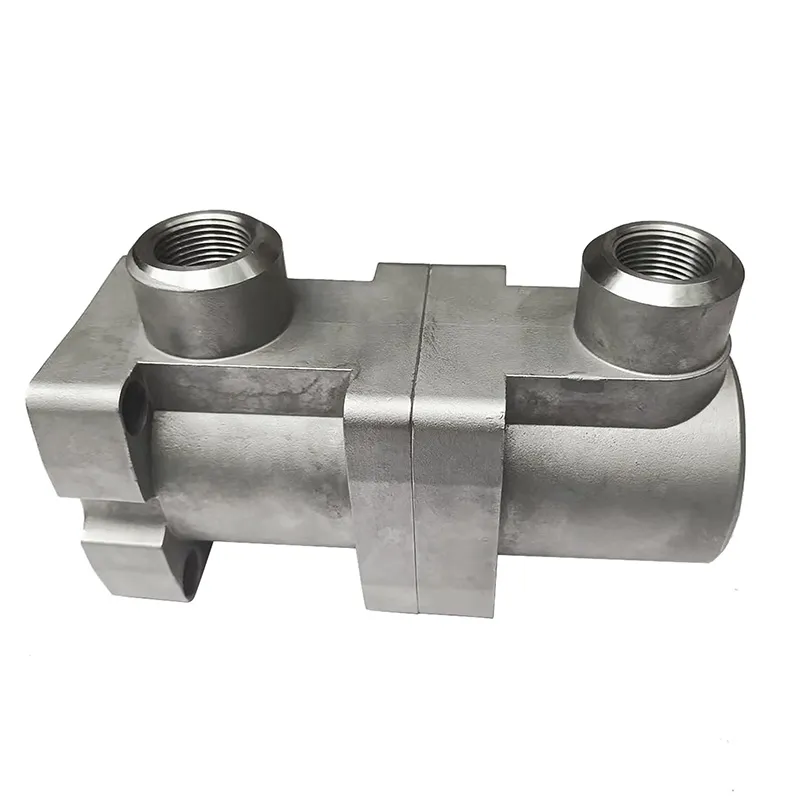
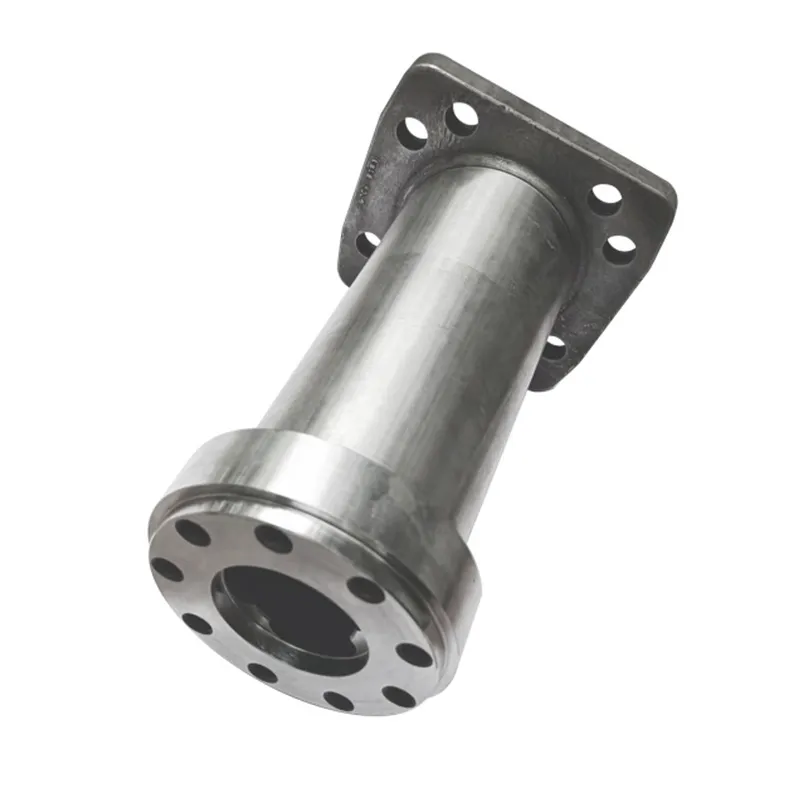
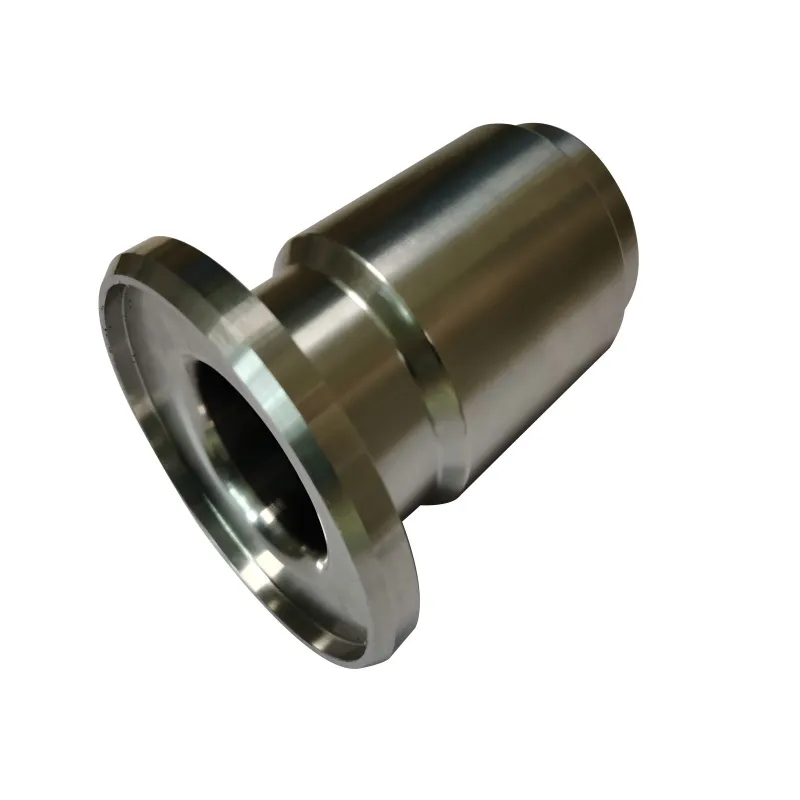
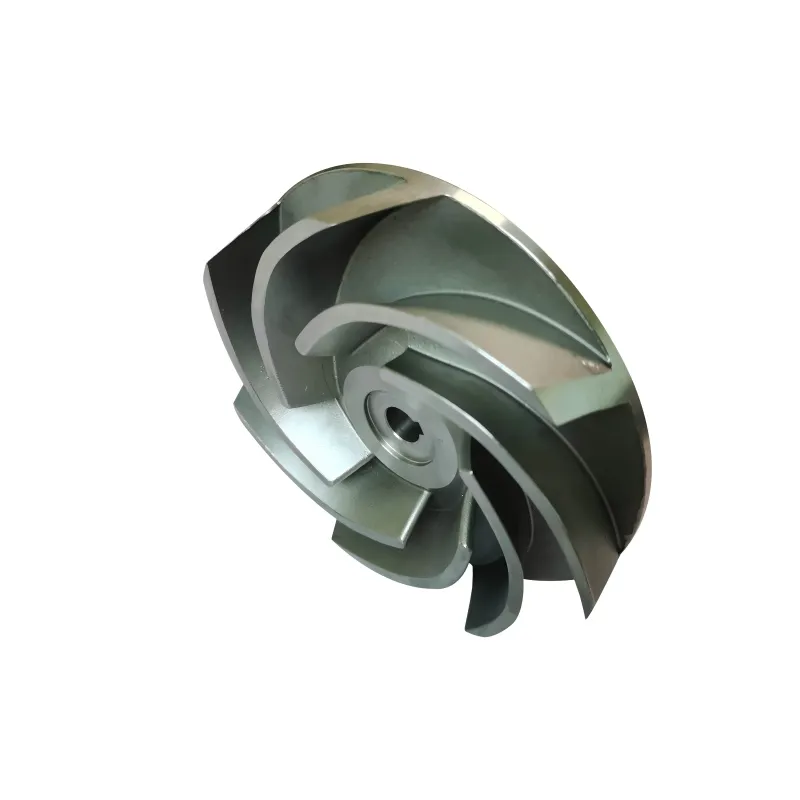
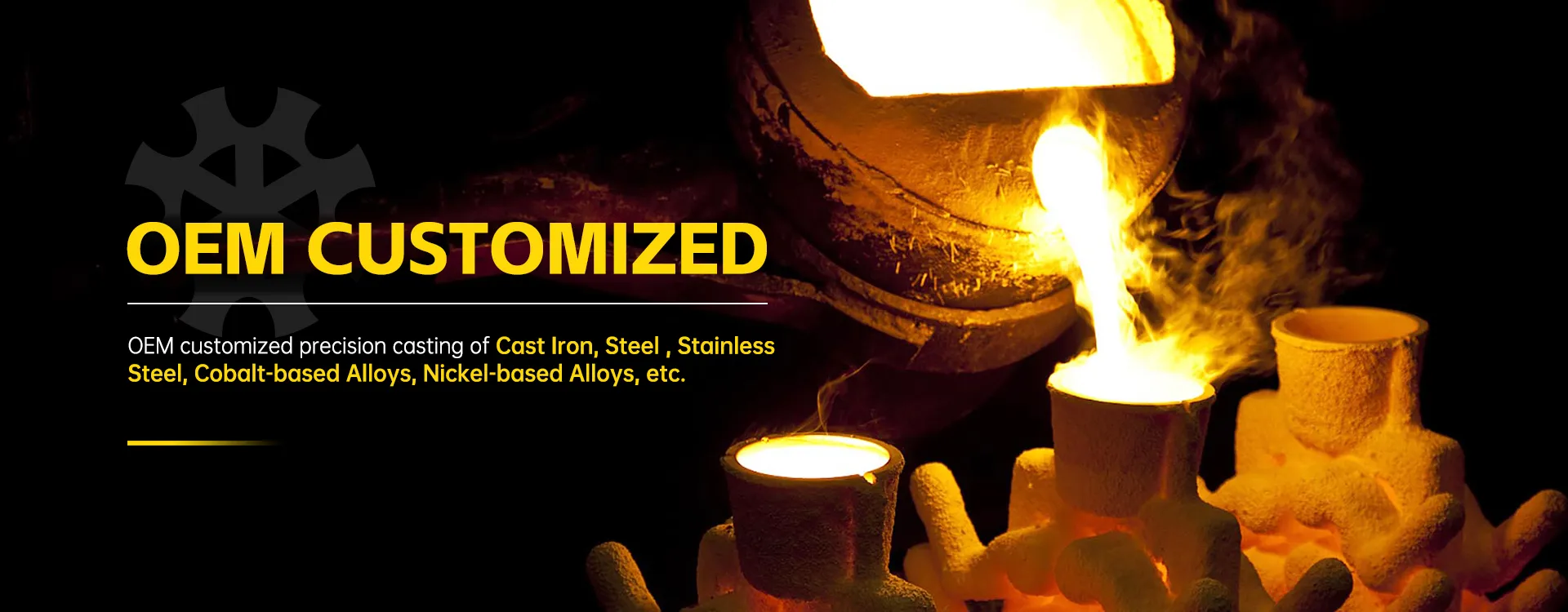
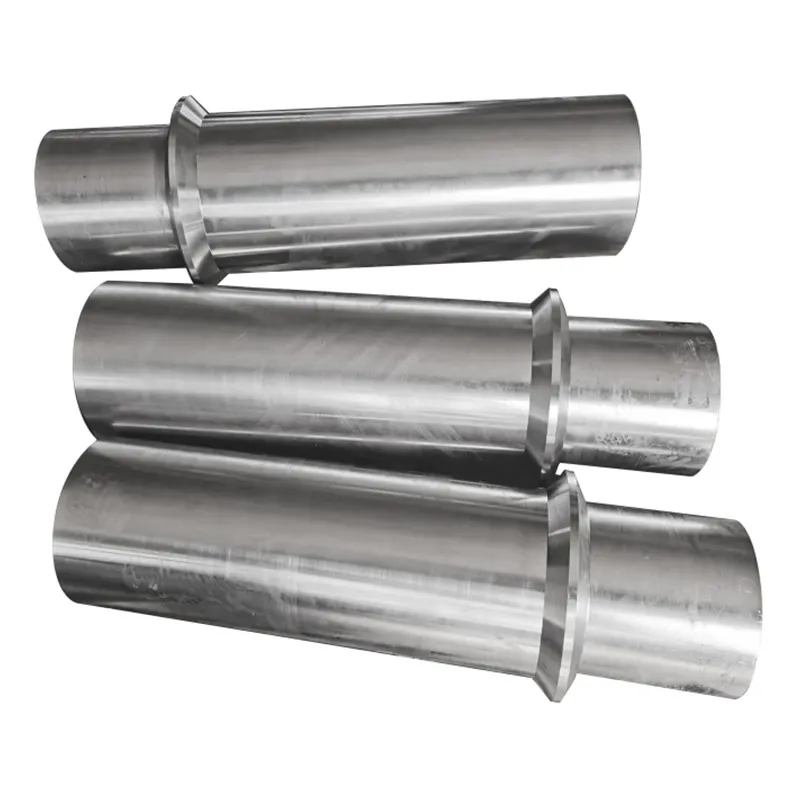
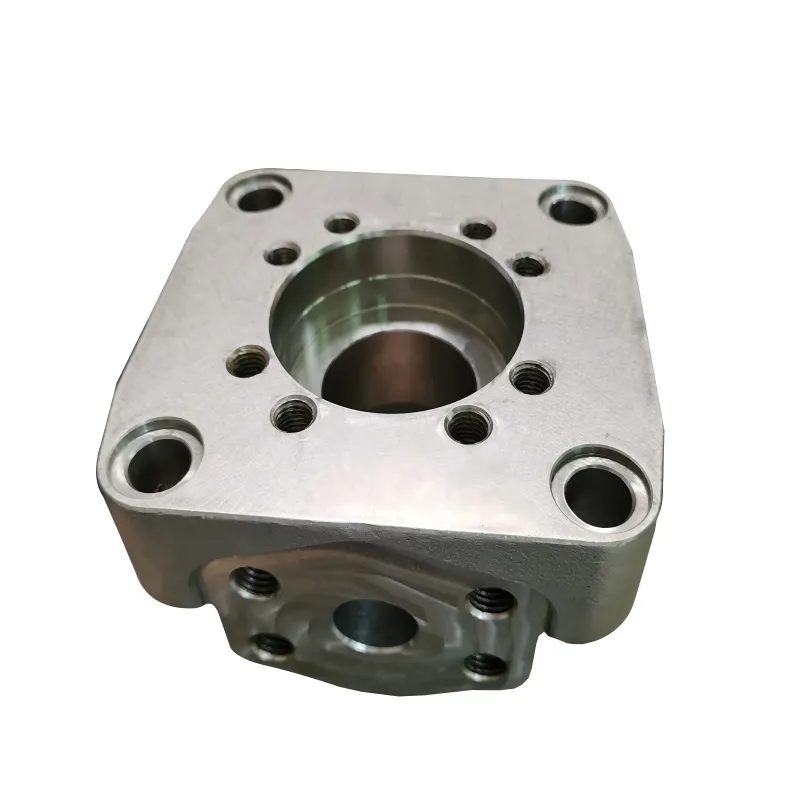
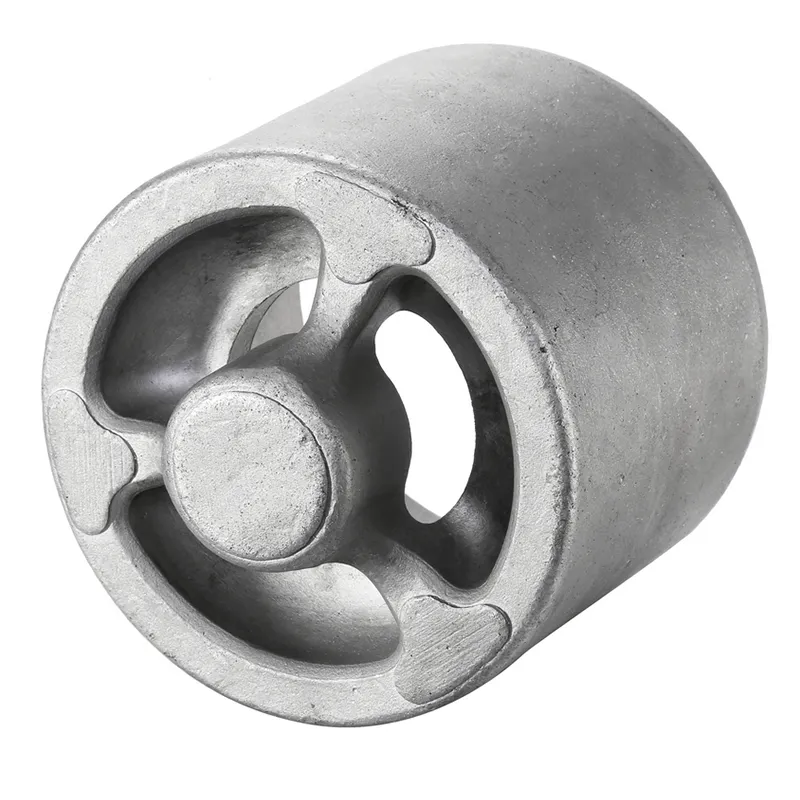
When you see 'Inconel 718 investment casting' on a spec, it often comes with a pristine data sheet listing ultimate tensile strength and creep resistance up to 1300°F. What the sheet rarely mentions is the sheer stubbornness of the alloy during shell dewaxing, or how a slight misjudgment in gating can turn a complex turbine component into a very expensive paperweight. There's a common misconception that because it's a widely used superalloy, the process is equally standardized. It's not. The devil is in the thermal management—managing heat not just during the pour, but from the moment you start building the ceramic shell.
The Shell Game: More Than Just Ceramic Dip
Starting with the wax pattern, the process seems straightforward. But with 718, the high gamma prime and gamma double prime content that gives it those great properties also makes it a nightmare for feeding solidification shrinkage. You can't just use the same tree layout you'd use for 304 stainless. I learned this the hard way on an early job for a combustor liner. We used a standard top-gating system, beautiful wax assembly, perfect shell. The NDT revealed a network of microshrinkage in the thick mounting lugs. The material was sound, but not sound enough. The spec called for radiographic inspection, and we failed. The issue wasn't the alloy chemistry; it was that our feeding distance was inadequate for 718's specific solidification characteristics. We had to go back, add more risers, and actually increase the modulus in certain sections to promote directional solidification towards the feeders. It added cost and time the initial quote never captured.
Then there's the shell itself. The standard zirconia/silica binder systems can work, but for thin-walled sections or parts requiring exceptional surface finish, we've shifted towards fused silica-based face coats. The thermal expansion mismatch is less severe, reducing the risk of hot tearing as the massive 718 casting cools and contracts against the rigid shell. It's a small detail, but skipping that evaluation is like assuming all plaster is the same for building a house. You might get a structure, but the cracks will tell the story.
I recall a project sourced through Qingdao Qiangsenyuan Technology (QSY). They've been in the game for decades, and their approach to shell building for nickel alloys is methodical. It's not just about dip cycles; it's about controlled drying environments between each coat to prevent shell warpage. For 718, where the post-casting heat treatment is critical to precipitate those strengthening phases, a distorted shell can lead to residual stress in the 'as-cast' part that even solution treatment struggles to fully rectify. Their process sheets always emphasized ambient humidity control—a detail often overlooked but crucial for dimensional stability.
The Pour: Where Theory Meets Molten Reality
Melting and pouring Inconel 718 under vacuum is standard practice to control oxidation and volatile element loss. But 'under vacuum' isn't a binary state. The level matters. Too high a vacuum during melt can lead to excessive evaporation of chromium. You end up within spec for nickel and niobium, but your chromium dips, impacting oxidation resistance. We run a slightly less aggressive vacuum during the initial melt, then ramp it up for refining. It's a dance, not a switch flip.
The pour temperature is another critical judgement call. Data says liquidus is around 1330°C. Pouring too hot leads to gross grain growth and severe shell reaction, degrading the surface. Pouring too low invites mistuns, especially in intricate cooling channels. The sweet spot is often a tight 20-30°C window above liquidus, and it depends on part geometry. For a thick-section valve body, you might go higher to improve fluidity. For a thin-walled aerospace bracket, you go as low as you dare. There's no universal answer, which is why process qualification runs are non-negotiable.
One failed attempt involved a pump housing. The geometry had both thick flanges and thin internal webs. We poured at a compromise temperature. The flanges were fine, but the webs showed cold shuts. The fix wasn't just adjusting temperature; we had to redesign the gating to deliver hotter metal directly to those thin sections via a controlled, turbulent-free flow. It added complexity to the wax tree but saved the part. This is where a foundry's experience, like the long-term investment casting focus at a shop like QSY, shows its value. They've likely seen a hundred variations of this problem.
The Aftermath: Heat Treatment is Part of the Casting Process
Thinking of heat treatment as a separate, post-casting operation is a mistake with 718. The as-cast structure directly dictates what the heat treat can and cannot achieve. The standard treatment is solution annealing around 980°C, followed by a double aging cycle. But if you have severe dendritic segregation in the cast structure (common in investment casting), the solution treatment time may be insufficient to homogenize the alloy. You get the right hardness after aging, but the impact toughness can be inconsistent.
We once had a batch of components that passed all mechanical tests but failed prematurely in high-vibration service. Metallurgical analysis pointed to localized areas of brittle Laves phase, a niobium-rich eutectic that forms during solidification if cooling isn't controlled. The solution anneal hadn't dissolved it completely. The root cause was traced back to the cooling rate of the casting inside the furnace after pour. We were cooling under full vacuum, which is a great insulator. Slowing the cooling by backfilling with argon after the castings solidified helped reduce the severity of the segregation, giving the subsequent heat treatment a fighting chance. It added a step, but it made the process robust.
This interplay is why shops that offer integrated CNC machining and heat treatment, as part of their service like QSY outlines, have an advantage. They can't afford to treat these stages as silos. The machinist needs to know if the material will behave consistently across the part, and that's dictated by the casting and heat treatment history. It forces a more holistic view of the manufacturing chain.
Machinability: The Final Hurdle
Everyone talks about casting 718, but the conversation often glosses over machining it. The aged material is notoriously abrasive and work-hardens instantly. If your casting process leaves hard, brittle inclusions or surface alumina scale from shell reaction, you'll destroy cutting tools during the first roughing pass. The quality of the as-cast surface is paramount. A good shell system and controlled pour minimize this scale, but some secondary surface treatment like abrasive blasting or gentle chemical milling might be needed before the first tool touches the part.
Furthermore, the residual stress from the casting process can be significant. If you clamp a stressed part in a fixture and take a heavy cut, you release that stress, and the part moves. You might hold tolerance on the first operation, but by the third, everything is off. A proper stress-relief cycle before any major machining is essential. Sometimes, it's worth doing a rough machining, then another stress relief, then finish machining. It sounds inefficient, but it's cheaper than scrapping a near-finished casting because it warped during the final boring operation.
This is where the full-service model proves its worth. A vendor that handles the investment casting through to final machining, like the services indicated on QSY's platform, is incentivized to optimize the entire process for manufacturability. They might suggest adding a machining allowance in a specific orientation or slightly altering a non-critical fillet radius to improve tool access. These are the practical, cost-saving insights that come from handling the whole workflow, not just the pouring.
Conclusion: It's a System, Not a Step
So, 'Inconel 718 investment casting' isn't a single process you order from a catalog. It's a system of interdependent decisions: shell chemistry, gating design, thermal profiles during pour and cool, heat treatment parameters, and machining strategy. A minor optimization in one area can be wiped out by a misstep in another. The shops that consistently deliver reliable parts are the ones that understand this ecosystem. They don't just pour metal into a ceramic mold; they manage a controlled thermal and metallurgical journey from wax to finished part. The data sheet gives you the destination, but the shop floor experience maps the only viable route to get there.
When evaluating a supplier, look beyond their equipment list. Ask about their specific shell systems for high-nickel alloys. Inquire about their standard heat treatment cycle for as-cast 718 and how they qualify it. Question how they manage the transition from casting to machining. The answers will tell you far more about their capability than any glossy brochure. The difference between a functional casting and a high-integrity component lies in these accumulated, hard-won details of practice.