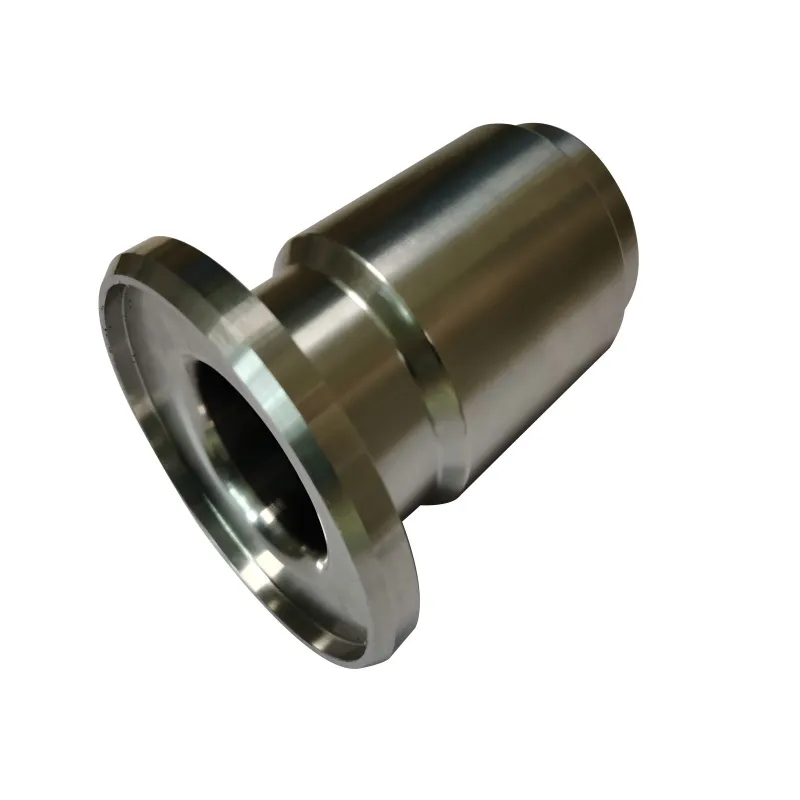
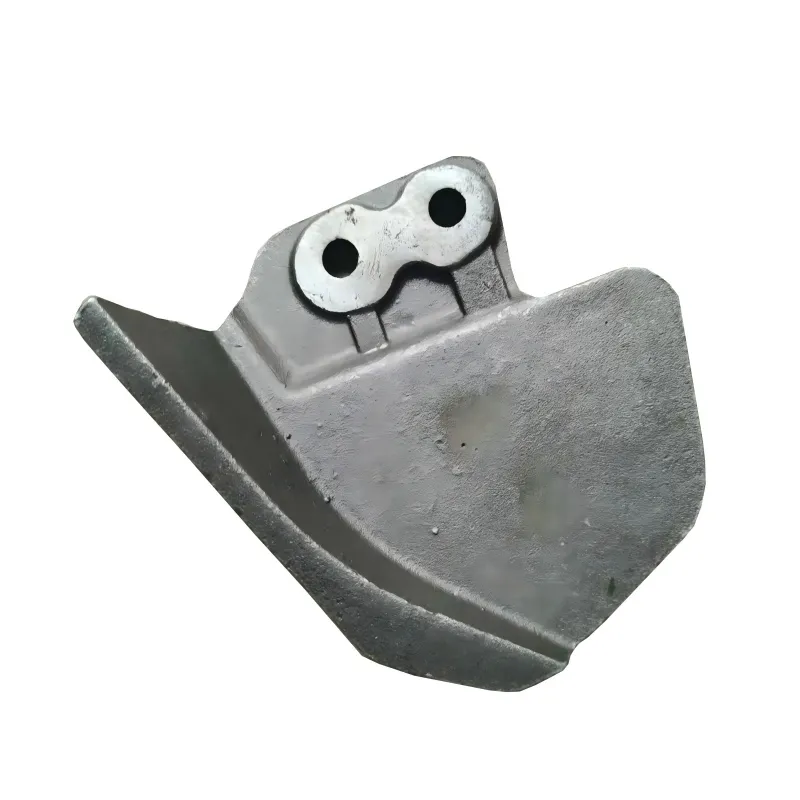
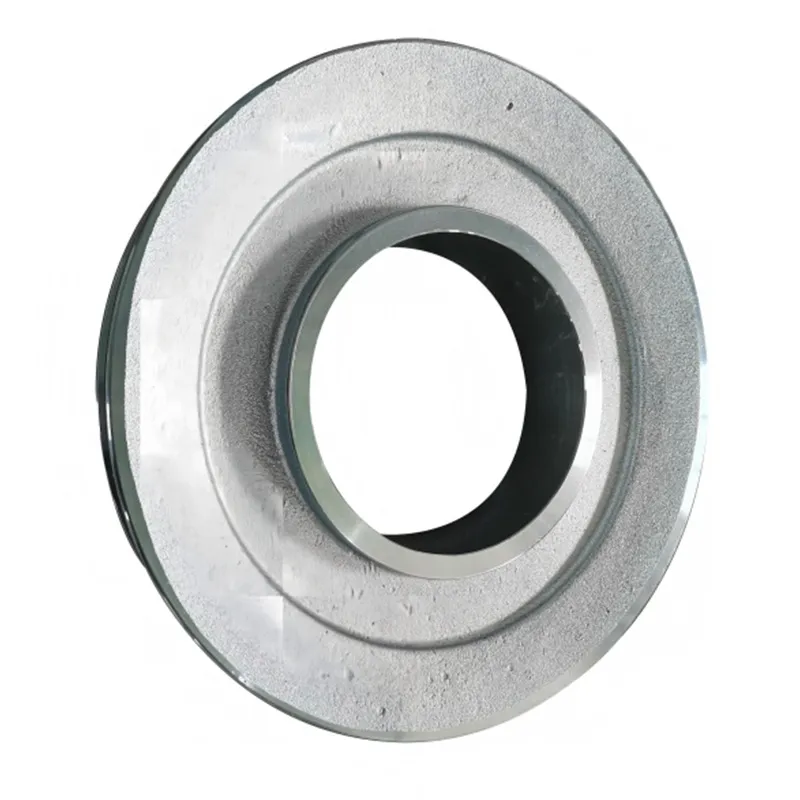
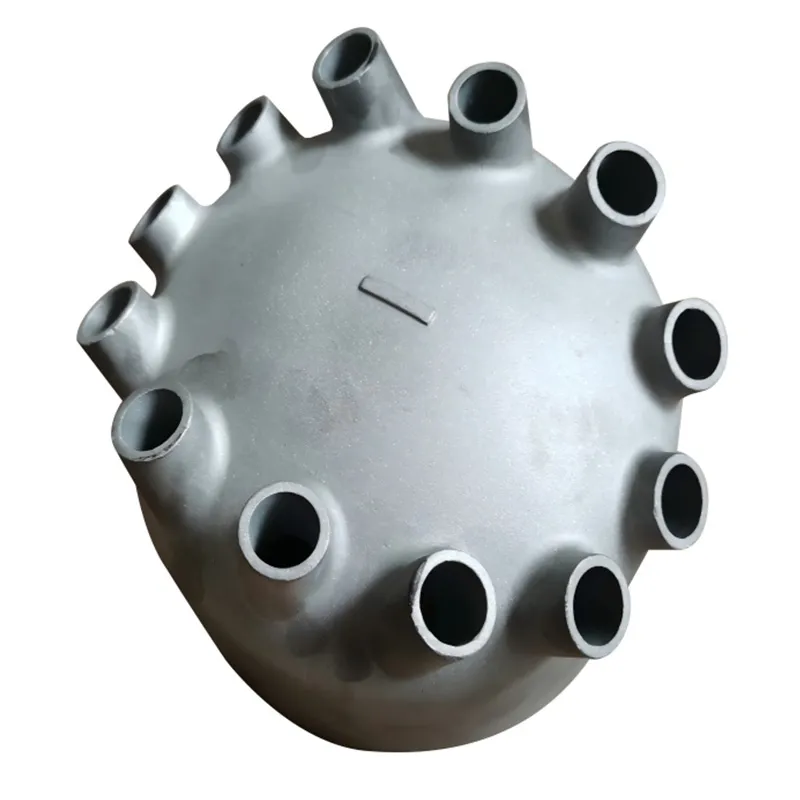
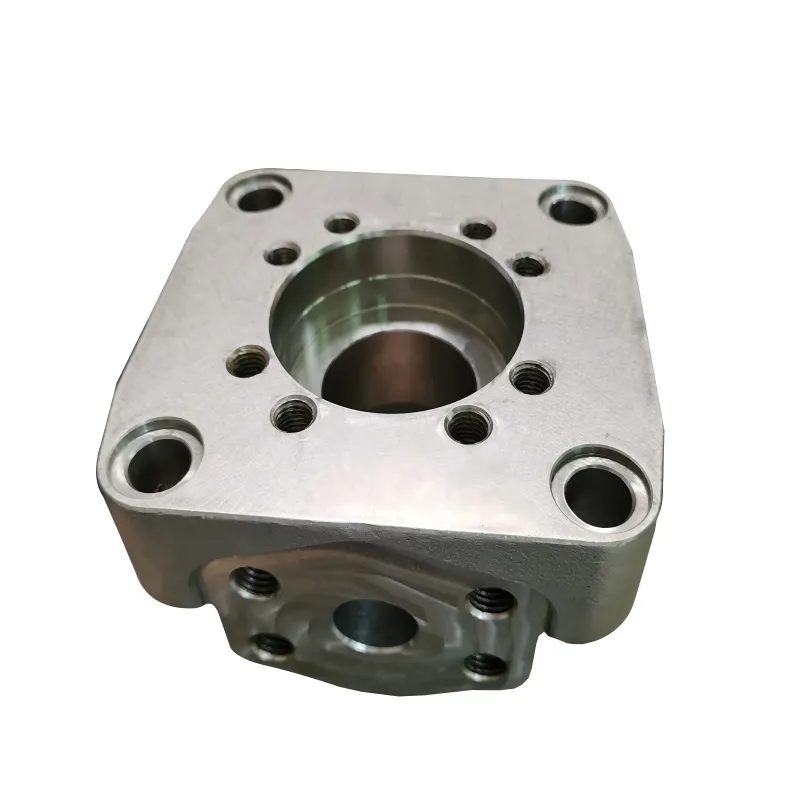
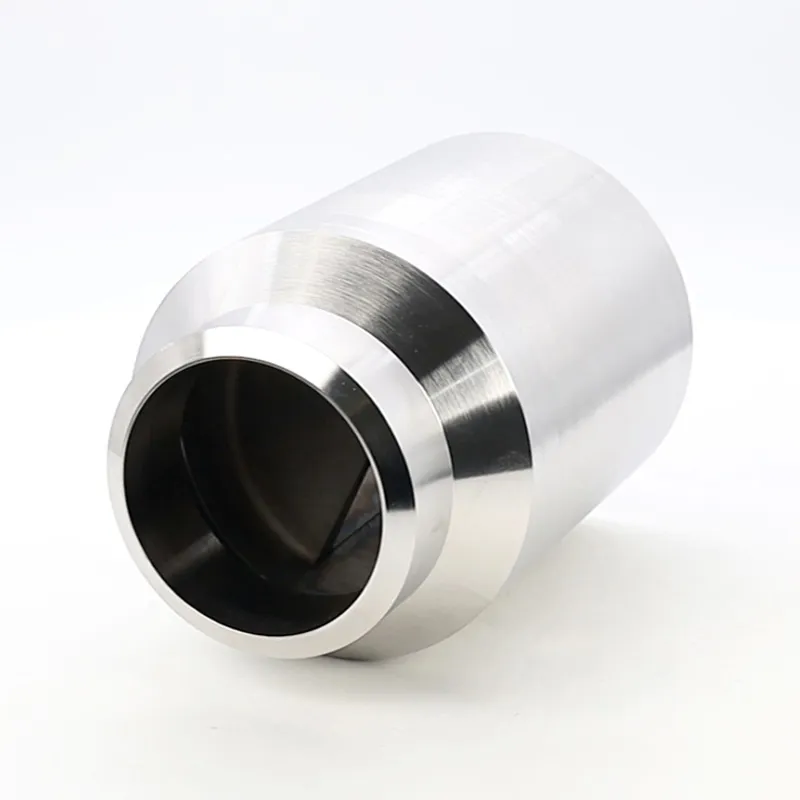
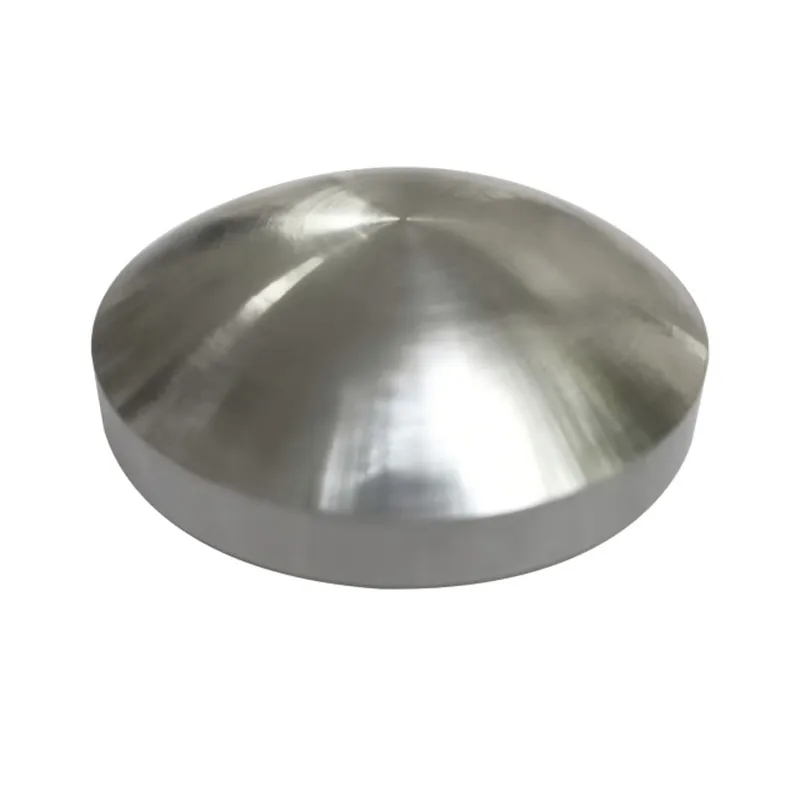
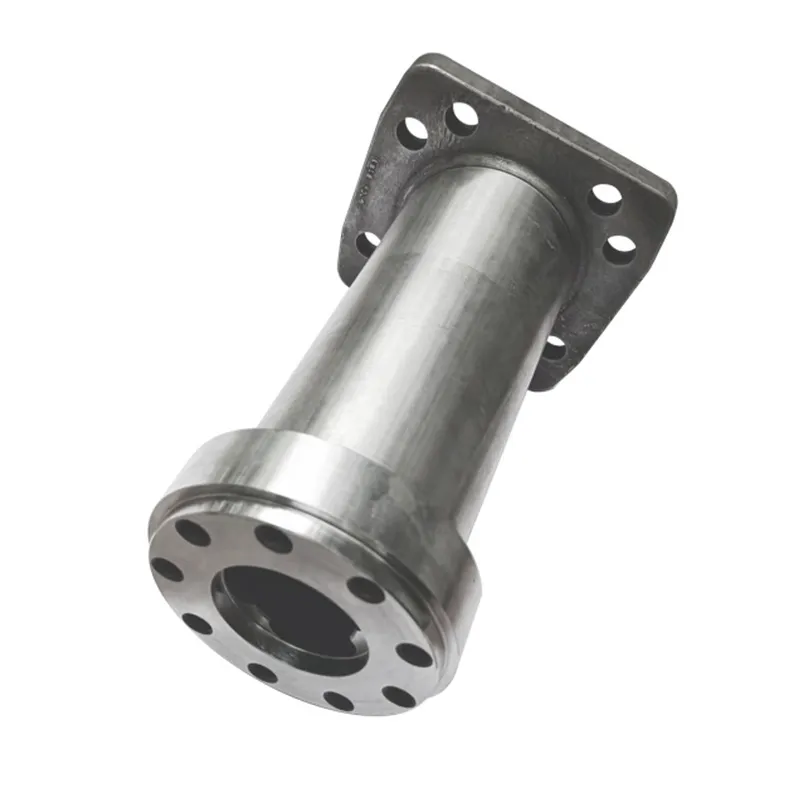
When you hear 'Inconel alloy parts,' the immediate image is often one of indestructible components for jet engines or deep-sea rigs. That's not wrong, but it's a simplification that leads to the first major pitfall in this business: treating all Inconels like they're just 'tough nickel steel.' I've seen too many projects stumble because someone spec'd 718 for an application better suited for 625, or worse, tried to machine it like 304 stainless. The devil, as always, is in the details—thermal history, post-processing needs, and the sheer, stubborn reality of the chip at your cutting tool.
The Material Isn't Just a Spec Sheet
Working with these alloys, especially for Inconel alloy parts destined for high-stress environments, means understanding they have a memory. The mechanical properties you get are directly tied to the process chain. For instance, with Inconel 718, the age-hardening sequence post-machining is non-negotiable for achieving that famed yield strength. Skip or misstep that, and the part might pass initial QA but fail spectacularly in the field under cyclic loading. It's not a commodity you just order to size.
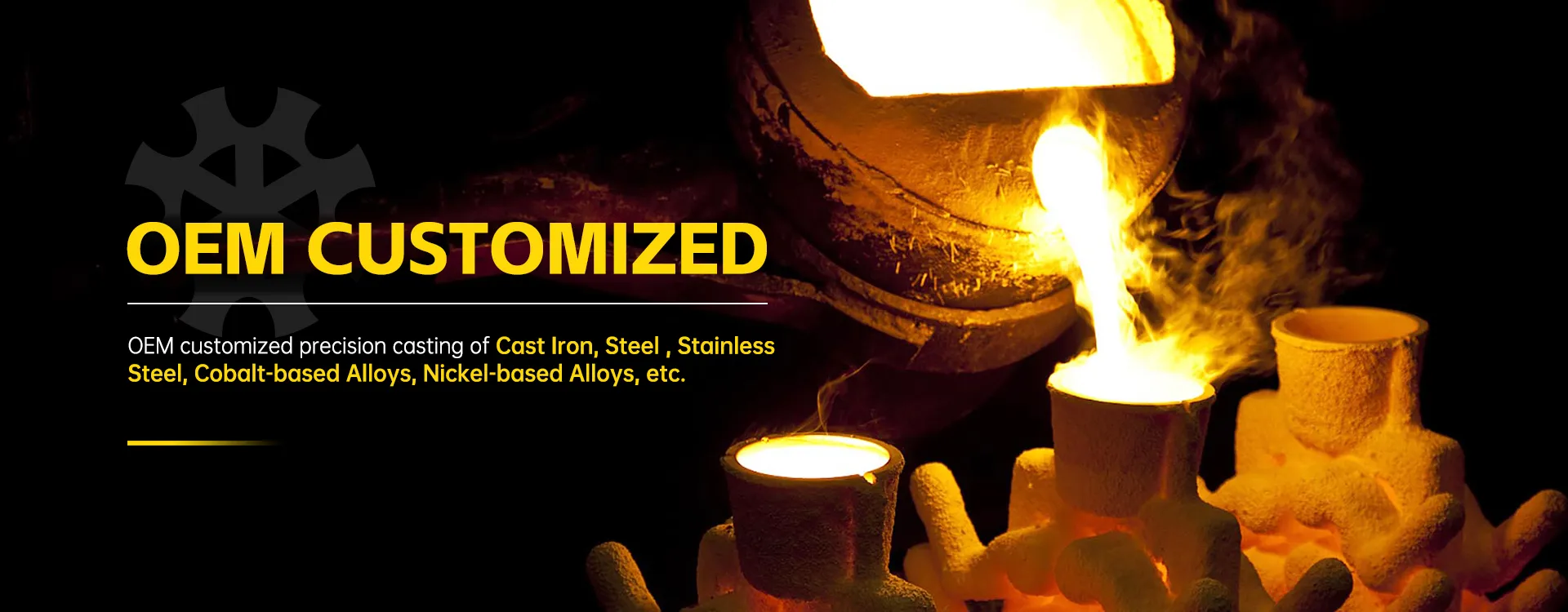
This is where the 30-plus years of a foundry and machine shop like Qingdao Qiangsenyuan Technology Co., Ltd. (QSY) actually matters. It's not about having the capability listed on a website; it's about the accumulated, almost intuitive knowledge of how the alloy behaves from the molten state in their investment casting process through to the final CNC pass. You can't fake that. Their long-term operation, which you can see detailed at https://www.tsingtaocnc.com, suggests they've navigated the learning curve of controlling segregation in large nickel-based alloy castings—a common headache that turns a premium material into scrap.
I recall a case for a turbine seal ring. The print called for Inconel 738, as-cast and machined. The initial runs from a different vendor had inconsistent hardness zones, leading to uneven wear. The issue traced back to uneven cooling rates in the shell mold. The fix wasn't just a machining tweak; it required revisiting the gating and riser design in the casting stage itself—a holistic view that separates part makers from material processors.
Machining: Where Theory Meets a Broken Tool
This is the real test. Anyone can claim CNC machining for special alloys. Delivering it profitably and precisely is another story. The high work-hardening rate of alloys like Inconel 625 means your cutting strategy is everything. Light, consistent depths of cut, aggressive feed rates to get under the work-hardened layer, and rigid tool paths are gospel. Hesitate, or let the tool dwell, and you've just created a local hardness spot that will eat your next insert.
Coolant isn't just for cooling here; it's for lubrication and chip evacuation. High-pressure, through-tool coolant is almost mandatory for deep cavity work. We learned this the hard way on a batch of integrally bladed rotors (blisks) prototypes. Chip welding caused catastrophic tool failure halfway through a 40-hour machining cycle on a single forging. The cost wasn't just the tooling; it was the lost time on the machine and the risk to the pre-machined workpiece. Now, tool life monitoring and specific ceramic or carbide grades are baked into the planning for any nickel-based alloys job.
It's in these scenarios that a partner's machining philosophy shows. A shop that treats it as a 'special job' and adapts their standard parameters will struggle. A shop like QSY, with its explicit focus on CNC machining of these difficult materials, likely has dedicated machine setups, parameter libraries, and, crucially, experienced operators who know the sound and feel of a cut that's going right.
The Casting Foundation: Not All 'Precision Castings' Are Equal
Many parts start as castings, and this is a critical fork in the road. Shell mold casting and investment casting are both on QSY's list, and the choice profoundly impacts the downstream work. For complex, thin-walled Inconel parts with intricate internal passages, investment casting is king. It gives you that near-net-shape advantage, minimizing the amount of that expensive, difficult-to-machine material you need to remove.
But 'near-net-shape' is a promise that's hard to keep. Dimensional tolerances on an as-cast Inconel part are influenced by mold temperature, pour temperature, and the alloy's own solidification shrinkage pattern. I've seen a batch of valve bodies where the as-cast flange thickness varied just enough to throw off the automated CNC fixturing, causing a full day of re-work and reprogramming. The solution was tighter process control on the front end and designing the fixture with some compliance for the first machining op to establish a reliable datum.
The quality of the cast surface is another hidden factor. A poor surface with micro-porosity or inclusions becomes the starting point for your machining. You might plan for a 0.5mm stock allowance, but if the first 0.2mm is full of hard spots from surface oxidation, your tool is in for a rough ride. A good foundry will include a finishing process like vibratory grinding or controlled pickling to present a consistent, sound surface to the machine shop—ideally under one roof to avoid finger-pointing.
Welding and Repair: The Necessary Evil
Sometimes, despite best efforts, a part needs repair post-machining, or it's designed as a weldment. Welding Inconel is a specialty unto itself. The primary concern is preventing hot cracking and preserving corrosion resistance in the heat-affected zone (HAZ). It requires ultra-clean conditions, specific filler metals (often an overalloyed composition like 625 filler for 718 base), and meticulous control of interpass temperature.
A practical lesson: we once had to repair a machined mounting lug on a large 718 housing. The pre-heat and interpass temp was managed perfectly, but the post-weld heat treatment (PWHT) cycle was rushed. The result was residual stresses that later caused distortion during a final boring operation, scrapping the part. The takeaway was that the welding procedure, including PWHT, isn't an add-on; it's an integral part of the manufacturing sequence and must be scheduled and resourced accordingly.
This is another area where vertical integration helps. If the same entity doing the casting and machining also has weld engineering expertise, the entire process from material selection to final stress relief can be coordinated. It prevents the 'over-the-wall' problem where one department's solution creates a headache for the next.
The Real Measure: Consistency in Volume
Making one-off prototype Inconel alloy parts is challenging. Making fifty or a hundred that are all within spec and perform identically is the true benchmark. This is where process documentation and control systems pay off. It's about repeatability: the same sand composition for molds, the same thermal profile for heat treatment furnaces, the same toolpath strategies and wear thresholds on the CNC floor.
For a company like Qingdao Qiangsenyuan Technology Co., Ltd., their decades in casting and machining likely mean they've built these systems, often through trial and error. Their website intro mentions work with cobalt-based alloys and nickel-based alloys, which tells me they probably have metallurgical support and testing labs in-house or tightly coupled. That's essential for batch certification and traceability, which is non-negotiable for aerospace, energy, or medical applications.
In the end, successful Inconel parts aren't just about having a 5-axis mill or a vacuum induction furnace. It's about the accumulated, sometimes painful, knowledge of how the material moves, reacts, and fails at every step from liquid to finished component. It's a conversation between the design, the material science, and the shop floor pragmatism. That's what you're really looking for in a supplier—not just a list of equipment, but evidence of that hard-won conversation having happened, over and over, for years.