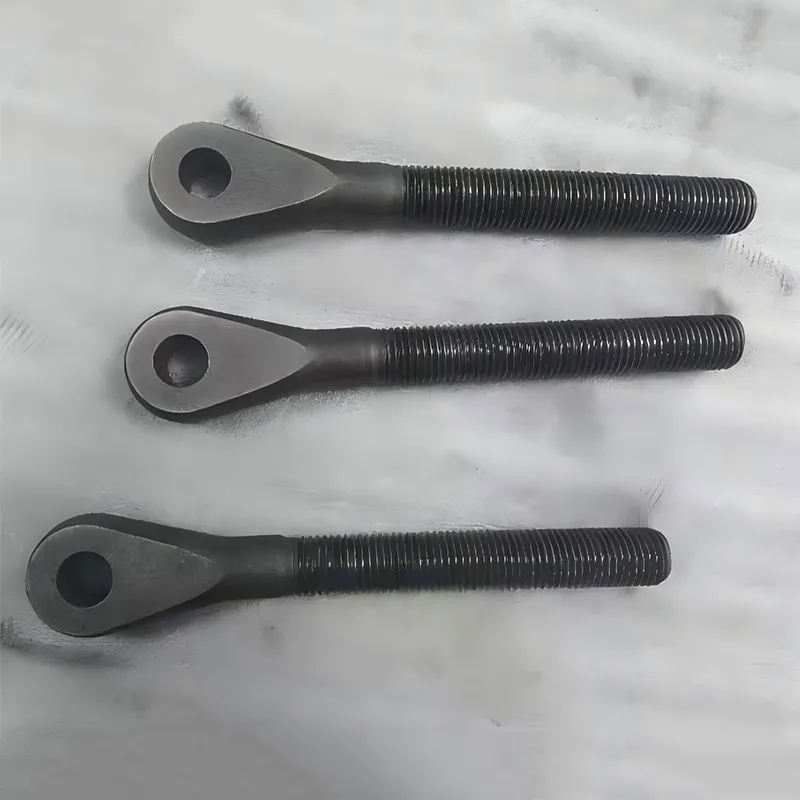
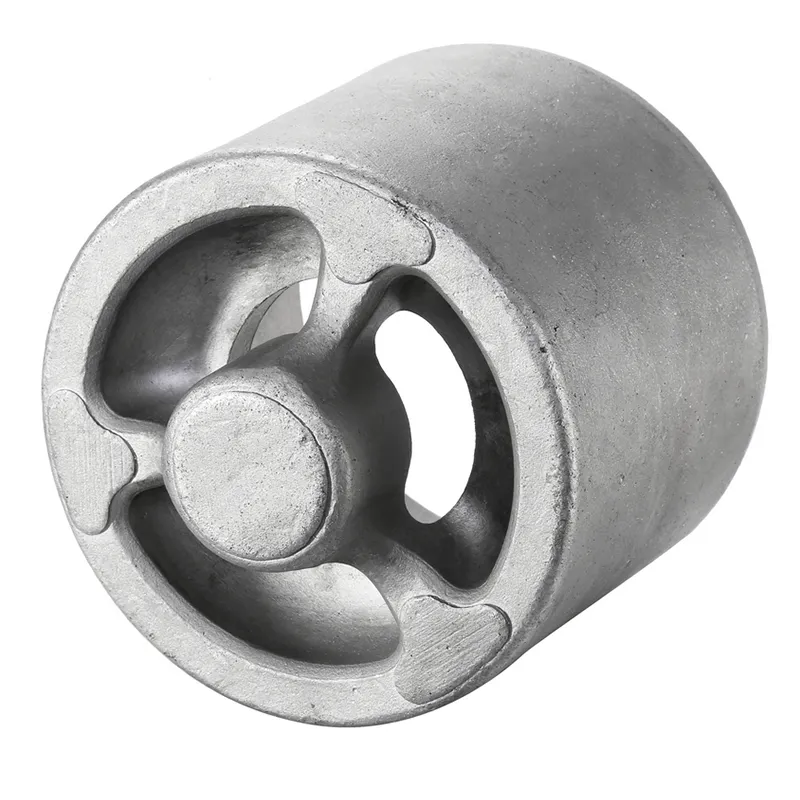
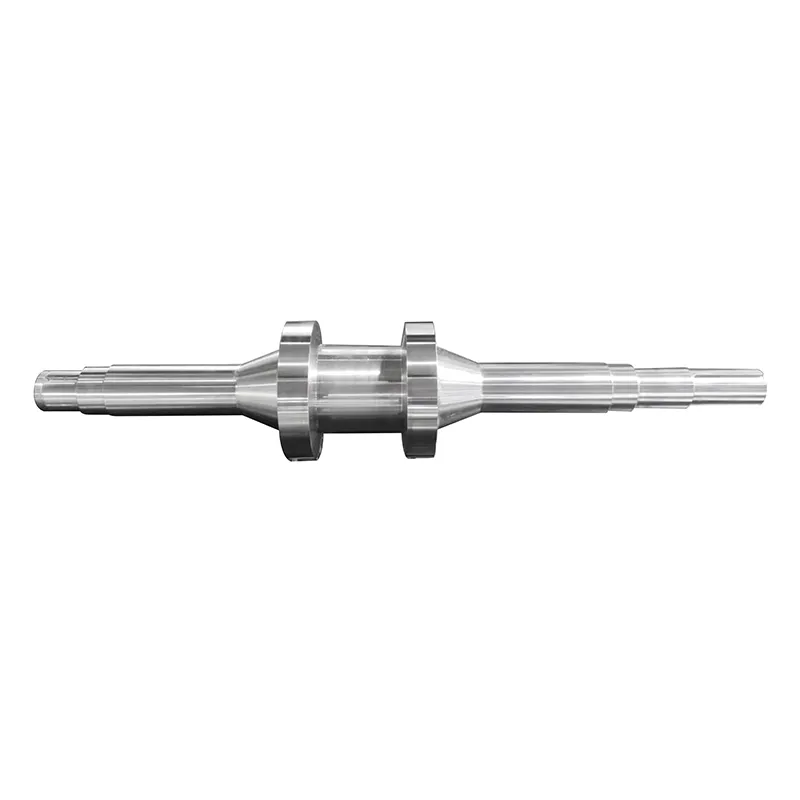
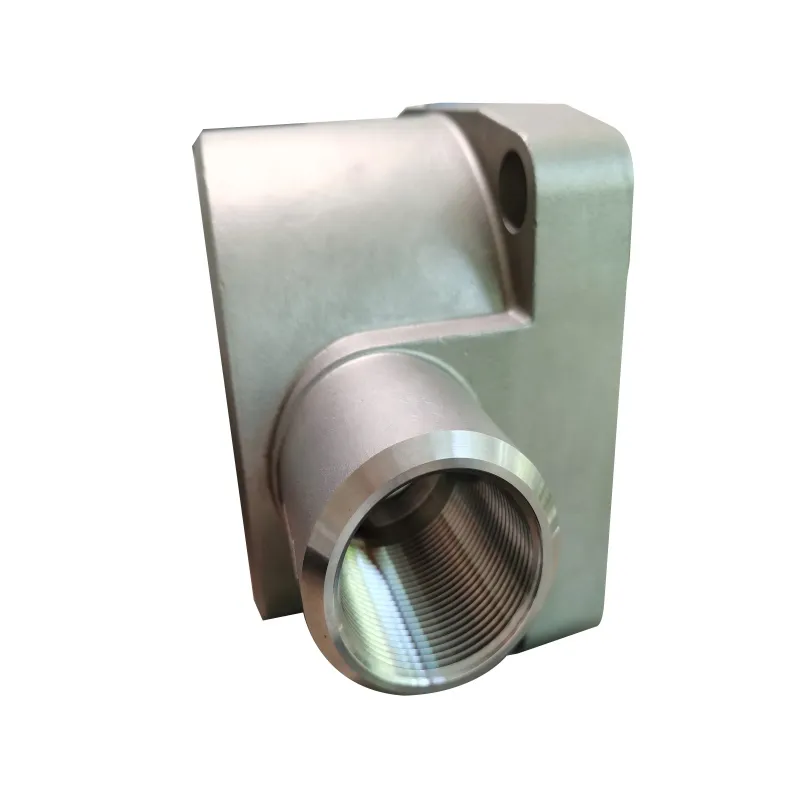
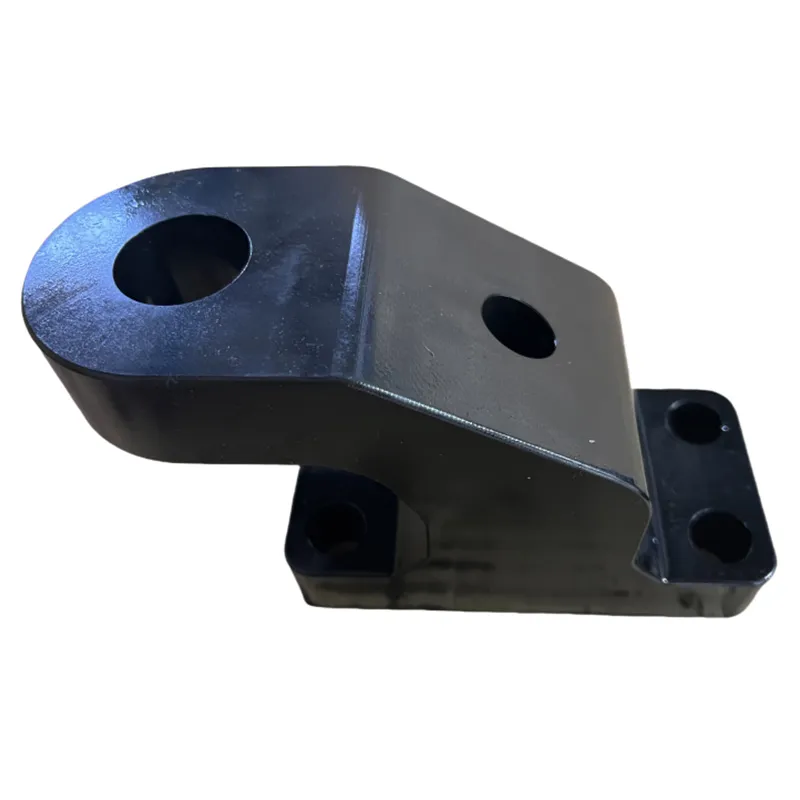
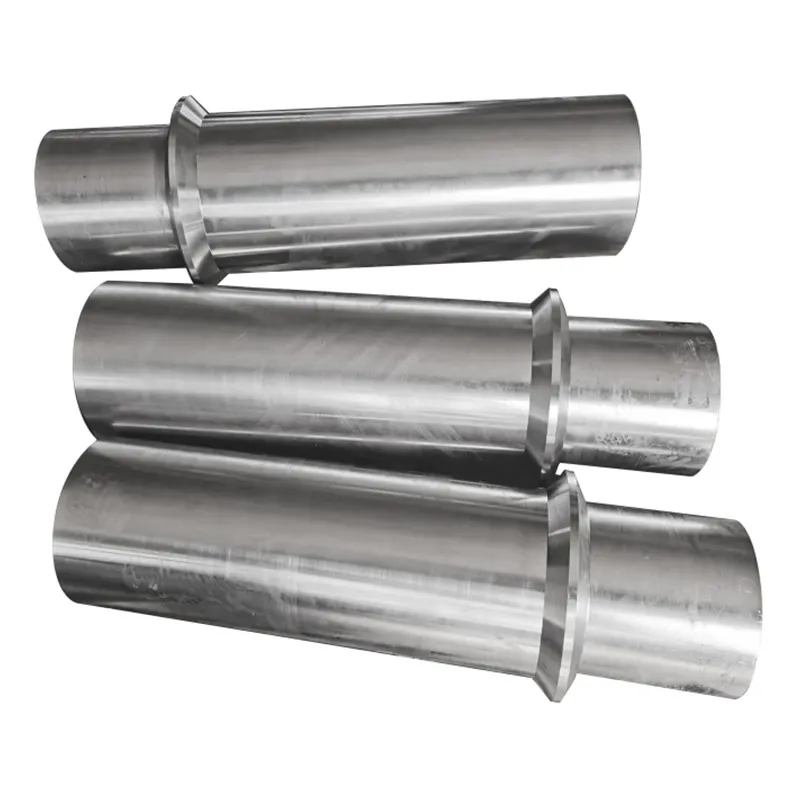
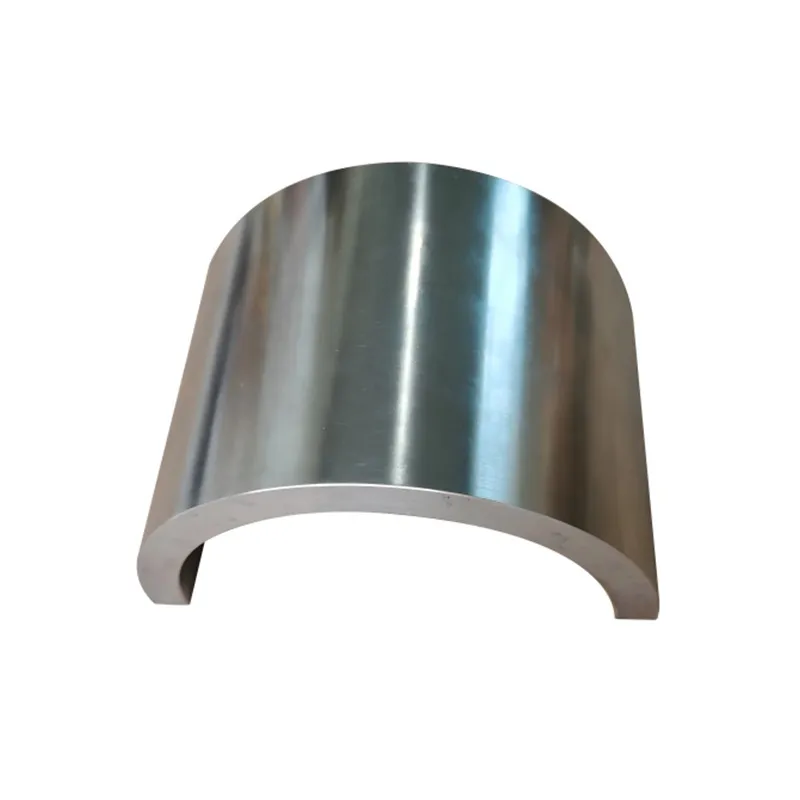
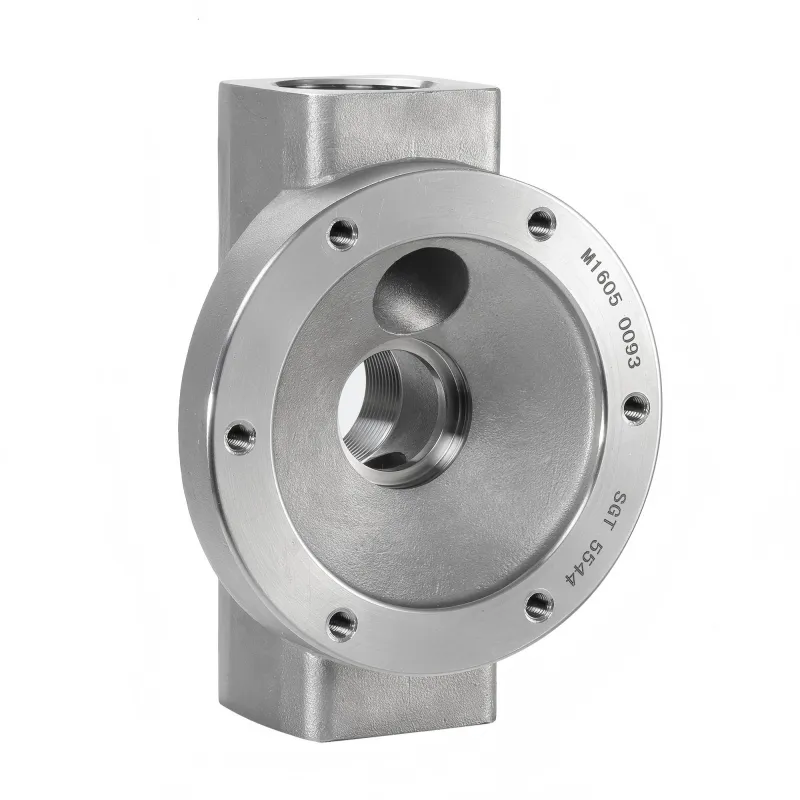
You see Inconel 600 spec'd on drawings all the time for high-temp or corrosive environments, and it's almost become a default choice. But that's where the first trap lies – thinking it's a one-size-fits-all super alloy. It's not. It's a solid, reliable nickel-based alloy, sure, with great oxidation resistance up to about 2150°F. But I've seen projects go sideways when people assume its corrosion resistance covers everything, like hot chlorides or reducing acids. It doesn't. That's a job for Inconel 625 or C-276. 600 is your go-to for furnace components, chemical processing hardware, or electrical heating elements because it's stable, it's predictable, and frankly, it's been around forever so there's a mountain of data. But predictable doesn't mean simple to work with.
The Machining Dance: Respecting the Material
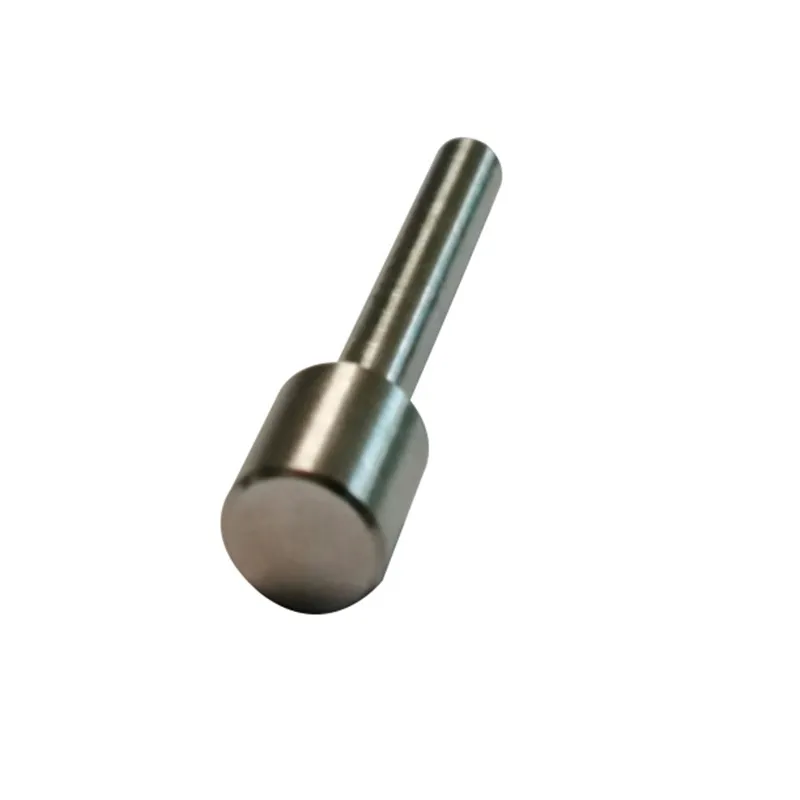
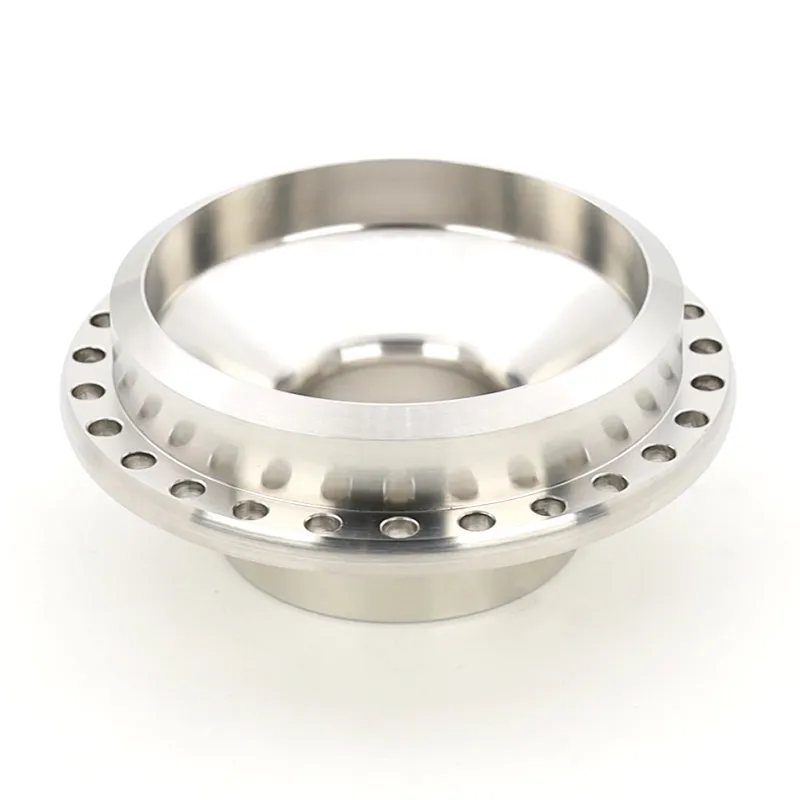
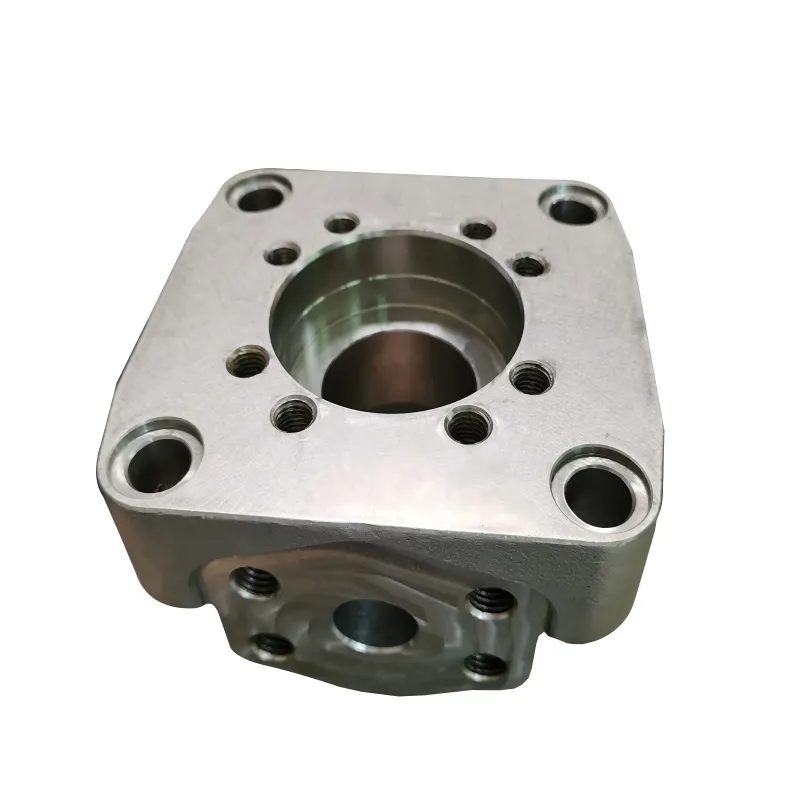
Let's talk about getting it into shape. If you're coming from machining 304 or even 316 stainless, Inconel 600 will feel different. It work-hardens. Aggressively. A light, hesitant cut is the worst thing you can do – you'll just glaze the surface and murder your tool. You need to get under that work-hardened layer with a positive rake, sharp tools, and maintain a consistent, firm feed. Carbide is basically mandatory. We run a lot of our CNC machining jobs for clients who need precise components from bar stock or near-net-shape castings, and the programming has to account for this. Coolant flow is critical, not just for cooling but to help with chip evacuation. Stringy chips can wreak havoc.
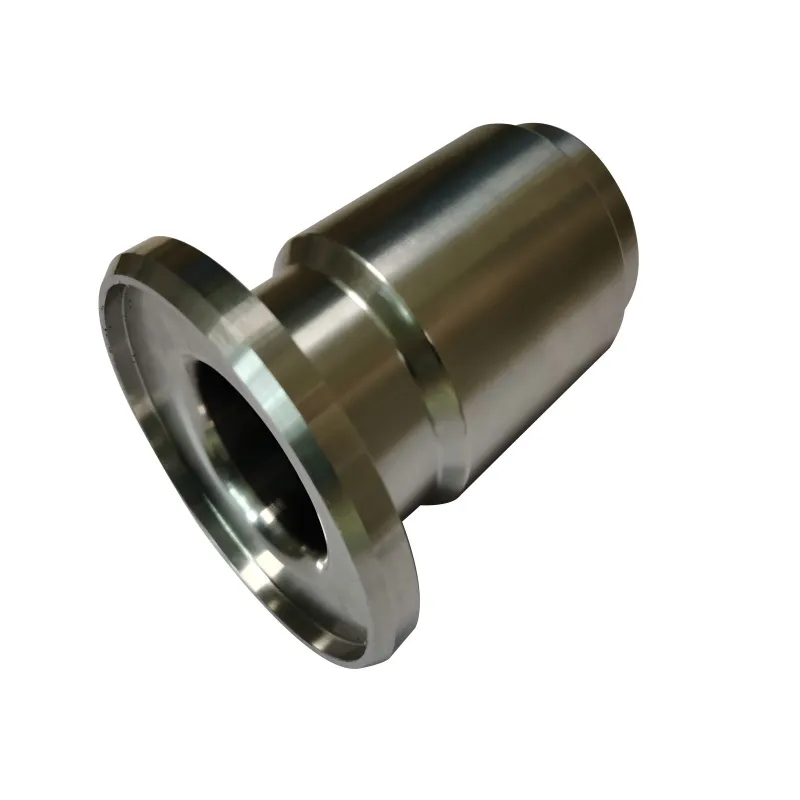
I remember a batch of valve stems we were turning. The print called for a fine finish on a long, slender section. The first few parts came out with a terrible chatter pattern. We checked everything – tool runout, spindle bearings, workpiece clamping. The issue? We were using the same insert geometry we used for a similar 17-4PH part. Wrong. Switched to a sharper, more positive geometry with a dedicated Inconel grade substrate, reduced the nose radius slightly, and increased the feed just a touch. The chatter disappeared and the finish was like glass. It's those subtle adjustments that come from running the job, not just reading the handbook.
Drilling and tapping are their own special challenge. Peck drilling is your friend to break the chips. For tapping, we almost always specify spiral-flute taps for through-holes or form taps for certain blind-hole applications. The key is to never let the tool dwell. It's a continuous, confident motion. If you stop, you're likely to snap the tap or gall the threads beyond recovery. We keep a dedicated set of tooling for these nickel-based alloys at our shop to avoid cross-contamination of wear patterns from steel jobs.
Casting Considerations: It's All About the Process
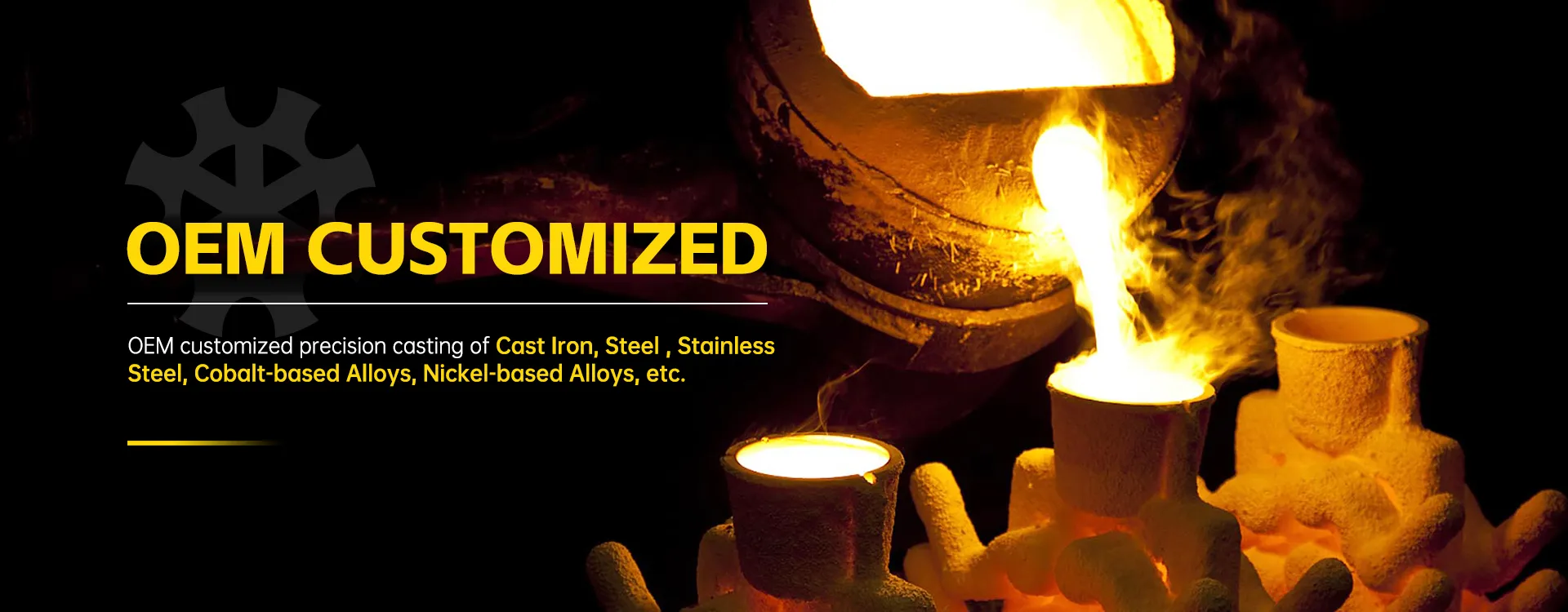
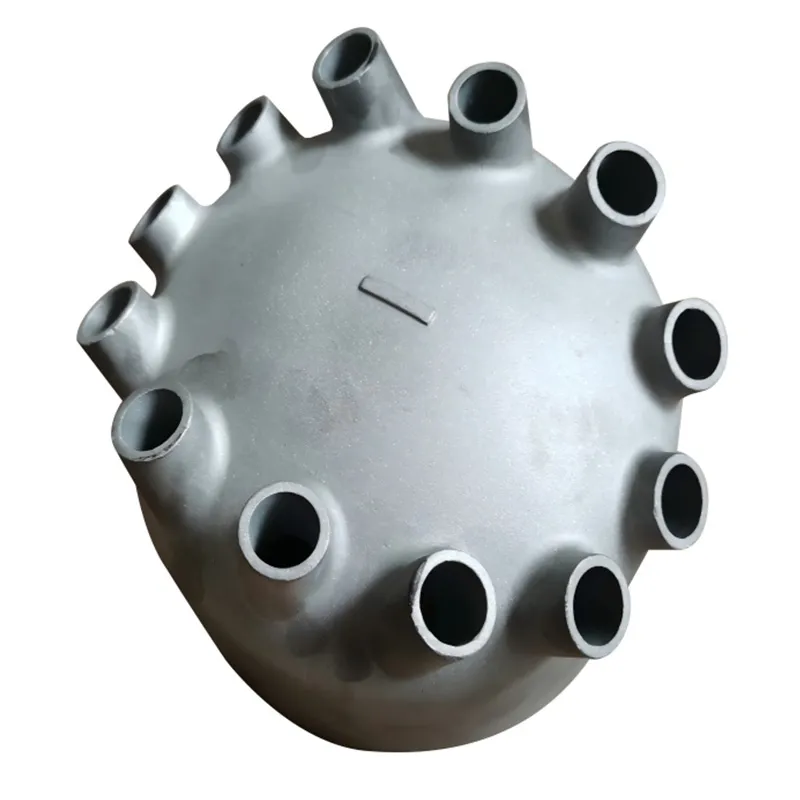
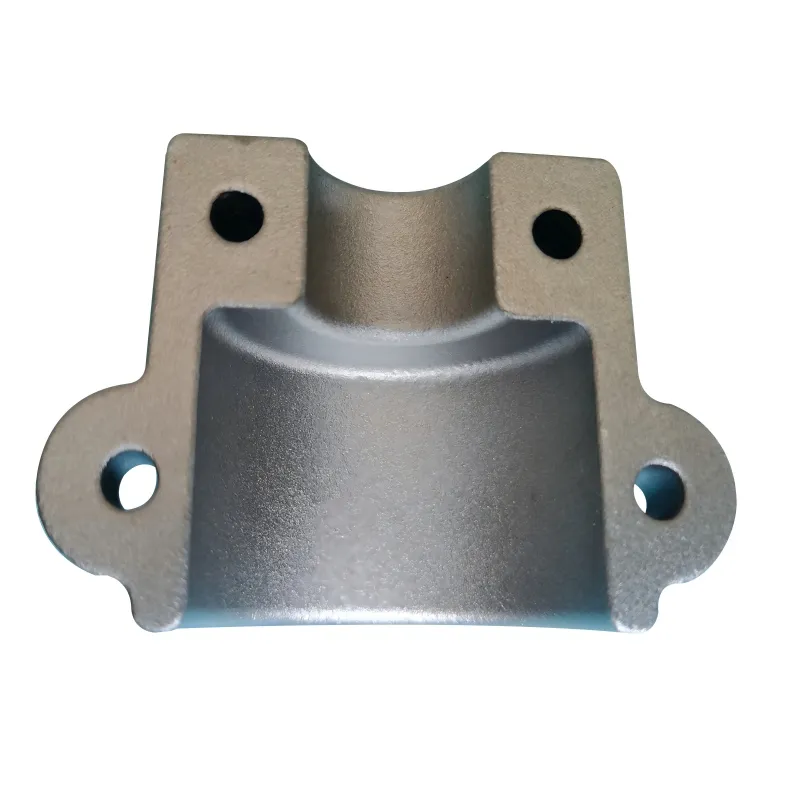
This is where the foundry side of things gets interesting. We do a fair amount of investment casting with Inconel 600, especially for complex, thin-walled components like turbine seals or manifold parts. The alloy pours well, but it's sensitive to pouring temperature and mold preheat. Too cool, and you risk mistruns or cold shuts. Too hot, and you can get excessive grain growth or reaction with the ceramic shell, leading to surface defects.
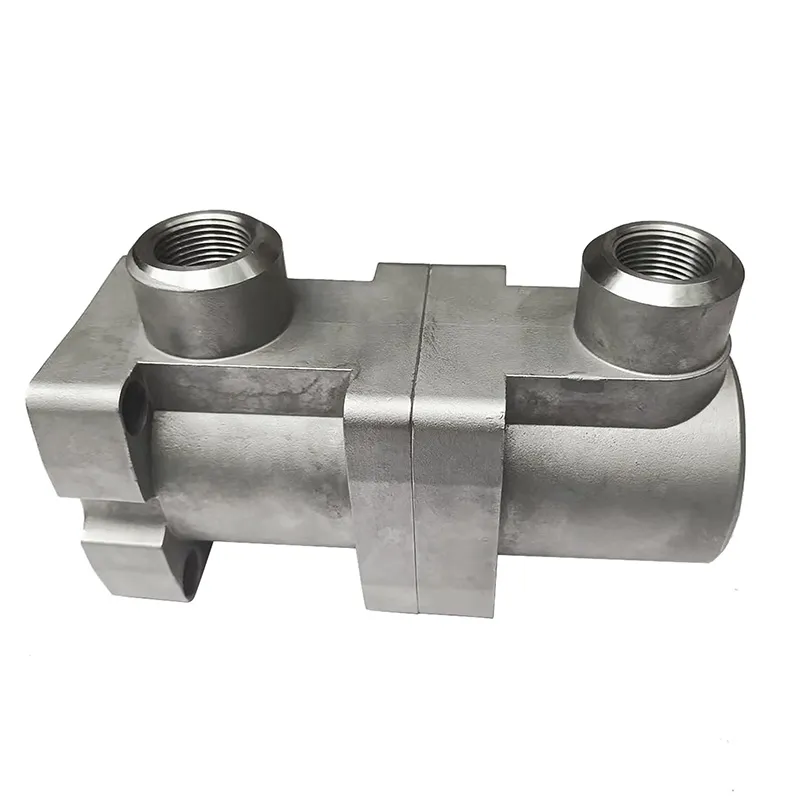
Gating and risering design is absolutely critical. Inconel has a significant shrinkage factor during solidification. If you don't feed the casting properly, you'll get shrinkage porosity in the thick sections. We learned this the hard way years ago on a pump housing. The body was sound, but the heavy flange had a porous zone that only showed up during a later machining pass. Costly. Now, our simulation software helps, but there's no substitute for the foundry engineer's eye when designing the tree layout. We often use exothermic risers or chills to control the solidification direction.
Post-casting heat treatment is usually a solution anneal, typically around °F followed by a rapid quench. This dissolves any secondary phases and gets you back to a uniform, soft condition for machining. But here's a nuance: the quench medium matters. Water quench gives you the softest condition but can induce more stress and distortion on complex shapes. Sometimes, for intricate castings, we might opt for an air cool or even a controlled furnace cool to minimize warpage, accepting a slightly higher hardness. It's a trade-off you discuss with the customer based on the final application's tolerance for distortion versus machinability.
The Supplier Relationship: More Than Just a Purchase Order
You can't just buy Inconel 600 like commodity steel. The quality of the raw material – whether bar, plate, or casting feedstock – is paramount. Traceability is non-negotiable for most of our clients in aerospace, chemical, or power generation. We need the mill certs, the heat number, the full chemical analysis and mechanical property report. A minor variation in carbon or aluminum content can shift the properties noticeably.
This is why long-term relationships with reputable mills and foundries matter. For our casting operations at Qingdao Qiangsenyuan Technology Co., Ltd. (QSY), we've sourced premium-grade Inconel 600 ingots and revert from a short list of suppliers we've audited and run trials with over our three decades in this business. It's about consistency. A batch-to-batch variation might not show up on a cert, but it can show up as a slight difference in machinability or weldability, throwing off your production schedule.
When we supply a finished machined casting or part, that material traceability follows it all the way. We package the certs with the shipment. For some clients, we even provide macro/micro photos of sample coupons from the same heat. It builds trust. They're not just buying a component; they're buying the assurance that the material pedigree is intact and the processes behind it are controlled. That's what a specialist brings to the table beyond just making a shape.
Welding and Fabrication: Where Theory Meets the Torch
Welding Inconel 600 is common for building up structures or repairing castings. It's considered readily weldable, but readily is a relative term. You must be scrupulously clean. Any oil, grease, or even marker pen residue can lead to carbon pickup and embrittlement in the weld zone. We use stainless steel wire brushes dedicated to nickel alloys for cleaning.
The filler metal is typically ERNiCr-3 for matching composition. You need to control the heat input. Too high, and you can cause excessive grain growth in the heat-affected zone (HAZ), reducing ductility. We use TIG (GTAW) for most precision work, as it offers the best control. For a repair on a large shell mold casting we did for a heat treatment fixture, we had to build up a worn edge. The trick was using a small diameter filler wire, stringer beads, and letting the part cool between passes. No weaving. Just straight, narrow beads to minimize the total heat dumped into the part.
Post-weld heat treatment isn't always required for Inconel 600, but it's often recommended for critical service to relieve stresses and ensure optimal corrosion resistance. The decision hinges on the design code and the service environment. If the welded assembly is going into a cyclic thermal service, we'll almost always insist on a stress relief. It's cheaper than a field failure.
Application Pitfalls and Lessons Learned
It's not all success stories. One that sticks with me involved a set of radiant tubes for a carburizing furnace. The client spec'd Inconel 600 based on its high-temperature strength. The tubes were fabricated beautifully, installed, and failed catastastically after a few months. The problem? Carburization. The furnace atmosphere was rich in carbon, which diffused into the tube wall at operating temperature, forming massive, brittle carbides. The tubes cracked. Inconel 600 has good oxidation resistance, but it's not a carburization-resistant alloy. That was a six-figure lesson. We should have pushed back and recommended an alloy like 601 or 617 for that specific environment. Now, we always ask for the full service atmosphere composition, not just the temperature.
Another subtle point is thermal fatigue. Inconel 600 has good fatigue strength, but in applications with rapid thermal cycling, the coefficient of expansion matters. We had a bracket that was bolted to a structure made of a different material. During cycling, the differential expansion caused high shear stresses at the bolt holes, leading to cracking. The fix wasn't a material change, but a redesign to allow for more movement, switching to slotted holes and different fastening. Sometimes the solution is mechanical, not metallurgical.
So, back to the start. Inconel 600 is a fantastic, versatile alloy. It's the backbone of so many industrial systems. But its value is only fully realized when you, or your supplier, understand its boundaries as well as its strengths. It's not magic. It's a tool. And like any precision tool, its performance depends entirely on the skill and knowledge of the people specifying it, shaping it, and putting it into service. That's the difference between a part that works on paper and one that lasts for decades in the field.