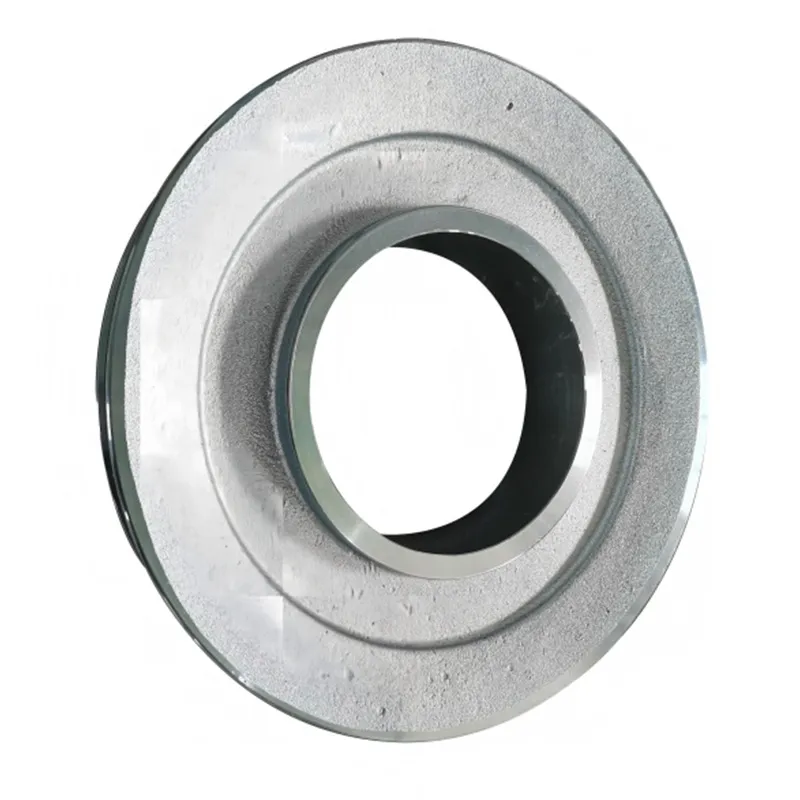
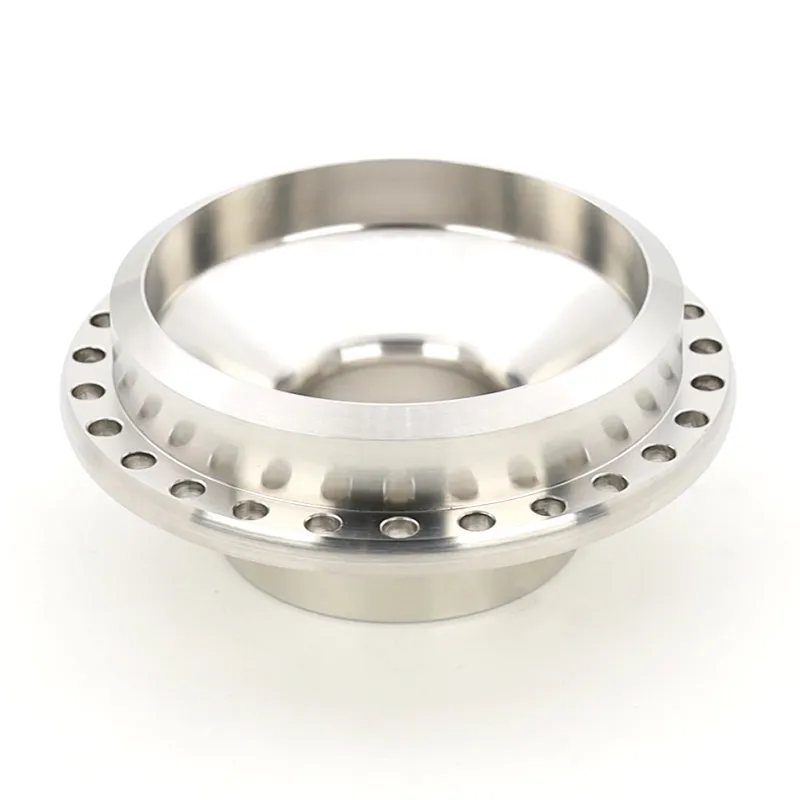
Everyone talks about Inconel 625 like it's a magic bullet for high-temp corrosion. It is, mostly. But if you've actually machined it, welded it, or sourced a casting in it, you know the magic comes with a serious tax. It's not just a 'super alloy'; it's a commitment.
The Hype vs. The Lathe
You see the spec sheet: fantastic oxidation resistance up to 1800°F, great strength, yadda yadda. What they don't headline is how it work-hardens. You take a beautiful, sharp tool into a cut on Inconel 625, get a nice chip going, and suddenly you're not cutting anymore—you're just rubbing and generating enough heat to soften your tool, not the workpiece. The surface gets harder than when you started. I've seen setups that worked perfectly on 316L just get demolished. You need rigid machines, positive rake geometries, and the nerve to run slower with a heavier, consistent feed. Hesitation is death.
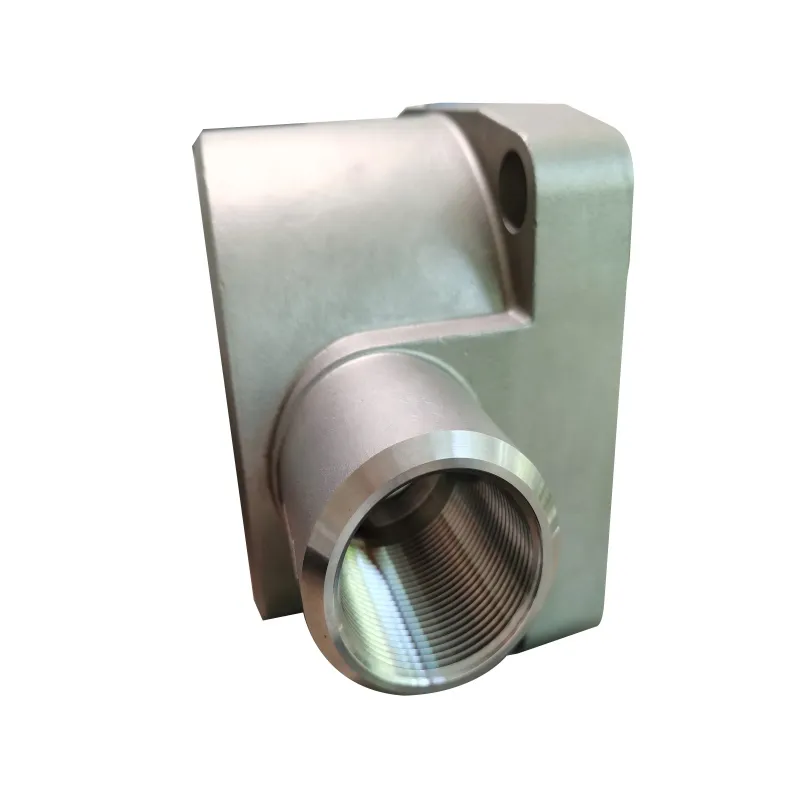
Coolant isn't optional, it's strategic. You need high pressure to get it right to the cutting edge to break the heat barrier and wash away chips. If chips recut, it's game over for the finish and the tool. I remember a job where we were machining a large valve body from a Inconel 625 casting. We thought we had it dialed in, but on the final boring pass, a stringy chip wrapped around the bar. It left a galling mark on the ID so bad we had to scrap the part. A $20,000 lesson in chip control.
And sourcing the stock or casting matters. Not all 625 is created equal. The melt practice, the grain structure—it impacts machinability dramatically. A porous casting will destroy tools faster than you can say insert grade. You need a supplier who understands this from the foundry up, not just a warehouse with a bar saw.
Welding: Where the Chemistry Test Happens
Welding Inconel 625 is less about joining and more about preserving its properties. The big enemy is carbide precipitation in the heat-affected zone (HAZ). You get it too hot for too long, and chromium carbides form along the grain boundaries. Suddenly, your corrosion-resistant wonder material has a nice little path for attack right next to the weld. It looks fine, but it'll fail in service.
You need tight control on heat input. Low amperage, stringer beads, lots of stops to let it cool. And you absolutely must use the right filler—usually 625 filler metal itself or sometimes ERNiCrMo-3. Using a stainless filler because it's handy is a guaranteed failure. I've seen repair jobs on pump housings where someone did just that. The weld held pressure, but it cracked from chloride stress corrosion in six months. The post-mortem showed the stark line where the chemistry changed.
Pre and post-weld cleaning is religious. No grease, no sulfur, no nothing. Any contamination gets sucked into the weld pool and forms brittle phases. It's a cleanliness level that feels surgical.
The Casting Conundrum
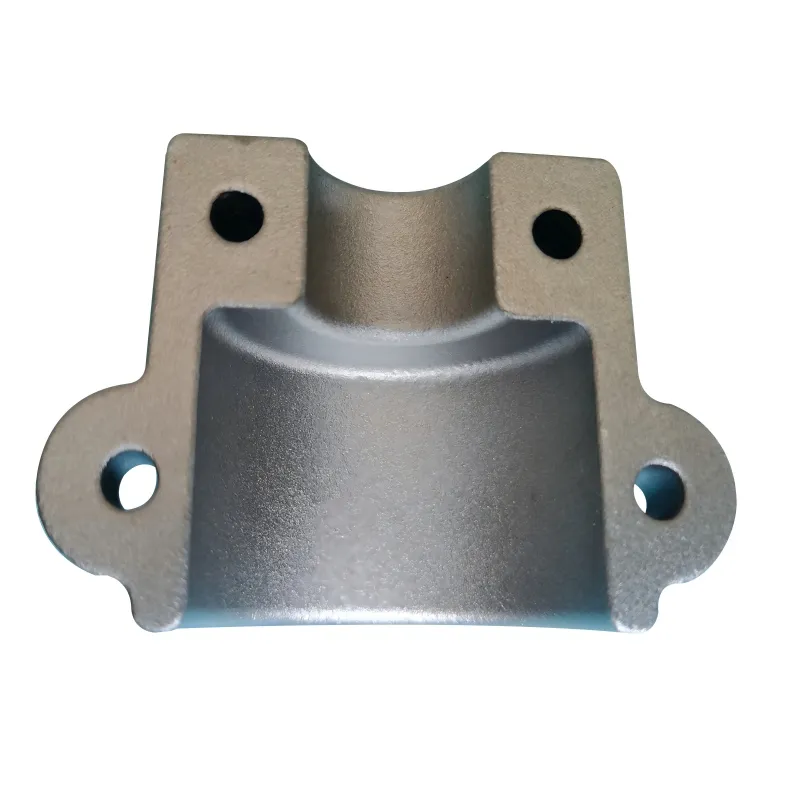
Getting a sound casting in Inconel 625 is an art. The alloy has a long freezing range, which makes it prone to micro-porosity and hot tearing if the gating and risering isn't perfect. You can't just pour it like cast iron. The foundry needs to control the mold temperature, the pour rate, everything.
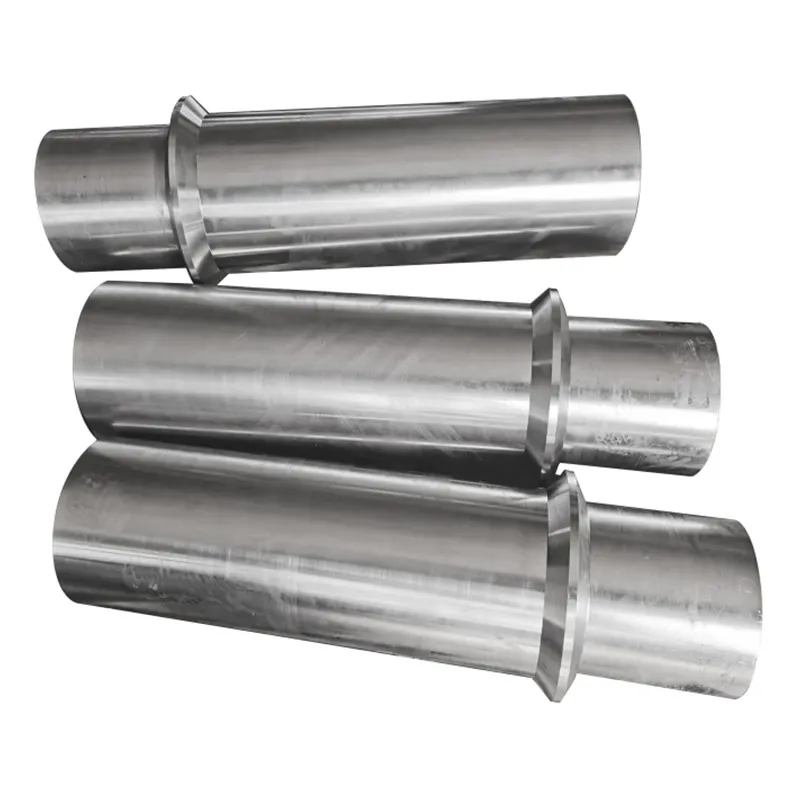
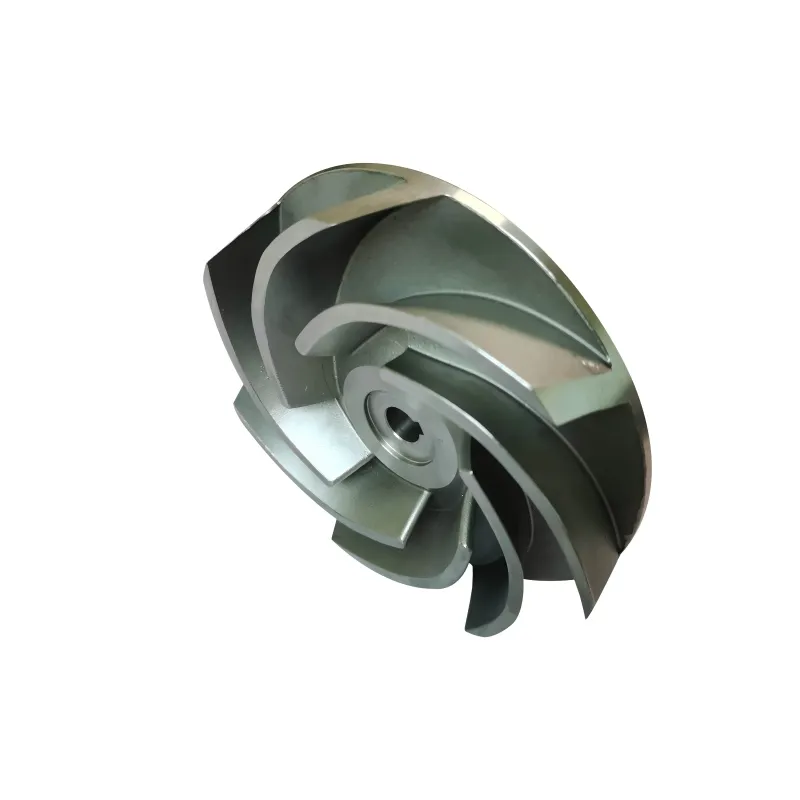
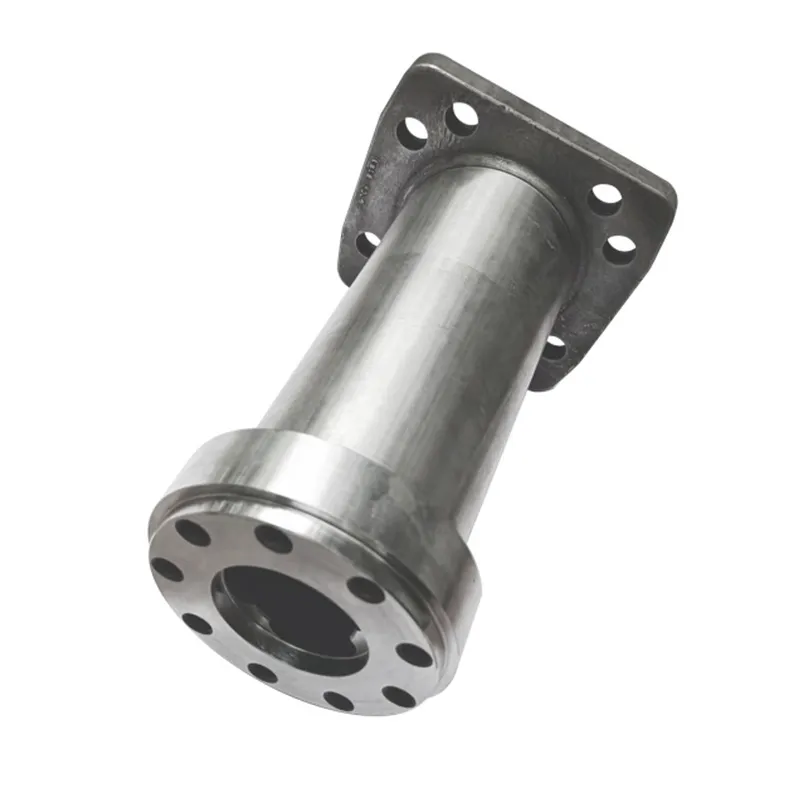
This is where experience over decades really counts. A company like Qingdao Qiangsenyuan Technology Co., Ltd. (QSY), with their 30 years in shell and investment casting, would have built up that specific pattern knowledge. They'd know how to orient a complex turbine housing in the mold to minimize shrinkage stress, or how to design the feed system for a thick flange transitioning to a thin wall. It's tribal knowledge you can't get from a manual.
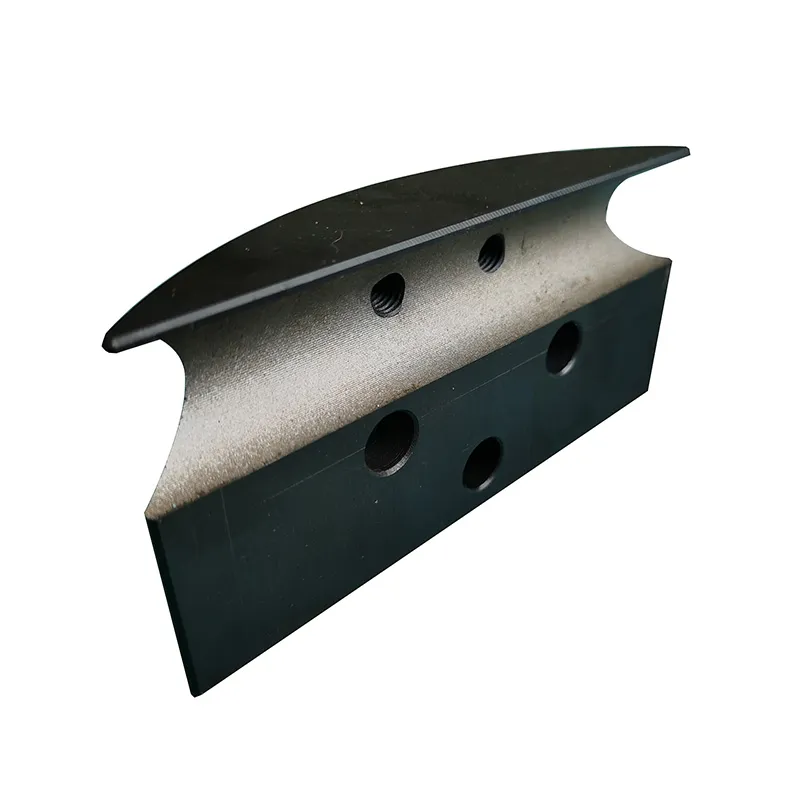
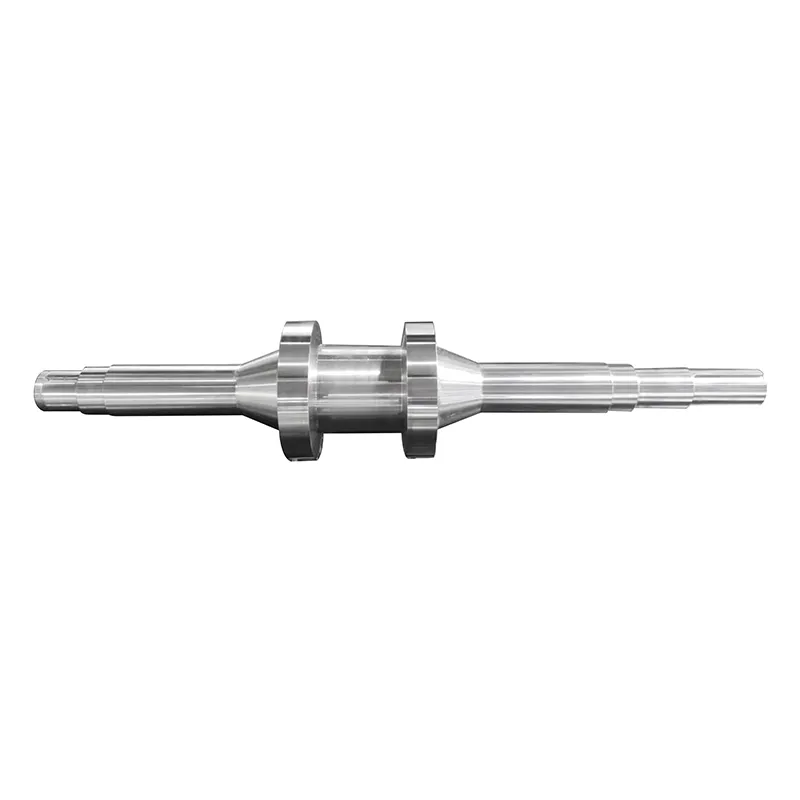
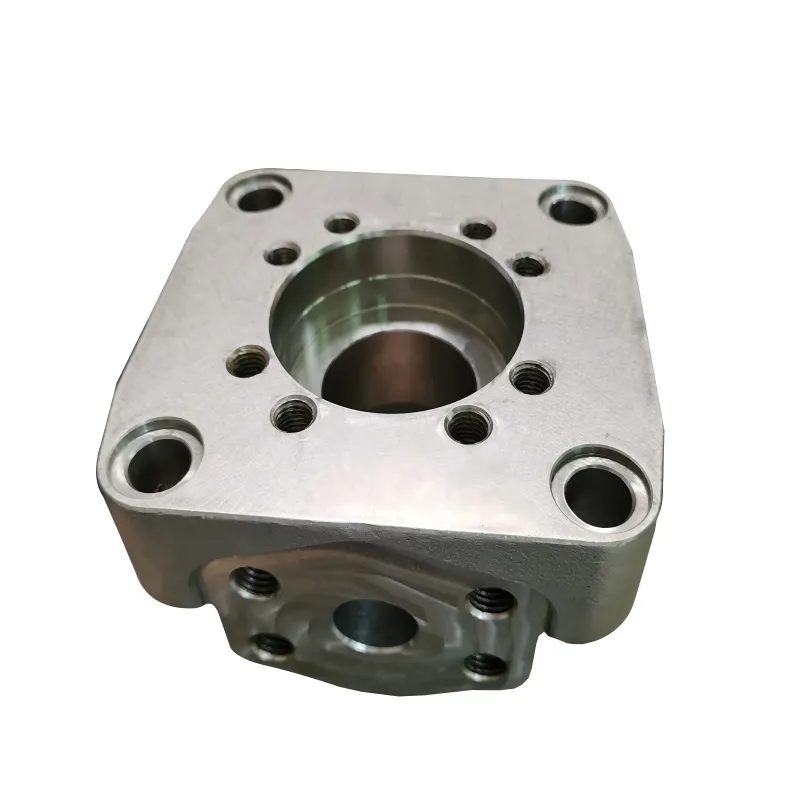
Their background in nickel-based alloys and CNC machining is key. They're not just making a shape; they're thinking about how the final part will be machined and welded. Do they leave enough stock on critical faces? Do they position the parting line to minimize finishing work on a sealing surface? That integrated mindset saves a fortune downstream.
When to Use It (And When to Walk Away)
So with all this headache, why use it? Simple: when nothing else survives. Seawater environments with high chloride content. Flue gas desulfurization systems. High-temperature fasteners exposed to sour gas. It's the default for critical, non-moving parts in aggressive chem/petrochemical settings.
But I've pushed back on specs before. A client wanted a full Inconel 625 manifold for a mild organic acid service at 300°F. That's overkill. We ran a lifecycle cost analysis comparing it to a high-moly duplex stainless. The duplex won on initial cost, fabrication cost, and would have lasted the 20-year design life. Sometimes engineers specify 625 because it's on a list of corrosion-resistant materials, not because it's the economical choice. Part of the job is knowing when to suggest a step down.
The other walk-away moment is when the design has sharp corners or requires a ton of intricate, deep machining. The stresses you induce might not be worth it. Sometimes, redesigning the component to be more fabrication-friendly is smarter than fighting the material.
The Real-World Supply Chain
You don't just order Inconel 625. You qualify a source. For castings, you're looking for a foundry that can provide material certs that trace back to the heat, with full chemistry and mechanicals. You might even specify your own heat treatment protocol—solution annealing at 2150°F ±25°F followed by a rapid quench is standard to dissolve those harmful carbides.
For a full-service partner, you want someone who handles the whole journey. Looking at QSY's scope—from the investment casting of the special alloys to the final CNC machining—that eliminates a lot of finger-pointing. If there's a flaw found during machining, it's on them to solve it, not a debate between the foundry and the machine shop. That continuity is huge for complex, high-value parts.
Lead times are long. Good material isn't sitting on a shelf. Good foundry capacity is booked. Anyone promising quick turnaround is cutting corners, guaranteed. Plan for months, not weeks.
In the end, Inconel 625 is a phenomenal material that demands respect. It's not a commodity; it's a partnership between the designer, the metallurgist, the foundry, and the machinist. Get that chain right, and you get a component that outlives the plant it's installed in. Miss a link, and you get a very expensive paperweight. The difference is in the gritty, unglamorous details of how it's made.