When most people hear 'industrial mixer components,' they immediately picture the agitator or the motor. That's the surface level. The real story, the one that determines if a mixer runs for a decade or fails in a year, is in the less glamorous bits—the shaft sealing, the gearbox internals, the bearing housing design, and crucially, the material integrity of every single part. I've seen too many operations focus on horsepower while ignoring the metallurgy of a simple impeller blade, only to face catastrophic corrosion or fatigue failure. It's not just about moving fluid; it's about building a system where every component can survive the specific hell you're putting it through.
The Foundation: Material Selection Isn't a Catalog Choice
You can't just pick 'stainless steel' and call it a day. A 304SS shaft in a high-chloride brine application? That's a scheduled breakdown. The material choice for mixer components is the first and most critical engineering decision. It's where partnerships with foundries and machinists who get it matter. For instance, we once spec'd a standard carbon steel for a large tank's support bracket. It passed the load calculations with flying colors. What it didn't pass was the real-world test of constant, fine mist from the process creating a perfect corrosion environment at the weld points. Failure wasn't dramatic; it was a slow, costly sag.
This is where deep-supplier knowledge comes in. A company like Qingdao Qiangsenyuan Technology Co., Ltd. (QSY), with their 30 years in casting and machining, understands this nuance. It's not just about making a part; it's about advising that for a particular acidic slurry, a 316L stainless might be the baseline, but a Hastelloy C-276 investment casting for the agitator is what actually lasts. Their work with nickel-based and cobalt-based alloys is often the difference between a component that's a consumable and one that's an asset. You learn to value suppliers who ask about the process media, temperature cycles, and even cleaning protocols before they quote.
The failure I mentioned earlier? We rectified it by moving to a duplex stainless steel for the bracket, but more importantly, by redesigning the geometry to eliminate liquid traps. The lesson was that material and design are inseparable. A poor design will defeat the best alloy, and a subpar material will undermine the smartest design. You start looking at every component, even a seemingly inert shaft sleeve, through this dual lens.
Sealing Systems: The Perpetual Battlefield
If material selection is the foundation, the sealing system is the perpetual maintenance headache—or triumph. Mechanical seals versus gland packing isn't just an initial cost decision; it's a commitment to a type of ongoing labor and risk. I'm a proponent of double mechanical seals with a compatible barrier fluid for anything remotely hazardous or valuable. Yes, the upfront cost is higher. But the cost of a single major leak—in product loss, environmental remediation, or downtime—eclipses that.
The devil is in the seal support system's components: the reservoir, the pressure gauges, the tubing. I've seen a $15,000 seal fail because a cheap plastic sight glass on the reservoir cracked and nobody noticed the fluid level drop. The supporting components for the seal are as critical as the seal faces themselves. They must be robust, visible, and serviceable. We standardized on specific, ruggedized gauge styles and metal-bodied reservoirs after that incident.
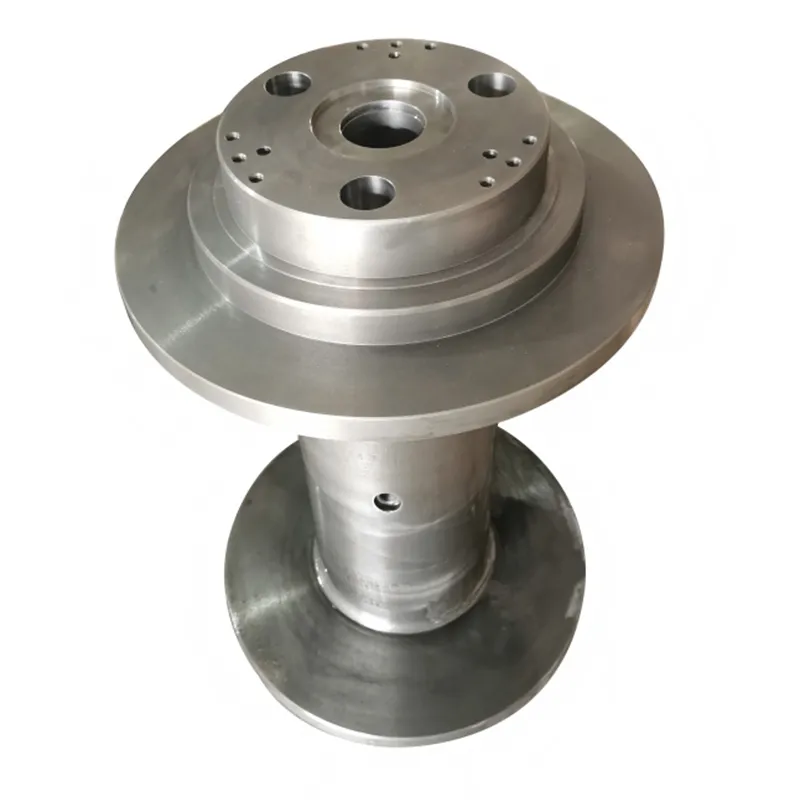
Another nuance is the shaft finish at the seal interface. It's not just about Ra roughness. It's about hardness and runout. A seal will forgive a little misalignment, but a soft shaft that gets scored or excessive whip will destroy it. This ties back to the machining capability of your component supplier. The precision on the shaft, the true running of the threads for the impeller nut, these aren't 'nice-to-haves.' They are what allow the sealing system to function as designed. A shop that does serious CNC machining as part of their offering, like QSY lists, brings that necessary precision to the table for these critical dimensions.
Gearing and Drive Train: Where Efficiency Gets Lost or Found
The gearbox is the heart, but we often treat it like a black box. The trend is to buy a packaged unit from a dedicated drive manufacturer, and that's generally smart. However, understanding its internal components informs everything from mounting to maintenance. Helical versus worm gear? That decision impacts efficiency, heat generation, and physical footprint for the entire mixer structure.
The interface points are where custom industrial mixer components come into play. The coupling between the gearbox output shaft and the mixer shaft is a classic failure point. A rigid coupling demands near-perfect alignment during installation and throughout operation—a rarity as tanks and structures settle. A flexible disc coupling buys you some forgiveness. We learned to insist on laser alignment during installation, not a straight-edge check. The hour of extra labor saves days of downtime later from bearing and seal failures caused by vibration.
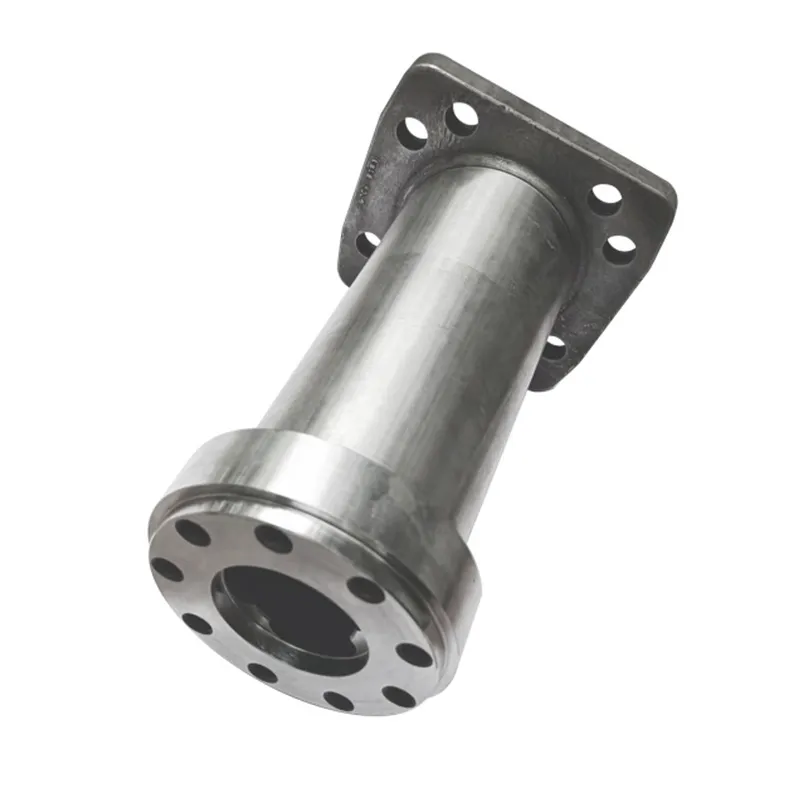
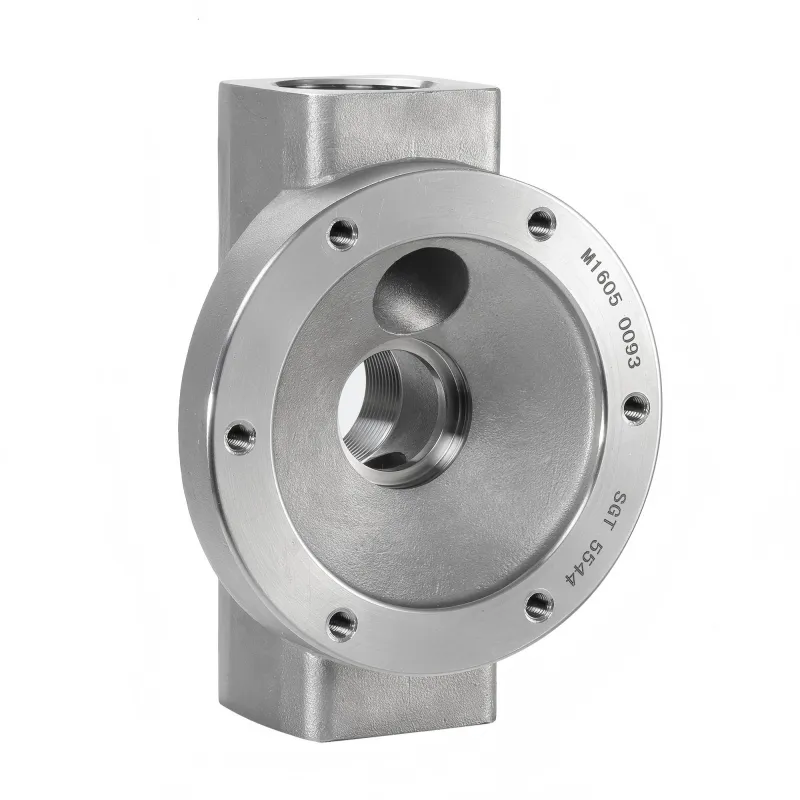
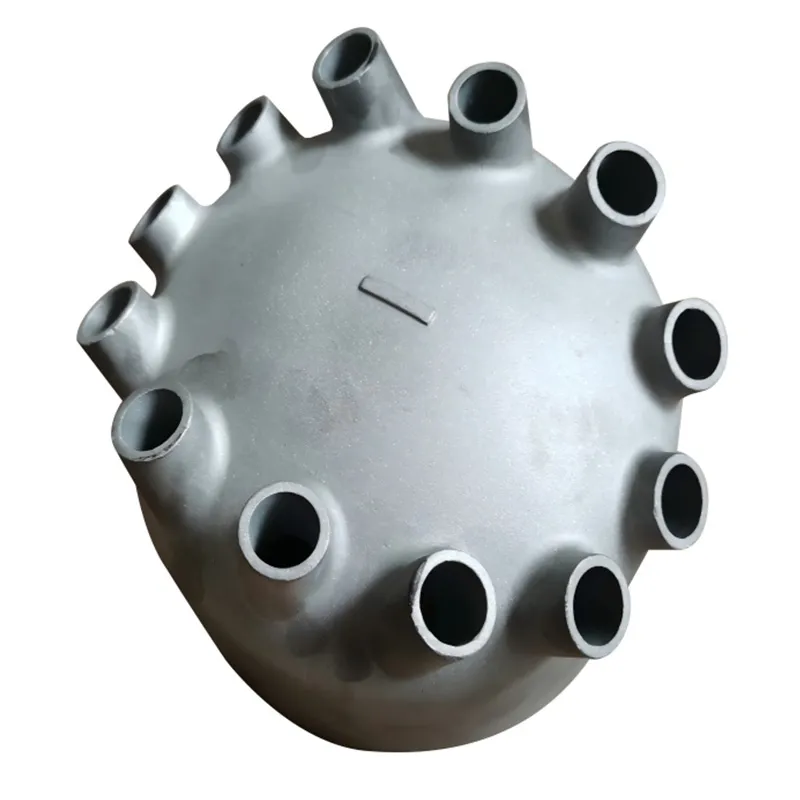
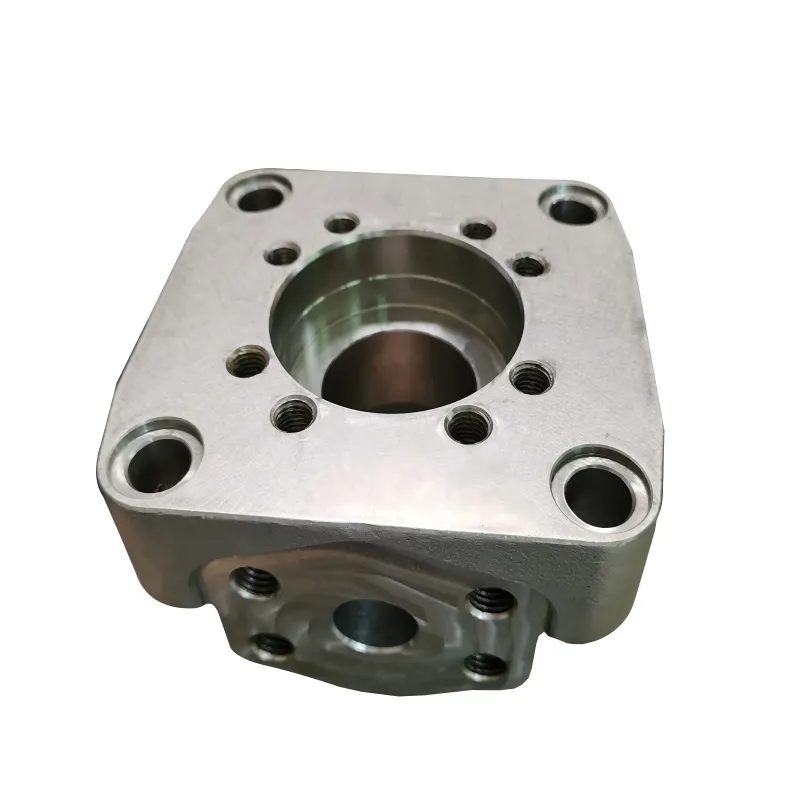
Then there's the bearing housing on the mixer itself. It must be designed not just to hold a bearing, but to allow for heat dissipation, proper lubrication, and exclusion of process contaminants. A poorly cast housing with internal cavities that trap grease and heat will cook its bearings. The quality of the casting—its density, consistency, and finish—is paramount. This is the hidden value of a supplier experienced in shell mold casting and investment casting. A sound, clean casting for a bearing block or a gearbox housing is the unsung hero of reliability.
The Agitator Assembly: More Than the Sum of Its Parts
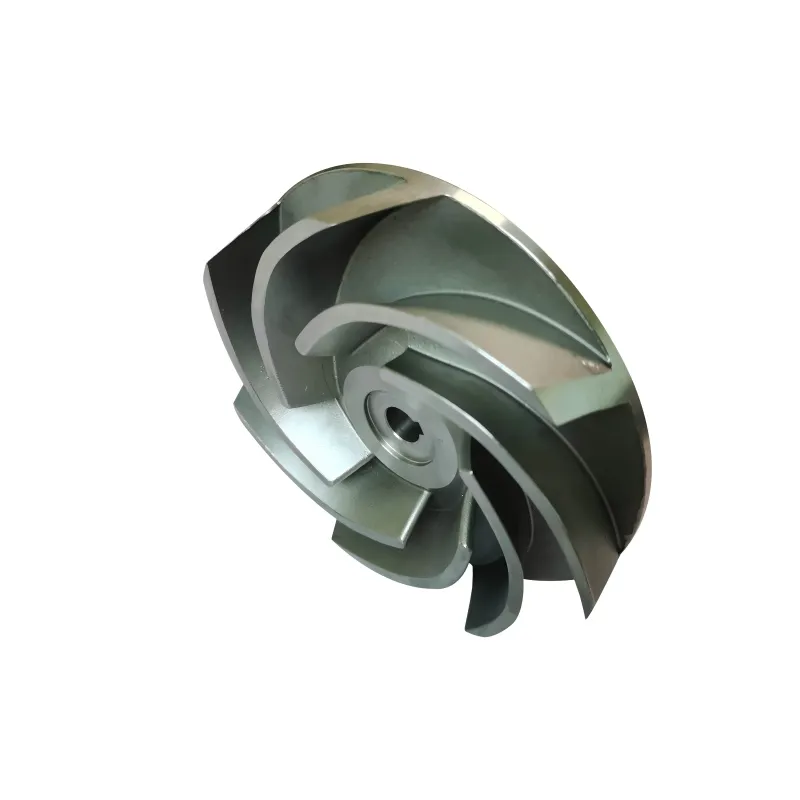
Everyone focuses on the impeller design—hydrofoil, turbine, anchor. That's important for process results. But the assembly that holds it is important for survival. The shaft, the hub, the blades, the fasteners. Are the blades welded on, or bolted? Welding can induce stress and distort the precise pitch of a hydrofoil. Bolting allows for replacement but introduces crevice corrosion points if not designed and made from the correct material.
We had a case with a large, bolted-turbine impeller where the bolts kept loosening, despite using thread-locker. The root cause was traced back to minor, but cumulative, machining tolerances on the blade root slots and the hub. Under load, there was just enough play to create micro-movement, which worked the bolts loose. The fix wasn't more lock-washers; it was re-machining the hub and blades as a matched set to a tighter tolerance. It highlighted that for complex agitator assemblies, the components need to be machined with their final assembly in mind, often by the same hands or under tight coordination.
This is the kind of holistic view a full-service provider brings. If a company is handling the investment casting of the impeller and the subsequent CNC machining of the mounting surfaces, they control the critical interfaces. The consistency in material lot, the understanding of how the cast structure machines, it all adds up to a more reliable final component. It reduces the finger-pointing when something goes wrong, because the accountability is unified.
Integration and the Reality of Field Work
All these perfect components mean nothing if they're a nightmare to install or service. That's the final, practical filter. Does the design allow a mechanic to actually get a wrench on the impeller nut? Is there a lifting eye cast into the heavy gearbox housing? Are there standardized bolt patterns on mounting flanges, or does every assembly require custom drilling on-site?
I remember a retrofit where we had a beautiful, custom-machined shaft seal cartridge. Technically flawless. It required a 3mm axial slide into the housing. The problem? There was no way to grip it evenly to make that slide without damaging the seal faces. We ended up fabricating a makeshift installation tool on-site. A good design considers the journey from the crate to its operating position. Sometimes, the most valuable component is the simple installation jig or the alignment marks cast into a flange.
This is where the rubber meets the road. The best industrial mixer components are those engineered with not just the process in mind, but the grease-covered hands that will maintain them. It's about designing for the real world of confined spaces, limited tools, and the need for clear, unambiguous assembly sequences. The goal is to build a system where the components don't just work well together on paper, but in the dim, noisy reality of the plant floor, year after year.