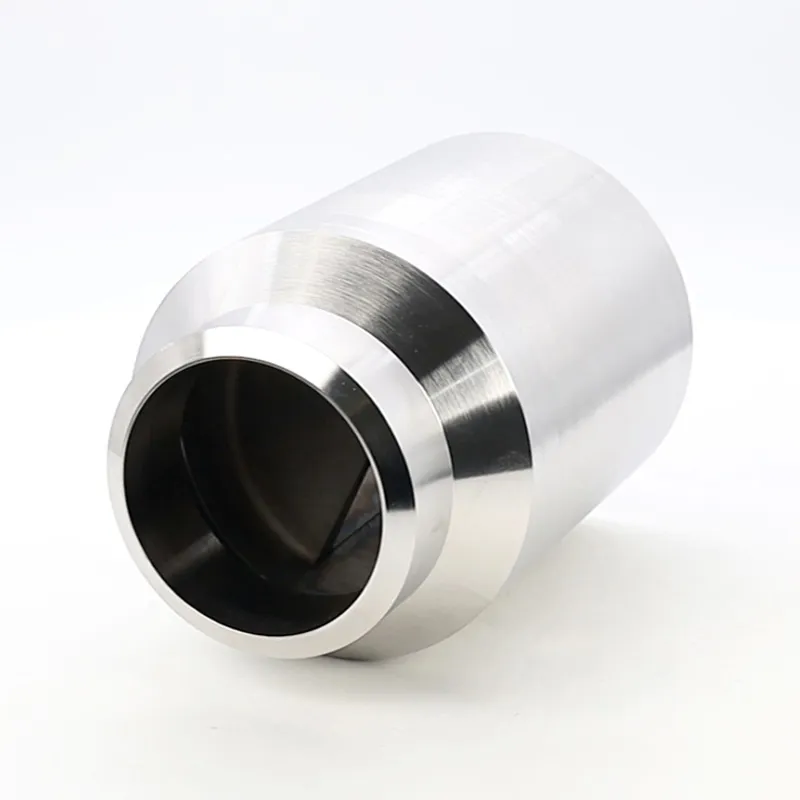
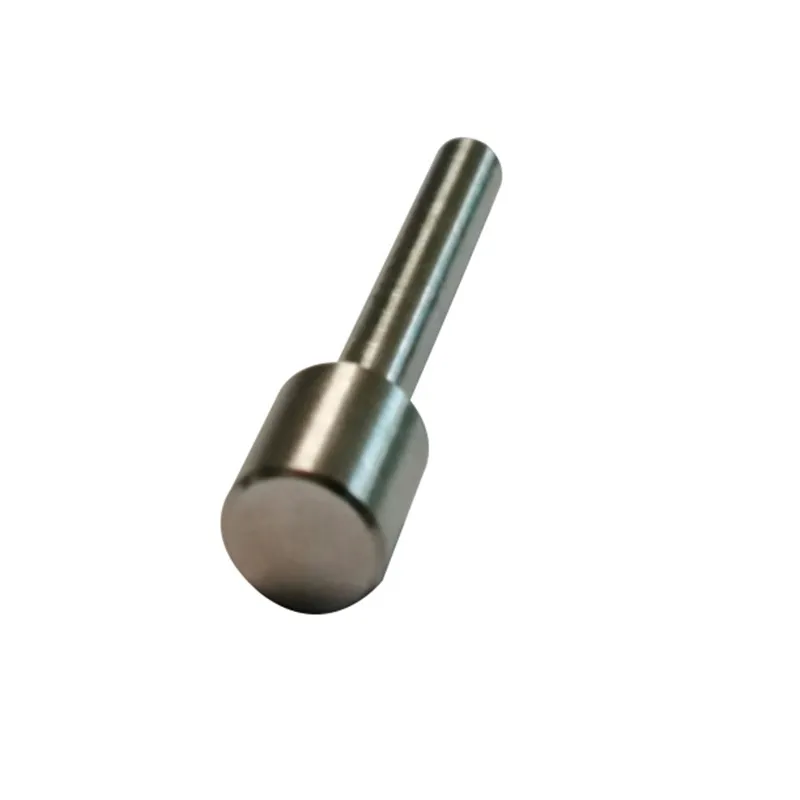
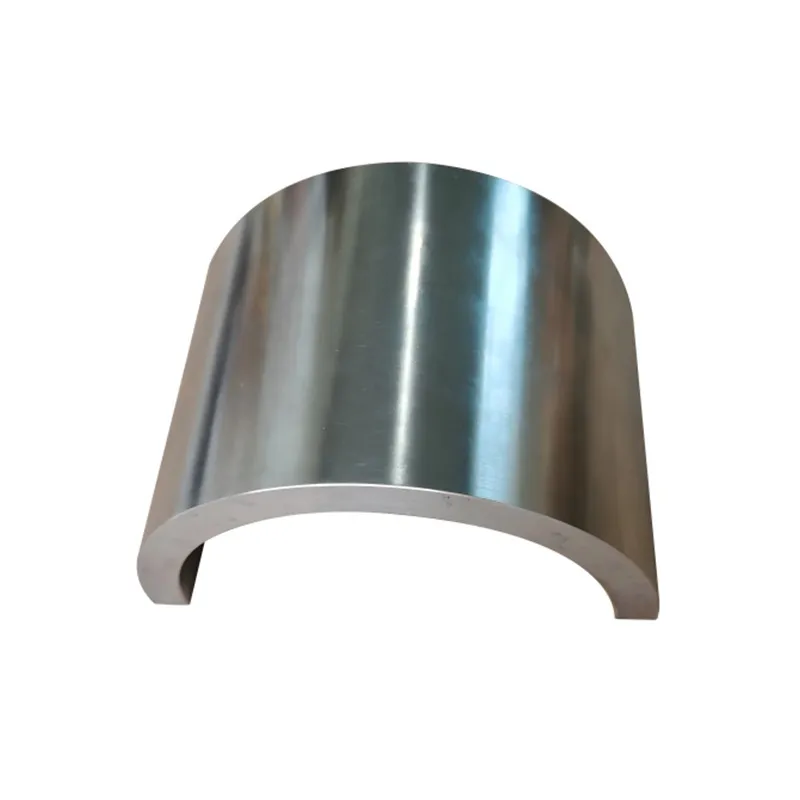
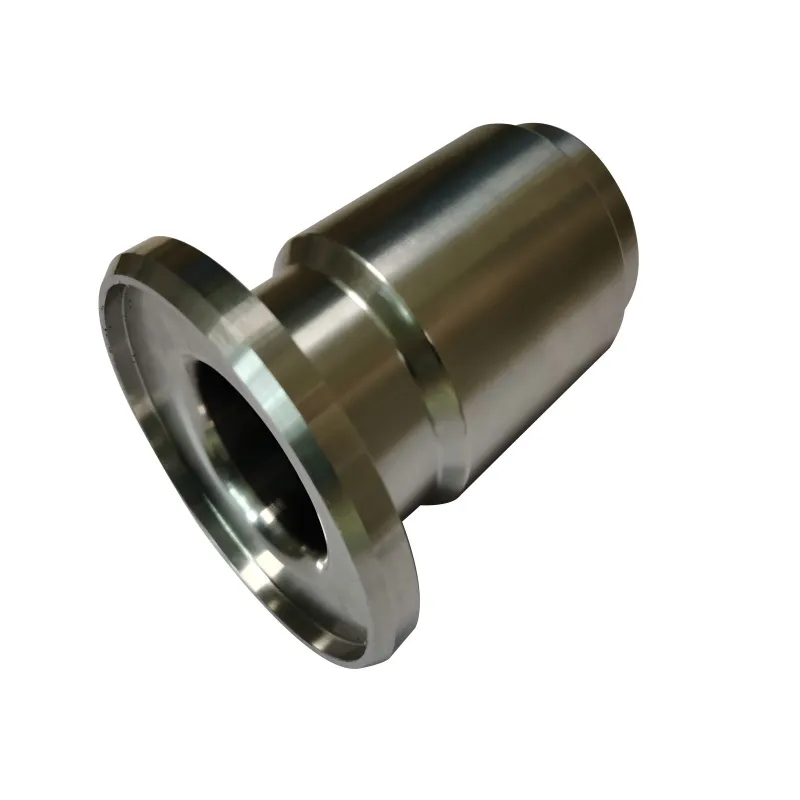
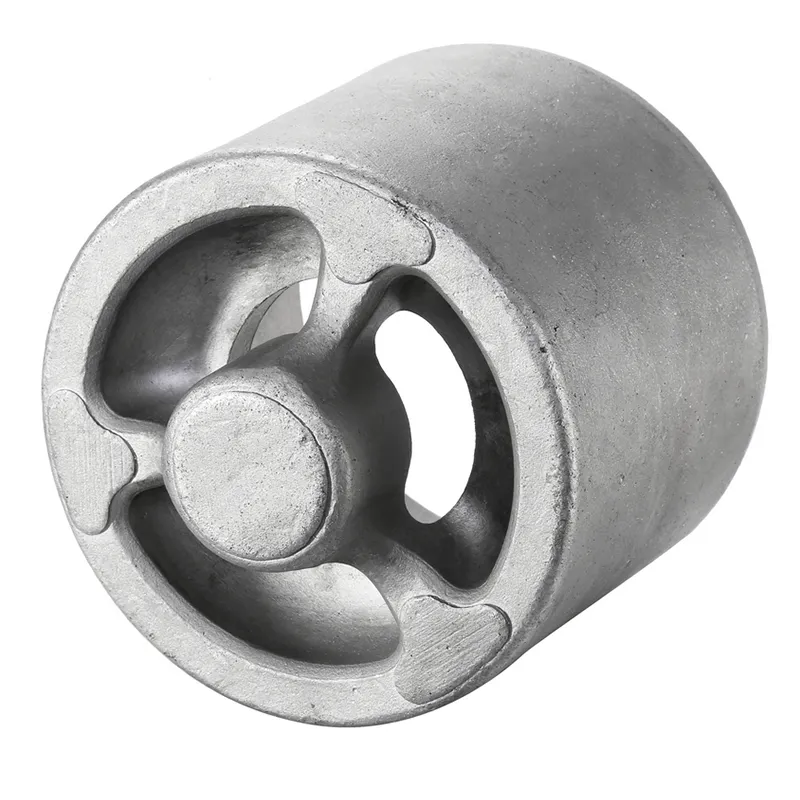
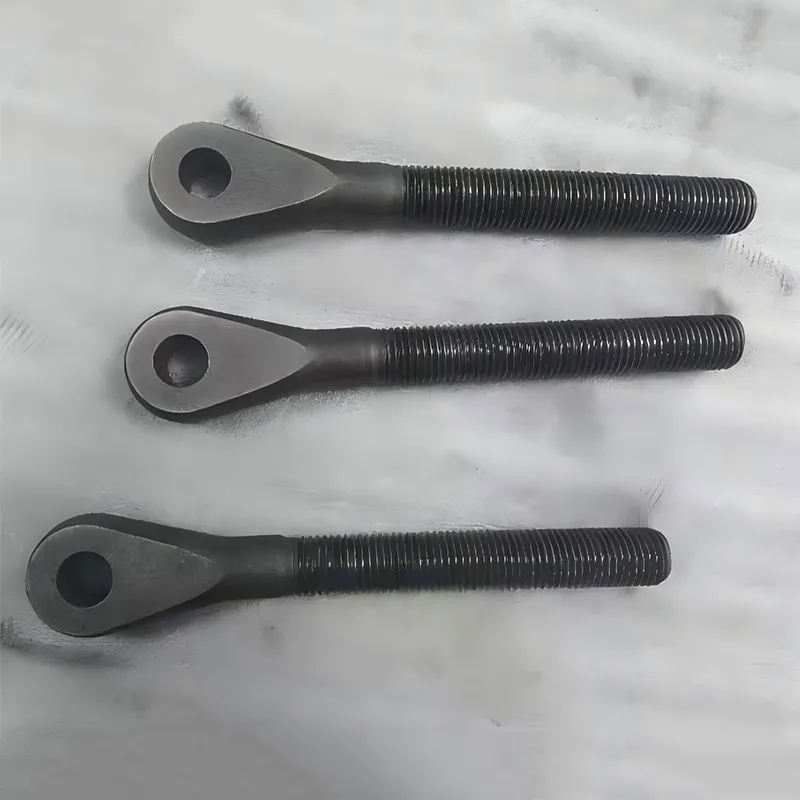
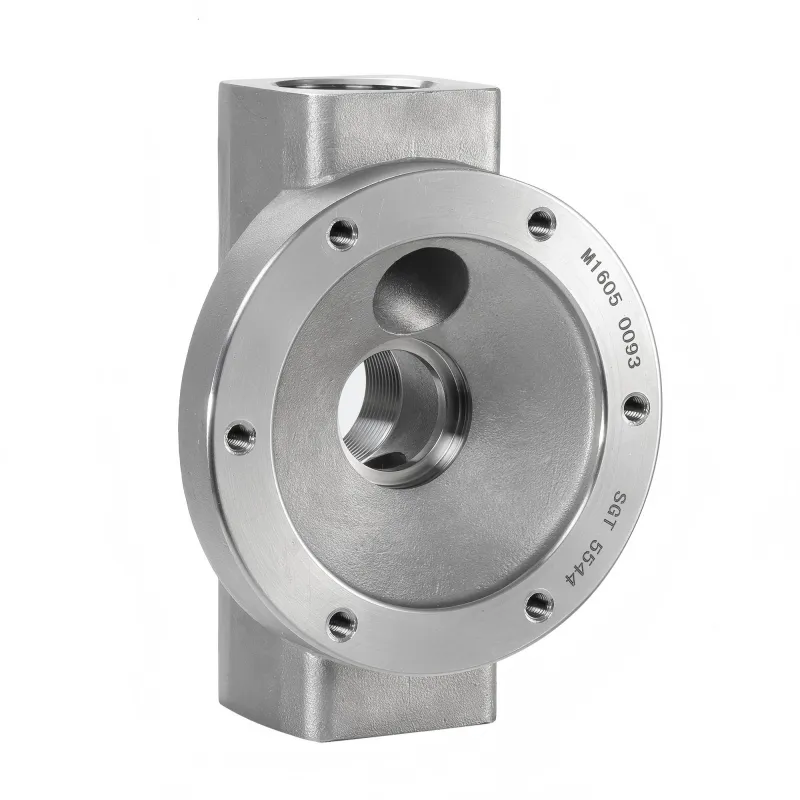
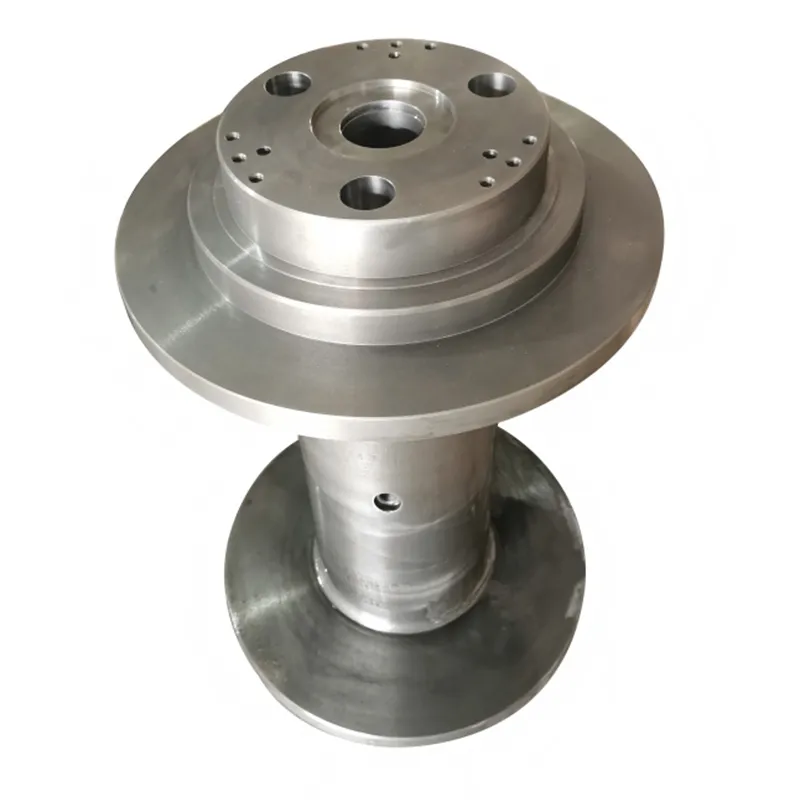
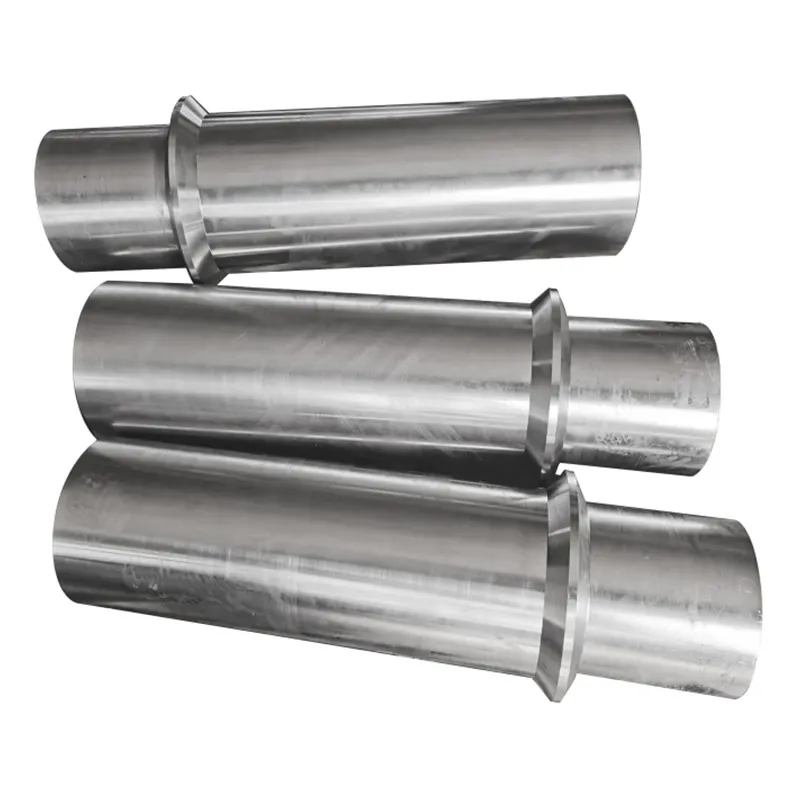
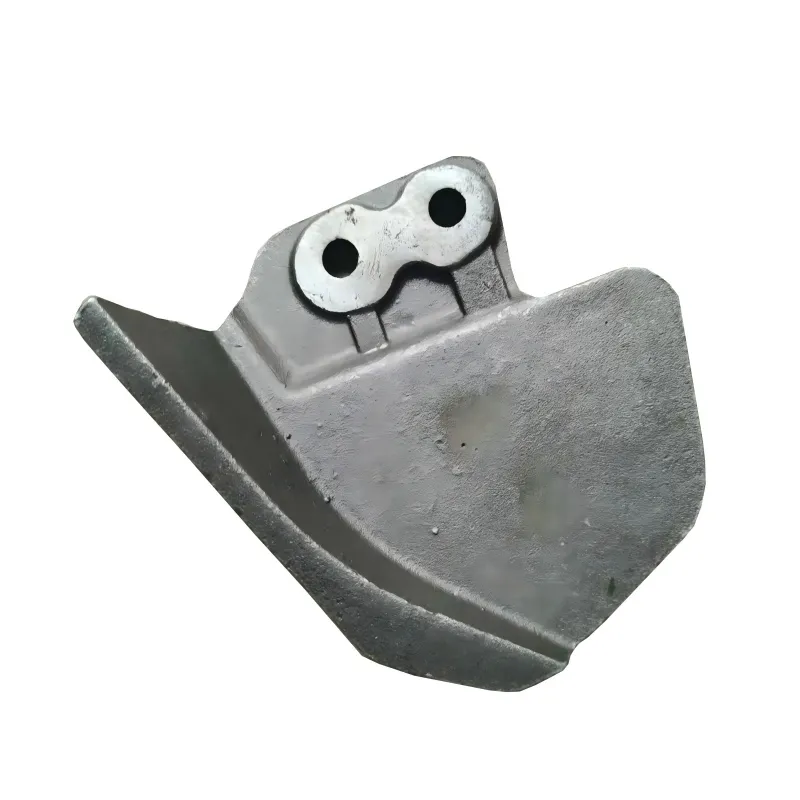
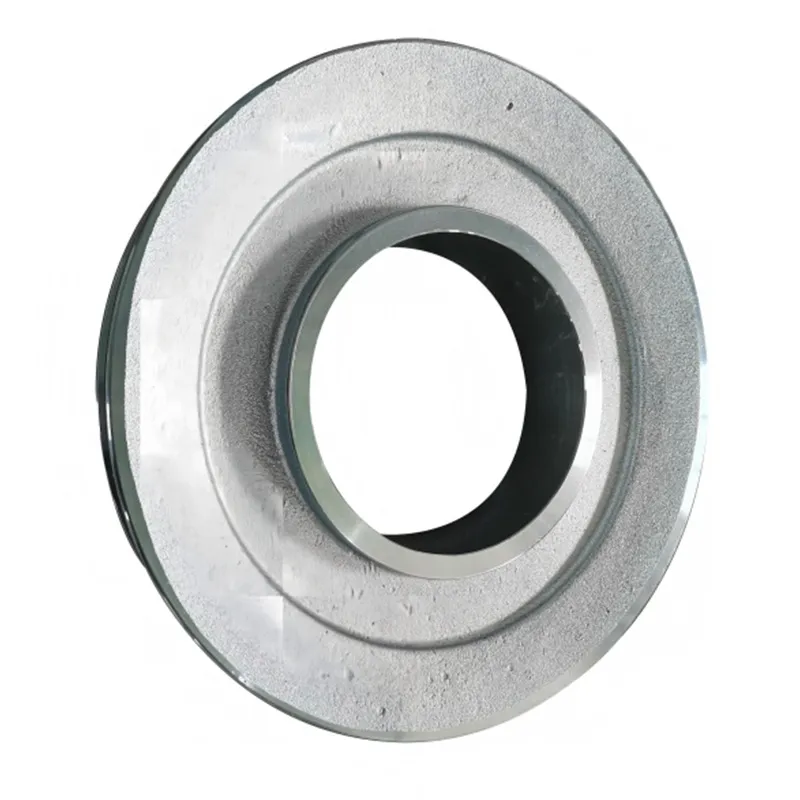
When most people hear 'industrial parts,' they picture a catalog item, a CAD model, or a shiny component on a shelf. That's the first mistake. The real part isn't the geometry; it's the intersection of material behavior under stress, the tolerance stack-up in a live assembly, and the cost of failure over a ten-year service life. I've seen too many projects stall because the procurement team sourced a 'to-spec' gear or valve body without understanding what happens after it leaves the QC bench and gets bolted into a machine running 24/7 in a humid, corrosive environment. The drawing is just the starting point.
The Foundation: It Starts with the Pour
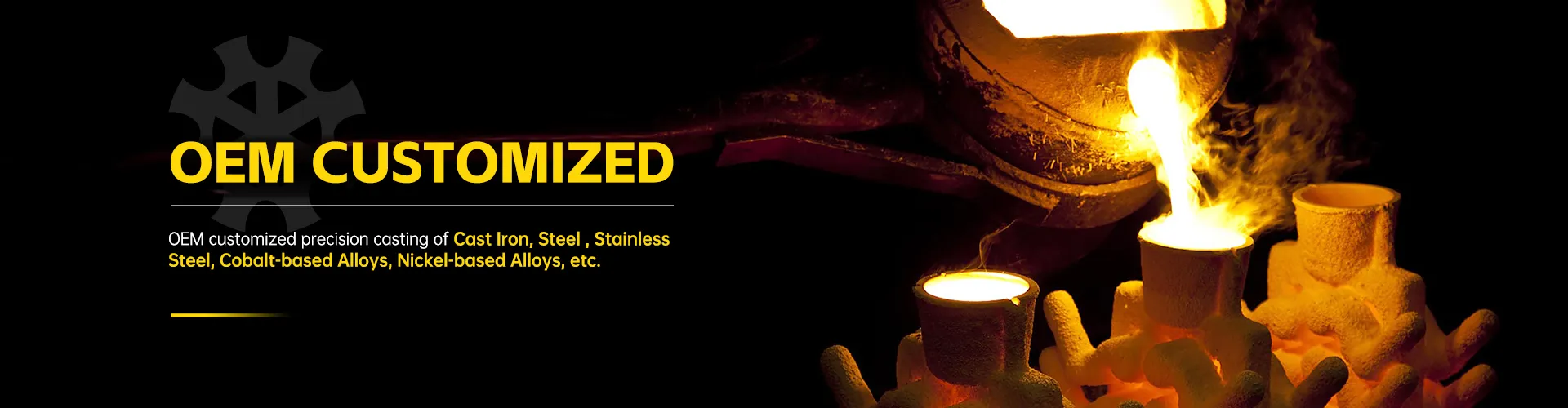
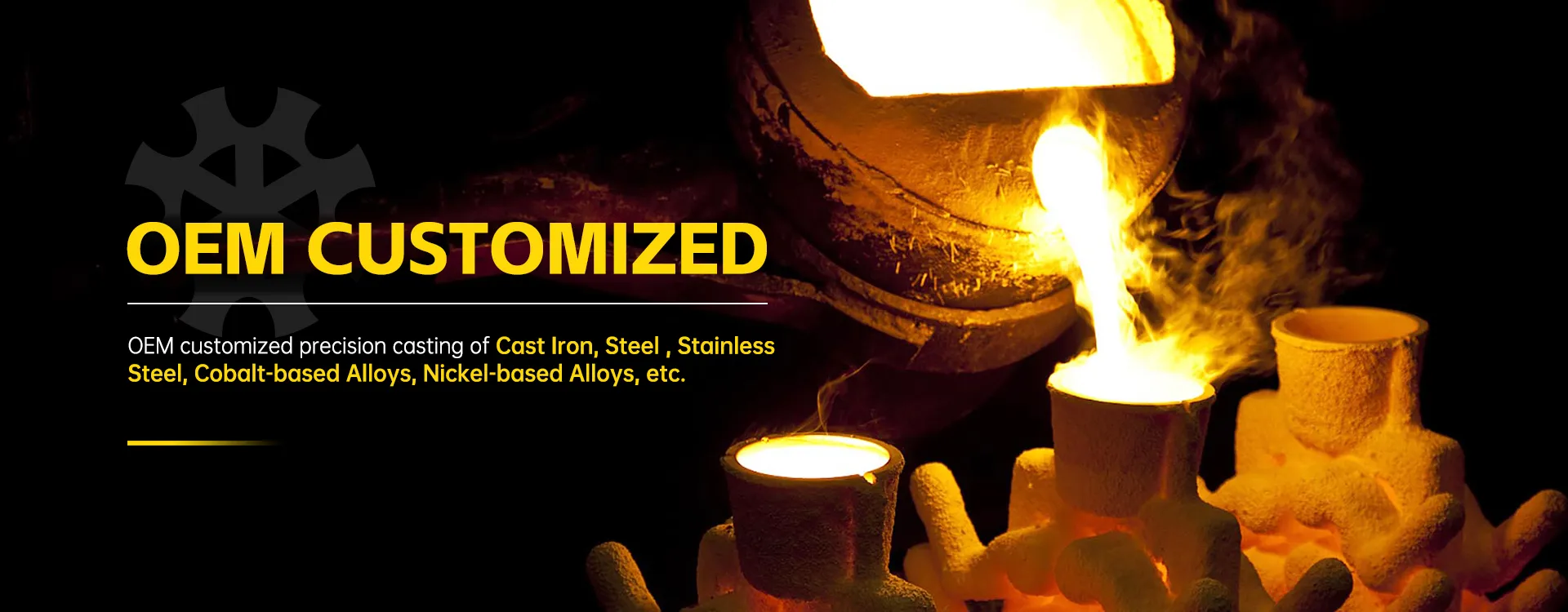
You can't talk about durable industrial parts without starting at the foundry. This is where the internal grain structure is set, where hidden voids or inclusions become the future point of failure. For three decades, the team at Qingdao Qiangsenyuan Technology Co., Ltd. (QSY) has been dealing with this reality. Their long-term focus on shell mold and investment casting isn't just a service listing; it's a recognition that precision machining later can't fix a fundamentally flawed casting. I recall a project for a high-pressure pump housing where the initial supplier's sand casting had inconsistent wall density. It passed dimensional checks but failed spectacularly in pressure cycling tests. We had to go back to square one.
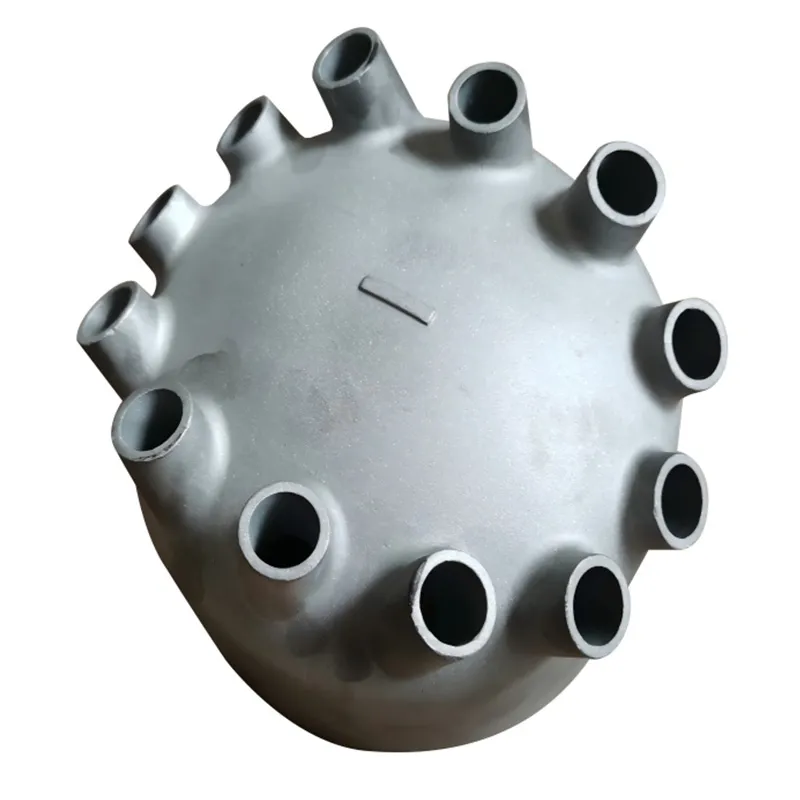
The choice between shell mold and investment casting for a given part is a classic judgment call. Shell mold gives you good surface finish and dimensional accuracy for medium complexity parts—think engine brackets or hydraulic manifolds. But when you get into the truly complex internal channels, like those in a turbine blade or a fuel injector body, you're in investment casting territory. The wax pattern process allows for geometries that are nearly impossible to machine. QSY's experience across both methods is crucial here; they're not pushing one solution but rather assessing the part's function first.
Material selection at this stage is another pitfall. Specifying stainless steel is almost meaningless. Is it 304 for general corrosion resistance, or 316 for chloride environments? Or are you dealing with high-temperature applications needing the creep resistance of a nickel-based alloy like Inconel? I've seen cost-driven decisions to use a lower-grade alloy lead to premature cracking in heat exchangers. The foundry's role is to advise, but the engineer must know enough to ask the right questions. QSY's work with special alloys like cobalt and nickel-based ones suggests they're accustomed to these high-stakes conversations, not just running standard orders.
The Precision Layer: Where CNC Machining Enters
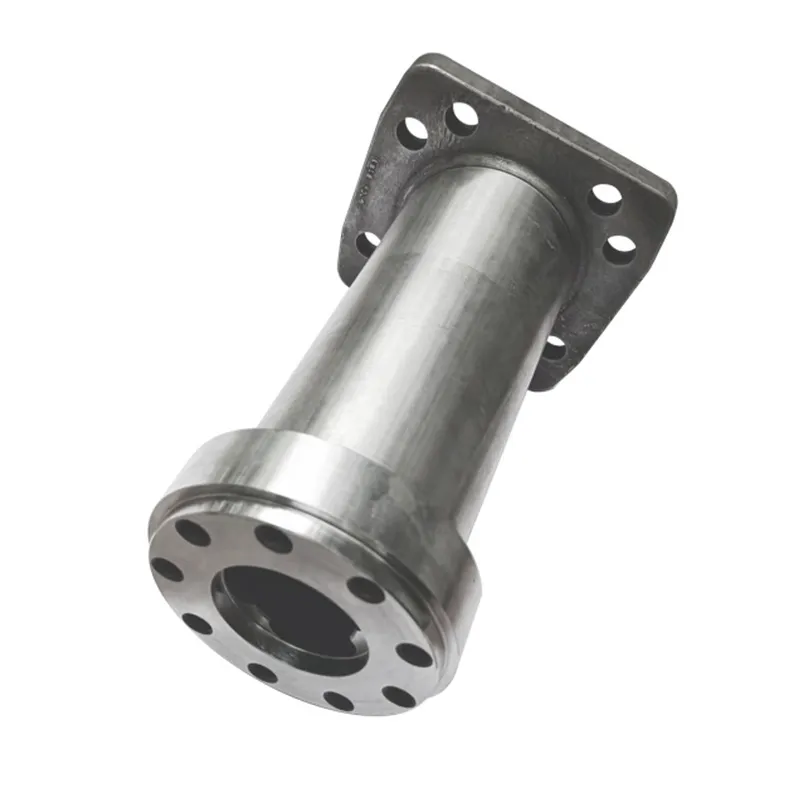
Casting gets you the rough shape, but the functional interfaces—the bolt holes, sealing surfaces, bearing seats—are born on the CNC machine. This is where the synergy between casting and machining under one roof, as at QSY, shows its value. A major headache is fixture design for a complex casting. If the machinist doesn't understand the casting's datum points and potential stress points from the solidification process, they can clamp it in a way that induces micro-strains or, worse, get a perfect finish on a surface that's not square to the critical internal bore.
One specific lesson learned involved a large cast iron base for a precision grinder. The casting was sound, but during heavy milling of the guide rail mounts, residual stresses from the casting process were released, causing a slight but catastrophic warp. We lost the whole piece. The solution, which a seasoned partner would implement, is often a stress-relief annealing step between roughing and finishing passes. It adds time and cost, but skipping it is a gamble. This is the kind of process nuance that separates part makers from part suppliers.
Tolerancing is another area ripe for over-engineering. I've received drawings where every feature is called out to ±0.01mm. Not only is it prohibitively expensive, but it's often unnecessary. A good machining partner should push back, asking about the assembly function. Does this bore really need an H6 tolerance, or will an H7 suffice? This collaborative friction is healthy. It indicates they're thinking about manufacturability and your total cost, not just blindly following instructions to avoid responsibility.
The Real-World Test: Failure Analysis and Iteration
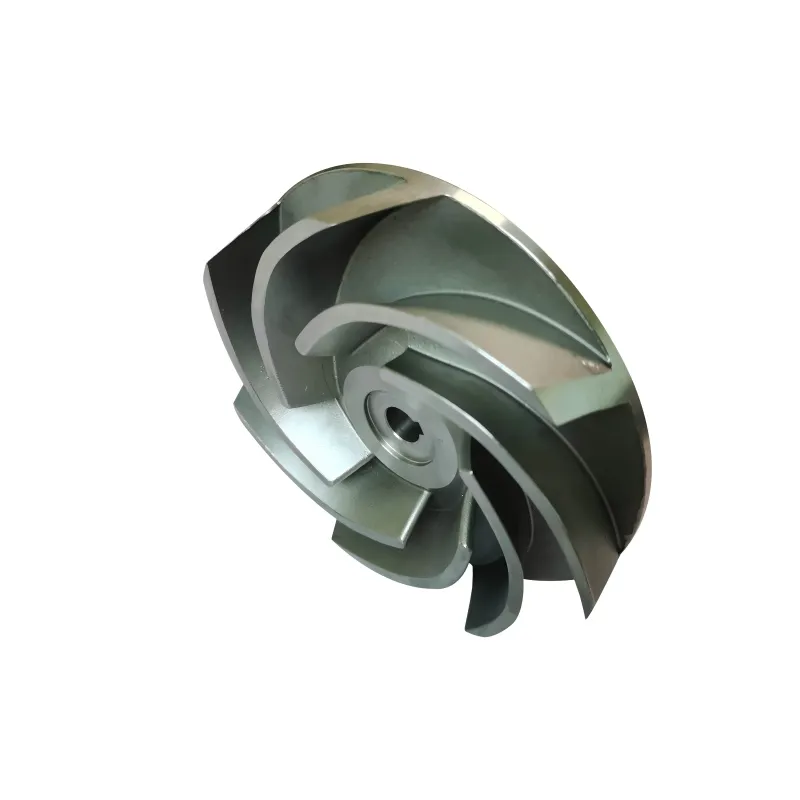
The most valuable insights come from parts that break. Early in my career, we had a batch of industrial parts—stainless steel impellers for a chemical pump—that developed fatigue cracks at the blade root after six months. The material certs were perfect, dimensions were in spec. The failure analysis pointed to a combination of factors: a sharp transition radius (a design oversight) exacerbated by a slightly higher surface roughness from the machining process in that specific area, creating a perfect initiation point for stress cracks.
This is where a supplier's willingness to engage in post-mortem matters. A transactional vendor would blame the design and walk away. A technical partner like what QSY positions itself as would sit down, look at the fractography report, and discuss potential mitigations: a mandatory radius check on future orders, a change in tool path for that feature to improve surface finish, or even a suggestion for a low-stress grinding pass. This loop from failure back to process adjustment is where true reliability is built.
Another common but less dramatic failure is simply inefficiency. We once sourced a family of valve bodies from multiple small shops. The lead times were long, quality was inconsistent, and communication was a nightmare. Consolidating such production with a single, capable manufacturer that handles both casting and machining simplifies everything. You're dealing with one point of contact for the entire material and process chain, from molten metal to finished part. The accountability is clear. For a complex assembly, having a single source for the critical industrial parts reduces logistical risk immensely.
Beyond Metals: The Process Mindset
What you're really buying isn't a piece of metal; it's a controlled process. A 30-year-old company like QSY has presumably seen material specs change, machining technology evolve, and quality standards tighten. That institutional memory is an asset. They've likely developed their own internal best practices—specific gating designs for certain part geometries, proprietary tooling solutions for tricky setups, established heat treatment protocols for their common alloys. This isn't something you find on a website; it's revealed through interaction.
For instance, machining cast iron versus stainless steel versus a nickel alloy is a completely different world. Speeds, feeds, coolant types, tool geometry—all change dramatically. A shop that casually says we machine all materials might be stretching the truth. You want to hear specifics: For your 316 stainless part, we'll use a dedicated high-pressure coolant system with specific grade carbide inserts to manage work hardening. That shows depth.
Finally, there's the unglamorous side: inspection and documentation. A part is only as good as the paperwork that comes with it. Material test reports, first-article inspection reports with full CMM data, certificates of conformity. A professional operation has this down to a system. It's boring, but when an auditor visits or a field failure occurs, this traceability is your only defense. It confirms that the part wasn't just made, but was made within a verified and controlled system.
Conclusion: The True Cost of a Part
So, when evaluating a source for critical industrial parts, look beyond the price per piece and the listed capabilities. Gauge their willingness to discuss past problems. Ask for an example of a challenging part and how they solved it—not in marketing terms, but in technical details: fixturing, tool wear, distortion control. A partner like QSY, with its integrated casting and machining and stated material range, is positioned to handle complexity, but the proof is in the technical dialogue.
The ultimate goal is to find a supplier whose engineers can talk to your engineers in the same language—a language of tolerances, material properties, failure modes, and process controls. The part that arrives in a crate is just the physical manifestation of that shared understanding. It should feel not like a purchased commodity, but like a delivered solution that you both had a hand in creating. That's when you know you've moved from buying parts to building a supply chain.
In the end, the most reliable component is often the relationship with the people who make it. Because when the next unexpected issue arises—and it will—you need a phone call, not a return authorization.