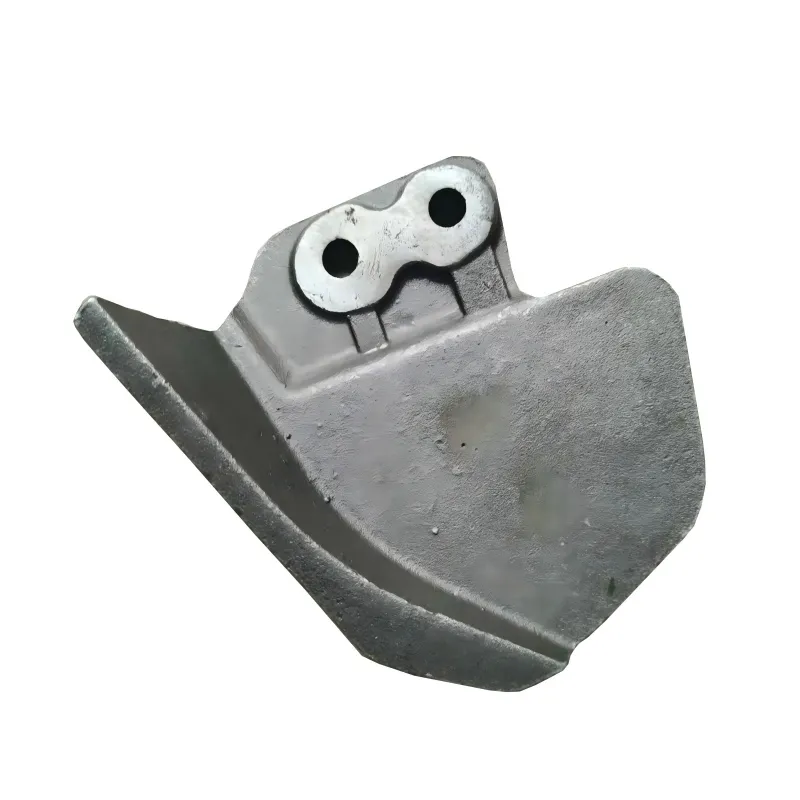
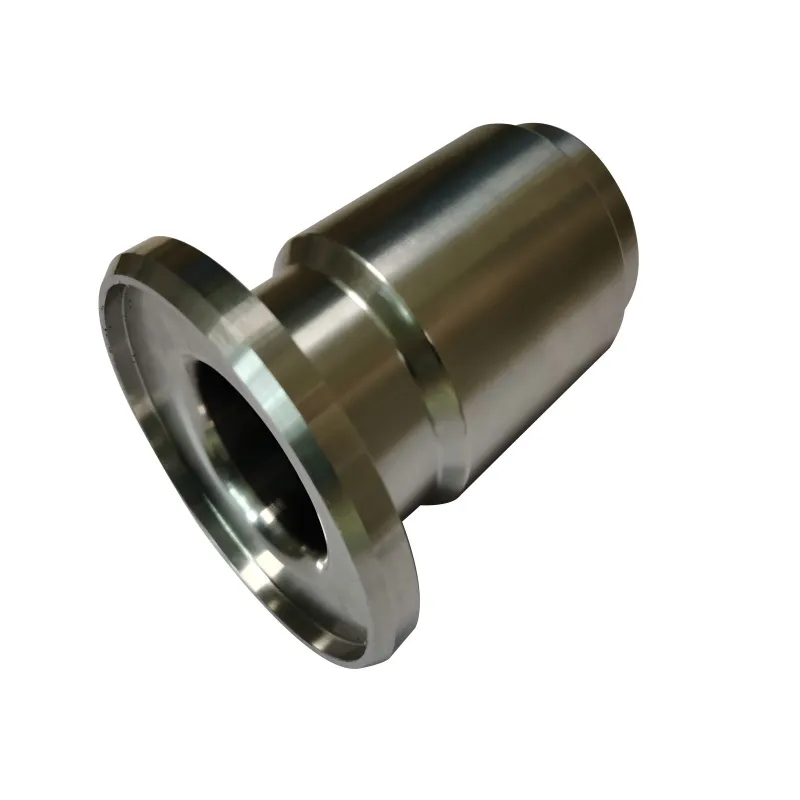
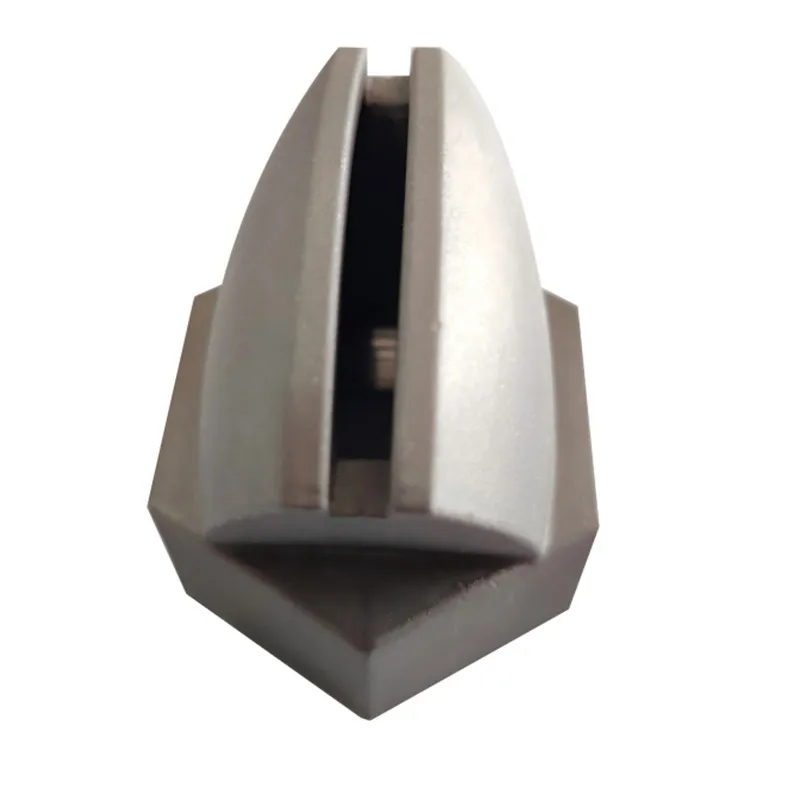
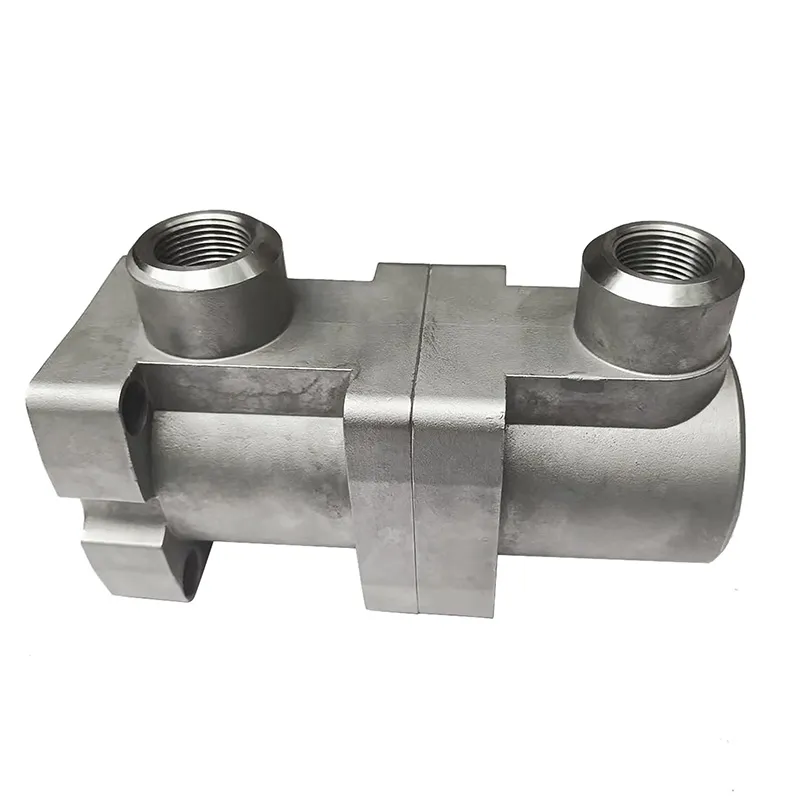
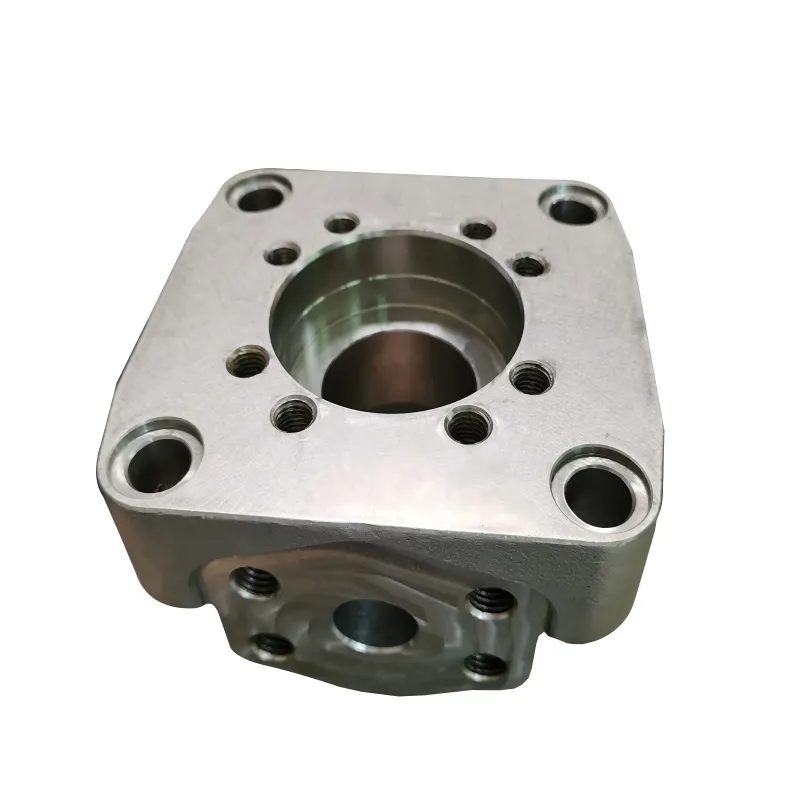
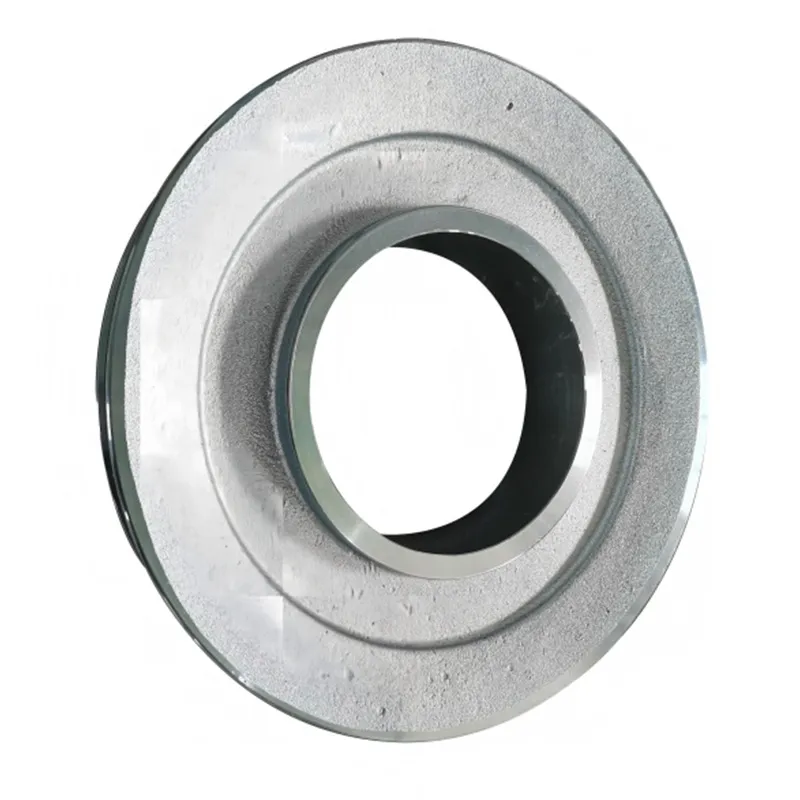
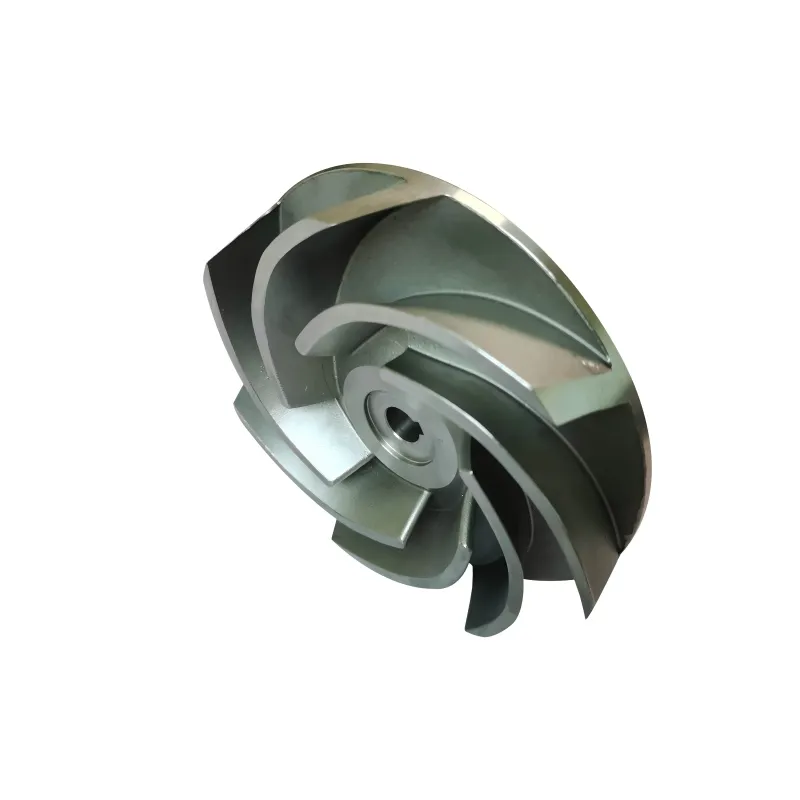
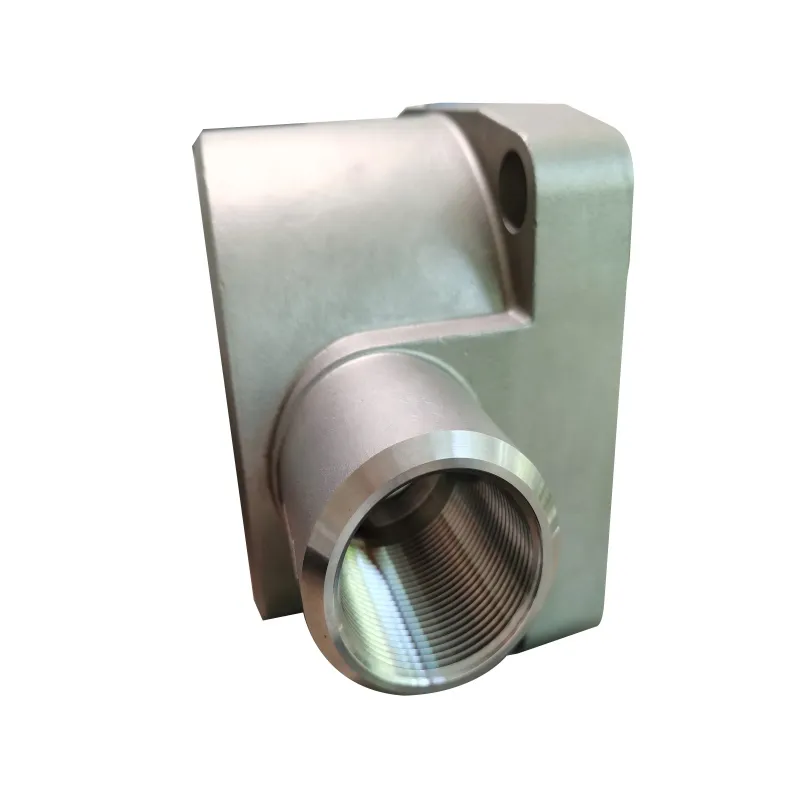
When most folks hear 'industrial sand casting', they picture a dirty, brute-force method for making rough iron parts. That's the first misconception. It's not just about dumping metal into a sand hole. The real craft is in controlling variables everyone else overlooks—the 'green strength' of the sand mix, the venting for gases you can't see, the thermal gradient during solidification that nobody talks about in glossy brochures. I've seen too many projects fail because they treated the sand as just an inert container, not an active participant in the process.
The Foundation: It's All About the Sand (And It Isn't)
Let's get this straight. The 'sand' in industrial sand casting is a engineered material. Silica sand is common, sure, but the binder system is where the magic or misery happens. Clay-bonded (green sand) is fast and cheap for high-volume runs like engine blocks, but for a complex pump housing with thin sections? You might be better off with resin-bonded systems like furan or phenolic. The choice dictates everything—surface finish, dimensional accuracy, how easily the sand collapses after pouring to avoid hot tearing. I recall a job for a marine gearbox component where we stuck with standard green sand for cost. The result? Persistent veining defects on the internal channels. We switched to a zircon sand with a specific resin catalyst, problem solved, but the cost per mold jumped. That's the constant trade-off.
Another detail: reclaiming sand. It's not just about being green; it's economics and consistency. Reclaimed sand behaves differently. The grains get rounded, the fines accumulate. If you don't monitor the LOI (Loss on Ignition) and actively adjust your binder additions, your mold strength becomes a guessing game. We learned this the hard way after a week of producing seemingly perfect molds that then crumbled during handling. The culprit? The reclaimed sand percentage had crept too high without a corresponding process adjustment.
This is where having a partner with deep material knowledge matters. A company like Qingdao Qiangsenyuan Technology Co., Ltd. (QSY), with their 30 years in casting, would get this immediately. They work across shell molding, investment, and sand casting, so they understand the properties of different mold media intrinsically. It’s not just about picking a method; it’s about knowing which sand system aligns with the alloy and the geometry. For instance, a stainless steel valve body requiring high corrosion resistance might demand a low-nitrogen furan resin to prevent surface pitting, a nuance a generalist shop might miss.
The Pattern & The Illusion of Simplicity
Everyone focuses on the metal. The pattern is often an afterthought, which is a critical error. For sand casting, the pattern's material, draft, and finish are paramount. Wood patterns are fine for prototypes or short runs, but for sustained production, metal or reinforced epoxy is necessary. Wear and tear on a wood pattern changes dimensions subtly over time, and suddenly your casting wall thickness is out of spec.
Then there's draft. Textbook says 1-3 degrees. Reality is messier. Deep pockets might need more. Textured surfaces might need more. We once had a pattern for a decorative architectural piece with a vertical ribbed design. The textbook draft was insufficient; the sand kept tearing during pattern draw. We had to increase the draft, which slightly altered the aesthetic profile, requiring an early consultation with the end client. It’s these on-the-fly judgments that separate a workable casting from a scrap one.
Patternmaking also ties into machining. A good foundry thinks ahead. If you're making a turbine housing that will later need precise CNC boring, you need to leave adequate and consistent stock allowance on the casting. This is where an integrated operation shows its value. At QSY, for example, their in-house CNC machining capability means they can feedback directly from the machining stage to the pattern shop: We're consistently hitting hard spots here on the flange, we need to adjust the cooling simulation or add a chill to the pattern. That closed-loop feedback is gold dust for dimensional consistency.
Pouring: The Controlled Chaos
This is the moment of truth. The melt chemistry has to be right—deoxidized properly, temperature within a tight window. Too hot, and you get excessive penetration into the sand, ruining the surface. Too cold, and you get mistruns. But the bigger, often silent, killer is turbulence. You want a laminar fill. A turbulent stream entrains air and slag, creating inclusions deep inside the casting where you can't see them until it fails in pressure testing.
Gating system design is more art than science. I've seen beautifully designed CAD models for gates and risers that performed terribly. Why? The simulation software assumed ideal conditions. In reality, the sand permeability was off, or the pouring basin wasn't kept full. We once copied a gating design from a similar-sized steel part for a high-nickel alloy job. The alloy had different fluidity and solidification characteristics. The result was shrinkage porosity in the thermal center. We had to redesign the risering, making it larger and applying exothermic sleeves to keep it molten longer. It worked, but it was a lesson in not treating all metals the same.
This phase is where special alloys really test you. QSY's experience with cobalt and nickel-based alloys is relevant here. These alloys often have high melting points and narrow solidification ranges. They're prone to hot tearing if the mold is too rigid. Your sand system's collapsibility post-pour becomes as critical as its strength before the pour. It's a delicate balance you only learn from handling these materials repeatedly.
Shakeout, Cleaning, and The Hidden Costs
After the casting cools, it's shaken out. This seems straightforward. But aggressive shakeout can cause mechanical damage to delicate castings. The gates and risers need to be removed. For high-alloy steels or stainless, this often means plasma cutting or abrasive sawing, not just a simple hammer knock-off.
Then comes cleaning—the most labor-intensive and under-costed part of the process. Sand blasting to remove burnt-on sand. Grinding to smooth parting lines and feeder contacts. This is where surface defects become apparent: sand inclusions, gas holes, cold shuts. The cost of rework here can kill a project's margin. A well-designed process with good sand control minimizes this, but it's never zero. I've spent days with a die grinder and weld repair kit trying to salvage a batch of castings that had subsurface blowholes, a fault traced back to a batch of sand with high moisture content.
This post-casting phase is why partnering with a facility that has machining in-house is a strategic advantage. Take the component mentioned on QSY's website (https://www.tsingtaocnc.com). If they're producing a stainless steel pump casing via sand casting, they can move it directly to their CNC machines for flange facing, bolt hole drilling, and seal surface finishing. This eliminates logistics, handles the casting carefully (they know its weak points), and ensures machining allowances are respected. The feedback loop is immediate.
When Sand Casting Is (And Isn't) the Answer
Industrial sand casting excels at medium to large parts, in medium to high volumes, where geometry is relatively open and internal complexity is managed with cores. It's fantastic for heavy machinery bases, large valve bodies, pump housings. Its tooling (pattern) cost is lower than permanent mold or die casting, making it viable for shorter runs.
But it's not the answer for everything. If you need ultra-smooth surfaces, tight as-cast tolerances below IT13, or very thin walls (below 3mm for ferrous metals), you're pushing against its nature. That's when you look at shell mold casting (better finish, good for midsize complexity) or investment casting (for intricate shapes, excellent finish). A competent supplier doesn't just sell one process. They should advise you. Looking at QSY's portfolio, which spans shell, investment, and sand casting, they're positioned to make that call objectively. They'd likely suggest sand casting for a large, bulky gear blank but steer you towards investment casting for a complex impeller with twisted blades.
The real takeaway? Industrial sand casting is a deeply technical, variable-rich process masquerading as a simple one. Success lies in respecting the sand, mastering the pattern, controlling the pour, and having a clear path for post-casting processing. It's not obsolete; it's a fundamental tool that, when applied with discernment and deep practical knowledge, produces incredibly robust and cost-effective components. The shops that thrive are those that see the entire chain, from sand pile to finished machined part, as one interconnected system. That's the difference between making a casting and making a reliable component.