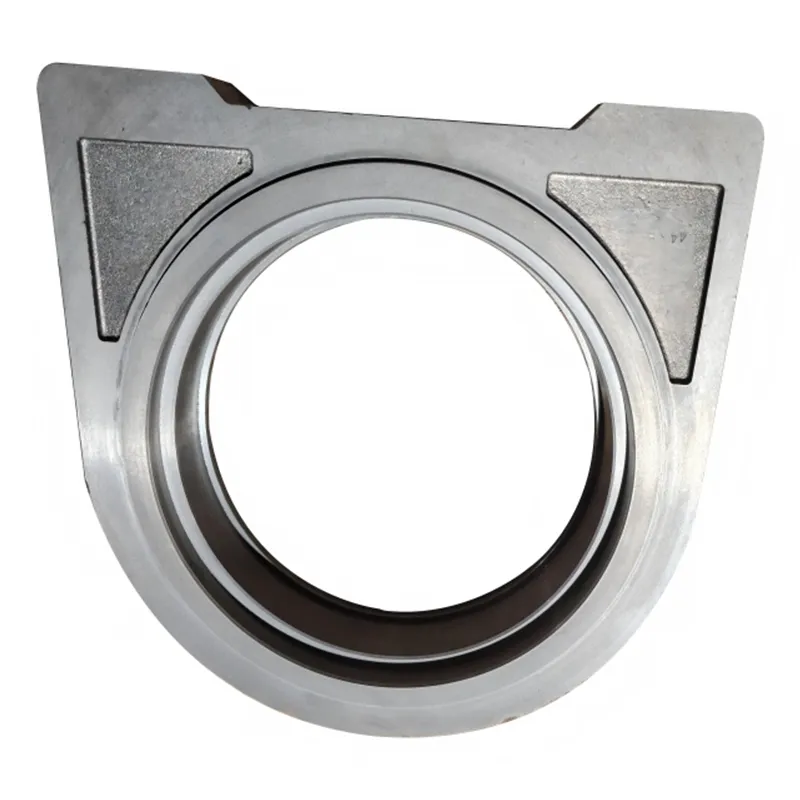
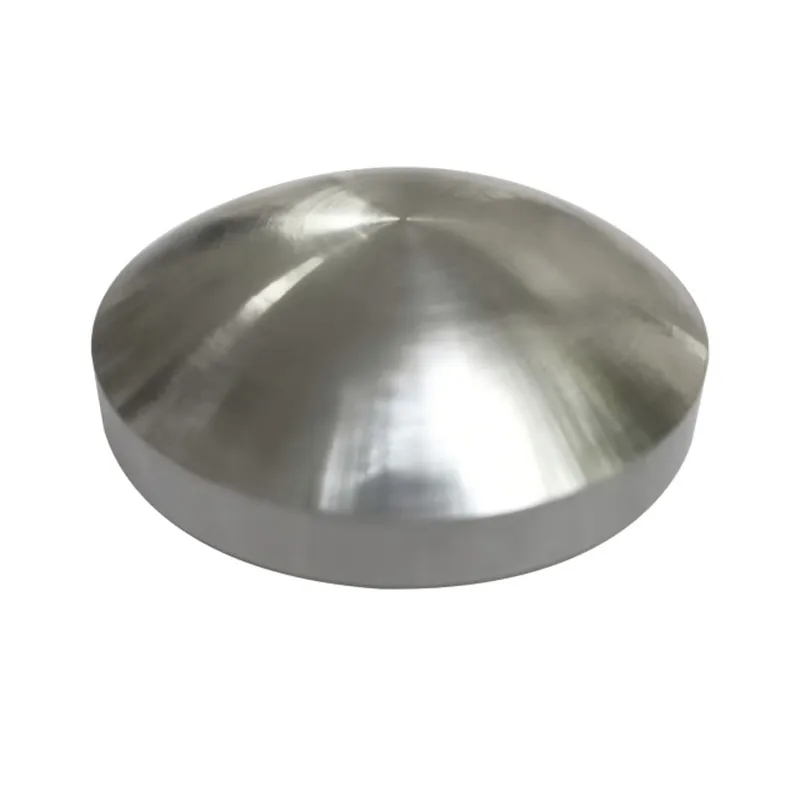
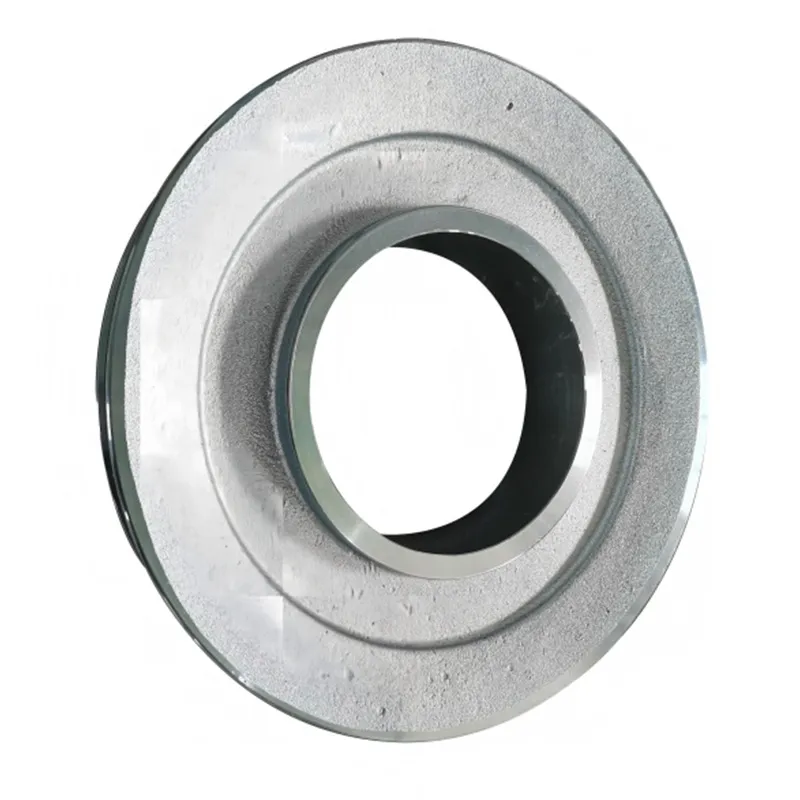
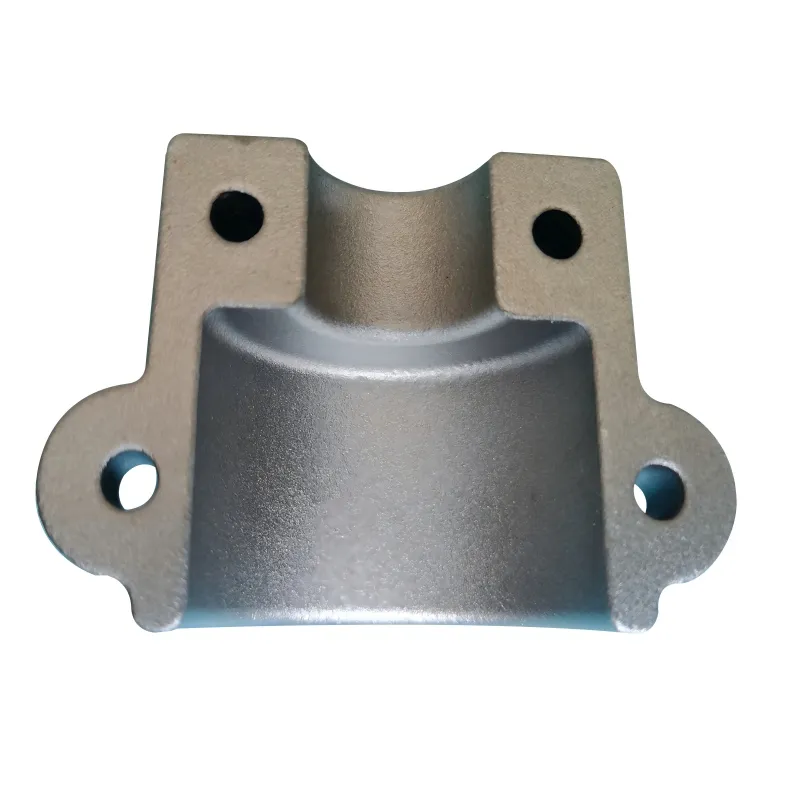
Let's talk about investment and precision casting. Most people outside the shop floor think it's just about pouring metal into a ceramic shell. The real investment isn't just the capital for furnaces and CNC machines; it's the decades of tacit knowledge in gating design, thermal management, and alloy behavior that turns a wax pattern into a flight-critical turbine blade. A common pitfall? Underestimating the upfront process engineering cost. You can't just buy a casting line and expect ROI from day one. The true investment is in the people and the process validation, something I've seen companies stumble over repeatedly.
The Misunderstood Cost of Precision
When a client says they need precision casting, the first question I ask is: Precision in what dimension? Dimensional tolerance? Surface finish? Internal soundness? The cost curve isn't linear. Holding a ±0.1mm tolerance on a complex thin-wall stainless part might triple the process cost compared to a ±0.5mm part, not because of the machine, but because of the investment in prototype iterations, mold corrections, and non-destructive testing. I recall a project for a medical implant where the precision casting spec for the femoral component required internal porosity to be below 0.2%. We spent nearly four months just on solidification simulation and riser design tweaks before even making the first wax tree. That's where the money goes.
This ties directly into material choice. Working with investment casting for nickel-based or cobalt-based alloys, like those handled by shops with deep experience such as Qingdao Qiangsenyuan Technology Co., Ltd. (QSY), adds another layer. These alloys aren't just expensive per kilo; they're unforgiving. Poor gating can lead to hot tearing, and that's a $10,000 block of superalloy scrap in a heartbeat. Their long-term operation, as noted on their site https://www.tsingtaocnc.com, highlights the necessity of this material-specific process knowledge. The investment here is in failure—you have to budget for scrap during process qualification.
Another practical detail often missed is the shell mold system itself. The number of slurry coats, the stucco grain size, the drying environment—each variable is a small investment in final quality. A rush to cut shell-building time by a day can lead to mold cracking during dewaxing, scrapping an entire cluster. It's a classic case of false economy. I've made that mistake early in my career, prioritizing schedule over process, and it cost a client a prototype delivery. The lesson was that in precision casting, the process is the product.
CNC Machining: The Necessary Partner, Not an Afterthought
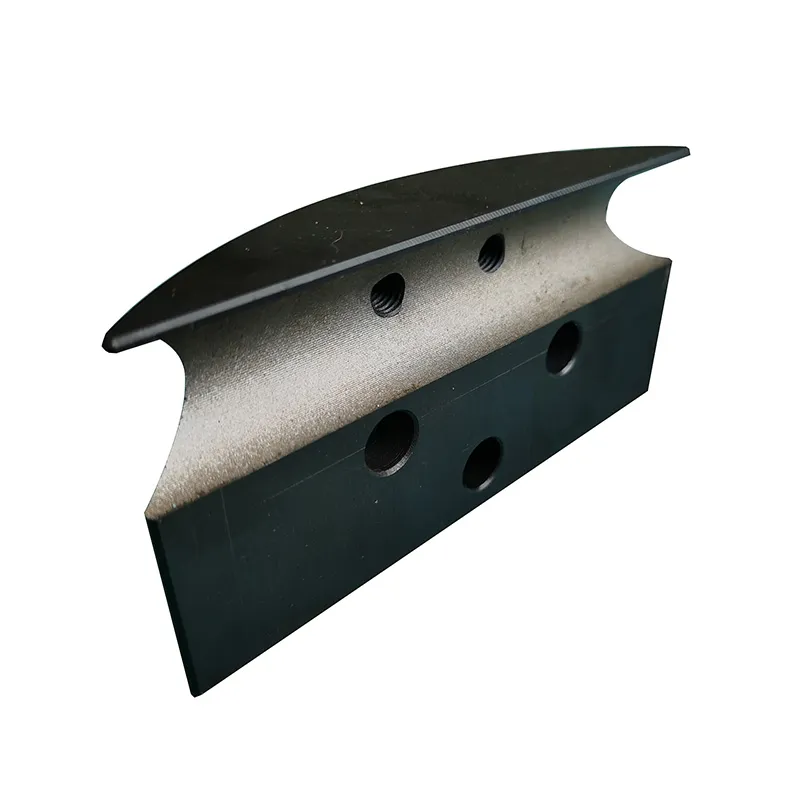
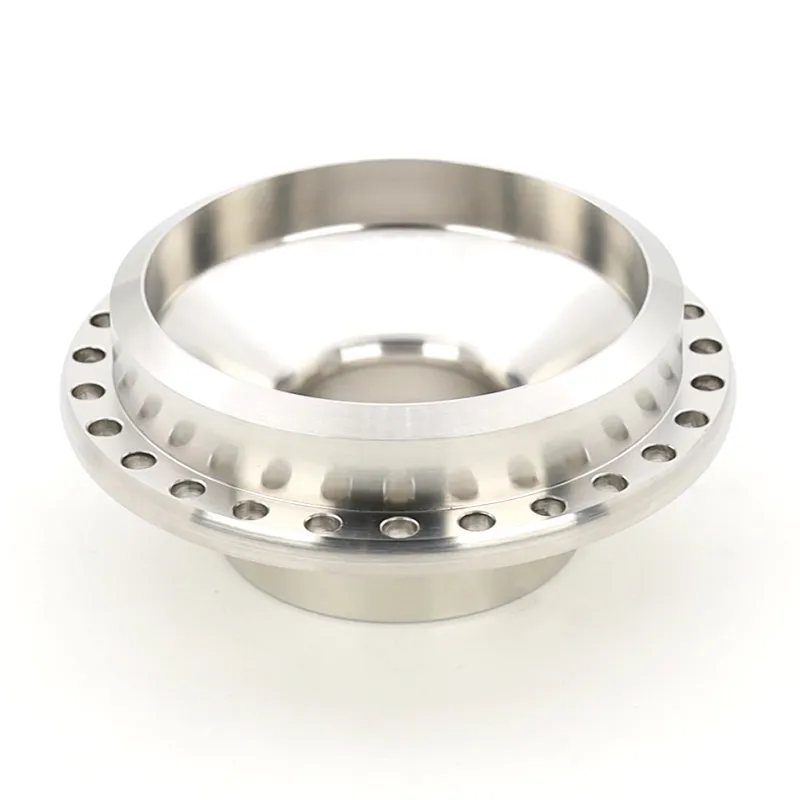
No discussion of investment casting is complete without touching post-casting machining. This is where the precision is often finalized. Many assume a near-net-shape casting eliminates machining work. Rarely true. Critical sealing surfaces, threads, and tight-tolerance bore diameters almost always need CNC finishing. The synergy is key. A foundry that also manages integrated machining, like QSY's combined offering of investment casting and CNC machining, controls more variables. They can design the casting with machining fixtures in mind, adding sacrificial datum surfaces on the casting itself, which dramatically reduces setup time and improves final part accuracy.
I worked on a valve body project where the casting was beautiful, but the machining vendor couldn't hold concentricity because the as-cast datum was inconsistent. We had to go back, modify the wax mold to include three small, machinable pads specifically for the CNC vise. That rework ate the profit margin. Integration matters. Seeing a company's capability span from shell mold casting to finished machined parts, as described in QSY's introduction, isn't just a service list—it's a fundamental risk mitigation strategy for the buyer's investment.
The choice between machining a part from solid bar stock versus investment casting then machining is a constant calculation. For high-complexity, medium-volume parts in difficult materials, casting wins. You're investing in saving material waste and machining hours. But the break-even point is fuzzy. It depends on part geometry, alloy machinability, and the foundry's first-pass yield rate. A good rule of thumb? If more than 40% of the raw billet would end up as chips, precision casting should be on the table. But you must factor in the tooling and pattern cost amortization.
The Long Game: Durability and Total Cost
Financial investment in casting technology often focuses on unit price. The smarter view is total lifecycle cost. A precision casting part with superior metallurgical integrity might last three times longer in a high-temperature, corrosive environment than a fabricated weldment. This is paramount for energy or aerospace applications. The initial unit cost is higher, but the replacement and downtime costs plummet. This is the value proposition for specializing in alloys like cobalt-based and nickel-based ones.
Durability isn't just material-deep. It's process-deep. Proper heat treatment, integral to the casting process, is where many generic shops cut corners. I've seen parts pass initial QA but fail in field stress tests due to inconsistent solution annealing. A supplier's commitment to a controlled, documented thermal cycle is a major part of the quality investment. It's not glamorous, but it's what separates a functional part from a reliable one.
This brings me to a subtle point: supply chain resilience. Over the last few years, relying on a fragmented supply chain (one shop for casting, another for heat treat, a third for machining) has proven risky. Consolidating these capabilities, as seen with integrated providers, protects the client's project timeline and intellectual property. Your investment is also in the stability of the supplier. A company with 30 years of operational history, as QSY mentions, implies they've navigated multiple industry cycles, suggesting process stability and accumulated problem-solving knowledge you can't get from a new entrant.
Failure as a Learning Tool
You haven't really worked in investment casting until you've had a major failure. One that sticks with me was a series of aluminum bronze pump impellers. They looked perfect but failed spectacularly in performance testing due to undetected micro-shrinkage in the blade roots. The investment in simulation software was there, but we misjudged the alloy's feeding characteristics. The fix involved redesigning the entire gating system and switching to a different shell refractory for that specific alloy. It was a six-figure lesson.
These failures teach you that precision casting is a system. It's not just one parameter. It's the interaction of pattern material viscosity, shell permeability, pouring temperature, and cooling rate. When you visit a foundry floor, don't just look at the shiny finished parts. Look at the inspection logs, the scrap bins, and the corrective action reports. That's where the real investment in quality is visible. A supplier comfortable discussing past failures and lessons learned is often more trustworthy than one with only a glossy portfolio.
This experience directly informs how I view supplier capabilities now. When I see a company profile that lists a wide range of materials from cast iron to special alloys, I know they've likely encountered and solved a myriad of failure modes. That practical, problem-solving history is an intangible asset. It means they're less likely to treat your new part as a complete experiment, reducing your risk.
Concluding Thoughts: The Real Return
So, circling back to investment and precision casting. The real return on investment isn't measured just by the cost per piece on a PO. It's measured in the reliability of your final product, the reduction in downstream assembly issues, and the avoidance of catastrophic field failures. It's an investment in reducing uncertainty.
Choosing a partner isn't about finding the cheapest bid. It's about evaluating their process depth, their material-specific expertise, and their ability to control the entire value chain from mold to machined component. The integration of pattern making, shell building, melting, pouring, heat treatment, and CNC machining under one responsible entity is a massive de-risking factor.
In the end, the most precise thing in this business should be your decision on where to place your technical trust and capital. The metal will only be as good as the process behind it, and the process is only as good as the people who have learned, often the hard way, how to control it. That's the ultimate investment.