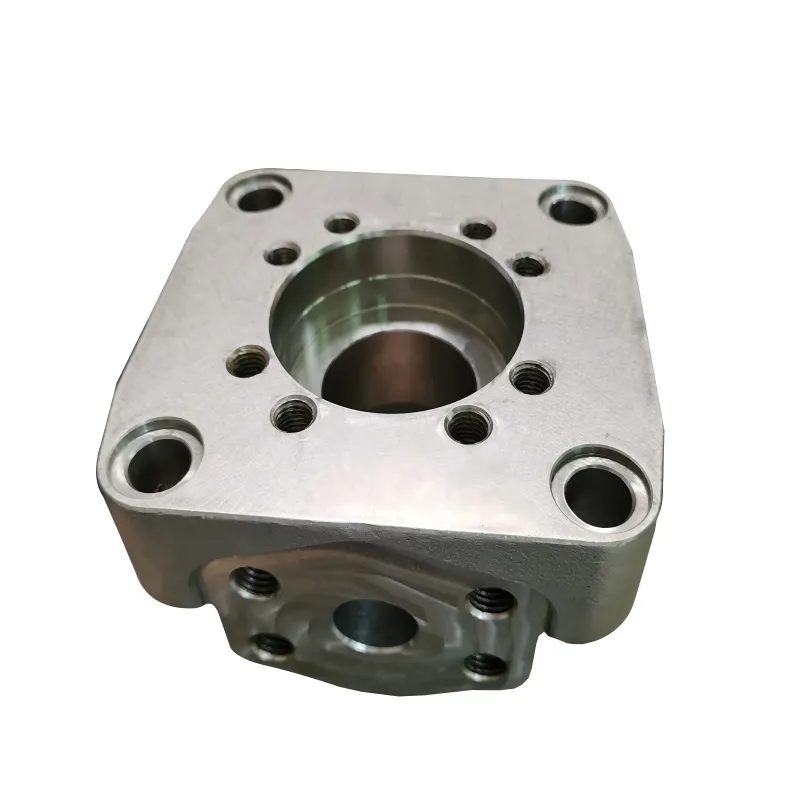
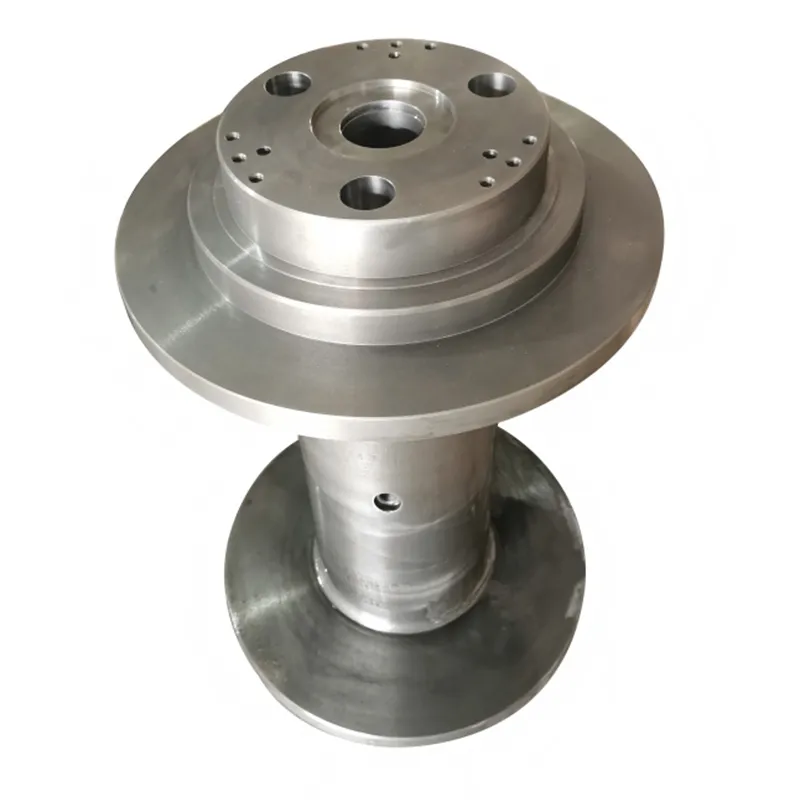
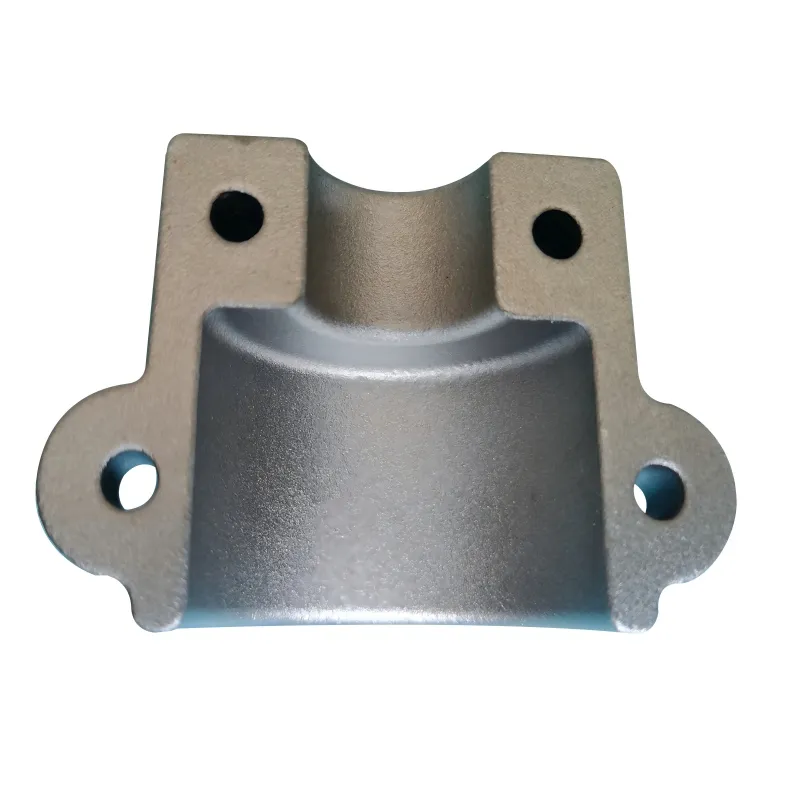
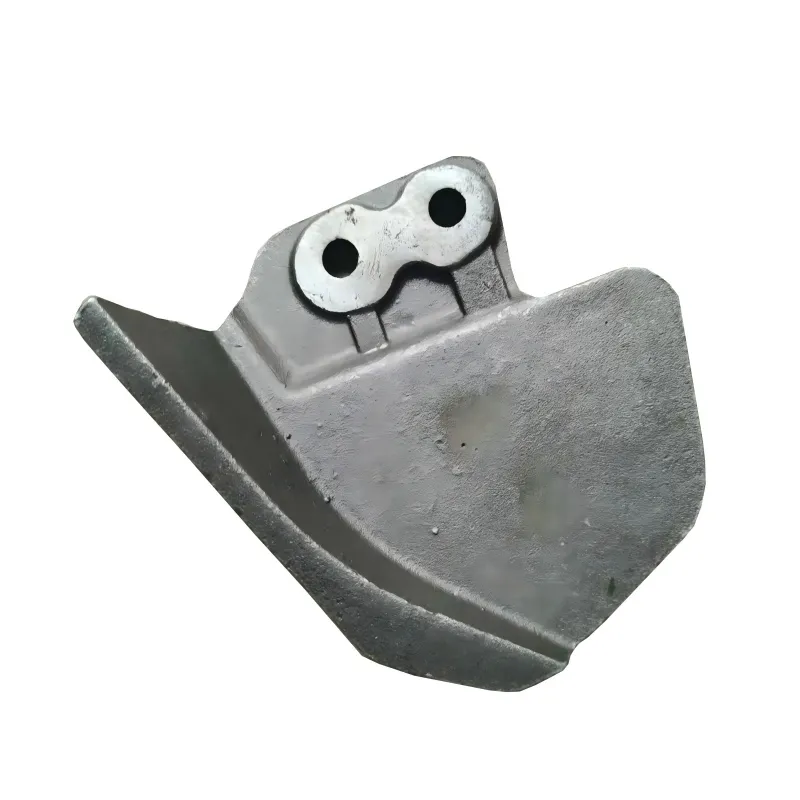
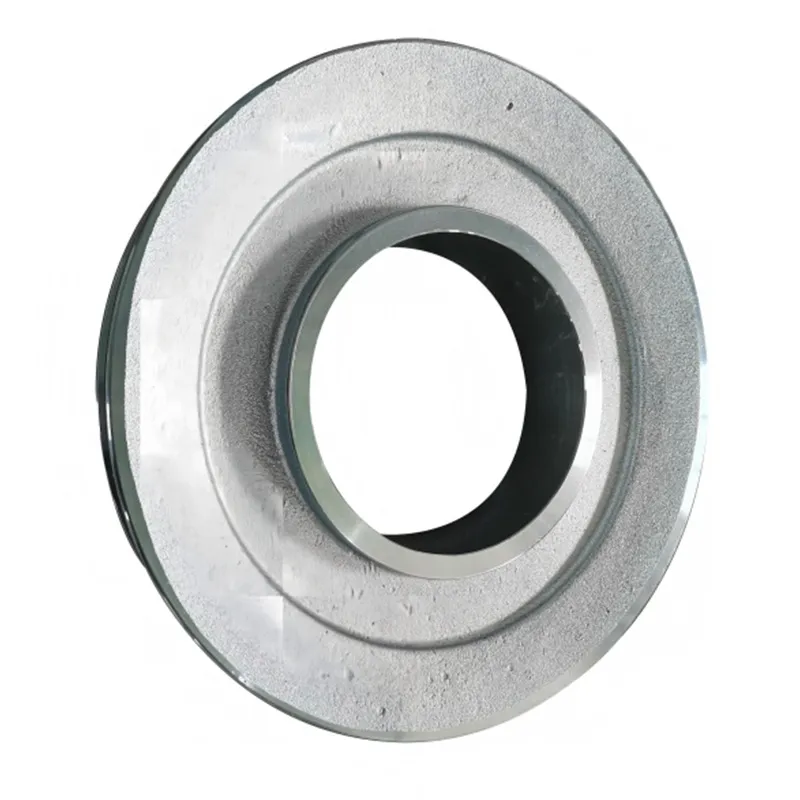
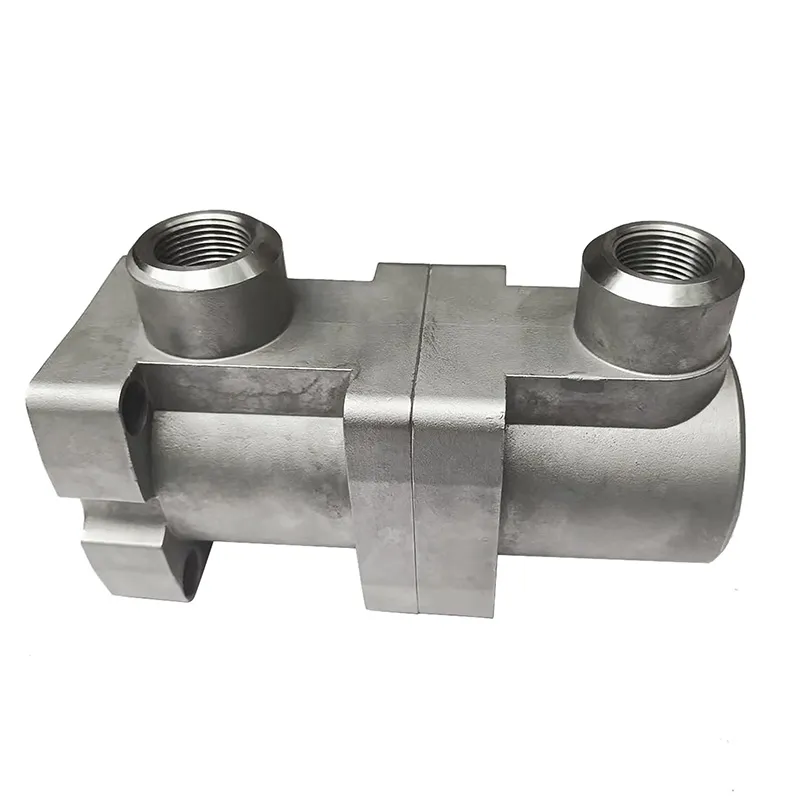
When you hear a name like 'Investment and Precision Casting Limited', it conjures a very specific, almost idealized image in the industry: a seamless, vertically integrated operation where design flows into a perfect wax pattern, through a pristine ceramic shell, and emerges as a flawless, net-shape metal component. The reality, as anyone who's spent time on the foundry floor knows, is messier, more nuanced, and far more interesting. The term 'precision' itself is a sliding scale—what's precise for a pump housing might be utterly unacceptable for a turbine blade. I've seen too many procurement specs and RFQs that treat investment casting as a monolithic black box, a commodity process. That's the first and most costly mistake. The real value isn't just in the process name, but in the decades of accumulated, often unspoken, knowledge about how metal behaves when it's surrounded by 1600°C heat and a ceramic mold that's fighting its own thermal expansion. It's in the gating design scribbled on a napkin after three failed pours, or the specific slurry viscosity for a cobalt-based alloy that you just can't get from a textbook.
Beyond the Brochure: The Precision in Precision Casting
Let's talk about that word, 'precision'. In the context of a company like Qingdao Qiangsenyuan Technology Co., Ltd. (QSY), which their site https://www.tsingtaocnc.com states has over 30 years in casting and machining, precision isn't a static claim. It's a capability built on failure. Early in my dealings with complex geometries—think thin-walled aerospace brackets with integral cooling channels—we learned that achieving a ±0.005 inch tolerance wasn't just about the mold. It was about the ambient humidity in the wax injection room the day the pattern was made. A humid day meant slightly softer wax, which meant subtle distortion during shell building. The 'precision' came from instituting climate control, not from buying a more expensive wax. This is the kind of granular, operational detail that separates a true investment and precision casting partner from a job shop. QSY's long-term focus on shell mold casting and investment casting suggests they've navigated these same micro-climates of process control.
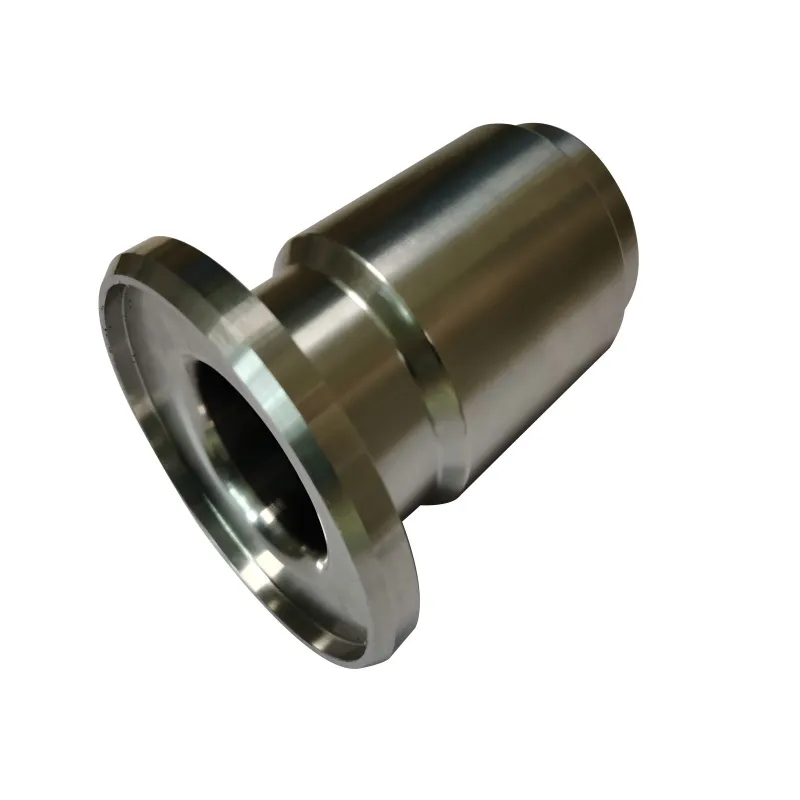
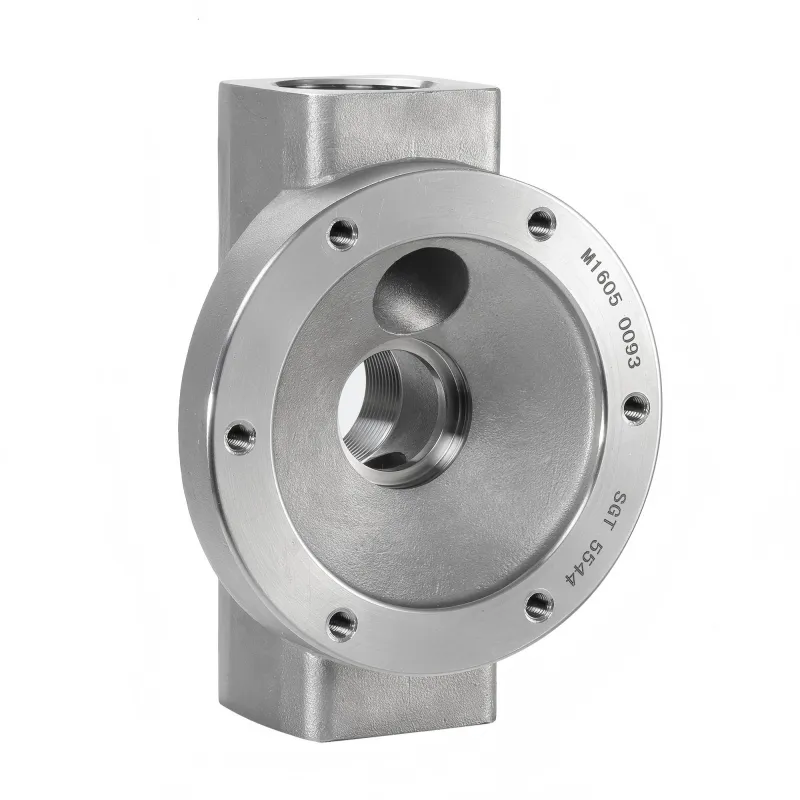
The synergy between casting and machining is another area where the brochure ideal meets the grinder, literally. You can cast a near-net-shape valve body, but if your machining partner doesn't understand the residual stress patterns or the potential for slight porosity just beneath the skin in a specific area of the casting, the first CNC pass can ruin a perfectly good part. The fact that QSY integrates CNC machining is a significant tell. It means they control the entire value chain from molten metal to finished dimension. This avoids the classic blame game: the machinist says the casting was bad, the foundry says the machining was too aggressive. When it's one house, the feedback loop is immediate. They learn that for a particular 17-4PH stainless steel batch, they need to adjust the solution heat treatment before machining to prevent tool wear. That's real precision.
Material selection is where theoretical data sheets meet the furnace. Working with special alloys like nickel-based or cobalt-based alloys isn't just about melting them. It's about understanding how they interact with the ceramic shell. Some of these alloys are incredibly reactive. I recall a project for a high-temperature nozzle where we used a proprietary cobalt alloy. The data sheet said standard shell materials acceptable. They were not. We got a nasty surface reaction, a sort of scaling that took microns off the surface tolerance. The fix wasn't fancier alloy; it was a different primary slurry formulation with a much higher zirconia content. A company with 30 years of material history, as mentioned in QSY's intro, would have a library of these learned correlations—likely undocumented but carried in the process engineers' heads.
The Shell Game: It's All About the Mold
Shell mold casting, often mentioned in the same breath as investment casting, is sometimes confused with it. In a simplified sense, investment casting uses a sacrificial wax pattern surrounded by a ceramic shell. Shell molding typically uses a resin-bonded sand mold formed around a metal pattern. The key difference in outcome? Surface finish and detail. For the ultra-fine features—think the sharp corners on a surgical instrument or the fine lettering on a gear—investment casting is king. But the shell process is incredibly robust for larger, slightly less intricate parts in higher volumes. A proficient investment and precision casting limited operation often masters both because they serve different niches in the same broad market of complex metal parts. It's about fitting the process to the part's functional and economic requirements, not forcing one solution.
The shell-building process in investment casting is an art disguised as a science. The dip, drain, stucco, dry cycle seems straightforward. But the number of layers, the angle of drainage, the grit size of the stucco sand for each successive coat—these are all variables tuned over years. Too few layers, and the shell cracks during pour. Too many, and you waste material and cycle time, and can even cause cooling issues leading to shrinkage defects. The goal is the minimum viable shell that can withstand the metallostatic pressure and thermal shock. I've seen shops where this is pure tribal knowledge, passed from shift lead to shift lead. The ones that thrive, I suspect like QSY, have managed to codify at least 80% of it into controlled process parameters, while leaving room for the artisan's touch on the most complex jobs.
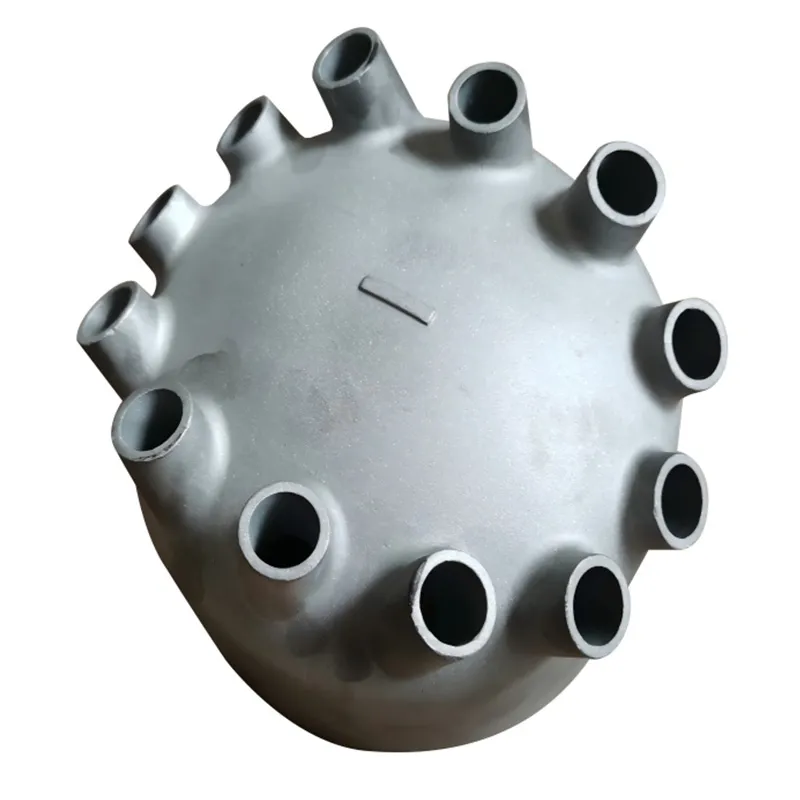
Failure analysis from shell-related issues is a constant teacher. A classic one: veining defects on the cast surface, appearing like raised thin lines. It looks like a metal problem, but it's almost always a shell problem—thermal expansion mismatch or a crack in the shell that gets filled with metal. The solution might be adjusting the firing temperature of the shell or changing the refractory material in the prime coat. Every defect like this, solved and documented, adds to the company's real intellectual property. This isn't patentable stuff; it's the gritty, practical know-how that allows a firm to reliably cast a stainless steel impeller that won't cavitate or a nickel-alloy heat shield bracket for a jet engine.
CNC Machining: The Necessary Partner to Casting
No casting is truly net-shape for critical applications. There's always a datum surface that needs to be machined flat, a bore that needs a perfect ID finish, or threads that need to be cut. This is where the integration shines. Sending castings out for machining introduces logistics, quality handoff issues, and time. Having it in-house, as QSY does, allows for a unified manufacturing strategy. For instance, they can design the casting with machining in mind—adding minimal but strategic stock in hard-to-hold areas, or ensuring the gating system is located away from critical finish surfaces to avoid cleanup work.
The real test is on complex, thin-walled castings. Machining can induce stress and distortion. An integrated team knows the casting's personality—where it's likely to be hardest, where residual stress might linger. They can develop a machining sequence that takes light, balanced cuts to avoid pulling the part out of tolerance. I've worked on aluminum investment castings for optical mounts where the final machining tolerance was within 0.0005. Achieving that required the machinists and foundry guys to sit together and map out the entire process from solidification to final pass. The fact that a company's offering explicitly lists both disciplines suggests they've baked this collaboration into their model.
Tooling wear is another shared headache. Cast materials, even after heat treatment, can have abrasive inclusions or hard spots. A machining team disconnected from the foundry will just complain and burn through inserts. An integrated team feeds that data back. The foundry might adjust the inoculant used in the iron casting or tweak the cooling rate for a stainless part to create a more uniform microstructure that's easier on tools. It's this continuous, closed-loop optimization that builds a formidable precision casting capability over 30 years.
Materials: From Commodity to Exotic
The material list—cast iron, steel, stainless, special alloys—reads like a progression of capability. Every foundry can do gray iron. Doing it consistently for a high-volume automotive component with strict hardness requirements is harder. Moving to steel introduces shrinkage and feeding challenges; it's a different solidification game. Stainless steels, with their poor thermal conductivity, are prone to hot tearing if the gating and risering aren't spot-on. Each material family is a new language of metallurgy.
The special alloys—cobalt-based, nickel-based—are where the barrier to entry gets high. They're expensive, they're often proprietary, and they're fussy. Their mechanical properties are highly sensitive to the thermal history during casting and subsequent heat treatment. Getting the tensile strength and elongation specs right for an Inconel 718 part isn't just about hitting the chemistry. It's about controlling the cooling rate through specific temperature ranges and then applying the correct age-hardening cycle. A shop that casually lists these materials has presumably made the capital and knowledge investment in vacuum melting furnaces and controlled atmosphere heat treat ovens. It's a statement of serious intent in the high-performance segment of investment casting.
One practical headache with these alloys is revert management—reusing scrap and sprues. You can't just throw everything back into the melt. The chemistry shifts, trace elements accumulate. You need a disciplined system for segregating and blending revert with virgin material. It's an unglamorous but critical part of cost control and quality consistency when dealing with $50-per-kilo alloys. This is the kind of backend operational discipline that underpins a sustainable business in this space.
The 30-Year Factor: Institutional Memory vs. Innovation
Thirty years in this business, as noted for QSY, is significant. It means they've survived multiple economic cycles, seen technologies come and go (remember when rapid prototyping was going to kill investment casting for prototypes?), and likely have a deep bench of veteran pattern makers, melt foremen, and quality engineers. That institutional memory is priceless. It means someone there probably remembers how they solved a similar defect on a part for a now-obsolete oil rig pump in the 90s, and that knowledge might be applicable to a new part for a hydrogen valve today.
But the flip side is the risk of stagnation. The old ways are comfortable. The challenge for any established investment and precision casting limited entity is to marry that deep experience with new technologies: 3D printing for sacrificial patterns or even ceramic shells, advanced simulation software for solidification modeling, real-time process monitoring with sensors in the furnace and along the coating line. The shops that will lead for the next 30 years are the ones using their experience not as a crutch, but as a foundation to validate and implement these new tools wisely. They'll use simulation not to replace the foundryman's intuition, but to test twenty gating designs in a day instead of spending weeks on trial casts.
Ultimately, what you're looking for in a partner with a name like this isn't just a list of processes and materials. You're looking for evidence of deep, practical problem-solving. It's in the way they question your drawing, suggest a slight draft angle change to improve fill, or recommend a different stainless grade that casts better and still meets your corrosion spec. It's in the transparency when something goes wrong and the forensic detail in their corrective action report. That's the hallmark of a real practitioner, whether it's on their shop floor or in their technical proposal. The rest is just marketing.