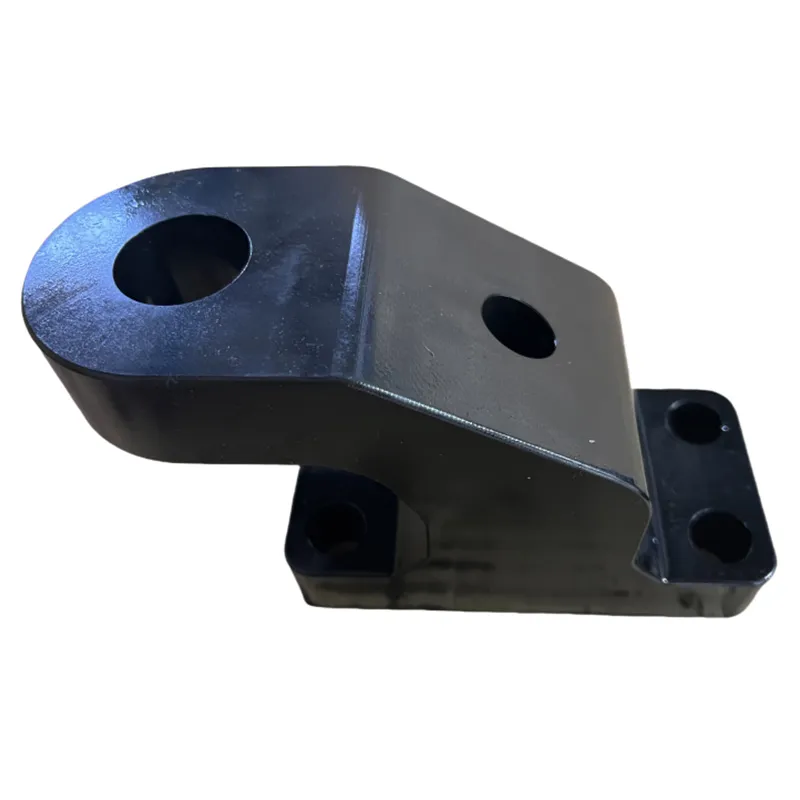
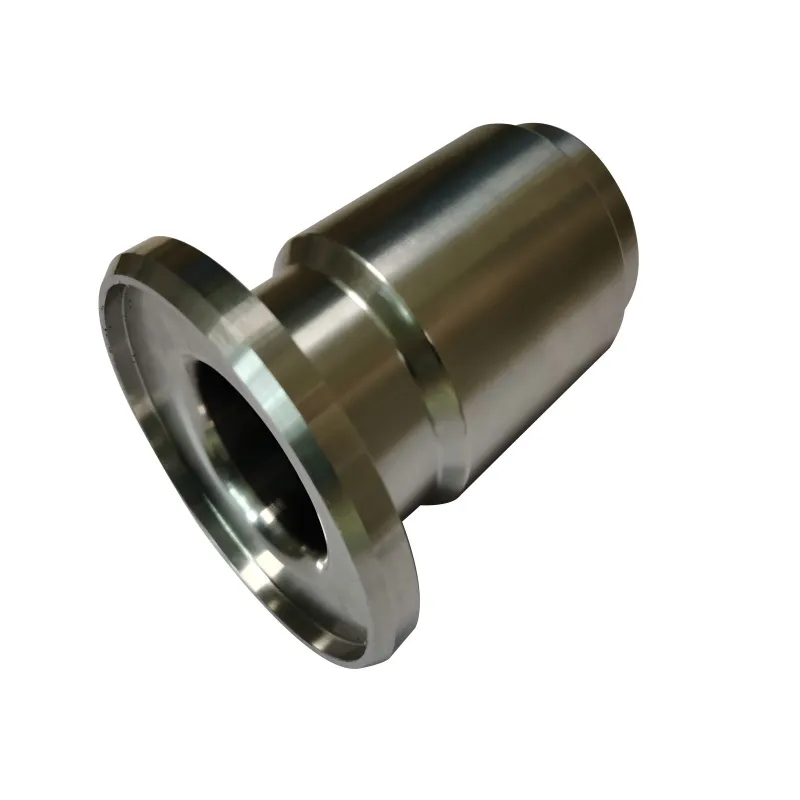
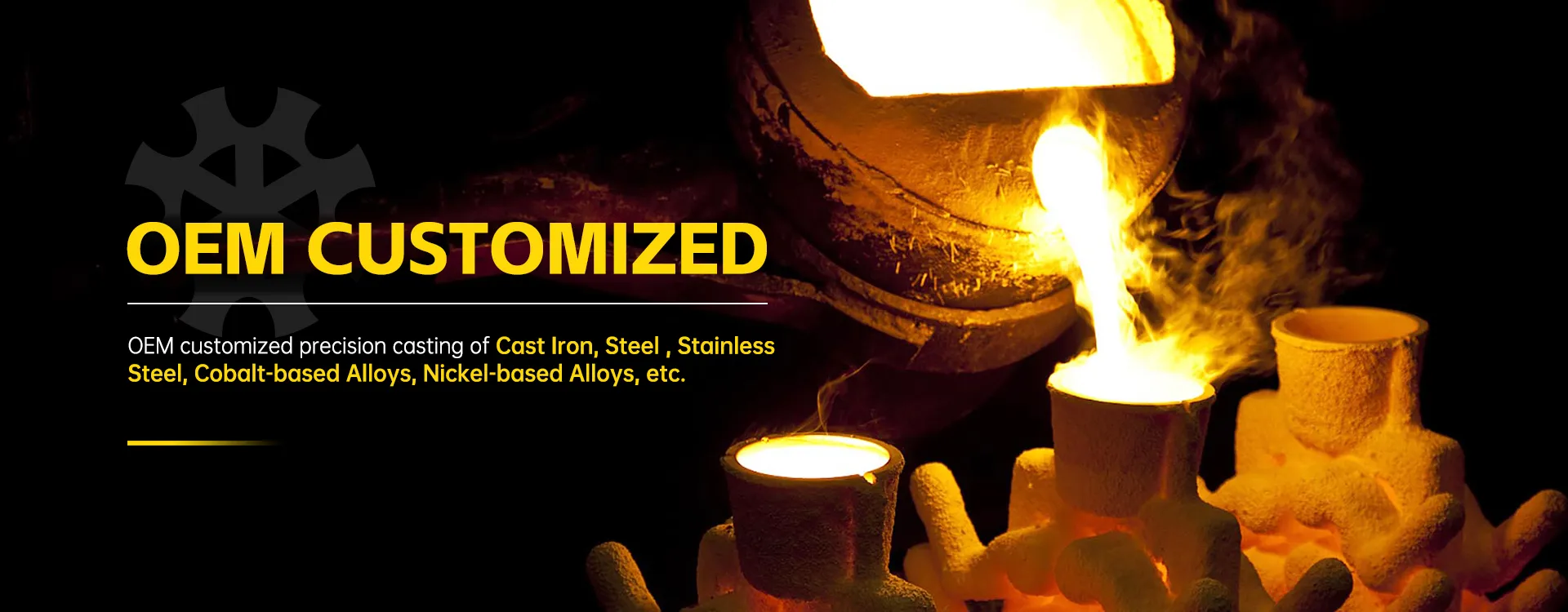
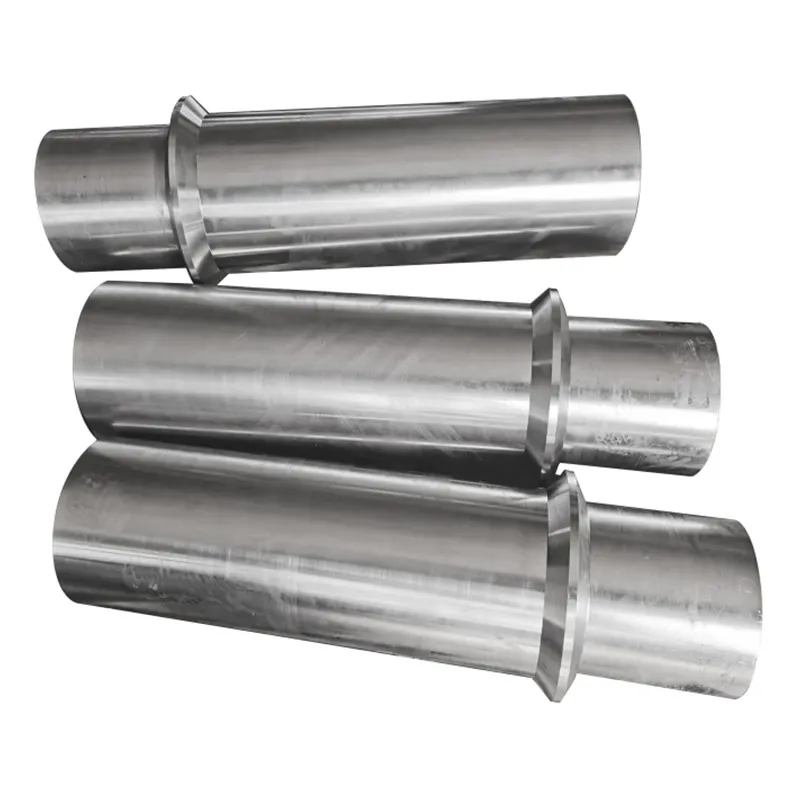
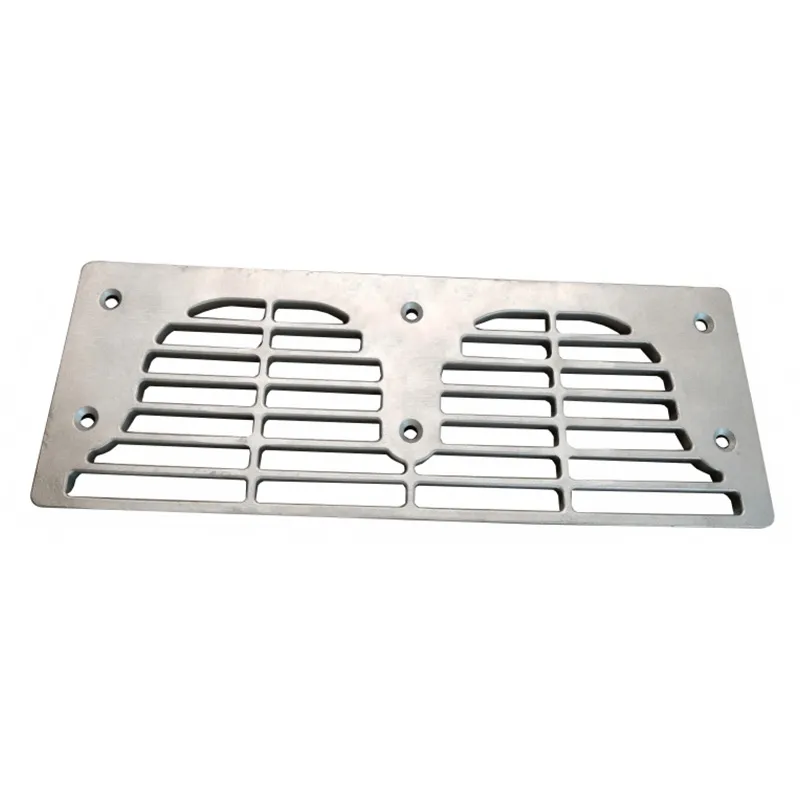
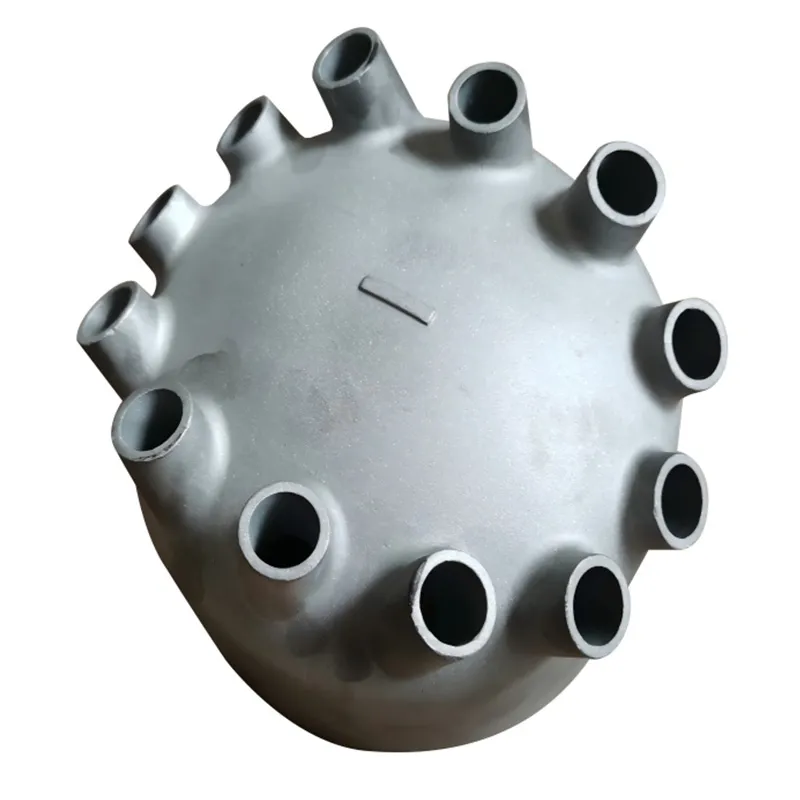
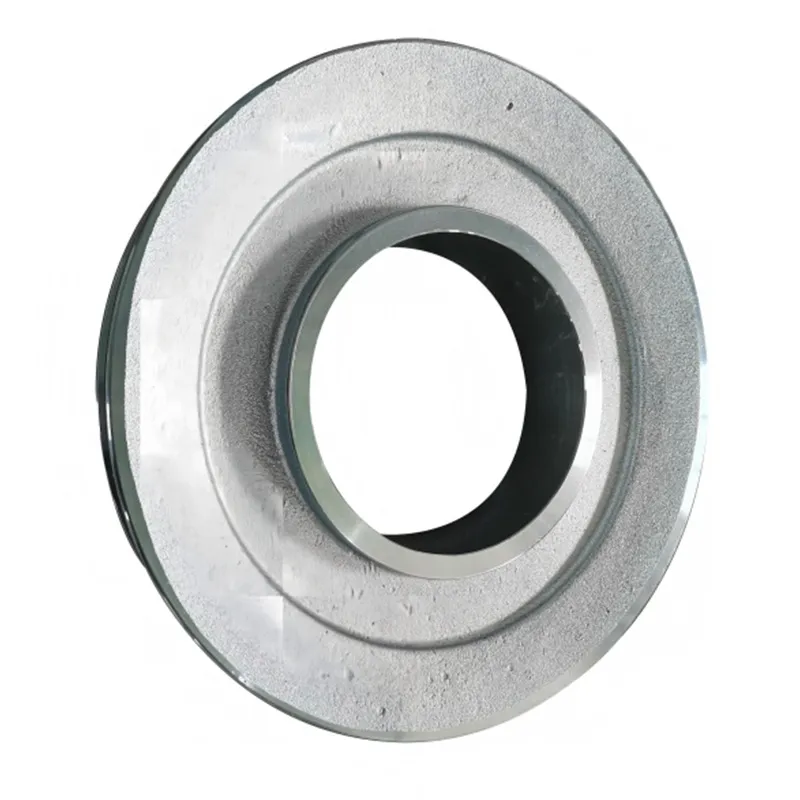
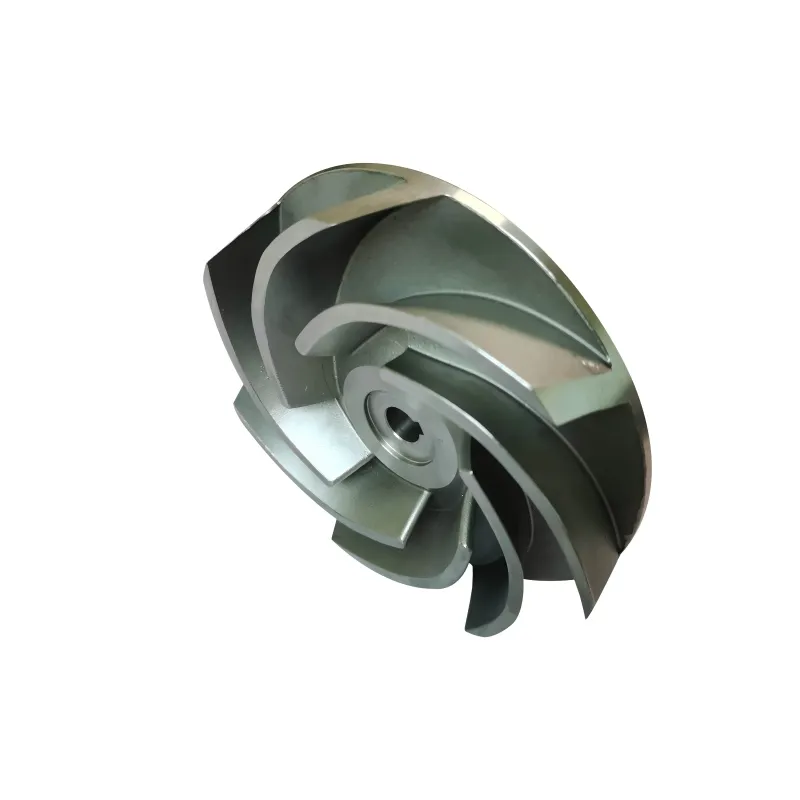
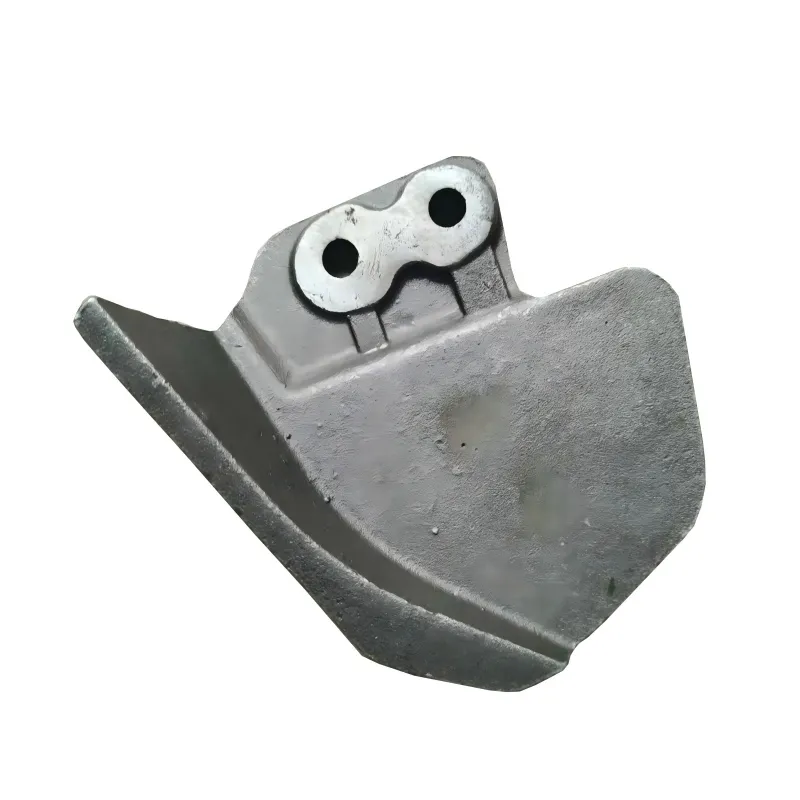
You hear 'investment casting' and most minds jump straight to lost wax, intricate jewelry, or maybe turbine blades. That's the textbook answer. But on the shop floor, it's less about the romantic history and more about the constant negotiation between design ambition and physical reality. The real story isn't in the name; it's in the thousand tiny failures and adjustments that happen before you get a viable production run. A lot of clients come in thinking it's a magic process for making anything complex—just send a CAD file and wait for perfect parts. That's the first, and often most expensive, misconception.
The Shell Game: It's All About the Foundation
Everyone focuses on the wax pattern, but the shell is where the battle is won or lost. It's not just dipping and stuccoing; it's a chemistry and thermal management project. The slurry viscosity, the ambient humidity that day, the drying time between coats—each variable shifts the outcome. We've had jobs where the shell looked perfect, only to crack during dewaxing because the thermal shock curve was too steep for that particular geometry. You learn to read the shells. A slight color variation in the ceramic can indicate a moisture issue that'll lead to inclusions later.
At our facility, we run both silica and zircon-based primary slurries depending on the alloy. For high-nickel alloys, you almost always go zirconia for that first face coat to prevent metal-mold reaction. It's a cost adder, but trying to save money there is a sure way to get a ruined surface finish. I recall a batch for a pump impeller in 316L where we used a standard silica face coat as a test. The result? A 'orange peel' texture on the leading edges that required hours of extra grinding. The shell had reacted. Lesson learned, now it's standard protocol.
The stucco sand size progression is another art. Jump too quickly to a coarse grade, and you lose detail retention. Move too slowly, and the shell build time becomes impractical, and you risk green strength problems. We've standardized a progression, but even then, for deep, narrow channels, we might insert an extra intermediate coat. It's these unglamorous, granular decisions that define quality.
Alloy Behavior: The Unpredictable Partner
Speaking of alloys, this is where generic knowledge fails. Investment casting promises design freedom, but the metal has its own rules. Stainless steels like 304 and 316 are relatively forgiving, but when you get into the superalloys—the Inconels, the Hastelloys, the cobalt-based stuff—everything changes. Their melting characteristics, fluidity, and how they shrink are a world apart.
We worked with a client on a cobalt-chromium medical component. The CAD model had beautiful, thin-walled features. The first pours using our standard gating and risering for stainless resulted in persistent mistruns. The alloy just didn't flow the same way; it 'got sticky' faster. We had to redesign the entire feeding system, moving to multiple, smaller gates to distribute the metal quicker and using hotter pour temperatures, which then forced us to adjust the shell pre-heat to avoid thermal shock. It took three iterations. This is the hidden loop: change the metal, and you're often re-engineering the process from the pattern up.
Shrinkage is another classic pitfall. The patternmaker's shrinkage allowance is a starting point, not a guarantee. For a complex geometry in ductile iron, the shrinkage isn't uniform. We might apply a 2.1% linear allowance, but in a thick junction, it will pull differently than in a thin web. Sometimes, you need to add strategic distortion to the wax pattern—a slight pre-bend, for instance—so it distorts into the correct shape during cooling. You only learn this by measuring hundreds of castings, plotting the deviations, and working backwards.
The Machining Handshake: Why Casting Never Stands Alone
This is a critical point often missed. Very few investment castings are finished parts straight from the shakeout. They almost always need machining. That's why at QSY, the investment casting and CNC machining operations are in constant dialogue. It's pointless to cast a feature to a tight tolerance if the fixturing for the subsequent milling operation is impossible or unstable.
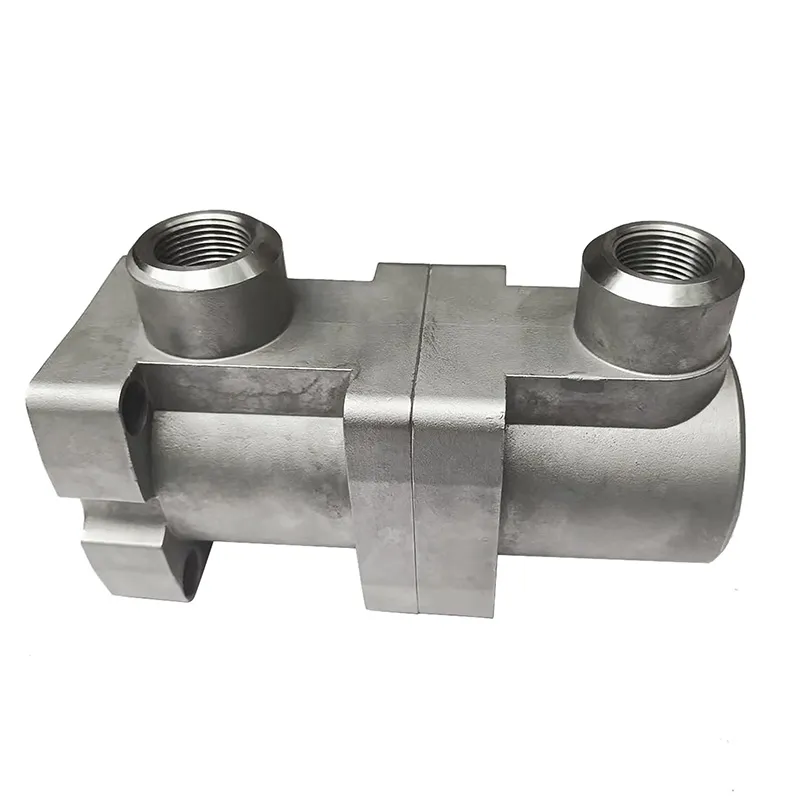
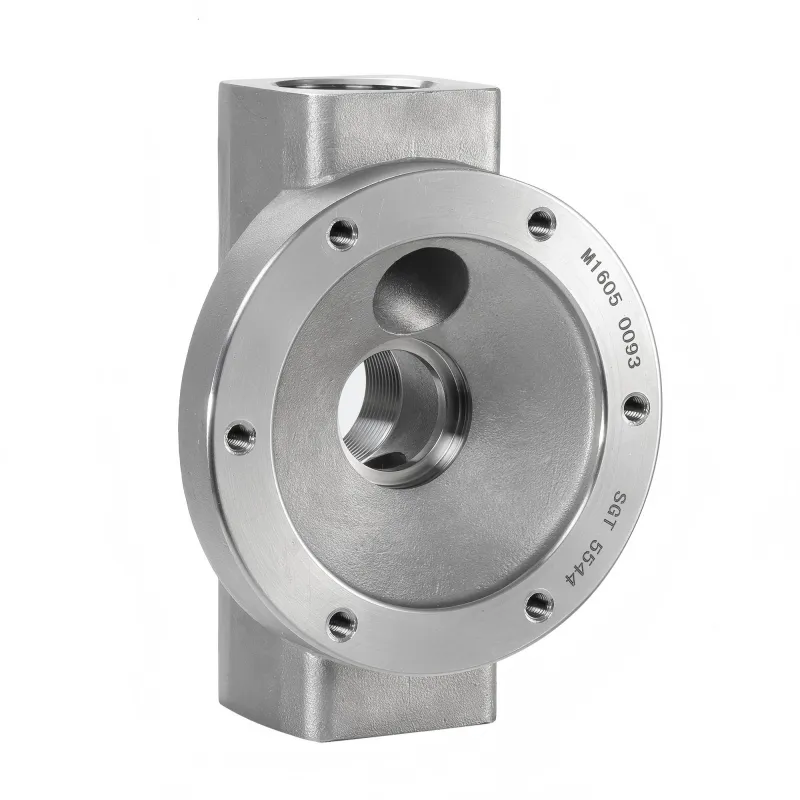
We had a valve body project. The as-cast internal passages were fine, but the client needed a perfect seal on a flange face. The initial casting design had minimal machining stock there, maybe 0.5mm. In theory, it's efficient. In practice, during heat treatment, the part warped slightly. By the time we clamped it on the CNC bed, we couldn't clean up the entire face while maintaining flatness. We had to go back and modify the wax die to add an extra 1.5mm of stock on that specific face. It meant more machining time, but it guaranteed the spec. The synergy is key; you're not just selling a casting, you're selling a machinable casting.
This integrated approach is what companies like Qingdao Qiangsenyuan Technology Co., Ltd. (QSY) have built over decades. With over 30 years in casting and machining, the feedback loop is short. The machining team tells the foundry, We're burning tools on this hard spot, and the foundry can look at the inoculant or cooling rate. It's this practical, problem-solving environment that lets you tackle materials from cast iron to nickel-based alloys with some confidence.
Gating and Feeding: The Silent Cost Drivers
If you want to see where profit evaporates in investment casting, look at the gating system. It's the metal that gets poured but never ships. A lazy or overly conservative gating design can have a yield of 40%—meaning 60% of the metal poured ends up as re-melt or scrap. The goal is to get that yield up to 60%, 70%, or higher for simple shapes.
Simulation software helps, but it's not gospel. We use it to predict hotspots and shrinkage porosity. But the software's material models are approximations. We always do physical verification. For a new complex part, we'll sometimes run a first article with thermocouples embedded in the shell at critical points. The data we get back often shows the simulation was off by a few critical seconds or degrees, enough to shift the shrinkage location. Then it's back to the virtual model to tweak the feeder sizes or placements.
The most frustrating problems are intermittent ones. A pattern will run fine for months, then suddenly you get porosity in a specific location. Nine times out of ten, it's a raw material change—a new batch of alloy with slightly different trace elements, or a change in the wax blend affecting its expansion. You become a detective, tracing back through the process logs. It's humbling. It reminds you that this is a materials science process, not just a mechanical one.
The Good Enough Standard
Finally, a thought on quality standards. Aerospace and medical have their specs, and they're non-negotiable. But for many industrial applications, the quest for a perfect casting is a money pit. The real skill is knowing what 'good enough' is for the function. Does a slight surface ripple on a non-cosmetic interior surface matter? Probably not. Does a tiny, isolated shrinkage pore in a non-load-bearing area matter? It might not.
We spend a lot of time educating customers on this. Radiographic inspection (X-ray) will find every discontinuity. The question is whether it's an acceptable discontinuity per the relevant standard (like ASTM E192). Pushing for a casting with zero discernible flaws can triple the cost and lead time due to increased scrap and process over-engineering. Sometimes, the more economical and faster path is to design with the process's inherent characteristics in mind, allowing for material in areas prone to micro-porosity, rather than trying to eliminate it entirely.
That's the accumulated, slightly weary wisdom of doing this for years. Investment casting isn't about achieving perfection in a vacuum. It's about managing a chain of variable physical processes to reliably, and economically, produce parts that work. It's wax, ceramic, fire, metal, and a lot of accumulated, hard-won judgment calls. The companies that last, like QSY with its three-decade focus on shell mold and investment casting paired with machining, understand that balance. The flashy CAD model gets you in the door, but it's the gritty, unsexy process control that delivers the part that actually fits and functions.