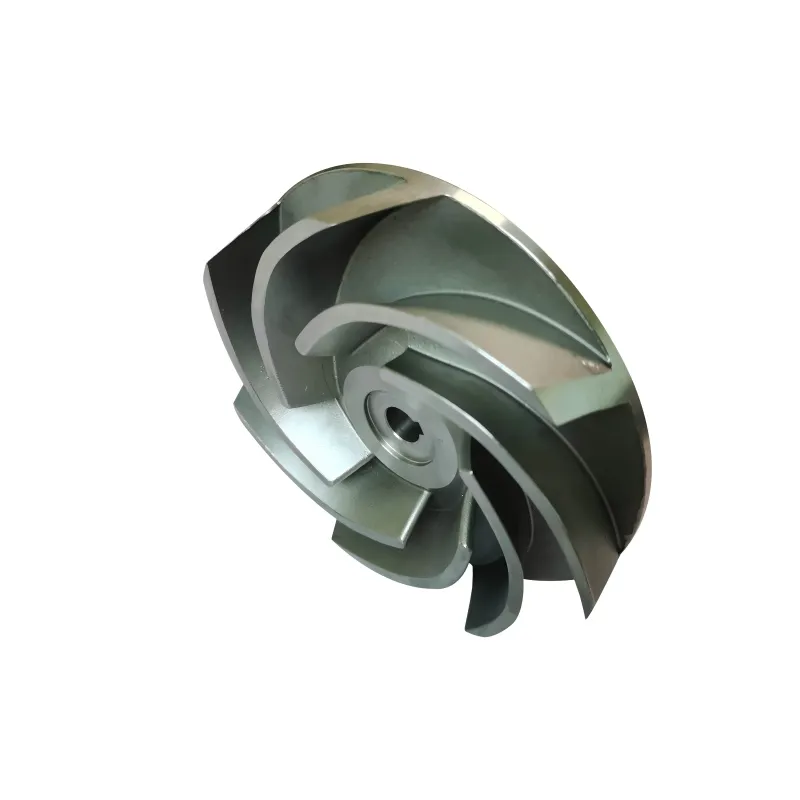
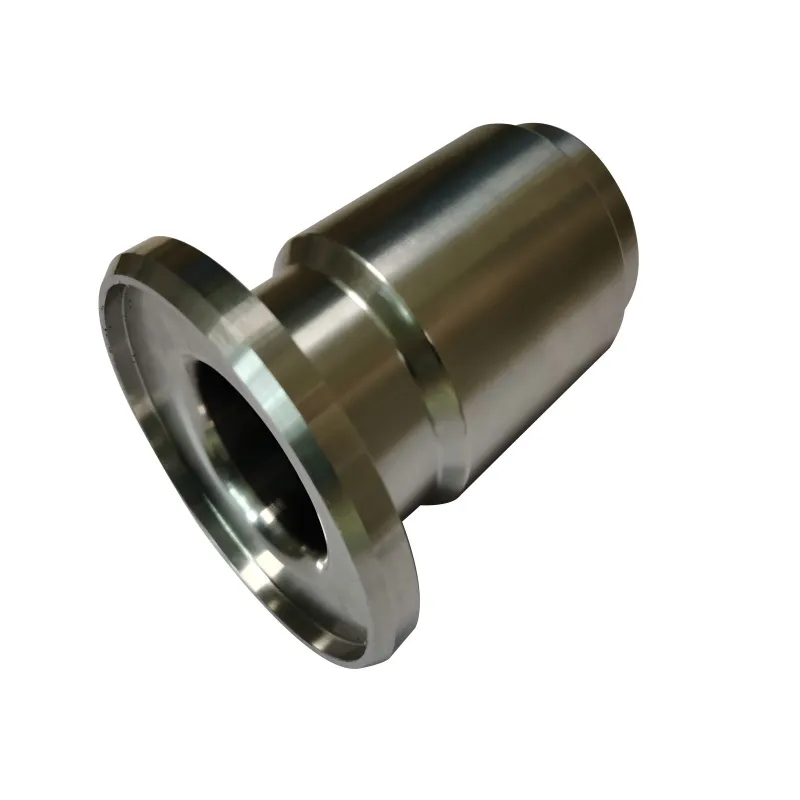
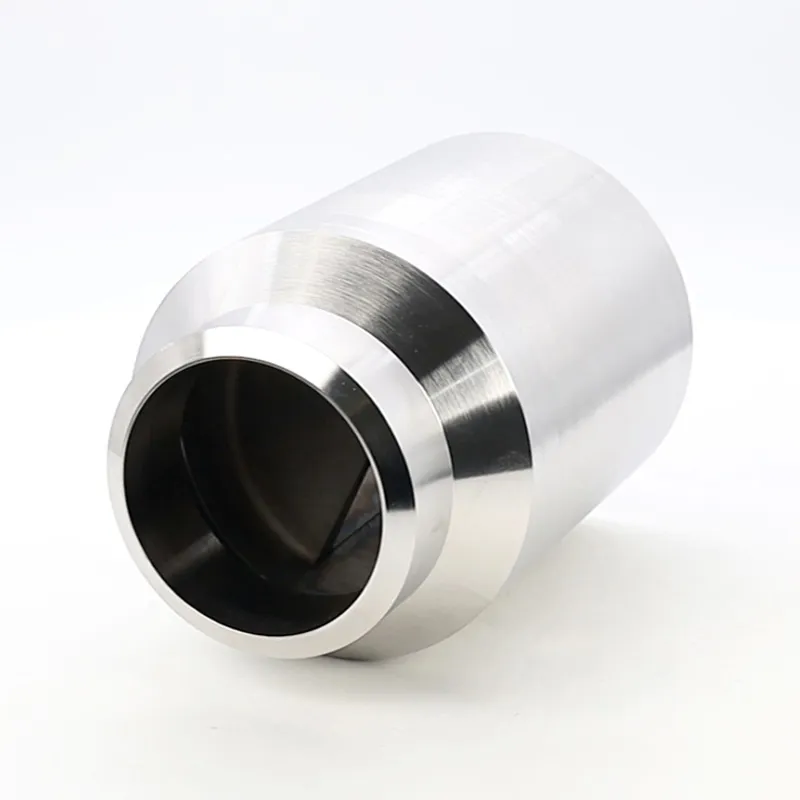
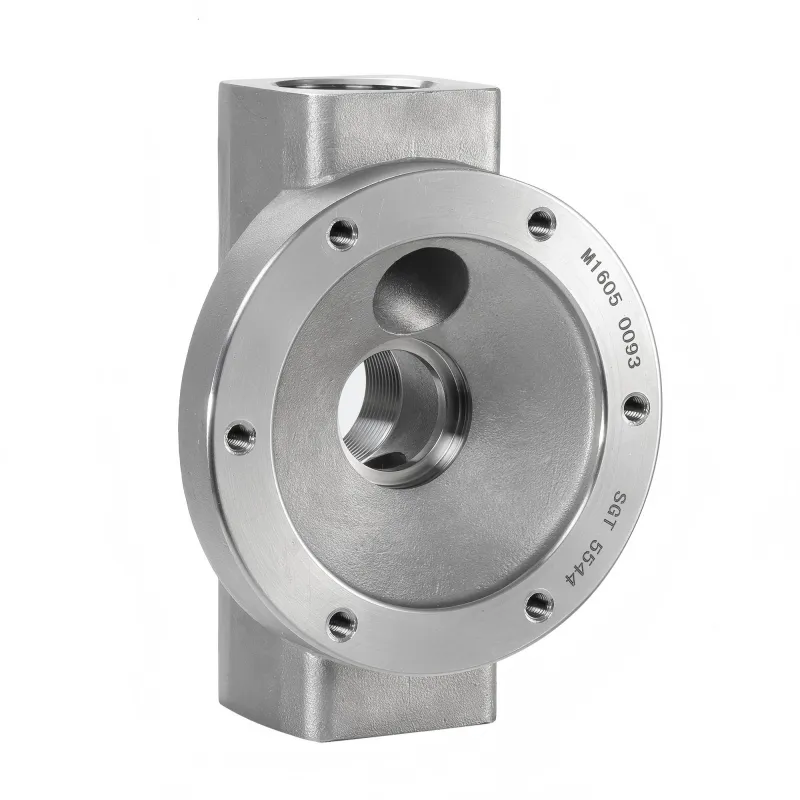
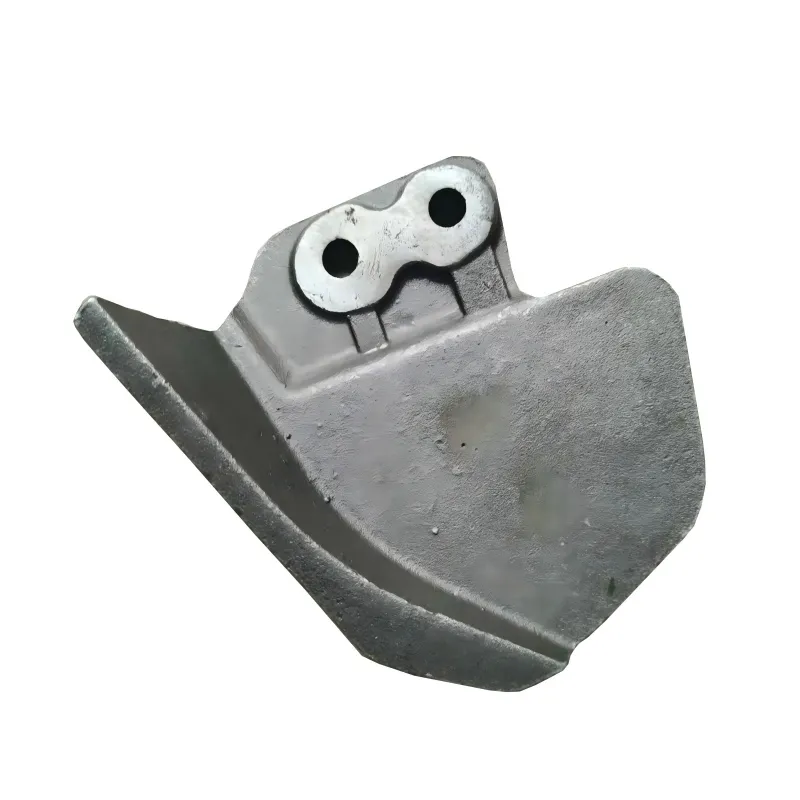
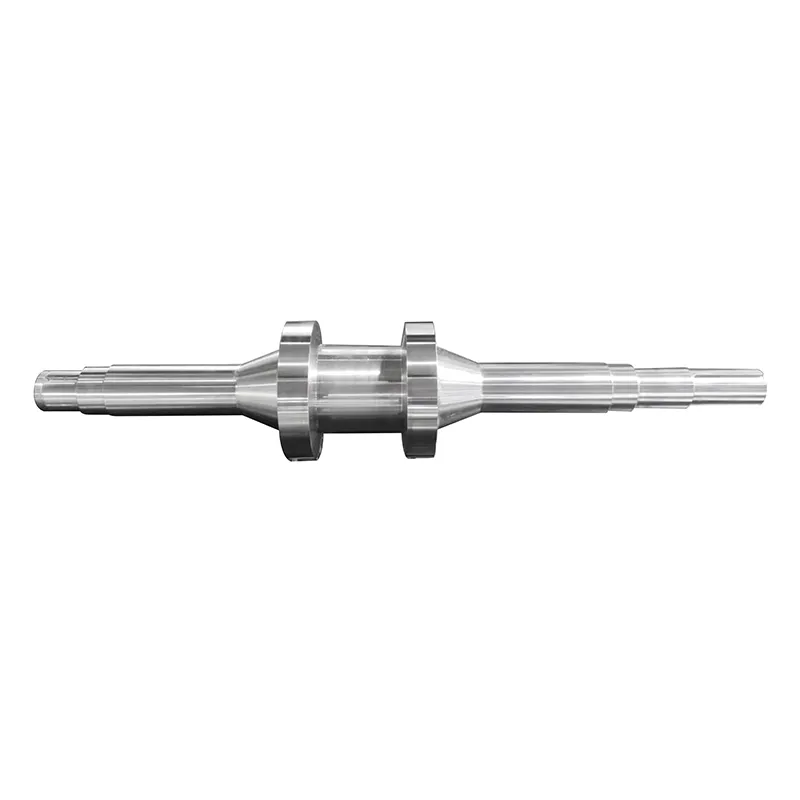
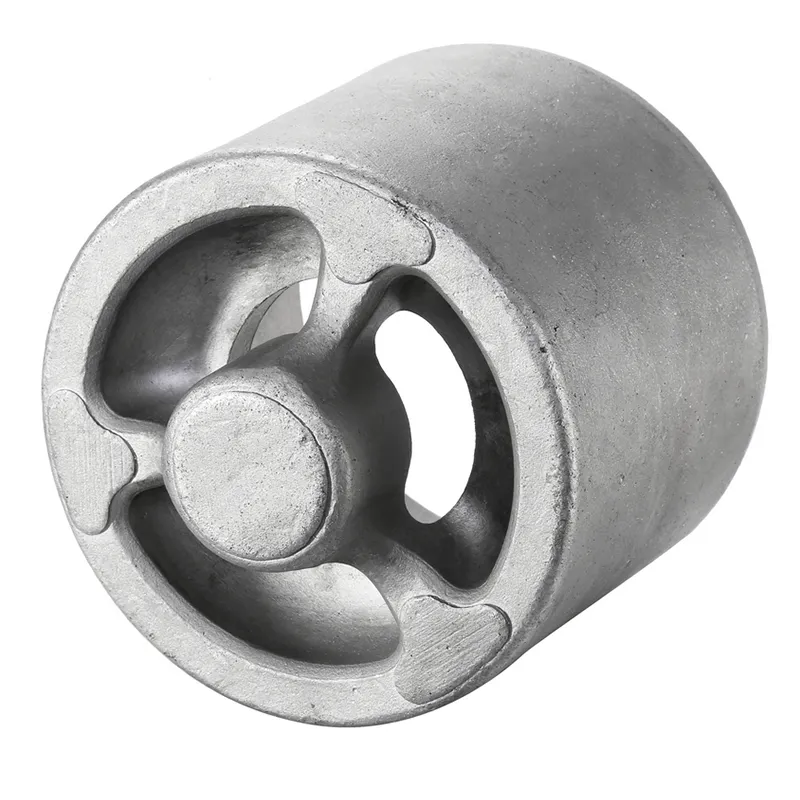
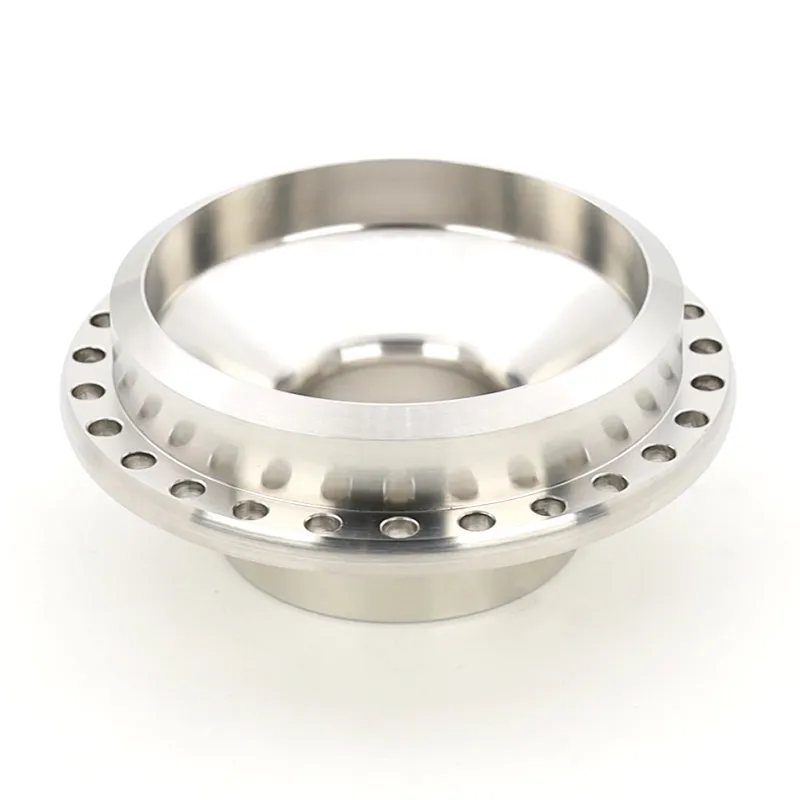
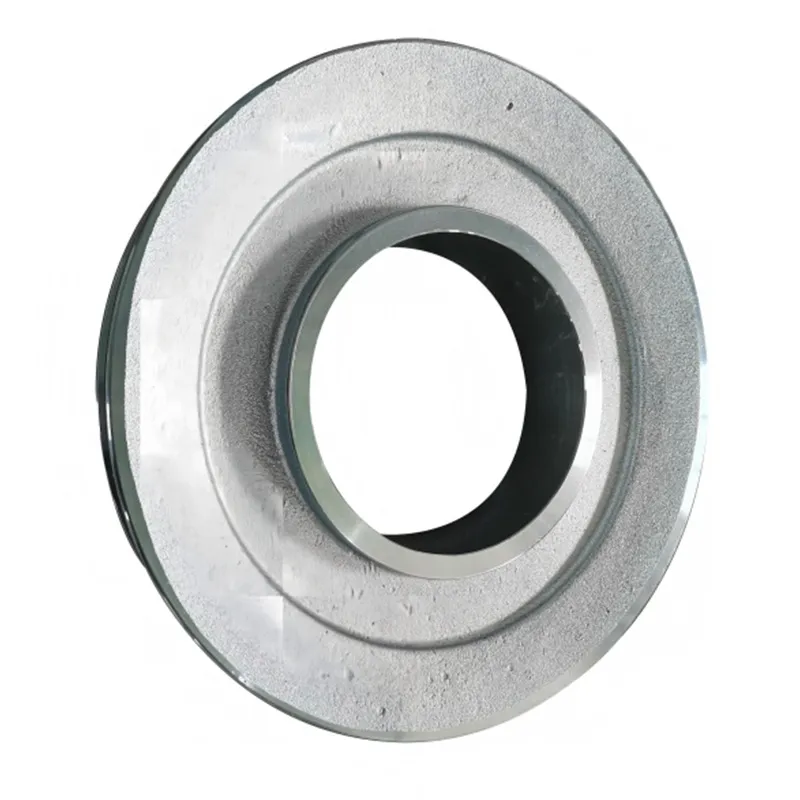
When you hear 'investment casting automotive parts', the immediate image is often of those complex, shiny turbocharger wheels or intricate engine brackets. That's true, but it's also where a common industry misconception starts: thinking it's only for the high-end, low-volume exotic stuff. In reality, the process is quietly embedded in mass production too, but the challenges shift entirely. It's not just about making the shape; it's about making it survive 200,000 miles of thermal cycles and vibration without failing, and doing so at a cost that doesn't make the procurement manager wince. I've seen projects where the design was beautiful on screen but a nightmare in the foundry, and others where a simple tweak to a draft angle saved a fortune in machining. Let's talk about what it really takes.
The Core Appeal: Why Automotive Keeps Coming Back to Investment Casting
It boils down to geometry and material integrity. For parts like investment casting automotive parts such as sensor housings with internal channels, or lightweight structural nodes for EV battery frames, you simply can't forge or machine them from solid block economically. The near-net-shape capability is the first win. You're saving on material waste, especially with expensive alloys, and you're reducing secondary machining hours dramatically.
But here's the nuanced bit that specs sometimes miss: the metallurgical consistency. A good investment cast part, when the process is dialed in, has a uniform, fine-grained structure. This is critical for parts under cyclic stress. I recall a project for a diesel engine exhaust manifold—a classic investment casting automotive parts application. The challenge wasn't the shape; it was preventing hot tears in the thin sections between ports. We went through three iterations of the ceramic shell recipe and adjusted the pouring temperature by a mere 25°C to get the solidification front right. That's the kind of shop-floor tuning that CAD models don't show you.
This is where long-term foundry partners show their value. A company like Qingdao Qiangsenyuan Technology Co., Ltd. (QSY), with their three decades in shell and investment casting, has that baked-in experience. They've seen what works for a stainless steel EGR valve body versus a nickel-based alloy turbine housing. That material-specific knowledge—knowing how, say, a 17-4PH stainless will behave during shell removal—is irreplaceable. It prevents costly trial-and-error on your dime.
The Gritty Reality: Tolerances, Surfaces, and The Machining Handshake
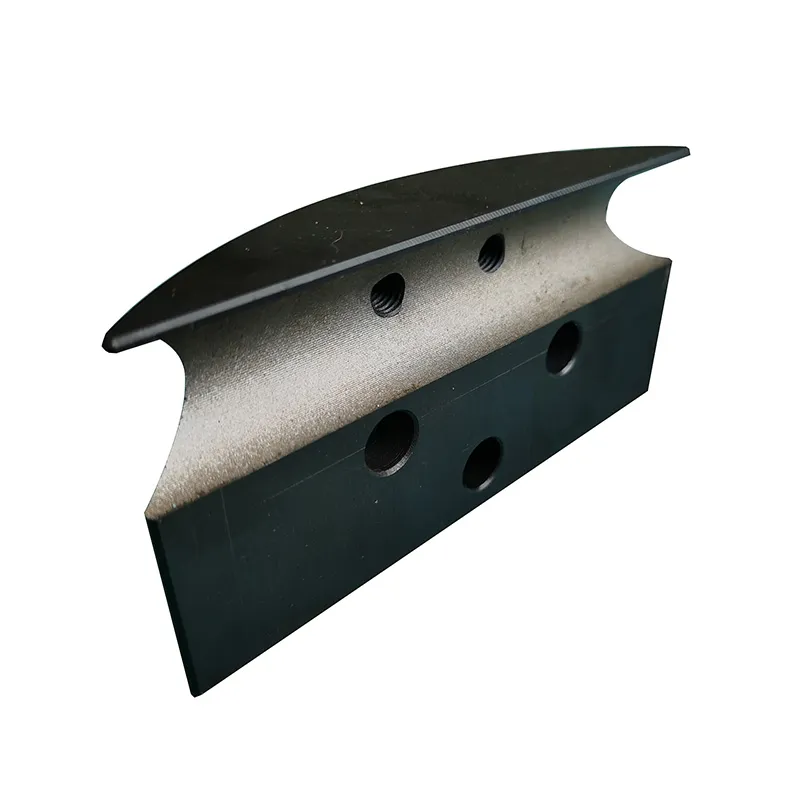
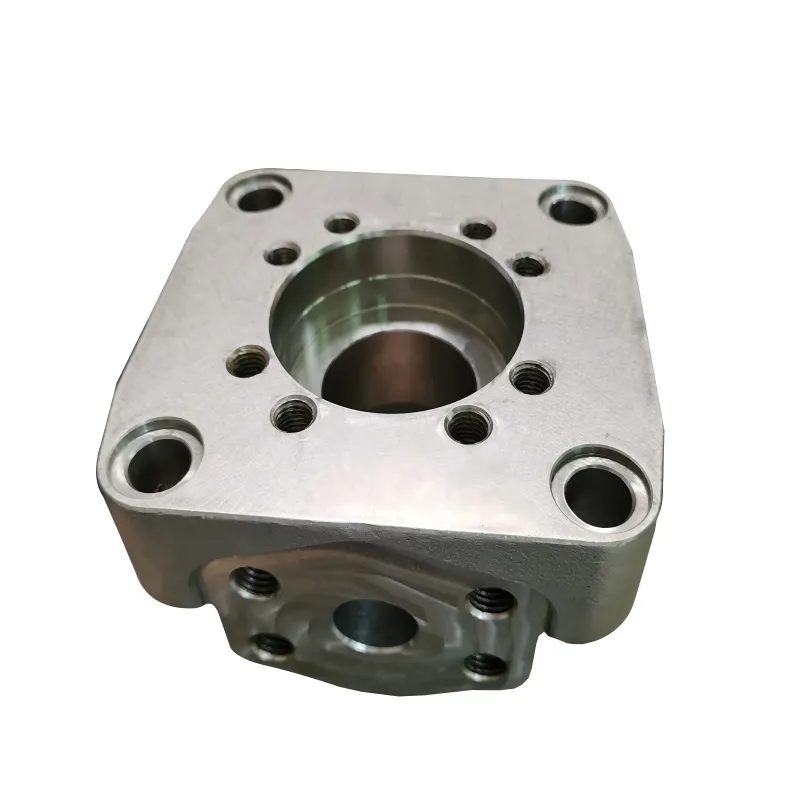
No one in the automotive supply chain has the luxury of casting to finish for critical components. The promise of as-cast tolerances is often optimistic for mating surfaces. Every part needs a datum, and that's where CNC machining comes in. The real art is in the process planning: deciding which surfaces to cast near-net and which to leave excess stock for a clean-up cut.
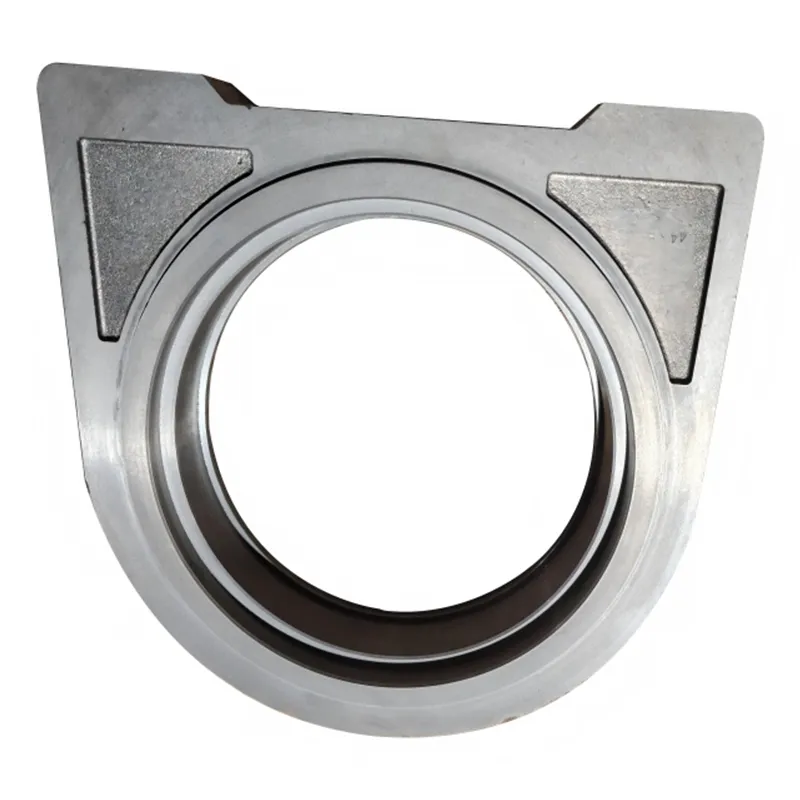
I learned this the hard way early on with a transmission bracket. We designed it to be a perfect net-shape cast, aiming to eliminate machining. Big mistake. The slight distortion from heat treatment meant the bolt hole patterns drifted just enough to cause a fit-up issue on the assembly line. We had to scrap a whole pilot batch. The fix? We redesigned it to cast the main body to shape but left generous machining allowances on all critical mounting faces. The per-part cost went down because the yield went up. This integrated approach is exactly why operations that combine casting and machining under one roof, like QSY does with their investment casting and CNC departments, have a smoother workflow. The machinists talk to the foundry guys daily; they know how the part will likely warp and can program the fixturing accordingly.
Surface finish is another battleground. A cast surface might look fine, but for a part that sees oil pressure or has an O-ring groove, the as-cast porosity can be a leak path. We often specify a machined finish on sealing surfaces, even if it adds a step. The key is communicating this clearly in the drawing stack-up. Is that Ra 3.2 μm requirement for the entire part, or just the flange face? Ambiguity here costs money and time.
Material Selection: It's Not Just About Strength
Walk into any automotive engineering meeting, and the material discussion is dominated by tensile strength and yield points. For investment casting automotive parts, that's just the entry ticket. You have to think about castability, weldability (for sub-assemblies), and machinability downstream.
Take the move towards more exhaust components in stainless steel for corrosion resistance. AISI 316 is great for corrosion, but it's gummy to machine. Switching to a more machinable grade like 303, or even a proprietary free-machining variant from the foundry, can slash CNC tool wear and cycle times. A partner like QSY, which lists expertise in stainless and special alloys like cobalt and nickel-based ones, can advise on these trade-offs. They might suggest, for instance, a low-carbon version of a steel grade if the part is going to be welded later, to prevent carbide precipitation in the heat-affected zone.
Then there's the thermal expansion coefficient. For an assembly that combines an aluminum housing with a steel insert cast-in-place, you need alloys that play nice thermally. Getting that wrong leads to residual stress and premature fatigue failure. It's these interdisciplinary material choices that separate a functional prototype from a production-ready, durable component.
Failure Modes and The Lessons They Teach
You don't truly understand a manufacturing process until you've seen it fail. One vivid memory is a batch of aluminum throttle bodies. They passed all dimensional checks but failed pressure testing in the engine bay. The culprit? Micro-shrinkage porosity in thick sections near the mounting lugs, invisible to X-ray at our sampling frequency. The foundry had to modify the gating system to better feed those areas during solidification. It was a classic case of designing for function but not for manufacturability.
Another common pitfall is underestimating the cost of complexity. Adding that one extra internal feature might seem free in the design, but if it requires a complex ceramic core that is fragile and has a high breakage rate during de-shelling, your unit cost can double. I've sat with process engineers where we literally weighed the cost of adding a core versus drilling the feature in a secondary CNC operation. Sometimes, machining is cheaper. The goal of investment casting isn't to eliminate all machining; it's to optimize the total cost of the finished, validated part.
These experiences underscore why a supplier's quality control protocol is non-negotiable. It's not just about final inspection. It's about process control at every stage: wax injection consistency, ceramic slurry viscosity, dewaxing parameters, metal melt chemistry, and heat treatment curves. A robust system catches deviations before they become scrap. When evaluating a source, I always ask about their statistical process control (SPC) on critical dimensions and their first-article inspection report depth.
The Future: Lightweighting, Electrification, and Process Evolution
The drive for electric vehicles is changing the investment casting automotive parts landscape. The parts are different: more intricate cooling plates for battery packs, lightweight aluminum or magnesium structural components, and high-strength brackets for electric motor mounts. The volumes are high, which pushes the process towards more automation in wax assembly and shell building to maintain consistency and cost targets.
There's also interesting work in hybrid processes. For instance, casting a complex manifold in stainless steel but leaving strategic pads for later machining of sensor ports. Or using 3D printing to create direct ceramic molds for ultra-complex prototype parts, bypassing the traditional wax pattern tooling altogether for short runs. This is where the industry is heading—blending old and new technologies.
Ultimately, success in this field isn't about having the shiniest brochure. It's about having the depth of experience to navigate the compromises between design intent, material physics, and production economics. It's about partners who can look at a drawing and immediately flag potential hot spots, suggest a more cast-friendly fillet radius, or recommend a material grade that will perform better in service. That practical, problem-solving partnership is what turns a good design into a reliable, cost-effective automotive component that rolls off the line, year after year. That's the real value of the process, far beyond its ability to make pretty shapes.