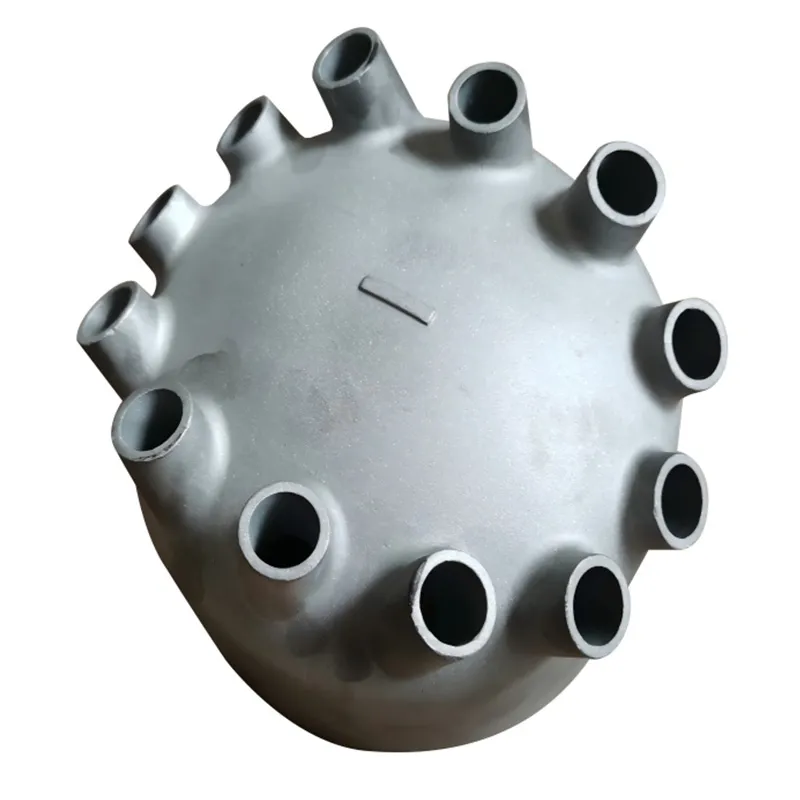
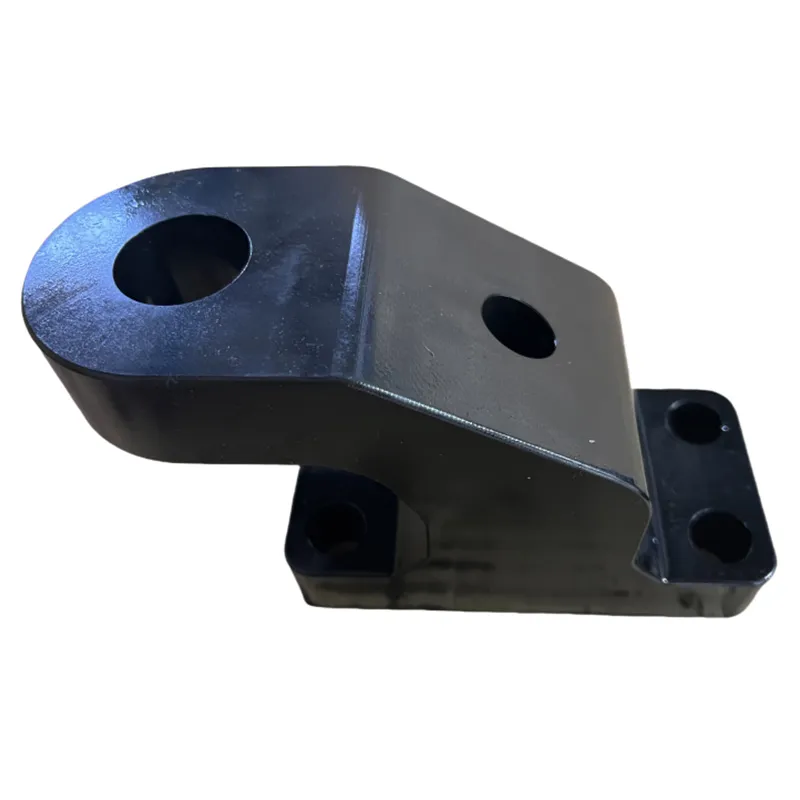
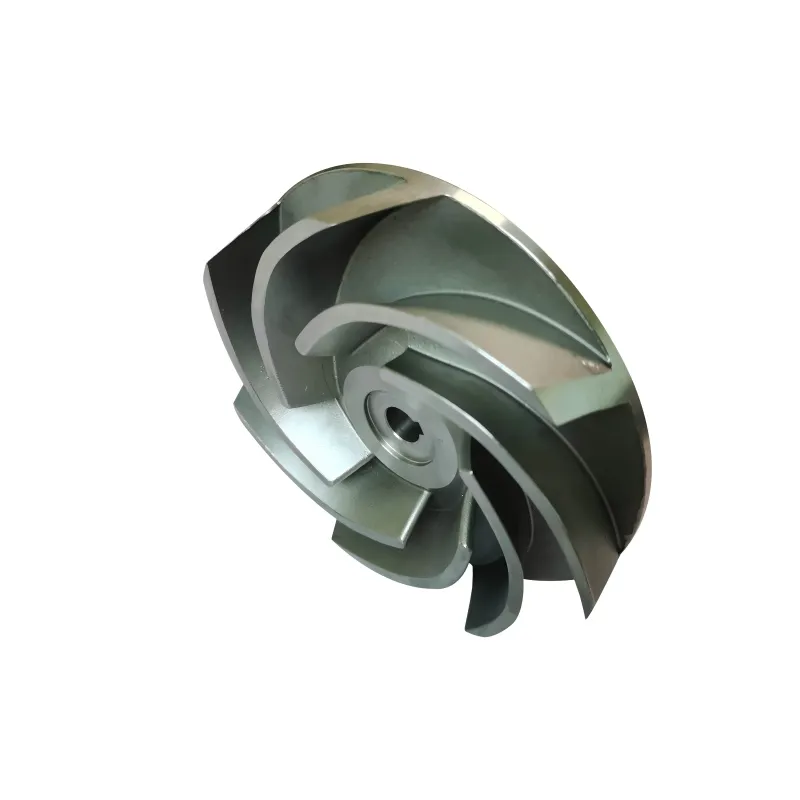
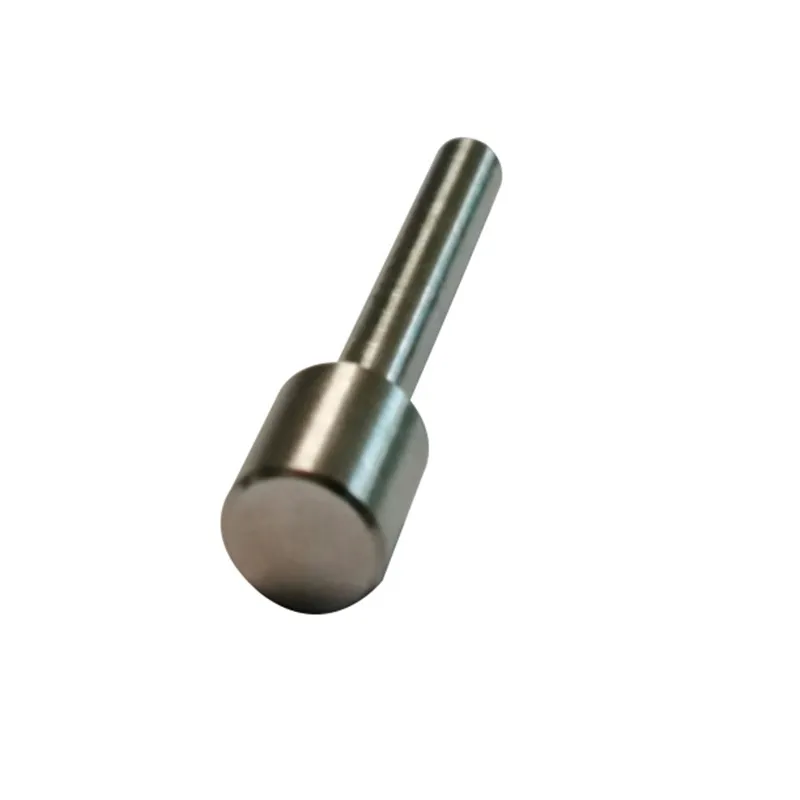
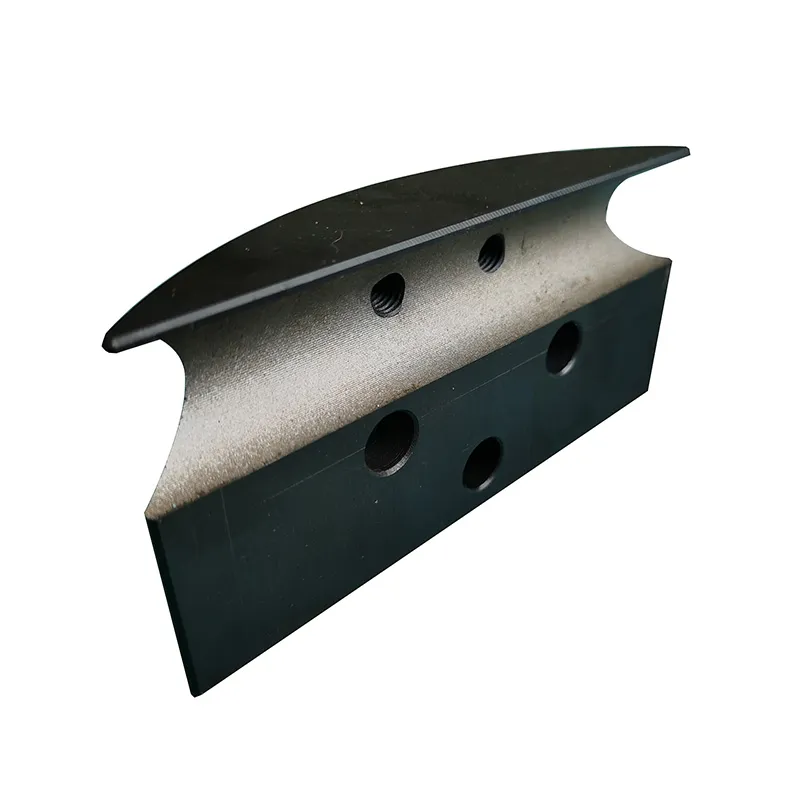
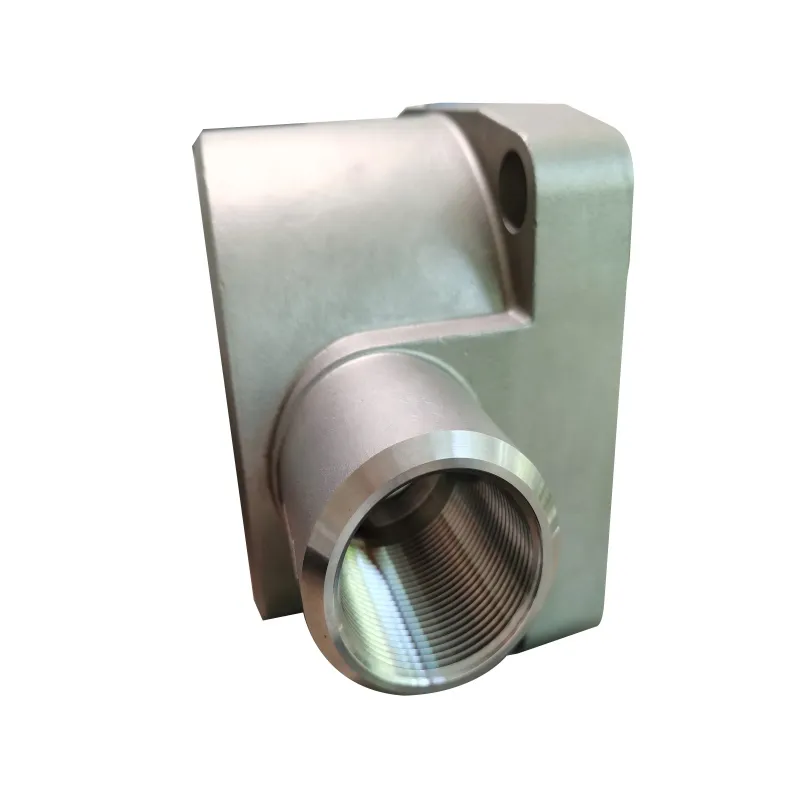
When most people hear 'investment casting companies,' they picture glossy brochures with perfect metal parts. The reality is far messier, more interesting, and frankly, where the actual value gets created—or lost. It's not just about making a shape; it's about managing a hundred tiny variables from wax blend viscosity to the final heat treat ramp rate. A lot of shops talk a big game on dimensional tolerance, but the real test is consistency across batch ten, not just the first-off sample.
The Core Misconception: It's Just a Process
There's this pervasive idea that investment casting is a commodity process—you send a CAD file, you get parts. That mindset is the fastest route to a failed project. The process is the framework, sure, but the company's embedded knowledge is the product. I've seen engineers spec a 17-4 PH stainless, assuming it's straightforward, only to get parts with inconsistent hardness because the foundry didn't have a controlled nitrogen atmosphere for solution treating or misinterpreted the H900 condition. The choice of investment casting companies is a choice of their metallurgical discipline, not just their equipment list.
For instance, working with alloys like nickel-based ones (think Inconel 718) or cobalt-based alloys (like Stellite 6) separates the serious players from the rest. It's not just about melting them. It's about understanding how the shell mold material interacts with the alloy's reactive elements at 1500°C, preventing surface scaling or critical carbon pickup. A company that casually says yes, we do that without a deep dive into your application's stress and temperature profile is a red flag. I learned this the hard way on an aerospace bracket that failed in thermal cycling; the root cause was trace element contamination from a recycled shell slurry.
This is where longevity in the field matters. A firm like Qingdao Qiangsenyuan Technology Co., Ltd. (QSY), mentioning their 30-year operational history, signals a persistence through market cycles. That time span means they've likely encountered and adapted to countless alloy revisions, environmental regulation changes, and evolving customer quality systems. It suggests a depth of troubleshooting memory you can't buy with new machines.
The Shell Mold Nuance: Where the Magic (and Problems) Hide
Everyone focuses on the metal, but the ceramic shell is the unsung hero—or the silent saboteur. The transition from a simple plaster mold to a multi-layer ceramic shell system is what defines modern investment casting. The skill isn't just in building the shell; it's in engineering its permeability and thermal shock resistance. A shell that's too weak cracks during dewaxing (an autoclave steam explosion), ruining the mold. A shell that's too impermeable traps gas, causing porosity in the casting.
I recall a project for a pump impeller where we had chronic shrinkage porosity in the thick hub section. The investment casting companies we worked with kept tweaking the feeder size. The real fix came from a veteran process engineer who looked at the shell build-up schedule. He reduced the slurry viscosity in the primary coats to allow better particle packing and increased the stucco grit size in intermediate layers to enhance drainage during drying. This created a shell with a graduated density that controlled solidification direction more effectively than just adding more metal risers. That's the kind of practical, non-obvious knowledge you're paying for.
This ties directly into combined services. QSY's mention of specializing in both shell mold casting and investment casting is noteworthy. It often indicates they control the entire pattern and shell-making process in-house, which is critical for consistency. Many shops outsource their wax patterns or primary slurry, adding a variable that's hard to trace when finish quality drifts.
CNC Machining: The Necessary Symbiosis
No investment casting is truly net-shape for high-integrity parts. There are always datum faces, precision holes, or threads that need machining. The relationship between the foundry and the machine shop can't be adversarial or siloed. The biggest cost sink I've witnessed is when the casting supplier and the machinist operate separately. The machinist complains about hard spots and inconsistent stock allowance; the foundry blames the machining feeds and speeds.
Integrated CNC machining capability, like what QSY highlights, changes the game. It means the same metallurgist who approved the heat treat cycle can advise the machinist on optimal tool paths for that specific batch's microstructure. They can design the casting with machinability in mind—adding minimal but strategic extra stock in areas prone to distortion during quenching, for instance. I've seen lead times cut by 30% simply because the casting arrived with pre-machined datums, allowing the CNC shop to skip the initial fixturing struggle. The feedback loop is instantaneous.
A practical detail: when reviewing such a company, ask about their fixturing strategy for castings. Do they design custom fixtures that locate off as-cast surfaces? Or do they simply clamp the rough part and hope for the best? The answer tells you more about their integration level than any sales pitch.
Material Selection: It's Never Just a Stainless Steel
Requesting stainless steel is like asking for a vehicle—it's meaningless without context. A food processing valve requires 316L for corrosion resistance, a surgical instrument might need 440C for hardness, and a marine fitting could use Duplex stainless for strength. Each behaves radically differently in the investment casting process. 316L has a long solidification range, making it prone to micro-porosity; it needs careful gating design. 440C requires precise temperature control during heat treatment to achieve the required carbide distribution.
The mention of working with cast iron, steel, stainless steel, and special alloys is a broad portfolio, but the real question is depth within each. For example, with nickel-based alloys, do they understand the difference in weld repair protocols between Hastelloy X and Inconel 625? Can they advise on post-casting hot isostatic pressing (HIP) for critical components? This advisory role is key. A good company will push back on a material choice if a lower-cost alloy can meet the service requirements—saving the client money and avoiding manufacturability headaches.
From my own missteps: we once specified a cobalt-based alloy for a wear plate assuming it was the toughest option. The investment casting companies we sourced from didn't question it. The parts cast beautifully but cracked during installation. A more experienced foundry would have asked about the loading conditions and likely recommended a high-carbon steel with a specialized wear-resistant coating—a fraction of the cost and more fit-for-purpose. The best suppliers are material consultants, not just order takers.
The Real-World Hurdle: Surface Finish & Dimensional Drift
Brochures tout excellent surface finish, but the industry standard (RMS) can be gamed. The real issue is finish consistency in internal passages and undercuts. For a turbine blade with internal cooling channels, the surface roughness inside those channels directly impacts airflow and cooling efficiency. How does the foundry inspect and guarantee that? Many rely on statistical sampling of destructed parts, which is costly.
Dimensional drift over a production run is another silent killer. The wax pattern injection molds wear, the slurry bath density changes with evaporation, the furnace temperature profile has hotspots. A top-tier company has a statistical process control (SPC) system that tracks these variables and correlates them to final part dimensions, not just for critical features but for the entire pattern. They should be able to show you control charts. I've walked away from shops that had beautiful first-article inspection reports but no ongoing process data.
This is where the 30-year experience of a firm like QSY becomes tangible. They've presumably built a vast internal library of how specific part geometries behave through their process. They can predict, with reasonable accuracy, where a thin wall might warp or a thick section might shrink, and they pre-compensate the wax pattern accordingly. That's proprietary knowledge you won't find in a textbook.
Final Thoughts: Choosing a Partner, Not a Vendor
So, when evaluating investment casting companies, look past the capability list. Drill into their problem-solving history. Ask for a case study of a failed casting and how they diagnosed it. Inquire about their internal communication between the pattern shop, foundry, and machine shop. Do they have joint planning meetings for new projects?
The goal is to find a partner whose thinking is integrated. They should see the journey from 3D model to finished machined part as a single, controllable continuum. The companies that last decades, like the one referenced here, typically have cultivated that holistic view. They understand that their job isn't to make a casting; it's to deliver a functional component that performs reliably in the field, and that responsibility starts at the design review stage and doesn't end until the part is in service.
It's a nuanced field, full of compromises and judgment calls. The right company makes those calls with you, armed with experience from battles you haven't had to fight yet. That's the real value proposition.