You type in 'investment casting companies near me' and you're probably expecting a neat list, maybe sorted by distance or reviews. That's the first place where reality diverges from expectation. Proximity matters, but not in the way Google Maps suggests. It's less about physical miles and more about logistical and communicative proximity. A foundry three states away with a dedicated project engineer who answers emails in an hour is infinitely closer than the shop down the road that takes three days to quote and can't grasp your print's critical tolerances. The search is really for a capable partner, not just a local vendor.
The Shell Game: More Than Just Geography
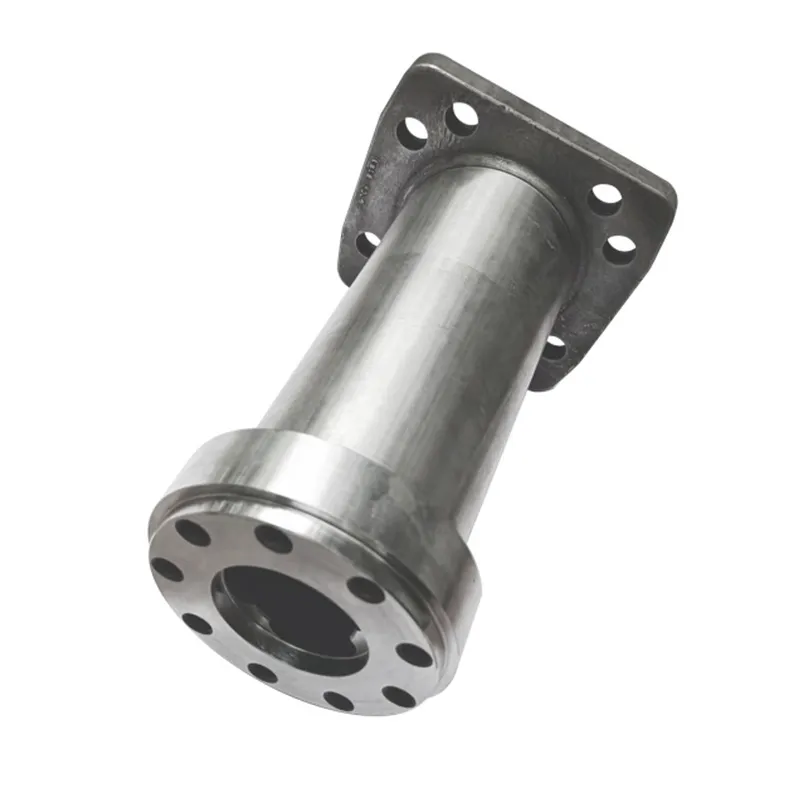
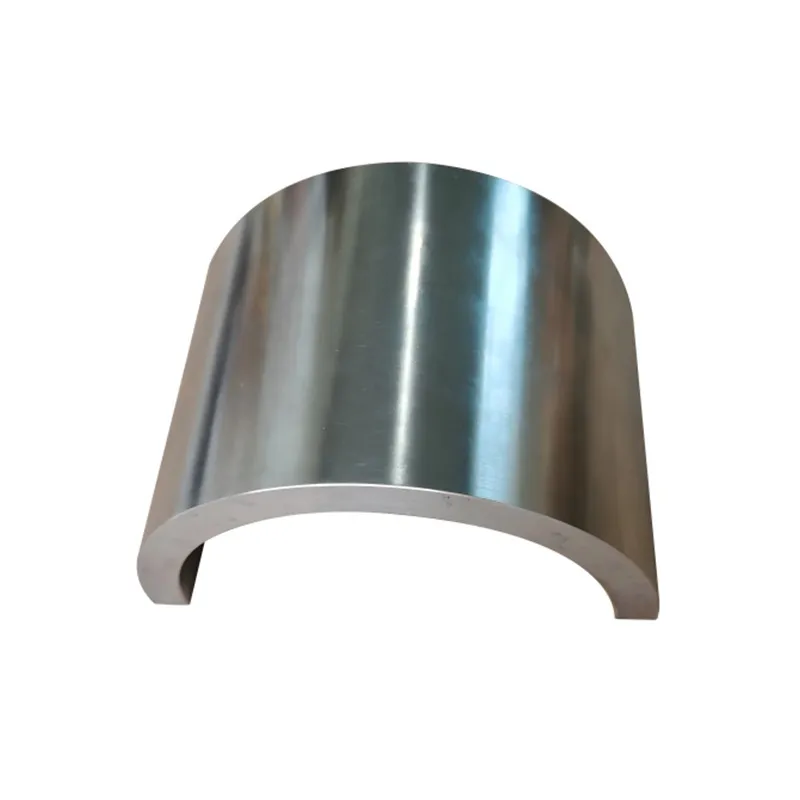
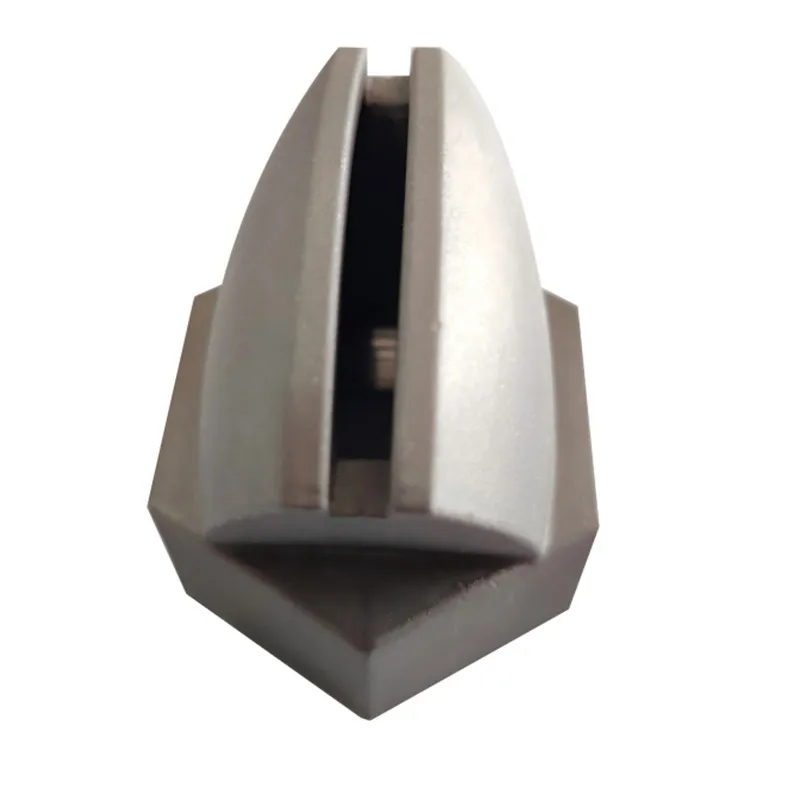
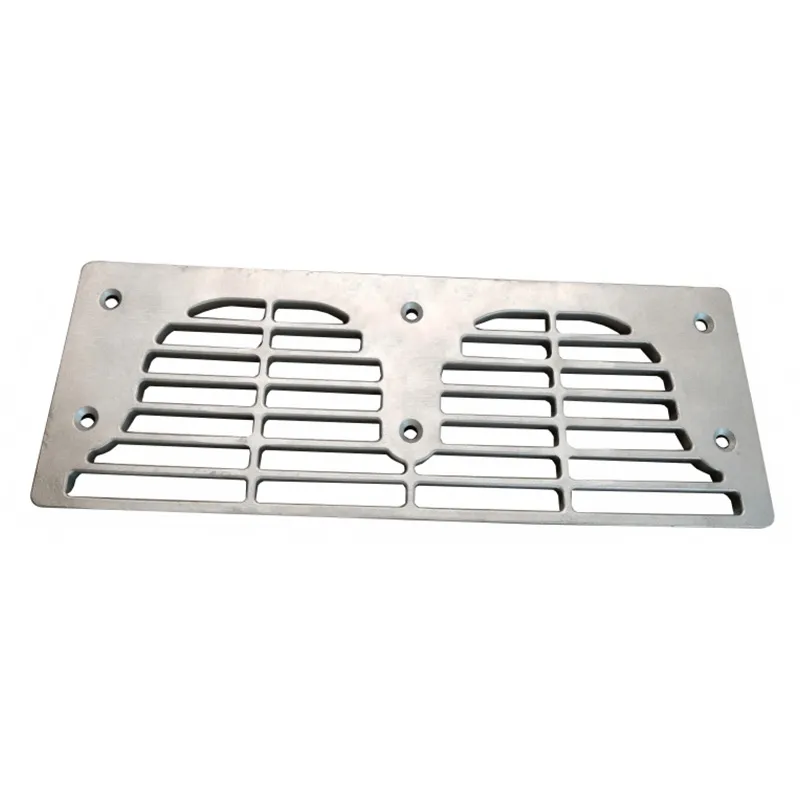
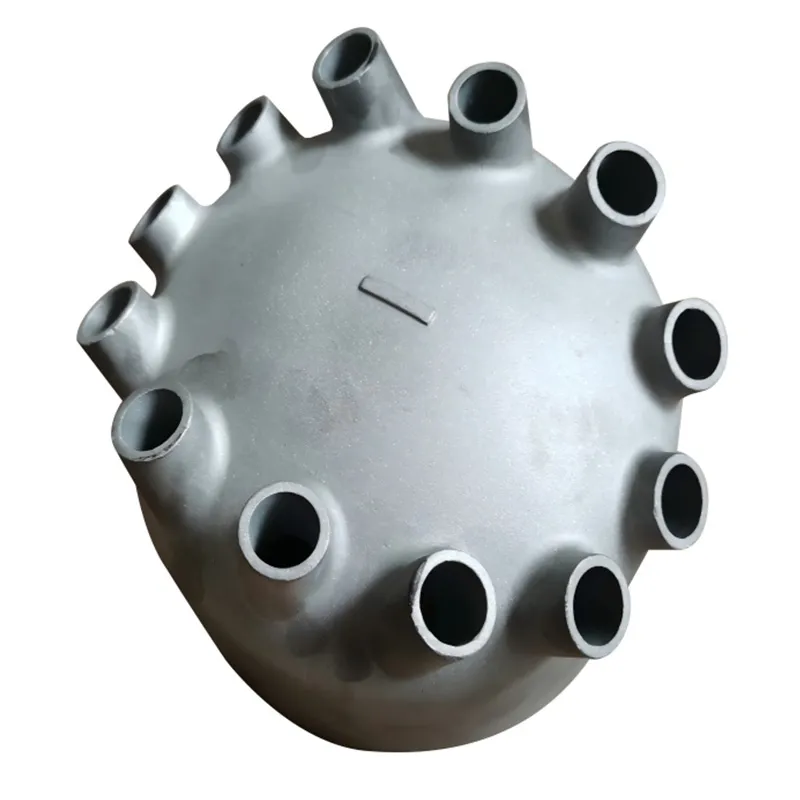
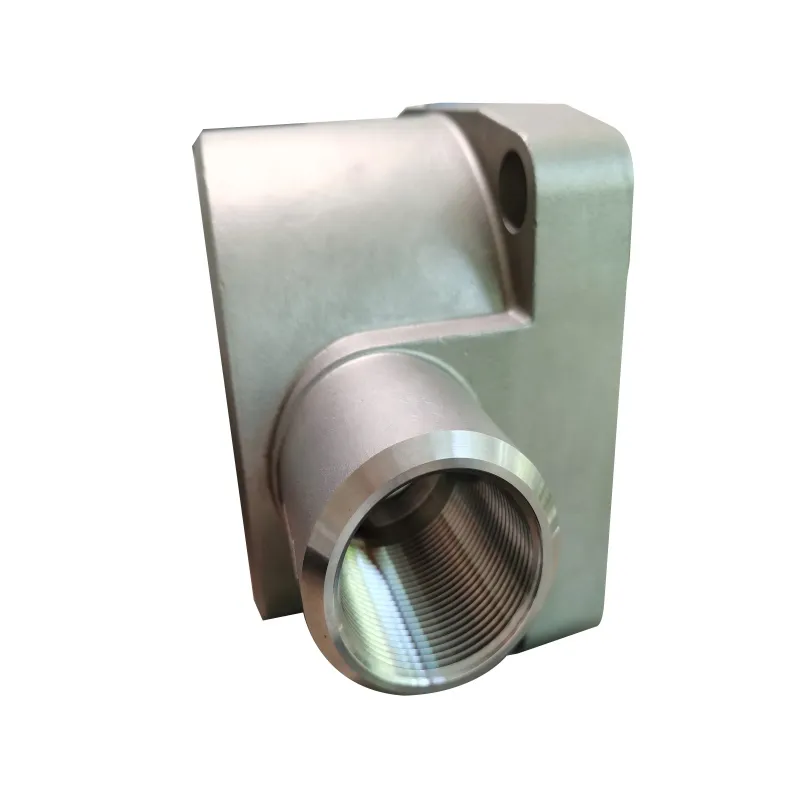
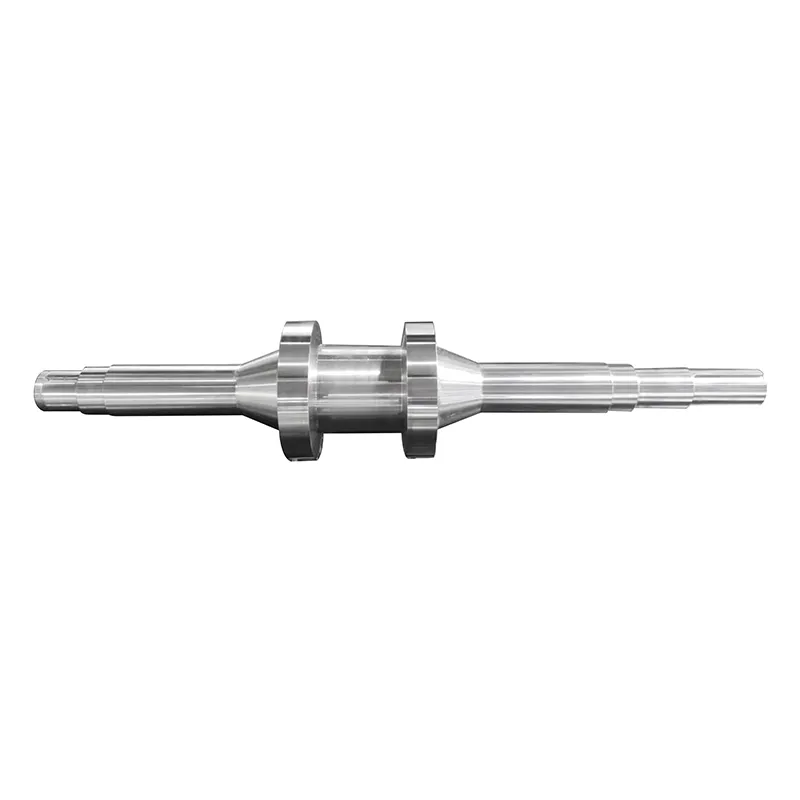
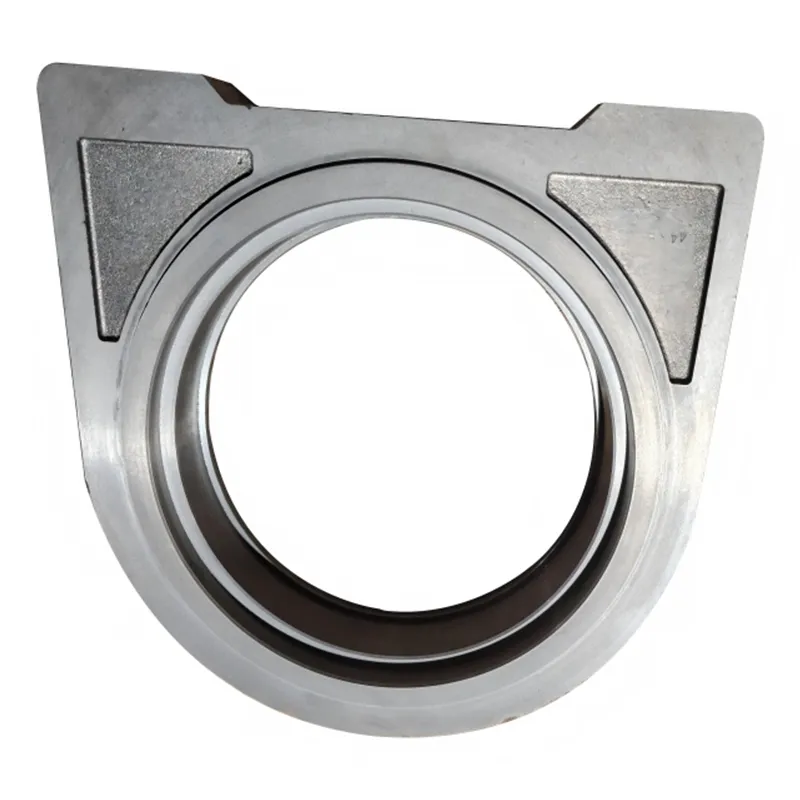
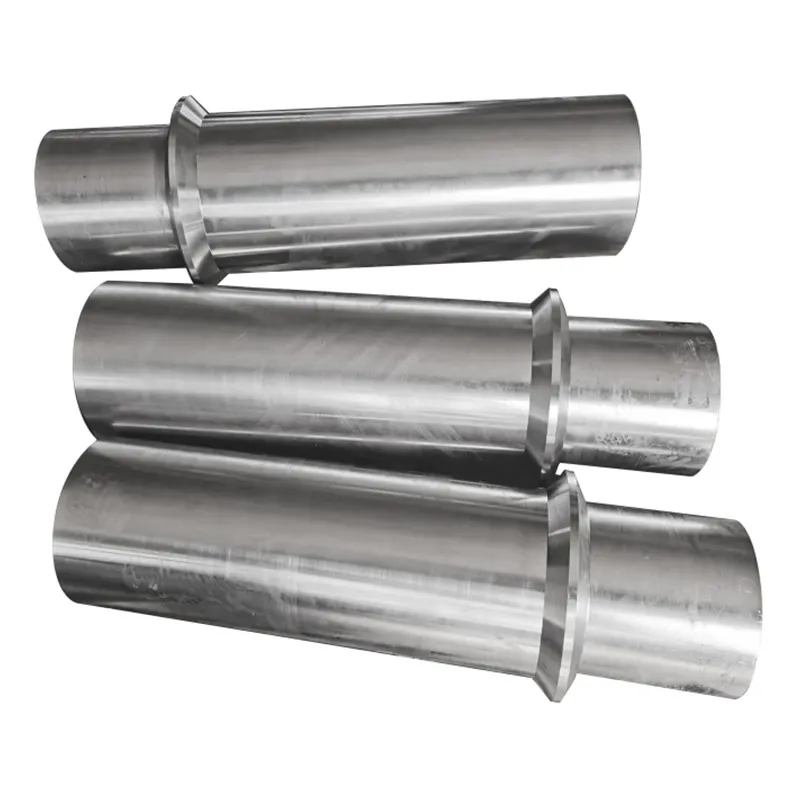
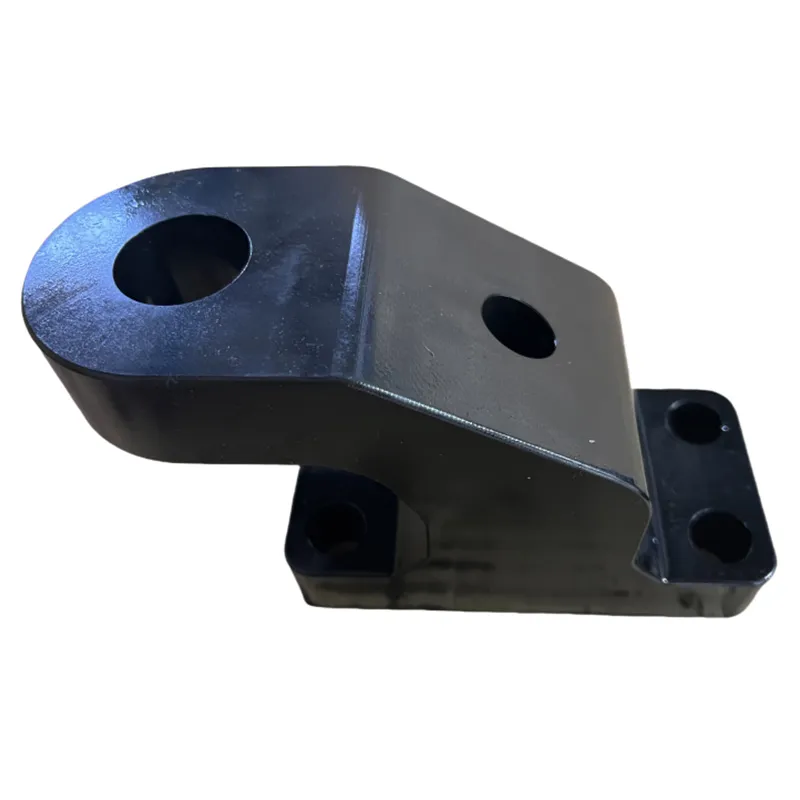
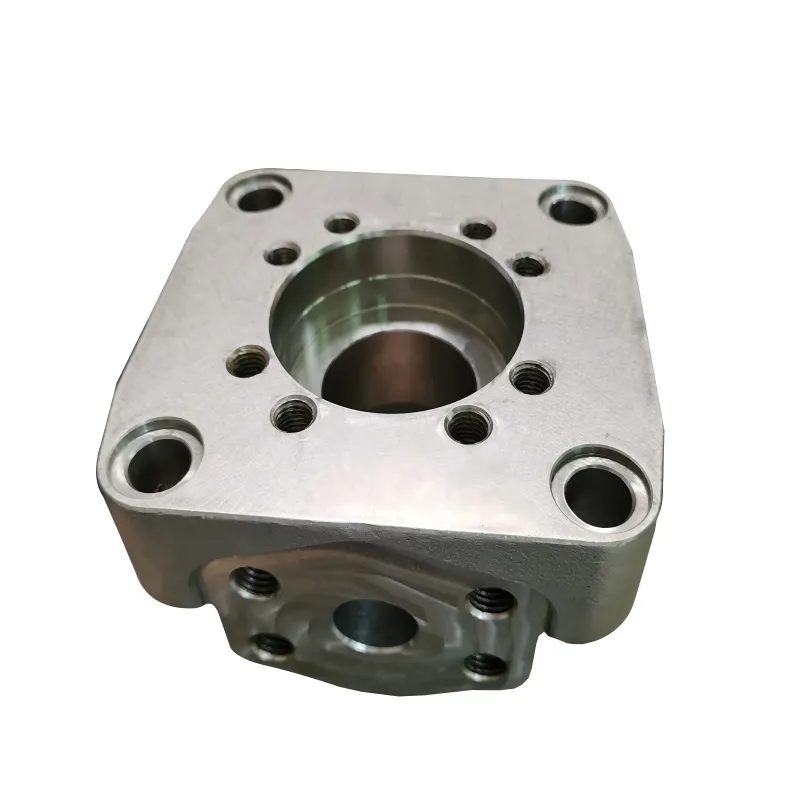
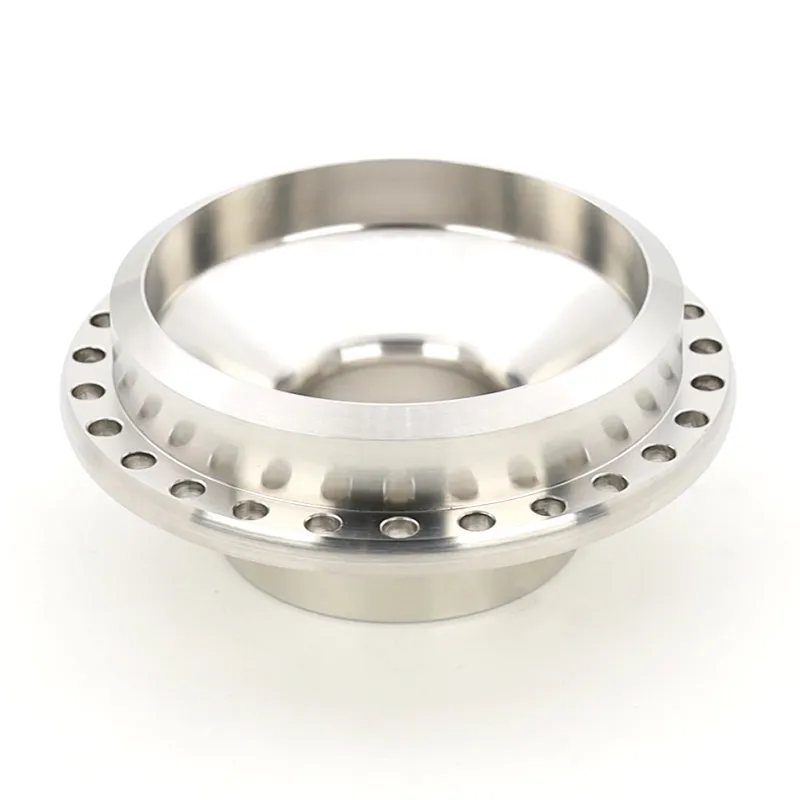
When we talk about investment casting companies, the immediate mental image is of wax patterns and ceramic shells. But the capability spectrum is vast. I've seen shops that call themselves investment casters but are really just doing rough, low-tolerance work for decorative items. Then there are others, like the operations I've toured in the Qingdao region of China, where the focus is on high-integrity components. Take Qingdao Qiangsenyuan Technology Co., Ltd. (QSY) for instance. You look at their site at tsingtaocnc.com and you see a 30-year history. That longevity in this field usually signals one thing: they've navigated the cycles, survived the quality wars, and likely have a process that's refined beyond the basics. They list shell mold and investment casting alongside CNC machining—that's a crucial combo. It tells me they're thinking about the finished part, not just the casting. A lot of near me shops will cast your part and hand it off, leaving you to hunt for a machinist. An integrated house saves a world of finger-pointing when a dimension is off.
The material list is another tell. Cast iron, steel, stainless—standard. But when they explicitly call out cobalt-based and nickel-based alloys, that's a different league. It means they're likely dealing with aerospace, defense, or high-temperature energy applications. These aren't backyard pours. The crucible management, shell formulation, and post-casting heat treatment for these alloys require a specific discipline. If your project involves something like Inconel 718, you're not just searching for a caster; you're searching for a metallurgical partner. A local job shop might take the work, but the failure rate could bankrupt you.
I learned this the hard way early on. Sourced a batch of 316 stainless impellers from a local investment casting company that promised the world. The geometry was complex, so investment casting was the right call. But they subcontracted the heat treatment and it was inconsistent. Result? Stress corrosion cracking in the field within six months. The near me advantage evaporated with the freight costs of returning all those failed units. The real cost wasn't the unit price; it was the downtime and the reputational hit. After that, my checklist changed. Near me became a secondary filter. First filter: do you have in-house metallurgy support and full process control?
Decoding the Near Me in a Global Supply Chain
Let's be blunt. For many precision components, the most capable investment casting companies might not be within a 50-mile radius. They might be in Ohio, or in the industrial clusters of China, like Qingdao. The near me then transforms into how seamless can you make the distance feel? This is where a company's operational maturity shows. From my experience vetting suppliers like QSY, it comes down to communication protocol and transparency.
Can you get a direct line to the production floor, or are you stuck with a sales agent who just translates? Does the company use modern inspection reports (full CMM data, not just a couple of caliper checks) that are understandable regardless of language? Do they have a clear First Article Inspection process? I remember evaluating QSY's process flow from their online presence—the fact they highlight both casting and CNC machining on the same site, tsingtaocnc.com, suggests an understanding of the integrated data chain. The CAD model used for the wax tooling should inform the CNC machining program. When that loop is closed under one roof, you cut down on cumulative tolerancing errors.
The logistics piece is part of the nearness calculation too. A company that has experience exporting to your region understands incoterms, packaging for long-haul shipping to prevent damage, and proper documentation. This logistical proximity is as critical as technical capability. A foundry next door that ships parts in a cardboard box with no padding is farther away than one across the ocean that uses custom foam fixtures.
The Devil's in the Details: Gating, Finishing, and Realistic Timelines
Anyone who's been through a few projects knows the quote is just the opening act. The real test is in the engineering feedback. When you send a drawing to a serious investment casting partner, they should come back with questions or suggestions. Gating and venting locations, suggested draft angles, potential hot spots that might cause shrinkage—if they just quote your print blindly, be wary. They're either desperate for work or lack the engineering depth.
I recall a project for a sensor housing in duplex stainless steel. We had a thin wall adjacent to a thick flange. The first-tier local shops quoted it as-is. A more experienced outfit, the kind you find after digging past the first page of near me results, proposed a slight redesign to transition the thickness more gradually and suggested a different gate location to feed the thick section more effectively. That intervention saved us from a guaranteed defect. That's the value of experience, the kind that comes from decades in the business, as noted with firms like the aforementioned Qingdao-based operation.
Then there's surface finish and as-cast tolerances. The sales brochure might say 125 Ra as-cast and ±0.005 in./in. But achieving that consistently on a complex part is another story. Ask for evidence. What similar geometry have they done? Can they share sample reports? The post-casting processes—heat treat, shot blast, finishing—are where a lot of the cost and lead time live. An integrated facility that manages this internally, like those offering both casting and machining, gives you a single point of accountability for the final part quality.
When Near Me Means Supply Chain Resilience
Recent years have reshaped the near me concept again, injecting it with a heavy dose of supply chain strategy. It's not just about cost or even quality anymore; it's about reliability and redundancy. Having a capable investment casting company that is geographically and politically in a stable, responsive corridor is a strategic asset. This is where developing a relationship with a proven offshore partner, while maintaining a domestic option for critical rush jobs, becomes a balanced model.
A company like QSY, with its 30-year track record, represents a node in a stable industrial ecosystem. For a buyer, that stability is a form of proximity. You know they'll likely be there next year, and the year after. They've built processes and presumably, a clientele that depends on them. This reduces your vetting risk over the long term. The goal is to build a shortlist of two or three proven investment casting companies—some local for quick-turn prototypes and urgent needs, some offshore for volume production and specialized alloys—that you know intimately. That curated list is your true near me.
The search, then, is never really over. It evolves from a frantic who can make this? to a strategic who do I trust to make this version of it, under these conditions, at this volume? The keywords are just the starting pistol. The race is about building a network of proven capability, where trust is built on delivered parts, not proximity algorithms.