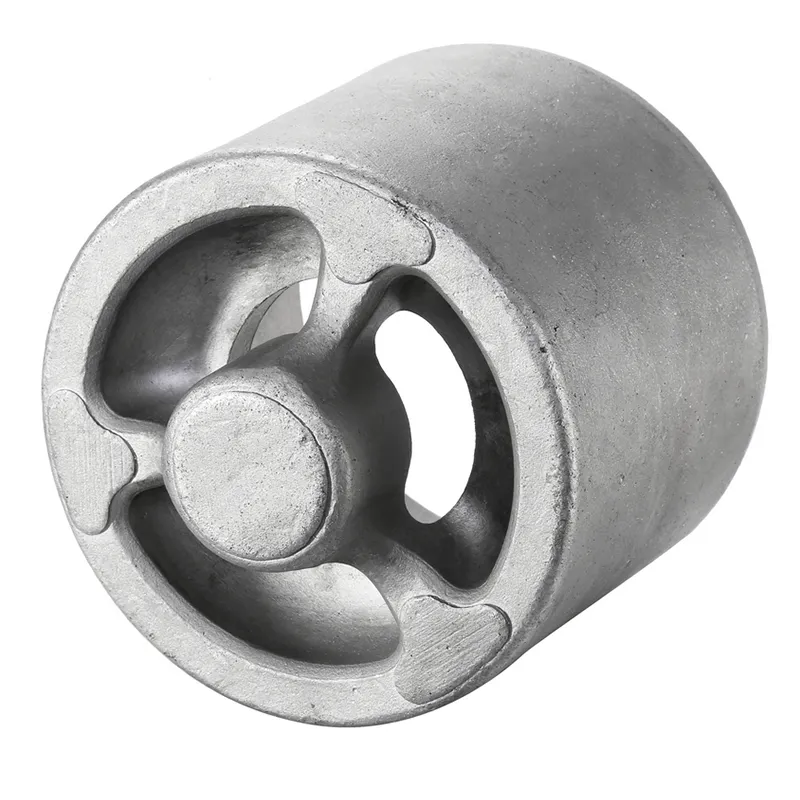
When you ask about investment casting cost, most people jump straight to the per-unit price. That's the first mistake. The real cost is a web of decisions, compromises, and sometimes, hidden pitfalls you only learn about after a project goes sideways. It's never just about the metal weight or the part's complexity on a drawing; it's about everything that happens from the moment you finalize a design to the day you receive a pallet of finished castings. I've seen too many projects where the initial quote looked perfect, only for the real expenses to balloon because nobody asked the right questions upfront.
Where the Money Actually Goes
Let's break it down. The big ticket items are obvious: material and labor. But within that, the alloy choice is a massive driver. Going with a standard 316 stainless is one world; specifying a nickel-based superalloy like Inconel 718 is another universe in terms of raw material cost and the expertise needed to cast it properly. You're not just paying for more expensive metal; you're paying for the foundry's capability to handle it without creating a high scrap rate, which brings me to the next point.
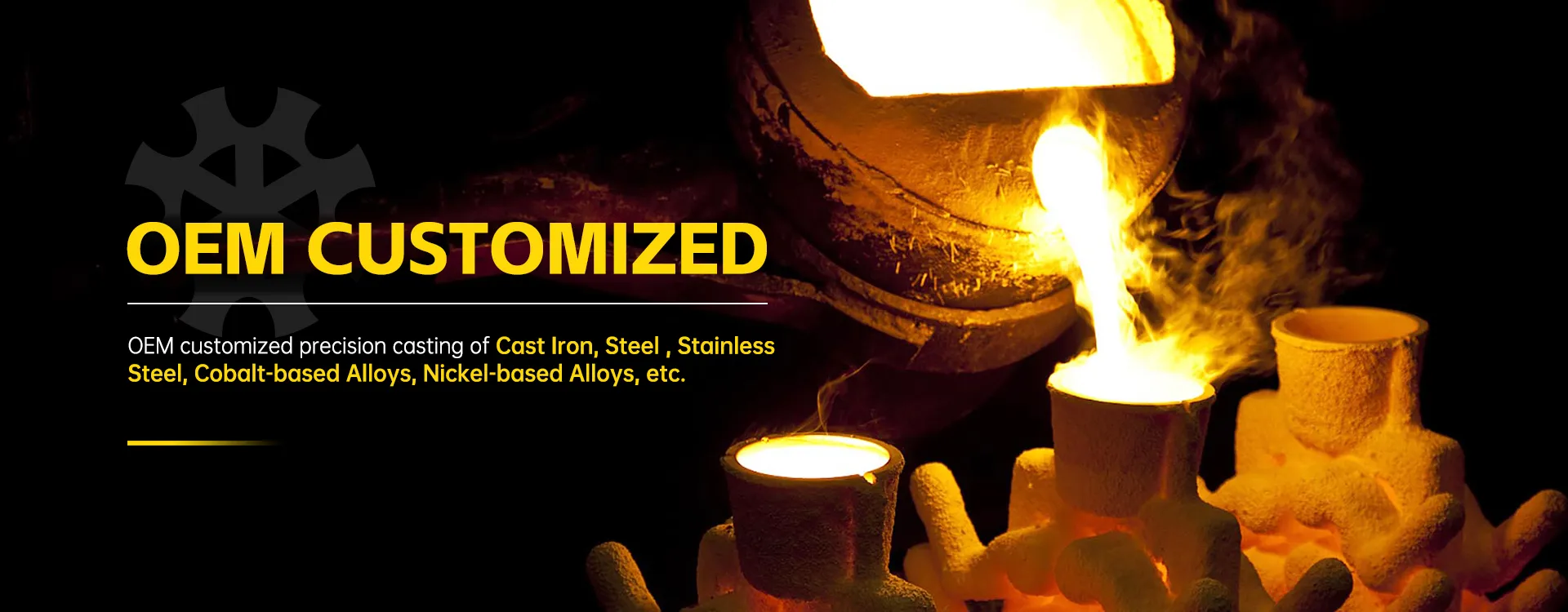
The tooling cost for the wax pattern is often misunderstood. For prototypes or very low volumes, you might use 3D-printed patterns, which saves on initial tooling but increases the unit cost for each wax pattern. For production runs, you need an aluminum or steel mold. That's a significant upfront capital expense. A company like Qingdao Qiangsenyuan Technology Co., Ltd.(QSY), with their three decades in investment casting and machining, would typically advise on this break-even point. Their website, tsingtaocnc.com, outlines their work with special alloys, which immediately tells you they're set up for jobs where the material and process control costs outweigh the tooling concerns.
Then there's the shell-building process itself. The number of ceramic coats, the drying time between each, the type of stucco used – these all factor into the labor and facility time. A complex part with deep pockets might need seven or eight coats, while a simpler shape gets by with five. Each coat adds a day to the cycle. So, your investment casting cost is directly tied to how long your part occupies space in the foundry's drying room.
The Hidden Cost Drivers (The Ones That Get You)
This is where experience talks. Surface finish requirements. If you need an as-cast surface finish of 125 Ra microinches, that's standard. But if your spec calls for 63 Ra or better, the foundry has to adjust the ceramic slurry, use finer stucco, and potentially do more post-cast finishing. That spec change can add 15-20% to your unit cost easily. It's a detail often overlooked on engineering drawings.
Gating and venting design is another silent budget killer. A poor gating system designed to save on material can lead to turbulence, air entrapment, and shrinkage porosity. The result? A higher scrap rate. You saved $2 on wax but now have a 30% rejection rate. The true investment casting cost per good part just skyrocketed. I learned this the hard way on an early project for a pump impeller; we optimized the design for minimal wax usage, but the first batch had a 40% failure rate due to shrinkage. We had to redesign the entire gating, which meant new tooling and a two-month delay.
Post-casting operations are frequently quoted separately. Does the price include cut-off (removing the parts from the tree)? Does it include grinding the gates? What about heat treatment or straightening? A full-service provider that integrates CNC machining, like QSY mentions in their intro, can often streamline this. Having casting and machining under one roof reduces logistics, re-fixturing, and quality handoff issues. That integration can lower your total landed cost, even if the initial casting quote isn't the absolute cheapest on the market.
Volume vs. Complexity: The Balancing Act
Investment casting is famous for complex geometries, but complexity has a price. A part with thin walls (say, under 2mm) requires precise wax injection and shell building to prevent breakage or incomplete filling. Internal cores add another layer of cost and risk. For low volumes, it might be worth redesigning to avoid a core. For high volumes, the cost of the core mold gets amortized.
This is where long-term partnerships matter. A foundry that understands your industry can suggest design-for-manufacturability (DFM) changes early on. Looking at QSY's focus on shell mold and investment casting across various materials, they're clearly geared towards handling that complexity trade-off. They've probably advised countless clients on where to add a slight draft or radius to dramatically improve yield.
Volume discounts exist, but they're not linear. The biggest cost drop happens from prototype (1-10 pieces) to a small production run (100-500 pieces). After that, the savings per unit diminish. You're mainly saving on the amortized tooling and setup time. The material and direct labor per piece become the dominant factors.
Material Selection: The Core Cost Equation
You can't talk cost without talking materials. Carbon steels are the baseline. Stainless steels (304, 316, 17-4 PH) are a step up. But when you get into the cobalt-based or nickel-based alloys QSY lists, you're in a different league. These alloys are not only expensive per kilogram, but they're also harder to melt, pour, and finish. They require stricter process controls and often specialized heat treatment.
The cost of using these alloys isn't just the invoice line item. It's the assurance that the foundry has the metallurgical expertise to maintain the alloy's properties. A cheaper foundry might offer to cast Inconel, but if they don't control the pouring temperature or the cooling cycle correctly, you end up with a part that looks right but fails in service. That's the ultimate, catastrophic cost.
Sometimes, the right choice is to use a more expensive material from the start. I recall a valve component originally specified in standard stainless. It kept failing under corrosion and heat. We switched to a higher-grade duplex stainless, which doubled the material investment casting cost. However, the component's lifespan increased fivefold, making the total cost of ownership far lower. A good foundry partner helps you see that bigger picture.
Getting to a Realistic Quote
So, how do you get a quote that reflects reality? Provide everything. A 3D model is a start, but it's not enough. You need to specify: material grade (not just stainless steel), required mechanical properties, heat treatment, acceptable defect standards (like ASTM A802 for surface inspection), and post-processing needs. The more vague you are, the more contingency the foundry will build into the price to cover their risk.
Ask for a breakdown. A transparent quote might separate tooling cost, unit casting cost, and post-processing cost. This helps you understand where the money is going and where there might be room for negotiation or redesign.
Finally, consider the total value, not just the price. A foundry with integrated CNC machining capabilities, like the one described at tsingtaocnc.com, offers control. They handle the entire process from molten metal to a machined, ready-to-install part. This reduces your administrative burden, simplifies quality tracking (one point of responsibility), and often leads to better overall quality because the machining team understands the casting process. That integration has a value that a bare-bones per-kilo casting quote will never show. In the end, the true investment casting cost is the price of getting a reliable, functional part that meets all your specs, on time, every time. Everything else is just an estimate.